Dr. Uwe Alschner | NARRATIVE #200 by Robert Cibis
Here is a version of about 40 minutes without restrictions – our OVALmedia subscribers can enjoy the full programme.
Watch the full episode with OVAL Abo
Above you can watch a short version.
from €7 / month · cancel anytime · this and all other films, shows and articles
Already a subscriber? Log in
Through Beauty to Freedom
Historian, writer, coach and management consultant Dr. Uwe Alschner has found a way out of the global crisis for himself and perhaps for us too: beauty.
How did this come about? Alschner had worked for Angela Merkel and left politics when he understood that the current system leads parties to destroy the “other side”. For the committed intellectual, “shaping politics” looks different. His fundamental crisis of meaning deepened when, from 2020 onwards, he observed and experienced the anti-humanist, totalitarian violence of the measures crisis. Together with the Holocaust survivor Vera Sharav, he worked through a documentary and a book to expose crimes of the present. The historian, writer, coach and management consultant also publishes critical analyses of the prevailing narratives on his blog (in German).
The new insights into ever deeper abysses weighed on him, as on many others. Where is the way out? The turning point was the following statement by Friedrich Schiller*: “For it is through beauty that we arrive at freedom.”
In what has by now been years of engagement with Schiller and German classicism in general, Alschner finds a solution. For where intellect and emotion meet, reason arises. Aesthetics strengthens the backbone. Beauty promotes thinking. Freedom needs room to unfold. To the two speakers it seems self-evident that criticism and creativity exist in symbiosis.
Alschner quotes Friedrich Schiller’s “On Grace and Dignity” (our translation):
“We call it a beautiful soul when the moral sense has at last made so sure of all a person’s feelings that it may without fear leave the guidance of the will to emotion and never runs the risk of contradicting its decisions.
Hence in a beautiful soul it is not really the individual actions that are moral, but the whole character. Nor can any single one of them be counted to its merit, because the satisfaction of an impulse can never be called meritorious.
The beautiful soul has no other merit than that it is. With an ease as if instinct alone were acting from it, it performs humanity’s most painful duties, and the most heroic sacrifice it wrests from natural impulse appears as a voluntary effect of that very impulse. Hence it is itself never aware of the beauty of its actions, and it no longer occurs to it that one could act and feel otherwise; whereas a schooled pupil of the moral rule, as the master’s word demands of him, will at every moment be ready to give the strictest account of the relation of his actions to the law.
The life of the latter will resemble a drawing in which one sees the rule indicated by hard strokes, and from which an apprentice might at best learn the principles of art. But in a beautiful life, as in a painting by Titian, all those cutting boundary lines have vanished, and yet the whole figure emerges all the more truly, vividly and harmoniously. (…) It is thus in a beautiful soul that sensuality and reason, duty and inclination are in harmony, and grace is its expression in appearance.
Only in the service of a beautiful soul can nature possess freedom and at the same time preserve its form, since it loses the former under the rule of a severe disposition and the latter under the anarchy of sensuality.”
*“On the Aesthetic Education of Man”, Second Letter.
You might also be interested in
- “For it is through beauty that we arrive at freedom” – Dr. Uwe Alschner
- “Perversion of the Mind” Jochen Kirchhoff | NARRATIVE by Robert Cibis #38
- “The Corona crisis holds the potential for a leap in cultural development” Barbara Küchler | NARRATIVE by Robert Cibis #36
- “Homo Hygienicus as a Clinical Picture” Matthias Burchardt | NARRATIVE by Robert Cibis #24
- “Medical Ethics” Vera Sharav | COMMENTARY #74
- “Never again is now” Vera Sharav | NARRATIVE by Robert Cibis #115
- Vera Sharav’s historic Nuremberg speech: Eugenics then and now
Robert CibisHello, my name is Robert Cibis. I'm very proud and very honoured to be sitting here with Dr. Uwe Alschner. He's a historian, a writer and commentator, has really exciting Substacks and also a website, a blog, ….de. But he's also a coach and management consultant. And by the way, these programmes can all be seen in full on the website www.oval media. Yes, and that's of course an interesting combination: coach, management consultant, writer, historian. That sounds like a person who wants to understand everything. From history you can often judge the present better, and in company analysis and coaching it's always about seeing the bigger context, so to speak, and not just thinking why is my wife getting on my nerves so much, but discovering mechanisms, discovering patterns. But as I've learned, you also actually worked actively in politics and became, so to speak, a thinker, a stronger thinker, let me say, and even more of a writer after this political experience.
Is that right? Why are you no longer in politics, to put it the other way round?
Dr. Uwe AlschnerThe question is relatively easy to answer. Politics is a destructive business. And the system as we know it now, and can hardly imagine any other way, is designed so that the politician succeeds when his counterpart has less or no success. So work in politics is mainly aimed at bringing about the failure of the fellow contender, of the counterpart. So a destructive approach. And this destructive approach actually made me ill, because it's quite clear that fellow candidates, competitors, companions in politics can also have good ideas and proposals. But if they're not allowed to be good, because then the success lies on the other side and not with us, then it gets really problematic when you work against meaning, against the meaning of life, namely shaping the common good. And that became clear to me, and then I said: I have to get out, this is destroying me.
Robert CibisIt's great how you put that in a nutshell. I think, of course I have a different ideal, and you obviously do too, but I always thought: why isn't it possible, when I watch politicians going at each other? Why isn't it possible for this concept simply to work, that representatives are elected to a parliament and then think together about what's best? Which decision is best now? And if X has a good idea and Z another good idea, then you can look at what, so to speak, if I consider what's best for the common good, and simply follow that? So why does it obviously have to be so destructive?
Dr. Uwe AlschnerWell, of course it doesn't have to be. But it is, and then the question is very interesting: why is it so? And that has to do, in my opinion at least, with there being continuities that have ultimately prevailed, at least temporarily prevailed so far, by also setting the system. Keyword democracy. Historically, philosophically, democracy was a problematic form of government, because in Athens it was mob rule. It was the power of the rabble, that is, of the uneducated, the opportunity to influence the masses for those who play a game of withholding information or with partial information or with misinformation, who play a game with it. In ancient history those were the oligarchic currents, Persia in particular, which tried to gain a foothold in Athens, in Greece, and then strengthened the democratic faction with sham arguments. Right, and that's something that has of course been relativised for us in the course of history.
Democracy now has quite a different meaning, namely the possibility for everyone to have a say. That makes it positive and good too. However, the basic problem has remained, namely that having a say presupposes that everyone also knows what it's about. And that has, on the one hand, a duty to fetch, but then also a duty to deliver. That means if I set up a system in such a way that I don't even put the majority of people in a position understand exactly what it's about, then I've opened the door to manipulation. The solution is then very complex as such, first of all, because it's then about looking at education and so on. These are all things that have happened in history, but then had more or less success, partly because they were reversed. And by now we have a highly problematic system in which influencing the masses has become the goal of studies. And then, through the new technologies, quite different possibilities now take effect, which we can see from attention spans declining, from hardly anyone still being able to follow complex thoughts, let alone formulate them themselves.
Robert CibisYes, I see all that. Of course I'm optimistic in the sense that what is used against the population also works for it. Of course it's the case that we're making this programme now thanks to modern technology, and that's why several thousand people can see it too. That wouldn't have been possible 40 years ago. And I'm curious and want access to information. And somehow I also believe it really is easier. What is harder is being confronted with other opinions when you don't want to be. You can, so to speak, prefer to keep your bubble, or you can keep it more easily, if you want to or if others want you to stay inside.
Dr. Uwe AlschnerYes, that also presupposes that you first recognise the bubble as such. That's, I think, one of the core problems, because the question of what reality is is something that, incidentally, has also always been the fundamental question historically. And Plato, for example, the allegory of the cave, the shadows on the cave wall that make the uninformed observer believe that it's reality, who then doesn't even have the courage to step out of the cave to see the light directly, but prefers to remain with the shadows. And that's a basic problem, which ultimately also leads to it being about asking oneself: what is the human being at all? Are we just an animal, a mammal, like all the others? And this reading has increasingly been made the standard since Darwin. Or is the human being something that distinguishes him from other living beings through certain qualities he has been given? And I lean towards the latter opinion, decidedly so. I believe we humans have a task, and not least one of my sites is called Ganz Mensch sein, being fully human.
Where I deal with the question of what that means. It of course also means the ability to come to terms with one's own shortcomings, because they're human, we're imperfect. On the other hand it also means developing this capacity for compassion and thereby also daring to look beyond one's own horizon. So in that respect it's a very complex story. One more sentence on technology. Of course I'm aware that this technology is first and foremost a blessing. But technology, if it can be instrumentalised, and with regard to social media things, I think it can hardly be disputed that through it, this already began with television: the 90-second bites, where everyone who had to make a statement was told: please only 90 seconds, because we have no time, the Tagesschau or whoever decides. That was common practice in politics back then, that it had to be formulated like that. But now with Twitter and Instagram and TikTok it's even more extreme that actually the young people, the generation growing up, are being diverted from following complex thoughts, enduring them and moving within them, taking them along, developing them further,
and in this way also helping to shape society.
Robert CibisOf course I see a kind of logic of power there. And that's exactly my big thing. I believe this being human is a different approach, a humanistic approach to our life. And then there's another perspective, the power approach, where you ask yourself: how can you subjugate people? And then there's a whole range of methods, for example psychological manipulation. You tell them: power over you has been given to me by God, and that's why I may now take a tenth of your income. Or some other more complex systems, for instance: you get people into debt, or you threaten them, or there are some other social constraints or systems and whatever else. There's a very long, long, long, long list of methods of subjugation and power, and most of these methods are themselves the knowledge of the rulers and are therefore apparently, obviously, not even taught at school. If the goal were the greatest possible self-determination of citizens and participation in a society, then surely the most important subject at school would have to be methods of power, so that you don't let yourself be manipulated like that, so that you see when someone can exert pressure, perhaps potentially, what a trap is. For instance: don't take out this loan, don't get involved in such a job, because this can happen, and whatever else.
You could certainly work on that, but that's not the case at all. So I have the impression again and again, when I talk about the current political situation here today, that people talk past each other a bit, because one person thinks: but nobody would ever want to do that, that wouldn't be good for people at all. Who would want that? says the person who can't process a piece of information but represses it. And the other person says: it's not about what's good for people, it's about power or control, as you like. And I work on that every day, at least for the last four and a half years, integrating it, so to speak. What is what? And the image of humanity is of course derived from that. Just as another perspective on what you're saying.
Dr. Uwe AlschnerYes, although I'm not sure whether the image of man is derived from that. I think there's a good deal to suggest that a fundamentally different image of man already underlies it. That means the chicken-or-egg question at this point, I think, is also relevant and should be looked at. Someone who has an image of man in which human dignity is inviolable. Or in coaching: I came to coaching ultimately via the Big Five for Life concept by John Stralecki, where many say that's not coaching, that's American frippery. Frippery, everyone can see that as they like. At the time it fascinated me greatly, because the topic of success was built up constructively. That means what really counts in life, according to the concept, is what every person absolutely wants to do, see or experience. Everyone has their own priorities. That means there's an individual diversity. But then it's also clear that it gives joy to help someone else realise what matters to them. So that really means interacting with each other as equals, not taking oneself more seriously, even if the topics of interest are different, but simply the joy of seeing what someone is pursuing, of having contributed to it, or simply observing him or her succeeding.
That's fundamentally human, I'll just claim that. That's also what in philosophy is ultimately called agape, divine love, love for one's fellow creature, for one's fellow human being. And oligarchic structures don't have that. They have a fundamentally different image of man. Those are the structures that assume there are a few who are better, whether they've been called to it by God or by whatever. But in any case they make a clear distinction between themselves and the rest of humanity. And such an attitude has no problem at all denying the dignity of other people, or at least diminishing it, and saying: well, fine, but they don't really have full dignity, and nor should they have the full right to a say. They're lazier, they're more stupid, they're not white, not black, whatever arbitrary criteria there are. They are arbitrary criteria, because this image of man is built on a hypothesis that isn't tenable. Behind it, ultimately, there's the question: what is all this here, life itself? Is it chance or is it not chance? I believe it isn't chance. And with that I'm already at odds with those who claim: why, the Big Bang and so on, it's obvious, it all came about by chance, and Darwin and so on proved it.
No, these are aspects where we can see the handwriting of the oligarchy is always clearly recognisable, and it was precisely the oligarchy that also instrumentalised democracy, for example to sentence Socrates to death, because he was a danger, with his thinking, with his philosophy, in questioning authorities too, in taking the right to question everything. That was a danger to these forces. And that's why Socrates then had to drink the cup of hemlock, because with his self-empowering teaching of not taking oneself too seriously either: I know that I know nothing, and that's why I want to ask and may ask. That's one of the core differences in this image of man. And ultimately that also has roots in the topic of faith and world view. But there too, actually, the great monotheistic religions, at their core, see a loving creator who enables us humans to go our own way. There are gradations to it, but in any case it's nothing in which there's some God-willed hierarchy that clearly defines top and bottom.
That's actually not intended there; that was brought in afterwards and also read into it, and those are then deep philosophical or rather religious-philosophical questions.
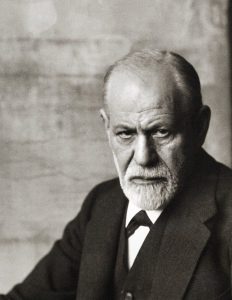
Robert CibisYes, that's very, very interesting. I mean, many people aren't aware that there's a kind of mental bridge between Darwin and the objectification or reification of the human being. I do understand it, because people say it simply developed like that, and that this narrative, let's say, the perspective of an order or of some kind of intention or of something divine or the like, that of course this also means a different valuation of life itself and of course of humanity. And that's reflected on other levels too. For example, Freud is very important in psychoanalysis and psychology in general. And he described, so to speak, the drive-driven human being who, even in high society, basically only satisfies his inner drives or follows them and acts accordingly, whether towards the parents or towards the other sex or otherwise, however it's expressed. And that too has to do with an animalisation of the human being in a certain way.
And of course we also see an economisation of all interactions. Because families are becoming more isolated, that is, smaller, cousins are hardly counted as family any more, grandparents also rarely live with the family, then there's the nuclear family, but that too is often split up, and then ideally you're in lockdown too and whatever, totally isolated, which is the normal, almost normal scenario: that even if you have children you still live alone. Or that the children live alone too, when they can. So you have, then through isolation there are transactions, there's support, responsibilities. But that's something completely different from seeing yourself as a clan that travelled together like the nomads in the old days, where you say: hey, that's actually what's in our genes, thinking as a clan. Yes, a maximum of 200 people, mostly fewer. And they look out for each other and are one big family. Of course there are hierarchies, but there's also a community.
And there I see, so to speak, the opposite poles. Now, what I find fascinating is that so many people who are simply repelled by current social developments, whether it's enthusiasm for war, health fascism or simply subservience to some global structures of another kind, and that they then move towards spirituality, so to speak. And sometimes I had a bit of an impulse to say: hey, folks, just because it's so terrible, you shouldn't stop staying rational now. We can still try to stay rational. Now I ask myself: how is it with you? It sounded a bit, I'd even say almost Christian, what you said. I mean, you shouldn't equate the terms, but Christian is at any rate in the direction of spirituality compared with materialism. Do you also see that you're fleeing, or is it not a flight for you?
Dr. Uwe AlschnerNo, it's not a flight, it's a search. A search for reasons of reason too. You mentioned the topic of rationality, and ratio is ultimately only one side of the human personality. I came to this when, in my research on the topic of transhumanism, something that certainly has to do with Darwin too, which by now also shapes the debates very clearly, where the improvement of the human being through technology is propagated. Only for the good of humanity, of course, so it's said. And that's something I take very seriously, and what then, when especially Yuval Noah Harari spoke about it, and spoke very disparagingly about it, that this God in the clouds, that it's all just superstition, but that the God from the cloud could accomplish intelligent design. In other words, we with our cloud could do what God, who doesn't actually exist, never could. That challenged me, much as, ultimately, engaging with Nietzsche, though only later on, also challenged me to say: hold on, what is this actually, what are these assumptions, what are they based on?
And in my opinion they're based on a lot of hot air, or rather on a lot of false conclusions, because ultimately they can't answer the question at all of where this life comes from. If I believe that it's chance, then I have to assume that something can arise out of nothing. That can't be resolved logically. So faith is in play there too. That means those who believe they're particularly rational are in another way just as much in faith as those who say this was created by God. And in that respect it was first of all an insight for me that I say: yes, true, that's a belief. Believing that something can arise from nothing can't be derived logically. There I have to believe. And that's something that then levels the playing field again. Then you can look at things... Then you can say both sides believe, so to speak. Right. At the very least both sides believe. And then the question would be which belief is the more reasonable. Right, and then the question would be whether what is then called the creator is a good one or an evil one? Does he play cynical games, let us walk through this vale of tears here and take pleasure in how we suffer? I don't believe so. You can see it differently, but these are points too. Anyway, I wanted to get back to the topic of transhumanism.
When I looked into this topic, which was massively propagated, during Corona too, the … industrial revolution came up, and all the promises in store for us there. But then also the problems, namely the useless eaters. Harari essentially calls it exactly that too, without any embarrassment about the echoes that become clear with it. bodies and brains and minds so cheap labour in Africa or South Asia or wherever, it simply counts for nothing. Again, I think the biggest question maybe in economics and politics of the coming decades will be what to do with all these useless people. I don't think we have an economic model for that. My best guess, which is just a guess, is that food will not be a problem. With that kind of technology, you will be able to produce food for to feed everybody the problem is more boredom and what to do with them and how will they find some sense of meaning in life when they are basically meaningless worthless my best guess at present is a combination of drugs and computer games I then heard a quotation at the end of a very, very hopeful, fundamental lecture by Cynthia Chang, and it was from Schiller, where it said, a quotation from the Letters on the Aesthetic Education of Man: it is through beauty that one arrives at freedom.
In more detail, Schiller justifies himself there on the question of why he allows himself the luxury, at such a pressing time, the early 1790s, that is, the French Revolution, but everything still in the balance, how he allows himself the luxury of thinking about beauty and art instead of about the political problem of the time, namely the republic, or what would become of it, and how man shapes his political being. And Schiller said there: to solve the political problem we must take the path through the aesthetic, and we must, beauty will pave the way for us to freedom. And at first I simply affirmed that emotionally, but didn't understand at all what he really meant by it. But I immediately had the impulse to want to understand it. In that respect what you said at the beginning is true. I'm someone who wants to try to find meaning in what he hears, sees or what presents itself to him. Right, and then I studied these Letters on the Aesthetic Education of Man that Schiller had written very intensively. And I found that a very, very well thought-out and coherent image of man is described there, which ultimately describes man as constitutively consisting of two elements.
Namely of the rational level, what he calls form, from which the laws and the creative capacity of man also flow. And what he takes as the emotions, the sensuousness, feeling. And he then, the letters arose out of despair over the excesses of the French Revolution, over the terror of the Jacobins, where everyone who was in any way able to contribute his own thoughts in argument was beheaded as an enemy of the state. So not only aristocrats, but intellectuals too were systematically eliminated back then. And that troubled Schiller greatly, and he then asked himself: is this actually proof that man can't govern himself? That too was claimed by the oligarchs. Following the message: there you see it, look what the rabble does. And Schiller said: no, that's not the proof. On the contrary, it's only proof that if you leave the frenzy, the emotional frenzy, the rage against the aristocrats, to itself, then such excesses occur.
Just as, on the other hand, if you let the cold, unfeeling rationality of an aristocracy break through, then the excesses occur that were seen before and were seen again afterwards too. The solution to this, for Schiller, is the ennoblement of man; the term is a bit old-fashioned, but if you simply look at it neutrally, it means making it somewhat better. And he says it's possible, namely through beauty, which is able to act on both elements of the human constitution, both to move the understanding, ratio, through its beauty and thereby bring it closer to feeling, and also to move feeling and bring it closer to the understanding, and thereby in each case reach heights in the development of one's own strength of character. Right up to the point where the beautiful soul, the end product, is something that is then actually free, insofar as it's able intuitively, instinctively, one could almost say, to do the right thing, where feeling automatically does the right thing, the reasonable thing.
And in that respect there's a difference between reason and understanding. Understanding is rational; reason is sometimes seemingly irrational, because with our sensory, empirical instruments we can't yet recognise where reason is grounded. That doesn't mean the reason isn't there. And there we're back at the topic: is there a God or not? So in that respect it's something where I simply say: yes, that sounds reasonable, above all it sounds comprehensible. Because if you do that, engage with beauty, and in fact with the classical beauty Schiller has in mind, then you find, at least I found it in myself, that it has an effect if, in what I do, I regularly surround myself with beauty again and again, listen to classical music, listen to a classical poem, look at a beautiful sculpture, then it has an effect on my basic behaviour, my basic feeling. And then I can also use my rational potential for other problems, namely creativity, much better. And that's what I then recognised, and why I've now ultimately taken this path with the Morgenstunden and with Ganz Mensch sein, to put a somewhat different emphasis in my work and not only on the cool, rational, but ultimately also negative enlightenment about the evil out there in the world, which I did for a long time before in my other blog, neveragainisnoglobal.com.
What does classical mean? Yes, the classical that Schiller speaks of, which educates man, ennobles him, brings his two elements together, is above all the art and philosophy of antiquity. And Schiller referred to that explicitly and thereby placed himself in a line of thinkers and aesthetes before him, to which Moses Mendelssohn also belongs, among others, who also thought intensively about aesthetics, as Leibniz also thought intensively about aesthetics, about the meaning of aesthetics. Augustine already thought about it in the fourth century. But Schiller had in mind above all the ancient art, the ancient philosophy of the Greeks. And perhaps I can quote something here on that. A short text by Schiller, On Grace and Dignity. It's relevant because it ties in with Greek philosophy, with Plato, who actually speaks of bronze, silver and golden souls, thereby designating, so to speak, the stages of development of human character, and this development is open to everyone, so it's not exclusive, he's not some apologist for hierarchy or anything like that; on the contrary, he is thereby within the fundamentally human, with what it means to be fully human.
And what Plato calls the golden soul, Schiller calls the beautiful soul. And in the text On Grace and Dignity Schiller then writes: one calls it a beautiful soul when the moral sense has finally secured all of man's feelings to such a degree that it may leave the guidance of the will to affect without fear and never runs the risk of being in contradiction with its decisions. Hence in a beautiful soul the individual actions are not actually moral; rather, the whole character is. Nor can one credit it with any single one of them as a merit, because the satisfaction of an urge can never be called meritorious. The beautiful soul has no other merit than that it is. It is thus in a beautiful soul that sensuousness and reason, duty and inclination harmonise, and grace is its expression in appearance. Only in the service of a beautiful soul can nature at the same time possess freedom and preserve its form, since it forfeits the former under the rule of a stern mind and the latter under the anarchy of sensuousness. So that's ultimately, finally, what he described is what then happened in the French Revolution: that the anarchy of sensuousness, that is, the terror of the Jacobins, gained the upper hand, and before that the rule of the stern aristocratic mind, beauty and sensibility ultimately destroyed, and so of course wasn't right either.
Schiller was a republican through and through. That already became clearly evident when, for example, in Intrigue and Love, the then still highly topical inclination of German sovereigns to sell their sons into military service for the British oligarchy. The Hessians who had to go to war in America, there to fight against the colonies that were fighting for their independence, their republican-humanist independence. For that, the sons of German lands were used as cannon fodder. And Schiller already wrote about that explicitly in Intrigue and Love, even if only in passing. That was actually the main point of the drama. But that brought him great problems, which then led to his abstracting his messages, his plays, onto classical, that is, historical subjects afterwards. William Tell, Don Carlos, Infante of Spain, The Maid of Orleans or the like, but all highly humanist, republican, reasonable statements and messages that he packaged in beauty, in linguistic beauty, in his poems in the beauty of metre and rhythm, in order to help enable people to bring their reason and their understanding and their emotions into harmony.
And I find that something that would also help us today to close the rifts too that arise between different parts of society, where some are afraid of a virus and others are afraid of a dictatorship or a totalitarianism. Both are fears. Some have reasonable grounds for fearing something, the others do too. But the two don't come together, and won't come together with any number of words of enlightenment. For that you need art, which closes the rifts, which brings people together, which opens up a platform for agreement, a perspective for agreement, to say: ah, that's what contributes to both of us. And then afterwards you can look at how we can then overcome the other differences, how we can harmonise them.
Robert CibisVery interesting. I mean, it's precisely these extremes that strike me. Now it also strikes me, the scales fall from our eyes. I understand that what we're also observing here in Germany now is that on the one hand we have this: yes, you just have to do it like this now. That's just how it is now. If that's what's been decreed, then you just have to do it. So this, whatever the topic, whether it's some regulation, when someone talks like that, it seems as if you yourself don't understand why you're doing it. But because it was a kind of duty, I mean the fact that this Precht published a book during the Corona period with the title On Duty, and all these words people thought no longer existed in Germany, which then suddenly became socially acceptable again. And this war-ready is then a kind of consequence of duty. And that's the one side. And the other side is then, so to speak, these drag queen parties, where you actually have the feeling: yes, everything is only, happiness, so to speak, free hedonism without any social bond at all. You rub against each other and you're naked, but you don't know each other at all. A bit like that, which actually seems like the other extreme.
But I'd claim it does fit together, for reasons I now understand better than before. Because both basically reflect a kind of lack of relationship, lack of connection. Because if you do something only out of duty, then you have no relationship to people. And then you see no meaning in it either. And if something is only for satisfying urges, whether it's food or sexuality or exercising power over other people, that too is a kind of impulse, wanting to rise in the hierarchy, that's perhaps also a primal urge. If all of that is only very superficially motivated, then it's also something that reflects a kind of inner emptiness and also a lack of bonds. And so, that's a thought, these occur to me for the first time as I hear it like this. So the ends touch again, the extremes, so to speak. But life is precisely on the other side. Of course I want to live sensuously. And of course I want to live reasonably, and of course I also want to live rationally, that's clear.
But the strength comes precisely from the connection. From the connection of the two, and also the connection between people. From harmony. Ah, that's the point now, yes. From harmony.
Dr. Uwe AlschnerAnd there we also come to the other aspects of classical education, right up to the fact that ultimately Pythagorean, Platonic, ancient Egyptian spherical thinking about the origin of the world presupposed a harmony that is completely negated in more recent science. It's chance, it developed, and they are ultimately laws that, if in doubt, are also unknowable. And again and again in the history of humanity, thinkers have turned against this. One of the most prominent, for example, was Johannes Kepler, who, on the basis of Platonic texts, and also on the basis of changes in the philosophy of science introduced by Nicholas of Cusa, a cardinal in the 15th century, tried to explain the harmony in the world, in the universe, as it recognisably revealed itself at the time.
And he succeeded. He managed to show the harmony in the planetary constellation with the help of Platonic philosophy, of the Platonic solids, the five Platonic solids, which are able to describe space too. So geometry thereby already becomes recognisable as a necessary element, synthetic, constructive geometry, as a necessary element for the critical education of every human being. And that doesn't happen today any more either. Today algebra is omnipresent at school, geometry only marginal, and then a form of geometry that is Euclidean, that is one-dimensional. You just want to calculate how big the angle is. Right, but why? And for that it's necessary to go via the concept of space, via the idea of space. Pythagoras was a historian of ideas who believed above all that man is able to think in ideas, to think the idea of the idea, and thereby in turn to shape the present and reality. Because if I only observe empirically, then at best I can recognise what is, but then I can, then there are no ideas.
But ideas are elements that arise in abstraction and can then also be thought further, right up to the point where I can consider that the lightning that rushes down from the sky is also something that could be tamed. Benjamin Franklin then ultimately developed electricity, which opened up a whole new measure of civilisational potential, which also rendered obsolete the oligarchic arguments for limiting the world's capacity to sustain life, which came from Great Britain, from Robert Thomas Malthus, who said that by 1890 at the latest we'll be at the end. That's why we have to let death happen again. We have to let epidemics and catastrophes happen and mustn't work against them, because otherwise we'll exhaust our capacity to sustain life even faster than by then. These are thoughts that the Club of Rome brought up again and again in the 20th century, which still overshadow the topic of climate change and also the topic of pandemics today, where it's claimed that through overpopulation the niches for living creatures have become too small, which is why bats from China can suddenly trigger a pandemic.
These are all just claims that aren't plausible at all.
Robert CibisI'd say these are narratives of domination used as a pretext to enslave or subjugate part of humanity.
Dr. Uwe AlschnerAnd Friedrich Schiller spoke out against that above all. Against domination: The Robbers, as I said, William Tell. These are classics that are no longer taught today either, that are no longer taught in their subtlety. Why? Because they would be able to open up approaches, intellectual approaches to how we could solve problems that otherwise appear unsolvable. And that's why the classics are so important, and that's why people like Schiller were fought so hard. …. So first of all he died under mysterious circumstances.
Robert CibisRight, he died younger.
Dr. Uwe AlschnerHe died very young. How old was he? He was 45, roughly, born in '56 and died in 1804, I think. So just under 50, but very young in any case. And before that he already suffered from a mysterious, from nervous fever, which opens up a hypothesis of poisoning. And that really wouldn't be surprising, because he was an explicit danger for republican ideas, which drew on the successes of the Americans, who for their part were much more than just a Tea Party, but were based on Leibnizian principles, not only Leibniz, but humanist principles …, where the topic of happiness really is mentioned. Life, Liberty and the Pursuit of Happiness. In German, happiness is translated as Streben nach Glück, the pursuit of luck. No, it's felicity in a Leibnizian sense. And felicity is something other than luck. Leibniz thought long and often about what that means. And the American founding values have exactly this thought, namely the right of every person to realise what is laid down in him, Schiller says this too, the divine disposition laid down in him.
Whatever that may be. The manifoldness of the world is diversity. That means there are no prescriptions there. On the contrary, creativity leaves incredible possibilities open. But what is laid down in every person, every person has the good fortune, the right, to develop this potential. That's the pursuit of happiness. And the American founding fathers placed the greatest value on that. And that too is of course an eminent danger for any oligarchy that wants everything to stay within its framework, wants people to be active creating value, but then at some point, when they can no longer contribute to value creation, they're superfluous and have done their duty, and then they should kindly no longer be a burden on the general public. Those are then also thoughts that later became explicit with eugenics, both in America and worldwide, but also in Germany. And these aspects are central because they shape the image of man, the world view, and because these thoughts are pushed into the background and we only, this expert fetishism: it has to be technocrats, well trained in inverted commas, but all thinking only in silos, hardly wanting to understand anything to the left or right, they're specialists who can't see the big picture at all any more.
They're supposed to rule the world, very few of them. None of us have the competence even to evaluate it. Whether it's just a new virus or climate change, we have no chance at all to say: hold on, has it actually always existed, or has it never happened that something became so dangerous to the world, as is claimed? And we no longer have any possibility even to question these authorities. Interestingly, though, almost all these authorities, I think all of them, were put into the world by oligarchic structures and ideas, think tanks, and are massively propagated and then kept going again and again with media power. Fear, uncertainty and doubt about the future are kept high, so that we always call for a strong hand, for an expert, a Dr Drosten, or for, what's the name of the gentleman from Potsdam with the climate institute, I've already forgotten the name, who explain to us how we can overcome these unsolvable problems. No, the problems are there, in the sense that a world is complex and wants to be shaped. But we have God-given possibilities within ourselves, and you don't have to be of the Christian faith.
You can also see it humanistically, Confucianly. The classical is also something that's generally, universally valid and that has always existed in all cultures. So you can justify it from many points of view, but it's something that can hardly be denied: that there are potentials we didn't even think of yesterday that we can use tomorrow, provided we have a good education that supports our independence, and also develops our strength of character and morals, our moral competence. But if we teach anything goes, then it's difficult for people to, why should I stick to morals if everyone cheats, then I can cheat too. That's the mindset out there too: stinginess is cool.
Robert CibisThese advertising slogans are no accident, that they've been so massively propagated over decades. Wow, I actually like to play devil's advocate in such programmes, but it's a bit hard for me now, because I just keep wanting to nod. Yes, right. I find that's also, I understand what world I'm in now even better thanks to what you've set out. Because, for example, in recent years, thanks to this so-called Corona crisis, I've met many people who are critical. People who criticise the government, and many of them were particularly intelligent and had put it particularly well. That's of course why I sought them out. I conducted interviews, for example, or for documentaries in some other contexts, because I was above all in very concrete contact with them. And the fascinating thing is that all of them without exception whom I know are particularly creative. As if you had to be more creative as a critic of the government, roughly. That isn't actually directly logical. Yes, well, many: Stefan Kohn is a really great musician, Wolfgang Wodak too, and writes whole volumes of poetry, yes, Sascha Latipova, whom I always like to read too, paints, and not in the sense that they paint now and then, but it's really a continuous activity, and and you don't even know, it's really like that with practically all of them, you could continue the list forever, and I ask myself whether that can be explained by this.
That, so to speak, you need this beauty to be able to exercise criticism at all. To have the strength at all. You already said that a little yourself. Is it a kind of reservoir of strength for you too, when you're not occupied with literature? Definitely.
Dr. Uwe AlschnerOf course I'm not only occupied with literature, but also with music, even if I don't understand as much about music as about other things, but classical culture, painting, sculpture, literature, then again prose and drama and poetry, these are all forms of the creative, that is, of the schöpferisch. And there I'd like to use the German expression quite deliberately once again. The creator principle: then we're not very far from the topic of creation and … as glorification of God. I'm aware that precisely in the name of faith, and not only in the Christian faith, incidentally now also with the topic of Islamism, terrorism, it comes through as well. But here I'd like to interrupt this thought briefly and speak about a particular case. Schiller wrote about an incident where Jesuit missionaries had been arrested in South America, in Paraguay, and then wrote a two-page, three-page text about it, about what was found on them.
These Jesuit missionaries fought against Spain and Portugal. At first glance completely absurd. Why do Christian, European clergymen fight against European Christian armies, instrumentalising the indigenous Indian population of Paraguay? And that's something where you then recognise that there's a diffuse constellation of interests here, which sometimes actually leads to alliances that aren't so obvious. And what's decisive is that these Jesuit priests who commanded the Indian fighters there also presented themselves in their armour in great pomp, with gold and feathers and everything. And they were then worshipped by the Indian fighters. Schiller describes it very interestingly. On them a handout was found which, in the Indian language, basically formulated a divine promise for the Indians: what was in store for them, what they could expect if they acted as terrorists against the European fighters.
The virgins in paradise, eternal life, the forgiveness of sins were deployed by the Jesuits and instrumentalised among the Indians, and in that respect what is found and promised among Islamist fighters today is nothing new, nor is it per se anything to do with Islam, but something to do with hidden interests. And that's why I'd recommend everyone to look into that, and less into the question of whether Islam is a danger or not. What connects is what we have to discover, and the hidden interests that we may look for are almost always present everywhere, and they're often ultimately of similar origin after all. And that's what I simply wanted to underline here. In doing so I've now forgotten the original thought I'd started arguing from. I'm sorry. But yes, that's the point. Schiller is incredibly topical there. He's topical there too. That means this classical, self-empowering, self-thinking approach, but not only thinking for oneself hedonistically, but fitting into a certain humble, agapic attitude, that is, full of charity towards one's fellow human creature.
And you can interpret that in a Christian way, but you can also interpret it in a Confucian way, where the mandate of heaven is something that will and should lead to just government and that can also be withdrawn again. That means the topic of the sinfulness or the moral reprehensibility of political action was known there just the same, and problematised. Yes, yes, I mean, that's basically very strongly human, and those who manipulate know that too, who then often …
Robert Cibisthe terms. That's how ethical understanding becomes moralisation, and that's how compassion and solidarity basically become a kind of duty or decree. And yet they use the nicer words but mean the more evil thing, and that's how they win people over, because you do want to do something good. You also somehow have almost an impulse to say: it gives me joy when I have to endure something, tighten my belt, if it's good for the general public. That's so deep inside us. As a child I too liked picking up plastic bags in the street because I thought that was something good, and throwing them in the bin. And I had very positive feelings from it. And I'm sure that those who now demonstrate at Fridays for Future, or also campaign for arms deliveries against the evil Putin, think they're acting for the general public.
That's so deep inside. The only question there is: why do they let themselves be manipulated? Why are we so sure that they let themselves be manipulated and we don't? That's the main question.
Dr. Uwe AlschnerYes, well, the second question is, I think, relatively easy to clarify. If you question yourself, call yourself into question, and that's what ultimately set me on this path too, as someone who comes from the mainstream, who worked in the CDU, who worked for Angela Merkel. For a long time I didn't understand how politics works.
Robert CibisCan you say two sentences about that too, because now all the viewers are going: what, he worked for Angela Merkel? Yes, that's something you can find too.
Dr. Uwe AlschnerBut the point is, only with Corona did I recognise for myself that things aren't running right. And I only recognised it because between what happened in Sweden and what was propagated here as without alternative, as having no alternative, there was a world of difference. And that wasn't clear to me at all, and then the cold shoulder I got everywhere from colleagues or former colleagues when I wanted to talk about it, when I wanted to discuss the figures, made me notice that something is going completely wrong here. And then the search for the causes ultimately brought to light the historical parallels that have brought me to where I am now. But originally it came from this quite normal mainstream thinking, and in that respect this aspect is something where I recognised that it's sometimes necessary to question oneself and then also draw the consequences. That means not continuing to support something that isn't coherent. Not then everything new or anything like that, that is, phoenix from the ashes, as has been done in America now with this movement of Brad Weinstein and others, who ultimately propagate the phoenixing of the American republic.
And I consider that very worrying, and I also consider it not really sincere, because at its core it's already speaking up for terror or chaos, and I think that's wrong. I believe we have to recognise our share of responsibility for the situation we're in, be it through a long failure to understand or through long inaction, to the extent that we shouldn't have any interest at all in reducing everything here to rubble and ashes and starting everything again from scratch. But thinking about the foundations, where did it start, where do we have to reform things, for example, that's necessary, and it's also not dangerous if there's a thorough discussion, a thorough debate about the possibilities, about the different views too, on the basis of a mature, well-founded education and state of information. That's of course the precondition. But overall it's something where, if we question ourselves, we are relatively...
Robert CibisSo you're quite sure that those who believed in this Corona narrative simply didn't question themselves at all?
Dr. Uwe AlschnerNo, they not only didn't question themselves, or perhaps couldn't question themselves, because they would then have touched certain points that were in turn too difficult for them emotionally. But those are aspects that can certainly be discussed as a society, and where you can then also say: okay, how do we manage such a transition, a transformation, how do we pull it off? And on the other hand, people in the other camp didn't question themselves either. For example, there too the aspect of what was actually going on there, and is everyone who once stood at the front at the beginning still someone who should stand at the front? Or do we perhaps have to reckon there too that there must have been infiltration of the opposition as well? Because all historical examples too suggest that, if in doubt, there's a two-track approach from the outset, that the possible opposition is controlled too. I don't want to insinuate anything about anyone by that, but the point is that we have to think about such possibilities and then have to think about how, without jumping to conclusions, we can protect ourselves against it, for example by discussing intensively. What is this alleged pandemic danger actually all about?
If we now only think about whether these injections were harmful or not: they were, and suffering arose from them too. Nevertheless, I think it's a dictate of prudence to think about whether the basic premise was right at all. How could it come about that we accepted this basic premise, and how could it then come about that we still accept that something like this may have turned out fine now because it wasn't so bad, but could come next time after all. And then we'd be back at the point where it's said: but it has to be quick, because if next time it's something bad that appears anew, then perhaps it does have to be quick, and then we're back to having to accept some expert telling us: now your only chance is to make yourself invulnerable with this gene jab. And that's a very dangerous situation, because then the question of fear comes in again. But now we'd have the situation where we can discuss it. Nevertheless, some in the so-called resistance aren't prepared to do so either.
Robert CibisI ask myself: why not? Be concrete: what do they think?
Dr. Uwe AlschnerWell, what they think I don't know, because I'm not inside their heads. But I note that at the moment, for example, I criticised that an opposition party in the German Bundestag, which was considered the spearhead of enlightenment, which is demonised by the mainstream but praised in the resistance as the only force that ever said anything, censored someone like Mike Jeden, who had thought about other than biological causes for this whole thing. Why? Why does everyone accept that in a symposium an expert who was invited to give his opinion, why is he censored nevertheless? I've never experienced that. And that established scientists, too, keep silent about it instead of saying: hold on, if my colleague is being censored here, regardless of what he says, I don't have to make that my own, but censoring in a symposium isn't acceptable, and then I'll withdraw my contribution too, I've heard that from hardly anyone. The only one who said anything about it was Stefan Hockertz, but all the others drew a veil of silence over it, and I consider that very questionable and also very dangerous.
Robert CibisYes, yes, absolutely. I mean, that's of course a debate of its own. I think it's terrible that it was censored. I was there, I listened to it from Mike Jeden too. Fortunately there's a transcript, because someone had recorded the audio, I saw it somewhere on the internet.
Dr. Uwe AlschnerThere's a transcript of the German interpretation.
Robert CibisThat's of course not so good. But that's of course the mood overall, that then even the resistance thinks in terms of guilt-by-association logic: ah, if one person said that, it rubs off on the whole symposium, then the opposing side will use it against us, because that's already too conspiracy-theory-ish. And then we come to what I've newly, I heard a professor of propaganda at New York University on the radio recently, whose surname is Crispin Miller. And he said: yes, with conspiracy theory, people always mean something that, if it were true, they couldn't cope with. That's basically, in my view, this, there we're back at the point. And if you yourself were in beauty, you say, you'd be able to cope with it, because you'd be somewhat more grounded.
Dr. Uwe AlschnerWell, beauty is only the ideal that is then pursued in art. And something tragic can be beautiful too. That's then dialectical, or rather in need of explanation. And Schiller does that in many places, where he describes why, what the aesthetic value of a tragedy is. But the fact is that this tragedy, even if it's the tragedy of Cassandra, whom nobody listens to any more, and who then has to experience the downfall of her homeland, Troy, that this is something like the prophet having no honour in his own country, and then it has. This tragedy, or the tragic poem, has an edifying effect, has the ability to convey something for future generations. Namely to understand that, if in doubt, it is unwise not to listen to critical voices and to surrender to the idea that it's all not possible, that it's so nice at the moment, and let's not now, and it's over anyway, and so on. So those are aspects that, in such an artful treatment of such a theme, other tragedies would also serve as examples, it's just that Cassandra is here now. But that...
Robert CibisIn one sentence, the story of Cassandra.
Dr. Uwe AlschnerYes, out of unrequited love she was struck with speaking the truth, but with nobody listening to her. And she prophesies the fall of Troy. And then everyone just celebrates a wedding, I think even her sister's. And in the end it turns out exactly like that, that afterwards it all goes up in rubble and ashes. And she saw it beforehand. But she also saw that nobody listens to her. And that's a highly relevant poem as such, which in beautiful form keeps putting this theme before our eyes, to say: yes, it can sometimes be depressing to contemplate a negative consequence. But then that's also what the theme of the sublime is. Schiller writes about that too: when you're able to acknowledge that life has risks, but that life is also not something I lead only for my own sake, but something where I make a contribution so that life goes on. And not only for my immediate family, but for civilisation as a whole.
That's a thought some may call pathetic, but it's still something essential, because you assume that if nothing happens without reason, then everyone also has his place there and everyone has his contribution to make. And ultimately no contribution is unimportant. And then, ultimately, I also have the ability to recognise that it's necessary to do the right thing, that it can still be beautiful even if it should mean putting me in danger. The people who put themselves in danger for speaking the truth, we know them, be they the first Christians or other martyrs who, because of their faith, because they declared something to be true and that they believed it, were then killed for it. Or resistance fighters Sophie and Hans Scholl in the Third Reich, who worked not in the realm of faith but in the realm of ethics and morals, of civilisational civic duty. They were sentenced to death and executed.
They knew they were putting themselves in great danger. They did it anyway. They needn't have been courageous to the death or addicted to death, but they were courageous to the death, because they accepted it, because they knew more was at stake. The character of Germany was at stake, the civilisational bond was at stake. And those are aspects that also come into play through a good classical education. I don't even want to say are taught, because it isn't teaching, it's discovering. Classical education above all helps someone who is educating himself to discover something, to work something out for himself from within, and not to be told some truth head-on by some authority, but the possibilities, Plato describes this in the Meno dialogue, where he helps a slave recognise what he could never have known before, simply by asking him. So Socrates is the person who does it, or Plato writes it. And that's something where it's also recognised that the truth can be experienced, even by someone who had seemed completely ignorant before.
But the right question, the right impulse leads to curiosity being awakened, creative thinking being awakened, and suddenly you yourself arrive at a solution you hadn't seen before. That's classical education.
Robert CibisI mean, here in Germany over the last 30 years we've actually experienced exactly the opposite. I observed it in my industry, television and cinema, how, so to speak, in the hierarchies, I was going to say quota, but basically that's the wrong word, opportunism was more important than competence for getting into a position. The generation of people who were just retiring when I started my career, by that I mean the end of the '90s, they were still completely different. Each of them had a different opinion. Each of them was a character in his own right. Some you liked, some you perhaps didn't, but it doesn't matter at all, they simply had character. And "we just have to see what the hierarchy says, we first have to ask the institutions": these people, who themselves don't trust their own judgement, then got into the top positions. I could really observe that these were different people. And we describe, when I talk to people from other industries, they tell me the same thing. They tell me that it was different back in the '80s or '90s, when people obviously had a more humanist image.
What I find so fascinating about it is that we actually have the narrative of efficiency maximisation. Basically, that the human being is judged like a machine, that people say: okay, now that you're retired, you'd better die sooner rather than later, because then you won't be on the till, at the expense of the general public. There's a famous text that's very often misquoted, by Jacques Attali, which I once read. The quotation that circulates is wrong, by the way, but I read the book, and he writes it there anyway, just differently. That he really looks at how to be efficient there. There's also a quotation from Bill Gates where he says it too. We have to see how we deal with it. When someone is at the end of their life, that person is very expensive for the system. Whether it's still worth it, so to speak. That's how he put it, I think. George Bernard Short, exactly the same. Oh yes, right.
Right, and the pretext for all these narratives is efficiency maximisation. But what you've just been saying, what I've just been saying, is the opposite of efficient. It's not efficient if in the Bundestag not all the good ideas get onto the table, but only a few, and people fight each other. It's absolutely inefficient if competence isn't the main criterion for a career. It's inefficient if not everyone has a say, especially the clever ones. There's nothing more stupid than beheading clever heads. Yes, well, that's of course, it's clear that you think better in a team than alone. And it's clear that competent people need more freedom to develop their strength and potential. And every citizen who doesn't develop his potential is a loss to the team.
You don't need a diploma in logic to understand that. That's obvious. Intellectual capital is capital too. Yes, and this whole development of the last 30 years is, from my perspective, efficiency minimisation, but under the pretext of efficiency maximisation. Right, that's a narrative that has been served up to us and that we now seem to accept unreservedly, just as we seem to accept other narratives in the economic sphere, namely the narrative that free trade is something that would bring prosperity to all nations, that is, Adam Smith.
Dr. Uwe AlschnerAnd that's something highly questionable, of oligarchic origin. Adam Smith was an employee of the British East India Company, so in that respect he was already part of a very clear constellation of interests, of a dominant, monopolistic structure, and within it he then proclaimed his teaching, which in that respect is the opposite of what, I'll say it again, the American colonies in particular, or rather the USA, then embodied in their structure, namely creating value out of themselves, from their own resources, and with the help also of possibilities to protect themselves against cheap imports from outside which would have no chance if everything had to be accepted. And that's the problem we continue to see today with EU trade policy.
How are sustainable structures supposed to be built up in Africa if we send our agricultural goods in there, subsidised, and, in the agricultural sector alone, prevent structures from being built up there that would operate sustainably, not to mention technology. Only, in all of this, what's left out anyway is that the basis of prosperity is already narrowed down to the existing potential for prosperity. Those are then resources that are known and that are measured with regard to the available production possibilities. But innovation requires completely new resources. That means things that seem worthless today can be valuable tomorrow, because they can then be used for something, to create something completely new, a completely new kind of value creation. But if I can't develop these structures at all because someone from outside forbids me, under the pretext of free trade, …, forbids development, then it may be that this harms not only me but civilisation as a whole. Yes, and overall this free-trade aspect is one that has always been misused geostrategically and geopolitically, and the best example, one of the best examples of it, are the Opium Wars that the British waged against China because they wanted to ship their opium to China.
Why? Ultimately to paralyse Chinese society with it, to control and weaken it. And that then actually led to China, a highly developed culture, being set back for a long time, for centuries, by this expansionist, imperialist trade policy, which has nothing to do with the common good, but only with the interests, the narrow interests of a small oligarchy.
Robert CibisAnd here you're basically describing the mechanisms of a free economy that is anything but free, because it isn't a market economy at all, because in reality there's a kind of, when it comes to subsidies, agricultural subsidies, for example, which thwart Africa's market participation, or of course these Opium Wars or other things. That's basically the economy as a weapon and the economy as subjugation, and subjugation of course then also means mind control, as with drugs, for example, which are deliberately used to make a population dependent in order to subjugate it. It's also said, I think it's been published, that the CIA quite deliberately smuggled LSD into the peace movement so that they'd take this drug and the topic would no longer be peace or preventing war, but consciousness expansion, so that the activists would be thrown back on themselves in their attitude. So drugs as part of the weapon, … as a weapon in war, I mean, that's also an interesting twist in this whole story. And then it's also a lever for making money.
At any rate for setting up slush funds. And setting up slush funds, exactly. Basically, what we're describing here is actually, how shall I put it, mechanisms of domination, mechanisms of subjugation, war. War on a grand scale, hybrid war in every form, which is of course destructive. And destruction isn't efficient, isn't productive. And that, I think, is the crux, that's where we come together a bit, because people say: yes, it's better for the economy, but in reality it's worse for the economy, but better for the control of people, of the population. That's right, isn't it?
Dr. Uwe AlschnerWell, in my opinion that's what it is. I'm not someone who claims to possess the absolute truth there. Only I do that, yes. No, I just wanted to say that's something that can of course be discussed. But indeed it's a very exciting aspect. Earlier you asked whether the classics are also a source of strength. And I think back then, earlier, I lost my thread and didn't answer that question, and I want to do so now at this point. The classics, especially classical music too, in its classical form going back to Bach and to Italian bel canto singing, that means also with a close correlation of harmony between the musical frequency and the frequency, for example, of the universe. Kepler showed that the planetary orbit, if you map it and convert it into frequencies, corresponds very precisely to the frequency of Bach's Well-Tempered Clavier. And this frequency, for example, is being shifted further and further upwards in music today, so that register changes in singing have to happen ever earlier, so that coherence is lost with it too.
But I just want to get back to the fact that this music in the true sense, classical music, and Beethoven is a great representative of it too, who understood that, who composed for that reason, who not least set Schiller's Ode to Joy to music in the final movement of his 9th Symphony in a wonderful way, where everyone can feel what power there is. All the more so when you hear that this piece corresponds to the old original frequency of concert pitch A, 432 hertz, and not today's 440 or 450 hertz. When you hear this old tuning, it's something where you immediately notice something is happening to your own thoughts too. We're encouraged to let our creativity run and to develop new solutions, and thereby also to open up new potential, new economic potential too, potential for problems as well that we stand before today and say: how on earth will we solve that, it's all so difficult. Awakening this awareness is, I think, a great necessity, but on the other hand it's something that also leads to success very quickly, because it's a non-linear development that then takes place.
So that, building on successes, on small successes, we may very quickly expect ever bigger ones too, and with that a problem situation that seems overwhelming today can very quickly appear in a completely different light and with greater hope. That's why, in this situation too, I'm now quite deliberately concentrating my work on this field, and why I'd like to contribute to our not losing courage, to our strengthening ourselves with beautiful art, with classical art and with our trust in our own creativity, so that we're then ready to contribute our part.
Robert CibisAnd you're not the first to engage with Schiller and criticise the government. The booklets you just showed, where you read it out from, are old ones, after all. Where does that come from, and how did you come across it?
Dr. Uwe AlschnerI came across it through contact with a Canadian colleague whom I greatly respect. That's Matthew Arad. Matthew Arad is with his wife Cynthia Chang, whom I quoted earlier. Shaped by the work of Lyndon LaRouche, who was an American politician, economist and philosopher who died in 2019, but who, in the years of his political work, from the '70s at the latest, very deliberately set out to put this connection of classical culture, philosophical foundations and then also an economic perspective, to put this connection in the foreground. And I heard that from Matthew and found it exciting, because I only knew LaRouche from our media, decried as a far-right crank who had once applied for the American presidency but otherwise wasn't to be taken seriously. I can't confirm that. What I've found there so far, especially as regards the quality of the historical, philosophical, economic material, is exceptionally high.
The topic of art and music in the narrower sense too is a topic presented there again and again convincingly and also verifiably substantiated. Politically it's something where, I think, Schiller is very right anyway about this aspect: of course one shouldn't behave apolitically and thereby ignore one's responsibility for helping to shape the common good. But in the narrower sense, someone who is active philosophically, artistically may not be politically active in Schiller's view, because beauty must be free of purpose. And if I pursue a political purpose with it, it isn't free of purpose in the narrower sense. That also emerged from the quotation from On Grace and Dignity. Right, I don't want to pass judgement here on LaRouche or others as such. I just believe it's something where we have to have both the one, namely engagement with philosophy, culture, beauty, faith, at any rate the question of our human existence and our cosmos, that we should also boldly research it to discover and decipher the laws, as Kepler, Carl Friedrich Gauss and Bernhard Riemann did.
These are all names I only got to know through engaging with LaRouche, not got to know, but some I only got to know then, others I was really able to take note of. And then we see that potentials arise that will then also lead to a political conclusion, but if we manage beforehand to get many people engaging with these topics, then afterwards the political conclusions too will run in a similar direction on a much broader basis than if we only had a narrow personal embodiment. And that, I think, is what also bothered many people about LaRouche, where there's said to have been a form of cult. I don't make that my own, but I can understand it. I had that myself too with the CDU and Konrad Adenauer. If that isn't a cult being practised there, or in recent times Angela Merkel was very cultish too, Mutti and all that. It has such things. It's the same with the Greens, it's the same with the SPD, I don't want to single anyone out. I'd just say it happens quickly. But the actual substantive foundation in what LaRouche did back then, and what can also be found and discovered, is very comprehensible and convincing in my view.
Robert CibisIt was surely also good that he had a
Dr. Uwe AlschnerGerman wife. He died, after all, so that this German culture could also penetrate so well. Yes, I think he was, as he himself said, already taken with the German before that, because the classics are in fact to a high degree German in character. Schiller, Goethe, Mozart, Beethoven, then Riemann, Gauss and further still. Those are German names. In that respect there's a question: where does it come from? That has to do, as I said, with Leibniz having already existed, who, however, wasn't a German. Schiller too understood himself not as a German but as a citizen of the world. So there too, this topic of nationalism as a weapon, as an accusation. If you understand it properly, then nationalism is first of all simply the recollection of a dignity given by birth, a God-given dignity, a family and cultural bond received by birth within a nation. Birth, nation, that's also the topic from the word stem, has nothing to do with exclusivity; on the contrary, if you understand Schiller properly, it's agapic love for one's fellow creature, which then grants all peoples the right to realise themselves in the same way.
And then we have something that, I think, should hardly be contestable. What does agapic mean? Sorry? What does agapic mean? Well, agape is the Greek word for divine love, for creative love, which, in contrast to eros, sensual desire, agape is Platonic love, where it isn't desire that is in the foreground, but joy in life. And that's an important distinction, also from the materialists of British oligarchism, from the liberal, in inverted commas, anything-goes philosophy that was embraced there, which incidentally was built on the idea that the vices of the individual are of benefit to the community. And Bernard Mandeville, the founder of the Hellfire Clubs, the hellfire clubs, who propagated that; Friedrich von Hayek explicitly invokes Bernard Mandeville, this thinking in which the vices of the individual must be permitted so that the whole then profits from it. It's a highly questionable philosophy, because it ultimately also raises the question at whose expense the realisation of individual vices comes.
But that's a side issue. This aspect of the agapic, of the giving, devoted, in a not self-forgetting but also not self-exalting, not egoistic, but holistically individual, but then ultimately also connecting form, standing at the centre. Great.
Robert CibisYes, I'm grateful for this definition of terms. They also help you put thoughts into words. We have, I mean, now of course I'm very curious: what did you do for Angela Merkel? Because you just mentioned it again.
Dr. Uwe AlschnerWell, Angela Merkel was general secretary, became general secretary when I was working in Bonn at the Adenauer House back then. At that time I was originally the personal adviser to the general secretary, that is, to her predecessor, but in the meantime I was out and about in Lower Saxony for Christian Wulf and then came back to Bonn, and in Merkel's morning briefings I was then also a permanent participant. That means I was asked, like other colleagues, about my area, and I was responsible for the area of communication, information. That means the question of the party's internal communication structure and of the content. Wow. Well, that's surely super interesting.
Robert CibisI'd like to see a film about that sometime. Yes, yes, sure. But that's a long way off too. Well, as I've already said, I'm optimistic. I have the feeling that the inefficiency I've just described will also lead to the implosion of the system in a certain way. Like every totalitarian system, it has something self-destructive. And it's not only the critics who are beheaded in a figurative sense; those who support the system too suffer, on balance, from everything we've just outlined, simply the subjugation, the mechanisms of subjugation. And when on top of that people say there are too many people, you'd better not have children, and so on and so forth, then of course that's no option, submitting would not lead to a, it's no self-protection; on the contrary, you put yourself in danger when you submit. And now I understand a bit better all the people about whom I said: ah, that's a bit strange with the spirituality, everyone talks about spirituality, and so you have to set something against evil, and I understand it; by now I see that it isn't about a religion, nor even about a rite, but basically about an inner strengthening, where you see yourself as more than just a piece of matter, and simply have more respect for the complexity of life.
And I had a programme I like to quote, the one with Jupps Dant-Grebe, who, it comes more from the scientific-medical side, has written a book about artificial intelligence and above all stressed again and again that these engineers who run software companies, for example, and people who talk about the singularity, Ray Kurzweil, that they're engineers and don't understand what life actually is and what a complex system is at all. They think that if you have enough data and enough computing power, you can control everything better than we humans. And where you see and encounter what is special about humanity, there you encounter this complexity, which, simply through consciousness, will of course always be superior to any machine. And that, from my point of view, will so to speak make possible this social break: that on the one hand you have a system that becomes its own enemy, and on the other you have people who can shine because they have inner strength and seek beauty.
And that will then suddenly be very attractive. That means even the opportunists, who perhaps wouldn't open their mouths, would then notice that they have to join the others, because the system will become a danger even for those who carry it. And that's the scenario I've been seeing for a long time, but of course I don't know when, what, and how many deaths there will be until then, and how much destruction, and how many years it will take. Perhaps it's two years, perhaps it's 100 years. I don't know. But I have the feeling that it's a kind of almost inevitable direction of march in which it will go.
Dr. Uwe AlschnerWhat do you think? Well, for one thing, I'd just like to point out that what you've just described and the names you've mentioned can ultimately be subsumed under the keyword of game theory. The basic assumption behind it is highly questionable and, in my conviction, wrong. It's presupposed that man is a cool individual geared to self-interest, who essentially only calculates costs and benefits in his transactions in order to make decisions. And everything is built on that, all the calculations drawn up in economics, but increasingly in other fields too. That's highly questionable, because it leaves out the whole area of our, and everyone who has a family and has children himself knows that it has something to do with the need and the desire for devotion too. That there's a feeling for it in us that signals to us that we're part of something bigger, where it isn't about our own personal advancement.
And it also goes beyond the immediate family. That's what in the classical sense is agape, and in the confessional, the religious, it's that too. The term is Greek philosophy. In that respect it has nothing to do with Christianity, but it also plays a big role in Christianity and in other religions; in Judaism too it plays a big role. And that simply has to be reaffirmed again and again, because constant dripping wears away the stone, and increased penetration of an untruth leads at some point to awareness of the actual truth being lost. That's what's happening there. This image of man and the world is being pushed to the fore with brute force. Man only has his own benefit. As I said, stinginess is cool, and if you can get a bargain, then do it, and if you can cheat the insurance, then do that too. Everyone does it anyway, it doesn't matter at all, and everyone has to look out for himself. Behind it there's a world view that, philosophically too, in contrast to Leibniz, who did put this agapic universal in the foreground, is represented by Thomas Hobbes, by John Locke, the British political theorists, philosophers whom we're presented again and again in our political education as fathers of democracy and of human rights, Rousseau too.
Man is the worst wolf to himself, and everyone fights against everyone. Then we need a state that regulates that. But this state must then ultimately distinguish itself above all through expertise. Only a few have it, most don't, which is why most have to submit too. That's a claim. This claim isn't entirely plucked out of thin air. That means empiricism is of course there, in the sense that in reality the empirical occurs. But reality is more than just the empirical. There are things in reality that can't be measured empirically. You can't measure ideas. But they're real, and they shape the world. And that's an indication that we're letting ourselves be driven into a corner from which it may then at some point be hard to get out again if we accept that it's so, that we only fight each against each, and then at best weigh up costs and benefits: what do I get for doing this? No, we may remember what it means to be human, to have been created with these qualities that we may contribute for the good of all.
And then we experience that, for example, if you want to imagine creation, civilisation, as a geometric form, then it would be something like a conical cone open at the top, where development does go in a form of circular motion, but at the same time it keeps going further upwards in a vertical direction and widens more and more. That means it's a potential that, at least, actually knows no end, because space is endless too, and where it's about taking up this thought of creation. What might that be? Is it everyone against everyone, or is it that if we throw ourselves together we can achieve more? And if, in this energy, to put it in newfangled or spiritual terms, in this faith, we wrestle together for the best solution, but don't devalue each other: these are worth less than those. And this thought, incidentally, comes from a Russian-Ukrainian researcher, Vladimir Vernatzky, whom hardly anyone knows either, but who achieved a great deal in this respect, in presenting scientifically this aspect of ideas that aren't measurable and yet are real. Engaging with that gives a completely new feeling of possibilities, of potentials that are simply waiting to be raised.
And that's my answer to such a question: not to submit to these premises like that, and to say: okay, that's an interesting view, but if we take another perspective, there's a completely different angle on the same thing.
Robert CibisYes, very nicely explained, I also like this image of the spiral going upwards. We have, I'd like to make one more point now: this idea that man is rational is a kind of assumption, and that he acts in his own interest. Then there are many people who say: yes, yes, but there's psychology in marketing and in the market economy, there are studies on that. And I'd add: yes, but they do, they argue that there are irrational purchasing decisions, for example, but that they're based on some urges, where there's then a kind of biological rationality, gluttony or who knows what, I want to please you. And you're basically talking about something else again: that one also says there isn't only manipulation and rationality and urges, but there's also a kind of drive for harmony which has a level of its own. Basically, I think, that too is a decisive point. At the beginning of the conversation you spoke of ratio on the one hand and emotions on the other, which then, so to speak, unite and lead to a kind of reason.
What's decisive about reason, I think, is that it's then a kind of jump to another level. That it isn't just a weighing up of two poles. We have here a community of interests, that is, a conflict of interests. Emotion wants this, ratio wants that. And now we have to look for some compromise. You could understand it like that too. But that's exactly not what you mean. What you mean is an elevation. An elevation of life that goes beyond these needs, the simple needs. And there I also see this rising upwards. An opening, I'd say. Not an elevation, an opening. An opening, sorry, yes. The decisive point, the question I have, is: is that really a leap in quality? Because that's how I understood it now. That we really have a leap in quality. There's harmony or reason and non-harmony.
Dr. Uwe AlschnerOkay, there too we are, quality is something that only moves in the realm of the empirical, where you have something measurable, something empirically measurable. Ideas aren't empirically measurable. That means you can't simply measure the quality of ideas just like that. And if we engage with that and look for it or ask what quality does it have, and do we even want to make ourselves, then that's already a first limitation. Then we're already narrowing ourselves. I'd say we shouldn't do that. In what we consider and work on, we should recall the basic character of what life is. Is it everyone against everyone, or is it something else? Everyone against everyone: sure, then we'd have problematic decisions anyway, we'd have problematic decisions to make. I don't believe it's everyone against everyone, but that it's something, children, when children play, they play cowboys and Indians and now the astronaut joins in, that works wonderfully, it works immediately. They play knights and suddenly the construction worker joins in. That works wonderfully. They define themselves, they follow their inner disposition and not an urge; rather, the urge is something that is read in or exaggerated, I'll claim, because it's what animals have.
Yes, in Confucian philosophy there's a certain analogy insofar as it also speaks of there being an animal component, but then above it, in humans, there's the divine component. That's what's in the hexagram. Leibniz, incidentally, had his own I Ching too, a table on which 46 hexagrams are depicted, which in Chinese philosophy serve to recognise certain situations in their basic structure and then to derive options for action from them. And these hexagrams, too, like Plato, are ordered by a lower level and an upper level, and the animal appears in them. But it's above all a description of an oligarchic model, which at its core says: people are animals, and some are born to rule and others are born to be ruled or to be exploited, and I consider that dangerous. I don't want to say that man is something better as such, but man quite clearly has other abilities, a creative reason, an inventive reason, at least the capacity for it, and let's commit ourselves to training and fostering this creativity instead of narrowing and regulating it.
We have to educate it, we also have to make the consequences, so to speak, tangible, that you steer yourself morally, that here, as Schiller also writes, you make decisions spontaneously from feeling and still in accordance with moral rightness. That is, that the guidance of the will may be left to affect without fear, without running the risk of being in contradiction with its decisions. Yes, that it's precisely this harmony that is possible, that is possible for us humans, provided we make the effort and engage with the elementary aspects of what it means to be human. With culture, with education, with beauty, and with the beautiful, the good, the true.
Robert CibisI think we've now drawn a nice arc, and I suggest that we come to the end of the conversation. Is there anything else you'd like to add?
Dr. Uwe AlschnerNo, except that I'm glad we're allowed to have this conversation, and that I'd like to encourage every viewer, male and female, even if there should be names that at first caused unease, or topics, simply to approach them without fear and to form their own judgement, to be open-minded, but to put the basic question at the centre: what image of man, what world view am I actually starting from? And if you put this democratic and human perspective at the centre, that nobody is better than anyone else, then you automatically come to learn to distinguish what is a contribution here that helps me understand the world better and also to find the strength to make my own contribution.
Robert CibisYes, that's crucial. I also believe, when you listen to you, what comes out is that it wouldn't be self-sacrifice to do something for the community, but that on the contrary it gives you yourself a lot when you know that you're acting for the common good. That you grow from it, people often say that, but it isn't really inside people. Many say: I'm afraid I could lose that, I'm afraid of exposing myself to this danger. But the danger of turning down a life in beauty, which one could have, and then not living it after all, is surely the greatest one can have. I also thank the viewers for staying with us to the end of this conversation, and I'd be glad if you share it.
Go to the websites of Uwe Alschner mentioned. They're very worthwhile; as you've surely noticed, an alert mind in many fields. And what I also particularly like, so to speak, is where you see what's important, how you have to see it, because many critical minds also have a weakness, in my view a weakness, where you notice that people keep getting distracted by everyday information that only holds for a few days. And then the next piece of information comes, and you can analyse everything and talk about everything, and in doing so you quickly forget yourself, at least that's the danger. I do think it's good to talk about it, but I think it's dangerous if that's all you do. So, that just as a final motivation. Have a good day.
Robert CibisHallo, mein Name ist Robert Cibis. Ich bin ganz stolz und ganz geehrt, hier mit Dr. Uwe Eichner zu sitzen. ist Historiker, Publizist, hat richtig spannende Substacks und auch eine Webseite, ein Blog, eichner.de. Und ist aber auch Coach, Unternehmensberater. Und übrigens, diese Sendungen sind alle ganz zu sehen auf der Webseite www.owal.media. Ja, und das ist natürlich eine interessante Kombination, Coach, Unternehmensberater, Publizist, Historiker. Das klingt nach einer Person, die alles verstehen möchte. Aus der Geschichte heraus kann man ja oft die Gegenwart besser beurteilen und es geht ja immer auch bei Unternehmensanalyse und Coachings darum, dass man sozusagen den größeren Zusammenhang sieht und nicht nur denkt, warum nervt mich meine Frau so, sondern dass man da Mechanismen entdeckt, dass man Muster entdeckt. Aber wie ich erfahren habe, hast du ja auch tatsächlich aktiv in der Politik gewirkt und bist sozusagen zum Denker, zum stärkeren Denker, sage ich mal, und zum Publizisten noch mehr nach dieser politischen Erfahrung geworden.
Ist das richtig? Warum bist du nicht mehr in der Politik, sage ich mal so rum?
Dr. Uwe AlschnerDie Frage ist relativ einfach zu antworten. Politik ist ein destruktives Geschäft. Und das System, wie wir es jetzt kennen und uns kaum noch anders vorstellen können, ist so ausgelegt, dass der Politiker Erfolg hat, wenn sein Gegenüber geringeren oder keinen Erfolg hat. Also ist die Arbeit in der Politik hauptsächlich darauf ausgerichtet, den Misserfolg des Mitstreiters, des Gegenüber herbeizuführen. Also ein destruktiver Ansatz. Und dieser destruktive Ansatz hat mich tatsächlich krank gemacht, weil es ist ja ganz klar, dass auch Mitbewerber, Konkurrenten, Begleiter in der Politik ebenfalls gute Ideen und Vorschläge haben können. Wenn die aber nicht gut sein dürfen, weil dann der Erfolg auf der anderen Seite und nicht bei uns liegt, dann wird es echt problematisch, wenn man dann gegen den Sinn anarbeitet, gegen den Sinn des Lebens, nämlich das Gemeinwesen zu gestalten. Und das ist mir klar geworden und dann habe ich gesagt, da muss ich raus, das macht mich kaputt.
Robert CibisDas ist toll, wie du das auf den Punkt bringst. Ich finde, natürlich habe ich eine andere Idealvorstellung und du offensichtlich auch, aber ich dachte schon immer, warum ist es denn nicht möglich, wenn ich das beobachte, wie sich die Politiker gegenseitig anfangen. Warum ist es nicht möglich, dass dieses Konzept einfach funktioniert, dass Vertreter in ein Parlament gewählt werden und die dann zusammen überlegen, was am besten ist? Welche Entscheidung jetzt am besten ist? Und wenn XY eine gute Idee hat und Z eine andere gute Idee, dann kann man ja gucken, was sozusagen, wenn ich überlege, was ist für das Gemeinwohl am besten, dass man dem einfach folgt? Also wieso muss es offensichtlich so destruktiv sein?
Dr. Uwe AlschnerAlso das muss es natürlich nicht. Es ist es aber und dann ist die Frage schon sehr interessant, warum ist es so? Und das hat damit zu tun, meiner Meinung nach jedenfalls, dass es Kontinuitäten gibt, die sich letztendlich durchgesetzt haben, zumindest vorübergehend bisher durchgesetzt haben, indem sie auch das System vorgegeben haben. Also Stichwort Demokratie. Historisch, philosophisch ist die Demokratie eine problematische Regierungsform gewesen, weil es in Athen war es Mob Rule. Also es war die Macht des Pöbels, nämlich der Ungebildeten, die Chance, die Massen zu beeinflussen für jene, die ein Spiel spielen mit Vorenthalten von Informationen oder mit Teilinformationen oder mit Fehlinformationen, die damit ein Spiel spielen. Das waren in der antiken Geschichte die oligarchischen Strömungen, insbesondere Persien, die versucht haben, in Athen, in Griechenland Fuß zu fassen und die dann die demokratische Fraktion gestärkt haben mit Scheinargumenten. So, und das ist etwas, was sich natürlich jetzt im Laufe der Geschichte für uns relativiert hat.
Demokratie ist inzwischen durchaus anders besetzt, nämlich die Mitbestimmung zur Möglichkeit eines jeden. Damit ist es auch positiv und gut. Allerdings ist das Grundproblem nach wie vor geblieben, nämlich dass die Mitbestimmung schon voraussetzt, dass jeder auch weiß, worum es geht. Und das hat einmal eine Seite der Hohlschuld, aber dann eben auch eine Bringschuld. Das heißt, wenn ich ein System so aufstelle, dass ich die Mehrheit der Menschen gar nicht in die Lage versetze, genau zu verstehen, worum es geht, dann habe ich die Tür zur Manipulation geöffnet. Die Lösung ist dann schon sehr komplex als solches zunächst einmal, weil es dann darum geht, die Bildung zu betrachten und so. Das sind doch alles Dinge, die geschehen sind in der Geschichte, aber dann mehr oder weniger Erfolg hatten, auch weil sie zurückgedreht worden sind. Und inzwischen haben wir ein hochproblematisches System, wo ja die Beeinflussung der Massen zum Ziel von Studien geworden ist. Und da dann durch die neuen Technologien eben noch ganz andere Möglichkeiten jetzt greifen, was wir daran sehen, dass die Aufmerksamkeitsspannen zurückgehen, dass kaum noch jemand in der Lage ist, komplexe Gedanken nachzuvollziehen, geschweige denn selber zu formulieren.
Robert CibisJa, ich bin, ich sehe das alles. Natürlich bin ich optimistisch in der Hinsicht, dass das, was gegen die Bevölkerung verwendet wird, auch für sie arbeitet. Also natürlich ist es so, wir machen jetzt diese Sendung dank der modernen Technologie und deswegen können es auch mehrere tausend Leute sehen. Das wäre jetzt vor 40 Jahren nicht möglich gewesen. Und ich bin neugierig und will Zugang zu Informationen. Und irgendwie, ich glaube auch, dass es wirklich einfacher ist. Was halt schwerer ist, ist konfrontiert zu sein mit anderen Meinungen, wenn man es nicht möchte. Man kann sozusagen sich seine Blase lieber behalten oder man kann sie leichter behalten. wenn man sie will oder wenn andere wollen, dass man da drin bleibt.
Dr. Uwe AlschnerJa, also das setzt auch noch vor, dass man die Blase erstmal als solche erkennt. Das ist schon, glaube ich, eines der Kernprobleme, weil die Frage, was ist Realität, ja etwas ist, was im Übrigen auch historisch immer die grundlegende Frage gewesen ist. Und Platon beispielsweise die Allegorie über die Höhle, die Schatten an der Höhlenwand, die dem Betrachter, der uninformiert ist, Glauben machen, es sei die Realität, der dann auch gar nicht den Mut hat, aus der Höhle herauszutreten, das Licht direkt zu sehen, sondern der lieber bei den Schatten verharrt. Und das ist ein Grundproblem, was letztendlich dann auch dazu führt, dass es darum geht, sich zu fragen, was ist denn überhaupt der Mensch? Sind wir nur ein Tier, ein Säugetier, wie alle anderen auch? Und diese Lesart, die wird ja seit Darwin immer mehr letztendlich auch zum Standard gemacht. Oder ist der Mensch etwas, was ihn von anderen Lebewesen unterscheidet durch bestimmte Eigenschaften, die bekommen hat? Und der letzten Meinung, der neige ich zu, auch dezidiert. Ich glaube, wir Menschen haben eine Aufgabe und nicht zuletzt heißt auch eine meiner Seiten eben ganz Mensch sein.
Wo ich mich mit der Frage beschäftige, was bedeutet das? Das bedeutet natürlich auch die Fähigkeit, sich mit seinen eigenen Unzulänglichkeiten auseinanderzusetzen, denn die sind menschlich, wir sind unvollkommen. Auf der anderen Seite bedeutet es aber auch, diese Fähigkeit zum Mitgefühl zu entwickeln und dadurch dann auch den Blick über den Tellerrand hinaus zu wagen. Also insofern ist das eine sehr komplexe Geschichte. Ein Satz noch zum Thema Technik. Natürlich bin ich mir bewusst, dass diese Technik in erster Linie ein Segen ist. Aber die Technik, wenn sie instrumentalisiert werden kann und in Bezug auf die Social -Media -Geschichten ist ja, glaube ich, kaum zu bestreiten, dass dadurch, das hat mit dem Fernsehen bereits begonnen, Die 90 Sekünder, wo jeder, der ein Statement abgeben musste, gesagt hat, bitte nur 90 Sekunden, weil wir haben keine Zeit, die Tagesschau oder wer immer bestimmt ist. Das war damals in der Politik ja gang und gäbe, dass das so formuliert werden musste. Aber jetzt mit Twitter und Instagram und TikTok ist es ja noch krasser, dass tatsächlich die jungen Menschen, die heranwachsende Generation, wird ja davon abgebracht, komplexe Gedanken zu verfolgen, auszuhalten und sich darin zu bewegen, sie mitzunehmen, weiterzuentwickeln.
und auf diese Weise dann die Gesellschaft auch mitzugestalten.
Robert CibisIch sehe da natürlich eine Art Machtlogik. Und das ist eben, was mein großes Ding ist. Ich glaube, dieses Menschsein ist ein anderer Ansatz, also ein humanistischer Ansatz auf unser Leben. Und dann gibt es eine andere Perspektive, die ist der Machtansatz, wo man sich sagt, wie kann man Menschen unterwerfen? Und dann gibt es eine ganze Reihe von Methoden, zum Beispiel psychologische Manipulation. Man sagt ihnen, die Macht über dich ist mir von Gott gegeben und deswegen darf ich dir jetzt ein Zehntel deines Einkommens nehmen. Oder eben irgendwelche anderen komplexeren Systeme, meinetwegen man bringt die Menschen in die Verschuldung oder man bedroht sie oder es gibt irgendwelche anderen sozialen Zwänge oder Systeme und was weiß ich. Da gibt es eine ganz lange, lange, lange, lange Liste von Unterwerfungs - und Machtmethoden und die meisten dieser Methoden sind selbst das Herrschaftswissen und werden deswegen scheinbar offensichtlich nicht mal in der Schule unterrichtet. Wäre das Ziel, diese möglichst große Selbstbestimmung der Bürger und Beteiligung einer Gesellschaft, müsste doch das wichtigste Fach in der Schule Machtmethoden sein, dass man eben sich nicht so manipulieren lässt, dass man sieht, wann jemand Druck ausüben kann, vielleicht potenziell, was eine Falle ist. meinetwegen, nimm diesen Kredit nicht auf, lass dich nicht auf so einen Job ein und das kann dann passieren und was weiß ich nicht.
Also, daran könnte man sicher arbeiten, aber das ist ja überhaupt nicht der Fall. So habe ich eben den Eindruck, immer wieder, wenn ich über die aktuelle politische Lage heute hier rede, dann redet man so ein bisschen aneinander vorbei, weil der eine denkt, ja, das will doch nie jemand machen, Das wäre doch gar nicht gut für die Menschen. Wer will das denn? Sagt dann die Person, die eine Information nicht verarbeiten kann, sondern verdrängt. Und die andere Person sagt, das geht nicht darum, was gut für die Menschen ist, sondern es geht Macht oder Kontrolle, wie man so will. Und daran arbeite ich jeden Tag, mindestens in den letzten viereinhalb Jahren, das sozusagen zu integrieren. Was ist was? Und das Menschheitsbild leitet sich natürlich daraus ab. Nur als andere Perspektive, was du gerade sagst.
Dr. Uwe AlschnerJa, wobei ich da nicht sicher bin, ob sich das Menschenbild daraus ableitet. Ich glaube, es spricht einiges dafür, dass da ein grundlegend anderes Menschenbild schon zugrunde liegt. Also das heißt, dass die Frage Ei oder Henne an dieser Stelle, glaube ich, schon auch relevant ist, dass sie mal betrachtet wird. Jemand, der ein Menschenbild hat, in dem die Würde des Menschen unantastbar ist. Oder im Coaching, ich bin über das Big Five for Life Konzept von John Stralecki letztendlich zum Coaching gekommen, wo viele sagen, das ist ja kein Coaching, das ist ja amerikanisches Kinkerlitzchen. Kinkerlitzchen, das mag jeder so sehen, wie das möchte. Mich hat es damals sehr fasziniert, weil das Thema Erfolg eben konstruktiv aufgebaut worden ist. Das heißt, das, was im Leben wirklich zählt nach dem Konzept, ist das, was jeder Mensch unbedingt tun, sehen oder erleben möchte. Jeder hat eigene Schwerpunkte dabei. Das heißt, es gibt eine individuelle Vielfalt. Aber es ist dann auch klar, dass es eine Freude macht, jemandem anderen dabei zu helfen, das zu verwirklichen, was ihm wichtig ist. Das heißt also wirklich dieses auf Augenhöhe miteinander interagieren, sich selbst nicht wichtiger nehmen, selbst wenn die Themen von Interesse andere sind, aber allein die Freude daran zu sehen, das was da jemand verfolgt, daran einen Beitrag geleistet zu haben oder ihn einfach nur zu beobachten, ihn oder sie, dass es gelingt. Das ist urmenschlich, behaupte ich jetzt einfach mal.
Das ist auch das, was letztendlich in der Philosophie mit dem Begriff Agape, also die göttliche Liebe, die Liebe zum Mitgeschäft, zum Mitmenschen bezeichnet wird. Und oligarchische Strukturen haben das nicht. Die haben ein grundlegend anderes Menschenbild. Das sind nämlich jene Strukturen, die davon ausgehen, dass es wenige gibt, die besser sind, ob sie von Gott oder durch was auch immer dazu berufen worden sind. Aber jedenfalls machen sie eine klare Unterscheidung zwischen sich und dem Rest der Menschheit. Und eine solche Haltung hat gar kein Problem damit, die Würde von anderen Menschen zu leugnen oder zumindest abzuschwächen und zu sagen, naja gut, aber die richtig volle Würde haben sie nicht und auch das volle Mitbestimmungsrecht sollten sie nicht haben. Sie sind fauler, sie sind dummer, sie sind nicht weiß, nicht schwarz, was auch immer da für willkürliche Kriterien. Es sind ja willkürliche Kriterien, weil dieses Menschenbild ist auf einer Hypothese aufgebaut, die nicht haltbar ist. Jetzt dahinter steht ja letztendlich die Frage, was ist das hier alles, das Leben überhaupt? Also ist das Zufall oder ist es kein Zufall? Ich glaube, es ist kein Zufall. Und damit bin ich eben schon in einem Zwiespalten mit jenen, die behaupten, wieso der Urknall und sowas ist doch klar, das ist alles Zufall entstanden und Darwin und so hat es doch bewiesen.
Nein, das sind schon Aspekte, wo wir sehen, da ist die Handschrift der Oligarchie immer klar erkennbar und es ist eben die Oligarchie gewesen, die auch die Demokratie instrumentalisiert hat, Sokrates beispielsweise zum Tode zu verurteilen, weil eine Gefahr war, mit seinem Denken, mit seiner Philosophie auch Autoritäten in Frage zu stellen, sich das Recht zu nehmen, alles zu hinterfragen. Das war eine Gefahr für diese Kräfte. Und deswegen musste Sokrates dann den Schierlingsbecher trinken, weil mit seiner selbstbefähigenden Lehre sich selber auch nicht zu wichtig zu nehmen, ich weiß, dass ich nichts weiß und deswegen fragen möchte und fragen darf, das ist einer der Kernunterschiede in diesem Menschenbild. Und das hat auch letztendlich Ursachen auf das Thema Glaube und Weltanschauung. Aber auch da ist es so, dass die eigentlich jetzt mal die großen monotheistischen Religionen sehen da im Kern einen liebevollen Schöpfer, der uns Menschen befähigt, unseren Weg zu gehen. Da gibt es dann auch noch Abstufungen dabei, aber es ist jedenfalls nichts, wo es irgendeine gottgewollte Hierarchie gibt, die oben und unten klar definiert. Das ist eigentlich da nicht gewollt, das ist das nachträglich
Reinkommen und auch hineininterpretiert worden und das sind dann aber schon tiefe philosophische beziehungsweise religionsphilosophische Fragen.
Robert CibisJa, das ist sehr, sehr interessant. Ich meine, vielen ist nicht bewusst, dass es so eine Art gedankliche Brücke zwischen Darwin und Versachlichung oder Verdinglichung des Menschen gibt. Ich verstehe die schon, weil man sagt, es hat sich halt so entwickelt und dass dieses Narrativ, sagen wir mal, die Perspektive von einer Ordnung oder von irgendwie einer Intention oder von etwas Göttlichem oder sowas, dass das natürlich auch eine andere Wertung bedeutet für das Leben an sich und natürlich für die Menschheit. Und das spiegelt sich auch in anderen Ebenen. Zum Beispiel ist Freud ja ganz wichtig in der Psychoanalyse und Psychologie im Allgemeinen. Und auch hat ja sozusagen den triebgesteuerten Menschen beschrieben, der selbst in der High Society im Grunde nur die inneren Triebe befriedigt oder den nachfolgt und deswegen handelt, ob es jetzt gegenüber den Eltern oder gegenüber dem anderen Geschlecht oder anders, wie sich ausdrückt. Und auch das hat was mit einer Vertierlichung des Menschen zu tun in gewisser Weise.
Und wir sehen natürlich auch eine Ökonomisierung aller Interaktionen. Also dadurch, dass die Familien vereinzelter, also kleiner werden, also die Cousinen und Cousins zählt man schon fast gar nicht mehr zur Familie, Großeltern wohnen auch selten mit der Familie, dann gibt es die Kleinfamilie, aber die wird auch oft getrennt und dann ist man am besten noch im Lockdown und was weiß ich nicht, wie total vereinzelt, was das normale, fast schon normale Szenario ist, dass man, selbst wenn man Kinder hat, trotzdem noch alleine wohnt. Oder dass die Kinder auch alleine wohnen, wenn sie dann das können. Also man hat, dann ist durch die Vereinzelung, gibt es dann Transaktionen, gibt es Unterstützung, Verantwortlichkeiten. Aber das ist was ganz anderes, als wenn man so als Clan sich sieht, der wie die Nomaden früher zusammen gereist ist, wo man sagt, hey, das ist eigentlich das, was in unseren Genen ist, dass man so als Clan denkt. Ja, maximal 200 Leute, meistens weniger. Und die passen auch gegeneinander auf sich auf und sind eine große Familie. Natürlich gibt es da Hierarchien, aber es gibt eben auch eine Gemeinschaft. Und da sehe ich sozusagen
die Gegenpole. Jetzt, was ich faszinierend finde, ist, dass so viele Menschen, die einfach abgestoßen sind von der aktuellen gesellschaftlichen Entwicklung, ob es jetzt Kriegsbegeisterung ist, Gesundheitsfaschismus oder einfach Hörigkeit in welchen globalen Strukturen anderweitiger Art, Und dass diese sich dann sozusagen zur Spiritualität bewegen. Und manchmal hatte ich so ein bisschen den Impuls zu sagen, Herr Leute, nur weil es so schrecklich ist, soll man jetzt nicht aufhören, rational zu bleiben. Wir können ja trotzdem versuchen, rational zu bleiben. Jetzt frage ich mich, wie ist das mit dir? Du hast, das klang jetzt so ein bisschen, ich würde schon sagen, fast christlich, was du gesagt hast. Ich meine, man soll den Begriff ja nicht gleichstellen, Aber Christlich ist jedenfalls in Richtung Spiritualität im Vergleich zum Materialismus. Siehst du auch, dass du fließt oder ist das für dich keine Flucht?
Dr. Uwe AlschnerNein, das ist keine Flucht, das ist eine Suche. Eine Suche auch nach Gründen der Vernunft. Du hast das Thema Rationalität angesprochen und die Ratio ist letztendlich nur eine Seite der menschlichen Persönlichkeit. Ich bin darauf gekommen, als ich mich bei meinen Nachforschungen über das Thema Transhumanismus, also etwas, was durchaus auch mit Darwin zu tun hat, was ja inzwischen die Debatten durchaus auch sehr deutlich prägt, wo die Verbesserung des Menschen durch Technik propagiert wird. Natürlich nur zum Wohle des Menschen, so heißt es. Und das ist etwas, was ich sehr ernst nehme und was mich dann als insbesondere Yuval Noah Harari dann darüber gesprochen hat und sehr abfällig darüber gesprochen hat, dass dieser Gott in der Wolke, dass es ja alles nur Aberglauben sei und dass aber der Gott aus der Cloud intelligentes Design vollbringen könne. Sprich, wir mit unserer Cloud könnten das, was Gott, den es ja eigentlich gar nicht gibt, überhaupt nie konnte. Das hat mich herausgefordert, ähnlich wie mich dann letztendlich auch die Beschäftigung mit Nietzsche allerdings erst in der Folge dann durchaus herausgefordert hat, zu sagen, Moment mal, was ist das eigentlich, was sind das für Annahmen, worauf beruhen die?
und meiner Meinung nach beruhen die auf sehr viel heißer Luft, beziehungsweise auf sehr viel Kurzschlüssen, weil sie auch die Frage letztendlich überhaupt nicht beantworten können, woher kommt denn dieses Leben? Also wenn ich glaube, dass das Zufall ist, dann muss ich annehmen, dass etwas aus Nichts heraus entstehen kann. Das ist logisch, nicht aufzulösen. Also ist auch da Glaube im Spiel. Das heißt, diejenigen, die glauben, sie seien besonders rational, sind auf andere Weise aber genauso im Glauben, wie jene, die sagen, das ist von Gott geschaffen. Und insofern ist da erstmal eine Erkenntnis für mich gewesen, dass ich sage, ja stimmt, das ist ein Glaube. Zu glauben, dass etwas aus nichts entstehen kann, ist logisch, nicht herzuleiten. Da muss ich glauben. Und das ist etwas, was dann das Spielfeld wieder einebnet. Dann kann man sich die Dinge... Dann kann man sagen, beide Seiten glauben sozusagen. Richtig. Also mindestens glauben beide Seiten. Und dann wäre die Frage, welcher Glaube ist der vernünftigere. So, und dann Dann wäre dann die Frage, ist das, was man dann den Schöpfer nennt, ist das ein Guter oder ein Böser? Hat der zynische Spielchen, lässt uns hier durch das Jemaltal laufen und hat Freude daran, wie wir leiden? Glaube ich nicht. Kann man anders sehen, aber auch das sind jetzt Punkte. Jedenfalls wollte ich zurück zum Thema Transhumanismus.
Als ich mich mit diesem Thema beschäftigt habe, was ja massiv propagiert worden ist, auch während Corona, fiel die industrielle Revolution und all die Verheißungen, die uns da blühen. Und dann aber auch die Probleme, nämlich die nutzlosen Esser. Harari nennt das ja auch im Kern genauso, ohne irgendeine peinliche Berührung dabei über die Anklänge, die damit deutlich werden. bodies and brains and minds so cheap labour in Africa or South Asia or wherever, it simply counts for nothing. Again, I think the biggest question maybe in economics and politics of the coming decades will be what to do with all these useless people. I don't think we have an economic model for that. My best guess, which is just a guess, is that food will not be a problem. With that kind of technology, you will be able to produce food for to feed everybody the problem is more boredom and what to do with them and how will they find some sense of meaning in life when they are basically meaningless worthless my best guess at present is a combination of drugs and computer games Ich habe dann ein Zitat am Ende eines sehr, sehr hoffnungsvollen, grundsätzlichen Vortrags von Cynthia Chang gehört und das war von Schiller, wo dann es hieß, Zitat aus den Briefen zur ästhetischen Erziehung des Menschen, Es ist die Schönheit, durch welche man zur Freiheit gelangt.
Ausführlicher heißt es, dass Schiller sich da rechtfertigt zu der Frage, warum sich den Luxus erlaubt in einer so drängenden Zeit, Anfang der 90er Jahre des 18. Jahrhunderts, also französische Revolution, aber alles noch in der Schwebe, wie sich den Luxus erlaubt, da über Schönheit und Kunst nachzudenken, anstatt über das politische Problem der Zeit, nämlich die Republik oder was daraus wird. und wie der Mensch sein politisches Wesen gestaltet. Und da hat Schiller gesagt, das politische Problem zu lösen, müssen wir den Weg durch das Ästhetische gehen und wir müssen, die Schönheit wird uns den Weg zur Freiheit ebnen. Und das habe ich einfach erstmal nur emotional bejaht, aber überhaupt nicht verstanden, was damit wirklich meinte. Hatte aber dann sofort den Impuls, das verstehen zu wollen. Insofern stimmt das, was du auch eingangs gesagt hast. Ich bin jemand, der versuchen möchte, Sinn zu finden in dem, was hört, sieht oder was ihm sich gegenwärtigt. So, und dann habe ich mich sehr intensiv mit diesen Briefen zur ästhetischen Erziehung des Menschen befasst, die Schiller da geschrieben hatte. Und habe festgestellt, da ist ein sehr, sehr gut durchdachtes und stimmiges Menschenbild beschrieben, das den Mensch als aus zwei Elementen letztendlich konstitutiv bestehend beschreibt.
Nämlich aus der rationalen Ebene, das, was Form nennt, Aus dem auch die Gesetze und die Gestaltungsfähigkeit des Menschen fließt. Und das, was die Emotionen nimmt, die Sinnlichkeit, das Gefühl. Und war dann, die Briefe sind entstanden aus einer Verzweiflung über die Exzesse der französischen Revolution, über den Terror der Jakobiner, wo jeder, der in irgendeiner Weise in der Lage war, argumentativ eigene Gedanken einzubringen, als Staatsfeind geköpft wurde. Also nicht nur Aristokraten, sondern eben auch Intellektuelle wurden damals systematisch eliminiert. Und das hat Schiller sehr bekümmert und hat sich dann gefragt, ist das jetzt eigentlich ein Beweis dafür, dass der Mensch sich selbst nicht regieren kann? Auch das wurde ja behauptet von den Oligarchen. Nach der Botschaft, da seht ihr es, guckt, was der Pöbel macht. Und da hat Schiller gesagt, nein, das ist nicht der Beweis. Im Gegenteil, es ist nur der Beweis, dass wenn man die Raserei, die emotionale Raserei, die Wut auf die Aristokraten sich selbst überlässt, dann kommt es zu solchen Exzessen.
Genauso wie es auf der anderen Seite, wenn man die kalte, gefühllose Rationalität einer Aristokratie sich bahnbrechen lässt, dann kommt es zu den Exzessen, die man vorher gesehen hat und auch danach ja auch wieder gesehen hat. Die Lösung daraus ist für Schiller die Veredelung des Menschen, der Begriff ist ein bisschen altmodisch, aber wenn man ihn einfach mal neutral betrachtet, dann ist es, das etwas besser zu machen. Und sagt, es ist möglich, indem nämlich die Schönheit, die in der Lage ist, auf beide Elemente der menschlichen Konstitutionen einzuwirken, sowohl den Verstand, die Ratio, zu bewegen durch ihre Schönheit und damit dem Gefühl näher zu bringen, als auch das Gefühl zu bewegen und dem Verstand näher zu bringen und dadurch jeweils Höhen in der Entwicklung der eigenen charakterlichen Festigkeit zu erreichen. Bis hin zu dem Punkt, dass dann die schöne Seele, das Endprodukt, etwas ist, was tatsächlich da dann auch frei ist, insoweit, dass es nämlich in der Lage ist, intuitiv, also instinktiv quasi könnte man sagen, das Richtige zu tun, wo das Gefühl automatisch das Richtige, das Vernünftige dann tut. Und insofern ist es ein Unterschied zwischen Vernunft und
Verstand. Der Verstand ist rational, die Vernunft ist manchmal scheinbar irrational, weil wir mit unseren sensorischen, empirischen Instrumenten noch nicht erkennen können, wo die Vernunft begründet ist. Das heißt nicht, dass nicht der Grund da ist. Und da sind wir wieder beim Thema, gibt es Gott oder nicht? Also insofern ist das was, wo ich einfach nur sage, ja, das klingt vernünftig, das klingt vor allen Dingen auch nachvollziehbar. Weil wenn man das nämlich macht, sich mit Schönheit auseinandersetzt und tatsächlich eben mit der klassischen Schönheit, die Schiller da im Sinn hat, dann stellt man fest, ich habe das jedenfalls an mir festgestellt, dass es eine Wirkung hat, wenn ich mich bei dem, was ich tue, regelmäßig immer wieder mit Schönheit umgebe, klassische Musik höre, klassisches Gedicht höre, schöne Skulptur anschaue, dann hat das eine Wirkung auf mein Grundverhalten, mein Grundempfinden. Und dann kann ich auch mein rationales Potenzial für sonstige Probleme, nämlich die Kreativität, auch viel besser nutzen. Und das ist das, was ich dann erkannt habe und weshalb ich da auch jetzt letztendlich diesen Weg dann eingeschlagen bin mit den Morgenstunden und mit ganz Menschsein, einen etwas anderen Schwerpunkt bei meiner Tätigkeit zu legen und nicht nur auf die kühle, rationale, aber letztendlich dann auch negative Aufklärung vor dem Bösen da draußen in der Welt, was ich zuvor lange Zeit gemacht habe in meinem anderen Blog neveragainisnoglobal.com Was heißt denn Klassik?
Ja, also die Klassik, von der Schiller da spricht, die den Menschen bildet, veredelt seine beiden Elemente zusammenbringt, ist insbesondere die Kunst und die Philosophie der Antike. Und darauf hat Schiller explizit Bezug genommen und sich damit auch nur in eine Reihe von Denkern und Ästheten vor ihm gesetzt, zu dem unter anderem auch Moses Mendelssohn gehört, der auch intensiv über Ästhetik nachgedacht hat, wie auch Leibniz intensiv über Ästhetik nachgedacht hat, über den Sinn von Ästhetik. Augustinus hat darüber schon im vierten Jahrhundert nachgedacht. Aber die alte Kunst, die alte Philosophie der Griechen hat Schiller insbesondere im Bild gehabt. Und ich kann dazu vielleicht mal etwas hier zitieren. Ein kurzer Text von Schiller über Anmut und Würde. Der ist insofern relevant, weil bei der griechischen Philosophie bei Platon anknüpft, der tatsächlich ja von bronzenen, silbernen und goldenen Seelen spricht, sozusagen die Entwicklungsstufen des menschlichen Charakters damit bezeichnet und diese Entwicklung ist jedem offen, also ist damit nicht exklusiv, ist nicht irgendein Apologet von Hierarchie oder so etwas, sondern im Gegenteil, ist damit im grundsätzlich Menschlichen bei dem, was es bedeutet, ganz Mensch zu sein.
Und Schiller nennt das, was Platon goldene Seele nennt, nennt Schiller schöne Seele. Und in dem Text über Armut und Würde schreibt Schiller dann, eine schöne Seele nennt man es, wenn sich das sittliche Gefühl aller Empfindungen des Menschen endlich bis zu dem Grad versichert hat, dass es dem Effekt die Leistung des Willens ohne Scheu überlassen darf und nie Gefahr läuft, mit den Entscheidungen desselben im Widerspruch zu stehen. Daher sind bei einer schönen Seele die einzelnen Handlungen eigentlich nicht sittlich, sondern der ganze Charakter ist es. Man kann ihr auch keine einzige darunter zum Verdienst anrechnen, weil eine Befriedigung des Triebs nie verdienstlich heißen kann. Die schöne Seele hat kein anderes Verdienst, als das sie ist. In einer schönen Seele ist es also, wo Sinnlichkeit und Vernunft, Pflicht und Neigung harmonisieren und Grazie ist ihr Ausdruck in der Erscheinung. Nur im Dienst einer schönen Seele kann die Natur zugleich Freiheit besitzen und ihre Form bewahren, da sie erstere unter der Herrschaft eines strengen Gemüts, letztere unter der Anarchie der Sinnlichkeit einbüßt. Also das ist letztendlich dann, zuletzt hat das beschrieben, was in der Französischen Revolution dann passiert ist, dass die Anarchie der Sinnlichkeit, also sprich der Terror der Jakobiner, die Überhand besonnen hat und davor eben die Herrschaft des strengen aristokratischen Gemüts, die Schönheit und Empfindungsfähigkeit letztendlich zerstört hat und damit eben auch natürlich nicht
richtig war. Schiller war ein Republikaner durch und durch. Das ist ja auch schon klar deutlich geworden, als zum Beispiel bei Karbalo und Liebe damals sogar noch hochaktuell die Neigungen deutscher Landesherren, ihre Söhne zum Kriegsdienst für die britische Oligarchie zu verkaufen. Die Hessen, die nach Amerika in den Krieg ziehen mussten, dort gegen die Kolonien, die für ihre Unabhängigkeit, ihre republikanisch -humanistische Unabhängigkeit kämpften, zu bekämpfen. Dazu wurden deutsche Landeskinder als Kanonenfutter benutzt. Und darüber hat Schiller schon in Kaval und Liebe explizit geschrieben, wenn auch nur am Rande. Das war eigentlich der Hauptpunkt des Dramas. Aber das hat ihm große Probleme eingetragen, die dann dazu geführt haben, dass danach seine Botschaften, seine Stücke auf klassische, sprich historische Stoffe abstrahiert hat. Wilhelm Tell, Don Carlos Infant von Spanien, die Jungfrau von Orléans oder dergleichen, aber alles hochhumanistische, republikanische, vernünftige Aussagen und Botschaften, die da in Schönheit, in sprachliche Schönheit, in seinen Gedichten in Schönheit von Versmaß und Rhythmus verpackt hat, dazu beizutragen, die Menschen zu befähigen, ihre Vernunft und ihren Verstand und ihre Emotionen in Übereinstimmung zu bringen. Und ich finde das etwas, was uns heute ebenfalls
helfen würde, auch die Gräben zu schließen, die es zwischen unterschiedlichen Teilen in der Gesellschaft ergibt, wo die einen Angst vor einem Virus haben, Die anderen haben Angst vor einer Diktatur oder einem Totalitarismus. Beides sind Ängste. Die einen haben vernünftige Gründe, weshalb sie etwas befürchten, die anderen haben das auch. Aber beide kommen nicht zusammen und kommen auch mit noch so vielen Worten von Aufklärung nicht zusammen. Da braucht es die Kunst, die die Gräben schließt, die die Menschen zusammenbringt, die eine Einigungsplattform, eine Einigungsperspektive eröffnet, zu sagen, ah, das ist, was uns beiden beiträgt. Und dann kann man hinterher schauen, wie können wir dann die sonstigen Unterschiede überwinden, wie können wir die harmonisieren.
Robert CibisSehr interessant. Ich meine, gerade diese Extreme fallen mir auf. Jetzt fällt es mir auch, wir müssen schuppen von den Augen. Ich verstehe, was wir jetzt hier auch in Deutschland beobachten, ist, wir haben einerseits diese, ja, man muss das jetzt halt so machen. Das ist jetzt halt so. Wenn das jetzt so verordnet ist, dann muss man das halt so machen. Also diese, egal welches Thema, also ob es jetzt irgendeine Verordnung, wo man jemand schon so redet, wirkt es ja so, als ob man selber nicht versteht, warum man es macht. Aber weil es so eine Art Pflicht war, ich meine, die Tatsache, dass dieser Precht ein Buch veröffentlicht hatte in der Corona -Zeit mit dem Titel Über die Pflicht und diese ganzen Wörter, von denen man dachte, die gibt es in Deutschland nicht mehr, die dann plötzlich wieder salonfähig geworden sind. Und dieses Kriegstüchtig ist ja dann so eine Art Konsequenz der Pflicht. Und das ist so die eine Seite. Und die andere Seite ist dann sozusagen diese Drag -Queen -Partys, wo man eigentlich das Gefühl hat, Ja, alles ist nur noch, also Glück sei, freier Hedonismus ohne jegliche soziale Bindung. Also man rubbelt und man ist nackt und man kennt sich aber gar nicht. So ein bisschen, was jetzt eigentlich wie das andere Extrem ist, wirkt.
Aber ich würde mal behaupten, das passt schon zusammen, aus Gründen, die ich jetzt besser verstehe als zuvor. Weil beides spiegelt im Grunde eine Art Beziehungslosigkeit, Verbindungslosigkeit wider. Weil wenn man etwas nur aus Pflicht macht, dann hat man ja keinen Bezug zu Personen. Und dann sieht man auch keinen Sinn darin. Und wenn etwas nur zur Betriebbefriedigung ist, ob es jetzt das Essen ist oder die Sexualität oder die Machtausübung über andere Menschen, das ist ja auch so eine Art Impuls, dass man in der Hierarchie aufsteigen will, das ist vielleicht auch so ein Urtrieb. Wenn das alles nur ganz oberflächlich motiviert ist, dann ist es ja auch eine Sache, die eine Art innere Leere widerspiegelt und auch eine Bindungslosigkeit. Und so, das ist ein Gedanke, die kommen mir jetzt zum ersten Mal, wo ich das so höre. Also die Enden berühren sich dann wieder, sozusagen der Extreme. Und das Leben ist aber genau auf der anderen Seite. Natürlich möchte ich sinnlich leben. und natürlich möchte ich vernünftig leben und natürlich möchte ich also auch rational leben, ist ja klar.
Aber die Stärke kommt eben aus der Verbindung. Aus der Verbindung von beiden und auch der Verbindung zwischen den Menschen. Aus der Harmonie. Ah, das ist jetzt der Punkt, ja. Aus der Harmonie. Und da sind wir dann auch bei den sonstigen Aspekten der
Dr. Uwe Alschnerklassischen Bildung bis hin zu der Tatsache, dass dass letztendlich das pythagoreische, platonische, altägyptisch -sphärische Denken über den Ursprung der Welt eine Harmonie vorausgesetzt hat, die in der neueren Wissenschaft ja komplett negiert wird. Das ist Zufall, das hat sich entwickelt und es sind letztendlich Gesetze, die im Zweifelsfall auch unwissbar sind. Und dagegen haben sich in der Geschichte der Menschheit immer wieder Denker gewendet. Einer der prominentesten ist beispielsweise Johannes Kepler gewesen, der auf der Basis von platonischen Texten, auf der Basis von auch Veränderungen in der Wissenschaftsphilosophie, die durch Nikolaus von Kuhs, Kardinal im 15. Jahrhundert, eingeführt worden sind, der da versucht hat, die Harmonie in der Welt, in dem Universum, wie es sich damals erkennbar offenbarte, zu erläutern.
Und hat das auch geschafft. hat es vollbracht, die Harmonie in der planetaren Konstellation zu zeigen, mithilfe der platonischen Philosophie, der platonischen Körper, der fünf platonischen Körper, die in der Lage sind, auch den Raum zu beschreiben. Also die Geometrie wird damit schon erkennbar als notwendiges Element, also die synthetische, konstruktive Geometrie, als notwendiges Element für eine kritische Bildung eines jeden Menschen. Und das findet auch heute nicht mehr statt. Heute ist die Algebra in der Schule allgegenwärtig, Geometrie nur noch am Rande und dann eine Form von Geometrie, die ist euglidisch, die ist eindimensional. Man will halt errechnen, wie groß der Winkel ist. So, aber warum? Und dazu ist es notwendig über das Konzept von Raum, über die Idee von Raum. Pythagoras war ein Ideengeschichtler, der daran geglaubt hat, vor allemal, dass der Mensch in der Lage ist, in Ideen zu denken, die Idee der Idee zu denken und damit auch wiederum die Gegenwart und die Realität zu gestalten. Denn wenn ich nur empirisch beobachte, dann kann ich bestenfalls erkennen, was ist, aber ich kann dann, also dann gibt es keine Ideen.
Ideen sind aber Elemente, die in der Abstraktion entstehen und dann auch weitergedacht werden können, bis hin zum Punkt, dass ich mir Gedanken machen kann, dass der Blitz, der vom Himmel rauscht, auch etwas ist, was sich zähmen lassen könnte. Benjamin Franklin hat dann die Elektrizität letztendlich entwickelt, die ein ganz neues Maß an zivilisatorischem Potenzial eröffnet hat, womit auch die oligarchischen Argumente für eine Beschränkung der Erhaltungsfähigkeit der Welt hinfällig wurden, die aus Großbritannien kam, von Robert Thomas Malthus, der gesagt hat, spätestens 1890 sind wir am Ende. Deswegen müssen wir Tod wieder geschehen lassen. Wir müssen Seuchen und Katastrophen geschehen lassen und dürfen da nicht gegenarbeiten, weil sonst werden wir noch schneller als bis dahin unsere Erhaltungsfähigkeit. Das sind Gedanken, die der Club of Rome im 20. Jahrhundert immer wieder neu aufgebracht hat, die auch heute noch das Thema Klimawandel und auch das Thema Pandemien überlagern, wo behauptet wird, dass durch die Überbevölkerung die Nischen für Lebewesen zu klein geworden sind, weshalb Fledermäuse aus China auf einmal dann eine Pandemie auslösen können.
Das sind alles nur Behauptungen, die überhaupt nicht plausibel sind.
Robert CibisAlso ich würde ja sagen, das sind Herrschaftsnarrative, die man als Vorwand nutzt, einen Teil der Menschheit zu knechten oder zu zerwerfen.
Dr. Uwe AlschnerUnd dagegen hat sich Friedrich Schiller vor allem ausgesprochen. Gegen Herrschaft, die Räuber, wie gesagt, Wilhelm Tell. Das sind Klassiker, die heute auch nicht mehr gelehrt werden, die auch in ihrer Differenziertheit nicht mehr gelehrt werden. Warum? Weil sie in der Lage wären, Ansätze zu öffnen, gedankliche Ansätze, wie wir Probleme lösen könnten, die sich ansonsten als unlösbar darstellen. Und deswegen ist die Klassik so wichtig und deswegen sind auch Menschen wie Schiller so bekämpft worden. würde, für nicht vergessen. Also ist erstens unter mysteriösen Umständen zu Tode gekommen.
Robert CibisRichtig, ist ja jünger gestorben.
Dr. Uwe Alschnerist sehr jung gestorben. Wie alt war denn? war 45, etwa 56 geboren und 1804 gestorben, glaube ich. Also knapp 50, aber sehr jung jedenfalls. Und war schon vorher litt unter einer rätselhaften, unter dem Nervenfieber, was eine Hypothese von Vergiftung öffnet. Und das wäre auch wirklich nicht überraschend, weil war eine explizite Gefahr für die republikanischen Gedanken, der ausgehend von den Erfolgen der Amerikaner, die ihrerseits viel mehr waren als nur eine Tea Party, sondern die auf leibnizianischen Prinzipien beruht haben, Nicht nur Leibniz, aber eben humanistische Prinzipienbrote haben, wo wirklich das Thema Glück erwähnt. Life, Liberty and the Pursuit of Happiness. Happiness wird im Deutschen das Streben nach Glück übersetzt. Nein, es ist Glückseligkeit in einem leibnizischen Sinne. Und Glückseligkeit ist etwas anderes als Glück. Da hat Leibniz lange und oft drüber nachgedacht, was bedeutet das. Und die amerikanischen Gründungswerte haben genau diesen Gedanken, Nämlich das Recht eines jeden Menschen, sein in ihm angelegtes, auch Schiller sagt das, in ihm angelegte göttliche Anlage zu verwirklichen.
Welche auch immer das sei. Die Mannigfaltigkeit der Welt ist die Vielfalt. Das heißt also, es gibt da keine Vorschriften. Im Gegenteil, die Kreativität lässt unglaubliche Möglichkeiten offen. Aber das, was in jedem Menschen angelegt ist, darauf hat jeder Mensch das Glück, das Recht, dieses Potenzial zu entfalten. Das ist the pursuit of happiness. Und darauf legen die amerikanischen Gründungswetter größten Wert. Und auch das ist natürlich eine eminente Gefahr für jede Oligarchie, die möchte, dass alles in seinem Rahmen bleibt, dass die Menschen wertschöpfend tätig sind, aber dann auch irgendwann, wenn sie keinen Beitrag zur Wertschöpfung mehr leisten können, dann sind sie überflüssig und dann haben sie ihre Pflicht erfüllt und dann sollen sie gefälligst der Allgemeinheit nicht mehr auf der Tasche liegen. Das sind ja dann eben auch Gedanken, die mit der Eugenik später dann explizit geworden sind, sowohl in Amerika wie weltweit, aber auch in Deutschland. Und diese Aspekte, die sind eben zentral, weil sie das Menschenbild, das Weltbild formen und dass diese Gedanken in den Hintergrund gedrängt werden und wir einfach nur noch, dieser Expertenfetischismus, Das müssen Technokraten sein, die Anführungszeichen gut ausgebildet, aber alle nur in Silo denken, die links und rechts kaum noch was verstehen wollen, sie sind Spezialisten, das große Ganze eben überhaupt nicht mehr überblicken können.
Die sollen die Welt regieren, also ganz wenige. Wir alle haben keine Kompetenz, das auch nur zu bewerten. Ob es nur ein neues Virus sei oder ein Klimawandel, da haben wir gar keine Chance zu sagen, Moment mal, hat es eigentlich immer gegeben oder hat es nie gegeben, dass etwas so weltgefährlich geworden sein soll, wird das behauptet. Und wir haben keine Möglichkeit mehr, diese Autoritäten überhaupt nur infrage zu stellen. Interessanterweise sind diese Autoritäten aber fast alle, ich glaube alle, von oligarchischen Strukturen und Ideen, Thinktanks in die Welt gesetzt worden und werden massiv propagiert und werden dann mit medialer Macht auch immer wieder am Laufen gehalten. Fear, Uncertainty and Doubt, also Angst, Unsicherheit und Zweifel über die Zukunft werden hochgehalten, sodass wir immer ja nach einer starken Hand rufen, nach einem Experten, einem Dr. Drosten oder nach einem, wie heißt der Herr aus Potsdam mit dem Klima -Institut, ich habe den Namen schon vergessen, die uns erklären, wie wir das schaffen, diese unlesbaren Probleme zu überwinden. Nein, die Probleme sind da, im Sinne, dass eine Welt komplex ist und gestaltet werden will. Aber wir haben gottgegebene Möglichkeiten in uns selbst und man muss nicht christlichen Glaubens sein.
Man kann das auch humanistisch, konfuzianisch. Klassik ist auch etwas, was allgemein, universell gültig ist und was es in allen Kulturen immer gegeben hat. Man kann das also aus vielerlei Sicht begründen, aber es ist eben etwas, was kaum zu leugnen ist, dass es Potenziale gibt, an die wir gestern noch gar nicht dachten, die wir morgen nutzen können, vorausgesetzt wir haben eine gute Bildung, die unsere Eigenständigkeit unterstützt, unsere charakterliche sittliche Festigung, unsere moralische Kompetenz auch ausprägt. Aber wenn wir Anything Goes lehren, dann ist das schwierig, dass sich Menschen, warum soll ich mich an Morale halten, wenn jeder bescheißt, dann kann ich da auch bescheißen. Das ist ja die Denke, die da draußen auch Geiz ist geil.
Robert CibisAlso diese Werbesprüche sind ja kein Zufall, dass die massiv über Jahrzehnte so propagiert worden sind. Wow, ich mache ja eigentlich gerne in solchen Sendungen Teufels Advokat, da fällt mir jetzt ein bisschen schwer, weil ich will immer nur nicken. Ja, richtig. Ich finde, das ist auch, also ich verstehe, in welcher Welt ich jetzt bin, noch mehr dank deiner Ausführungen jetzt. Denn zum Beispiel habe ich ja in den letzten Jahren dank dieser Corona -Krise in Anführungsstrichen viele Menschen, die kritisch sind, getroffen. Menschen, die die Regierung kritisieren und viele davon waren besonders intelligent und hatten das besonders auf den Punkt gebracht. Deswegen habe ich sie natürlich auch aufgesucht. Ich habe Interviews geführt zum Beispiel oder für Dokumentationen in irgendwelchen anderen Zusammenhängen, weil ich eben ganz konkret vor allen Dingen mit denen in Kontakt. Und das Faszinierende ist, alle ausnahmslos, die ich kenne, sind besonders kreativ. Also als ob man als Regierungskritiker kreativer sein müsste, so ungefähr. Das ist eigentlich nicht direkt logisch. ja, also viele, Stefan Kohn ist ein ganz toller Musiker, Wolfgang Wodak auch und schreibt ganze Gedichtbände, ja, Sascha Latipova, die ich auch immer gerne lese, malt und also so, aber also nicht so, dass sie mal malen, sondern das ist wirklich eine kontinuierliche Aktivität und und da weiß man gar nicht, das ist wirklich bei quasi allen so, also man könnte die Liste jetzt ewig fortsetzen und ich frage mich, ob das dadurch erklärt werden kann.
Also dass sozusagen man diese Schönheit braucht, überhaupt Kritik ausüben zu können. Also die Kraft überhaupt zu haben. Du hast es ja das von dir aus auch schon so ein bisschen gesagt. Ist es für dich auch so eine Art Kraftpool, wenn du jetzt nicht mit Literatur beschäftigst? Auf jeden Fall. Natürlich beschäftige ich mich ja auch nicht nur mit
Dr. Uwe AlschnerLiteratur, sondern auch mit Musik, auch selbst wenn ich von Musik nicht so viel verstehe wie von anderen Dingen, aber die klassische Kultur, Malerei, Skulptur, Literatur, dann wiederum Prosa und Drama und Lyrik, Das sind alles Formen kreativer, also schöpferischer. Und ich möchte da ganz bewusst nochmal den deutschen Ausdruck verwenden. Das Schöpferprinzip, da sind wir dann nicht mehr sehr weit von dem Thema der Schöpfung und Heidenschöpfung als Verherrlichung Gottes. Ich bin bewusst, dass gerade auch im Namen des Glaubens und nicht nur im christlichen Glauben, auch jetzt übrigens ja beim Thema Islamismus, Terrorismus kommt das ja ebenfalls durch. Da möchte ich allerdings diesen Gedanken kurz unterbrechen und auf eine Besonderheit zu sprechen kommen. Schiller hat über eine Begebenheit geschrieben, wo jesuitische Militionäre in Südamerika in Paraguay festgenommen worden waren und hat dann einen zweiseitigen, dreiseitigen Text darüber geschrieben, über das, was bei ihnen gefunden wurde.
Also diese jesuitischen Militionäre haben gegen Spanien und Portugal gekämpft. Also erstmal im ersten Moment vollkommen unsinnig. Warum kämpfen christliche, europäische, geistliche gegen europäisch -christliche Armeen unter Instrumentalisierung der indianischen Urbevölkerung Paraguais? Und das ist etwas, wo man dann erkennt, dass es hier eben eine diffuse Interessenslage gibt, die manchmal tatsächlich eben auch dazu führt, dass es Bündnisse gibt, die nicht so offenkundig sind. Und entscheidend ist, dass diese isoitischen Priester, die da die indianischen Kämpfer befehligt haben, auch sich selber in ihrer Rüstung in einem Pomp präsentiert haben mit Gold und Federn und allem. Und die von den indianischen Kämpfern dann auch angebetet wurden. Schiller beschreibt das sehr interessant. Bei denen wurde dann eine Handreichung gefunden und die in indianischer Sprache im Prinzip eine Gottesverheißung formuliert hat für die Indianer, was ihnen blüht, was sie zu erwarten haben, wenn sie sich als Terroristen gegen die europäischen Kämpfer betätigen.
Die Jungfrauen im Paradies, das ewige Leben, die Vergebung der Sünden haben die Jesuiten eingesetzt und bei den Indianern instrumentalisiert und insofern ist das, was heute bei islamistischen Kämpfern gefunden und verheißen wird, nichts Neues, ist auch nichts per se, was mit dem Islam zu tun hat, sondern ist etwas, was mit verdeckten Interessen zu tun hat. Und deswegen würde ich jedem empfehlen, sich darum zu kümmern und weniger über die Frage, ob der Islam nun eine Gefahr sei oder nicht. Das Verbindende ist das, was wir entdecken müssen und die verdeckten Interessen, die wir suchen dürfen, die sind nahezu überall immer vorhanden und sie sind oftmals letztendlich dann doch ähnlichen Ursprungs. Und das ist das, was ich hier jetzt einfach mal unterstreichen wollte. Dabei habe ich jetzt den Ursprungsgedanken vergessen, wobei ich angefangen war zu argumentieren. Tut mir leid. Aber ja, das ist der Punkt. Da ist Schiller unglaublich aktuell. Auch da ist aktuell. Das heißt, dieser klassische, selbstbefähigende, selbstdenkende Ansatz, aber eben nicht nur hedonistisch selbst zu denken, sondern sich einzufügen in eine bestimmte, demütige, agapische, sprich voll von Nächstenliebe für das menschliche Mitgeschöpf. Und das kann man dann christlich deuten,
das kann man aber eben auch konfuzianisch deuten, wo das Mandat des Himmels etwas ist, was zu einer gerechten Regierung führen wird und führen soll und was auch wieder entzogen werden kann. Das heißt, das Thema der Sündhaftigkeit oder der moralischen Verwerflichkeit von politischem Handeln ist da eben genauso bekannt und problematisiert worden. Ja, ja, ich meine, das ist ja im Grunde sehr starke Mensch
Robert Cibisund das wissen auch die, die manipulieren, die ja dann oft die Begriffe privatieren. So wird eben aus ethischem Verständnis, Moralisierung und so wird aus Mitgefühl und Solidarität im Grunde eine Art Pflicht oder Verordnung. und man benutzt aber doch die netteren Wörter, meint aber das Bösere und aber holt so die Menschen ab, weil man hat ja Lust, was Gutes zu tun. Man hat auch irgendwie fast so einen Impuls zu sagen, mir bringt es Freude, wenn ich etwas erdulden muss, den Gürtel enger schnallen muss, wenn es gut für die Allgemeinheit ist. Das ist ja so tief in uns drin. Ich habe als Kind auch gerne meine Plastiktüte auf der Straße aufgehoben, weil ich dachte, das ist jetzt mal was Gutes und die in Mülle geschmissen. Und hatte da sehr positive Gefühle durch. Und ich bin sicher, dass die, die jetzt demonstrieren bei Fridays for Future oder sich auch für Waffenlieferungen gegen den bösen Putin einsetzen, dass die denken, sie handeln für die Allgemeinheit.
Also das ist ja, das ist so tief drin. Die Frage ist eben da nur, warum lassen sie sich manipulieren? Warum sind wir so sicher, dass die sich manipulieren lassen und wir nicht? Das ist ja die Hauptfrage.
Dr. Uwe AlschnerJa, also die zweite Frage ist, glaube ich, relativ einfach zu klären. Wenn man sich selbst hinterfragt, infrage stellt, und das ist das, was mich letztendlich auch auf diesen Weg gebracht hat, als jemand, der aus dem Mainstream kommt, der in der CDU gearbeitet hat, der für Angela Merkel gearbeitet hat. Ich habe es lange nicht verstanden, wie Politik funktioniert.
Robert CibisKannst du auch zwei Sätze dazu sagen, weil jetzt sind alle Zuschauer, was, der hat für Angela Merkel gearbeitet. Ja, das ist ja etwas, was man auch finden kann.
Dr. Uwe AlschnerAber der Punkt dabei ist, erst mit Corona habe ich für mich erkannt, das läuft nicht richtig. Und ich habe es auch nur erkannt, weil zwischen dem, was in Schweden geschah und dem, was bei uns ohne Alternative, alternativlos propagiert worden ist, ja himmelweiter Unterschied war. Und das war mir überhaupt nicht klar und hat dann die kalte Schulter, die ich überall bei Kollegen oder ehemaligen Kollegen bekommen habe, als ich darüber sprechen wollte, als ich die Zahlen diskutieren wollte, habe ich gemerkt, hier läuft was vollkommen falsch. Und dann die Suche nach den Ursachen hat dann die historischen Parallelen dann letztendlich total gefördert, die mich jetzt da sein lassen, wo ich bin. Aber im Ursprung kam das aus diesem ganz normalen mainstreamigen Gedanken und insofern ist dieser Aspekt etwas, wo ich erkannt habe, dass es manchmal notwendig ist, sich zu hinterfragen und dann auch die Konsequenzen zu ziehen. Das heißt, etwas, was nicht schlüssig ist, auch nicht weiter zu unterstützen. Nicht dann für alles neu oder so etwas, also sprich Phönix aus der Asche, wie es ja jetzt in Amerika gemacht worden ist mit dieser Bewegung da von Brad Weinstein und anderen, die dann letztendlich die Phönizierung der amerikanischen Republik propagieren.
Und das halte ich für sehr bedenklich und halte ich auch für nicht wirklich aufrichtig, denn da wird im Kern dem Terror oder dem Chaos schon das Wort geredet und das halte ich für falsch. Ich glaube, wir müssen unsere Mitverantwortung für die Situation, in der wir uns befinden und sei es durch langes Nicht -Verstehen oder durch lange Untätigkeit insoweit erkennen, dass wir gar kein Interesse daran haben sollten, hier alles in Schutt und Asche zu legen und alles von Grund auf neu anzufangen. Aber die Grundlagen zu denken, wo hat es denn angefangen, wo müssen wir Dinge reformieren beispielsweise, die sind notwendig und die sind dann auch ungefährlich, wenn es eine ausführliche Diskussion, eine ausführliche Debatte über die Möglichkeiten, über die unterschiedlichen Ansichten durchaus auch, gibt auf der Basis eben einer reifen, fundierten Bildung und Informationslage. Das ist natürlich die Voraussetzung. Aber insgesamt ist das was, wo wir eben, wenn wir uns selbst infrage stellen, sind wir relativ... Also du bist ziemlich sicher, dass die, die an dieses
Robert CibisCorona -Narrativ geglaubt hatten, sich einfach gar nicht infrage gestellt haben?
Dr. Uwe AlschnerNein, sie haben sich nicht nur nicht infrage gestellt oder vielleicht auch nicht infrage stellen können, weil sie dann an bestimmte Punkte gerührt haben, die ihnen emotional dann wiederum zu schwierig waren. Aber das sind ja Aspekte, die man als Gesellschaft durchaus diskutieren kann und wo man dann auch sagen kann, okay, wie kriegen wir so eine Transition, eine Transformation, wie kriegen wir die hin? Und andererseits haben sich aber auch Menschen im anderen Lager nicht infrage gestellt. Zum Beispiel auch da der Aspekt dessen, was war jetzt da eigentlich und ist jetzt jeder, der anfangs mal vorne stand, immer noch jemand, der vorne stehen sollte? Oder haben wir vielleicht auch da damit zu rechnen, dass es Unterwanderung auch der Opposition gegeben haben muss? weil alle auch historischen Beispiele legen das nahe, dass es da im Zweifelsfall eben auch von vornherein eine Doppelgleisigkeit gibt, dass man auch die mögliche Opposition kontrolliert. Ich will damit niemandem was unterstellen, aber der Punkt ist ja, wir müssen über solche Möglichkeiten nachdenken und müssen dann nachdenken, wie wir uns ohne vorschnelle Schlüsse zu fassen, aber dagegen schützen können, indem wir zum Beispiel intensiv diskutieren. Was hat es mit dieser behaupteten Pandemie -Gefahr überhaupt auf sich?
Wenn wir jetzt nur darüber nachdenken, ob jetzt diese Injektionen schädlich waren oder nicht, das waren sie und da ist auch Leid mit entstanden. Trotzdem, glaube ich, ist es ein Gebot der Klugheit, darüber nachzudenken, war überhaupt die Grundprämisse richtig? Wie konnte es dazu kommen, dass wir diese Grundprämisse akzeptiert haben und wie konnte es dann dazu kommen, dass wir nach wie vor akzeptieren, dass so etwas vielleicht jetzt gut gegangen ist, weil es nicht so schlimm war, aber beim nächsten Mal ja doch kommen kann. Und dann wären wir nämlich wieder an dem Punkt, dass es heißt, da muss es aber schnell gehen, weil wenn es am nächsten Mal was Schlimmes ist, was neu auftritt, dann muss es vielleicht doch schnell gehen und dann sind wir wieder da, dass wir akzeptieren müssen, dass uns irgendein Experte sagt, jetzt hast du nur die Chance, dich da hier mit dieser Genspritze dann unverwundbar zu machen. Und das ist eine ganz gefährliche Situation, weil dann wieder die Frage der Angst mit reinkommt. Aber jetzt hätten wir die Situation, wo wir darüber diskutieren können. Trotzdem sind einige im sogenannten Widerstand dazu auch nicht bereit.
Robert CibisIch frage mich, warum nicht? Sei konkret, was denken die?
Dr. Uwe AlschnerNaja, also was sie denken, weiß ich nicht, weil ich nicht in den Köpfen drin stecke. Aber ich nehme zur Kenntnis, dass in dem Moment beispielsweise habe ich kritisiert, dass eine Oppositionspartei im Deutschen Bundestag, die als Speerspitze der Aufklärung galt, die vom Mainstream auch verteufelt wird, aber im Widerstand ja belobt wird als einzige Kraft, die mal was gesagt hat. Die haben jemanden wie Mike Jeden zensiert, der über andere als biologische Ursachen für diese ganze Geschichte nachgedacht hat. Warum? Warum nimmt das jeder zur Kenntnis, dass in einem Symposium ein Sachverständiger, der eingeladen worden ist, seine Meinung zu geben? Warum wird der trotzdem zensiert? Das habe ich noch nie erlebt. Und dass darüber auch gestandene Wissenschaftler schweigen, anstatt zu sagen, Moment, wenn der Kollege hier zensiert wird, unabhängig von dem, was sagt, das brauche ich mir nicht zu eigen, aber dass zensiert wird in einem Symposium, gehört sich nicht und dann ziehe ich meinen Beitrag auf zurück, habe ich von kaum jemandem gehört. Der Einzige, der dazu was gesagt hat, war Stefan Hockertz, aber alle anderen haben den Mantel des Schweigens drüber gedeckt und das halte ich für sehr fragwürdig und auch für sehr gefährlich.
Robert CibisJa, ja, absolut. Ich meine, das ist natürlich eine eigene Debatte. Ich finde es schrecklich, dass das zensiert wurde. Ich war ja da, habe es mir auch angehört von Maikin. Zum Glück gibt es ja ein Transkript, weil jemand einen Ton mitgemacht hatte, also habe ich im Internet irgendwo gesehen.
Dr. Uwe AlschnerEs gibt ein Transkript der deutschen Verdeulmetschaft.
Robert CibisDas ist natürlich nicht so gut. Aber das ist natürlich insgesamt die Stimmung, dass dann selbst die Widerständler über Kontaktschuld -Logik denken, ah, wenn der eine das gesagt hat, dann färbt das auf das ganze Symposium ab, dann wird es die Gegenpartei nutzen gegen uns, weil das ist ja schon zu verschwörungstheoretisch. Und dann kommen wir zu dem, was ich neu Ich habe einen Professor für Propaganda an der New York University im Radio gehört vor kurzem, der Crispin Miller mit Nachnamen heißt. Und der erzählte, ja, mit Verschwörungstheorie, da meinen dann die Leute immer etwas, dass wenn es denn wahr wäre, dass sie damit nicht zurechtkommen. Das ist ja in meinem Grunde dieser, da sind wir wieder bei dem Punkt. Und wenn man aber selber in der Schönheit sei, sagst du, käme man damit zurecht, weil man etwas gefestigter wäre.
Dr. Uwe AlschnerAlso die Schönheit ist ja nur das Ideal, was in der Kunst dann verfolgt wird. Und schön kann auch etwas Tragisches sein. Das ist dann dialektisch oder beziehungsweise erklärungsbedürftig. Und das macht Schiller an vielen Stellen, wo beschreibt, warum, was der ästhetische Wert einer Tragödie sei. Aber Fakt ist, dass diese Tragödie, und sei es die Tragödie der Kassandra, die von niemandem mehr gehört wird. Und dann den Untergang ihrer Heimat erleben muss, Troja, dass das etwas ist, was der Prophet im eigenen Lande gilt, nichts und dann hat das. Diese Tragödie hat, oder das tragische Gedicht, hat eine erbauliche Wirkung, hat die Fähigkeit etwas zu transportieren für zukünftige Generationen. Nämlich zu verstehen, dass man in zweites Fall nicht gut daran tut, kritische Stimmen nicht zu hören und sich dem hinzugeben, dass es alles gar nicht sein kann, dass es auch momentan so schön ist und lass uns doch jetzt nicht und ist doch vorbei und so. Also das sind dann eben Aspekte, die in einer solchen kunstvollen Behandlung eines solchen Themas, andere Tragödien würden auch taugen, als Beispiel genannt zu werden, nur Cassandra ist jetzt da.
Robert CibisAber das... In einem Satz die Story von Kassandra.
Dr. Uwe AlschnerJa, sie ist aus unerfüllter Liebe mitgeschlagen worden, dass sie die Wahrheit spricht, aber dass keiner ihr zuhört. Und sie prophezeit den Untergang Trojas. Und dann alle feiern nur über eine Hochzeit, ich glaube sogar ihre Schwester. Und letztendlich kommt es aber genau so, dass das hinterher alles in Schutt und Asche aufgeht. Und sie hat das vorher gesehen. Sie hat aber auch gesehen, dass ihr keiner zuhört. Und das ist ein hochrelevantes Gedicht als solches, was in schöner Form dieses Thema immer wieder vor Augen führt, zu sagen, ja, es kann manchmal bedrückend sein, eine negative Konsequenz zu betrachten. Aber dann ist es auch das, was das Thema des Erhabenen ist. Auch darüber schreibt Schiller, wenn man in der Lage ist, anzuerkennen, dass das Leben Risiken hat, dass das Leben aber auch nicht etwas ist, was ich nur meiner selber willen führe, sondern dass etwas ist, wo ich einen Beitrag leiste dafür, dass das Leben weitergeht. Und zwar nicht nur für meine unmittelbare Familie, sondern insgesamt für die Zivilisation. Das ist ein Gedanke, den manche als pathetisch bezeichnen mögen,
aber es ist trotzdem etwas, was essentiell ist, weil man davon ausgeht, wenn nichts ohne Grund geschieht, dann hat auch jeder da seinen Platz und jeder seinen Beitrag zu leisten. Und kein Beitrag ist letztendlich unwichtig. Und dann habe ich aber letztendlich auch die Fähigkeit zu erkennen, dass es notwendig ist, das Richtige zu tun, dass es trotzdem auch schön sein kann, selbst wenn es bedeuten sollte, dass es mich in Gefahr bringt. Also die Menschen, die sich für das Aussprechen von Wahrheit in Gefahr begeben haben, die kennen wir und seien es die ersten Christen gewesen oder andere Märtyrer, die wegen ihres Glaubens, weil sie etwas für wahr ausgesprochen haben und dass sie glaubten, dafür dann getötet worden sind. Oder Widerstandskämpfer Sophie und Hans Scholl im Dritten Reich, die jetzt nicht im Bereich des Glaubens, sondern im Bereich der Ethik und der Moral, der zivilisatorischen Bürgerpflicht gearbeitet haben. Die sind zum Tode verurzert worden und hingerichtet
worden. Sie wussten, dass sie sich in große Gefahr begeben. Sie haben es trotzdem gemacht. Sie müssen nicht todesmutig oder nicht todessüchtig gewesen sein, aber sie sind todesmutig gewesen, weil sie das in Kauf genommen haben, weil sie wussten, es geht mehr. Es geht den Charakter Deutschlands, es geht die zivilisationische Verbindung. Und das sind Aspekte, die durch eine gute klassische Bildung auch mit zum Tragen kommen. Ich will jetzt mal gar nicht sagen gelehrt werden, weil es ist eben keine Lehre, sondern es ist ein Entdecken. Klassische Bildung hilft vor allen Dingen einmal jemandem, der sich bildet, etwas zu entdecken, also von innen etwas selber herauszubekommen und nicht frontal irgendwo eine Wahrheit von irgendeiner Autorität gesagt zu bekommen, sondern die Möglichkeiten, Platan beschreibt das im Menon -Dialog, wo einem Sklaven hilft zu erkennen, was vorher nie hat wissen können, nur dadurch, dass ihn fragt. Also Sokrates ist die Person, die das macht oder Platon schreibt es. Und das ist etwas, wo auch da erkannt wird, dass die Wahrheit erfahrbar ist, auch für jemanden, der komplett vorher scheinbar ignorant gewesen sei.
Aber die entsprechende Frage, der entsprechende Impuls führt dazu, dass sich Neugier weckt, dass sich kreatives Denken weckt und auf einmal kommt man selber auf eine Lösung, die man vorher nicht gesehen hat. Das ist klassische Bildung. Ich meine, wir haben hier tatsächlich in den letzten 30
Robert CibisJahren in Deutschland genau das Gegenteil erfahren. Ich habe es in meiner Branche, also Fernsehen und Kino beobachtet, wie sozusagen in den Hierarchien, ich wollte schon sagen Quote, aber im Grunde ist das falsche Wort, Opportunismus wichtiger war als Kompetenz, in die Position zu kommen. Das war die Generation der Leute, die gerade in Rente gingen, als ich beruflich anfing, also ich meine damit jetzt so Ende der 90er Jahre, die waren noch ganz anders. Da hatte jeder eine andere Meinung. Da war jeder so ein Charakter für sich. Einige mochte man, einige mochte man vielleicht nicht, aber es ist völlig egal, die hatten einfach Charakter. Und wir müssen halt sehen, was die Hierarchie sagt, wir müssen erst die Institutionen fragen, diese Leute, die selber nicht ihrem eigenen Urteil trauen, die kamen dann in die Chefpositionen. Das habe ich so wirklich beobachten können, dass das andere Menschen waren. Und wir beschreiben, wenn ich mit den Leuten aus anderen Branchen rede, erzählen die mir das Gleiche. Die erzählen, dass es auch noch anders war als in den 80er oder 90er Jahren, wo man eben offensichtlich ein humanistischeres
Bild hatte. Was ich daran so faszinierend finde, ist, wir haben ja eigentlich das Narrativ der Effizienzmaximierung. Im Grunde, dass der Mensch wie eine Maschine beurteilt wird, dass man sagt, okay, jetzt wenn ihr in Pension seid, dann solltet ihr ruhig mal besser eher sterben, weil dann seid ihr nicht auf der Kasse, auf der Kosten der Allgemeinheit. So gibt es einen berühmten Text, der ganz oft falsch zitiert wird von Jacques Attali, den ich da mal gelesen hatte. Das Zitat, was kursiert, ist übrigens falsch, aber das Buch habe ich gelesen und da schreibt das trotzdem nur anders. Dass wirklich guckt, wie man da effizient ist. Es gibt auch ein Zitat von Bill Gates, wo das auch sagt. Wir müssen sehen, wie wir damit umgehen. Wenn jemand am Ende seines Lebens ist, dann ist die Person sehr teuer für das System. Ob sich das noch lohnt, sozusagen. So hat das, glaube ich, formuliert. George Bernard Short, genau das gleiche. Ach ja, richtig. Das bedeutet, dass wir drei Lehrer ausbauen, so zu tun.
Das heißt, wir haben nicht diesen typischen Allocation. Wir machen diesen Betrag, weil wir große medische Kosten, die nicht examiniert sind, zu sehen, welche die eigentlich keinen Vorteil haben. Und weil wir über 100.000 Lehrer ausbauen, werden wir über 100.000 Lehrer ausbauen. Ich bin sehr viel gegen das. So, und der Vorwand für all diese Narrative ist ja die Effizienzmaximierung. Und was du aber gerade erzählst, was ich gerade erzähle, ist ja das Gegenteil im Effizient. Es ist ja nicht effizient, wenn im Bundestag nicht alle guten Ideen auf den Tisch kommen, sondern nur ein paar und die Leute sich gegenseitig bekämpfen. Es ist absolut ineffizient, wenn nicht Kompetenz das Hauptkriterium ist für Karriere. Es ist ineffizient, wenn nicht alle mitregen, insbesondere die Klugen. Es ist nichts blöder, als kluge Köpfe zu köpfen. Ja, also das ist natürlich, ist doch klar, dass man im Team besser denkt als alleine. Und es ist klar, dass kompetente Leute mehr Freiheit brauchen, ihre Kraft und Potenzial zu entwickeln. Und jeder Bürger, der sein Potenzial nicht entwickelt, ist ein verlustwürdiges
Mannschaft. Da muss man ja nicht groß in Logik Diploma haben, das zu verstehen. Das ist doch klar. Intellektuelles Kapital ist auch Kapital. Ja, und diese ganze Entwicklung der letzten 30 Jahren sind aus meiner Perspektive Effizienzminimierung, aber unter dem Vorwand Effizienzmaximierung. Richtig, das ist ein Narrativ, was uns vorgesetzt worden ist
Dr. Uwe Alschnerund was wir inzwischen vorbehaltlos zu akzeptieren scheinen, auch wie wir andere Narrative im ökonomischen Bereich akzeptieren scheinen, nämlich das Narrativ, dass Freihandel etwas sei, was allen Nationen Wohlstand bringen würde, also Adam Smith. Und das ist etwas, was hoch fragwürdig ist, was oligarchischen Ursprungs ist. Adam Smith war Angestädter der britischen Ostindien -Kompanie, also insofern war schon Teil einer sehr klaren Interessenslage, einer dominanten, monopolistischen Struktur und hat in dieser dann seine Lehre da verkündet, die insofern das Gegenteil von dem ist, was insbesondere jetzt sage ich nochmal die amerikanischen Kolonien, beziehungsweise die USA dann in ihrer Struktur auch verkörpert haben, nämlich die Wertschöpfung aus sich heraus, aus den eigenen Ressourcen und der Zuhilfenahme eben auch von Möglichkeiten, sich gegen Billigimporte von außen zu schützen, die keine Chance haben würden, wenn alles akzeptiert werden müsste. Und das ist ja das Problem, was wir heute mit der EU -Handelspolitik auch weiterhin sehen.
Wie sollen sich in Afrika nachhaltige Strukturen aufbauen lassen, Wenn wir unsere Agrarimporte subventioniert darunter schicken und allein nur im Agrarsektor verhindern, dass sich dort Strukturen aufbauen, die nachhaltig wirtschaften würden, von Technologie mal ganz zu schweigen. Nur bei allem ist eben sowieso außen vor, dass da schon die Grundlage des Wohlstandes eingeengt wird auf das bestehende Potenzial von Wohlstand. Das sind dann Ressourcen, die bekannt sind und die bemessen werden im Hinblick auf die verfügbaren Produktionsmöglichkeiten. Innovation erfordert aber ganz neue Ressourcen. Das heißt, dass Dinge, die heute wertlos scheinen, morgen wertvoll sein können, weil sie dann zu etwas gebraucht werden können, etwas ganz Neues, eine ganz neue Wertschöpfung herzustellen. Wenn ich diese Strukturen aber gar nicht entwickeln kann, weil mir irgendjemand von außen unter dem Vorwand Freihandel verbietet, Potenzialismus, die Entwicklung verbietet, kann das sein, dass das nicht nur mir schadet, sondern der gesamten Zivilisation. Ja, und insgesamt ist ja dieser Freihandelsaspekt einer, der geostrategisch und geopolitisch immer missbraucht worden ist und das beste Beispiel, eines der besten Beispiele dafür sind die Opiumkriege, die die Briten gegen China geführt haben, weil sie ihr Opium nach China verschiffen wollten.
Warum? letztendlich die chinesische Gesellschaft damit zu lähmen, zu kontrollieren und zu schwächen. Und das hat dann dazu geführt, dass tatsächlich China eine hochentwickelte Kultur über lange Zeit, über Jahrhunderte zurückgeworfen wurde durch diese expansionistische, imperialistische Handelspolitik, die nichts mit dem allgemeinen Wohl zu tun hat, sondern nur mit den Interessen, engen Interessen einer kleinen Oligarchie.
Robert CibisUnd hier beschreibst du im Grunde die Mechanismen einer freien Wirtschaft, die alles andere als frei ist, weil es eben gar keine Marktwirtschaft ist, denn in Wirklichkeit gibt es so eine Art, wenn es jetzt die Subventionen, die Grasubventionen geht, zum Beispiel die Afrika, die Marktteilhabe vereitelt oder natürlich diese Opiumkriege oder andere Sachen. Das ist ja im Grunde Wirtschaft als Waffe und Wirtschaft als Unterwerfung und dass natürlich Unterwerfung auch dann meint, also Bewusstseinskontrolle ist, wie mit Drogen zum Beispiel, die dann bewusst einer Bevölkerung abhängig gemacht wird, sie zu unterwerfen. Man sagt ja auch, also es ist, glaube ich, veröffentlicht, dass die CIA ganz bewusst LSD in die Friedensbewegung eingeschleust hat, damit sie diese Droge nehmen und dann das Thema nicht mehr Frieden oder Kriegsverhinderung sei, sondern eben Bewusstseinserweiterung, sodass sie da auf sich selbst zurückgeschmissen sind, die Aktivisten, in ihrer Haltung. Also das Drogen als Teil der Waffe, Tod als Waffe im Krieg, meine ich, ist auch eine interessante Drehwendung in dieser ganzen Geschichte. Und dann ist es ja auch noch ein Hebel, Geld zu machen.
Jedenfalls schwarze Kassen einzurichten. Und schwarze Kassen einzurichten, genau. Man hat im Grunde, was wir hier beschreiben, ist eigentlich, wie soll ich sagen, Herrschaftsmechanismen, Unterwerfungsmechanismen, Krieg. Krieg im Großen, also hybrider Krieg in jeder Form, der natürlich zerstörerisch ist. Und Zerstörung ist ja nicht effizient, ist ja nicht produktiv. Und das ist, glaube ich, die Krux, also da kommen wir gemeinsam ein bisschen so, weil die Leute sagen, ja, das ist besser für die Wirtschaft, aber in Wirklichkeit ist es schlechter für die Wirtschaft, aber besser für die Kontrolle der Menschen, der Bevölkerung. So ist es doch richtig, oder?
Dr. Uwe AlschnerAlso meiner Meinung nach ist es das. Ich bin jetzt nicht derjenige, der behauptet, die absolute Wahrheit da zu besitzen. Das mache nur ich, ja. Nein, ich wollte einfach nur sagen, das ist etwas, worüber man natürlich diskutieren kann. Aber in der Tat ist es ein sehr spannender Aspekt. Du hast vorhin danach gefragt, ob dann die Klassik eben auch ein Kraftquell ist. Und ich glaube, da bin ich damals dann vorhin aus dem Konzept gekommen und habe diese Frage nicht beantwortet und will das aber jetzt an diesem Punkt tun. Die Klassik, insbesondere auch die klassische Musik in ihrer klassischen, auf Bach zurückgehenden und auf den italienischen Belcanto -Gesang zurückgehenden Form, das heißt eben auch mit einer engen Korrelation der Harmonie zwischen der musikalischen Frequenz und der Frequenz beispielsweise des Universums. Das hat Kepler gezeigt, dass die planetarische Umlaufbahn, wenn man sie abbildet und den Frequenzen umrechnet, sehr genau der Frequenz des wohltemperierten Klaviers von Bach entspricht. Und diese Frequenz wird zum Beispiel in der Musik heute immer weiter nach oben verschoben, sodass die Registerwechsel beim Gesang immer früher erfolgen müssen, dass damit auch die Kohärenz verloren geht.
Ich will aber nur darauf zurück, dass diese Musik im eigentlichen Sinne, klassische Musik, und Beethoven ist da auch ein großer Vertreter davon, der das verstanden hat, der deswegen auch komponiert hat, der nicht zuletzt ja auch Schillers Ode an die Freude in seiner 9. Symphonie im Schlusssatz in einer wunderbaren Weise vertont hat, wo jeder spüren kann, welche Kraft es gibt. Erst recht, wenn man hört, dass dieses Stück in einer eben der alten ursprünglichen Frequenz des Kammertons von A, 432 Hertz entspricht und nicht heute 440 oder 450 Hertz. Wenn man diese alte Tonlagestimmung hört, dann ist das was, wo man sofort merkt, da passiert etwas mit den eigenen Gedanken auch. Wir werden dazu ermuntert, unsere Kreativität laufen zu lassen und neue Lösungen zu entwickeln und damit eben auch neues Potenzial, auch neues wirtschaftliches Potenzial zu erschließen, auch Potenzial für Probleme, von denen wir heute stehen und sagen, wie kriegen wir das nur gelöst, das ist doch alles so schwierig. Dieses Bewusstsein zu wecken ist, glaube ich, eine große Notwendigkeit, ist aber etwas, was auf der anderen Seite sehr schnell auch zu Erfolgen führt, weil es eine nicht -lineare Entwicklung ist, die sich dann vollzieht. Sodass wir auch sehr schnell auf Erfolgen,
auf kleinen Erfolgen immer größere dann auch erwarten dürfen und damit eben auch eine heute scheinbar erdrückende Problemlage sich sehr schnell auch von einem ganz anderen Licht und einer größeren Hoffnung zeigen könnte. Das ist das, weshalb ich mich jetzt auch in dieser Situation ganz bewusst auf dieses Gebiet konzentriere mit meiner Arbeit und dazu beitragen möchte, dass wir den Mut nicht verlieren, dass wir uns stärken mit schöner Kunst, mit klassischer Kunst und mit unserem Vertrauen auf unsere eigene Kreativität da auch dann bereit sind, unseren Teil dazu beizutragen.
Robert CibisUnd du bist nicht der Erste, der sich mit Schiller beschäftigt und die Regierung kritisiert. Die Hefte, die du gerade gezeigt hattest, wo du das vorgelesen hattest, sind ja schon alte. Woher kommt das und wie bist du darauf gestoßen worden?
Dr. Uwe AlschnerAlso ich bin darauf gestoßen durch Kontakt mit einem kanadischen Kollegen, den ich sehr schätze. Matthew Arad ist das. Matthew Arad ist mit seiner Frau Cynthia Chang, die ich eben schon zitiert hatte. Geprägt von der Arbeit von Lyndon LaRouche, das ist ein amerikanischer Politiker und Ökonom und Philosoph gewesen, der 2019 verstauben ist, der sich aber in den Jahren seines politischen Wirkens seit den 70er Jahren spätestens ganz gezielt diesen Zusammenhang von klassischer Kultur, philosophischer Grundlage und dann aber auch ökonomischer Perspektive diesen Zusammenhang in den Vordergrund zu stellen. Und das habe ich von Matthew gehört, fand das spannend, weil ich kannte LaRouche nur in unseren Medien als rechtsradikalen Spinner verschrien, der mal das amerikanische Präsidentenamt sich beworben habe, aber ansonsten nicht ernst zu nehmen sei. Ich kann das nicht bestätigen. Das, was ich bisher da gefunden habe, insbesondere im Hinblick auf die Qualität des historischen, philosophischen, ökonomischen Materials, ist außergewöhnlich hoch.
auch das Thema Kunst und Musik im Engeren, ist da immer wieder ein überzeugend vorgebrachtes und auch nachvollziehbar belegtes Thema. Politisch ist das was, wo, finde ich, ohnehin hat Schiller sehr recht, diesen Aspekt, also man soll sich politisch natürlich nicht apolitisch verhalten und damit eben seine Verantwortung für die Mitgestaltung des Gemeinwesens ignorieren. Aber im engeren Sinne ist jemand, der sich philosophisch, künstlerisch betätigt, der darf nicht politisch tätig sein nach Schillers Sicht, weil die Schönheit zweckfrei sein muss. Und wenn ich einen politischen Zweck damit verfolge, ist sie nicht im engeren Sinne zweckfrei. Das ist eben auch aus dem Zitat von Überanmut und Würde hervorgekommen. So, ich will da kein Urteil über jetzt LaRouche oder andere mit sprechen als solches. Ich glaube nur, dass es etwas ist, wo wir sowohl das eine haben müssen, nämlich die Beschäftigung mit Philosophie, Kultur, Schönheit, Glaube, jedenfalls die Frage nach unserer menschlichen Existenz und unserem Kosmos. dass da auch beherzt dran forschen sollten, die Gesetze zu entdecken und zu entschlüsseln, so wie Kepler, wie Karl Friedrich Gauss, wie Bernhard Riemann das getan haben.
Das sind alles Namen, die ich erst in der Beschäftigung mit LaRouche kennengelernt habe, nicht kennengelernt, aber doch einige erst kennengelernt, andere wirklich zur Kenntnis habe nehmen können. Und dann sehen wir, dass sich da Potenziale ergeben, die dann sowohl auch zu einer politischen Schlussfolgerung führen werden, aber wenn wir vorher es schaffen, dass sich viele Menschen mit diesen Themen beschäftigen, dann werden hinterher auch die politischen Schlussfolgerungen auf einer viel breiteren Basis in eine ähnliche Richtung laufen, als wenn wir nur mit einer engen persönlichen Verkörperung, Und das war, glaube ich, das, was viele Menschen auch an Lausch gestört hat, wo es eine Form von Kult gegeben haben soll. Das mache ich mir nicht zu eigen, aber ich kann das nachvollziehen. Das habe ich ja auch selbst bei CDU und Konrad Adenauer. Wenn das kein Kult ist, der da betrieben wird oder in jüngsten Zeiten Angela Merkel war ja auch schon sehr kultig, Mutti und alles. Das hat ja solche Dinge. Bei den Grünen ist es auch so, bei der SPD ist es auch so, ich will da niemanden jetzt hervorheben. Ich würde nur sagen, das passiert schnell. Aber die eigentliche inhaltliche Grundlage, die ist da bei dem, was LaRouche damals gemacht hat und was man auch finden und entdecken kann, die ist sehr nachvollziehbar und überzeugend aus meiner Sicht.
Robert CibisEs ist sicher auch gut gewesen, dass eine deutsche Frau hatte.
Dr. Uwe Alschnerist ja gestorben, sodass auch diese deutsche Kultur so gut durchdringen konnte. Ja, ich glaube, war, so wie das selber gesagt hat, war vorher schon von der Deutschen, weil die Klassik ist tatsächlich in einem hohen Maße deutsch geprägt. Also Schiller, Goethe, Mozart, Beethoven, dann Riemann, Gauss und auch weiter. Das sind deutsche Namen. Insofern gibt es da eine Frage, wo kommt das her? Das hat, wie gesagt, dann damit zu tun, dass es eben Leibniz auch schon gab, der allerdings kein Deutscher war. Auch Schiller hat sich nicht als Deutscher, sondern als Weltbürger verstanden. Also auch da dieses Thema Nationalismus als Waffe, als Vorwurf. Wenn man das richtig versteht, dann ist Nationalismus erstmal nur die Rückbesinnung auf eine durch Geburt gegebene Würde, von Gott gegebene Würde, durch Geburt empfangene familiäre und kulturelle Bindung in einer Nation. Geburt, Nation, das ist ja auch das Thema vom Wortstamm her, hat nichts mit Exklusivität zu tun, sondern im Gegenteil, wenn man Schiller richtig versteht, dann ist das die agapische Liebe zum Mitgeschöpf, die nur allen Völkern dann auch das Recht zuspricht, sich selber in gleicher Weise zu verwirklichen.
Und dann haben wir etwas, was, glaube ich, kaum anfechtbar sein dürfte. Was heißt agapisch? Bitte? Was heißt agapisch? Also Agape ist eben das griechische Wort für die göttliche Liebe, für die schöpferische Liebe, die eben im Unterschied zu Eros, die sinnliche Begierde, ist Agape die platonische Liebe, wo eben nicht das Verlangen im Vordergrund steht, sondern die Freude am Leben. Und das ist etwas, was eine wichtige Unterscheidung ist, auch zu den Materialisten des britischen Oligarchismus, zu der liberalen Anführungszeichen Anything Goes -Philosophie, die da beherzigt wurde, die darauf aufbaute übrigens, dass die Laster des Einzelnen zum Nutzen der Gemeinheit sind. Und Bernard Mandeville, der Gründer der Hellfire Clubs, der Höllenfeuer Clubs, der das propagiert hat, Friedrich von Hayek, beruft sich explizit auf Bernard Mandeville, auf dieses Denken, wo die Laster des Einzelnen deswegen erlaubt sein müssen, damit das Gesamte dann dadurch profitiert. ist eine hoch fragwürdige Philosophie, weil sie eben dann letztendlich durchaus auch die Frage aufwirft, zu wessen, auf wessen Kosten gehen denn die Verwirklichungen der individuellen
Laster. Aber das ist eine abseitige Frage. Dieser Aspekt, dieses agapischen, eben gebenden, hingebungsvollen, in einer nicht selbstvergessenden, aber in einer nicht selbstüberhöhenden, in einer nicht egoistischen, sondern in einer ganzheitlich individuell, aber dann auch letztendlich verbindenden Form in den Mittelpunkt stehend. Super. Ja, finde ich, ich bin dankbar für diese
Robert CibisBegriffsdefinition. Die helfen einem ja dann auch, Gedanke in Worte zu fassen. Wir haben, ich meine, jetzt bin ich natürlich ganz neugierig, was hast du denn für Angela Merkel gearbeitet? Also das kann man sich ja, weil du das gerade noch mal erwähnt hast.
Dr. Uwe AlschnerAlso Angela Merkel war Generalsekretärin, wurde Generalsekretärin, als ich damals in Bonn im Adenauerhaus gearbeitet habe. Ich war damals ursprünglich persönlicher Referent des Generalsekretärs, also ihres Vorgängers, war dann aber zwischenzeitlich in Niedersachsen für Christian Wulf unterwegs und kam dann zurück nach Bonn Und war in Merkels Morgenlagen dann eben auch ein ständiger Beteiligter. Das heißt, da wurde ich befragt, wie andere Kollegen auch, was meinen Bereich betraf und ich war für den Bereich der Kommunikation zuständig, Informationen. Das heißt, die Frage der parteiinternen Kommunikationsstruktur und der Inhalte. Wow. Naja, das ist sicher super interessant.
Robert CibisDarüber würde ich gerne mal einen Film sehen. Ja, ja, klar. Ja, das ist aber dann auch ein weiter Weg. Also ich bin ja, ich habe es eben schon mal gesagt, optimistisch. Ich habe das Gefühl, dass die Ineffizienz, die ich gerade beschrieben habe, auch eben zur Implosion des Systems führen wird in gewisser Weise. Also wie jedes totalitäre System hat es, was sich selbst zerstörend ist. Und es werden ja nicht nur die Kritiker geköpft im übertragenen Sinne, sondern auch die, die das System unterstützen, leiden ja unterm Strich unter all dem, was wir eben aufgezeichnet haben, also der Unterwerfung einfach, die Unterwerfungsmechanismen. Und wenn dann auch dazu kommt, dass man sagt, es gibt zu viele Menschen, ihr solltet besser keine Kinder haben und so weiter und so fort, dann ist das natürlich keine Option, sich selbst unterwerfen würde nicht zu einer, ist ja kein Selbstschutz, im Gegenteil, man bringt sich auch in Gefahr, wenn man sich unterwirft. und jetzt verstehe ich so ein bisschen besser all die Leute, wo ich sagte, ah, ist das ein bisschen komisch mit der Spiritualität, alle reden von Spiritualität und so man muss dem Böse was entgegensetzen und ich verstehe das, ich sehe mittlerweile das geht gar nicht eine Religion und nicht mal einen Ritus sondern es geht im Grunde eine innere Festigung, wo man sich als mehr als nur ein Stück Materie sieht und einfach mehr Respekt vor der Komplexität des Lebens hat.
Und ich hatte eine Sendung, die ich gerne zitiere, das ist die mit Jupps Dant -Grebe, der, es kommt eher so aus der naturwissenschaftlich -medizinischen Seite, hat immer ein Buch geschrieben über künstliche Intelligenz und vor allen Dingen immer wieder unterstrichen, dass diese Ingenieure, die da Softwareunternehmen leiten, zum Beispiel und Leute, die von der Singularität reden, also Ray Kurzweil, dass diese Ingenieure seien und nicht verstehen, was eigentlich das Leben ist und was überhaupt ein komplexes System ist. Sie denken, wenn man genug Daten hat und genug Rechenleistung, kann man alles besser beherrschen, als wir Menschen. Und da, wo man das Besondere der Menschlichkeit sieht und trifft, da trifft man eben auf diese Komplexität, die immer allein schon durch das Bewusstsein natürlich jeder Maschine überlegen sein wird. Und das wird sozusagen aus meiner Sicht diesen gesellschaftlichen Bruch möglich machen, dass man einerseits hat ein System, weil sich selbst zum Feind wird und auf der anderen Seite Leute hat, die strahlen können, weil sie die innere Kraft haben und die Schönheit suchen.
Und das wird dann sehr anziehend sein plötzlich. Das heißt, selbst die Opportunisten, die vielleicht nicht den Mund aufmachen würden, würden dann merken, sie müssen zu den anderen, weil das System eine Gefahr auch für die, die es tragen wird. Und das ist das Szenario, was ich sehe, schon länger, aber ich weiß natürlich nicht, wann was und wie viele Tote es bis dahin noch gibt und wie viele Zerstörungen und wie viele Jahre das dauert. Vielleicht sind es zwei Jahre, vielleicht sind es 100 Jahre. Ich weiß das nicht. Aber ich habe das Gefühl, dass das so eine Art fast wie unausweichliche Marschrichtung ist, in die es gehen wird. Was meinst du?
Dr. Uwe AlschnerAlso zum einen, ich möchte nur darauf hinweisen, dass das, was du gerade beschrieben hast und die Namen, die du genannt hast, das lässt sich ja unter dem Stichwort der Spieltheorie letztendlich subsummieren. Also die Grundannahme, die dahinter steht, ist hoch fragwürdig und aus meiner Überzeugung falsch. Es wird vorausgesetzt, dass der Mensch ein kühles, auf Eigennutz ausgelegtes Individuum ist, was im Wesentlichen nur Kosten und Nutzen bei seinen Transaktionen überschlägt, dann Entscheidungen zu treffen. Und darauf baut alles auf, was in der Wirtschaftswissenschaft, aber zunehmend eben auch in anderen Bereichen an Berechnungen aufgestellt wird. Das ist hoch fragwürdig, weil es den gesamten Bereich unserer und jeder, der eine Familie hat und selber Kinder hat, weiß, dass es etwas mit dem Bedürfnis auch und dem Wunsch nach Hingabe zu tun hat. dass es ein Gefühl dafür in uns gibt, das uns signalisiert, wir sind Teil von etwas Größerem, wo es nicht unser eigenes, persönliches Fortkommen geht. Und es geht auch über das unmittelbar
familiäre hinaus. Das ist das eben, was im Klassischen dann die Agape ist und im Konfessionellen, im Religiösen ist es das ja auch. Also der Begriff ist griechische Philosophie. Insofern hat es auch nichts mit Christentum zu tun, spielt aber auch im Christentum und in anderen Religionen eine große Rolle, auch im Judentum spielt das eine große Rolle. Und das einfach gilt es auch immer wieder zu bekräftigen, weil steter Tropfen höhlt den Stein und erhöhte Penetration einer Unwahrheit führt irgendwann dazu, dass das Bewusstsein für die eigentliche Wahrheit verloren geht. Das ist ja das, was da geschieht. Das wird mit brachialer Gewalt dieses Menschen - und Weltbild nach vorne gestellt. Der Mensch hat nur seinen eigenen Nutzen. Wie gesagt, Geist ist geil und wenn du ein Schnäppchen machen kannst, dann mach das und wenn du die Versicherung bescheißen kannst, dann mach das auch. machen sowieso alle, spielt gar keine Rolle und jeder muss sehen, wo bleibt. Dahinter steht ein Weltbild, was auch philosophisch eben, im Unterschied zu Leibniz, der dieses agapische Allgemeine wohl in den Vordergrund gestellt hat, steht Thomas Hobbes, steht John Locke, also die britischen Staatstheoretiker, Philosophen, die wir in unserer politischen Ausbildung immer wieder hervorgestellt bekommen als Väter der Demokratie und der Menschenrechte, Rousseau auch. Der Mensch ist sich selbst der schlimmste Wolf und
jeder kämpft gegen jeden. Wir brauchen dann einen Staat, der das regelt. Aber dieser Staat muss sich dann letztendlich vor allem mal durch Expertise auszeichnen. Das sind nur wenige, die meisten sind es nicht, deswegen müssen sich die meisten auch fügen. Das ist eine Behauptung. Diese Behauptung ist nicht völlig aus der Luft gegriffen. Das heißt, Empirie ist etwas, was natürlich da ist im Sinne, dass in der Realität die Empirie vorkommt. Aber die Realität ist mehr als nur Empirie. Es gibt Dinge in der Realität, die sind empirisch nicht zu messen. Ideen kann man nicht messen. Sie sind aber real und sie bestimmen die Welt. Und das ist ein Indiz dafür, dass wir uns in eine Ecke treiben lassen, aus der es dann irgendwann möglicherweise schwer wird, wieder herauszukommen, wenn wir das akzeptieren, dass es so sei, dass wir nur jeder gegen jeden und wenn dann bestenfalls Kosten, Nutzen, Abwägung, was kriege ich dafür, dass ich das tue, mache. Nein, wir dürfen uns darauf besinnen, was es bedeutet, Mensch zu sein, geschaffen worden zu sein mit diesen Eigenschaften, die wir zum Wohle aller einbringen dürfen.
Und dann erleben wir, dass sich beispielsweise, wenn man sich die Schöpfung, die Zivilisation als eine geometrische Form vorstellen will, dann wäre das so etwas wie ein konischer, nach oben offener Kegel, wo die Entwicklung schon in einer Form von Kreisbewegung geht, aber die geht gleichzeitig in einer vertikalen Richtung immer weiter nach oben und weitet sich immer mehr. Das heißt, es ist ein Potenzial, was tatsächlich zumindest kein Ende kennt, weil der Raum auch endlos ist und wo es darum geht, diesen Gedanken der Schöpfung aufzunehmen. Was ist das wohl? Ist das jeder gegen jeden oder ist das, wenn wir uns zusammenschmeißen, können wir mehr bewegen? Und wenn wir in dieser Energie, es mal neudeutsch oder spirituell zu sagen, in diesem Glauben miteinander die beste Lösung ringen und gegenseitig aber nicht abwerten, die sind weniger wert als jene. Und dieser Gedanke übrigens kommt von einem russisch -ukrainischen Forscher, Wladimir Vernatzky, den auch kaum jemand kennt, der aber in diesem Aspekt sehr viel geleistet hat, diesen Aspekt der Ideen, die nicht messbar sind und trotzdem real sind, wissenschaftlich
darzustellen. Sich damit zu beschäftigen, gibt ein ganz neues Gefühl von Möglichkeiten, von Potenzialen, die wir einfach nur darauf warten, gehoben zu werden. Und das ist meine Antwort auf so eine Frage, sich diesen Prämissen gar nicht so zu unterwerfen und zu sagen, okay, das ist eine interessante Betrachtung, aber wenn wir mal eine andere Perspektive einnehmen, gibt es einen ganz anderen Blickwinkel auf dieselbe Sache.
Robert CibisJa, wie ich sehr schön erklärt, ich mag auch dieses Bild mit der Spirale, die nach oben geht. Wir haben, ich möchte jetzt noch einen Eindruck machen, dieses, der Mensch sei rational, ist eine Art Annahme und würde in seinem eigenen Interesse handeln. Dann gibt es viele Leute, die sagen, ja, ja, aber es gibt doch da so die Psychologie im Marketing und in der Marktwirtschaft, da gibt es doch schon Studien zu. Und da würde ich noch hinzufügen, ja, aber die sind dann zwar so, argumentieren zwar, dass es irrationale zum Beispiel Kaufentscheidungen gäbe, aber dass die auf irgendwelchen Trieben beruhen, wo es dann so eine Art biologische Rationalität gibt, so Fressenheit oder keine Ahnung was, ich will dir gefallen. Und du redest im Grunde nochmal was anderes, dass man auch sagt, es gibt nicht nur Manipulation und Rationalität und Triebhaftigkeit, sondern es gibt eben auch so eine Art Harmoniedrang, der eben eine eigene Ebene hat. Im Grunde ist, glaube ich, auch das ein entscheidender Punkt. Am Anfang des Gesprächs hattest du von Ratio auf der einen Seite und Emotionen auf der anderen Seite gesprochen, die dann sozusagen sich vereinen und zu einer Art Vernunft führen.
Das Entscheidende bei der Vernunft, finde ich, dass es dann eben eine Art Ebenensprung ist. Dass es eben nicht nur eine Abwägung von zwei Polen sind. Wir haben hier eine Interessensgemeinschaft, also Interessenskonflikt. Die Emotion will das, die Ratio will das. Und jetzt müssen wir irgendeinen Kompromiss suchen. So könnte man es ja auch verstehen. Aber das meinst du ja eben nicht. Was du eben meinst, ist eine Überhöhung. Eine Überhöhung des Lebens, die eben über diese Bedürfnisse, die einfachen Bedürfnisse hinausgeht. Und da sehe ich eben auch dieses nach oben steigen. Eine Öffnung würde ich sagen. Keine Überhöhung, eine Öffnung. Eine Öffnung, Entschuldigung, ja. Der entscheidende Punkt, die Frage, die ich habe, ist, ist das wirklich ein Qualitätssprung? Also so habe ich das jetzt nämlich verstanden. Also dass wir wirklich einen Qualitätssprung haben. Es gibt halt Harmonie oder Vernunft und Nicht -Harmonie.
Dr. Uwe AlschnerOkay, also auch da sind wir, Qualität ist etwas, was sich nur im Bereich von Empirie bewegt, wo man etwas Messbares hat, etwas empirisch Messbares. Ideen sind empirisch nicht messbar. Das heißt, man kann die Qualität von Ideen so ohne weiteres nicht bemessen. Und wenn wir uns darauf einlassen und danach suchen oder danach fragen, was hat denn das für eine Qualität und wollen wir uns überhaupt machen, dann ist das schon eine erste Limitation. Dann engen wir uns damit schon ein. Das würde ich sagen, sollten wir nicht tun. Wir sollten uns bei dem, was wir überlegen und an dem wir arbeiten, rückbesinnen auf den Grundcharakter dessen, was Leben ist. Ist es jeder gegen jeden oder ist es was anderes? Jeder gegen jeden. Klar, dann haben wir sowieso problematische Entscheidungen, hätten wir problematische Entscheidungen zu treffen. Ich glaube nicht, dass es jeder gegen jeden ist, sondern dass es etwas ist, also Kinder, wenn Kinder spielen, die spielen Cowboy und Indiana und jetzt kommt der Astronaut dazu, das funktioniert wunderbar, sofort funktioniert das. Die spielen Ritter und auf einmal kommt der Bauarbeiter dazu. Das funktioniert wunderbar. Die definieren sich selbst, die folgen ihrer inneren Anlage und eben auch nicht einem Trieb, sondern der Trieb ist etwas, was da reinge - oder überzeichnet wird, behaupte ich jetzt mal, weil es das ist, was Tiere haben. Ja, in der konfuzianischen Philosophie, da gibt es
eine gewisse Analogie insoweit, dass es auch davon gesprochen wird, dass es eine animalische Komponente gibt, aber dann gibt es darüber eben bei Menschen die göttliche Komponente. Das ist das, was im Hexagramm ist. Leibniz übrigens hätte auch ein eigenes I Ching, eine Tafel, wo 46 Hexagramme abgebildet sind, die in der chinesischen Philosophie dazu dienen, bestimmte Situationen in ihrer Grundstruktur zu erkennen und dann Handlungsoptionen daraus abzuleiten. und diese Hexagramme sind eben auch wie Platon, sind geordnet nach einer unteren Ebene und einer oberen Ebene und da kommt das Animalische drin vor. Aber es ist vor allem eine Beschreibung eines oligarchischen Modells, wo es im Kern heißt, die Menschen sind Tiere und einige sind zum Regieren geboren und andere sind zum Beherrschtwerden oder zum Verwertetwerden geboren und das halte ich für gefährlich. Ich will nicht sagen, dass der Mensch etwas Besseres ist als solches, aber der Mensch hat ganz eindeutig andere Fähigkeiten, eine schöpferische Vernunft, kreative Vernunft, die Fähigkeit dazu zumindest und lassen wir uns doch darauf ein, dass wir diese Kreativität ausbilden und fördern, anstatt sie einzuengen und zu regulieren.
Wir müssen sie bilden, wir müssen auch die Konsequenzen sozusagen auch erfahrbar machen, dass man sich selber moralisch selber steuert, dass man hier, wie Schiller dann auch schreibt, dass man die Entscheidungen spontan aus dem Gefühl trotzdem nach moralischer Richtigkeit trifft. Also, dass dem Affekt die Leistung des Willens ohne Scheu überlassen werden darf, ohne Gefahr zu laufen, mit den Entscheidungen desselben in Widerspruch zu stehen. Ja, dass es also genau dieser Harmonie ist, die möglich ist, die uns Menschen möglich ist, vorausgesetzt, wir machen uns die Mühe und beschäftigen uns mit den elementaren Aspekten dessen, was es bedeutet, Mensch zu sein. Mit Kultur, mit Bildung, mit Schönheit und mit dem schönen guten Waren.
Robert CibisIch finde, wir haben jetzt einen schönen Bogen gemacht und schlage vor, dass wir zum Ende des Gesprächs kommen. Gibt es noch etwas, was du hinzufügen möchtest?
Dr. Uwe AlschnerNein, außer dass ich mich freue, dass wir dieses Gespräch führen dürfen und sich jeden Zuschauer, jede Zuschauerin auch ermuntern möchte, sich, auch wenn es Namen geben sollte, die da im ersten Moment ein Unbehagen hervorgebracht haben oder Themen, sich dem einfach mal ohne Scheu zu nähern und ein eigenes Urteil zu bilden, unbefangen zu sein, aber die Grundfrage, den Mittelpunkt zu stellen, von welchem Menschenbild, von welchem Weltbild gehe ich überhaupt aus? Und wenn man da diese demokratische und menschliche Perspektive, dass keiner besser ist als der andere in den Mittelpunkt stellt, dann kommt man automatisch dazu, dass man unterscheiden lernt, was ist jetzt hier ein Beitrag, der mir hilft, die Welt besser zu verstehen und dazu auch Kraft zu finden, meinen Beitrag zu leisten.
Robert CibisJa, das ist entscheidend. Ich glaube auch, wenn man dir zuhört, kommt eben heraus, dass es jetzt nicht eine Selbstaufgabe wäre, etwas für die Gemeinschaft zu tun, sondern dass es im Gegenteil einen selber viel gibt, wenn man für das Gemeinde Weinmohl weiß, dass man dafür handelt. Also, dass man daran wächst, das sagen oft Leute, aber es ist eigentlich nicht so richtig in den Leuten drin. Viele sagen, ich habe Angst, dass ich das verlieren könnte, ich habe Angst, dass ich mich dieser Gefahr aussetze. Aber die Gefahr, ein Leben in Schönheit auszuschlagen und das man haben könnte, dann doch nicht zu leben, ist doch die größte, die man haben kann. Ich danke den Zuschauern auch für das Beiwohnen bis ans Ende dieses Gesprächs und würde mich freuen, wenn Sie das Gespräch teilen.
Gehen Sie auf die genannten Webseiten von Uwe Alschner. Sie lohnen sich sehr, wie Sie sicher gemerkt haben, ein wacher Geist in vielen Bereichen. Und mir gefällt sozusagen auch besonders, wo du siehst, was wichtig ist, wie man das sehen muss, weil es gibt auch bei vielen kritischen Geistern eine Schwäche, aus meiner Sicht eine Schwäche, wo man merkt, man lässt sich immer wieder ablenken von den Alltagsinformationen, die aber dann auch nur ein paar Tage gelten. und dann wieder kommt die nächste Information und man kann alles analysieren und über alles reden und man vergisst dabei eigentlich dann schnell sich selbst, zumindest ist es die Gefahr. Ich finde ja das gut, darüber zu reden, aber ich finde es gefährlich, wenn man das nur macht. Also, das nur noch als letzte Motivation dazu. Einen schönen Tag.
Robert CibisHello, my name is Robert Cibis. I'm very proud and very honoured to be sitting here with Dr. Uwe Alschner. He's a historian, a writer and commentator, has really exciting Substacks and also a website, a blog, ….de. But he's also a coach and management consultant. And by the way, these programmes can all be seen in full on the website www.oval media. Yes, and that's of course an interesting combination: coach, management consultant, writer, historian. That sounds like a person who wants to understand everything. From history you can often judge the present better, and in company analysis and coaching it's always about seeing the bigger context, so to speak, and not just thinking why is my wife getting on my nerves so much, but discovering mechanisms, discovering patterns. But as I've learned, you also actually worked actively in politics and became, so to speak, a thinker, a stronger thinker, let me say, and even more of a writer after this political experience.
Robert CibisHallo, mein Name ist Robert Cibis. Ich bin ganz stolz und ganz geehrt, hier mit Dr. Uwe Eichner zu sitzen. ist Historiker, Publizist, hat richtig spannende Substacks und auch eine Webseite, ein Blog, eichner.de. Und ist aber auch Coach, Unternehmensberater. Und übrigens, diese Sendungen sind alle ganz zu sehen auf der Webseite www.owal.media. Ja, und das ist natürlich eine interessante Kombination, Coach, Unternehmensberater, Publizist, Historiker. Das klingt nach einer Person, die alles verstehen möchte. Aus der Geschichte heraus kann man ja oft die Gegenwart besser beurteilen und es geht ja immer auch bei Unternehmensanalyse und Coachings darum, dass man sozusagen den größeren Zusammenhang sieht und nicht nur denkt, warum nervt mich meine Frau so, sondern dass man da Mechanismen entdeckt, dass man Muster entdeckt. Aber wie ich erfahren habe, hast du ja auch tatsächlich aktiv in der Politik gewirkt und bist sozusagen zum Denker, zum stärkeren Denker, sage ich mal, und zum Publizisten noch mehr nach dieser politischen Erfahrung geworden.
Is that right? Why are you no longer in politics, to put it the other way round?
Ist das richtig? Warum bist du nicht mehr in der Politik, sage ich mal so rum?
Dr. Uwe AlschnerThe question is relatively easy to answer. Politics is a destructive business. And the system as we know it now, and can hardly imagine any other way, is designed so that the politician succeeds when his counterpart has less or no success. So work in politics is mainly aimed at bringing about the failure of the fellow contender, of the counterpart. So a destructive approach. And this destructive approach actually made me ill, because it's quite clear that fellow candidates, competitors, companions in politics can also have good ideas and proposals. But if they're not allowed to be good, because then the success lies on the other side and not with us, then it gets really problematic when you work against meaning, against the meaning of life, namely shaping the common good. And that became clear to me, and then I said: I have to get out, this is destroying me.
Dr. Uwe AlschnerDie Frage ist relativ einfach zu antworten. Politik ist ein destruktives Geschäft. Und das System, wie wir es jetzt kennen und uns kaum noch anders vorstellen können, ist so ausgelegt, dass der Politiker Erfolg hat, wenn sein Gegenüber geringeren oder keinen Erfolg hat. Also ist die Arbeit in der Politik hauptsächlich darauf ausgerichtet, den Misserfolg des Mitstreiters, des Gegenüber herbeizuführen. Also ein destruktiver Ansatz. Und dieser destruktive Ansatz hat mich tatsächlich krank gemacht, weil es ist ja ganz klar, dass auch Mitbewerber, Konkurrenten, Begleiter in der Politik ebenfalls gute Ideen und Vorschläge haben können. Wenn die aber nicht gut sein dürfen, weil dann der Erfolg auf der anderen Seite und nicht bei uns liegt, dann wird es echt problematisch, wenn man dann gegen den Sinn anarbeitet, gegen den Sinn des Lebens, nämlich das Gemeinwesen zu gestalten. Und das ist mir klar geworden und dann habe ich gesagt, da muss ich raus, das macht mich kaputt.
Robert CibisIt's great how you put that in a nutshell. I think, of course I have a different ideal, and you obviously do too, but I always thought: why isn't it possible, when I watch politicians going at each other? Why isn't it possible for this concept simply to work, that representatives are elected to a parliament and then think together about what's best? Which decision is best now? And if X has a good idea and Z another good idea, then you can look at what, so to speak, if I consider what's best for the common good, and simply follow that? So why does it obviously have to be so destructive?
Robert CibisDas ist toll, wie du das auf den Punkt bringst. Ich finde, natürlich habe ich eine andere Idealvorstellung und du offensichtlich auch, aber ich dachte schon immer, warum ist es denn nicht möglich, wenn ich das beobachte, wie sich die Politiker gegenseitig anfangen. Warum ist es nicht möglich, dass dieses Konzept einfach funktioniert, dass Vertreter in ein Parlament gewählt werden und die dann zusammen überlegen, was am besten ist? Welche Entscheidung jetzt am besten ist? Und wenn XY eine gute Idee hat und Z eine andere gute Idee, dann kann man ja gucken, was sozusagen, wenn ich überlege, was ist für das Gemeinwohl am besten, dass man dem einfach folgt? Also wieso muss es offensichtlich so destruktiv sein?
Dr. Uwe AlschnerWell, of course it doesn't have to be. But it is, and then the question is very interesting: why is it so? And that has to do, in my opinion at least, with there being continuities that have ultimately prevailed, at least temporarily prevailed so far, by also setting the system. Keyword democracy. Historically, philosophically, democracy was a problematic form of government, because in Athens it was mob rule. It was the power of the rabble, that is, of the uneducated, the opportunity to influence the masses for those who play a game of withholding information or with partial information or with misinformation, who play a game with it. In ancient history those were the oligarchic currents, Persia in particular, which tried to gain a foothold in Athens, in Greece, and then strengthened the democratic faction with sham arguments. Right, and that's something that has of course been relativised for us in the course of history.
Dr. Uwe AlschnerAlso das muss es natürlich nicht. Es ist es aber und dann ist die Frage schon sehr interessant, warum ist es so? Und das hat damit zu tun, meiner Meinung nach jedenfalls, dass es Kontinuitäten gibt, die sich letztendlich durchgesetzt haben, zumindest vorübergehend bisher durchgesetzt haben, indem sie auch das System vorgegeben haben. Also Stichwort Demokratie. Historisch, philosophisch ist die Demokratie eine problematische Regierungsform gewesen, weil es in Athen war es Mob Rule. Also es war die Macht des Pöbels, nämlich der Ungebildeten, die Chance, die Massen zu beeinflussen für jene, die ein Spiel spielen mit Vorenthalten von Informationen oder mit Teilinformationen oder mit Fehlinformationen, die damit ein Spiel spielen. Das waren in der antiken Geschichte die oligarchischen Strömungen, insbesondere Persien, die versucht haben, in Athen, in Griechenland Fuß zu fassen und die dann die demokratische Fraktion gestärkt haben mit Scheinargumenten. So, und das ist etwas, was sich natürlich jetzt im Laufe der Geschichte für uns relativiert hat.
Democracy now has quite a different meaning, namely the possibility for everyone to have a say. That makes it positive and good too. However, the basic problem has remained, namely that having a say presupposes that everyone also knows what it's about. And that has, on the one hand, a duty to fetch, but then also a duty to deliver. That means if I set up a system in such a way that I don't even put the majority of people in a position understand exactly what it's about, then I've opened the door to manipulation. The solution is then very complex as such, first of all, because it's then about looking at education and so on. These are all things that have happened in history, but then had more or less success, partly because they were reversed. And by now we have a highly problematic system in which influencing the masses has become the goal of studies. And then, through the new technologies, quite different possibilities now take effect, which we can see from attention spans declining, from hardly anyone still being able to follow complex thoughts, let alone formulate them themselves.
Demokratie ist inzwischen durchaus anders besetzt, nämlich die Mitbestimmung zur Möglichkeit eines jeden. Damit ist es auch positiv und gut. Allerdings ist das Grundproblem nach wie vor geblieben, nämlich dass die Mitbestimmung schon voraussetzt, dass jeder auch weiß, worum es geht. Und das hat einmal eine Seite der Hohlschuld, aber dann eben auch eine Bringschuld. Das heißt, wenn ich ein System so aufstelle, dass ich die Mehrheit der Menschen gar nicht in die Lage versetze, genau zu verstehen, worum es geht, dann habe ich die Tür zur Manipulation geöffnet. Die Lösung ist dann schon sehr komplex als solches zunächst einmal, weil es dann darum geht, die Bildung zu betrachten und so. Das sind doch alles Dinge, die geschehen sind in der Geschichte, aber dann mehr oder weniger Erfolg hatten, auch weil sie zurückgedreht worden sind. Und inzwischen haben wir ein hochproblematisches System, wo ja die Beeinflussung der Massen zum Ziel von Studien geworden ist. Und da dann durch die neuen Technologien eben noch ganz andere Möglichkeiten jetzt greifen, was wir daran sehen, dass die Aufmerksamkeitsspannen zurückgehen, dass kaum noch jemand in der Lage ist, komplexe Gedanken nachzuvollziehen, geschweige denn selber zu formulieren.
Robert CibisYes, I see all that. Of course I'm optimistic in the sense that what is used against the population also works for it. Of course it's the case that we're making this programme now thanks to modern technology, and that's why several thousand people can see it too. That wouldn't have been possible 40 years ago. And I'm curious and want access to information. And somehow I also believe it really is easier. What is harder is being confronted with other opinions when you don't want to be. You can, so to speak, prefer to keep your bubble, or you can keep it more easily, if you want to or if others want you to stay inside.
Robert CibisJa, ich bin, ich sehe das alles. Natürlich bin ich optimistisch in der Hinsicht, dass das, was gegen die Bevölkerung verwendet wird, auch für sie arbeitet. Also natürlich ist es so, wir machen jetzt diese Sendung dank der modernen Technologie und deswegen können es auch mehrere tausend Leute sehen. Das wäre jetzt vor 40 Jahren nicht möglich gewesen. Und ich bin neugierig und will Zugang zu Informationen. Und irgendwie, ich glaube auch, dass es wirklich einfacher ist. Was halt schwerer ist, ist konfrontiert zu sein mit anderen Meinungen, wenn man es nicht möchte. Man kann sozusagen sich seine Blase lieber behalten oder man kann sie leichter behalten. wenn man sie will oder wenn andere wollen, dass man da drin bleibt.
Dr. Uwe AlschnerYes, that also presupposes that you first recognise the bubble as such. That's, I think, one of the core problems, because the question of what reality is is something that, incidentally, has also always been the fundamental question historically. And Plato, for example, the allegory of the cave, the shadows on the cave wall that make the uninformed observer believe that it's reality, who then doesn't even have the courage to step out of the cave to see the light directly, but prefers to remain with the shadows. And that's a basic problem, which ultimately also leads to it being about asking oneself: what is the human being at all? Are we just an animal, a mammal, like all the others? And this reading has increasingly been made the standard since Darwin. Or is the human being something that distinguishes him from other living beings through certain qualities he has been given? And I lean towards the latter opinion, decidedly so. I believe we humans have a task, and not least one of my sites is called Ganz Mensch sein, being fully human.
Dr. Uwe AlschnerJa, also das setzt auch noch vor, dass man die Blase erstmal als solche erkennt. Das ist schon, glaube ich, eines der Kernprobleme, weil die Frage, was ist Realität, ja etwas ist, was im Übrigen auch historisch immer die grundlegende Frage gewesen ist. Und Platon beispielsweise die Allegorie über die Höhle, die Schatten an der Höhlenwand, die dem Betrachter, der uninformiert ist, Glauben machen, es sei die Realität, der dann auch gar nicht den Mut hat, aus der Höhle herauszutreten, das Licht direkt zu sehen, sondern der lieber bei den Schatten verharrt. Und das ist ein Grundproblem, was letztendlich dann auch dazu führt, dass es darum geht, sich zu fragen, was ist denn überhaupt der Mensch? Sind wir nur ein Tier, ein Säugetier, wie alle anderen auch? Und diese Lesart, die wird ja seit Darwin immer mehr letztendlich auch zum Standard gemacht. Oder ist der Mensch etwas, was ihn von anderen Lebewesen unterscheidet durch bestimmte Eigenschaften, die bekommen hat? Und der letzten Meinung, der neige ich zu, auch dezidiert. Ich glaube, wir Menschen haben eine Aufgabe und nicht zuletzt heißt auch eine meiner Seiten eben ganz Mensch sein.
Where I deal with the question of what that means. It of course also means the ability to come to terms with one's own shortcomings, because they're human, we're imperfect. On the other hand it also means developing this capacity for compassion and thereby also daring to look beyond one's own horizon. So in that respect it's a very complex story. One more sentence on technology. Of course I'm aware that this technology is first and foremost a blessing. But technology, if it can be instrumentalised, and with regard to social media things, I think it can hardly be disputed that through it, this already began with television: the 90-second bites, where everyone who had to make a statement was told: please only 90 seconds, because we have no time, the Tagesschau or whoever decides. That was common practice in politics back then, that it had to be formulated like that. But now with Twitter and Instagram and TikTok it's even more extreme that actually the young people, the generation growing up, are being diverted from following complex thoughts, enduring them and moving within them, taking them along, developing them further,
Wo ich mich mit der Frage beschäftige, was bedeutet das? Das bedeutet natürlich auch die Fähigkeit, sich mit seinen eigenen Unzulänglichkeiten auseinanderzusetzen, denn die sind menschlich, wir sind unvollkommen. Auf der anderen Seite bedeutet es aber auch, diese Fähigkeit zum Mitgefühl zu entwickeln und dadurch dann auch den Blick über den Tellerrand hinaus zu wagen. Also insofern ist das eine sehr komplexe Geschichte. Ein Satz noch zum Thema Technik. Natürlich bin ich mir bewusst, dass diese Technik in erster Linie ein Segen ist. Aber die Technik, wenn sie instrumentalisiert werden kann und in Bezug auf die Social -Media -Geschichten ist ja, glaube ich, kaum zu bestreiten, dass dadurch, das hat mit dem Fernsehen bereits begonnen, Die 90 Sekünder, wo jeder, der ein Statement abgeben musste, gesagt hat, bitte nur 90 Sekunden, weil wir haben keine Zeit, die Tagesschau oder wer immer bestimmt ist. Das war damals in der Politik ja gang und gäbe, dass das so formuliert werden musste. Aber jetzt mit Twitter und Instagram und TikTok ist es ja noch krasser, dass tatsächlich die jungen Menschen, die heranwachsende Generation, wird ja davon abgebracht, komplexe Gedanken zu verfolgen, auszuhalten und sich darin zu bewegen, sie mitzunehmen, weiterzuentwickeln.
and in this way also helping to shape society.
und auf diese Weise dann die Gesellschaft auch mitzugestalten.
Robert CibisOf course I see a kind of logic of power there. And that's exactly my big thing. I believe this being human is a different approach, a humanistic approach to our life. And then there's another perspective, the power approach, where you ask yourself: how can you subjugate people? And then there's a whole range of methods, for example psychological manipulation. You tell them: power over you has been given to me by God, and that's why I may now take a tenth of your income. Or some other more complex systems, for instance: you get people into debt, or you threaten them, or there are some other social constraints or systems and whatever else. There's a very long, long, long, long list of methods of subjugation and power, and most of these methods are themselves the knowledge of the rulers and are therefore apparently, obviously, not even taught at school. If the goal were the greatest possible self-determination of citizens and participation in a society, then surely the most important subject at school would have to be methods of power, so that you don't let yourself be manipulated like that, so that you see when someone can exert pressure, perhaps potentially, what a trap is. For instance: don't take out this loan, don't get involved in such a job, because this can happen, and whatever else.
Robert CibisIch sehe da natürlich eine Art Machtlogik. Und das ist eben, was mein großes Ding ist. Ich glaube, dieses Menschsein ist ein anderer Ansatz, also ein humanistischer Ansatz auf unser Leben. Und dann gibt es eine andere Perspektive, die ist der Machtansatz, wo man sich sagt, wie kann man Menschen unterwerfen? Und dann gibt es eine ganze Reihe von Methoden, zum Beispiel psychologische Manipulation. Man sagt ihnen, die Macht über dich ist mir von Gott gegeben und deswegen darf ich dir jetzt ein Zehntel deines Einkommens nehmen. Oder eben irgendwelche anderen komplexeren Systeme, meinetwegen man bringt die Menschen in die Verschuldung oder man bedroht sie oder es gibt irgendwelche anderen sozialen Zwänge oder Systeme und was weiß ich. Da gibt es eine ganz lange, lange, lange, lange Liste von Unterwerfungs - und Machtmethoden und die meisten dieser Methoden sind selbst das Herrschaftswissen und werden deswegen scheinbar offensichtlich nicht mal in der Schule unterrichtet. Wäre das Ziel, diese möglichst große Selbstbestimmung der Bürger und Beteiligung einer Gesellschaft, müsste doch das wichtigste Fach in der Schule Machtmethoden sein, dass man eben sich nicht so manipulieren lässt, dass man sieht, wann jemand Druck ausüben kann, vielleicht potenziell, was eine Falle ist. meinetwegen, nimm diesen Kredit nicht auf, lass dich nicht auf so einen Job ein und das kann dann passieren und was weiß ich nicht.
You could certainly work on that, but that's not the case at all. So I have the impression again and again, when I talk about the current political situation here today, that people talk past each other a bit, because one person thinks: but nobody would ever want to do that, that wouldn't be good for people at all. Who would want that? says the person who can't process a piece of information but represses it. And the other person says: it's not about what's good for people, it's about power or control, as you like. And I work on that every day, at least for the last four and a half years, integrating it, so to speak. What is what? And the image of humanity is of course derived from that. Just as another perspective on what you're saying.
Also, daran könnte man sicher arbeiten, aber das ist ja überhaupt nicht der Fall. So habe ich eben den Eindruck, immer wieder, wenn ich über die aktuelle politische Lage heute hier rede, dann redet man so ein bisschen aneinander vorbei, weil der eine denkt, ja, das will doch nie jemand machen, Das wäre doch gar nicht gut für die Menschen. Wer will das denn? Sagt dann die Person, die eine Information nicht verarbeiten kann, sondern verdrängt. Und die andere Person sagt, das geht nicht darum, was gut für die Menschen ist, sondern es geht Macht oder Kontrolle, wie man so will. Und daran arbeite ich jeden Tag, mindestens in den letzten viereinhalb Jahren, das sozusagen zu integrieren. Was ist was? Und das Menschheitsbild leitet sich natürlich daraus ab. Nur als andere Perspektive, was du gerade sagst.
Dr. Uwe AlschnerYes, although I'm not sure whether the image of man is derived from that. I think there's a good deal to suggest that a fundamentally different image of man already underlies it. That means the chicken-or-egg question at this point, I think, is also relevant and should be looked at. Someone who has an image of man in which human dignity is inviolable. Or in coaching: I came to coaching ultimately via the Big Five for Life concept by John Stralecki, where many say that's not coaching, that's American frippery. Frippery, everyone can see that as they like. At the time it fascinated me greatly, because the topic of success was built up constructively. That means what really counts in life, according to the concept, is what every person absolutely wants to do, see or experience. Everyone has their own priorities. That means there's an individual diversity. But then it's also clear that it gives joy to help someone else realise what matters to them. So that really means interacting with each other as equals, not taking oneself more seriously, even if the topics of interest are different, but simply the joy of seeing what someone is pursuing, of having contributed to it, or simply observing him or her succeeding.
Dr. Uwe AlschnerJa, wobei ich da nicht sicher bin, ob sich das Menschenbild daraus ableitet. Ich glaube, es spricht einiges dafür, dass da ein grundlegend anderes Menschenbild schon zugrunde liegt. Also das heißt, dass die Frage Ei oder Henne an dieser Stelle, glaube ich, schon auch relevant ist, dass sie mal betrachtet wird. Jemand, der ein Menschenbild hat, in dem die Würde des Menschen unantastbar ist. Oder im Coaching, ich bin über das Big Five for Life Konzept von John Stralecki letztendlich zum Coaching gekommen, wo viele sagen, das ist ja kein Coaching, das ist ja amerikanisches Kinkerlitzchen. Kinkerlitzchen, das mag jeder so sehen, wie das möchte. Mich hat es damals sehr fasziniert, weil das Thema Erfolg eben konstruktiv aufgebaut worden ist. Das heißt, das, was im Leben wirklich zählt nach dem Konzept, ist das, was jeder Mensch unbedingt tun, sehen oder erleben möchte. Jeder hat eigene Schwerpunkte dabei. Das heißt, es gibt eine individuelle Vielfalt. Aber es ist dann auch klar, dass es eine Freude macht, jemandem anderen dabei zu helfen, das zu verwirklichen, was ihm wichtig ist. Das heißt also wirklich dieses auf Augenhöhe miteinander interagieren, sich selbst nicht wichtiger nehmen, selbst wenn die Themen von Interesse andere sind, aber allein die Freude daran zu sehen, das was da jemand verfolgt, daran einen Beitrag geleistet zu haben oder ihn einfach nur zu beobachten, ihn oder sie, dass es gelingt. Das ist urmenschlich, behaupte ich jetzt einfach mal.
That's fundamentally human, I'll just claim that. That's also what in philosophy is ultimately called agape, divine love, love for one's fellow creature, for one's fellow human being. And oligarchic structures don't have that. They have a fundamentally different image of man. Those are the structures that assume there are a few who are better, whether they've been called to it by God or by whatever. But in any case they make a clear distinction between themselves and the rest of humanity. And such an attitude has no problem at all denying the dignity of other people, or at least diminishing it, and saying: well, fine, but they don't really have full dignity, and nor should they have the full right to a say. They're lazier, they're more stupid, they're not white, not black, whatever arbitrary criteria there are. They are arbitrary criteria, because this image of man is built on a hypothesis that isn't tenable. Behind it, ultimately, there's the question: what is all this here, life itself? Is it chance or is it not chance? I believe it isn't chance. And with that I'm already at odds with those who claim: why, the Big Bang and so on, it's obvious, it all came about by chance, and Darwin and so on proved it.
Das ist auch das, was letztendlich in der Philosophie mit dem Begriff Agape, also die göttliche Liebe, die Liebe zum Mitgeschäft, zum Mitmenschen bezeichnet wird. Und oligarchische Strukturen haben das nicht. Die haben ein grundlegend anderes Menschenbild. Das sind nämlich jene Strukturen, die davon ausgehen, dass es wenige gibt, die besser sind, ob sie von Gott oder durch was auch immer dazu berufen worden sind. Aber jedenfalls machen sie eine klare Unterscheidung zwischen sich und dem Rest der Menschheit. Und eine solche Haltung hat gar kein Problem damit, die Würde von anderen Menschen zu leugnen oder zumindest abzuschwächen und zu sagen, naja gut, aber die richtig volle Würde haben sie nicht und auch das volle Mitbestimmungsrecht sollten sie nicht haben. Sie sind fauler, sie sind dummer, sie sind nicht weiß, nicht schwarz, was auch immer da für willkürliche Kriterien. Es sind ja willkürliche Kriterien, weil dieses Menschenbild ist auf einer Hypothese aufgebaut, die nicht haltbar ist. Jetzt dahinter steht ja letztendlich die Frage, was ist das hier alles, das Leben überhaupt? Also ist das Zufall oder ist es kein Zufall? Ich glaube, es ist kein Zufall. Und damit bin ich eben schon in einem Zwiespalten mit jenen, die behaupten, wieso der Urknall und sowas ist doch klar, das ist alles Zufall entstanden und Darwin und so hat es doch bewiesen.
No, these are aspects where we can see the handwriting of the oligarchy is always clearly recognisable, and it was precisely the oligarchy that also instrumentalised democracy, for example to sentence Socrates to death, because he was a danger, with his thinking, with his philosophy, in questioning authorities too, in taking the right to question everything. That was a danger to these forces. And that's why Socrates then had to drink the cup of hemlock, because with his self-empowering teaching of not taking oneself too seriously either: I know that I know nothing, and that's why I want to ask and may ask. That's one of the core differences in this image of man. And ultimately that also has roots in the topic of faith and world view. But there too, actually, the great monotheistic religions, at their core, see a loving creator who enables us humans to go our own way. There are gradations to it, but in any case it's nothing in which there's some God-willed hierarchy that clearly defines top and bottom.
Nein, das sind schon Aspekte, wo wir sehen, da ist die Handschrift der Oligarchie immer klar erkennbar und es ist eben die Oligarchie gewesen, die auch die Demokratie instrumentalisiert hat, Sokrates beispielsweise zum Tode zu verurteilen, weil eine Gefahr war, mit seinem Denken, mit seiner Philosophie auch Autoritäten in Frage zu stellen, sich das Recht zu nehmen, alles zu hinterfragen. Das war eine Gefahr für diese Kräfte. Und deswegen musste Sokrates dann den Schierlingsbecher trinken, weil mit seiner selbstbefähigenden Lehre sich selber auch nicht zu wichtig zu nehmen, ich weiß, dass ich nichts weiß und deswegen fragen möchte und fragen darf, das ist einer der Kernunterschiede in diesem Menschenbild. Und das hat auch letztendlich Ursachen auf das Thema Glaube und Weltanschauung. Aber auch da ist es so, dass die eigentlich jetzt mal die großen monotheistischen Religionen sehen da im Kern einen liebevollen Schöpfer, der uns Menschen befähigt, unseren Weg zu gehen. Da gibt es dann auch noch Abstufungen dabei, aber es ist jedenfalls nichts, wo es irgendeine gottgewollte Hierarchie gibt, die oben und unten klar definiert. Das ist eigentlich da nicht gewollt, das ist das nachträglich
That's actually not intended there; that was brought in afterwards and also read into it, and those are then deep philosophical or rather religious-philosophical questions.
Reinkommen und auch hineininterpretiert worden und das sind dann aber schon tiefe philosophische beziehungsweise religionsphilosophische Fragen.
Robert CibisYes, that's very, very interesting. I mean, many people aren't aware that there's a kind of mental bridge between Darwin and the objectification or reification of the human being. I do understand it, because people say it simply developed like that, and that this narrative, let's say, the perspective of an order or of some kind of intention or of something divine or the like, that of course this also means a different valuation of life itself and of course of humanity. And that's reflected on other levels too. For example, Freud is very important in psychoanalysis and psychology in general. And he described, so to speak, the drive-driven human being who, even in high society, basically only satisfies his inner drives or follows them and acts accordingly, whether towards the parents or towards the other sex or otherwise, however it's expressed. And that too has to do with an animalisation of the human being in a certain way.
Robert CibisJa, das ist sehr, sehr interessant. Ich meine, vielen ist nicht bewusst, dass es so eine Art gedankliche Brücke zwischen Darwin und Versachlichung oder Verdinglichung des Menschen gibt. Ich verstehe die schon, weil man sagt, es hat sich halt so entwickelt und dass dieses Narrativ, sagen wir mal, die Perspektive von einer Ordnung oder von irgendwie einer Intention oder von etwas Göttlichem oder sowas, dass das natürlich auch eine andere Wertung bedeutet für das Leben an sich und natürlich für die Menschheit. Und das spiegelt sich auch in anderen Ebenen. Zum Beispiel ist Freud ja ganz wichtig in der Psychoanalyse und Psychologie im Allgemeinen. Und auch hat ja sozusagen den triebgesteuerten Menschen beschrieben, der selbst in der High Society im Grunde nur die inneren Triebe befriedigt oder den nachfolgt und deswegen handelt, ob es jetzt gegenüber den Eltern oder gegenüber dem anderen Geschlecht oder anders, wie sich ausdrückt. Und auch das hat was mit einer Vertierlichung des Menschen zu tun in gewisser Weise.
And of course we also see an economisation of all interactions. Because families are becoming more isolated, that is, smaller, cousins are hardly counted as family any more, grandparents also rarely live with the family, then there's the nuclear family, but that too is often split up, and then ideally you're in lockdown too and whatever, totally isolated, which is the normal, almost normal scenario: that even if you have children you still live alone. Or that the children live alone too, when they can. So you have, then through isolation there are transactions, there's support, responsibilities. But that's something completely different from seeing yourself as a clan that travelled together like the nomads in the old days, where you say: hey, that's actually what's in our genes, thinking as a clan. Yes, a maximum of 200 people, mostly fewer. And they look out for each other and are one big family. Of course there are hierarchies, but there's also a community.
Und wir sehen natürlich auch eine Ökonomisierung aller Interaktionen. Also dadurch, dass die Familien vereinzelter, also kleiner werden, also die Cousinen und Cousins zählt man schon fast gar nicht mehr zur Familie, Großeltern wohnen auch selten mit der Familie, dann gibt es die Kleinfamilie, aber die wird auch oft getrennt und dann ist man am besten noch im Lockdown und was weiß ich nicht, wie total vereinzelt, was das normale, fast schon normale Szenario ist, dass man, selbst wenn man Kinder hat, trotzdem noch alleine wohnt. Oder dass die Kinder auch alleine wohnen, wenn sie dann das können. Also man hat, dann ist durch die Vereinzelung, gibt es dann Transaktionen, gibt es Unterstützung, Verantwortlichkeiten. Aber das ist was ganz anderes, als wenn man so als Clan sich sieht, der wie die Nomaden früher zusammen gereist ist, wo man sagt, hey, das ist eigentlich das, was in unseren Genen ist, dass man so als Clan denkt. Ja, maximal 200 Leute, meistens weniger. Und die passen auch gegeneinander auf sich auf und sind eine große Familie. Natürlich gibt es da Hierarchien, aber es gibt eben auch eine Gemeinschaft. Und da sehe ich sozusagen
And there I see, so to speak, the opposite poles. Now, what I find fascinating is that so many people who are simply repelled by current social developments, whether it's enthusiasm for war, health fascism or simply subservience to some global structures of another kind, and that they then move towards spirituality, so to speak. And sometimes I had a bit of an impulse to say: hey, folks, just because it's so terrible, you shouldn't stop staying rational now. We can still try to stay rational. Now I ask myself: how is it with you? It sounded a bit, I'd even say almost Christian, what you said. I mean, you shouldn't equate the terms, but Christian is at any rate in the direction of spirituality compared with materialism. Do you also see that you're fleeing, or is it not a flight for you?
die Gegenpole. Jetzt, was ich faszinierend finde, ist, dass so viele Menschen, die einfach abgestoßen sind von der aktuellen gesellschaftlichen Entwicklung, ob es jetzt Kriegsbegeisterung ist, Gesundheitsfaschismus oder einfach Hörigkeit in welchen globalen Strukturen anderweitiger Art, Und dass diese sich dann sozusagen zur Spiritualität bewegen. Und manchmal hatte ich so ein bisschen den Impuls zu sagen, Herr Leute, nur weil es so schrecklich ist, soll man jetzt nicht aufhören, rational zu bleiben. Wir können ja trotzdem versuchen, rational zu bleiben. Jetzt frage ich mich, wie ist das mit dir? Du hast, das klang jetzt so ein bisschen, ich würde schon sagen, fast christlich, was du gesagt hast. Ich meine, man soll den Begriff ja nicht gleichstellen, Aber Christlich ist jedenfalls in Richtung Spiritualität im Vergleich zum Materialismus. Siehst du auch, dass du fließt oder ist das für dich keine Flucht?
Dr. Uwe AlschnerNo, it's not a flight, it's a search. A search for reasons of reason too. You mentioned the topic of rationality, and ratio is ultimately only one side of the human personality. I came to this when, in my research on the topic of transhumanism, something that certainly has to do with Darwin too, which by now also shapes the debates very clearly, where the improvement of the human being through technology is propagated. Only for the good of humanity, of course, so it's said. And that's something I take very seriously, and what then, when especially Yuval Noah Harari spoke about it, and spoke very disparagingly about it, that this God in the clouds, that it's all just superstition, but that the God from the cloud could accomplish intelligent design. In other words, we with our cloud could do what God, who doesn't actually exist, never could. That challenged me, much as, ultimately, engaging with Nietzsche, though only later on, also challenged me to say: hold on, what is this actually, what are these assumptions, what are they based on?
Dr. Uwe AlschnerNein, das ist keine Flucht, das ist eine Suche. Eine Suche auch nach Gründen der Vernunft. Du hast das Thema Rationalität angesprochen und die Ratio ist letztendlich nur eine Seite der menschlichen Persönlichkeit. Ich bin darauf gekommen, als ich mich bei meinen Nachforschungen über das Thema Transhumanismus, also etwas, was durchaus auch mit Darwin zu tun hat, was ja inzwischen die Debatten durchaus auch sehr deutlich prägt, wo die Verbesserung des Menschen durch Technik propagiert wird. Natürlich nur zum Wohle des Menschen, so heißt es. Und das ist etwas, was ich sehr ernst nehme und was mich dann als insbesondere Yuval Noah Harari dann darüber gesprochen hat und sehr abfällig darüber gesprochen hat, dass dieser Gott in der Wolke, dass es ja alles nur Aberglauben sei und dass aber der Gott aus der Cloud intelligentes Design vollbringen könne. Sprich, wir mit unserer Cloud könnten das, was Gott, den es ja eigentlich gar nicht gibt, überhaupt nie konnte. Das hat mich herausgefordert, ähnlich wie mich dann letztendlich auch die Beschäftigung mit Nietzsche allerdings erst in der Folge dann durchaus herausgefordert hat, zu sagen, Moment mal, was ist das eigentlich, was sind das für Annahmen, worauf beruhen die?
And in my opinion they're based on a lot of hot air, or rather on a lot of false conclusions, because ultimately they can't answer the question at all of where this life comes from. If I believe that it's chance, then I have to assume that something can arise out of nothing. That can't be resolved logically. So faith is in play there too. That means those who believe they're particularly rational are in another way just as much in faith as those who say this was created by God. And in that respect it was first of all an insight for me that I say: yes, true, that's a belief. Believing that something can arise from nothing can't be derived logically. There I have to believe. And that's something that then levels the playing field again. Then you can look at things... Then you can say both sides believe, so to speak. Right. At the very least both sides believe. And then the question would be which belief is the more reasonable. Right, and then the question would be whether what is then called the creator is a good one or an evil one? Does he play cynical games, let us walk through this vale of tears here and take pleasure in how we suffer? I don't believe so. You can see it differently, but these are points too. Anyway, I wanted to get back to the topic of transhumanism.
und meiner Meinung nach beruhen die auf sehr viel heißer Luft, beziehungsweise auf sehr viel Kurzschlüssen, weil sie auch die Frage letztendlich überhaupt nicht beantworten können, woher kommt denn dieses Leben? Also wenn ich glaube, dass das Zufall ist, dann muss ich annehmen, dass etwas aus Nichts heraus entstehen kann. Das ist logisch, nicht aufzulösen. Also ist auch da Glaube im Spiel. Das heißt, diejenigen, die glauben, sie seien besonders rational, sind auf andere Weise aber genauso im Glauben, wie jene, die sagen, das ist von Gott geschaffen. Und insofern ist da erstmal eine Erkenntnis für mich gewesen, dass ich sage, ja stimmt, das ist ein Glaube. Zu glauben, dass etwas aus nichts entstehen kann, ist logisch, nicht herzuleiten. Da muss ich glauben. Und das ist etwas, was dann das Spielfeld wieder einebnet. Dann kann man sich die Dinge... Dann kann man sagen, beide Seiten glauben sozusagen. Richtig. Also mindestens glauben beide Seiten. Und dann wäre die Frage, welcher Glaube ist der vernünftigere. So, und dann Dann wäre dann die Frage, ist das, was man dann den Schöpfer nennt, ist das ein Guter oder ein Böser? Hat der zynische Spielchen, lässt uns hier durch das Jemaltal laufen und hat Freude daran, wie wir leiden? Glaube ich nicht. Kann man anders sehen, aber auch das sind jetzt Punkte. Jedenfalls wollte ich zurück zum Thema Transhumanismus.
When I looked into this topic, which was massively propagated, during Corona too, the … industrial revolution came up, and all the promises in store for us there. But then also the problems, namely the useless eaters. Harari essentially calls it exactly that too, without any embarrassment about the echoes that become clear with it. bodies and brains and minds so cheap labour in Africa or South Asia or wherever, it simply counts for nothing. Again, I think the biggest question maybe in economics and politics of the coming decades will be what to do with all these useless people. I don't think we have an economic model for that. My best guess, which is just a guess, is that food will not be a problem. With that kind of technology, you will be able to produce food for to feed everybody the problem is more boredom and what to do with them and how will they find some sense of meaning in life when they are basically meaningless worthless my best guess at present is a combination of drugs and computer games I then heard a quotation at the end of a very, very hopeful, fundamental lecture by Cynthia Chang, and it was from Schiller, where it said, a quotation from the Letters on the Aesthetic Education of Man: it is through beauty that one arrives at freedom.
Als ich mich mit diesem Thema beschäftigt habe, was ja massiv propagiert worden ist, auch während Corona, fiel die industrielle Revolution und all die Verheißungen, die uns da blühen. Und dann aber auch die Probleme, nämlich die nutzlosen Esser. Harari nennt das ja auch im Kern genauso, ohne irgendeine peinliche Berührung dabei über die Anklänge, die damit deutlich werden. bodies and brains and minds so cheap labour in Africa or South Asia or wherever, it simply counts for nothing. Again, I think the biggest question maybe in economics and politics of the coming decades will be what to do with all these useless people. I don't think we have an economic model for that. My best guess, which is just a guess, is that food will not be a problem. With that kind of technology, you will be able to produce food for to feed everybody the problem is more boredom and what to do with them and how will they find some sense of meaning in life when they are basically meaningless worthless my best guess at present is a combination of drugs and computer games Ich habe dann ein Zitat am Ende eines sehr, sehr hoffnungsvollen, grundsätzlichen Vortrags von Cynthia Chang gehört und das war von Schiller, wo dann es hieß, Zitat aus den Briefen zur ästhetischen Erziehung des Menschen, Es ist die Schönheit, durch welche man zur Freiheit gelangt.
In more detail, Schiller justifies himself there on the question of why he allows himself the luxury, at such a pressing time, the early 1790s, that is, the French Revolution, but everything still in the balance, how he allows himself the luxury of thinking about beauty and art instead of about the political problem of the time, namely the republic, or what would become of it, and how man shapes his political being. And Schiller said there: to solve the political problem we must take the path through the aesthetic, and we must, beauty will pave the way for us to freedom. And at first I simply affirmed that emotionally, but didn't understand at all what he really meant by it. But I immediately had the impulse to want to understand it. In that respect what you said at the beginning is true. I'm someone who wants to try to find meaning in what he hears, sees or what presents itself to him. Right, and then I studied these Letters on the Aesthetic Education of Man that Schiller had written very intensively. And I found that a very, very well thought-out and coherent image of man is described there, which ultimately describes man as constitutively consisting of two elements.
Ausführlicher heißt es, dass Schiller sich da rechtfertigt zu der Frage, warum sich den Luxus erlaubt in einer so drängenden Zeit, Anfang der 90er Jahre des 18. Jahrhunderts, also französische Revolution, aber alles noch in der Schwebe, wie sich den Luxus erlaubt, da über Schönheit und Kunst nachzudenken, anstatt über das politische Problem der Zeit, nämlich die Republik oder was daraus wird. und wie der Mensch sein politisches Wesen gestaltet. Und da hat Schiller gesagt, das politische Problem zu lösen, müssen wir den Weg durch das Ästhetische gehen und wir müssen, die Schönheit wird uns den Weg zur Freiheit ebnen. Und das habe ich einfach erstmal nur emotional bejaht, aber überhaupt nicht verstanden, was damit wirklich meinte. Hatte aber dann sofort den Impuls, das verstehen zu wollen. Insofern stimmt das, was du auch eingangs gesagt hast. Ich bin jemand, der versuchen möchte, Sinn zu finden in dem, was hört, sieht oder was ihm sich gegenwärtigt. So, und dann habe ich mich sehr intensiv mit diesen Briefen zur ästhetischen Erziehung des Menschen befasst, die Schiller da geschrieben hatte. Und habe festgestellt, da ist ein sehr, sehr gut durchdachtes und stimmiges Menschenbild beschrieben, das den Mensch als aus zwei Elementen letztendlich konstitutiv bestehend beschreibt.
Namely of the rational level, what he calls form, from which the laws and the creative capacity of man also flow. And what he takes as the emotions, the sensuousness, feeling. And he then, the letters arose out of despair over the excesses of the French Revolution, over the terror of the Jacobins, where everyone who was in any way able to contribute his own thoughts in argument was beheaded as an enemy of the state. So not only aristocrats, but intellectuals too were systematically eliminated back then. And that troubled Schiller greatly, and he then asked himself: is this actually proof that man can't govern himself? That too was claimed by the oligarchs. Following the message: there you see it, look what the rabble does. And Schiller said: no, that's not the proof. On the contrary, it's only proof that if you leave the frenzy, the emotional frenzy, the rage against the aristocrats, to itself, then such excesses occur.
Nämlich aus der rationalen Ebene, das, was Form nennt, Aus dem auch die Gesetze und die Gestaltungsfähigkeit des Menschen fließt. Und das, was die Emotionen nimmt, die Sinnlichkeit, das Gefühl. Und war dann, die Briefe sind entstanden aus einer Verzweiflung über die Exzesse der französischen Revolution, über den Terror der Jakobiner, wo jeder, der in irgendeiner Weise in der Lage war, argumentativ eigene Gedanken einzubringen, als Staatsfeind geköpft wurde. Also nicht nur Aristokraten, sondern eben auch Intellektuelle wurden damals systematisch eliminiert. Und das hat Schiller sehr bekümmert und hat sich dann gefragt, ist das jetzt eigentlich ein Beweis dafür, dass der Mensch sich selbst nicht regieren kann? Auch das wurde ja behauptet von den Oligarchen. Nach der Botschaft, da seht ihr es, guckt, was der Pöbel macht. Und da hat Schiller gesagt, nein, das ist nicht der Beweis. Im Gegenteil, es ist nur der Beweis, dass wenn man die Raserei, die emotionale Raserei, die Wut auf die Aristokraten sich selbst überlässt, dann kommt es zu solchen Exzessen.
Just as, on the other hand, if you let the cold, unfeeling rationality of an aristocracy break through, then the excesses occur that were seen before and were seen again afterwards too. The solution to this, for Schiller, is the ennoblement of man; the term is a bit old-fashioned, but if you simply look at it neutrally, it means making it somewhat better. And he says it's possible, namely through beauty, which is able to act on both elements of the human constitution, both to move the understanding, ratio, through its beauty and thereby bring it closer to feeling, and also to move feeling and bring it closer to the understanding, and thereby in each case reach heights in the development of one's own strength of character. Right up to the point where the beautiful soul, the end product, is something that is then actually free, insofar as it's able intuitively, instinctively, one could almost say, to do the right thing, where feeling automatically does the right thing, the reasonable thing.
Genauso wie es auf der anderen Seite, wenn man die kalte, gefühllose Rationalität einer Aristokratie sich bahnbrechen lässt, dann kommt es zu den Exzessen, die man vorher gesehen hat und auch danach ja auch wieder gesehen hat. Die Lösung daraus ist für Schiller die Veredelung des Menschen, der Begriff ist ein bisschen altmodisch, aber wenn man ihn einfach mal neutral betrachtet, dann ist es, das etwas besser zu machen. Und sagt, es ist möglich, indem nämlich die Schönheit, die in der Lage ist, auf beide Elemente der menschlichen Konstitutionen einzuwirken, sowohl den Verstand, die Ratio, zu bewegen durch ihre Schönheit und damit dem Gefühl näher zu bringen, als auch das Gefühl zu bewegen und dem Verstand näher zu bringen und dadurch jeweils Höhen in der Entwicklung der eigenen charakterlichen Festigkeit zu erreichen. Bis hin zu dem Punkt, dass dann die schöne Seele, das Endprodukt, etwas ist, was tatsächlich da dann auch frei ist, insoweit, dass es nämlich in der Lage ist, intuitiv, also instinktiv quasi könnte man sagen, das Richtige zu tun, wo das Gefühl automatisch das Richtige, das Vernünftige dann tut. Und insofern ist es ein Unterschied zwischen Vernunft und
And in that respect there's a difference between reason and understanding. Understanding is rational; reason is sometimes seemingly irrational, because with our sensory, empirical instruments we can't yet recognise where reason is grounded. That doesn't mean the reason isn't there. And there we're back at the topic: is there a God or not? So in that respect it's something where I simply say: yes, that sounds reasonable, above all it sounds comprehensible. Because if you do that, engage with beauty, and in fact with the classical beauty Schiller has in mind, then you find, at least I found it in myself, that it has an effect if, in what I do, I regularly surround myself with beauty again and again, listen to classical music, listen to a classical poem, look at a beautiful sculpture, then it has an effect on my basic behaviour, my basic feeling. And then I can also use my rational potential for other problems, namely creativity, much better. And that's what I then recognised, and why I've now ultimately taken this path with the Morgenstunden and with Ganz Mensch sein, to put a somewhat different emphasis in my work and not only on the cool, rational, but ultimately also negative enlightenment about the evil out there in the world, which I did for a long time before in my other blog, neveragainisnoglobal.com.
Verstand. Der Verstand ist rational, die Vernunft ist manchmal scheinbar irrational, weil wir mit unseren sensorischen, empirischen Instrumenten noch nicht erkennen können, wo die Vernunft begründet ist. Das heißt nicht, dass nicht der Grund da ist. Und da sind wir wieder beim Thema, gibt es Gott oder nicht? Also insofern ist das was, wo ich einfach nur sage, ja, das klingt vernünftig, das klingt vor allen Dingen auch nachvollziehbar. Weil wenn man das nämlich macht, sich mit Schönheit auseinandersetzt und tatsächlich eben mit der klassischen Schönheit, die Schiller da im Sinn hat, dann stellt man fest, ich habe das jedenfalls an mir festgestellt, dass es eine Wirkung hat, wenn ich mich bei dem, was ich tue, regelmäßig immer wieder mit Schönheit umgebe, klassische Musik höre, klassisches Gedicht höre, schöne Skulptur anschaue, dann hat das eine Wirkung auf mein Grundverhalten, mein Grundempfinden. Und dann kann ich auch mein rationales Potenzial für sonstige Probleme, nämlich die Kreativität, auch viel besser nutzen. Und das ist das, was ich dann erkannt habe und weshalb ich da auch jetzt letztendlich diesen Weg dann eingeschlagen bin mit den Morgenstunden und mit ganz Menschsein, einen etwas anderen Schwerpunkt bei meiner Tätigkeit zu legen und nicht nur auf die kühle, rationale, aber letztendlich dann auch negative Aufklärung vor dem Bösen da draußen in der Welt, was ich zuvor lange Zeit gemacht habe in meinem anderen Blog neveragainisnoglobal.com Was heißt denn Klassik?
What does classical mean? Yes, the classical that Schiller speaks of, which educates man, ennobles him, brings his two elements together, is above all the art and philosophy of antiquity. And Schiller referred to that explicitly and thereby placed himself in a line of thinkers and aesthetes before him, to which Moses Mendelssohn also belongs, among others, who also thought intensively about aesthetics, as Leibniz also thought intensively about aesthetics, about the meaning of aesthetics. Augustine already thought about it in the fourth century. But Schiller had in mind above all the ancient art, the ancient philosophy of the Greeks. And perhaps I can quote something here on that. A short text by Schiller, On Grace and Dignity. It's relevant because it ties in with Greek philosophy, with Plato, who actually speaks of bronze, silver and golden souls, thereby designating, so to speak, the stages of development of human character, and this development is open to everyone, so it's not exclusive, he's not some apologist for hierarchy or anything like that; on the contrary, he is thereby within the fundamentally human, with what it means to be fully human.
Ja, also die Klassik, von der Schiller da spricht, die den Menschen bildet, veredelt seine beiden Elemente zusammenbringt, ist insbesondere die Kunst und die Philosophie der Antike. Und darauf hat Schiller explizit Bezug genommen und sich damit auch nur in eine Reihe von Denkern und Ästheten vor ihm gesetzt, zu dem unter anderem auch Moses Mendelssohn gehört, der auch intensiv über Ästhetik nachgedacht hat, wie auch Leibniz intensiv über Ästhetik nachgedacht hat, über den Sinn von Ästhetik. Augustinus hat darüber schon im vierten Jahrhundert nachgedacht. Aber die alte Kunst, die alte Philosophie der Griechen hat Schiller insbesondere im Bild gehabt. Und ich kann dazu vielleicht mal etwas hier zitieren. Ein kurzer Text von Schiller über Anmut und Würde. Der ist insofern relevant, weil bei der griechischen Philosophie bei Platon anknüpft, der tatsächlich ja von bronzenen, silbernen und goldenen Seelen spricht, sozusagen die Entwicklungsstufen des menschlichen Charakters damit bezeichnet und diese Entwicklung ist jedem offen, also ist damit nicht exklusiv, ist nicht irgendein Apologet von Hierarchie oder so etwas, sondern im Gegenteil, ist damit im grundsätzlich Menschlichen bei dem, was es bedeutet, ganz Mensch zu sein.
And what Plato calls the golden soul, Schiller calls the beautiful soul. And in the text On Grace and Dignity Schiller then writes: one calls it a beautiful soul when the moral sense has finally secured all of man's feelings to such a degree that it may leave the guidance of the will to affect without fear and never runs the risk of being in contradiction with its decisions. Hence in a beautiful soul the individual actions are not actually moral; rather, the whole character is. Nor can one credit it with any single one of them as a merit, because the satisfaction of an urge can never be called meritorious. The beautiful soul has no other merit than that it is. It is thus in a beautiful soul that sensuousness and reason, duty and inclination harmonise, and grace is its expression in appearance. Only in the service of a beautiful soul can nature at the same time possess freedom and preserve its form, since it forfeits the former under the rule of a stern mind and the latter under the anarchy of sensuousness. So that's ultimately, finally, what he described is what then happened in the French Revolution: that the anarchy of sensuousness, that is, the terror of the Jacobins, gained the upper hand, and before that the rule of the stern aristocratic mind, beauty and sensibility ultimately destroyed, and so of course wasn't right either.
Und Schiller nennt das, was Platon goldene Seele nennt, nennt Schiller schöne Seele. Und in dem Text über Armut und Würde schreibt Schiller dann, eine schöne Seele nennt man es, wenn sich das sittliche Gefühl aller Empfindungen des Menschen endlich bis zu dem Grad versichert hat, dass es dem Effekt die Leistung des Willens ohne Scheu überlassen darf und nie Gefahr läuft, mit den Entscheidungen desselben im Widerspruch zu stehen. Daher sind bei einer schönen Seele die einzelnen Handlungen eigentlich nicht sittlich, sondern der ganze Charakter ist es. Man kann ihr auch keine einzige darunter zum Verdienst anrechnen, weil eine Befriedigung des Triebs nie verdienstlich heißen kann. Die schöne Seele hat kein anderes Verdienst, als das sie ist. In einer schönen Seele ist es also, wo Sinnlichkeit und Vernunft, Pflicht und Neigung harmonisieren und Grazie ist ihr Ausdruck in der Erscheinung. Nur im Dienst einer schönen Seele kann die Natur zugleich Freiheit besitzen und ihre Form bewahren, da sie erstere unter der Herrschaft eines strengen Gemüts, letztere unter der Anarchie der Sinnlichkeit einbüßt. Also das ist letztendlich dann, zuletzt hat das beschrieben, was in der Französischen Revolution dann passiert ist, dass die Anarchie der Sinnlichkeit, also sprich der Terror der Jakobiner, die Überhand besonnen hat und davor eben die Herrschaft des strengen aristokratischen Gemüts, die Schönheit und Empfindungsfähigkeit letztendlich zerstört hat und damit eben auch natürlich nicht
Schiller was a republican through and through. That already became clearly evident when, for example, in Intrigue and Love, the then still highly topical inclination of German sovereigns to sell their sons into military service for the British oligarchy. The Hessians who had to go to war in America, there to fight against the colonies that were fighting for their independence, their republican-humanist independence. For that, the sons of German lands were used as cannon fodder. And Schiller already wrote about that explicitly in Intrigue and Love, even if only in passing. That was actually the main point of the drama. But that brought him great problems, which then led to his abstracting his messages, his plays, onto classical, that is, historical subjects afterwards. William Tell, Don Carlos, Infante of Spain, The Maid of Orleans or the like, but all highly humanist, republican, reasonable statements and messages that he packaged in beauty, in linguistic beauty, in his poems in the beauty of metre and rhythm, in order to help enable people to bring their reason and their understanding and their emotions into harmony.
richtig war. Schiller war ein Republikaner durch und durch. Das ist ja auch schon klar deutlich geworden, als zum Beispiel bei Karbalo und Liebe damals sogar noch hochaktuell die Neigungen deutscher Landesherren, ihre Söhne zum Kriegsdienst für die britische Oligarchie zu verkaufen. Die Hessen, die nach Amerika in den Krieg ziehen mussten, dort gegen die Kolonien, die für ihre Unabhängigkeit, ihre republikanisch -humanistische Unabhängigkeit kämpften, zu bekämpfen. Dazu wurden deutsche Landeskinder als Kanonenfutter benutzt. Und darüber hat Schiller schon in Kaval und Liebe explizit geschrieben, wenn auch nur am Rande. Das war eigentlich der Hauptpunkt des Dramas. Aber das hat ihm große Probleme eingetragen, die dann dazu geführt haben, dass danach seine Botschaften, seine Stücke auf klassische, sprich historische Stoffe abstrahiert hat. Wilhelm Tell, Don Carlos Infant von Spanien, die Jungfrau von Orléans oder dergleichen, aber alles hochhumanistische, republikanische, vernünftige Aussagen und Botschaften, die da in Schönheit, in sprachliche Schönheit, in seinen Gedichten in Schönheit von Versmaß und Rhythmus verpackt hat, dazu beizutragen, die Menschen zu befähigen, ihre Vernunft und ihren Verstand und ihre Emotionen in Übereinstimmung zu bringen. Und ich finde das etwas, was uns heute ebenfalls
And I find that something that would also help us today to close the rifts too that arise between different parts of society, where some are afraid of a virus and others are afraid of a dictatorship or a totalitarianism. Both are fears. Some have reasonable grounds for fearing something, the others do too. But the two don't come together, and won't come together with any number of words of enlightenment. For that you need art, which closes the rifts, which brings people together, which opens up a platform for agreement, a perspective for agreement, to say: ah, that's what contributes to both of us. And then afterwards you can look at how we can then overcome the other differences, how we can harmonise them.
helfen würde, auch die Gräben zu schließen, die es zwischen unterschiedlichen Teilen in der Gesellschaft ergibt, wo die einen Angst vor einem Virus haben, Die anderen haben Angst vor einer Diktatur oder einem Totalitarismus. Beides sind Ängste. Die einen haben vernünftige Gründe, weshalb sie etwas befürchten, die anderen haben das auch. Aber beide kommen nicht zusammen und kommen auch mit noch so vielen Worten von Aufklärung nicht zusammen. Da braucht es die Kunst, die die Gräben schließt, die die Menschen zusammenbringt, die eine Einigungsplattform, eine Einigungsperspektive eröffnet, zu sagen, ah, das ist, was uns beiden beiträgt. Und dann kann man hinterher schauen, wie können wir dann die sonstigen Unterschiede überwinden, wie können wir die harmonisieren.
Robert CibisVery interesting. I mean, it's precisely these extremes that strike me. Now it also strikes me, the scales fall from our eyes. I understand that what we're also observing here in Germany now is that on the one hand we have this: yes, you just have to do it like this now. That's just how it is now. If that's what's been decreed, then you just have to do it. So this, whatever the topic, whether it's some regulation, when someone talks like that, it seems as if you yourself don't understand why you're doing it. But because it was a kind of duty, I mean the fact that this Precht published a book during the Corona period with the title On Duty, and all these words people thought no longer existed in Germany, which then suddenly became socially acceptable again. And this war-ready is then a kind of consequence of duty. And that's the one side. And the other side is then, so to speak, these drag queen parties, where you actually have the feeling: yes, everything is only, happiness, so to speak, free hedonism without any social bond at all. You rub against each other and you're naked, but you don't know each other at all. A bit like that, which actually seems like the other extreme.
Robert CibisSehr interessant. Ich meine, gerade diese Extreme fallen mir auf. Jetzt fällt es mir auch, wir müssen schuppen von den Augen. Ich verstehe, was wir jetzt hier auch in Deutschland beobachten, ist, wir haben einerseits diese, ja, man muss das jetzt halt so machen. Das ist jetzt halt so. Wenn das jetzt so verordnet ist, dann muss man das halt so machen. Also diese, egal welches Thema, also ob es jetzt irgendeine Verordnung, wo man jemand schon so redet, wirkt es ja so, als ob man selber nicht versteht, warum man es macht. Aber weil es so eine Art Pflicht war, ich meine, die Tatsache, dass dieser Precht ein Buch veröffentlicht hatte in der Corona -Zeit mit dem Titel Über die Pflicht und diese ganzen Wörter, von denen man dachte, die gibt es in Deutschland nicht mehr, die dann plötzlich wieder salonfähig geworden sind. Und dieses Kriegstüchtig ist ja dann so eine Art Konsequenz der Pflicht. Und das ist so die eine Seite. Und die andere Seite ist dann sozusagen diese Drag -Queen -Partys, wo man eigentlich das Gefühl hat, Ja, alles ist nur noch, also Glück sei, freier Hedonismus ohne jegliche soziale Bindung. Also man rubbelt und man ist nackt und man kennt sich aber gar nicht. So ein bisschen, was jetzt eigentlich wie das andere Extrem ist, wirkt.
But I'd claim it does fit together, for reasons I now understand better than before. Because both basically reflect a kind of lack of relationship, lack of connection. Because if you do something only out of duty, then you have no relationship to people. And then you see no meaning in it either. And if something is only for satisfying urges, whether it's food or sexuality or exercising power over other people, that too is a kind of impulse, wanting to rise in the hierarchy, that's perhaps also a primal urge. If all of that is only very superficially motivated, then it's also something that reflects a kind of inner emptiness and also a lack of bonds. And so, that's a thought, these occur to me for the first time as I hear it like this. So the ends touch again, the extremes, so to speak. But life is precisely on the other side. Of course I want to live sensuously. And of course I want to live reasonably, and of course I also want to live rationally, that's clear.
Aber ich würde mal behaupten, das passt schon zusammen, aus Gründen, die ich jetzt besser verstehe als zuvor. Weil beides spiegelt im Grunde eine Art Beziehungslosigkeit, Verbindungslosigkeit wider. Weil wenn man etwas nur aus Pflicht macht, dann hat man ja keinen Bezug zu Personen. Und dann sieht man auch keinen Sinn darin. Und wenn etwas nur zur Betriebbefriedigung ist, ob es jetzt das Essen ist oder die Sexualität oder die Machtausübung über andere Menschen, das ist ja auch so eine Art Impuls, dass man in der Hierarchie aufsteigen will, das ist vielleicht auch so ein Urtrieb. Wenn das alles nur ganz oberflächlich motiviert ist, dann ist es ja auch eine Sache, die eine Art innere Leere widerspiegelt und auch eine Bindungslosigkeit. Und so, das ist ein Gedanke, die kommen mir jetzt zum ersten Mal, wo ich das so höre. Also die Enden berühren sich dann wieder, sozusagen der Extreme. Und das Leben ist aber genau auf der anderen Seite. Natürlich möchte ich sinnlich leben. und natürlich möchte ich vernünftig leben und natürlich möchte ich also auch rational leben, ist ja klar.
But the strength comes precisely from the connection. From the connection of the two, and also the connection between people. From harmony. Ah, that's the point now, yes. From harmony.
Aber die Stärke kommt eben aus der Verbindung. Aus der Verbindung von beiden und auch der Verbindung zwischen den Menschen. Aus der Harmonie. Ah, das ist jetzt der Punkt, ja. Aus der Harmonie. Und da sind wir dann auch bei den sonstigen Aspekten der
Dr. Uwe AlschnerAnd there we also come to the other aspects of classical education, right up to the fact that ultimately Pythagorean, Platonic, ancient Egyptian spherical thinking about the origin of the world presupposed a harmony that is completely negated in more recent science. It's chance, it developed, and they are ultimately laws that, if in doubt, are also unknowable. And again and again in the history of humanity, thinkers have turned against this. One of the most prominent, for example, was Johannes Kepler, who, on the basis of Platonic texts, and also on the basis of changes in the philosophy of science introduced by Nicholas of Cusa, a cardinal in the 15th century, tried to explain the harmony in the world, in the universe, as it recognisably revealed itself at the time.
Dr. Uwe Alschnerklassischen Bildung bis hin zu der Tatsache, dass dass letztendlich das pythagoreische, platonische, altägyptisch -sphärische Denken über den Ursprung der Welt eine Harmonie vorausgesetzt hat, die in der neueren Wissenschaft ja komplett negiert wird. Das ist Zufall, das hat sich entwickelt und es sind letztendlich Gesetze, die im Zweifelsfall auch unwissbar sind. Und dagegen haben sich in der Geschichte der Menschheit immer wieder Denker gewendet. Einer der prominentesten ist beispielsweise Johannes Kepler gewesen, der auf der Basis von platonischen Texten, auf der Basis von auch Veränderungen in der Wissenschaftsphilosophie, die durch Nikolaus von Kuhs, Kardinal im 15. Jahrhundert, eingeführt worden sind, der da versucht hat, die Harmonie in der Welt, in dem Universum, wie es sich damals erkennbar offenbarte, zu erläutern.
And he succeeded. He managed to show the harmony in the planetary constellation with the help of Platonic philosophy, of the Platonic solids, the five Platonic solids, which are able to describe space too. So geometry thereby already becomes recognisable as a necessary element, synthetic, constructive geometry, as a necessary element for the critical education of every human being. And that doesn't happen today any more either. Today algebra is omnipresent at school, geometry only marginal, and then a form of geometry that is Euclidean, that is one-dimensional. You just want to calculate how big the angle is. Right, but why? And for that it's necessary to go via the concept of space, via the idea of space. Pythagoras was a historian of ideas who believed above all that man is able to think in ideas, to think the idea of the idea, and thereby in turn to shape the present and reality. Because if I only observe empirically, then at best I can recognise what is, but then I can, then there are no ideas.
Und hat das auch geschafft. hat es vollbracht, die Harmonie in der planetaren Konstellation zu zeigen, mithilfe der platonischen Philosophie, der platonischen Körper, der fünf platonischen Körper, die in der Lage sind, auch den Raum zu beschreiben. Also die Geometrie wird damit schon erkennbar als notwendiges Element, also die synthetische, konstruktive Geometrie, als notwendiges Element für eine kritische Bildung eines jeden Menschen. Und das findet auch heute nicht mehr statt. Heute ist die Algebra in der Schule allgegenwärtig, Geometrie nur noch am Rande und dann eine Form von Geometrie, die ist euglidisch, die ist eindimensional. Man will halt errechnen, wie groß der Winkel ist. So, aber warum? Und dazu ist es notwendig über das Konzept von Raum, über die Idee von Raum. Pythagoras war ein Ideengeschichtler, der daran geglaubt hat, vor allemal, dass der Mensch in der Lage ist, in Ideen zu denken, die Idee der Idee zu denken und damit auch wiederum die Gegenwart und die Realität zu gestalten. Denn wenn ich nur empirisch beobachte, dann kann ich bestenfalls erkennen, was ist, aber ich kann dann, also dann gibt es keine Ideen.
But ideas are elements that arise in abstraction and can then also be thought further, right up to the point where I can consider that the lightning that rushes down from the sky is also something that could be tamed. Benjamin Franklin then ultimately developed electricity, which opened up a whole new measure of civilisational potential, which also rendered obsolete the oligarchic arguments for limiting the world's capacity to sustain life, which came from Great Britain, from Robert Thomas Malthus, who said that by 1890 at the latest we'll be at the end. That's why we have to let death happen again. We have to let epidemics and catastrophes happen and mustn't work against them, because otherwise we'll exhaust our capacity to sustain life even faster than by then. These are thoughts that the Club of Rome brought up again and again in the 20th century, which still overshadow the topic of climate change and also the topic of pandemics today, where it's claimed that through overpopulation the niches for living creatures have become too small, which is why bats from China can suddenly trigger a pandemic.
Ideen sind aber Elemente, die in der Abstraktion entstehen und dann auch weitergedacht werden können, bis hin zum Punkt, dass ich mir Gedanken machen kann, dass der Blitz, der vom Himmel rauscht, auch etwas ist, was sich zähmen lassen könnte. Benjamin Franklin hat dann die Elektrizität letztendlich entwickelt, die ein ganz neues Maß an zivilisatorischem Potenzial eröffnet hat, womit auch die oligarchischen Argumente für eine Beschränkung der Erhaltungsfähigkeit der Welt hinfällig wurden, die aus Großbritannien kam, von Robert Thomas Malthus, der gesagt hat, spätestens 1890 sind wir am Ende. Deswegen müssen wir Tod wieder geschehen lassen. Wir müssen Seuchen und Katastrophen geschehen lassen und dürfen da nicht gegenarbeiten, weil sonst werden wir noch schneller als bis dahin unsere Erhaltungsfähigkeit. Das sind Gedanken, die der Club of Rome im 20. Jahrhundert immer wieder neu aufgebracht hat, die auch heute noch das Thema Klimawandel und auch das Thema Pandemien überlagern, wo behauptet wird, dass durch die Überbevölkerung die Nischen für Lebewesen zu klein geworden sind, weshalb Fledermäuse aus China auf einmal dann eine Pandemie auslösen können.
These are all just claims that aren't plausible at all.
Das sind alles nur Behauptungen, die überhaupt nicht plausibel sind.
Robert CibisI'd say these are narratives of domination used as a pretext to enslave or subjugate part of humanity.
Robert CibisAlso ich würde ja sagen, das sind Herrschaftsnarrative, die man als Vorwand nutzt, einen Teil der Menschheit zu knechten oder zu zerwerfen.
Dr. Uwe AlschnerAnd Friedrich Schiller spoke out against that above all. Against domination: The Robbers, as I said, William Tell. These are classics that are no longer taught today either, that are no longer taught in their subtlety. Why? Because they would be able to open up approaches, intellectual approaches to how we could solve problems that otherwise appear unsolvable. And that's why the classics are so important, and that's why people like Schiller were fought so hard. …. So first of all he died under mysterious circumstances.
Dr. Uwe AlschnerUnd dagegen hat sich Friedrich Schiller vor allem ausgesprochen. Gegen Herrschaft, die Räuber, wie gesagt, Wilhelm Tell. Das sind Klassiker, die heute auch nicht mehr gelehrt werden, die auch in ihrer Differenziertheit nicht mehr gelehrt werden. Warum? Weil sie in der Lage wären, Ansätze zu öffnen, gedankliche Ansätze, wie wir Probleme lösen könnten, die sich ansonsten als unlösbar darstellen. Und deswegen ist die Klassik so wichtig und deswegen sind auch Menschen wie Schiller so bekämpft worden. würde, für nicht vergessen. Also ist erstens unter mysteriösen Umständen zu Tode gekommen.
Robert CibisRight, he died younger.
Robert CibisRichtig, ist ja jünger gestorben.
Dr. Uwe AlschnerHe died very young. How old was he? He was 45, roughly, born in '56 and died in 1804, I think. So just under 50, but very young in any case. And before that he already suffered from a mysterious, from nervous fever, which opens up a hypothesis of poisoning. And that really wouldn't be surprising, because he was an explicit danger for republican ideas, which drew on the successes of the Americans, who for their part were much more than just a Tea Party, but were based on Leibnizian principles, not only Leibniz, but humanist principles …, where the topic of happiness really is mentioned. Life, Liberty and the Pursuit of Happiness. In German, happiness is translated as Streben nach Glück, the pursuit of luck. No, it's felicity in a Leibnizian sense. And felicity is something other than luck. Leibniz thought long and often about what that means. And the American founding values have exactly this thought, namely the right of every person to realise what is laid down in him, Schiller says this too, the divine disposition laid down in him.
Dr. Uwe Alschnerist sehr jung gestorben. Wie alt war denn? war 45, etwa 56 geboren und 1804 gestorben, glaube ich. Also knapp 50, aber sehr jung jedenfalls. Und war schon vorher litt unter einer rätselhaften, unter dem Nervenfieber, was eine Hypothese von Vergiftung öffnet. Und das wäre auch wirklich nicht überraschend, weil war eine explizite Gefahr für die republikanischen Gedanken, der ausgehend von den Erfolgen der Amerikaner, die ihrerseits viel mehr waren als nur eine Tea Party, sondern die auf leibnizianischen Prinzipien beruht haben, Nicht nur Leibniz, aber eben humanistische Prinzipienbrote haben, wo wirklich das Thema Glück erwähnt. Life, Liberty and the Pursuit of Happiness. Happiness wird im Deutschen das Streben nach Glück übersetzt. Nein, es ist Glückseligkeit in einem leibnizischen Sinne. Und Glückseligkeit ist etwas anderes als Glück. Da hat Leibniz lange und oft drüber nachgedacht, was bedeutet das. Und die amerikanischen Gründungswerte haben genau diesen Gedanken, Nämlich das Recht eines jeden Menschen, sein in ihm angelegtes, auch Schiller sagt das, in ihm angelegte göttliche Anlage zu verwirklichen.
Whatever that may be. The manifoldness of the world is diversity. That means there are no prescriptions there. On the contrary, creativity leaves incredible possibilities open. But what is laid down in every person, every person has the good fortune, the right, to develop this potential. That's the pursuit of happiness. And the American founding fathers placed the greatest value on that. And that too is of course an eminent danger for any oligarchy that wants everything to stay within its framework, wants people to be active creating value, but then at some point, when they can no longer contribute to value creation, they're superfluous and have done their duty, and then they should kindly no longer be a burden on the general public. Those are then also thoughts that later became explicit with eugenics, both in America and worldwide, but also in Germany. And these aspects are central because they shape the image of man, the world view, and because these thoughts are pushed into the background and we only, this expert fetishism: it has to be technocrats, well trained in inverted commas, but all thinking only in silos, hardly wanting to understand anything to the left or right, they're specialists who can't see the big picture at all any more.
Welche auch immer das sei. Die Mannigfaltigkeit der Welt ist die Vielfalt. Das heißt also, es gibt da keine Vorschriften. Im Gegenteil, die Kreativität lässt unglaubliche Möglichkeiten offen. Aber das, was in jedem Menschen angelegt ist, darauf hat jeder Mensch das Glück, das Recht, dieses Potenzial zu entfalten. Das ist the pursuit of happiness. Und darauf legen die amerikanischen Gründungswetter größten Wert. Und auch das ist natürlich eine eminente Gefahr für jede Oligarchie, die möchte, dass alles in seinem Rahmen bleibt, dass die Menschen wertschöpfend tätig sind, aber dann auch irgendwann, wenn sie keinen Beitrag zur Wertschöpfung mehr leisten können, dann sind sie überflüssig und dann haben sie ihre Pflicht erfüllt und dann sollen sie gefälligst der Allgemeinheit nicht mehr auf der Tasche liegen. Das sind ja dann eben auch Gedanken, die mit der Eugenik später dann explizit geworden sind, sowohl in Amerika wie weltweit, aber auch in Deutschland. Und diese Aspekte, die sind eben zentral, weil sie das Menschenbild, das Weltbild formen und dass diese Gedanken in den Hintergrund gedrängt werden und wir einfach nur noch, dieser Expertenfetischismus, Das müssen Technokraten sein, die Anführungszeichen gut ausgebildet, aber alle nur in Silo denken, die links und rechts kaum noch was verstehen wollen, sie sind Spezialisten, das große Ganze eben überhaupt nicht mehr überblicken können.
They're supposed to rule the world, very few of them. None of us have the competence even to evaluate it. Whether it's just a new virus or climate change, we have no chance at all to say: hold on, has it actually always existed, or has it never happened that something became so dangerous to the world, as is claimed? And we no longer have any possibility even to question these authorities. Interestingly, though, almost all these authorities, I think all of them, were put into the world by oligarchic structures and ideas, think tanks, and are massively propagated and then kept going again and again with media power. Fear, uncertainty and doubt about the future are kept high, so that we always call for a strong hand, for an expert, a Dr Drosten, or for, what's the name of the gentleman from Potsdam with the climate institute, I've already forgotten the name, who explain to us how we can overcome these unsolvable problems. No, the problems are there, in the sense that a world is complex and wants to be shaped. But we have God-given possibilities within ourselves, and you don't have to be of the Christian faith.
Die sollen die Welt regieren, also ganz wenige. Wir alle haben keine Kompetenz, das auch nur zu bewerten. Ob es nur ein neues Virus sei oder ein Klimawandel, da haben wir gar keine Chance zu sagen, Moment mal, hat es eigentlich immer gegeben oder hat es nie gegeben, dass etwas so weltgefährlich geworden sein soll, wird das behauptet. Und wir haben keine Möglichkeit mehr, diese Autoritäten überhaupt nur infrage zu stellen. Interessanterweise sind diese Autoritäten aber fast alle, ich glaube alle, von oligarchischen Strukturen und Ideen, Thinktanks in die Welt gesetzt worden und werden massiv propagiert und werden dann mit medialer Macht auch immer wieder am Laufen gehalten. Fear, Uncertainty and Doubt, also Angst, Unsicherheit und Zweifel über die Zukunft werden hochgehalten, sodass wir immer ja nach einer starken Hand rufen, nach einem Experten, einem Dr. Drosten oder nach einem, wie heißt der Herr aus Potsdam mit dem Klima -Institut, ich habe den Namen schon vergessen, die uns erklären, wie wir das schaffen, diese unlesbaren Probleme zu überwinden. Nein, die Probleme sind da, im Sinne, dass eine Welt komplex ist und gestaltet werden will. Aber wir haben gottgegebene Möglichkeiten in uns selbst und man muss nicht christlichen Glaubens sein.
You can also see it humanistically, Confucianly. The classical is also something that's generally, universally valid and that has always existed in all cultures. So you can justify it from many points of view, but it's something that can hardly be denied: that there are potentials we didn't even think of yesterday that we can use tomorrow, provided we have a good education that supports our independence, and also develops our strength of character and morals, our moral competence. But if we teach anything goes, then it's difficult for people to, why should I stick to morals if everyone cheats, then I can cheat too. That's the mindset out there too: stinginess is cool.
Man kann das auch humanistisch, konfuzianisch. Klassik ist auch etwas, was allgemein, universell gültig ist und was es in allen Kulturen immer gegeben hat. Man kann das also aus vielerlei Sicht begründen, aber es ist eben etwas, was kaum zu leugnen ist, dass es Potenziale gibt, an die wir gestern noch gar nicht dachten, die wir morgen nutzen können, vorausgesetzt wir haben eine gute Bildung, die unsere Eigenständigkeit unterstützt, unsere charakterliche sittliche Festigung, unsere moralische Kompetenz auch ausprägt. Aber wenn wir Anything Goes lehren, dann ist das schwierig, dass sich Menschen, warum soll ich mich an Morale halten, wenn jeder bescheißt, dann kann ich da auch bescheißen. Das ist ja die Denke, die da draußen auch Geiz ist geil.
Robert CibisThese advertising slogans are no accident, that they've been so massively propagated over decades. Wow, I actually like to play devil's advocate in such programmes, but it's a bit hard for me now, because I just keep wanting to nod. Yes, right. I find that's also, I understand what world I'm in now even better thanks to what you've set out. Because, for example, in recent years, thanks to this so-called Corona crisis, I've met many people who are critical. People who criticise the government, and many of them were particularly intelligent and had put it particularly well. That's of course why I sought them out. I conducted interviews, for example, or for documentaries in some other contexts, because I was above all in very concrete contact with them. And the fascinating thing is that all of them without exception whom I know are particularly creative. As if you had to be more creative as a critic of the government, roughly. That isn't actually directly logical. Yes, well, many: Stefan Kohn is a really great musician, Wolfgang Wodak too, and writes whole volumes of poetry, yes, Sascha Latipova, whom I always like to read too, paints, and not in the sense that they paint now and then, but it's really a continuous activity, and and you don't even know, it's really like that with practically all of them, you could continue the list forever, and I ask myself whether that can be explained by this.
Robert CibisAlso diese Werbesprüche sind ja kein Zufall, dass die massiv über Jahrzehnte so propagiert worden sind. Wow, ich mache ja eigentlich gerne in solchen Sendungen Teufels Advokat, da fällt mir jetzt ein bisschen schwer, weil ich will immer nur nicken. Ja, richtig. Ich finde, das ist auch, also ich verstehe, in welcher Welt ich jetzt bin, noch mehr dank deiner Ausführungen jetzt. Denn zum Beispiel habe ich ja in den letzten Jahren dank dieser Corona -Krise in Anführungsstrichen viele Menschen, die kritisch sind, getroffen. Menschen, die die Regierung kritisieren und viele davon waren besonders intelligent und hatten das besonders auf den Punkt gebracht. Deswegen habe ich sie natürlich auch aufgesucht. Ich habe Interviews geführt zum Beispiel oder für Dokumentationen in irgendwelchen anderen Zusammenhängen, weil ich eben ganz konkret vor allen Dingen mit denen in Kontakt. Und das Faszinierende ist, alle ausnahmslos, die ich kenne, sind besonders kreativ. Also als ob man als Regierungskritiker kreativer sein müsste, so ungefähr. Das ist eigentlich nicht direkt logisch. ja, also viele, Stefan Kohn ist ein ganz toller Musiker, Wolfgang Wodak auch und schreibt ganze Gedichtbände, ja, Sascha Latipova, die ich auch immer gerne lese, malt und also so, aber also nicht so, dass sie mal malen, sondern das ist wirklich eine kontinuierliche Aktivität und und da weiß man gar nicht, das ist wirklich bei quasi allen so, also man könnte die Liste jetzt ewig fortsetzen und ich frage mich, ob das dadurch erklärt werden kann.
That, so to speak, you need this beauty to be able to exercise criticism at all. To have the strength at all. You already said that a little yourself. Is it a kind of reservoir of strength for you too, when you're not occupied with literature? Definitely.
Also dass sozusagen man diese Schönheit braucht, überhaupt Kritik ausüben zu können. Also die Kraft überhaupt zu haben. Du hast es ja das von dir aus auch schon so ein bisschen gesagt. Ist es für dich auch so eine Art Kraftpool, wenn du jetzt nicht mit Literatur beschäftigst? Auf jeden Fall. Natürlich beschäftige ich mich ja auch nicht nur mit
Dr. Uwe AlschnerOf course I'm not only occupied with literature, but also with music, even if I don't understand as much about music as about other things, but classical culture, painting, sculpture, literature, then again prose and drama and poetry, these are all forms of the creative, that is, of the schöpferisch. And there I'd like to use the German expression quite deliberately once again. The creator principle: then we're not very far from the topic of creation and … as glorification of God. I'm aware that precisely in the name of faith, and not only in the Christian faith, incidentally now also with the topic of Islamism, terrorism, it comes through as well. But here I'd like to interrupt this thought briefly and speak about a particular case. Schiller wrote about an incident where Jesuit missionaries had been arrested in South America, in Paraguay, and then wrote a two-page, three-page text about it, about what was found on them.
Dr. Uwe AlschnerLiteratur, sondern auch mit Musik, auch selbst wenn ich von Musik nicht so viel verstehe wie von anderen Dingen, aber die klassische Kultur, Malerei, Skulptur, Literatur, dann wiederum Prosa und Drama und Lyrik, Das sind alles Formen kreativer, also schöpferischer. Und ich möchte da ganz bewusst nochmal den deutschen Ausdruck verwenden. Das Schöpferprinzip, da sind wir dann nicht mehr sehr weit von dem Thema der Schöpfung und Heidenschöpfung als Verherrlichung Gottes. Ich bin bewusst, dass gerade auch im Namen des Glaubens und nicht nur im christlichen Glauben, auch jetzt übrigens ja beim Thema Islamismus, Terrorismus kommt das ja ebenfalls durch. Da möchte ich allerdings diesen Gedanken kurz unterbrechen und auf eine Besonderheit zu sprechen kommen. Schiller hat über eine Begebenheit geschrieben, wo jesuitische Militionäre in Südamerika in Paraguay festgenommen worden waren und hat dann einen zweiseitigen, dreiseitigen Text darüber geschrieben, über das, was bei ihnen gefunden wurde.
These Jesuit missionaries fought against Spain and Portugal. At first glance completely absurd. Why do Christian, European clergymen fight against European Christian armies, instrumentalising the indigenous Indian population of Paraguay? And that's something where you then recognise that there's a diffuse constellation of interests here, which sometimes actually leads to alliances that aren't so obvious. And what's decisive is that these Jesuit priests who commanded the Indian fighters there also presented themselves in their armour in great pomp, with gold and feathers and everything. And they were then worshipped by the Indian fighters. Schiller describes it very interestingly. On them a handout was found which, in the Indian language, basically formulated a divine promise for the Indians: what was in store for them, what they could expect if they acted as terrorists against the European fighters.
Also diese jesuitischen Militionäre haben gegen Spanien und Portugal gekämpft. Also erstmal im ersten Moment vollkommen unsinnig. Warum kämpfen christliche, europäische, geistliche gegen europäisch -christliche Armeen unter Instrumentalisierung der indianischen Urbevölkerung Paraguais? Und das ist etwas, wo man dann erkennt, dass es hier eben eine diffuse Interessenslage gibt, die manchmal tatsächlich eben auch dazu führt, dass es Bündnisse gibt, die nicht so offenkundig sind. Und entscheidend ist, dass diese isoitischen Priester, die da die indianischen Kämpfer befehligt haben, auch sich selber in ihrer Rüstung in einem Pomp präsentiert haben mit Gold und Federn und allem. Und die von den indianischen Kämpfern dann auch angebetet wurden. Schiller beschreibt das sehr interessant. Bei denen wurde dann eine Handreichung gefunden und die in indianischer Sprache im Prinzip eine Gottesverheißung formuliert hat für die Indianer, was ihnen blüht, was sie zu erwarten haben, wenn sie sich als Terroristen gegen die europäischen Kämpfer betätigen.
The virgins in paradise, eternal life, the forgiveness of sins were deployed by the Jesuits and instrumentalised among the Indians, and in that respect what is found and promised among Islamist fighters today is nothing new, nor is it per se anything to do with Islam, but something to do with hidden interests. And that's why I'd recommend everyone to look into that, and less into the question of whether Islam is a danger or not. What connects is what we have to discover, and the hidden interests that we may look for are almost always present everywhere, and they're often ultimately of similar origin after all. And that's what I simply wanted to underline here. In doing so I've now forgotten the original thought I'd started arguing from. I'm sorry. But yes, that's the point. Schiller is incredibly topical there. He's topical there too. That means this classical, self-empowering, self-thinking approach, but not only thinking for oneself hedonistically, but fitting into a certain humble, agapic attitude, that is, full of charity towards one's fellow human creature.
Die Jungfrauen im Paradies, das ewige Leben, die Vergebung der Sünden haben die Jesuiten eingesetzt und bei den Indianern instrumentalisiert und insofern ist das, was heute bei islamistischen Kämpfern gefunden und verheißen wird, nichts Neues, ist auch nichts per se, was mit dem Islam zu tun hat, sondern ist etwas, was mit verdeckten Interessen zu tun hat. Und deswegen würde ich jedem empfehlen, sich darum zu kümmern und weniger über die Frage, ob der Islam nun eine Gefahr sei oder nicht. Das Verbindende ist das, was wir entdecken müssen und die verdeckten Interessen, die wir suchen dürfen, die sind nahezu überall immer vorhanden und sie sind oftmals letztendlich dann doch ähnlichen Ursprungs. Und das ist das, was ich hier jetzt einfach mal unterstreichen wollte. Dabei habe ich jetzt den Ursprungsgedanken vergessen, wobei ich angefangen war zu argumentieren. Tut mir leid. Aber ja, das ist der Punkt. Da ist Schiller unglaublich aktuell. Auch da ist aktuell. Das heißt, dieser klassische, selbstbefähigende, selbstdenkende Ansatz, aber eben nicht nur hedonistisch selbst zu denken, sondern sich einzufügen in eine bestimmte, demütige, agapische, sprich voll von Nächstenliebe für das menschliche Mitgeschöpf. Und das kann man dann christlich deuten,
And you can interpret that in a Christian way, but you can also interpret it in a Confucian way, where the mandate of heaven is something that will and should lead to just government and that can also be withdrawn again. That means the topic of the sinfulness or the moral reprehensibility of political action was known there just the same, and problematised. Yes, yes, I mean, that's basically very strongly human, and those who manipulate know that too, who then often …
das kann man aber eben auch konfuzianisch deuten, wo das Mandat des Himmels etwas ist, was zu einer gerechten Regierung führen wird und führen soll und was auch wieder entzogen werden kann. Das heißt, das Thema der Sündhaftigkeit oder der moralischen Verwerflichkeit von politischem Handeln ist da eben genauso bekannt und problematisiert worden. Ja, ja, ich meine, das ist ja im Grunde sehr starke Mensch
Robert Cibisthe terms. That's how ethical understanding becomes moralisation, and that's how compassion and solidarity basically become a kind of duty or decree. And yet they use the nicer words but mean the more evil thing, and that's how they win people over, because you do want to do something good. You also somehow have almost an impulse to say: it gives me joy when I have to endure something, tighten my belt, if it's good for the general public. That's so deep inside us. As a child I too liked picking up plastic bags in the street because I thought that was something good, and throwing them in the bin. And I had very positive feelings from it. And I'm sure that those who now demonstrate at Fridays for Future, or also campaign for arms deliveries against the evil Putin, think they're acting for the general public.
Robert Cibisund das wissen auch die, die manipulieren, die ja dann oft die Begriffe privatieren. So wird eben aus ethischem Verständnis, Moralisierung und so wird aus Mitgefühl und Solidarität im Grunde eine Art Pflicht oder Verordnung. und man benutzt aber doch die netteren Wörter, meint aber das Bösere und aber holt so die Menschen ab, weil man hat ja Lust, was Gutes zu tun. Man hat auch irgendwie fast so einen Impuls zu sagen, mir bringt es Freude, wenn ich etwas erdulden muss, den Gürtel enger schnallen muss, wenn es gut für die Allgemeinheit ist. Das ist ja so tief in uns drin. Ich habe als Kind auch gerne meine Plastiktüte auf der Straße aufgehoben, weil ich dachte, das ist jetzt mal was Gutes und die in Mülle geschmissen. Und hatte da sehr positive Gefühle durch. Und ich bin sicher, dass die, die jetzt demonstrieren bei Fridays for Future oder sich auch für Waffenlieferungen gegen den bösen Putin einsetzen, dass die denken, sie handeln für die Allgemeinheit.
That's so deep inside. The only question there is: why do they let themselves be manipulated? Why are we so sure that they let themselves be manipulated and we don't? That's the main question.
Also das ist ja, das ist so tief drin. Die Frage ist eben da nur, warum lassen sie sich manipulieren? Warum sind wir so sicher, dass die sich manipulieren lassen und wir nicht? Das ist ja die Hauptfrage.
Dr. Uwe AlschnerYes, well, the second question is, I think, relatively easy to clarify. If you question yourself, call yourself into question, and that's what ultimately set me on this path too, as someone who comes from the mainstream, who worked in the CDU, who worked for Angela Merkel. For a long time I didn't understand how politics works.
Dr. Uwe AlschnerJa, also die zweite Frage ist, glaube ich, relativ einfach zu klären. Wenn man sich selbst hinterfragt, infrage stellt, und das ist das, was mich letztendlich auch auf diesen Weg gebracht hat, als jemand, der aus dem Mainstream kommt, der in der CDU gearbeitet hat, der für Angela Merkel gearbeitet hat. Ich habe es lange nicht verstanden, wie Politik funktioniert.
Robert CibisCan you say two sentences about that too, because now all the viewers are going: what, he worked for Angela Merkel? Yes, that's something you can find too.
Robert CibisKannst du auch zwei Sätze dazu sagen, weil jetzt sind alle Zuschauer, was, der hat für Angela Merkel gearbeitet. Ja, das ist ja etwas, was man auch finden kann.
Dr. Uwe AlschnerBut the point is, only with Corona did I recognise for myself that things aren't running right. And I only recognised it because between what happened in Sweden and what was propagated here as without alternative, as having no alternative, there was a world of difference. And that wasn't clear to me at all, and then the cold shoulder I got everywhere from colleagues or former colleagues when I wanted to talk about it, when I wanted to discuss the figures, made me notice that something is going completely wrong here. And then the search for the causes ultimately brought to light the historical parallels that have brought me to where I am now. But originally it came from this quite normal mainstream thinking, and in that respect this aspect is something where I recognised that it's sometimes necessary to question oneself and then also draw the consequences. That means not continuing to support something that isn't coherent. Not then everything new or anything like that, that is, phoenix from the ashes, as has been done in America now with this movement of Brad Weinstein and others, who ultimately propagate the phoenixing of the American republic.
Dr. Uwe AlschnerAber der Punkt dabei ist, erst mit Corona habe ich für mich erkannt, das läuft nicht richtig. Und ich habe es auch nur erkannt, weil zwischen dem, was in Schweden geschah und dem, was bei uns ohne Alternative, alternativlos propagiert worden ist, ja himmelweiter Unterschied war. Und das war mir überhaupt nicht klar und hat dann die kalte Schulter, die ich überall bei Kollegen oder ehemaligen Kollegen bekommen habe, als ich darüber sprechen wollte, als ich die Zahlen diskutieren wollte, habe ich gemerkt, hier läuft was vollkommen falsch. Und dann die Suche nach den Ursachen hat dann die historischen Parallelen dann letztendlich total gefördert, die mich jetzt da sein lassen, wo ich bin. Aber im Ursprung kam das aus diesem ganz normalen mainstreamigen Gedanken und insofern ist dieser Aspekt etwas, wo ich erkannt habe, dass es manchmal notwendig ist, sich zu hinterfragen und dann auch die Konsequenzen zu ziehen. Das heißt, etwas, was nicht schlüssig ist, auch nicht weiter zu unterstützen. Nicht dann für alles neu oder so etwas, also sprich Phönix aus der Asche, wie es ja jetzt in Amerika gemacht worden ist mit dieser Bewegung da von Brad Weinstein und anderen, die dann letztendlich die Phönizierung der amerikanischen Republik propagieren.
And I consider that very worrying, and I also consider it not really sincere, because at its core it's already speaking up for terror or chaos, and I think that's wrong. I believe we have to recognise our share of responsibility for the situation we're in, be it through a long failure to understand or through long inaction, to the extent that we shouldn't have any interest at all in reducing everything here to rubble and ashes and starting everything again from scratch. But thinking about the foundations, where did it start, where do we have to reform things, for example, that's necessary, and it's also not dangerous if there's a thorough discussion, a thorough debate about the possibilities, about the different views too, on the basis of a mature, well-founded education and state of information. That's of course the precondition. But overall it's something where, if we question ourselves, we are relatively...
Und das halte ich für sehr bedenklich und halte ich auch für nicht wirklich aufrichtig, denn da wird im Kern dem Terror oder dem Chaos schon das Wort geredet und das halte ich für falsch. Ich glaube, wir müssen unsere Mitverantwortung für die Situation, in der wir uns befinden und sei es durch langes Nicht -Verstehen oder durch lange Untätigkeit insoweit erkennen, dass wir gar kein Interesse daran haben sollten, hier alles in Schutt und Asche zu legen und alles von Grund auf neu anzufangen. Aber die Grundlagen zu denken, wo hat es denn angefangen, wo müssen wir Dinge reformieren beispielsweise, die sind notwendig und die sind dann auch ungefährlich, wenn es eine ausführliche Diskussion, eine ausführliche Debatte über die Möglichkeiten, über die unterschiedlichen Ansichten durchaus auch, gibt auf der Basis eben einer reifen, fundierten Bildung und Informationslage. Das ist natürlich die Voraussetzung. Aber insgesamt ist das was, wo wir eben, wenn wir uns selbst infrage stellen, sind wir relativ... Also du bist ziemlich sicher, dass die, die an dieses
Robert CibisSo you're quite sure that those who believed in this Corona narrative simply didn't question themselves at all?
Robert CibisCorona -Narrativ geglaubt hatten, sich einfach gar nicht infrage gestellt haben?
Dr. Uwe AlschnerNo, they not only didn't question themselves, or perhaps couldn't question themselves, because they would then have touched certain points that were in turn too difficult for them emotionally. But those are aspects that can certainly be discussed as a society, and where you can then also say: okay, how do we manage such a transition, a transformation, how do we pull it off? And on the other hand, people in the other camp didn't question themselves either. For example, there too the aspect of what was actually going on there, and is everyone who once stood at the front at the beginning still someone who should stand at the front? Or do we perhaps have to reckon there too that there must have been infiltration of the opposition as well? Because all historical examples too suggest that, if in doubt, there's a two-track approach from the outset, that the possible opposition is controlled too. I don't want to insinuate anything about anyone by that, but the point is that we have to think about such possibilities and then have to think about how, without jumping to conclusions, we can protect ourselves against it, for example by discussing intensively. What is this alleged pandemic danger actually all about?
Dr. Uwe AlschnerNein, sie haben sich nicht nur nicht infrage gestellt oder vielleicht auch nicht infrage stellen können, weil sie dann an bestimmte Punkte gerührt haben, die ihnen emotional dann wiederum zu schwierig waren. Aber das sind ja Aspekte, die man als Gesellschaft durchaus diskutieren kann und wo man dann auch sagen kann, okay, wie kriegen wir so eine Transition, eine Transformation, wie kriegen wir die hin? Und andererseits haben sich aber auch Menschen im anderen Lager nicht infrage gestellt. Zum Beispiel auch da der Aspekt dessen, was war jetzt da eigentlich und ist jetzt jeder, der anfangs mal vorne stand, immer noch jemand, der vorne stehen sollte? Oder haben wir vielleicht auch da damit zu rechnen, dass es Unterwanderung auch der Opposition gegeben haben muss? weil alle auch historischen Beispiele legen das nahe, dass es da im Zweifelsfall eben auch von vornherein eine Doppelgleisigkeit gibt, dass man auch die mögliche Opposition kontrolliert. Ich will damit niemandem was unterstellen, aber der Punkt ist ja, wir müssen über solche Möglichkeiten nachdenken und müssen dann nachdenken, wie wir uns ohne vorschnelle Schlüsse zu fassen, aber dagegen schützen können, indem wir zum Beispiel intensiv diskutieren. Was hat es mit dieser behaupteten Pandemie -Gefahr überhaupt auf sich?
If we now only think about whether these injections were harmful or not: they were, and suffering arose from them too. Nevertheless, I think it's a dictate of prudence to think about whether the basic premise was right at all. How could it come about that we accepted this basic premise, and how could it then come about that we still accept that something like this may have turned out fine now because it wasn't so bad, but could come next time after all. And then we'd be back at the point where it's said: but it has to be quick, because if next time it's something bad that appears anew, then perhaps it does have to be quick, and then we're back to having to accept some expert telling us: now your only chance is to make yourself invulnerable with this gene jab. And that's a very dangerous situation, because then the question of fear comes in again. But now we'd have the situation where we can discuss it. Nevertheless, some in the so-called resistance aren't prepared to do so either.
Wenn wir jetzt nur darüber nachdenken, ob jetzt diese Injektionen schädlich waren oder nicht, das waren sie und da ist auch Leid mit entstanden. Trotzdem, glaube ich, ist es ein Gebot der Klugheit, darüber nachzudenken, war überhaupt die Grundprämisse richtig? Wie konnte es dazu kommen, dass wir diese Grundprämisse akzeptiert haben und wie konnte es dann dazu kommen, dass wir nach wie vor akzeptieren, dass so etwas vielleicht jetzt gut gegangen ist, weil es nicht so schlimm war, aber beim nächsten Mal ja doch kommen kann. Und dann wären wir nämlich wieder an dem Punkt, dass es heißt, da muss es aber schnell gehen, weil wenn es am nächsten Mal was Schlimmes ist, was neu auftritt, dann muss es vielleicht doch schnell gehen und dann sind wir wieder da, dass wir akzeptieren müssen, dass uns irgendein Experte sagt, jetzt hast du nur die Chance, dich da hier mit dieser Genspritze dann unverwundbar zu machen. Und das ist eine ganz gefährliche Situation, weil dann wieder die Frage der Angst mit reinkommt. Aber jetzt hätten wir die Situation, wo wir darüber diskutieren können. Trotzdem sind einige im sogenannten Widerstand dazu auch nicht bereit.
Robert CibisI ask myself: why not? Be concrete: what do they think?
Robert CibisIch frage mich, warum nicht? Sei konkret, was denken die?
Dr. Uwe AlschnerWell, what they think I don't know, because I'm not inside their heads. But I note that at the moment, for example, I criticised that an opposition party in the German Bundestag, which was considered the spearhead of enlightenment, which is demonised by the mainstream but praised in the resistance as the only force that ever said anything, censored someone like Mike Jeden, who had thought about other than biological causes for this whole thing. Why? Why does everyone accept that in a symposium an expert who was invited to give his opinion, why is he censored nevertheless? I've never experienced that. And that established scientists, too, keep silent about it instead of saying: hold on, if my colleague is being censored here, regardless of what he says, I don't have to make that my own, but censoring in a symposium isn't acceptable, and then I'll withdraw my contribution too, I've heard that from hardly anyone. The only one who said anything about it was Stefan Hockertz, but all the others drew a veil of silence over it, and I consider that very questionable and also very dangerous.
Dr. Uwe AlschnerNaja, also was sie denken, weiß ich nicht, weil ich nicht in den Köpfen drin stecke. Aber ich nehme zur Kenntnis, dass in dem Moment beispielsweise habe ich kritisiert, dass eine Oppositionspartei im Deutschen Bundestag, die als Speerspitze der Aufklärung galt, die vom Mainstream auch verteufelt wird, aber im Widerstand ja belobt wird als einzige Kraft, die mal was gesagt hat. Die haben jemanden wie Mike Jeden zensiert, der über andere als biologische Ursachen für diese ganze Geschichte nachgedacht hat. Warum? Warum nimmt das jeder zur Kenntnis, dass in einem Symposium ein Sachverständiger, der eingeladen worden ist, seine Meinung zu geben? Warum wird der trotzdem zensiert? Das habe ich noch nie erlebt. Und dass darüber auch gestandene Wissenschaftler schweigen, anstatt zu sagen, Moment, wenn der Kollege hier zensiert wird, unabhängig von dem, was sagt, das brauche ich mir nicht zu eigen, aber dass zensiert wird in einem Symposium, gehört sich nicht und dann ziehe ich meinen Beitrag auf zurück, habe ich von kaum jemandem gehört. Der Einzige, der dazu was gesagt hat, war Stefan Hockertz, aber alle anderen haben den Mantel des Schweigens drüber gedeckt und das halte ich für sehr fragwürdig und auch für sehr gefährlich.
Robert CibisYes, yes, absolutely. I mean, that's of course a debate of its own. I think it's terrible that it was censored. I was there, I listened to it from Mike Jeden too. Fortunately there's a transcript, because someone had recorded the audio, I saw it somewhere on the internet.
Robert CibisJa, ja, absolut. Ich meine, das ist natürlich eine eigene Debatte. Ich finde es schrecklich, dass das zensiert wurde. Ich war ja da, habe es mir auch angehört von Maikin. Zum Glück gibt es ja ein Transkript, weil jemand einen Ton mitgemacht hatte, also habe ich im Internet irgendwo gesehen.
Dr. Uwe AlschnerThere's a transcript of the German interpretation.
Dr. Uwe AlschnerEs gibt ein Transkript der deutschen Verdeulmetschaft.
Robert CibisThat's of course not so good. But that's of course the mood overall, that then even the resistance thinks in terms of guilt-by-association logic: ah, if one person said that, it rubs off on the whole symposium, then the opposing side will use it against us, because that's already too conspiracy-theory-ish. And then we come to what I've newly, I heard a professor of propaganda at New York University on the radio recently, whose surname is Crispin Miller. And he said: yes, with conspiracy theory, people always mean something that, if it were true, they couldn't cope with. That's basically, in my view, this, there we're back at the point. And if you yourself were in beauty, you say, you'd be able to cope with it, because you'd be somewhat more grounded.
Robert CibisDas ist natürlich nicht so gut. Aber das ist natürlich insgesamt die Stimmung, dass dann selbst die Widerständler über Kontaktschuld -Logik denken, ah, wenn der eine das gesagt hat, dann färbt das auf das ganze Symposium ab, dann wird es die Gegenpartei nutzen gegen uns, weil das ist ja schon zu verschwörungstheoretisch. Und dann kommen wir zu dem, was ich neu Ich habe einen Professor für Propaganda an der New York University im Radio gehört vor kurzem, der Crispin Miller mit Nachnamen heißt. Und der erzählte, ja, mit Verschwörungstheorie, da meinen dann die Leute immer etwas, dass wenn es denn wahr wäre, dass sie damit nicht zurechtkommen. Das ist ja in meinem Grunde dieser, da sind wir wieder bei dem Punkt. Und wenn man aber selber in der Schönheit sei, sagst du, käme man damit zurecht, weil man etwas gefestigter wäre.
Dr. Uwe AlschnerWell, beauty is only the ideal that is then pursued in art. And something tragic can be beautiful too. That's then dialectical, or rather in need of explanation. And Schiller does that in many places, where he describes why, what the aesthetic value of a tragedy is. But the fact is that this tragedy, even if it's the tragedy of Cassandra, whom nobody listens to any more, and who then has to experience the downfall of her homeland, Troy, that this is something like the prophet having no honour in his own country, and then it has. This tragedy, or the tragic poem, has an edifying effect, has the ability to convey something for future generations. Namely to understand that, if in doubt, it is unwise not to listen to critical voices and to surrender to the idea that it's all not possible, that it's so nice at the moment, and let's not now, and it's over anyway, and so on. So those are aspects that, in such an artful treatment of such a theme, other tragedies would also serve as examples, it's just that Cassandra is here now. But that...
Dr. Uwe AlschnerAlso die Schönheit ist ja nur das Ideal, was in der Kunst dann verfolgt wird. Und schön kann auch etwas Tragisches sein. Das ist dann dialektisch oder beziehungsweise erklärungsbedürftig. Und das macht Schiller an vielen Stellen, wo beschreibt, warum, was der ästhetische Wert einer Tragödie sei. Aber Fakt ist, dass diese Tragödie, und sei es die Tragödie der Kassandra, die von niemandem mehr gehört wird. Und dann den Untergang ihrer Heimat erleben muss, Troja, dass das etwas ist, was der Prophet im eigenen Lande gilt, nichts und dann hat das. Diese Tragödie hat, oder das tragische Gedicht, hat eine erbauliche Wirkung, hat die Fähigkeit etwas zu transportieren für zukünftige Generationen. Nämlich zu verstehen, dass man in zweites Fall nicht gut daran tut, kritische Stimmen nicht zu hören und sich dem hinzugeben, dass es alles gar nicht sein kann, dass es auch momentan so schön ist und lass uns doch jetzt nicht und ist doch vorbei und so. Also das sind dann eben Aspekte, die in einer solchen kunstvollen Behandlung eines solchen Themas, andere Tragödien würden auch taugen, als Beispiel genannt zu werden, nur Cassandra ist jetzt da.
Robert CibisIn one sentence, the story of Cassandra.
Robert CibisAber das... In einem Satz die Story von Kassandra.
Dr. Uwe AlschnerYes, out of unrequited love she was struck with speaking the truth, but with nobody listening to her. And she prophesies the fall of Troy. And then everyone just celebrates a wedding, I think even her sister's. And in the end it turns out exactly like that, that afterwards it all goes up in rubble and ashes. And she saw it beforehand. But she also saw that nobody listens to her. And that's a highly relevant poem as such, which in beautiful form keeps putting this theme before our eyes, to say: yes, it can sometimes be depressing to contemplate a negative consequence. But then that's also what the theme of the sublime is. Schiller writes about that too: when you're able to acknowledge that life has risks, but that life is also not something I lead only for my own sake, but something where I make a contribution so that life goes on. And not only for my immediate family, but for civilisation as a whole.
Dr. Uwe AlschnerJa, sie ist aus unerfüllter Liebe mitgeschlagen worden, dass sie die Wahrheit spricht, aber dass keiner ihr zuhört. Und sie prophezeit den Untergang Trojas. Und dann alle feiern nur über eine Hochzeit, ich glaube sogar ihre Schwester. Und letztendlich kommt es aber genau so, dass das hinterher alles in Schutt und Asche aufgeht. Und sie hat das vorher gesehen. Sie hat aber auch gesehen, dass ihr keiner zuhört. Und das ist ein hochrelevantes Gedicht als solches, was in schöner Form dieses Thema immer wieder vor Augen führt, zu sagen, ja, es kann manchmal bedrückend sein, eine negative Konsequenz zu betrachten. Aber dann ist es auch das, was das Thema des Erhabenen ist. Auch darüber schreibt Schiller, wenn man in der Lage ist, anzuerkennen, dass das Leben Risiken hat, dass das Leben aber auch nicht etwas ist, was ich nur meiner selber willen führe, sondern dass etwas ist, wo ich einen Beitrag leiste dafür, dass das Leben weitergeht. Und zwar nicht nur für meine unmittelbare Familie, sondern insgesamt für die Zivilisation. Das ist ein Gedanke, den manche als pathetisch bezeichnen mögen,
That's a thought some may call pathetic, but it's still something essential, because you assume that if nothing happens without reason, then everyone also has his place there and everyone has his contribution to make. And ultimately no contribution is unimportant. And then, ultimately, I also have the ability to recognise that it's necessary to do the right thing, that it can still be beautiful even if it should mean putting me in danger. The people who put themselves in danger for speaking the truth, we know them, be they the first Christians or other martyrs who, because of their faith, because they declared something to be true and that they believed it, were then killed for it. Or resistance fighters Sophie and Hans Scholl in the Third Reich, who worked not in the realm of faith but in the realm of ethics and morals, of civilisational civic duty. They were sentenced to death and executed.
aber es ist trotzdem etwas, was essentiell ist, weil man davon ausgeht, wenn nichts ohne Grund geschieht, dann hat auch jeder da seinen Platz und jeder seinen Beitrag zu leisten. Und kein Beitrag ist letztendlich unwichtig. Und dann habe ich aber letztendlich auch die Fähigkeit zu erkennen, dass es notwendig ist, das Richtige zu tun, dass es trotzdem auch schön sein kann, selbst wenn es bedeuten sollte, dass es mich in Gefahr bringt. Also die Menschen, die sich für das Aussprechen von Wahrheit in Gefahr begeben haben, die kennen wir und seien es die ersten Christen gewesen oder andere Märtyrer, die wegen ihres Glaubens, weil sie etwas für wahr ausgesprochen haben und dass sie glaubten, dafür dann getötet worden sind. Oder Widerstandskämpfer Sophie und Hans Scholl im Dritten Reich, die jetzt nicht im Bereich des Glaubens, sondern im Bereich der Ethik und der Moral, der zivilisatorischen Bürgerpflicht gearbeitet haben. Die sind zum Tode verurzert worden und hingerichtet
They knew they were putting themselves in great danger. They did it anyway. They needn't have been courageous to the death or addicted to death, but they were courageous to the death, because they accepted it, because they knew more was at stake. The character of Germany was at stake, the civilisational bond was at stake. And those are aspects that also come into play through a good classical education. I don't even want to say are taught, because it isn't teaching, it's discovering. Classical education above all helps someone who is educating himself to discover something, to work something out for himself from within, and not to be told some truth head-on by some authority, but the possibilities, Plato describes this in the Meno dialogue, where he helps a slave recognise what he could never have known before, simply by asking him. So Socrates is the person who does it, or Plato writes it. And that's something where it's also recognised that the truth can be experienced, even by someone who had seemed completely ignorant before.
worden. Sie wussten, dass sie sich in große Gefahr begeben. Sie haben es trotzdem gemacht. Sie müssen nicht todesmutig oder nicht todessüchtig gewesen sein, aber sie sind todesmutig gewesen, weil sie das in Kauf genommen haben, weil sie wussten, es geht mehr. Es geht den Charakter Deutschlands, es geht die zivilisationische Verbindung. Und das sind Aspekte, die durch eine gute klassische Bildung auch mit zum Tragen kommen. Ich will jetzt mal gar nicht sagen gelehrt werden, weil es ist eben keine Lehre, sondern es ist ein Entdecken. Klassische Bildung hilft vor allen Dingen einmal jemandem, der sich bildet, etwas zu entdecken, also von innen etwas selber herauszubekommen und nicht frontal irgendwo eine Wahrheit von irgendeiner Autorität gesagt zu bekommen, sondern die Möglichkeiten, Platan beschreibt das im Menon -Dialog, wo einem Sklaven hilft zu erkennen, was vorher nie hat wissen können, nur dadurch, dass ihn fragt. Also Sokrates ist die Person, die das macht oder Platon schreibt es. Und das ist etwas, wo auch da erkannt wird, dass die Wahrheit erfahrbar ist, auch für jemanden, der komplett vorher scheinbar ignorant gewesen sei.
But the right question, the right impulse leads to curiosity being awakened, creative thinking being awakened, and suddenly you yourself arrive at a solution you hadn't seen before. That's classical education.
Aber die entsprechende Frage, der entsprechende Impuls führt dazu, dass sich Neugier weckt, dass sich kreatives Denken weckt und auf einmal kommt man selber auf eine Lösung, die man vorher nicht gesehen hat. Das ist klassische Bildung. Ich meine, wir haben hier tatsächlich in den letzten 30
Robert CibisI mean, here in Germany over the last 30 years we've actually experienced exactly the opposite. I observed it in my industry, television and cinema, how, so to speak, in the hierarchies, I was going to say quota, but basically that's the wrong word, opportunism was more important than competence for getting into a position. The generation of people who were just retiring when I started my career, by that I mean the end of the '90s, they were still completely different. Each of them had a different opinion. Each of them was a character in his own right. Some you liked, some you perhaps didn't, but it doesn't matter at all, they simply had character. And "we just have to see what the hierarchy says, we first have to ask the institutions": these people, who themselves don't trust their own judgement, then got into the top positions. I could really observe that these were different people. And we describe, when I talk to people from other industries, they tell me the same thing. They tell me that it was different back in the '80s or '90s, when people obviously had a more humanist image.
Robert CibisJahren in Deutschland genau das Gegenteil erfahren. Ich habe es in meiner Branche, also Fernsehen und Kino beobachtet, wie sozusagen in den Hierarchien, ich wollte schon sagen Quote, aber im Grunde ist das falsche Wort, Opportunismus wichtiger war als Kompetenz, in die Position zu kommen. Das war die Generation der Leute, die gerade in Rente gingen, als ich beruflich anfing, also ich meine damit jetzt so Ende der 90er Jahre, die waren noch ganz anders. Da hatte jeder eine andere Meinung. Da war jeder so ein Charakter für sich. Einige mochte man, einige mochte man vielleicht nicht, aber es ist völlig egal, die hatten einfach Charakter. Und wir müssen halt sehen, was die Hierarchie sagt, wir müssen erst die Institutionen fragen, diese Leute, die selber nicht ihrem eigenen Urteil trauen, die kamen dann in die Chefpositionen. Das habe ich so wirklich beobachten können, dass das andere Menschen waren. Und wir beschreiben, wenn ich mit den Leuten aus anderen Branchen rede, erzählen die mir das Gleiche. Die erzählen, dass es auch noch anders war als in den 80er oder 90er Jahren, wo man eben offensichtlich ein humanistischeres
What I find so fascinating about it is that we actually have the narrative of efficiency maximisation. Basically, that the human being is judged like a machine, that people say: okay, now that you're retired, you'd better die sooner rather than later, because then you won't be on the till, at the expense of the general public. There's a famous text that's very often misquoted, by Jacques Attali, which I once read. The quotation that circulates is wrong, by the way, but I read the book, and he writes it there anyway, just differently. That he really looks at how to be efficient there. There's also a quotation from Bill Gates where he says it too. We have to see how we deal with it. When someone is at the end of their life, that person is very expensive for the system. Whether it's still worth it, so to speak. That's how he put it, I think. George Bernard Short, exactly the same. Oh yes, right.
Bild hatte. Was ich daran so faszinierend finde, ist, wir haben ja eigentlich das Narrativ der Effizienzmaximierung. Im Grunde, dass der Mensch wie eine Maschine beurteilt wird, dass man sagt, okay, jetzt wenn ihr in Pension seid, dann solltet ihr ruhig mal besser eher sterben, weil dann seid ihr nicht auf der Kasse, auf der Kosten der Allgemeinheit. So gibt es einen berühmten Text, der ganz oft falsch zitiert wird von Jacques Attali, den ich da mal gelesen hatte. Das Zitat, was kursiert, ist übrigens falsch, aber das Buch habe ich gelesen und da schreibt das trotzdem nur anders. Dass wirklich guckt, wie man da effizient ist. Es gibt auch ein Zitat von Bill Gates, wo das auch sagt. Wir müssen sehen, wie wir damit umgehen. Wenn jemand am Ende seines Lebens ist, dann ist die Person sehr teuer für das System. Ob sich das noch lohnt, sozusagen. So hat das, glaube ich, formuliert. George Bernard Short, genau das gleiche. Ach ja, richtig. Das bedeutet, dass wir drei Lehrer ausbauen, so zu tun.
Right, and the pretext for all these narratives is efficiency maximisation. But what you've just been saying, what I've just been saying, is the opposite of efficient. It's not efficient if in the Bundestag not all the good ideas get onto the table, but only a few, and people fight each other. It's absolutely inefficient if competence isn't the main criterion for a career. It's inefficient if not everyone has a say, especially the clever ones. There's nothing more stupid than beheading clever heads. Yes, well, that's of course, it's clear that you think better in a team than alone. And it's clear that competent people need more freedom to develop their strength and potential. And every citizen who doesn't develop his potential is a loss to the team.
Das heißt, wir haben nicht diesen typischen Allocation. Wir machen diesen Betrag, weil wir große medische Kosten, die nicht examiniert sind, zu sehen, welche die eigentlich keinen Vorteil haben. Und weil wir über 100.000 Lehrer ausbauen, werden wir über 100.000 Lehrer ausbauen. Ich bin sehr viel gegen das. So, und der Vorwand für all diese Narrative ist ja die Effizienzmaximierung. Und was du aber gerade erzählst, was ich gerade erzähle, ist ja das Gegenteil im Effizient. Es ist ja nicht effizient, wenn im Bundestag nicht alle guten Ideen auf den Tisch kommen, sondern nur ein paar und die Leute sich gegenseitig bekämpfen. Es ist absolut ineffizient, wenn nicht Kompetenz das Hauptkriterium ist für Karriere. Es ist ineffizient, wenn nicht alle mitregen, insbesondere die Klugen. Es ist nichts blöder, als kluge Köpfe zu köpfen. Ja, also das ist natürlich, ist doch klar, dass man im Team besser denkt als alleine. Und es ist klar, dass kompetente Leute mehr Freiheit brauchen, ihre Kraft und Potenzial zu entwickeln. Und jeder Bürger, der sein Potenzial nicht entwickelt, ist ein verlustwürdiges
You don't need a diploma in logic to understand that. That's obvious. Intellectual capital is capital too. Yes, and this whole development of the last 30 years is, from my perspective, efficiency minimisation, but under the pretext of efficiency maximisation. Right, that's a narrative that has been served up to us and that we now seem to accept unreservedly, just as we seem to accept other narratives in the economic sphere, namely the narrative that free trade is something that would bring prosperity to all nations, that is, Adam Smith.
Mannschaft. Da muss man ja nicht groß in Logik Diploma haben, das zu verstehen. Das ist doch klar. Intellektuelles Kapital ist auch Kapital. Ja, und diese ganze Entwicklung der letzten 30 Jahren sind aus meiner Perspektive Effizienzminimierung, aber unter dem Vorwand Effizienzmaximierung. Richtig, das ist ein Narrativ, was uns vorgesetzt worden ist
Dr. Uwe AlschnerAnd that's something highly questionable, of oligarchic origin. Adam Smith was an employee of the British East India Company, so in that respect he was already part of a very clear constellation of interests, of a dominant, monopolistic structure, and within it he then proclaimed his teaching, which in that respect is the opposite of what, I'll say it again, the American colonies in particular, or rather the USA, then embodied in their structure, namely creating value out of themselves, from their own resources, and with the help also of possibilities to protect themselves against cheap imports from outside which would have no chance if everything had to be accepted. And that's the problem we continue to see today with EU trade policy.
Dr. Uwe Alschnerund was wir inzwischen vorbehaltlos zu akzeptieren scheinen, auch wie wir andere Narrative im ökonomischen Bereich akzeptieren scheinen, nämlich das Narrativ, dass Freihandel etwas sei, was allen Nationen Wohlstand bringen würde, also Adam Smith. Und das ist etwas, was hoch fragwürdig ist, was oligarchischen Ursprungs ist. Adam Smith war Angestädter der britischen Ostindien -Kompanie, also insofern war schon Teil einer sehr klaren Interessenslage, einer dominanten, monopolistischen Struktur und hat in dieser dann seine Lehre da verkündet, die insofern das Gegenteil von dem ist, was insbesondere jetzt sage ich nochmal die amerikanischen Kolonien, beziehungsweise die USA dann in ihrer Struktur auch verkörpert haben, nämlich die Wertschöpfung aus sich heraus, aus den eigenen Ressourcen und der Zuhilfenahme eben auch von Möglichkeiten, sich gegen Billigimporte von außen zu schützen, die keine Chance haben würden, wenn alles akzeptiert werden müsste. Und das ist ja das Problem, was wir heute mit der EU -Handelspolitik auch weiterhin sehen.
How are sustainable structures supposed to be built up in Africa if we send our agricultural goods in there, subsidised, and, in the agricultural sector alone, prevent structures from being built up there that would operate sustainably, not to mention technology. Only, in all of this, what's left out anyway is that the basis of prosperity is already narrowed down to the existing potential for prosperity. Those are then resources that are known and that are measured with regard to the available production possibilities. But innovation requires completely new resources. That means things that seem worthless today can be valuable tomorrow, because they can then be used for something, to create something completely new, a completely new kind of value creation. But if I can't develop these structures at all because someone from outside forbids me, under the pretext of free trade, …, forbids development, then it may be that this harms not only me but civilisation as a whole. Yes, and overall this free-trade aspect is one that has always been misused geostrategically and geopolitically, and the best example, one of the best examples of it, are the Opium Wars that the British waged against China because they wanted to ship their opium to China.
Wie sollen sich in Afrika nachhaltige Strukturen aufbauen lassen, Wenn wir unsere Agrarimporte subventioniert darunter schicken und allein nur im Agrarsektor verhindern, dass sich dort Strukturen aufbauen, die nachhaltig wirtschaften würden, von Technologie mal ganz zu schweigen. Nur bei allem ist eben sowieso außen vor, dass da schon die Grundlage des Wohlstandes eingeengt wird auf das bestehende Potenzial von Wohlstand. Das sind dann Ressourcen, die bekannt sind und die bemessen werden im Hinblick auf die verfügbaren Produktionsmöglichkeiten. Innovation erfordert aber ganz neue Ressourcen. Das heißt, dass Dinge, die heute wertlos scheinen, morgen wertvoll sein können, weil sie dann zu etwas gebraucht werden können, etwas ganz Neues, eine ganz neue Wertschöpfung herzustellen. Wenn ich diese Strukturen aber gar nicht entwickeln kann, weil mir irgendjemand von außen unter dem Vorwand Freihandel verbietet, Potenzialismus, die Entwicklung verbietet, kann das sein, dass das nicht nur mir schadet, sondern der gesamten Zivilisation. Ja, und insgesamt ist ja dieser Freihandelsaspekt einer, der geostrategisch und geopolitisch immer missbraucht worden ist und das beste Beispiel, eines der besten Beispiele dafür sind die Opiumkriege, die die Briten gegen China geführt haben, weil sie ihr Opium nach China verschiffen wollten.
Why? Ultimately to paralyse Chinese society with it, to control and weaken it. And that then actually led to China, a highly developed culture, being set back for a long time, for centuries, by this expansionist, imperialist trade policy, which has nothing to do with the common good, but only with the interests, the narrow interests of a small oligarchy.
Warum? letztendlich die chinesische Gesellschaft damit zu lähmen, zu kontrollieren und zu schwächen. Und das hat dann dazu geführt, dass tatsächlich China eine hochentwickelte Kultur über lange Zeit, über Jahrhunderte zurückgeworfen wurde durch diese expansionistische, imperialistische Handelspolitik, die nichts mit dem allgemeinen Wohl zu tun hat, sondern nur mit den Interessen, engen Interessen einer kleinen Oligarchie.
Robert CibisAnd here you're basically describing the mechanisms of a free economy that is anything but free, because it isn't a market economy at all, because in reality there's a kind of, when it comes to subsidies, agricultural subsidies, for example, which thwart Africa's market participation, or of course these Opium Wars or other things. That's basically the economy as a weapon and the economy as subjugation, and subjugation of course then also means mind control, as with drugs, for example, which are deliberately used to make a population dependent in order to subjugate it. It's also said, I think it's been published, that the CIA quite deliberately smuggled LSD into the peace movement so that they'd take this drug and the topic would no longer be peace or preventing war, but consciousness expansion, so that the activists would be thrown back on themselves in their attitude. So drugs as part of the weapon, … as a weapon in war, I mean, that's also an interesting twist in this whole story. And then it's also a lever for making money.
Robert CibisUnd hier beschreibst du im Grunde die Mechanismen einer freien Wirtschaft, die alles andere als frei ist, weil es eben gar keine Marktwirtschaft ist, denn in Wirklichkeit gibt es so eine Art, wenn es jetzt die Subventionen, die Grasubventionen geht, zum Beispiel die Afrika, die Marktteilhabe vereitelt oder natürlich diese Opiumkriege oder andere Sachen. Das ist ja im Grunde Wirtschaft als Waffe und Wirtschaft als Unterwerfung und dass natürlich Unterwerfung auch dann meint, also Bewusstseinskontrolle ist, wie mit Drogen zum Beispiel, die dann bewusst einer Bevölkerung abhängig gemacht wird, sie zu unterwerfen. Man sagt ja auch, also es ist, glaube ich, veröffentlicht, dass die CIA ganz bewusst LSD in die Friedensbewegung eingeschleust hat, damit sie diese Droge nehmen und dann das Thema nicht mehr Frieden oder Kriegsverhinderung sei, sondern eben Bewusstseinserweiterung, sodass sie da auf sich selbst zurückgeschmissen sind, die Aktivisten, in ihrer Haltung. Also das Drogen als Teil der Waffe, Tod als Waffe im Krieg, meine ich, ist auch eine interessante Drehwendung in dieser ganzen Geschichte. Und dann ist es ja auch noch ein Hebel, Geld zu machen.
At any rate for setting up slush funds. And setting up slush funds, exactly. Basically, what we're describing here is actually, how shall I put it, mechanisms of domination, mechanisms of subjugation, war. War on a grand scale, hybrid war in every form, which is of course destructive. And destruction isn't efficient, isn't productive. And that, I think, is the crux, that's where we come together a bit, because people say: yes, it's better for the economy, but in reality it's worse for the economy, but better for the control of people, of the population. That's right, isn't it?
Jedenfalls schwarze Kassen einzurichten. Und schwarze Kassen einzurichten, genau. Man hat im Grunde, was wir hier beschreiben, ist eigentlich, wie soll ich sagen, Herrschaftsmechanismen, Unterwerfungsmechanismen, Krieg. Krieg im Großen, also hybrider Krieg in jeder Form, der natürlich zerstörerisch ist. Und Zerstörung ist ja nicht effizient, ist ja nicht produktiv. Und das ist, glaube ich, die Krux, also da kommen wir gemeinsam ein bisschen so, weil die Leute sagen, ja, das ist besser für die Wirtschaft, aber in Wirklichkeit ist es schlechter für die Wirtschaft, aber besser für die Kontrolle der Menschen, der Bevölkerung. So ist es doch richtig, oder?
Dr. Uwe AlschnerWell, in my opinion that's what it is. I'm not someone who claims to possess the absolute truth there. Only I do that, yes. No, I just wanted to say that's something that can of course be discussed. But indeed it's a very exciting aspect. Earlier you asked whether the classics are also a source of strength. And I think back then, earlier, I lost my thread and didn't answer that question, and I want to do so now at this point. The classics, especially classical music too, in its classical form going back to Bach and to Italian bel canto singing, that means also with a close correlation of harmony between the musical frequency and the frequency, for example, of the universe. Kepler showed that the planetary orbit, if you map it and convert it into frequencies, corresponds very precisely to the frequency of Bach's Well-Tempered Clavier. And this frequency, for example, is being shifted further and further upwards in music today, so that register changes in singing have to happen ever earlier, so that coherence is lost with it too.
Dr. Uwe AlschnerAlso meiner Meinung nach ist es das. Ich bin jetzt nicht derjenige, der behauptet, die absolute Wahrheit da zu besitzen. Das mache nur ich, ja. Nein, ich wollte einfach nur sagen, das ist etwas, worüber man natürlich diskutieren kann. Aber in der Tat ist es ein sehr spannender Aspekt. Du hast vorhin danach gefragt, ob dann die Klassik eben auch ein Kraftquell ist. Und ich glaube, da bin ich damals dann vorhin aus dem Konzept gekommen und habe diese Frage nicht beantwortet und will das aber jetzt an diesem Punkt tun. Die Klassik, insbesondere auch die klassische Musik in ihrer klassischen, auf Bach zurückgehenden und auf den italienischen Belcanto -Gesang zurückgehenden Form, das heißt eben auch mit einer engen Korrelation der Harmonie zwischen der musikalischen Frequenz und der Frequenz beispielsweise des Universums. Das hat Kepler gezeigt, dass die planetarische Umlaufbahn, wenn man sie abbildet und den Frequenzen umrechnet, sehr genau der Frequenz des wohltemperierten Klaviers von Bach entspricht. Und diese Frequenz wird zum Beispiel in der Musik heute immer weiter nach oben verschoben, sodass die Registerwechsel beim Gesang immer früher erfolgen müssen, dass damit auch die Kohärenz verloren geht.
But I just want to get back to the fact that this music in the true sense, classical music, and Beethoven is a great representative of it too, who understood that, who composed for that reason, who not least set Schiller's Ode to Joy to music in the final movement of his 9th Symphony in a wonderful way, where everyone can feel what power there is. All the more so when you hear that this piece corresponds to the old original frequency of concert pitch A, 432 hertz, and not today's 440 or 450 hertz. When you hear this old tuning, it's something where you immediately notice something is happening to your own thoughts too. We're encouraged to let our creativity run and to develop new solutions, and thereby also to open up new potential, new economic potential too, potential for problems as well that we stand before today and say: how on earth will we solve that, it's all so difficult. Awakening this awareness is, I think, a great necessity, but on the other hand it's something that also leads to success very quickly, because it's a non-linear development that then takes place.
Ich will aber nur darauf zurück, dass diese Musik im eigentlichen Sinne, klassische Musik, und Beethoven ist da auch ein großer Vertreter davon, der das verstanden hat, der deswegen auch komponiert hat, der nicht zuletzt ja auch Schillers Ode an die Freude in seiner 9. Symphonie im Schlusssatz in einer wunderbaren Weise vertont hat, wo jeder spüren kann, welche Kraft es gibt. Erst recht, wenn man hört, dass dieses Stück in einer eben der alten ursprünglichen Frequenz des Kammertons von A, 432 Hertz entspricht und nicht heute 440 oder 450 Hertz. Wenn man diese alte Tonlagestimmung hört, dann ist das was, wo man sofort merkt, da passiert etwas mit den eigenen Gedanken auch. Wir werden dazu ermuntert, unsere Kreativität laufen zu lassen und neue Lösungen zu entwickeln und damit eben auch neues Potenzial, auch neues wirtschaftliches Potenzial zu erschließen, auch Potenzial für Probleme, von denen wir heute stehen und sagen, wie kriegen wir das nur gelöst, das ist doch alles so schwierig. Dieses Bewusstsein zu wecken ist, glaube ich, eine große Notwendigkeit, ist aber etwas, was auf der anderen Seite sehr schnell auch zu Erfolgen führt, weil es eine nicht -lineare Entwicklung ist, die sich dann vollzieht. Sodass wir auch sehr schnell auf Erfolgen,
So that, building on successes, on small successes, we may very quickly expect ever bigger ones too, and with that a problem situation that seems overwhelming today can very quickly appear in a completely different light and with greater hope. That's why, in this situation too, I'm now quite deliberately concentrating my work on this field, and why I'd like to contribute to our not losing courage, to our strengthening ourselves with beautiful art, with classical art and with our trust in our own creativity, so that we're then ready to contribute our part.
auf kleinen Erfolgen immer größere dann auch erwarten dürfen und damit eben auch eine heute scheinbar erdrückende Problemlage sich sehr schnell auch von einem ganz anderen Licht und einer größeren Hoffnung zeigen könnte. Das ist das, weshalb ich mich jetzt auch in dieser Situation ganz bewusst auf dieses Gebiet konzentriere mit meiner Arbeit und dazu beitragen möchte, dass wir den Mut nicht verlieren, dass wir uns stärken mit schöner Kunst, mit klassischer Kunst und mit unserem Vertrauen auf unsere eigene Kreativität da auch dann bereit sind, unseren Teil dazu beizutragen.
Robert CibisAnd you're not the first to engage with Schiller and criticise the government. The booklets you just showed, where you read it out from, are old ones, after all. Where does that come from, and how did you come across it?
Robert CibisUnd du bist nicht der Erste, der sich mit Schiller beschäftigt und die Regierung kritisiert. Die Hefte, die du gerade gezeigt hattest, wo du das vorgelesen hattest, sind ja schon alte. Woher kommt das und wie bist du darauf gestoßen worden?
Dr. Uwe AlschnerI came across it through contact with a Canadian colleague whom I greatly respect. That's Matthew Arad. Matthew Arad is with his wife Cynthia Chang, whom I quoted earlier. Shaped by the work of Lyndon LaRouche, who was an American politician, economist and philosopher who died in 2019, but who, in the years of his political work, from the '70s at the latest, very deliberately set out to put this connection of classical culture, philosophical foundations and then also an economic perspective, to put this connection in the foreground. And I heard that from Matthew and found it exciting, because I only knew LaRouche from our media, decried as a far-right crank who had once applied for the American presidency but otherwise wasn't to be taken seriously. I can't confirm that. What I've found there so far, especially as regards the quality of the historical, philosophical, economic material, is exceptionally high.
Dr. Uwe AlschnerAlso ich bin darauf gestoßen durch Kontakt mit einem kanadischen Kollegen, den ich sehr schätze. Matthew Arad ist das. Matthew Arad ist mit seiner Frau Cynthia Chang, die ich eben schon zitiert hatte. Geprägt von der Arbeit von Lyndon LaRouche, das ist ein amerikanischer Politiker und Ökonom und Philosoph gewesen, der 2019 verstauben ist, der sich aber in den Jahren seines politischen Wirkens seit den 70er Jahren spätestens ganz gezielt diesen Zusammenhang von klassischer Kultur, philosophischer Grundlage und dann aber auch ökonomischer Perspektive diesen Zusammenhang in den Vordergrund zu stellen. Und das habe ich von Matthew gehört, fand das spannend, weil ich kannte LaRouche nur in unseren Medien als rechtsradikalen Spinner verschrien, der mal das amerikanische Präsidentenamt sich beworben habe, aber ansonsten nicht ernst zu nehmen sei. Ich kann das nicht bestätigen. Das, was ich bisher da gefunden habe, insbesondere im Hinblick auf die Qualität des historischen, philosophischen, ökonomischen Materials, ist außergewöhnlich hoch.
The topic of art and music in the narrower sense too is a topic presented there again and again convincingly and also verifiably substantiated. Politically it's something where, I think, Schiller is very right anyway about this aspect: of course one shouldn't behave apolitically and thereby ignore one's responsibility for helping to shape the common good. But in the narrower sense, someone who is active philosophically, artistically may not be politically active in Schiller's view, because beauty must be free of purpose. And if I pursue a political purpose with it, it isn't free of purpose in the narrower sense. That also emerged from the quotation from On Grace and Dignity. Right, I don't want to pass judgement here on LaRouche or others as such. I just believe it's something where we have to have both the one, namely engagement with philosophy, culture, beauty, faith, at any rate the question of our human existence and our cosmos, that we should also boldly research it to discover and decipher the laws, as Kepler, Carl Friedrich Gauss and Bernhard Riemann did.
auch das Thema Kunst und Musik im Engeren, ist da immer wieder ein überzeugend vorgebrachtes und auch nachvollziehbar belegtes Thema. Politisch ist das was, wo, finde ich, ohnehin hat Schiller sehr recht, diesen Aspekt, also man soll sich politisch natürlich nicht apolitisch verhalten und damit eben seine Verantwortung für die Mitgestaltung des Gemeinwesens ignorieren. Aber im engeren Sinne ist jemand, der sich philosophisch, künstlerisch betätigt, der darf nicht politisch tätig sein nach Schillers Sicht, weil die Schönheit zweckfrei sein muss. Und wenn ich einen politischen Zweck damit verfolge, ist sie nicht im engeren Sinne zweckfrei. Das ist eben auch aus dem Zitat von Überanmut und Würde hervorgekommen. So, ich will da kein Urteil über jetzt LaRouche oder andere mit sprechen als solches. Ich glaube nur, dass es etwas ist, wo wir sowohl das eine haben müssen, nämlich die Beschäftigung mit Philosophie, Kultur, Schönheit, Glaube, jedenfalls die Frage nach unserer menschlichen Existenz und unserem Kosmos. dass da auch beherzt dran forschen sollten, die Gesetze zu entdecken und zu entschlüsseln, so wie Kepler, wie Karl Friedrich Gauss, wie Bernhard Riemann das getan haben.
These are all names I only got to know through engaging with LaRouche, not got to know, but some I only got to know then, others I was really able to take note of. And then we see that potentials arise that will then also lead to a political conclusion, but if we manage beforehand to get many people engaging with these topics, then afterwards the political conclusions too will run in a similar direction on a much broader basis than if we only had a narrow personal embodiment. And that, I think, is what also bothered many people about LaRouche, where there's said to have been a form of cult. I don't make that my own, but I can understand it. I had that myself too with the CDU and Konrad Adenauer. If that isn't a cult being practised there, or in recent times Angela Merkel was very cultish too, Mutti and all that. It has such things. It's the same with the Greens, it's the same with the SPD, I don't want to single anyone out. I'd just say it happens quickly. But the actual substantive foundation in what LaRouche did back then, and what can also be found and discovered, is very comprehensible and convincing in my view.
Das sind alles Namen, die ich erst in der Beschäftigung mit LaRouche kennengelernt habe, nicht kennengelernt, aber doch einige erst kennengelernt, andere wirklich zur Kenntnis habe nehmen können. Und dann sehen wir, dass sich da Potenziale ergeben, die dann sowohl auch zu einer politischen Schlussfolgerung führen werden, aber wenn wir vorher es schaffen, dass sich viele Menschen mit diesen Themen beschäftigen, dann werden hinterher auch die politischen Schlussfolgerungen auf einer viel breiteren Basis in eine ähnliche Richtung laufen, als wenn wir nur mit einer engen persönlichen Verkörperung, Und das war, glaube ich, das, was viele Menschen auch an Lausch gestört hat, wo es eine Form von Kult gegeben haben soll. Das mache ich mir nicht zu eigen, aber ich kann das nachvollziehen. Das habe ich ja auch selbst bei CDU und Konrad Adenauer. Wenn das kein Kult ist, der da betrieben wird oder in jüngsten Zeiten Angela Merkel war ja auch schon sehr kultig, Mutti und alles. Das hat ja solche Dinge. Bei den Grünen ist es auch so, bei der SPD ist es auch so, ich will da niemanden jetzt hervorheben. Ich würde nur sagen, das passiert schnell. Aber die eigentliche inhaltliche Grundlage, die ist da bei dem, was LaRouche damals gemacht hat und was man auch finden und entdecken kann, die ist sehr nachvollziehbar und überzeugend aus meiner Sicht.
Robert CibisIt was surely also good that he had a
Robert CibisEs ist sicher auch gut gewesen, dass eine deutsche Frau hatte.
Dr. Uwe AlschnerGerman wife. He died, after all, so that this German culture could also penetrate so well. Yes, I think he was, as he himself said, already taken with the German before that, because the classics are in fact to a high degree German in character. Schiller, Goethe, Mozart, Beethoven, then Riemann, Gauss and further still. Those are German names. In that respect there's a question: where does it come from? That has to do, as I said, with Leibniz having already existed, who, however, wasn't a German. Schiller too understood himself not as a German but as a citizen of the world. So there too, this topic of nationalism as a weapon, as an accusation. If you understand it properly, then nationalism is first of all simply the recollection of a dignity given by birth, a God-given dignity, a family and cultural bond received by birth within a nation. Birth, nation, that's also the topic from the word stem, has nothing to do with exclusivity; on the contrary, if you understand Schiller properly, it's agapic love for one's fellow creature, which then grants all peoples the right to realise themselves in the same way.
Dr. Uwe Alschnerist ja gestorben, sodass auch diese deutsche Kultur so gut durchdringen konnte. Ja, ich glaube, war, so wie das selber gesagt hat, war vorher schon von der Deutschen, weil die Klassik ist tatsächlich in einem hohen Maße deutsch geprägt. Also Schiller, Goethe, Mozart, Beethoven, dann Riemann, Gauss und auch weiter. Das sind deutsche Namen. Insofern gibt es da eine Frage, wo kommt das her? Das hat, wie gesagt, dann damit zu tun, dass es eben Leibniz auch schon gab, der allerdings kein Deutscher war. Auch Schiller hat sich nicht als Deutscher, sondern als Weltbürger verstanden. Also auch da dieses Thema Nationalismus als Waffe, als Vorwurf. Wenn man das richtig versteht, dann ist Nationalismus erstmal nur die Rückbesinnung auf eine durch Geburt gegebene Würde, von Gott gegebene Würde, durch Geburt empfangene familiäre und kulturelle Bindung in einer Nation. Geburt, Nation, das ist ja auch das Thema vom Wortstamm her, hat nichts mit Exklusivität zu tun, sondern im Gegenteil, wenn man Schiller richtig versteht, dann ist das die agapische Liebe zum Mitgeschöpf, die nur allen Völkern dann auch das Recht zuspricht, sich selber in gleicher Weise zu verwirklichen.
And then we have something that, I think, should hardly be contestable. What does agapic mean? Sorry? What does agapic mean? Well, agape is the Greek word for divine love, for creative love, which, in contrast to eros, sensual desire, agape is Platonic love, where it isn't desire that is in the foreground, but joy in life. And that's an important distinction, also from the materialists of British oligarchism, from the liberal, in inverted commas, anything-goes philosophy that was embraced there, which incidentally was built on the idea that the vices of the individual are of benefit to the community. And Bernard Mandeville, the founder of the Hellfire Clubs, the hellfire clubs, who propagated that; Friedrich von Hayek explicitly invokes Bernard Mandeville, this thinking in which the vices of the individual must be permitted so that the whole then profits from it. It's a highly questionable philosophy, because it ultimately also raises the question at whose expense the realisation of individual vices comes.
Und dann haben wir etwas, was, glaube ich, kaum anfechtbar sein dürfte. Was heißt agapisch? Bitte? Was heißt agapisch? Also Agape ist eben das griechische Wort für die göttliche Liebe, für die schöpferische Liebe, die eben im Unterschied zu Eros, die sinnliche Begierde, ist Agape die platonische Liebe, wo eben nicht das Verlangen im Vordergrund steht, sondern die Freude am Leben. Und das ist etwas, was eine wichtige Unterscheidung ist, auch zu den Materialisten des britischen Oligarchismus, zu der liberalen Anführungszeichen Anything Goes -Philosophie, die da beherzigt wurde, die darauf aufbaute übrigens, dass die Laster des Einzelnen zum Nutzen der Gemeinheit sind. Und Bernard Mandeville, der Gründer der Hellfire Clubs, der Höllenfeuer Clubs, der das propagiert hat, Friedrich von Hayek, beruft sich explizit auf Bernard Mandeville, auf dieses Denken, wo die Laster des Einzelnen deswegen erlaubt sein müssen, damit das Gesamte dann dadurch profitiert. ist eine hoch fragwürdige Philosophie, weil sie eben dann letztendlich durchaus auch die Frage aufwirft, zu wessen, auf wessen Kosten gehen denn die Verwirklichungen der individuellen
But that's a side issue. This aspect of the agapic, of the giving, devoted, in a not self-forgetting but also not self-exalting, not egoistic, but holistically individual, but then ultimately also connecting form, standing at the centre. Great.
Laster. Aber das ist eine abseitige Frage. Dieser Aspekt, dieses agapischen, eben gebenden, hingebungsvollen, in einer nicht selbstvergessenden, aber in einer nicht selbstüberhöhenden, in einer nicht egoistischen, sondern in einer ganzheitlich individuell, aber dann auch letztendlich verbindenden Form in den Mittelpunkt stehend. Super. Ja, finde ich, ich bin dankbar für diese
Robert CibisYes, I'm grateful for this definition of terms. They also help you put thoughts into words. We have, I mean, now of course I'm very curious: what did you do for Angela Merkel? Because you just mentioned it again.
Robert CibisBegriffsdefinition. Die helfen einem ja dann auch, Gedanke in Worte zu fassen. Wir haben, ich meine, jetzt bin ich natürlich ganz neugierig, was hast du denn für Angela Merkel gearbeitet? Also das kann man sich ja, weil du das gerade noch mal erwähnt hast.
Dr. Uwe AlschnerWell, Angela Merkel was general secretary, became general secretary when I was working in Bonn at the Adenauer House back then. At that time I was originally the personal adviser to the general secretary, that is, to her predecessor, but in the meantime I was out and about in Lower Saxony for Christian Wulf and then came back to Bonn, and in Merkel's morning briefings I was then also a permanent participant. That means I was asked, like other colleagues, about my area, and I was responsible for the area of communication, information. That means the question of the party's internal communication structure and of the content. Wow. Well, that's surely super interesting.
Dr. Uwe AlschnerAlso Angela Merkel war Generalsekretärin, wurde Generalsekretärin, als ich damals in Bonn im Adenauerhaus gearbeitet habe. Ich war damals ursprünglich persönlicher Referent des Generalsekretärs, also ihres Vorgängers, war dann aber zwischenzeitlich in Niedersachsen für Christian Wulf unterwegs und kam dann zurück nach Bonn Und war in Merkels Morgenlagen dann eben auch ein ständiger Beteiligter. Das heißt, da wurde ich befragt, wie andere Kollegen auch, was meinen Bereich betraf und ich war für den Bereich der Kommunikation zuständig, Informationen. Das heißt, die Frage der parteiinternen Kommunikationsstruktur und der Inhalte. Wow. Naja, das ist sicher super interessant.
Robert CibisI'd like to see a film about that sometime. Yes, yes, sure. But that's a long way off too. Well, as I've already said, I'm optimistic. I have the feeling that the inefficiency I've just described will also lead to the implosion of the system in a certain way. Like every totalitarian system, it has something self-destructive. And it's not only the critics who are beheaded in a figurative sense; those who support the system too suffer, on balance, from everything we've just outlined, simply the subjugation, the mechanisms of subjugation. And when on top of that people say there are too many people, you'd better not have children, and so on and so forth, then of course that's no option, submitting would not lead to a, it's no self-protection; on the contrary, you put yourself in danger when you submit. And now I understand a bit better all the people about whom I said: ah, that's a bit strange with the spirituality, everyone talks about spirituality, and so you have to set something against evil, and I understand it; by now I see that it isn't about a religion, nor even about a rite, but basically about an inner strengthening, where you see yourself as more than just a piece of matter, and simply have more respect for the complexity of life.
Robert CibisDarüber würde ich gerne mal einen Film sehen. Ja, ja, klar. Ja, das ist aber dann auch ein weiter Weg. Also ich bin ja, ich habe es eben schon mal gesagt, optimistisch. Ich habe das Gefühl, dass die Ineffizienz, die ich gerade beschrieben habe, auch eben zur Implosion des Systems führen wird in gewisser Weise. Also wie jedes totalitäre System hat es, was sich selbst zerstörend ist. Und es werden ja nicht nur die Kritiker geköpft im übertragenen Sinne, sondern auch die, die das System unterstützen, leiden ja unterm Strich unter all dem, was wir eben aufgezeichnet haben, also der Unterwerfung einfach, die Unterwerfungsmechanismen. Und wenn dann auch dazu kommt, dass man sagt, es gibt zu viele Menschen, ihr solltet besser keine Kinder haben und so weiter und so fort, dann ist das natürlich keine Option, sich selbst unterwerfen würde nicht zu einer, ist ja kein Selbstschutz, im Gegenteil, man bringt sich auch in Gefahr, wenn man sich unterwirft. und jetzt verstehe ich so ein bisschen besser all die Leute, wo ich sagte, ah, ist das ein bisschen komisch mit der Spiritualität, alle reden von Spiritualität und so man muss dem Böse was entgegensetzen und ich verstehe das, ich sehe mittlerweile das geht gar nicht eine Religion und nicht mal einen Ritus sondern es geht im Grunde eine innere Festigung, wo man sich als mehr als nur ein Stück Materie sieht und einfach mehr Respekt vor der Komplexität des Lebens hat.
And I had a programme I like to quote, the one with Jupps Dant-Grebe, who, it comes more from the scientific-medical side, has written a book about artificial intelligence and above all stressed again and again that these engineers who run software companies, for example, and people who talk about the singularity, Ray Kurzweil, that they're engineers and don't understand what life actually is and what a complex system is at all. They think that if you have enough data and enough computing power, you can control everything better than we humans. And where you see and encounter what is special about humanity, there you encounter this complexity, which, simply through consciousness, will of course always be superior to any machine. And that, from my point of view, will so to speak make possible this social break: that on the one hand you have a system that becomes its own enemy, and on the other you have people who can shine because they have inner strength and seek beauty.
Und ich hatte eine Sendung, die ich gerne zitiere, das ist die mit Jupps Dant -Grebe, der, es kommt eher so aus der naturwissenschaftlich -medizinischen Seite, hat immer ein Buch geschrieben über künstliche Intelligenz und vor allen Dingen immer wieder unterstrichen, dass diese Ingenieure, die da Softwareunternehmen leiten, zum Beispiel und Leute, die von der Singularität reden, also Ray Kurzweil, dass diese Ingenieure seien und nicht verstehen, was eigentlich das Leben ist und was überhaupt ein komplexes System ist. Sie denken, wenn man genug Daten hat und genug Rechenleistung, kann man alles besser beherrschen, als wir Menschen. Und da, wo man das Besondere der Menschlichkeit sieht und trifft, da trifft man eben auf diese Komplexität, die immer allein schon durch das Bewusstsein natürlich jeder Maschine überlegen sein wird. Und das wird sozusagen aus meiner Sicht diesen gesellschaftlichen Bruch möglich machen, dass man einerseits hat ein System, weil sich selbst zum Feind wird und auf der anderen Seite Leute hat, die strahlen können, weil sie die innere Kraft haben und die Schönheit suchen.
And that will then suddenly be very attractive. That means even the opportunists, who perhaps wouldn't open their mouths, would then notice that they have to join the others, because the system will become a danger even for those who carry it. And that's the scenario I've been seeing for a long time, but of course I don't know when, what, and how many deaths there will be until then, and how much destruction, and how many years it will take. Perhaps it's two years, perhaps it's 100 years. I don't know. But I have the feeling that it's a kind of almost inevitable direction of march in which it will go.
Und das wird dann sehr anziehend sein plötzlich. Das heißt, selbst die Opportunisten, die vielleicht nicht den Mund aufmachen würden, würden dann merken, sie müssen zu den anderen, weil das System eine Gefahr auch für die, die es tragen wird. Und das ist das Szenario, was ich sehe, schon länger, aber ich weiß natürlich nicht, wann was und wie viele Tote es bis dahin noch gibt und wie viele Zerstörungen und wie viele Jahre das dauert. Vielleicht sind es zwei Jahre, vielleicht sind es 100 Jahre. Ich weiß das nicht. Aber ich habe das Gefühl, dass das so eine Art fast wie unausweichliche Marschrichtung ist, in die es gehen wird. Was meinst du?
Dr. Uwe AlschnerWhat do you think? Well, for one thing, I'd just like to point out that what you've just described and the names you've mentioned can ultimately be subsumed under the keyword of game theory. The basic assumption behind it is highly questionable and, in my conviction, wrong. It's presupposed that man is a cool individual geared to self-interest, who essentially only calculates costs and benefits in his transactions in order to make decisions. And everything is built on that, all the calculations drawn up in economics, but increasingly in other fields too. That's highly questionable, because it leaves out the whole area of our, and everyone who has a family and has children himself knows that it has something to do with the need and the desire for devotion too. That there's a feeling for it in us that signals to us that we're part of something bigger, where it isn't about our own personal advancement.
Dr. Uwe AlschnerAlso zum einen, ich möchte nur darauf hinweisen, dass das, was du gerade beschrieben hast und die Namen, die du genannt hast, das lässt sich ja unter dem Stichwort der Spieltheorie letztendlich subsummieren. Also die Grundannahme, die dahinter steht, ist hoch fragwürdig und aus meiner Überzeugung falsch. Es wird vorausgesetzt, dass der Mensch ein kühles, auf Eigennutz ausgelegtes Individuum ist, was im Wesentlichen nur Kosten und Nutzen bei seinen Transaktionen überschlägt, dann Entscheidungen zu treffen. Und darauf baut alles auf, was in der Wirtschaftswissenschaft, aber zunehmend eben auch in anderen Bereichen an Berechnungen aufgestellt wird. Das ist hoch fragwürdig, weil es den gesamten Bereich unserer und jeder, der eine Familie hat und selber Kinder hat, weiß, dass es etwas mit dem Bedürfnis auch und dem Wunsch nach Hingabe zu tun hat. dass es ein Gefühl dafür in uns gibt, das uns signalisiert, wir sind Teil von etwas Größerem, wo es nicht unser eigenes, persönliches Fortkommen geht. Und es geht auch über das unmittelbar
And it also goes beyond the immediate family. That's what in the classical sense is agape, and in the confessional, the religious, it's that too. The term is Greek philosophy. In that respect it has nothing to do with Christianity, but it also plays a big role in Christianity and in other religions; in Judaism too it plays a big role. And that simply has to be reaffirmed again and again, because constant dripping wears away the stone, and increased penetration of an untruth leads at some point to awareness of the actual truth being lost. That's what's happening there. This image of man and the world is being pushed to the fore with brute force. Man only has his own benefit. As I said, stinginess is cool, and if you can get a bargain, then do it, and if you can cheat the insurance, then do that too. Everyone does it anyway, it doesn't matter at all, and everyone has to look out for himself. Behind it there's a world view that, philosophically too, in contrast to Leibniz, who did put this agapic universal in the foreground, is represented by Thomas Hobbes, by John Locke, the British political theorists, philosophers whom we're presented again and again in our political education as fathers of democracy and of human rights, Rousseau too.
familiäre hinaus. Das ist das eben, was im Klassischen dann die Agape ist und im Konfessionellen, im Religiösen ist es das ja auch. Also der Begriff ist griechische Philosophie. Insofern hat es auch nichts mit Christentum zu tun, spielt aber auch im Christentum und in anderen Religionen eine große Rolle, auch im Judentum spielt das eine große Rolle. Und das einfach gilt es auch immer wieder zu bekräftigen, weil steter Tropfen höhlt den Stein und erhöhte Penetration einer Unwahrheit führt irgendwann dazu, dass das Bewusstsein für die eigentliche Wahrheit verloren geht. Das ist ja das, was da geschieht. Das wird mit brachialer Gewalt dieses Menschen - und Weltbild nach vorne gestellt. Der Mensch hat nur seinen eigenen Nutzen. Wie gesagt, Geist ist geil und wenn du ein Schnäppchen machen kannst, dann mach das und wenn du die Versicherung bescheißen kannst, dann mach das auch. machen sowieso alle, spielt gar keine Rolle und jeder muss sehen, wo bleibt. Dahinter steht ein Weltbild, was auch philosophisch eben, im Unterschied zu Leibniz, der dieses agapische Allgemeine wohl in den Vordergrund gestellt hat, steht Thomas Hobbes, steht John Locke, also die britischen Staatstheoretiker, Philosophen, die wir in unserer politischen Ausbildung immer wieder hervorgestellt bekommen als Väter der Demokratie und der Menschenrechte, Rousseau auch. Der Mensch ist sich selbst der schlimmste Wolf und
Man is the worst wolf to himself, and everyone fights against everyone. Then we need a state that regulates that. But this state must then ultimately distinguish itself above all through expertise. Only a few have it, most don't, which is why most have to submit too. That's a claim. This claim isn't entirely plucked out of thin air. That means empiricism is of course there, in the sense that in reality the empirical occurs. But reality is more than just the empirical. There are things in reality that can't be measured empirically. You can't measure ideas. But they're real, and they shape the world. And that's an indication that we're letting ourselves be driven into a corner from which it may then at some point be hard to get out again if we accept that it's so, that we only fight each against each, and then at best weigh up costs and benefits: what do I get for doing this? No, we may remember what it means to be human, to have been created with these qualities that we may contribute for the good of all.
jeder kämpft gegen jeden. Wir brauchen dann einen Staat, der das regelt. Aber dieser Staat muss sich dann letztendlich vor allem mal durch Expertise auszeichnen. Das sind nur wenige, die meisten sind es nicht, deswegen müssen sich die meisten auch fügen. Das ist eine Behauptung. Diese Behauptung ist nicht völlig aus der Luft gegriffen. Das heißt, Empirie ist etwas, was natürlich da ist im Sinne, dass in der Realität die Empirie vorkommt. Aber die Realität ist mehr als nur Empirie. Es gibt Dinge in der Realität, die sind empirisch nicht zu messen. Ideen kann man nicht messen. Sie sind aber real und sie bestimmen die Welt. Und das ist ein Indiz dafür, dass wir uns in eine Ecke treiben lassen, aus der es dann irgendwann möglicherweise schwer wird, wieder herauszukommen, wenn wir das akzeptieren, dass es so sei, dass wir nur jeder gegen jeden und wenn dann bestenfalls Kosten, Nutzen, Abwägung, was kriege ich dafür, dass ich das tue, mache. Nein, wir dürfen uns darauf besinnen, was es bedeutet, Mensch zu sein, geschaffen worden zu sein mit diesen Eigenschaften, die wir zum Wohle aller einbringen dürfen.
And then we experience that, for example, if you want to imagine creation, civilisation, as a geometric form, then it would be something like a conical cone open at the top, where development does go in a form of circular motion, but at the same time it keeps going further upwards in a vertical direction and widens more and more. That means it's a potential that, at least, actually knows no end, because space is endless too, and where it's about taking up this thought of creation. What might that be? Is it everyone against everyone, or is it that if we throw ourselves together we can achieve more? And if, in this energy, to put it in newfangled or spiritual terms, in this faith, we wrestle together for the best solution, but don't devalue each other: these are worth less than those. And this thought, incidentally, comes from a Russian-Ukrainian researcher, Vladimir Vernatzky, whom hardly anyone knows either, but who achieved a great deal in this respect, in presenting scientifically this aspect of ideas that aren't measurable and yet are real. Engaging with that gives a completely new feeling of possibilities, of potentials that are simply waiting to be raised.
Und dann erleben wir, dass sich beispielsweise, wenn man sich die Schöpfung, die Zivilisation als eine geometrische Form vorstellen will, dann wäre das so etwas wie ein konischer, nach oben offener Kegel, wo die Entwicklung schon in einer Form von Kreisbewegung geht, aber die geht gleichzeitig in einer vertikalen Richtung immer weiter nach oben und weitet sich immer mehr. Das heißt, es ist ein Potenzial, was tatsächlich zumindest kein Ende kennt, weil der Raum auch endlos ist und wo es darum geht, diesen Gedanken der Schöpfung aufzunehmen. Was ist das wohl? Ist das jeder gegen jeden oder ist das, wenn wir uns zusammenschmeißen, können wir mehr bewegen? Und wenn wir in dieser Energie, es mal neudeutsch oder spirituell zu sagen, in diesem Glauben miteinander die beste Lösung ringen und gegenseitig aber nicht abwerten, die sind weniger wert als jene. Und dieser Gedanke übrigens kommt von einem russisch -ukrainischen Forscher, Wladimir Vernatzky, den auch kaum jemand kennt, der aber in diesem Aspekt sehr viel geleistet hat, diesen Aspekt der Ideen, die nicht messbar sind und trotzdem real sind, wissenschaftlich
And that's my answer to such a question: not to submit to these premises like that, and to say: okay, that's an interesting view, but if we take another perspective, there's a completely different angle on the same thing.
darzustellen. Sich damit zu beschäftigen, gibt ein ganz neues Gefühl von Möglichkeiten, von Potenzialen, die wir einfach nur darauf warten, gehoben zu werden. Und das ist meine Antwort auf so eine Frage, sich diesen Prämissen gar nicht so zu unterwerfen und zu sagen, okay, das ist eine interessante Betrachtung, aber wenn wir mal eine andere Perspektive einnehmen, gibt es einen ganz anderen Blickwinkel auf dieselbe Sache.
Robert CibisYes, very nicely explained, I also like this image of the spiral going upwards. We have, I'd like to make one more point now: this idea that man is rational is a kind of assumption, and that he acts in his own interest. Then there are many people who say: yes, yes, but there's psychology in marketing and in the market economy, there are studies on that. And I'd add: yes, but they do, they argue that there are irrational purchasing decisions, for example, but that they're based on some urges, where there's then a kind of biological rationality, gluttony or who knows what, I want to please you. And you're basically talking about something else again: that one also says there isn't only manipulation and rationality and urges, but there's also a kind of drive for harmony which has a level of its own. Basically, I think, that too is a decisive point. At the beginning of the conversation you spoke of ratio on the one hand and emotions on the other, which then, so to speak, unite and lead to a kind of reason.
Robert CibisJa, wie ich sehr schön erklärt, ich mag auch dieses Bild mit der Spirale, die nach oben geht. Wir haben, ich möchte jetzt noch einen Eindruck machen, dieses, der Mensch sei rational, ist eine Art Annahme und würde in seinem eigenen Interesse handeln. Dann gibt es viele Leute, die sagen, ja, ja, aber es gibt doch da so die Psychologie im Marketing und in der Marktwirtschaft, da gibt es doch schon Studien zu. Und da würde ich noch hinzufügen, ja, aber die sind dann zwar so, argumentieren zwar, dass es irrationale zum Beispiel Kaufentscheidungen gäbe, aber dass die auf irgendwelchen Trieben beruhen, wo es dann so eine Art biologische Rationalität gibt, so Fressenheit oder keine Ahnung was, ich will dir gefallen. Und du redest im Grunde nochmal was anderes, dass man auch sagt, es gibt nicht nur Manipulation und Rationalität und Triebhaftigkeit, sondern es gibt eben auch so eine Art Harmoniedrang, der eben eine eigene Ebene hat. Im Grunde ist, glaube ich, auch das ein entscheidender Punkt. Am Anfang des Gesprächs hattest du von Ratio auf der einen Seite und Emotionen auf der anderen Seite gesprochen, die dann sozusagen sich vereinen und zu einer Art Vernunft führen.
What's decisive about reason, I think, is that it's then a kind of jump to another level. That it isn't just a weighing up of two poles. We have here a community of interests, that is, a conflict of interests. Emotion wants this, ratio wants that. And now we have to look for some compromise. You could understand it like that too. But that's exactly not what you mean. What you mean is an elevation. An elevation of life that goes beyond these needs, the simple needs. And there I also see this rising upwards. An opening, I'd say. Not an elevation, an opening. An opening, sorry, yes. The decisive point, the question I have, is: is that really a leap in quality? Because that's how I understood it now. That we really have a leap in quality. There's harmony or reason and non-harmony.
Das Entscheidende bei der Vernunft, finde ich, dass es dann eben eine Art Ebenensprung ist. Dass es eben nicht nur eine Abwägung von zwei Polen sind. Wir haben hier eine Interessensgemeinschaft, also Interessenskonflikt. Die Emotion will das, die Ratio will das. Und jetzt müssen wir irgendeinen Kompromiss suchen. So könnte man es ja auch verstehen. Aber das meinst du ja eben nicht. Was du eben meinst, ist eine Überhöhung. Eine Überhöhung des Lebens, die eben über diese Bedürfnisse, die einfachen Bedürfnisse hinausgeht. Und da sehe ich eben auch dieses nach oben steigen. Eine Öffnung würde ich sagen. Keine Überhöhung, eine Öffnung. Eine Öffnung, Entschuldigung, ja. Der entscheidende Punkt, die Frage, die ich habe, ist, ist das wirklich ein Qualitätssprung? Also so habe ich das jetzt nämlich verstanden. Also dass wir wirklich einen Qualitätssprung haben. Es gibt halt Harmonie oder Vernunft und Nicht -Harmonie.
Dr. Uwe AlschnerOkay, there too we are, quality is something that only moves in the realm of the empirical, where you have something measurable, something empirically measurable. Ideas aren't empirically measurable. That means you can't simply measure the quality of ideas just like that. And if we engage with that and look for it or ask what quality does it have, and do we even want to make ourselves, then that's already a first limitation. Then we're already narrowing ourselves. I'd say we shouldn't do that. In what we consider and work on, we should recall the basic character of what life is. Is it everyone against everyone, or is it something else? Everyone against everyone: sure, then we'd have problematic decisions anyway, we'd have problematic decisions to make. I don't believe it's everyone against everyone, but that it's something, children, when children play, they play cowboys and Indians and now the astronaut joins in, that works wonderfully, it works immediately. They play knights and suddenly the construction worker joins in. That works wonderfully. They define themselves, they follow their inner disposition and not an urge; rather, the urge is something that is read in or exaggerated, I'll claim, because it's what animals have.
Dr. Uwe AlschnerOkay, also auch da sind wir, Qualität ist etwas, was sich nur im Bereich von Empirie bewegt, wo man etwas Messbares hat, etwas empirisch Messbares. Ideen sind empirisch nicht messbar. Das heißt, man kann die Qualität von Ideen so ohne weiteres nicht bemessen. Und wenn wir uns darauf einlassen und danach suchen oder danach fragen, was hat denn das für eine Qualität und wollen wir uns überhaupt machen, dann ist das schon eine erste Limitation. Dann engen wir uns damit schon ein. Das würde ich sagen, sollten wir nicht tun. Wir sollten uns bei dem, was wir überlegen und an dem wir arbeiten, rückbesinnen auf den Grundcharakter dessen, was Leben ist. Ist es jeder gegen jeden oder ist es was anderes? Jeder gegen jeden. Klar, dann haben wir sowieso problematische Entscheidungen, hätten wir problematische Entscheidungen zu treffen. Ich glaube nicht, dass es jeder gegen jeden ist, sondern dass es etwas ist, also Kinder, wenn Kinder spielen, die spielen Cowboy und Indiana und jetzt kommt der Astronaut dazu, das funktioniert wunderbar, sofort funktioniert das. Die spielen Ritter und auf einmal kommt der Bauarbeiter dazu. Das funktioniert wunderbar. Die definieren sich selbst, die folgen ihrer inneren Anlage und eben auch nicht einem Trieb, sondern der Trieb ist etwas, was da reinge - oder überzeichnet wird, behaupte ich jetzt mal, weil es das ist, was Tiere haben. Ja, in der konfuzianischen Philosophie, da gibt es
Yes, in Confucian philosophy there's a certain analogy insofar as it also speaks of there being an animal component, but then above it, in humans, there's the divine component. That's what's in the hexagram. Leibniz, incidentally, had his own I Ching too, a table on which 46 hexagrams are depicted, which in Chinese philosophy serve to recognise certain situations in their basic structure and then to derive options for action from them. And these hexagrams, too, like Plato, are ordered by a lower level and an upper level, and the animal appears in them. But it's above all a description of an oligarchic model, which at its core says: people are animals, and some are born to rule and others are born to be ruled or to be exploited, and I consider that dangerous. I don't want to say that man is something better as such, but man quite clearly has other abilities, a creative reason, an inventive reason, at least the capacity for it, and let's commit ourselves to training and fostering this creativity instead of narrowing and regulating it.
eine gewisse Analogie insoweit, dass es auch davon gesprochen wird, dass es eine animalische Komponente gibt, aber dann gibt es darüber eben bei Menschen die göttliche Komponente. Das ist das, was im Hexagramm ist. Leibniz übrigens hätte auch ein eigenes I Ching, eine Tafel, wo 46 Hexagramme abgebildet sind, die in der chinesischen Philosophie dazu dienen, bestimmte Situationen in ihrer Grundstruktur zu erkennen und dann Handlungsoptionen daraus abzuleiten. und diese Hexagramme sind eben auch wie Platon, sind geordnet nach einer unteren Ebene und einer oberen Ebene und da kommt das Animalische drin vor. Aber es ist vor allem eine Beschreibung eines oligarchischen Modells, wo es im Kern heißt, die Menschen sind Tiere und einige sind zum Regieren geboren und andere sind zum Beherrschtwerden oder zum Verwertetwerden geboren und das halte ich für gefährlich. Ich will nicht sagen, dass der Mensch etwas Besseres ist als solches, aber der Mensch hat ganz eindeutig andere Fähigkeiten, eine schöpferische Vernunft, kreative Vernunft, die Fähigkeit dazu zumindest und lassen wir uns doch darauf ein, dass wir diese Kreativität ausbilden und fördern, anstatt sie einzuengen und zu regulieren.
We have to educate it, we also have to make the consequences, so to speak, tangible, that you steer yourself morally, that here, as Schiller also writes, you make decisions spontaneously from feeling and still in accordance with moral rightness. That is, that the guidance of the will may be left to affect without fear, without running the risk of being in contradiction with its decisions. Yes, that it's precisely this harmony that is possible, that is possible for us humans, provided we make the effort and engage with the elementary aspects of what it means to be human. With culture, with education, with beauty, and with the beautiful, the good, the true.
Wir müssen sie bilden, wir müssen auch die Konsequenzen sozusagen auch erfahrbar machen, dass man sich selber moralisch selber steuert, dass man hier, wie Schiller dann auch schreibt, dass man die Entscheidungen spontan aus dem Gefühl trotzdem nach moralischer Richtigkeit trifft. Also, dass dem Affekt die Leistung des Willens ohne Scheu überlassen werden darf, ohne Gefahr zu laufen, mit den Entscheidungen desselben in Widerspruch zu stehen. Ja, dass es also genau dieser Harmonie ist, die möglich ist, die uns Menschen möglich ist, vorausgesetzt, wir machen uns die Mühe und beschäftigen uns mit den elementaren Aspekten dessen, was es bedeutet, Mensch zu sein. Mit Kultur, mit Bildung, mit Schönheit und mit dem schönen guten Waren.
Robert CibisI think we've now drawn a nice arc, and I suggest that we come to the end of the conversation. Is there anything else you'd like to add?
Robert CibisIch finde, wir haben jetzt einen schönen Bogen gemacht und schlage vor, dass wir zum Ende des Gesprächs kommen. Gibt es noch etwas, was du hinzufügen möchtest?
Dr. Uwe AlschnerNo, except that I'm glad we're allowed to have this conversation, and that I'd like to encourage every viewer, male and female, even if there should be names that at first caused unease, or topics, simply to approach them without fear and to form their own judgement, to be open-minded, but to put the basic question at the centre: what image of man, what world view am I actually starting from? And if you put this democratic and human perspective at the centre, that nobody is better than anyone else, then you automatically come to learn to distinguish what is a contribution here that helps me understand the world better and also to find the strength to make my own contribution.
Dr. Uwe AlschnerNein, außer dass ich mich freue, dass wir dieses Gespräch führen dürfen und sich jeden Zuschauer, jede Zuschauerin auch ermuntern möchte, sich, auch wenn es Namen geben sollte, die da im ersten Moment ein Unbehagen hervorgebracht haben oder Themen, sich dem einfach mal ohne Scheu zu nähern und ein eigenes Urteil zu bilden, unbefangen zu sein, aber die Grundfrage, den Mittelpunkt zu stellen, von welchem Menschenbild, von welchem Weltbild gehe ich überhaupt aus? Und wenn man da diese demokratische und menschliche Perspektive, dass keiner besser ist als der andere in den Mittelpunkt stellt, dann kommt man automatisch dazu, dass man unterscheiden lernt, was ist jetzt hier ein Beitrag, der mir hilft, die Welt besser zu verstehen und dazu auch Kraft zu finden, meinen Beitrag zu leisten.
Robert CibisYes, that's crucial. I also believe, when you listen to you, what comes out is that it wouldn't be self-sacrifice to do something for the community, but that on the contrary it gives you yourself a lot when you know that you're acting for the common good. That you grow from it, people often say that, but it isn't really inside people. Many say: I'm afraid I could lose that, I'm afraid of exposing myself to this danger. But the danger of turning down a life in beauty, which one could have, and then not living it after all, is surely the greatest one can have. I also thank the viewers for staying with us to the end of this conversation, and I'd be glad if you share it.
Robert CibisJa, das ist entscheidend. Ich glaube auch, wenn man dir zuhört, kommt eben heraus, dass es jetzt nicht eine Selbstaufgabe wäre, etwas für die Gemeinschaft zu tun, sondern dass es im Gegenteil einen selber viel gibt, wenn man für das Gemeinde Weinmohl weiß, dass man dafür handelt. Also, dass man daran wächst, das sagen oft Leute, aber es ist eigentlich nicht so richtig in den Leuten drin. Viele sagen, ich habe Angst, dass ich das verlieren könnte, ich habe Angst, dass ich mich dieser Gefahr aussetze. Aber die Gefahr, ein Leben in Schönheit auszuschlagen und das man haben könnte, dann doch nicht zu leben, ist doch die größte, die man haben kann. Ich danke den Zuschauern auch für das Beiwohnen bis ans Ende dieses Gesprächs und würde mich freuen, wenn Sie das Gespräch teilen.
Go to the websites of Uwe Alschner mentioned. They're very worthwhile; as you've surely noticed, an alert mind in many fields. And what I also particularly like, so to speak, is where you see what's important, how you have to see it, because many critical minds also have a weakness, in my view a weakness, where you notice that people keep getting distracted by everyday information that only holds for a few days. And then the next piece of information comes, and you can analyse everything and talk about everything, and in doing so you quickly forget yourself, at least that's the danger. I do think it's good to talk about it, but I think it's dangerous if that's all you do. So, that just as a final motivation. Have a good day.
Gehen Sie auf die genannten Webseiten von Uwe Alschner. Sie lohnen sich sehr, wie Sie sicher gemerkt haben, ein wacher Geist in vielen Bereichen. Und mir gefällt sozusagen auch besonders, wo du siehst, was wichtig ist, wie man das sehen muss, weil es gibt auch bei vielen kritischen Geistern eine Schwäche, aus meiner Sicht eine Schwäche, wo man merkt, man lässt sich immer wieder ablenken von den Alltagsinformationen, die aber dann auch nur ein paar Tage gelten. und dann wieder kommt die nächste Information und man kann alles analysieren und über alles reden und man vergisst dabei eigentlich dann schnell sich selbst, zumindest ist es die Gefahr. Ich finde ja das gut, darüber zu reden, aber ich finde es gefährlich, wenn man das nur macht. Also, das nur noch als letzte Motivation dazu. Einen schönen Tag.
Never miss a show
New films, shows and articles by email – free, unsubscribe anytime.