James Patrick | NARRATIVE #220 by Robert Cibis
Hier ist eine ca. 30 Minuten-Fassung ohne Einschränkung, unsere OVALmedia-Abonnenten können die Sendung in voller Länge geniessen.
Die ganze Sendung sehen Sie mit dem OVAL Abo
Oben sehen Sie eine Kurzfassung.
ab 7 € / Monat · jederzeit kündbar · dieser und alle weiteren Filme, Sendungen und Artikel
Schon Abonnent? Anmelden
Schatten des Dritten Weltkriegs
Warnung eines Filmemachers
Der Filmemacher, Wirtschaftswissenschaftler und ehemalige Washington-Insider James Patrick zeichnet ein düsteres Bild der aktuellen geopolitischen Lage und argumentiert, dass der Dritte Weltkrieg bereits begonnen hat. In einer aufschlussreichen Diskussion mit dem Moderator Robert Cibis erklärt Patrick, dass die Welt von abgehobenen Eliten und Oligarchen in katastrophale Konflikte getrieben wird, denen globale Kontrolle wichtiger ist als das Wohl der Bürger.
Patrick bezeichnet den Krieg in der Ukraine als einen für Kiew nicht zu gewinnenden Konflikt, der lediglich ukrainische Leben opfert, um westlichen geopolitischen Zielen zu dienen. Er argumentiert, dass westliche Mächte seit über einem Jahrzehnt in der Ukraine intervenieren, und führt die aktuelle Eskalation auf die Euromaidan-Proteste von 2014 zurück. Laut Patrick wurden bei diesen Ereignissen Taktiken im Stil der „Gladio“-Geheimoperationen (False Flag) angewandt – gezielte Schüsse und Gräueltaten, um die öffentliche Meinung zu manipulieren und den Sturz der Regierung zu rechtfertigen. Er warnt, dass die Unterstützung dieses Krieges grundlegend gegen europäische Interessen verstößt, die Politiker ihn jedoch blindlings weiter anheizen.
Eine der bemerkenswertesten Enthüllungen in Patricks kommendem Dokumentarfilm stammt aus seinen Interviews mit drei deutschen Generälen im Ruhestand. Diese Militärveteranen betrachten die aggressive Haltung gegenüber Russland als „Selbstmordkommando“ und betonen, dass sie den strategischen Interessen Westeuropas widerspricht. Sowohl Patrick als auch Cibis unterstreichen das schockierende Fehlen jeglicher Diplomatie: In den letzten drei Jahren haben die westeuropäischen Regierungen keinerlei diplomatische Bemühungen unternommen, um mit Russland zu verhandeln. Stattdessen haben Länder wie Deutschland sich vom günstigen russischen Gas – dem Fundament ihrer Industrie – abgeschnitten, was zu explodierenden Preisen und einem sinkenden Lebensstandard führt.
Der Konflikt beschränkt sich nicht auf Osteuropa. Patrick verweist auf den Nahen Osten als weiteren Krisenherd und stellt fest, dass Israel aggressiv gegen mehrere Nachbarländer vorgeht, darunter den Jemen, den Libanon, Syrien und den Iran. Er äußert tiefe Besorgnis darüber, dass diese Handlungen die Vereinigten Staaten leicht in einen direkten Krieg mit dem Iran hineinziehen könnten. Aufgrund bestehender Allianzen könnte dies unmittelbar zu einer weitreichenden Konfrontation mit Russland und China führen.
Im Kern dieser inszenierten Krisen sieht Patrick den zyklischen Niedergang der westlichen Zivilisation, während sich die wirtschaftliche und politische Macht nach Asien verlagert. Er beschreibt moderne westliche Politiker vernichtend als bloße „Schauspieler“, die Skripte ablesen und tausendseitige Gesetzentwürfe unterzeichnen, die von Industrielobbyisten verfasst wurden. Während das Vertrauen der Öffentlichkeit in die Regierung zusammenbricht, warnt Patrick, dass Oligarchen das Chaos des Krieges nutzen, um eine neue geopolitische Ordnung einzuführen – unter anderem durch digitale IDs und digitale Zentralbankwährungen (CBDCs) als Werkzeuge zur Bevölkerungskontrolle.
Trotz der düsteren geopolitischen Aussichten schließt Patrick mit einem dringenden Appell. Er rät den Menschen, positiv zu bleiben und nicht zuzulassen, dass künstlich geschaffene politische Gräben ihre persönlichen Beziehungen zerstören. In einer Zeit, in der Gesellschaften absichtlich destabilisiert werden, sei die Pflege starker Bindungen zu Familie und Freunden der wichtigste Schutz gegen den Wahnsinn der globalen Politik.
Sehen Sie PLANET LOCKDOWN Sendungen von James Patrick HIER
Lesen Sie auch: Analyse zum Iran Krieg
Und die Unterstützung der US-Bevölkerung für einen Krieg mit dem Iran ist sehr gering. Extrem gering. Trump befindet sich also in einer heiklen Lage, da er Israel bei seinen immer weiter eskalierenden Operationen gegen seine Nachbarn im Iran unterstützt. Und darum geht es in Ihrem Film? Das ist ein Teil davon, ja. Und dann auch, wie ...
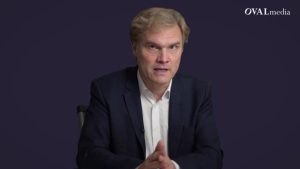
Hallo, mein Name ist Robert Cibis. Ich bin sehr stolz und freue mich sehr, hier mit James Patrick zu sein. Er ist Filmemacher, Ökonom und ein Insider der Weltpolitik. Er ist in Washington, D.C. aufgewachsen und kannte wichtige Leute. Und bis heute denkt er darüber nach und trifft Leute dazu. Bekannt ist er für die Serie „Planet Lockdown“ und traf viele Menschen, die auch wir über die Medien kennengelernt haben. Und das sollten wir betonen: „Planet Lockdown“ ist auf unserer Website www.oval.media. Dort sehen Sie auch dieses Gespräch. Wenn Sie nur einen Ausschnitt sehen: Alles ist immer auf dieser Website. Und bei anderen Plattformen wissen wir nicht, ob sie so unterstützend sind und unsere Inhalte immer behalten.
Und ja, heute führen wir, würde ich sagen, ein Gespräch zum aktuellen Geschehen, aber mit einem breiteren Blickwinkel. Denn wir sprechen über den Dritten Weltkrieg, den wir weltweit beginnen sehen. Und wir gehen darüber hinaus, denn wir betrachten die Denkweise der Menschen, die Täter sein könnten, die Opfer sein könnten, und fragen, wie wir damit vielleicht umgehen können. Wie ein guter Arzt stellen wir also zuerst eine Diagnose. Und das Gute ist, dass James nicht nur Experte ist, sondern auch einen Film zu diesem Thema macht. Und er hat bereits eine lange Reihe von Generälen getroffen, die sich geäußert und gesagt haben, diese Art von Politik widerspricht dem gesunden Menschenverstand. Ich sollte noch etwas ergänzen, nämlich warum ich so sicher bin, dass der Dritte Weltkrieg bereits begonnen hat.
James hat natürlich die aktuellen Spannungen recherchiert, aber auch die Covid-Krise mit „Planet Lockdown“, das ich eben erwähnt habe. Und ich habe dasselbe getan. Und wir beide sagten, wir müssen den Krieg beschreiben, der gerade stattfindet. Und wir beide nannten ihn den Dritten Weltkrieg. Und er wird einen Spielfilm machen. Ich bin dabei, die Serie zu produzieren und mitzuregieren, die die verschiedenen Aspekte dieses Krieges zeigt, in dem alle Lebensbereiche in diesem Konflikt instrumentalisiert werden. Ich bin wirklich dankbar, dass Sie die verschiedenen Themen rund um das Szenario des Dritten Weltkriegs aufschlüsseln. Ich mache also einen 90-minütigen Spielfilm dazu und veröffentliche die über 20 Interviews als Teil davon, damit die Leute ein wenig ...
Und wo kann man ihn finden? Unter WorldWarIIIDocumentary.com. Das ist WorldWarIIIDocumentary.com. Und außerdem BigPicture.watch. Dort gibt es einige Links dazu. Aber ja, Sie gehen tiefer in die Machenschaften der verschiedenen Themen. Meiner ist ein 90-Minuten-Film, und dann veröffentliche ich alle Interviews. Ich schätze es sehr, dass wir Gleichgesinnte sind und dieselbe Arbeit machen. Und ich schätze sehr, was Sie tun. Und ich freue mich, dass es noch jemanden in Europa gibt, der diese harte Arbeit leistet. Denn es ist eine undankbare Aufgabe. Vielleicht können Sie anfangen, von diesen Generälen zu erzählen. Denn ich finde das erstaunlich, weil mein Klischee natürlich das Gegenteil ist. Generäle sind schließlich Meister des Krieges.
Sie denken also in Kategorien des Krieges. Und Politiker sind Meister der Diplomatie. Sie denken also in Verhandlungen. Warum sagt dann ein General, wir brauchen Diplomatie, und ein Politiker, wir brauchen eine Kriegsmaschinerie? Das ist doch wirklich verrückt, oder? Ja. Nun ja, ich bin in Washington aufgewachsen, in einer angesehenen Familie, oder einer wohlhabenden Familie. Und ich bin mit all diesen Akteuren aufgewachsen, wissen Sie. Meine Familie war mit Politik und solchen Dingen befasst. Aber ich bin einfach mit diesen Dingen aufgewachsen. Wen haben Sie getroffen? Nennen Sie uns ein paar Namen. Nun, verschiedene Politiker und Geheimdienstleute oder Freunde der Familie, wissen Sie, man sah da jemanden, einen Freund der Familie.
Die sagen dann: „Ich bin nicht bei der CIA.“ Aber dann tauchen sie in diesen Krisenländern auf. Und wenn es irgendeinen Putsch oder so gibt, heißt es: Der Typ ist da, aber sein Lebenslauf passt nicht zu dem, wofür er angeblich dort war. (Eintrag 80 und 81 bilden zusammen den Satz.) Über die Jahre habe ich also verstanden, wie diese Dinge funktionieren. Das ist der Beweis, dass Sie ein DC-Insider sind, denn Sie haben keine Namen genannt. So verhält man sich, wenn man aus einer Geheimdienstfamilie kommt. Man passt einfach auf. Man passt einfach auf, denn manchmal liegt man vielleicht falsch. Manchmal könnte es jemandem schaden oder auf einen zurückfallen. Aber trotzdem gibt es eine Art, Dinge zu sagen. Nun, die Leute bleiben eher in ihrer eigenen Sphäre.
Sie erzählen einander Dinge, aber wenn man nicht dazugehört, erzählen sie einem diese Dinge nicht. Aber wenn man Geheimdienstleute kennt, weiß man über die Jahre, dass sie das tun, weil das, was sie machen, verdächtig ist. (wie oben) Sie sagten eben, man erkennt es manchmal an Zufällen oder in den Lebensläufen. Wenn jemand Dinge tut und sein Lebenslauf nicht zum Lebenslauf eines normalen Menschen passt, richtig? Ein normaler Mensch steigt zum Beispiel in einer Branche ein und arbeitet sich dann hoch. Aber wenn jemand zwischen Branchen hin und her springt, die keinen Sinn ergeben, wenn der Lebenslauf keinen Sinn ergibt, wenn Personalabteilungen solche Leute dafür nie einstellen würden, dann ist er ein Spion.
Und wenn sie immer in Krisenländern sind, an all den Orten auftauchen, wo es CIA-gestützte Revolutionen gibt, dann ist dieser Typ ... Gibt es weitere Anhaltspunkte, die Sie uns an die Hand geben können? Wofür? Nein, oder ob eine Person vielleicht einen erfundenen Lebenslauf hat, wie ... Nun, das Ding ergibt einfach keinen Sinn. Wenn es so ein schwarzes ... Ja, wenn es logisch ist ... Oder schreiben sie nur „Arbeit beim Militär“, kommt das auch vor, oder ...? Sie hatten einen Marine-Hintergrund, und wenn ihr Lebenslauf keinen logischen Sinn ergibt, würde man sie für diese Aufgaben nicht einstellen. Verstehe. Wenn da also ein Typ Manager bei einem Telekommunikationsunternehmen ist und dann, keine Ahnung, bei einer Firma für Wasserkraftdämme arbeitet und dann noch etwas anderes ...
Aber immer in Krisenländern, in denen die USA die Regierungen stürzen, dann ist das verdächtig. Okay, verstehe. Dann fragt man sich: Was zum Teufel macht der Typ hier und da? Ja. In meiner Einleitung habe ich mich auf den Dritten Weltkrieg bezogen.
Wie gesagt, es ist offensichtlich, er hat nicht begonnen. Würden Sie das wirklich sagen? Vielleicht habe ich schon zu viel gesagt, oder? Nein, ich würde sagen, der Dritte Weltkrieg hat bereits begonnen. Der russische Außenminister Lawrow sagte vor zwei oder drei Monaten, der Dritte Weltkrieg habe begonnen. Ich denke, die westeuropäischen Länder nehmen eine sehr aggressive Haltung gegenüber Russland ein. Ich bin kein russischer Propagandist und befürworte Putin oder seine Regierung in keiner Weise und bin auch kein Sprachrohr für ihn. Ich bin nicht gegen ihn, aber auch nicht für ihn. Ich bin ein neutraler Journalist zu diesem Thema. Aber ich denke, die Russen haben ... Die Invasion der Ukraine war zwar etwas übereilt und ungerechtfertigt, aber ich sehe sie im Kontext von elf Jahren Putschen und Einmischung in der Ukraine. Ich war zweimal in der Ukraine, glaube ich, 2016 und 2017 oder 2017 und 2018, und habe den Ort des Maidan besucht.
Und mich haben diese Operationen unter falscher Flagge immer sehr interessiert, Gladio. Als ich auf der Highschool war, war meine Mutter Journalistin bei der New York Times. Und als ich auf der Highschool war, hat diese Journalistin, Valeska von Rauch, eine Freundin meiner Mutter, mich beauftragt, Gladio-Terroristen in den Datenbanken der GW und der Georgetown University zu recherchieren. So bekam ich schon auf der Highschool einen frühen Einstieg in dieses Gladio-Thema. Und später im College habe ich mich über die Gladio-Operationen weiter eingelesen. Das waren diese „Stay-behind“-Armeen, eine Art Terroristen unter falscher Flagge. Im Grunde wurden diese Einheiten noch in der Nazizeit in westeuropäischen Ländern aufgebaut, nach dem Prinzip: Wenn die Sowjets einmarschieren, haben wir inoffizielle, zurückbleibende Offiziere für paramilitärische Operationen, um einen Guerillakrieg gegen die Russen zu führen, wenn sie in Westeuropa einmarschieren.
Und dann die CIA: Nach dem Krieg, als sie Deutschland übernahm, sagten, glaube ich, James Jesus Angleton und andere Spionagechefs: Lasst uns das beibehalten, lasst uns diese Operationen beibehalten. Und später, Mitte der 50er und vor allem in den 60ern, begannen sie, sie zu aktivieren. Aber schon ziemlich früh gab es, glaube ich, fünf Attentatsversuche auf Charles de Gaulle. De Gaulle in den 50ern, und de Gaulle forderte die NATO ernsthaft auf, Paris zu verlassen. Die NATO zog von Paris nach Brüssel wegen der Attentatsversuche der USA auf de Gaulle. Das wusste ich nicht. Das ist beeindruckend. Ja, es gab Schussversuche auf Autos und Bombenanschläge, und er hatte die Amerikaner einfach gründlich satt. Es ist also dieser hinterhältige Einsatz von Terrorismus und die Manipulation der öffentlichen Meinung durch solche theatralischen, dramatischen Ereignisse.
Und das ging weiter bis zum Zerfall der Sowjetunion und danach in das, was sie „Gladio 2“ genannt haben, oder FBI-Dokumente nennen es „Gladio 2“, in Bezug auf arabischen Terrorismus oder inländischen Terrorismus. Und das bezieht sich auch auf die Ukraine. Ja, die Ukraine-Frage, denke ich. Jedenfalls läuft jetzt alles auf einen echten Weltkrieg hinaus. Und wir müssen vorsichtig sein, ob das für unsere Gesellschaft von Vorteil ist. Aber warum glauben Sie, dass wir im Dritten Weltkrieg sind? Nun, „Dritter Weltkrieg“ zu sagen, ist irgendwie ikonisch, irgendwie komisch, so nach dem Motto: mitten im Dritten Weltkrieg. Aber es ist wirklich ernst. Der Westen greift jetzt Russland an und provoziert Russland wegen der Ukraine, in der Ukraine.
2014 gab es diese Euromaidan-Affäre, bei der der Westen die Ukraine stark unter Druck setzte, der EU beizutreten. Sie hatten einen eher russlandfreundlichen Präsidenten, Janukowitsch. Und die USA hetzten im Grunde rechte Parteien auf, auf dem Maidan-Platz auf Menschen zu schießen. Sie erschossen, ich glaube, 5 bis 10 im Januar, Februar 2015. Und dann, wirklich, bis März, sagten die US- Diplomaten: Nein, wir brauchen 100 Tote, um die öffentliche Meinung zu drehen. Dann gab es diese Schießerei mit etwa 60 Toten. Aber sie haben die Zahlen aufgebauscht, damit es 100 wurden. Aber das Ganze beruht ja letztlich auf dieser Maidan-Affäre von 2014. Es gab schon 2004 einen Putsch, den Soros gefördert hat, und Soros und die CIA haben diesen Vorfall von 2014 gewissermaßen gefördert.
Ich habe dazu Ivan Katchanovski in Ottawa interviewt. Er hat eine wirklich maßgebliche Doktorarbeit über die gesamte Euromaidan-Affäre geschrieben. Oh, das ist interessant. Ja, eine sehr fundierte Arbeit. Und Patrik Baab, den ich gerade interviewt habe, erzählte, dass es acht Scharfschützenteams gab. Aber jedenfalls ist es eine Art Gladio-Stil. Man verübt eine Gräueltat, man erschießt Menschen, man tötet Leute an einem öffentlichen Ort und bringt sie dann dazu, einen Putsch, einen Krieg zu unterstützen und einen Wandel der politischen Meinung mitzutragen. Die Gladio-Operationen wurden im Westen typischerweise rund um Wahlen durchgeführt. Also kurz vor einer Wahl, damals, zur Zeit des Kalten Krieges, gaben sie sich als linke Gruppen aus.
Wenn man befürchtete, eine Kommunistische Partei könnte die Macht übernehmen, verübte man kurz vor der Wahl eine Gräueltat, damit die linke Partei nicht gewählt wurde. Und man heuerte solche, na ja, faschistische Leute an, die bereit waren, auf Menschen zu schießen. Es ist also in der Ukraine sehr ähnlich. Man hat dort ja einen großen Teil der Führung, der jüdisch und proisraelisch ist und so weiter. Aber sie haben diese Nazi-Parteien finanziert, diese seltsamen 20 verschiedenen Nazi-Parteien, von denen es drei Hauptparteien gibt. Es ist also eine seltsame Interessenverflechtung. Aber sie haben all diese rechten Parteien dazu gebracht, das Töten auf dem Maidan-Platz voranzutreiben. Und das diente dann als Rechtfertigung, um die Regierung zu stürzen und diese vom Westen gestützte Regierung einzusetzen.
Selenskyj: Ich war während Selenskyjs Wahl in der Ukraine und habe auf YouTube seine Serie „Diener des Volkes“ gesehen. Er wurde in einer TV-Show als Präsident aufgebaut und dann tatsächlich als Präsident eingesetzt. Ist das nicht verrückt? Ja. Ich schweife vielleicht etwas zu sehr ab, aber meinen Sie, es wurde entschieden, dass er Präsident werden sollte, schon bevor er die TV-Serie begann? Ja, es wirkt wie eine große Theatershow. Und ich glaube, in allen westlichen Ländern ist es so. Kommen wir zur Hauptfrage. Warum der Dritte Weltkrieg? Ist es nicht nur ein Krieg in einem Land, wenn es Krieg in der Ukraine gibt? Ich glaube, es gibt einen Art eschatologischen Drang hin zu einem weltweiten Konflikt. Und das wird keinem von uns nützen.
Und warum? Einerseits, ja, um eine Fernsehserie zu machen, ist es natürlich gewissermaßen Theater. Aber es ist ein echter Krieg. Würden Sie diesen echten Krieg mit echten Toten als Theater bezeichnen? Ja, es gibt echte Menschen, echte Fraktionen, echte Spaltungen vor Ort, echte ethnische und parteipolitische Spaltungen. Die Ostukraine ist sehr russisch. Sie gehörte früher zu Russland. Und der Westen gehörte früher zum Habsburgerreich und ist stärker westlich geprägt. Aber diese Konflikte werden durch die Finanzierung dieser militanten Parteien aufgebauscht und verschärft. Und dann, aber es sieht so aus, als würde der Ukraine-Konflikt genutzt, um einen größeren Konflikt zwischen Westeuropa und Russland zu schaffen.
Und das wird weder Westeuropa noch Russland nützen. Alle werden verlieren. Der einfache Mensch wird verlieren. Es erinnert mich sehr an Görings Aussage bei den Nürnberger Prozessen, als er, bevor sie ihn hinrichten konnten, die Zyankali-Kapsel nahm. Er sagte sinngemäß: Sehen Sie, der einfache Mensch in keinem Land will Krieg, aber man kann ihn leicht in den Krieg treiben, indem man ihm sagt: Schau, du wirst angegriffen, und da ist der Feind, und du musst in den Krieg ziehen. Aber am Ende sind alle die Dummen. Alle verlieren. Niemand gewinnt im Krieg, außer ein paar Oligarchen, die mit Waffen und Bankgeschäften Geld verdienen. Aber das ist wirklich Betrug, und wir sollten nicht noch einmal darauf hereinfallen.
Wir hatten diese katastrophalen Kriege, den Ersten Weltkrieg, den Zweiten Weltkrieg. Sie zerstörten die Festlandmächte Europas. Sie veränderten die politische Landschaft. Sie brachten unsägliche Tragödien, Leid und Tod, und besonders Deutschland, Russland und die Ukraine haben in diesem Krieg enorm verloren. Ich denke, die Ukrainer, die Deutschen und die Russen befinden sich hier alle in derselben Lage. Warum passiert das also schon wieder? Warum? Nun ja, weil jemand viele Menschen töten will. Ich glaube, das ist der Grund. Sie sehen diesen Krieg in der Ukraine also als Teil eines größeren Plans, viele Menschen zu töten? Im Grunde ja. Haben Sie dafür irgendwelche Beweise? Für mich klingt es ein Stück weit so, als ob man in der Politik auf das Ergebnis schaut.
Was vor Ort als Folge der Politik passiert. Denn diese Idioten in der Regierung erzählen einem allerlei dumme Geschichten. Oh, wir haben das aus diesem oder jenem Grund getan. Wir sind hier, um euch zu helfen. Sie scheren sich einen Dreck um euch. Entscheidend ist, was vor Ort dabei herauskommt, das war der Zweck der Politik. Das kann man im Allgemeinen tun, nämlich fragen: Was waren die Ergebnisse dieser Politik? Das war die Agenda. Deshalb wurde es getan. Nicht die Rechtfertigungen, die sie einem genannt haben. Verstehen Sie? Wenn ich Sie richtig verstehe, ist das Theater in der Ukraine, das ein echter Krieg ist, um den aber viele Geschichten erzählt werden, in Wahrheit eine Art, wie soll ich sagen, Weg, die Aufmerksamkeit vom Ziel des Mordens abzulenken ...
Nun, ich glaube, es sind wohl zwei Dinge. Das Ergebnis ist wohl, dass sie viele Ukrainer töten. All diese Leute, die ukrainische Flaggen vor ihre Häuser hängen, unterstützen, dass der Westen Waffen an die Ukraine liefert, richtig? Ja. Um einen Krieg gegen Russland voranzutreiben. Ja. Aber klar ist: Die Ukraine ist ein unendlich viel kleineres Land als Russland. Sie würde nie einen Krieg gegen Russland gewinnen. Militärisch und logistisch ist das unmöglich. Also einen Krieg zu unterstützen, vor dem Hintergrund, dass durch westliche Einmischung in den letzten 11, 12 Jahren und eigentlich noch länger die Regierung der Ukraine gestürzt wurde und eine feindliche Regierung gefördert wird, direkt an Russlands empfindlicher Flanke.
Das ist, als ob Russland die Regierung in Mexiko stürzen würde und dann eine Reihe von Raketen direkt an die mexikanische Grenze stellen würde, um auf Amerika zu zielen. Und dann sagt man: Okay, damit sind wir einverstanden. Wir werden nicht ... Aber ich meine, die USA würden eingreifen, um das zu stoppen. Also, Bolida, ich glaube, die Politik, die jetzt in der Ukraine läuft, unterstützt diesen Krieg. Es ist ein nicht zu gewinnender Krieg. Sie haben ihn im Grunde schon verloren. Ich war schockiert, dass das Ganze überhaupt mehr als ein paar Monate dauerte. Und Freunde von mir dort waren ... Was bedeutet es also, diese Flagge im Fenster zu haben? Dass man den andauernden Konflikt in der Ukraine unterstützt, der Ukrainer tötet und dem ukrainischen Volk schadet.
Man hilft den Ukrainern also nicht, wenn man die deutsche, die amerikanische und die französische Regierung dabei unterstützt, Waffen in die Ukraine zu schicken, um einen nicht zu gewinnenden Krieg zu führen, und zwar zur Stützung einer korrupten Regierung, der das Wohl des ukrainischen Volkes nicht am Herzen liegt. Und das ist krank. Es ist krank. Es ist krank, all diese Menschen zu töten. Das Land hatte früher 15 Millionen Einwohner. Jetzt sind es in der Ukraine wahrscheinlich weniger als 15 Millionen. Die Gegend ist leergefegt. Und was haben Ihnen die Generäle, die Sie getroffen haben, dazu gesagt? Ja, ich bin jetzt hier in Deutschland und interviewe drei hochrangige pensionierte Generäle, die aus ihrer Erfahrung und mit gesundem Menschenverstand sagen, dass das keinen Sinn ergibt und nicht im deutschen oder westeuropäischen Interesse liegt. Sie haben klar gesagt, dass dies ein Selbstmordkommando ist und wir nicht in einen Krieg mit Russland geraten sollten.
Ich glaube, die Medien sagen jetzt nur noch, ein Krieg gegen Russland sei das Beste, was wir tun könnten. Es sei unvermeidlich, dass sie uns angreifen. Aber politisch hat in den letzten drei Jahren keine einzige westeuropäische Regierung auch nur einen Versuch unternommen, mit einem Brief, einem Anruf oder sonst etwas Russland eine diplomatische Lösung anzubieten. Und für dieses Interview, ich bin unter Botschaftern aufgewachsen, ist es besser, Probleme im Gespräch zu lösen, als zu kämpfen, richtig? Das wissen wir alle aus unseren persönlichen Beziehungen. Man kann wütend bleiben und streiten, so viel man will, aber das Problem muss trotzdem gelöst werden. Man muss morgen oder übermorgen trotzdem darüber reden.
Dasselbe gilt für die Diplomatie, und zwischen Westeuropa und Russland gibt es null Diplomatie. Das ist verrückt. Russland ist ein riesiges Land. Es reicht von der Grenze, im Grunde, Belarus ist ein verbündetes Land, aber es reicht bis nach China. Es reicht bis zur Grenze, nahe Japan. Es ist das größte Land der Erde und der natürliche Handelspartner Deutschlands. Deutschland hat sein Gas aus Russland bezogen, und das war die gesamte Grundlage der deutschen Wirtschaft: das Gas aus Russland. Krieg gegen Russland zu führen und Russland zu provozieren, ist gegen deutsche Interessen und gegen europäische Interessen, und die EU- Länder schießen sich jetzt selbst ins Knie. Sie setzen auf diese grüne Politik, Öko-Politik, wollen kein Gas aus Russland kaufen, und wir sehen immer höhere Preise, die Menschen werden immer ärmer, der Lebensstandard sinkt.
Die Regierungen im Westen vertreten nicht, und ich denke, weltweit noch allgemeiner, die nationalen Interessen und die Interessen ihrer Bevölkerung. Viele Leute hier glauben, die großen Gewinner seien die Vereinigten Staaten. Wie ist es denn für die Menschen in den Vereinigten Staaten? Ich glaube, es stimmt, dass die US-Regierung die wichtigste Maschine oder der wichtigste Akteur ist, der die Probleme der Welt vorantreibt. Da würde ich Ihnen zustimmen. Das habe ich nicht gesagt. Nein, ich weiß, aber ich würde es sagen. Aber unsere Regierung wird von denselben globalen Interessen von Oligarchen und Eliten gefangen gehalten, denen unsere Interessen nicht am Herzen liegen. Sie achten auf ihre eigenen Interessen.
Wir sind also wirklich in einer seltsamen Lage, in der die amerikanische Regierung dem amerikanischen Volk nicht hilft. Die deutsche Regierung hilft dem deutschen Volk nicht. Die italienische Regierung unterstützt nicht die Interessen des italienischen Volkes. Wir erleben also wirklich einen Zusammenbruch des Konzepts von Regierung, das Konzept von Glauben und Vertrauen in die Regierung. Und ich befürchte, dass es zusammenbrechen wird. Wir steuern auf einen Zusammenbruch zu, des Glaubens an den Staat, des Glaubens an die ... Denn sie zerstören völlig unser Vertrauen in das, was sie tun. Also wird es irgendwann zusammenbrechen. Ich denke, wir müssen umsichtig und wachsam sein, denn wenn das passiert, haben diese Arschlöcher vielleicht einen noch schlimmeren Vorschlag für die nächste Regierungsform.
Verstehen Sie, was ich meine? Das Szenario von Fathom ist also, dass wir auf ... zusteuern. Und ein Krieg ist ein hervorragender Weg, eine solche Situation herbeizuführen. Eine Bevölkerung, die wütend auf ihre eigenen Regierungen ist, Angst vor anderen Regierungen hat, und die angespannte Atmosphäre und der Umsturz, der ... oder vielmehr der Zusammenbruch, der vielleicht darauf folgt, ist tatsächlich Teil eines Plans, weil dann ein neues System etabliert werden könnte. Das ist, denke ich, klar: Es wird ständig Druck auf das politische Umfeld ausgeübt, auf das geopolitische Umfeld, um uns in einen katastrophalen Krieg zu führen, und dann in einen langen Krieg wie den Ersten und den Zweiten Weltkrieg, einen vier- bis fünfjährigen Krieg.
Und am Ende dieses verheerenden Konflikts wird es Vorschläge für eine andere geopolitische Ordnung geben. Und die wird ganz sicher nicht in unserem Interesse sein. Wir müssen also kritisch sehen, was man uns jetzt verkauft, und sagen: Das ist absurd. Denn schauen Sie: Was nützt es Deutschland oder Amerika – eigentlich Deutschland –, nehmen wir Russland: Sie sollten Ihr Gas aus Russland beziehen. Man muss nicht finden, dass sie tolle Leute sind, oder Putin für einen tollen Typen halten. Was spielt das für eine Rolle? Aber Sie kaufen das verdammte Gas, das gesamte Industriegefüge Deutschlands beruht auf dem Preis dieses Gases. Es woanders zu kaufen kostet das Dreifache. Dadurch werdet ihr noch ärmer. Das ist lächerlich. Also: Man muss eine Regierung nicht mögen, um mit ihr eine Vereinbarung zu treffen.
Ich muss nicht dein Freund sein, damit wir ein Geschäft machen. Seien wir also diplomatisch realistisch in der Welt. Und mit der Weltkriegs-Erzählung bin ich immer noch nicht ganz zufrieden. Warum sollte es ein Weltkrieg sein? Die USA unterstützen Israel ja sehr emotional bei seinen Eskapaden? Mehr als emotional, oder? Ich meine, es gibt finanzielle Unterstützung. Es ist irrational. Ein bisschen. Man sieht also, die Motivation für die Unterstützung ist eher emotional. Nun, dahinter stecken eher gezielte Eigeninteressen, aber es liegt nicht im breiteren amerikanischen Interesse. Es gibt viele reiche Spender und einflussreiche Leute bei AIPAC und Ähnlichem, die die US-Unterstützung für Israel prägen. Dieses Interesse nimmt seit den letzten zwei Jahren der Gaza-Affäre rapide ab. Die öffentliche Meinung kippt rapide.
Kürzlich hat Israel einen 20-jährigen Unterstützungsvertrag vorgeschlagen, weil es die öffentliche Meinung sinken sieht und sagt: Hey, lasst uns einen 20-Jahres-Deal machen. Wem hat Israel das vorgeschlagen? Den USA, dem Kongress. Ja. Lasst uns einen 20-Jahres-Deal unterschreiben, weil die US-Öffentlichkeit abrückt und man befürchtet, es später nicht mehr zu bekommen. Jetzt versuchen sie also, den Vertrag unter Dach und Fach zu bringen, um das Geld zu bekommen. Und das betrifft die
Aber jetzt greift Israel innerhalb weniger Tage gleichzeitig sechs Länder an und bombardiert sie. Wirklich so viele? Jemen, Libanon, Syrien, es geht immer weiter, Iran, ich meine, es ist wirklich so, dass ihr rechter Flügel die Macht übernimmt, und Netanjahu steht vor einem Korruptionsprozess, also hat er sich mit diesen eher messianischen Gruppen verbündet, die sehr aggressiv sind, und erfüllt so gewissermaßen die Prophezeiung von Groß-Israel, aber das macht ihn zum Feind von allen in der Region. Es ist schockierend, wie zahm die arabischen Führer sind, es zeigt, wie schwach sie sind. Es gibt wirklich keine arabische Führung in der ganzen Region. Der Einzige, der sich Israel überhaupt widersetzte, war Assad, und über die Türkei und die USA haben sie Assad gestürzt. Im Zwölftagekrieg haben sie den Iran präventiv angegriffen, eine sehr aggressive Handlung, und der Iran hat militärische und wirtschaftliche Abkommen mit Russland, er verkauft 80 % seines Öls an China, und so kann es sehr schnell passieren, dass die USA mit ihrer Rückendeckung für Israel in einem Krieg mit dem Iran rasch in einen Krieg mit dem Iran und China verwickelt werden, entschuldigen Sie, mit Russland und China, denn das ist besonders sehr besorgniserregend.
In den USA ist die öffentliche Unterstützung für einen Krieg mit dem Iran äußerst gering, also ist Trump in einer sehr heiklen Lage: Er stützt Israel bei seinen fortgesetzten, eskalierenden Operationen gegen seine Nachbarn und den Iran, und davon handelt Ihr Film. Das ist ein Teil davon, ja. Und außerdem, wie historisch Länder und Zivilisationen aufsteigen und untergehen, wie Imperien wirklich aufsteigen und fallen: Es gibt eine Phase, in der es gut läuft, die Leute verdienen Geld, es geht ihnen gut, und dann setzen sich Oligarchen und Bürokratie fest, dann gibt es Korruption, Vetternwirtschaft und Verschwendung, und dann beginnt ein wirtschaftlicher Niedergang, und dann suchen die Eliten nach Macht, um die Kontrolle zu behalten, und fangen an, Kriege zu führen. Das geschah mit Athen und den Peloponnesischen Kriegen und dem, was danach kam.
Nun, Athen fiel in Sizilien ein, um die Kontrolle zu gewinnen und dann mehr Macht gegenüber Sparta zu haben, aber die größten Gegner sagten: Schaut, uns geht es doch gut, warum müssen wir in Sizilien einfallen? Was wir heute mit dem aktuellen Ausbruch eines Weltkriegs erleben, hat enorme historische Parallelen, und es ist wirklich Teil dieser zyklischen Wiederholung menschlicher Arroganz und Hybris. Die alten Griechen nannten es den tragischen Kreislauf der Hybris: Die Führer eines Landes werden von Arroganz erfasst und beginnen dann, irrationale, aggressive Handlungen zu setzen, und dann schickt die Gottheit Ate dem Führer etwas, das seinen Verstand umnebelt, sodass gewissermaßen Dämonen den Geist der Person übernehmen und sie ermutigen, immer mehr zu tun.
Und wenn eine neue Zivilisation entsteht, gibt es einen gewaltigen Schub an Irrationalität, die Welt wird irrational, die Leute werden einfach verrückt, und er listet etwa 10 verschiedene Zivilisationen auf, einige hielten tausend Jahre, und dann, Sie sagen, dass sie irrational sind? Irrational, ja. Warum? Das ist ein Zeichen dafür, dass etwas zerfällt und sich in etwas Neues verwandelt, und diese Übergangsphase kann 50 Jahre oder länger dauern. Es gibt gewissermaßen Zyklen im Leben und in der Natur: Wir sind jung, dann mittleren Alters, dann alt, dann sterben wir; es gibt Verhaltenszyklen und Lebenszyklen, und dann gibt es Zyklen der Zivilisationen. Sie
Und dann wandern Macht und Wirtschaft woanders hin. Heute sehen wir, dass der Westen seine Blütezeit in den letzten 200 Jahren hatte, und jetzt wandern Geld, Wirtschaftsmacht und politische Macht nach Asien, nach China und Südasien, und der Westen ist im Niedergang, wir befinden uns sozusagen auf dem Höhepunkt dieser schweren Verfallsphase, und unsere Eliten sind lächerlich, sie sind schwachsinnig, diese Leute sind Idioten, wie Starmer, Macron, Merz, mit etwa 6 % Zustimmung, niemand mag diese Leute, es sind totale Verlierer und totale Idioten. Man kann mit ihnen kein philosophisch vernünftiges Gespräch über Geschichte im Zusammenhang mit ihrem Handeln führen, sie sind nur Prostituierte, die dafür bezahlt werden, irgendwas zu sagen. Ich meine, es tut mir leid, diese Sprache zu benutzen, aber in Washington war ich bei diesen Leuten, und viele Politiker sind einfach wie Leute, die man als Sprecher für ein Filmset engagiert. Man redet mit manchen, ich habe mit einigen gesprochen, und sagt: Hey, ich sehe das anders, oder haben Sie schon mal darüber nachgedacht, was diese Politik für den Durchschnittsbürger bedeutet? Und sie schauen einen nur an: Hey, ich wurde engagiert, um am Set aufzutauchen.
Du sagst mir, der Film ist ein dummer Film? Und das ist gerade das Nervigste überhaupt, egal, worum es geht: Ich bin ein Schauspieler, der auftaucht, und Sie kritisieren den Film. So fühlt es sich an, wenn man mit echten Politikern spricht. Ja, so sind sie. Es ist ihnen scheißegal, was sie da vorlesen, es ist unglaublich. Und diese Gesetze werden von den Industrien geschrieben, manchmal tausend Seiten lang, die Politiker lesen sie nicht einmal, sie werden den Mitarbeitern gegeben, die setzen sie in Kraft, unterschreiben sie, es gibt nicht mal eine Debatte im Kongresssaal. Es ist wirklich unglaublich, was da abläuft. Sie sind wirklich
In manchen Ländern läuft es schlecht wegen der allgemeinen Entwicklung dort, aber es ist überall. In den 80ern gab es in Deutschland wunderbare Debatten im Parlament, es war eine Freude, ihnen zuzuhören, weil die Leute wirklich debattiert haben, und manchmal, in den schönsten Momenten, fand diese Debatte nicht zwischen den Parteien statt, sondern es wird für echte Menschen schwerer, politische Vertreter zu werden,
Abgeordnete, Senatoren oder Präsidenten, und diesen Prozess zu überstehen, um dort hineinzukommen. Niemand kümmert sich, niemand debattiert über irgendetwas, die allerschlimmsten Leute gehen in diesen Beruf. Ich sagte als Kind zu meinen Eltern: Ich wäre gern Kongressabgeordneter, und sie sagten: James, das ist kein respektabler Beruf, das solltest du nicht tun. Es sind also diese sehr minderwertigen Leute, denen alles egal ist. Wir werden nicht vertreten, und das ist ein nicht tragfähiger Trend, der zwangsläufig zusammenbrechen und zu etwas anderem führen wird. Ich möchte also, dass die Öffentlichkeit in diesem Prozess wachsam ist,
damit kein System durchgedrückt wird, das nicht zu unserem Vorteil wäre, und dass sie da sind. Ich habe gerade einen Film über CBDCs und die Ursprünge von Bitcoin gemacht, digitale IDs. Ja, es gab zuletzt einen großen Vorstoß für digitale IDs weltweit, Starmer
ich um uns zu kontrollieren, und das Weltkriegsszenario ist ein perfektes Krisenumfeld, um diese Dinge voranzutreiben, und die ukrainische Regierung ist völlig korrupt, ich danke, und das hat nichts mit ihren Kriegsanstrengungen oder dem ganzen anderen Mist dort zu tun, den sie
Das ist unvermeidlich, sie werden diesen Krieg nicht gewinnen. Die US-Unterstützung des Ukrainekriegs führt nur zu mehr Toten. Die Ukraine verliert täglich mehr Gebiet, es geht sehr langsam, aber ich denke, wir müssen rational denken. In meinen Interviews mit General Kujat hat er dargelegt, dass dieser Krieg nicht zu gewinnen ist, dass die westlichen Politiker und Medien die Realität ausblenden, wenn sie über diesen Krieg reden. Man will niemanden finanzieren, der verlieren wird, und sie sollten jetzt aussteigen und mit Russland einen Deal machen und so viel Gebiet wie möglich retten. Das wäre die rationalste Lösung, die das meiste Töten verhindern würde. Ich habe vor ein paar Tagen mit einem deutschen Freund gesprochen, und er sagte mir: Ich habe nicht das Gefühl, dass wir im Krieg sind.
Warum würdest du ihnen das sagen? Warum würdest du ihnen das sagen? Ja, sind wir auch nicht. Das ist auch in den USA ein Problem: Wir führen all diese Kriege im Ausland, und niemand spürt sie wirklich. Und wir sind in den USA sehr weit von allem entfernt, wir spüren die Kriege nicht. Aber gibt es eine allgemeine zunehmende Spannung in
Caracas liegt in einem Tal, da kommt man mit Flugzeugen nicht hinein, es ist völlig uneinnehmbar. Sie können diesen Küstenstützpunkt einnehmen, aber es wäre ein Desaster, wenn wir versuchten, nach Caracas zu gehen, dann diese Ukraine-Sache und die Israel- Sache, und zunehmend höre ich in Washington: Okay, bringen wir diese Ukraine-Sache zum Abschluss, die Europäer sollen sie übernehmen, sie können sich in Russland gegenseitig umbringen, und dann nehmen die USA es mit China auf, und wir werden gegenüber China zunehmend aggressiv. Aber das ist so dumm wie die Deutschen, die versuchen, sich mit den Russen anzulegen. Ihr braucht das Gas, wir brauchen die
auf eins, ich weiß nicht, es scheint mir einfach so, als hätten manche Leute die Überzeugung, einen Weltkrieg zu beginnen. Wow, halten Sie das für irrational oder rational? Irrational, wirklich? Ich bin mir da nicht so sicher, aber ich finde es wichtig, das zu untersuchen. Ich denke, wie Sie auch erwähnten, profitieren manche Oligarchen von dem
ist rational, glaube ich. Aber warum sollte man die Welt zur Kloake machen, einfach alles ruinieren, weil man hinterher sagt, es wird besser? Es wird bestimmt schlimmer, aber vielleicht wäre es nach jemandes Einschätzung besser. Sie halten sie also wirklich für verrückt, oder halten Sie es wirklich für irrational? wie ein irrationales Glaubenssystem, das an der Spitze steht. Ehrlich gesagt denke ich, manchmal werden irrationale Geschichten von rationalen Menschen benutzt, wie du eben schon gesagt hast, du hast es dir selbst gesagt: Manchmal erfinden Menschen Geschichten, die keinen Sinn ergeben. Aber was wirklich
Prophezeiungen eines Weltkriegs, des Krieges von Gog und Magog. Viele christliche Zionisten glauben daran, und die hebräischen Prophezeiungen eines alles verzehrenden Krieges zwischen Ost und West, genannt Krieg von Gog und Magog. Das scheint also übereinzustimmen mit
Magog wären Russland, China, Iran, die Türkei, die Achse, und dass wir gegeneinander ausgespielt werden, um in einen alles verzehrenden Krieg zu geraten, und dass Israel der Brennpunkt ist, dort beginnt er. Die Unterstützung der USA für einen Iran-Krieg ist sehr gering. Der durchschnittliche Amerikaner hat kein Interesse, gegen Iraner zu kämpfen. Was zum Teufel haben sie mit Amerika zu tun? Und Israel, wie man bei Netanjahu sieht, scheint nun fest entschlossen zu diesem Krieg. Das Ding könnte jeden Moment losbrechen, und dann werden die USA hineingezogen, und wegen dieser Bündnisse mit dem Iran und Russland und China. Ja, da ist viel los. Es ist ein langes Gespräch, aber ja, klar, ich
danach, was verschiedene Namen hatte, aber immer dasselbe Prinzip: Man hat eine Politik der Spannung, Gräueltaten geschehen, und dann steht die Bevölkerung unter Spannung, und Spannung macht die Bevölkerung auch kontrollierbar. Man könnte also denken, dass sogar das ein Weg ist, die öffentliche Meinung zu lenken. Ja, genau. Aber auch Religion kann ein Mittel der Kontrolle sein. Man zwingt einfach irgendwelche religiösen Narrative auf, wie die Muslimbruderschaft oder die extremeren
religiösen Bewegungen. Man nutzt sie, um Spannung in der Bevölkerung zu erzeugen, man will einfach, dass sie sich bekämpfen, damit man selbst dominieren kann. Wer so etwas tut, wer die Strategie „Teile und herrsche“ anwendet, ich meine, du siehst Religion als ein
Menschen, tatsächlich glauben die Leute an der Spitze schon daran. Das ist interessant: Sie glauben an die Erfüllung dieser Prophezeiungen. Ich würde das gern herausfinden, ich würde diese Frage gern stellen zu deinen Belegen: Du denkst also, es ist gegen unser Interesse? Praktisch gesehen ist es gegen unser Interesse. Ich
die, wie ich annehme, viel Macht haben, denn man kann eine Armee kaufen, man kann alles kaufen, sie haben so viel Macht. Was ist in ihrem Interesse? Das ist etwas Subjektives. Ich komme sozusagen aus der Schule der Österreichischen Nationalökonomie. Sie sagt: Was jemand wertschätzt, ist subjektiv. Es gibt keinen objektiven Wert für dieses Glas oder diesen Tisch oder einen Goldbarren, er ist das, wogegen andere ihn eintauschen würden. Wir haben es also nicht mit rationalen Dingen zu tun. Was du, glaube ich, für rational hältst, hält ein anderer vielleicht nicht dafür. Ich denke also, wir leben in einer Welt subjektiver Wertschätzung. Du und ich finden es verrückt, einen Konflikt, einen Krieg zu wollen, bei dem Menschen getötet werden. Ich
Das sind einfach Psychopathen, so kann man es ausdrücken. Aber dann ist man irgendwie nicht so … Ich habe auch einen Hintergrund in Ermittlungen und im Verständnis krimineller Köpfe, und man kann Dinge nicht danach beurteilen, wie man sie sehen will. Es zählt, wie der Kriminelle es sieht, wie der Täter es sieht.
Man kann sie juristisch beurteilen, oder sie sollten nach dem Naturrecht beurteilt werden, hoffe ich, oder nach diesen miesen Rechtssystemen, die wir haben und die nicht wirklich gerecht sind. Aber man muss es aus ihrer Sicht betrachten, wenn man sich damit befasst,
warum sie tun, was sie tun. Und ich denke, wenn man das tut, bewahrt es einen davor, Dinge falsch zu interpretieren. Es geht also nicht darum, was Gerechtigkeit ist, sondern warum sie es tun. Klar, klar. Und du denkst, sie haben Emotionen und sie
Mittel zur Erfüllung dieser Prophezeiung oder dieser gewaltigen kommerziellen Ziele, dieser gewaltigen Kontrollziele. Man hat einen Glauben, aber der Glaube dient einem auch, weil man mehr Kontrolle über die Dinge bekommt. Die evangelikalen Christen zitieren immer die Offenbarung. Sie sagen: „Oh, sie werden den Chip in die rechte Hand setzen, in das Malzeichen-System.“ Ich meine, genau das passiert. Ich glaube, sie interpretieren es falsch, oder sie wurden vermutlich per Psyop dazu gebracht, dagegen oder dafür zu sein. Ich würde dem zustimmen, was sie sagen. Ich würde es anders deuten, im Hinblick auf die Religionsgeschichte, wie das verbreitet wurde. Das ist ein weites Feld, dazu könnte man eine ganze Sendung machen. Ich habe viele Analysen dazu, aber ich würde nur sagen: Wir steuern definitiv auf das zu, was sie ein Malzeichen-System nennen, oder der christliche Antichrist ist in Wahrheit der hebräische Messias, und sie vermischen die beiden, um eine Art dystopische Weltordnung zu schaffen.
Aber das ist meiner Meinung nach wirklich verrücktes Zeug. Diese Leute sind alle durch die Bank verrückt. Ich denke also, wir brauchen vernünftigere Köpfe, die sich durchsetzen und sagen: Hört mal, wir wollen uns nicht gegenseitig töten, wir wollen keinen Krieg, wir wollen nicht, wir wollen
Lass uns … Es ist entgleist, und es widerspricht sogar dem, was das Glaubenssystem eigentlich sagt. Wenn ich an das Christentum denke, denke ich an Liebe und Frieden, denn das ist das Bild von Jesus. Aber es stimmt, dass man in allen Narrativen alles finden kann, denn sie widersprechen sich auch und sind komplex, verschiedene Sichtweisen. Das betrifft sicher auch Muslime, Juden und jede andere Religion. Aber jetzt gibt es eine Art Beschleunigungsprozess, bei dem die Narrative immer schneller werden. Sie denken, sie spüren, dass sie das alles jetzt erledigen müssen, richtig?
Das ergibt wirklich keinen Sinn, und das ist viel Blödsinn, der uns erzählt wird. Ich hoffe daher, dass diese Art alberner Machenschaften nicht aufgehen wird. Sie sind so verrückt, so schwachsinnig und so zerstörerisch, und ich denke, vernünftigere Köpfe werden
sich vielleicht etwas anderes wünschen. Aber deshalb ist es wichtig, über diese dunklen Themen und böswilligen Ideen zu sprechen, denn es ist definitiv kein Thema für ein Date. Es ist nicht das Thema für das erste Date, aber es ist wichtig, die schmutzige Wäsche zu waschen und diese Dinge zu besprechen, damit sie sich nicht verwirklichen. Denn beim Ersten und Zweiten Weltkrieg war es wirklich eine andere Zeit, und die Menschen waren patriotisch gegenüber ihren Ländern, sie waren bereit, ihrem Land zu dienen, sie waren bereit, dessen Interessen voranzubringen, sie waren damals ziemlich homogen. Heute sind unsere Gesellschaften weniger homogen, es gibt weniger Interesse, für die Regierung des Landes zu kämpfen, wenn
Ich sehe nicht, wie Europa oder die USA einen Krieg führen könnten, einen Weltkrieg mit all diesen Menschen, all diesen Wehrpflichtigen. Die öffentliche Meinung ist nicht da, dieser Wohlwollen gegenüber dem Land fehlt, selbst bei sehr brutalen Operationen unter falscher Flagge vom Typ Gladio, vielleicht. Nun ja, ich vermute, dass das jeden Tag passieren könnte, aber ich denke, dass diese Themen online viel mehr diskutiert werden, es gibt viel mehr Menschen, die das kritisieren, der Informationszyklus ist heute viel schneller. Sobald so etwas passiert, gibt es hundert Leute mit Handykameras, überall. Das ist nicht wie bei Douglas Macgregor, den ich interviewt habe, ein Freund, den ich für den Film interviewt habe. Er sagte, solche Dinge macht man viel besser auf See, auf einem Schiff, wo niemand in der Nähe ist, keine Kameras. Man hat nur Militärpersonal an Bord. Das sehe ich also nicht. Das ist eine Sorge, die ich bei diesem Schiff, der Nimitz, in der Nähe des Iran habe. Sie wird bald außer Dienst gestellt, vielleicht sprengen sie das. Ja, der Iran war’s, ich habe davon gehört. Das könnte eine sehr schöne Operation unter falscher Flagge sein. Wir sollten bei False-Flag-Operationen sehr wachsam sein, denn die sind definitiv in der Pipeline. Ich habe von einem Fall gelesen, in dem Israel versuchte, so etwas zu inszenieren und zu behaupten, der Iran sei es gewesen. Der Iran bekam es von einem anderen Geheimdienst mit
und rief die USA an und sagte: „Schaut, wir waren das nicht, seid nicht böse auf uns.“ Also ja, ich meine, definitiv. Jedenfalls will ich die Sache nicht verwirren. Nein, sehen wir: Es sind zumindest sehr interessante Zeiten, und wir stehen am Rand von etwas. Es sind dieselben Kräfte wie früher, aber die Situation ist dennoch anders, und Mittel der Unterdrückung können auch Mittel der Emanzipation sein. Ich glaube, das hast du auch gesagt: Der Informationsfluss ist schneller. Sie wollen ihn kontrollieren, aber er ist schnell. Ich kann überall jeden filmen, und so kann die Realität viel besser dokumentiert werden als früher. Politische Macht ist etwas Zerbrechliches. Wenn man zu sehr drückt, werden die Leute wütend, und dann bricht sie, und wir befinden uns immer in solchen Zyklen, zivilisatorischen Zyklen. Also so unterdrückend es heute auch wirkt, es funktioniert nie. Lass uns vielleicht damit abschließen und sagen: Die Dinge brechen auseinander.
Es ist traurig wegen dessen, was verloren geht, aber es ist auch eine unglaubliche Gelegenheit, sich selbst zu formen. Jeder Einzelne kann wahrscheinlich mehr erreichen als in einem wachsenden System mit eigenen Regeln, in dem alles stabil ist. Jetzt sind die Regeln völlig instabil, und zugleich sind die Kräfte auch schwerer zu zentralisieren, weil jeder von uns seine eigene Denkweise haben kann. Vielen Dank für dieses Gespräch. Möchtest du noch etwas hinzufügen? Ja, ich denke, der Schlüssel ist, positiv zu bleiben, trotz all dem negativen Mist, über den wir sprechen. Und man sollte wirklich verstehen, dass wir, bei all dem Negativen, in eine negative oder turbulente Zeit gehen, eine Zeit der Destabilisierung und Unsicherheit. Aber seht: Es sind diese kleinen Momente im Leben, die man mit seiner Frau, seinen Kindern, seiner Freundin, seinen Liebsten hat, mit seinen Freunden, und die kann einem niemand nehmen,
eure Beziehungen. Sie sind wirklich alles. Wir sitzen alle im selben Boot. Wir wollen ein friedliches Leben, wir wollen ein glückliches Leben, wir wollen Zeit mit unserer Familie und unseren Freunden verbringen und unsere Erfahrungen teilen. Die wichtigsten Beziehungen sind unsere Familie und unsere Freunde. Lasst also nie zu, dass dieser ganze politische Mist dem im Weg steht, egal was ihr darüber denkt.
Es ist Unsinn. Wir haben dieselben Interessen, und ich denke, man kann auch in turbulenten Zeiten gedeihen. Aber ja, vielleicht ist es gerade jetzt eine gute Idee, etwas Gold zu kaufen. Vielen Dank! Danke auch an das Publikum, und bitte schaut weiter unsere
And the U.S. public support for a war with Iran is very low. It's extremely low. So Trump is in a very delicate situation backing Israel with their continuing escalating operations vis-à-vis their neighbors in Iran. And this is what your film is about? That's a part of it, yeah. And then also how...
Hello, my name is Robert Cibis. I'm very proud and very pleased to be here with James Patrick. He's a filmmaker, an economist, and he is an insider into global politics. And he grew up in D.C. and knew important people. And till today, he's thinking about it, meeting people about it. He's known for the series called Planet Lockdown and met a lot of people we also met over the media. And we should stress this, Planet Lockdown is on our website, www.oval.media. This is also where you can see this discussion. If you just see a chunk of it, everything is always on that website. And we don't know for other platforms that might not be that supportive, that they always keep our content. And yes, and today we have, I would say, a current affairs discussion, but with a broader scope.
Because we just talk about the third world war, which we observe starting around the globe. And we go beyond this because we go into the mindset of the people who might be the perpetrators, who might be the victims, and to see, you know, maybe how we can cope with this. So, as a good doctor, we make a diagnosis first. And the good thing is that James is not just an expert, but he is also making a film about this topic. And he already met a long list of generals who spoke out and said, this kind of politics is against common sense. I should add something which is, you know, really why I'm so confident saying that World War III already started. That is, James researched the topic, of course, of the current tension, but also the COVID crisis with planet lockdown, which I just mentioned. And I did the same.
And we both said, you know, we have to describe the war which is happening right now. And we both called it World War III. And he will do a feature film. I'm about to produce and co-direct the series, which shows the various aspects of this war, which has all facets of life being instrumentalized in this conflict. You know, I'm really grateful you're doing a kind of breakdown on the different topics related to the World War III scenario. So, I'm really making just a feature 90-minute film on it and releasing the 20-plus interviews as a part of that, just for people to get a little... And where can they find it? It's at WorldWarIIIDocumentary.com. It's WorldWarIIIDocumentary.com. And then, and also BigPicture.watch.
There's some links to that. But, yeah, so you're doing a deeper dive into the machinations of the different topics. And mine's really a 90-minute film and then releasing all the interviews. So, I appreciate, you know, we're like minds doing the same work. And I really appreciate what you're doing. And, you know, happy, happy there's another person in Europe, you know, doing the hard work. And because it's an unforgiving task. Maybe you can start just telling about these generals. Because I think it's amazing because my cliche is, of course, the opposite. Because generals, you know, they're masters of war. So, they think in terms of war. And politicians are masters of diplomacy. So, they think in terms of negotiations.
So, why would a general say we need diplomacy and a politician say we need a war machine? You know, it's really crazy, isn't it? Yeah. No, well, yeah, I did, I grew up in Washington and from a high-level family or, you know, prosperous family. And I think it's, so I grew up around all these actors, you know. My family was involved with politics or things. But it's like, I grew up around these things. Who did you meet? Give us some names. Well, I mean, different politicians and intelligence people or family friends, you know, that, you know, you'd see some, you have some family friend. They're like, oh, you know, I'm not CIA. But then they're like, then they show up in these hotspot countries. And, you know, when there's some coup or something, they're like, oh, this guy's there, but his resume doesn't match what the fuck he was there to be there for that reason.
So, just over the years, you know, I got an understanding of how these things work. This is proof of you being a DC insider because you just didn't give the names. This is what you do if you are in the intelligence family. You just pay attention. You just pay attention because, you know, sometimes you might be wrong. Sometimes it might hurt somebody or it might, you know, come back to you. So, but still, there's a way of saying things. Well, you tell them as people kind of stay in their own realm. They tell each other things, but when you're not in it, they don't, like, tell you those things. So, but, I mean, when you know intelligence people, you kind of, over the years, you know they're doing that because it's suspicious of the stuff they're doing, you know?
I mean, you just mentioned you can see sometimes in courances or in the CVs. If someone's, like, doing things, if their resume doesn't match a normal person's resume, right? If they're like, oh, I was, you know, like a normal person, they get involved with one kind of business and then they work their way up. And then, you know, but if someone's, like, jumping around in different industries that don't make any sense, that the resume doesn't make any sense, that the job hiring, you know, the HR people would hire these people to do, then, you know, they're a spook. And if they're, like, always in hotspot countries, they're showing up in all these places where there's CIA-backed revolutions, you know, that this guy's...
Are there any other indicators you can give us as a hand? Of what? No, or whether a person has maybe a made-up CV, like... Well, the fucking thing doesn't make any sense. If it's, like, this black... Yeah, if it's logical... Or do they just write work with the military or so, does this also happen, or...? Well, they had a marine background, and then if they're in, if their resume doesn't make logical sense, like, people wouldn't hire them to do those things. I see. So if there's a guy who's an executive at a telecom company, and then he's working in, I don't know, some hydrological dam company, and then another thing... But always in hotspot countries where the U.S. is overthrowing their governments, then that's suspicious.
Okay, I see. You know, then it's, like, why the hell is this guy over here and there? Yeah. And so, I mean, in my introduction, I was referring to World War III. So, as I was saying, like, it's obvious, it didn't start. Would you really say this? I mean, maybe I just said too much, did I? No, I would argue World War III has already started. I mean, Foreign Minister of Russia, Lavrov, said two or three months ago that World War III has started. I think the Western European countries are taking a very aggressive position against Russia. I'm not a Russian propagandist or in any way in favor of an advocate of Putin or his government or, like, a mouthpiece for him. You know, I'm not against him, but I'm not for him.
You know, I'm a neutral journalist on the subject. But I think the Russians have been, you know, while the invasion of Ukraine was a bit rash and unwarranted, I do see that it was within the context of 11 years of coups and intervention in Ukraine. I did visit Ukraine, I think, in 2016 and 17 or 17 and 18, twice, and did visit the site of the Maidan. And I've always been very interested in these false flag operations, Gladio. You know, when I was in high school, my mom was a New York Times journalist. And when I was in high school, this journalist, Valeska von Rauch, a friend of my mom's, she hired me to look up Gladio terrorists in the GW and Georgetown University databases. So I got an early introduction to that in high school, into this Gladio thing. And later on in college, I kind of read up on the Gladio operations.
They were these stay-behind army kind of false flag terrorists. They were basically these, in the Nazi period, they set up these units in Western European countries that said if the Soviets invade, we'll have a stay-behind non-official officer paramilitary operations to wage a guerrilla war against the Russians when they invade Western Europe. And then the CIA, after the war, when they took over Germany, and they said, okay, I think James Jesus Angleton and other type spy masters are like, let's keep this in place, let's keep these operations in place. And then later in the mid-50s, and really in the 60s, they started to activate them. But quite early on, I mean, I think there was like five assassination attempts on Charles de Gaulle. De Gaulle in the 50s, and de Gaulle really told NATO to get the fuck out of Paris.
I mean, so NATO moved from Paris to Brussels because of assassination attempts of the U.S. against De Gaulle. I didn't know that. That's impressive. Yeah, they had some shooting attempts on some cars and bombings, and he just really had enough of the Americans. So it's this kind of underhanded use of terrorism and manipulating the public opinion through these sort of theatrical, dramatic events. And these things have continued through to the fall of the Soviet Union, and then afterwards into what they've called Gladiator 2, or FBI documents call them Gladiator 2, in terms of Arab terrorism or domestic terrorism. And so this also refers to Ukraine. Yeah, the Ukraine issue, I think. Anyway, so now there's this roll-up for really a world war.
And I think we need to be cautious that this is a beneficial thing for our society. But why do you think we are in World War III? Well, because World War III, yeah, it's kind of an iconic, kind of funny thing to say, like, over in World War III. But it's really a serious thing. I mean, now the West is aggressing Russia, antagonizing Russia over the Ukraine, in Ukraine. In 2014, there was this Euro-Maidan affair where the West put a lot of pressure on Ukraine to join the EU. They had a more Russian-sympathetic kind of president, Yanukovych. And the U.S. basically egged on these right-wing parties to shoot people in the Maidan Square. They shot, like, I think, 5 to 10 in January, February 2015. And then, really, by March, the U.S.
diplomats said, no, we need 100 dead to shift public opinion. And then there was this shooting that killed about 60. But they kind of ginned up the numbers to say it was 100. But, I mean, now this is all resting, really, on this 2014 Maidan affair. There was an earlier 2004 coup that Soros was promoting, and kind of Soros and CIA were promoting this 2014 incident. And I interviewed Ivan Katchanovski in Ottawa about this. He wrote this really definitive PhD thesis on the whole Euro-Maidan affair. Oh, that's interesting. Yeah, very expert work. And Patrik Baab, who I just interviewed, he talked about how there's eight sniper teams. But anyway, it's just kind of Gladio-style. You commit an atrocity, you shoot people, you kill people in a common area, and then you galvanize them to be sympathetic, to engage in a coup, in a war, and a shift of political opinions.
So the Gladio operations were typically done in the West around elections. So it would be just before an election, you know, back in the Cold War period, they'd pretend they were leftist groups, you know, before if they were worried a Communist Party was going to take power, they would do an atrocity just before the election to make sure the leftist party wasn't elected. And they'd hire these kind of like fascist, kind of fascist, you know, people that were willing to shoot people, you know. So it's very similar in Ukraine. You know, you have this, I mean, really a lot of the leadership in Ukraine is Jewish and pro-Israeli and stuff like that. But they've kind of funded these Nazi parties, these weird 20 different Nazi parties, and there's three main ones.
Yeah, so it's this kind of weird confluence of interest. But they've got all these right-wing parties to basically propagate this killing in the Maidan Square. And that's been used as the rationalization to then overthrow the government and then put in this Western-backed government. So Zelensky, I visited Ukraine like during Zelensky's election and I watched his YouTube, on YouTube, his show that he did, Servant of the People. So he was run as the president on a TV show and then actually installed as the president in reality. Isn't that crazy? Yeah. I mean, I'm diverting maybe a bit too much, but do you think that it was decided that he should maybe become president before he started the TV show? Yeah, it looks like a big theater show.
And I think it's like that in all of the Western countries. So let's go to the main question. Why World War III? Isn't it war in just one country, if there's war in Ukraine? Well, I think there's kind of an eschatological drive towards a world conflict. And this will not benefit any of us. And why? I mean, on the other hand, yes, I mean, to make a TV series, obviously, it's theater in a way. But it's real war. Would you describe that real war with really people dying as theater? Yeah, there's real people, there's real factions, there's real divisions on the ground, there's real ethnic, partisan divisions. Ukraine in the East is very Russian. It was previously Russia before. And then the West, it was previously in the Habsburg Empire and they're more Western. But I mean, these conflicts get ginned up and aggravated through the funding of these militant parties.
And then, but it looks like the Ukraine conflict is being used to create a broader conflict between Western Europe and Russia. And this will not benefit Western Europe nor Russia. Everyone's going to lose. The common person is going to lose. It really reminds me of the Goring statement of the Nuremberg trials where he's at, you know, Goring, you know, before they executed him or he put the cyanide thing. He says like, look, you know, the common man in any country doesn't want war, you know, but, but they can be easily, you know, driven to war by telling them, well, look, you're attacked and then here's the enemy and then, you know, you got to go to war. But it's like, everyone gets screwed. I mean, everyone loses. No one wins in war except for a few oligarchs that make the money in the arms and banking.
But this is really a scam and we shouldn't fall for this again. I mean, we had these catastrophic wars in World War I, World War II. They destroyed the mainland powers of Europe. They reshaped the political landscape. They brought in like untold tragedy and suffering and death and, you know, particularly Germany and Russia and Ukraine lost, lost tremendously over that war. So I think, I think the Ukrainians and the Germans and the Russians are all in a common place here. So why is this happening again? Why? I mean, yeah, because somebody wants to kill a lot of people. I think that's why. So you see this war in Ukraine as part of a bigger plan to kill many people? Basically, yeah. What are, do you have any proof for it?
It sounds, for me in a way, it's like, you know, in politics you look at what's the result. What happens on the ground as a result of the policy. You know, because these idiots in government, they'll tell you all kinds of stupid stories. Oh, we did this for this reason or that reason. We're here to help you. They don't give a shit about you. I mean, they're, they're really, what's the result on the ground is what was the purpose of the policy. That's generally what you can do is say, look, what were the results of the policy? That was the agenda. That's why it was done. Not what, not the rationalizations they told you why it was done. You know? So, if I understand you correctly, the theater in Ukraine, which is a real war, but, you know, and a lot of stories are told around this real war, is in fact a kind of, how would I say, way to deviate the attention from the aim of murdering...
Well, I think it's probably two things. It's probably that the result is they're killing a lot of Ukrainians. So, all these people that put these Ukrainian flags in front of their house, they're supporting the West giving arms to Ukraine, right? Yes. To propagate a war against Russia. Yes. But let's be clear. I mean, Ukraine is an infinitely smaller country than Russia. It would never win a war against Russia. Militarily, logistically, it's impossible. So, so, to support a war against, given the context of the background that, through Western intervention over the last 11, 12 years, and more, really, that, that overthrowing the government of Ukraine, promoting a hostile government in Ukraine that is right on the underbelly.
I mean, it's like, it's like if, it's like if, if Russia, you know, overthrew the government to Mexico and it's like, we're going to put a bunch of missiles right on the border of Mexico to shoot it in America. You know, and then you're like, okay, well, we're just cool with that. We're not going to, you know, but I mean, U.S. would intervene to stop that, you know. So, so, Bolida, I think that the policy going on in Ukraine now is supporting this war. It's an unwinnable war. They basically lost the thing. I was shocked the whole thing would even go more than a few months. You know, and friends of mine there were... So, what does it mean if you have this flag in the window? That it's, that you're really supporting the ongoing conflict in Ukraine that that's killing Ukrainians and it's hurting the Ukrainian people.
So, you're not helping Ukrainians by showing support for the German government and the American government and the French government sending arms to Ukraine to win an unwinnable war to support a corrupt government that doesn't have the best interests of the Ukrainian people at heart. And that's, that's, that's sick. It's, it's sick. It's sick to kill all these people. It's sick to, I mean, the country used to have 15 million people. Now it's like probably less than 15 million people now in Ukraine. The place is cleared out, you know. And what did the generals you met tell about this? Yeah, so, now I'm here in Germany interviewing three top generals from retired generals in Germany who, who are speaking from their experience and their common sense to say that, that this doesn't make sense and this is not in German interest or Western European interest and they've really said that, that this is, this is a suicide mission that we should not get into a war with Russia.
I think there's serious, the media now is just saying that the war against Russia is the best thing we could ever do. It's inevitable that they're going to attack us. But really, politically, in the last three years, not one Western European government has made one effort, one letter, phone call, anything to Russia to have any diplomatic solution to this conflict. And, you know, for this interview and I've grown up around ambassadors and, I mean, it's better to talk through your problems than to fight, right? We all know that in our personal relationships, right? You can stay angry and fight all you want but the shit still has to be dealt with. You still have to talk it over tomorrow or the next day or whatever.
So the same thing goes with diplomacy and there's zero diplomacy between Western Europe and Russia. And that's crazy, you know? Russia is a massive country. It goes from all the border, basically, I mean, Belarus is an allied country but all the way to China. I mean, it goes to the border, you know, near Japan. So this is the largest country on earth and it's the natural trading partner of Germany. I mean, Germany was buying its gas from Russia and this is the whole basis of the German economy was based on the gas from Russia. So making war with Russia, antagonizing positions with Russia is against German interests, it's against European interests and now the European Union countries are shooting themselves in the foot.
They're going into this green policies, eco policies, not wanting to buy German gas and it's going, we're seeing higher and higher prices, people are getting poorer and poorer, the standard of living is dropping. I mean, governments in the West are not, and I think more broadly around the world, but are not forwarding their national interests and the interests of their people. A lot of people here think that the big winners are the United States. So how is it for people in the United States? I think it's true that the United States government is the main machine or actor forwarding the problems in the world. I would agree with you on that. I didn't say it. No, I know, but I would say that. But our government is held captive of the same global interests of oligarchs and elites that don't have our interests at heart.
They're looking out for their own interests. So we're really in a strange position now where the American government isn't helping the American people. The German government isn't helping the German people. The Italian government isn't supporting the Italian people's interests. So we're really seeing a breakdown in the concept of government, the concept of belief and faith in the government. And my concern is that I think it will collapse. We're headed towards a breakdown. in belief in the state, in the belief in the... Because they're totally destroying our faith in what they're doing. So it will eventually collapse. So I think we need to be prudent and vigilant because when that happens, these assholes may have an even worse proposition for the next form of government. You see what I'm saying?
So the scenario of Fathom is that we are heading towards... And a war is a great way to precipitate that kind of situation. A population which is angry against their own governments, afraid of other governments, and the atmosphere of tension and the overthrow which might... Or the collapse, rather, which might be following to this, is in fact part of a plan because the new system might be established. I think that's clear, yeah, that there's a constant pressure being put on the political environment, the geopolitical environment, and to bring us into a cataclysmic war and then a prolonged war like World War I, World War II, four to five-year war. And then at the end of that devastating conflict, there'll be proposals to create some other geopolitical order.
And that will especially not be in our interest. So that we need to be critical of what we're being sold now and really say this is absurd because look, what does Germany or America benefit, well really Germany, let's say talk about Russia, you guys should be buying your gas from Russia. You don't have to agree with that they're great guys or agree with Putin's awesome guy, like what does it matter? But you're buying the damn gas, the whole industrial framework of Germany is based on the price of that gas. The cost to buy it elsewhere is three times the cost. You guys are going to get even more poor over that. That's ridiculous. So you don't have to like a government to have an agreement with them. I don't have to be your friend for us to do a deal.
So let's be realistic diplomatically in the world. And I still am not completely satisfied about the world war narrative. So why is it a world war? So US is like very emotionally supporting Israel in its escapades? More than emotionally, isn't it? I mean, there's financial support. It's irrational. It's a little bit. Oh, you see the motivation for the support is rather emotional. Well, it's rather vested interest or behind it, but it's not in the broader American interest. So there's a lot of rich donors and influential people that in AIPAC and stuff that shape US support for Israel. That interest since the last two years of the Gaza affair is rapidly declining. Public opinion is rapidly dropping. Recently Israel's proposed a 20-year support contract because they see the public opinion dropping so they're like, hey, let's get a 20-year deal.
To whom did Israel propose to? US to have the Congress. Yeah. Let's sign a 20-year deal because they see US public opinion dropping so they're worried they could get that later. So now they're like trying to get ink on the contract to get the money. And this concerns the
but now Israel's invading bombing many times six countries within a few days in the same time. So really so many countries? Yemen, Lebanon, Syria, I mean it's on and on Iran I mean it's really their kind of right wing is taking over and then Yahoo is facing this corruption trial so he's kind of aligned with these more messianic groups that are being very aggressive and so he's sort of fulfilling this greater Israel prophecy but that makes enemies with everyone in it's shocking how subdued the Arab leaders it just shows you how weak they are I mean there's really no Arab leadership in the whole area the only one that was really opposing Israel at all was Assad and through Turkey and US they overthrew Assad in the 12 day war they preemptively struck Iran which is a very aggressive action and Iran has military and economic agreements with Russia they sell 80% of their oil to China and so very quickly US backing Israel in a war with Iran can quickly tie us into a war with Iran and China because we're particularly sorry Russia and China because particularly you know it's very concerning so in the US public support for war with Iran
extremely low so Trump is in a very delicate situation backing Israel with their continuing escalating operations vis-à-vis their neighbors in Iran and this is what your film is about that's a part of it yeah and then also how these how historically countries civilizations rise and fall and and how this is empires really rise and fall and there's like a period where things are going well people are making money they're doing well and then there's kind of oligarchs and the bureaucracy set in and then there's corruption and nepotism and waste and then you enter kind of an economic decline and then the elites sort of like are looking for power to keep control of it and they started engaging in wars so this happened with Athens and the Peloponnesian wars and what came after that well Athens invaded Sicily to get control of things to then have more power against Sparta but the greatest opponents were like look we're doing well now why do we need to invade Sicily there's this what we're experiencing today with this current outbreak of a world war is has tremendous historical parallels and really it's a part of this cyclical repetition of human arrogance and hubris and the ancient Greeks called it the tragic cycle of hubris that you that the leaders basically are leaders of a country get overcome with arrogance and and and then start to make irrational like aggressive aggressive actions and then the godsend
atis upon upon the leader to basically start to cloud his mind to encourage kind of like demons taking over the person's mind and then encouraging them to make more and if there's a new civilization starting there's a huge push in irrationality you know the world becomes irrational people just become crazy and he lists like 10 different civilizations some of them lasted for a thousand years and then you know there's a what was you're saying that they're irrational irrational yes why the and this is like an indicator of it falling apart and morphing into something new and this phase of transition can be 50 years long or longer there's kind of like cycles in life and in nature like we get old we're young and then we get middle age and we get old then we die and there's like cycles of behavior and life cycles and then there's cycles of civilizations they
and then the power and the economics move over to other places so today we're really seeing the west had its heyday the last 200 years and now it's like the money and the economic power and political power moving to Asia to China and South Asia and now the west is in decline and we're in the we're kind of in the like peak this heavy period of decline and our elites are ridiculous they're retarded I mean these people are idiots like like Starmer Macron Merz they've like 6% public opinion nobody likes these people they're total losers and they're total idiots I mean they have no you can't have a philosophical reason conversation with them about history in the context of what they're doing they're just prostitutes really just paid to do say whatever I mean it's really like I don't know I'm sorry to use this language but I mean in Washington I've been around these people and they're like a lot of politicians they're just like people you hire to talk on a movie set you know so it's like you talk to some of these I've talked to some of them and you're like hey I disagree or have you ever thought about this policy what it affects with the average person and they just look at you like hey guy I was hired to show up on the set you're telling me that the movie is a stupid movie and like what like it's the most annoying thing to hear right now it doesn't matter what the issue is like I'm an actor to show up and you're criticizing the movie this is like the feeling you had
in conversation with real politicians yeah that's how they are it's yeah you couldn't give a shit what the hell they're reading it's just it's unbelievable I mean and these bills I mean these bills are written by the industries there's sometimes thousand page bills the politicians don't even read them they get they get given to the staff they put them in law sign them I mean no one even there's no debate in the in the congressional hall I mean it's really unbelievable what goes on I mean they're really
some countries going bad because whatever because of the general development in that area or so but it's everywhere you know in the 80s in Germany you had wonderful debates in the parliament right you know it was fun to listen to them because people really had a debate you know and sometimes in the most beautiful moments this debate wasn't between political parties but it
harder for real people to become political representatives to become congressmen senators or presidents and to and to survive that process to get in there nobody cares nobody's debating anything it's like really the shittiest people go into that work you know I think I told my parents as a kid I was like oh I'd like to be a congressman and they told me oh James like look that's not a respectable thing to do you shouldn't do that you know so it's just like these very low quality people that don't care it's really we're not being representative and this is an unsustainable trend and it necessarily will collapse and lead to something else so I just want people the public to be vigilant in that process that
push push push system that would not be in our benefit and that they'll be there I mean right now I did a film on CBDCs and the origins of Bitcoin digital IDs yeah there's been a big push recently for the digital IDs around the world Starmer
I to control us and the world war scenario is a perfect crisis environment to then forward these things and the Ukrainian government has been completely corrupt I thanks you know and it has nothing to do with their war effort or all the other shit going on in there that they
this thing is inevitable they will not win this war the US supporting the Ukraine war will only lead to more death Ukraine is losing more territory by the day it's very slow what's going on but I think we need to think rationally so in my interviews with General Kujat he outlined that that this is not a winnable war that there's a detachment of reality with the way the Western politicians and media are discussing this war we should we you don't want to fund someone who's going to be a loser and they should get out now and strike a deal with Russia and preserve as much territory as they can that would be the most rational solution that would reduce the most killing I mean I spoke to a friend German friend some days ago and he told me I don't feel we are in war why would you tell them why would you tell them yeah we're not we're not I mean I mean this is a problem in the US too it's like we engage in all these foreign wars and then no one really feels feels so it's like and we're very far away from anything right over in the US but it's like we don't feel the wars you know but I mean is there a general tension rising in
too Caracas is in this valley you can't get any planes in it it's completely impenetrable they can take over this coastal base but they can't that would be a disaster if we try to go into Caracas and then this Ukraine thing and the Israel thing and then increasingly what I'm hearing in Washington is that okay let's tie up this Ukraine thing let's get the Europeans to take it on they can kill themselves in Russia and then the US is going to take on China and then we're going to be increasingly aggressive towards China but that is as stupid as the Germans trying to be enemies with the Russians you guys need the gas we need the
on on one I don't know I think it just seems like yeah some people have a conviction to start a world war wow do you think it's irrational or is it rational irrational really I I'm not so sure of it but I think it's important to investigate I think that as you also mentioned some oligarchs are profiting from the
is rational I guess but why would you want to make the world a toilet like just screw it up because they say afterwards it'll be better you know it'll be definitely be worse but maybe in someone's estimation it would be better so you think they're really crazy or you think it's really irrational like a irrational belief system which is at the top of it I mean honestly I think sometimes you know irrational stories are used by rational people you know as you just mentioned too you just said it to yourself you know said that sometimes people make up stories and then they don't make sense but what really
prophecies of a world war of the war of Gog and Magog a lot of Christian Zionists believe in this and the Hebraic prophecies of an all consuming war of east and west called the war of Gog and Magog and so that does seem to be congruent with
Magog would be Russia China Iran Turkey Axis and that we're being played against one another to get into an all consuming war and that Israel is the flashpoint it's where it starts and US support for Iran war is very low I mean the average American has no interest in fighting Iranians the hell do they have to do with America you know and Israel just seen with Yahoo now seems very dead set on the war with them that thing could break out at any moment and then US will be drawn into that thing and then because of these alliances with Iran and Russia and China so yeah there's a lot going on there it's a long conversation but yeah sure I
after afterwards which has had different names but still the same principle where you have politics of tension you have atrocities happening and then the population is under tension and tension also makes the population controllable so one could think that even this it's a way to control public opinion you know yeah exactly but if you have religion can also be a means of control you know you just force any religion narratives like the Muslim Brotherhood or you know the more extreme
religious movements you just use them to create tension between the population but you just want them fighting so that you can be dominating you know that person who would do that you know who does divide and conquer strategy I mean you're seeing religion as a
people actually the people on the top believe it already that's an interesting they believe in the fulfillment of these prophecies I think I would like to find those out I would like to ask this question to your evidence so you think it's against our interest I mean practically it's against our interest I
who I assume have a lot of power because you can buy an army you can buy whatever they have so much power what is in their interest it's a subjective thing you know I kind of I'm come from the school of Austrian economics they say what you value what anyone value is subjective there's not an objective value of this glass or this table or a bar of gold it's whatever other people will trade for it so we're not dealing in rational things like you know what you are I think may be rational so another person doesn't so I think we live in a world of subjective valuation so you and I think think it's crazy that you'd won conflict war people getting killed I
these these are just psychopaths it's one way to put it but then you're kind of not like I have a background in also like investigations and understanding criminal minds and you can't put you can't judge things by way you want to see it it's the way the criminal sees it it's the way the perpetrator sees it
judge them you can judge them legally or they should be legally judged by natural law I would hope but or these shitty legal systems we have that aren't really just but but I mean like you have to look at it from their point of view if you're dealing with
why are they doing what they do and and and and and I think when you do that it frees you from from misinterpreting things so it's not about what is justice why are they doing sure sure and you think they have emotions and they
means of fulfillment of this prophecy or these vast commercial objectives these vast controlling objectives you have a belief but the belief also serves you because you get more control of things the evangelical Christians they always cite the revelations they're like oh they're going to put the chip in the right hand in the B system I mean that's what's happening I think they're misinterpreting the or they were probably psyoped into against or for it you know I would agree with what they're saying I would take a different interpretation over the religious history of how that was propagated so that's a long you could do a whole show on that so but I have a lot of analysis on that but I would just but we're definitely headed towards that kind of what they're calling a B system or the Christian antichrist is really the Hebraic messiah and that they're conflating the two to create a sort of dystopic world order but this is really crazy shit in my opinion it's like these people are all crazy across the board so I think we need to have sounder minds prevail and say hey look we don't want to kill each other we don't want to be at war we don't we want to
let's go go go to got derailed and even it's contradictory to what they say the belief system is saying when I think of Christianity I think of love and peace because this is what the image of Jesus is but it's true that you can find in all narratives because also they're contradicting and they're complex different ways of seeing and also this certainly concerns the Muslim and Jewish and whatever religion but it's like now there's this kind of quickening process where the narratives are getting quicker and quicker you know they think they feel it's like we need to get all this done right
this is really not making any sense and and like this is a lot of bullshit that we're being told and so I'm hopeful that these sort of silly schemes won't work out they're so crazy and so crackpot and so destructive and I think sounder minds will
maybe wish for so but that's why it's important to talk about these dark topics and mischievous ideas because yeah it's definitely not a date night topic you know it's not like the first date night topic but it's important to air the dirty laundry and to kind of discuss these things and so that they don't manifest you know because I think with the first and second world war it was really like a different time you know and people were patriotic to their countries they were willing to serve their countries they were willing to forward their interests they were quite homogenous at the time now our societies are less homogenous there's less interest in fighting for the government of the country if
thing it's like I don't see how Europe or US could fight a war a world war with all these people all these conscripting people there's not the public opinion there there's not this goodwill to the country even with very brutal false flag Gladio-type perfections maybe well yeah I think I'm suspicious that this could happen any day but I think that there's just a lot more discussion of those issues online there's a lot more people criticizing these things the information cycle is much quicker today so the minute these things happen there's like a hundred people phone cameras everywhere it's not like Douglas Macgregor who I interviewed who's a friend who I interviewed for the film he said you know these things are much better done at sea in a boat where there's nobody around there's no one with cameras around you just have military personnel on the boat so I just don't see so that's that's one concern I have with this Nimitz ship near Iran now it's soon to be decommissioned they might blow that one up yes Iran did it I heard about it so it could be a very nice false flag we should be very vigilant about false flags because that's definitely in the pipeline I did read one story that Israel tried to do one saying Iran did it Iran picked up on it from another intelligence service and called the US and said look we didn't do this one don't get angry with us so yeah I mean definitely anyway I don't want to confuse the matter no let's see it's at
least very interesting times and we are on the verge of something you have the same forces than we had in the past but the situation is still different and means of oppression can also be means of emancipation I think this is also what you said when you say look information flow is faster they want to control it but it's fast I can film everywhere everybody and so reality can be documented much better than in the past political power is a fragile thing if you push it too hard people get angry and then it breaks and we're always in these cycles civilizational cycles so even as oppressive as it seems today it never works so like so let's maybe just finish with this and say look things are breaking apart it's sad for what is lost but it's also an incredible opportunity to shape yourself you know each person can probably make more than a growing system which has its own rules and everything is stable now rules are it's completely unstable and it's also the forces are harder to centralize at the same time because each of us can have his own mindset said thank you very much for this conversation do you want to add something to this yeah I think the key is stay positive you know and all this negative crap we're talking about and then just to really understand that like you know all this negative stuff and we're going into a negative or tumultuous time a time of destabilization and uncertainty but look it's these little
moments in life you have with your wife your kids your girlfriend your loved ones your friends and that no one can take that from you your relationships that they're really all we're all in the same boat we want a peaceful life we want a happy life we want to you know have time with our family and friends and share our experiences and the most important relationships are our family and our friends and so it's like don't ever let all this political bullshit get in the way of that you know no matter what you think these
it's nonsense like we have the same interests and so I think and you can prosper also in tumultuous times but yeah it may be a good idea to buy some gold you know at this time thank you very much thank you also to the audience and please continue to go on our
Und die Unterstützung der US-Bevölkerung für einen Krieg mit dem Iran ist sehr gering. Extrem gering. Trump befindet sich also in einer heiklen Lage, da er Israel bei seinen immer weiter eskalierenden Operationen gegen seine Nachbarn im Iran unterstützt. Und darum geht es in Ihrem Film? Das ist ein Teil davon, ja. Und dann auch, wie ...
And the U.S. public support for a war with Iran is very low. It's extremely low. So Trump is in a very delicate situation backing Israel with their continuing escalating operations vis-à-vis their neighbors in Iran. And this is what your film is about? That's a part of it, yeah. And then also how...
Hallo, mein Name ist Robert Cibis. Ich bin sehr stolz und freue mich sehr, hier mit James Patrick zu sein. Er ist Filmemacher, Ökonom und ein Insider der Weltpolitik. Er ist in Washington, D.C. aufgewachsen und kannte wichtige Leute. Und bis heute denkt er darüber nach und trifft Leute dazu. Bekannt ist er für die Serie „Planet Lockdown“ und traf viele Menschen, die auch wir über die Medien kennengelernt haben. Und das sollten wir betonen: „Planet Lockdown“ ist auf unserer Website www.oval.media. Dort sehen Sie auch dieses Gespräch. Wenn Sie nur einen Ausschnitt sehen: Alles ist immer auf dieser Website. Und bei anderen Plattformen wissen wir nicht, ob sie so unterstützend sind und unsere Inhalte immer behalten.
Hello, my name is Robert Cibis. I'm very proud and very pleased to be here with James Patrick. He's a filmmaker, an economist, and he is an insider into global politics. And he grew up in D.C. and knew important people. And till today, he's thinking about it, meeting people about it. He's known for the series called Planet Lockdown and met a lot of people we also met over the media. And we should stress this, Planet Lockdown is on our website, www.oval.media. This is also where you can see this discussion. If you just see a chunk of it, everything is always on that website. And we don't know for other platforms that might not be that supportive, that they always keep our content. And yes, and today we have, I would say, a current affairs discussion, but with a broader scope.
Und ja, heute führen wir, würde ich sagen, ein Gespräch zum aktuellen Geschehen, aber mit einem breiteren Blickwinkel. Denn wir sprechen über den Dritten Weltkrieg, den wir weltweit beginnen sehen. Und wir gehen darüber hinaus, denn wir betrachten die Denkweise der Menschen, die Täter sein könnten, die Opfer sein könnten, und fragen, wie wir damit vielleicht umgehen können. Wie ein guter Arzt stellen wir also zuerst eine Diagnose. Und das Gute ist, dass James nicht nur Experte ist, sondern auch einen Film zu diesem Thema macht. Und er hat bereits eine lange Reihe von Generälen getroffen, die sich geäußert und gesagt haben, diese Art von Politik widerspricht dem gesunden Menschenverstand. Ich sollte noch etwas ergänzen, nämlich warum ich so sicher bin, dass der Dritte Weltkrieg bereits begonnen hat.
Because we just talk about the third world war, which we observe starting around the globe. And we go beyond this because we go into the mindset of the people who might be the perpetrators, who might be the victims, and to see, you know, maybe how we can cope with this. So, as a good doctor, we make a diagnosis first. And the good thing is that James is not just an expert, but he is also making a film about this topic. And he already met a long list of generals who spoke out and said, this kind of politics is against common sense. I should add something which is, you know, really why I'm so confident saying that World War III already started. That is, James researched the topic, of course, of the current tension, but also the COVID crisis with planet lockdown, which I just mentioned. And I did the same.
James hat natürlich die aktuellen Spannungen recherchiert, aber auch die Covid-Krise mit „Planet Lockdown“, das ich eben erwähnt habe. Und ich habe dasselbe getan. Und wir beide sagten, wir müssen den Krieg beschreiben, der gerade stattfindet. Und wir beide nannten ihn den Dritten Weltkrieg. Und er wird einen Spielfilm machen. Ich bin dabei, die Serie zu produzieren und mitzuregieren, die die verschiedenen Aspekte dieses Krieges zeigt, in dem alle Lebensbereiche in diesem Konflikt instrumentalisiert werden. Ich bin wirklich dankbar, dass Sie die verschiedenen Themen rund um das Szenario des Dritten Weltkriegs aufschlüsseln. Ich mache also einen 90-minütigen Spielfilm dazu und veröffentliche die über 20 Interviews als Teil davon, damit die Leute ein wenig ...
And we both said, you know, we have to describe the war which is happening right now. And we both called it World War III. And he will do a feature film. I'm about to produce and co-direct the series, which shows the various aspects of this war, which has all facets of life being instrumentalized in this conflict. You know, I'm really grateful you're doing a kind of breakdown on the different topics related to the World War III scenario. So, I'm really making just a feature 90-minute film on it and releasing the 20-plus interviews as a part of that, just for people to get a little... And where can they find it? It's at WorldWarIIIDocumentary.com. It's WorldWarIIIDocumentary.com. And then, and also BigPicture.watch.
Und wo kann man ihn finden? Unter WorldWarIIIDocumentary.com. Das ist WorldWarIIIDocumentary.com. Und außerdem BigPicture.watch. Dort gibt es einige Links dazu. Aber ja, Sie gehen tiefer in die Machenschaften der verschiedenen Themen. Meiner ist ein 90-Minuten-Film, und dann veröffentliche ich alle Interviews. Ich schätze es sehr, dass wir Gleichgesinnte sind und dieselbe Arbeit machen. Und ich schätze sehr, was Sie tun. Und ich freue mich, dass es noch jemanden in Europa gibt, der diese harte Arbeit leistet. Denn es ist eine undankbare Aufgabe. Vielleicht können Sie anfangen, von diesen Generälen zu erzählen. Denn ich finde das erstaunlich, weil mein Klischee natürlich das Gegenteil ist. Generäle sind schließlich Meister des Krieges.
There's some links to that. But, yeah, so you're doing a deeper dive into the machinations of the different topics. And mine's really a 90-minute film and then releasing all the interviews. So, I appreciate, you know, we're like minds doing the same work. And I really appreciate what you're doing. And, you know, happy, happy there's another person in Europe, you know, doing the hard work. And because it's an unforgiving task. Maybe you can start just telling about these generals. Because I think it's amazing because my cliche is, of course, the opposite. Because generals, you know, they're masters of war. So, they think in terms of war. And politicians are masters of diplomacy. So, they think in terms of negotiations.
Sie denken also in Kategorien des Krieges. Und Politiker sind Meister der Diplomatie. Sie denken also in Verhandlungen. Warum sagt dann ein General, wir brauchen Diplomatie, und ein Politiker, wir brauchen eine Kriegsmaschinerie? Das ist doch wirklich verrückt, oder? Ja. Nun ja, ich bin in Washington aufgewachsen, in einer angesehenen Familie, oder einer wohlhabenden Familie. Und ich bin mit all diesen Akteuren aufgewachsen, wissen Sie. Meine Familie war mit Politik und solchen Dingen befasst. Aber ich bin einfach mit diesen Dingen aufgewachsen. Wen haben Sie getroffen? Nennen Sie uns ein paar Namen. Nun, verschiedene Politiker und Geheimdienstleute oder Freunde der Familie, wissen Sie, man sah da jemanden, einen Freund der Familie.
So, why would a general say we need diplomacy and a politician say we need a war machine? You know, it's really crazy, isn't it? Yeah. No, well, yeah, I did, I grew up in Washington and from a high-level family or, you know, prosperous family. And I think it's, so I grew up around all these actors, you know. My family was involved with politics or things. But it's like, I grew up around these things. Who did you meet? Give us some names. Well, I mean, different politicians and intelligence people or family friends, you know, that, you know, you'd see some, you have some family friend. They're like, oh, you know, I'm not CIA. But then they're like, then they show up in these hotspot countries. And, you know, when there's some coup or something, they're like, oh, this guy's there, but his resume doesn't match what the fuck he was there to be there for that reason.
Die sagen dann: „Ich bin nicht bei der CIA.“ Aber dann tauchen sie in diesen Krisenländern auf. Und wenn es irgendeinen Putsch oder so gibt, heißt es: Der Typ ist da, aber sein Lebenslauf passt nicht zu dem, wofür er angeblich dort war. (Eintrag 80 und 81 bilden zusammen den Satz.) Über die Jahre habe ich also verstanden, wie diese Dinge funktionieren. Das ist der Beweis, dass Sie ein DC-Insider sind, denn Sie haben keine Namen genannt. So verhält man sich, wenn man aus einer Geheimdienstfamilie kommt. Man passt einfach auf. Man passt einfach auf, denn manchmal liegt man vielleicht falsch. Manchmal könnte es jemandem schaden oder auf einen zurückfallen. Aber trotzdem gibt es eine Art, Dinge zu sagen. Nun, die Leute bleiben eher in ihrer eigenen Sphäre.
So, just over the years, you know, I got an understanding of how these things work. This is proof of you being a DC insider because you just didn't give the names. This is what you do if you are in the intelligence family. You just pay attention. You just pay attention because, you know, sometimes you might be wrong. Sometimes it might hurt somebody or it might, you know, come back to you. So, but still, there's a way of saying things. Well, you tell them as people kind of stay in their own realm. They tell each other things, but when you're not in it, they don't, like, tell you those things. So, but, I mean, when you know intelligence people, you kind of, over the years, you know they're doing that because it's suspicious of the stuff they're doing, you know?
Sie erzählen einander Dinge, aber wenn man nicht dazugehört, erzählen sie einem diese Dinge nicht. Aber wenn man Geheimdienstleute kennt, weiß man über die Jahre, dass sie das tun, weil das, was sie machen, verdächtig ist. (wie oben) Sie sagten eben, man erkennt es manchmal an Zufällen oder in den Lebensläufen. Wenn jemand Dinge tut und sein Lebenslauf nicht zum Lebenslauf eines normalen Menschen passt, richtig? Ein normaler Mensch steigt zum Beispiel in einer Branche ein und arbeitet sich dann hoch. Aber wenn jemand zwischen Branchen hin und her springt, die keinen Sinn ergeben, wenn der Lebenslauf keinen Sinn ergibt, wenn Personalabteilungen solche Leute dafür nie einstellen würden, dann ist er ein Spion.
I mean, you just mentioned you can see sometimes in courances or in the CVs. If someone's, like, doing things, if their resume doesn't match a normal person's resume, right? If they're like, oh, I was, you know, like a normal person, they get involved with one kind of business and then they work their way up. And then, you know, but if someone's, like, jumping around in different industries that don't make any sense, that the resume doesn't make any sense, that the job hiring, you know, the HR people would hire these people to do, then, you know, they're a spook. And if they're, like, always in hotspot countries, they're showing up in all these places where there's CIA-backed revolutions, you know, that this guy's...
Und wenn sie immer in Krisenländern sind, an all den Orten auftauchen, wo es CIA-gestützte Revolutionen gibt, dann ist dieser Typ ... Gibt es weitere Anhaltspunkte, die Sie uns an die Hand geben können? Wofür? Nein, oder ob eine Person vielleicht einen erfundenen Lebenslauf hat, wie ... Nun, das Ding ergibt einfach keinen Sinn. Wenn es so ein schwarzes ... Ja, wenn es logisch ist ... Oder schreiben sie nur „Arbeit beim Militär“, kommt das auch vor, oder ...? Sie hatten einen Marine-Hintergrund, und wenn ihr Lebenslauf keinen logischen Sinn ergibt, würde man sie für diese Aufgaben nicht einstellen. Verstehe. Wenn da also ein Typ Manager bei einem Telekommunikationsunternehmen ist und dann, keine Ahnung, bei einer Firma für Wasserkraftdämme arbeitet und dann noch etwas anderes ...
Are there any other indicators you can give us as a hand? Of what? No, or whether a person has maybe a made-up CV, like... Well, the fucking thing doesn't make any sense. If it's, like, this black... Yeah, if it's logical... Or do they just write work with the military or so, does this also happen, or...? Well, they had a marine background, and then if they're in, if their resume doesn't make logical sense, like, people wouldn't hire them to do those things. I see. So if there's a guy who's an executive at a telecom company, and then he's working in, I don't know, some hydrological dam company, and then another thing... But always in hotspot countries where the U.S. is overthrowing their governments, then that's suspicious.
Aber immer in Krisenländern, in denen die USA die Regierungen stürzen, dann ist das verdächtig. Okay, verstehe. Dann fragt man sich: Was zum Teufel macht der Typ hier und da? Ja. In meiner Einleitung habe ich mich auf den Dritten Weltkrieg bezogen.
Okay, I see. You know, then it's, like, why the hell is this guy over here and there? Yeah. And so, I mean, in my introduction, I was referring to World War III. So, as I was saying, like, it's obvious, it didn't start. Would you really say this? I mean, maybe I just said too much, did I? No, I would argue World War III has already started. I mean, Foreign Minister of Russia, Lavrov, said two or three months ago that World War III has started. I think the Western European countries are taking a very aggressive position against Russia. I'm not a Russian propagandist or in any way in favor of an advocate of Putin or his government or, like, a mouthpiece for him. You know, I'm not against him, but I'm not for him.
Wie gesagt, es ist offensichtlich, er hat nicht begonnen. Würden Sie das wirklich sagen? Vielleicht habe ich schon zu viel gesagt, oder? Nein, ich würde sagen, der Dritte Weltkrieg hat bereits begonnen. Der russische Außenminister Lawrow sagte vor zwei oder drei Monaten, der Dritte Weltkrieg habe begonnen. Ich denke, die westeuropäischen Länder nehmen eine sehr aggressive Haltung gegenüber Russland ein. Ich bin kein russischer Propagandist und befürworte Putin oder seine Regierung in keiner Weise und bin auch kein Sprachrohr für ihn. Ich bin nicht gegen ihn, aber auch nicht für ihn. Ich bin ein neutraler Journalist zu diesem Thema. Aber ich denke, die Russen haben ... Die Invasion der Ukraine war zwar etwas übereilt und ungerechtfertigt, aber ich sehe sie im Kontext von elf Jahren Putschen und Einmischung in der Ukraine. Ich war zweimal in der Ukraine, glaube ich, 2016 und 2017 oder 2017 und 2018, und habe den Ort des Maidan besucht.
You know, I'm a neutral journalist on the subject. But I think the Russians have been, you know, while the invasion of Ukraine was a bit rash and unwarranted, I do see that it was within the context of 11 years of coups and intervention in Ukraine. I did visit Ukraine, I think, in 2016 and 17 or 17 and 18, twice, and did visit the site of the Maidan. And I've always been very interested in these false flag operations, Gladio. You know, when I was in high school, my mom was a New York Times journalist. And when I was in high school, this journalist, Valeska von Rauch, a friend of my mom's, she hired me to look up Gladio terrorists in the GW and Georgetown University databases. So I got an early introduction to that in high school, into this Gladio thing. And later on in college, I kind of read up on the Gladio operations.
Und mich haben diese Operationen unter falscher Flagge immer sehr interessiert, Gladio. Als ich auf der Highschool war, war meine Mutter Journalistin bei der New York Times. Und als ich auf der Highschool war, hat diese Journalistin, Valeska von Rauch, eine Freundin meiner Mutter, mich beauftragt, Gladio-Terroristen in den Datenbanken der GW und der Georgetown University zu recherchieren. So bekam ich schon auf der Highschool einen frühen Einstieg in dieses Gladio-Thema. Und später im College habe ich mich über die Gladio-Operationen weiter eingelesen. Das waren diese „Stay-behind“-Armeen, eine Art Terroristen unter falscher Flagge. Im Grunde wurden diese Einheiten noch in der Nazizeit in westeuropäischen Ländern aufgebaut, nach dem Prinzip: Wenn die Sowjets einmarschieren, haben wir inoffizielle, zurückbleibende Offiziere für paramilitärische Operationen, um einen Guerillakrieg gegen die Russen zu führen, wenn sie in Westeuropa einmarschieren.
They were these stay-behind army kind of false flag terrorists. They were basically these, in the Nazi period, they set up these units in Western European countries that said if the Soviets invade, we'll have a stay-behind non-official officer paramilitary operations to wage a guerrilla war against the Russians when they invade Western Europe. And then the CIA, after the war, when they took over Germany, and they said, okay, I think James Jesus Angleton and other type spy masters are like, let's keep this in place, let's keep these operations in place. And then later in the mid-50s, and really in the 60s, they started to activate them. But quite early on, I mean, I think there was like five assassination attempts on Charles de Gaulle. De Gaulle in the 50s, and de Gaulle really told NATO to get the fuck out of Paris.
Und dann die CIA: Nach dem Krieg, als sie Deutschland übernahm, sagten, glaube ich, James Jesus Angleton und andere Spionagechefs: Lasst uns das beibehalten, lasst uns diese Operationen beibehalten. Und später, Mitte der 50er und vor allem in den 60ern, begannen sie, sie zu aktivieren. Aber schon ziemlich früh gab es, glaube ich, fünf Attentatsversuche auf Charles de Gaulle. De Gaulle in den 50ern, und de Gaulle forderte die NATO ernsthaft auf, Paris zu verlassen. Die NATO zog von Paris nach Brüssel wegen der Attentatsversuche der USA auf de Gaulle. Das wusste ich nicht. Das ist beeindruckend. Ja, es gab Schussversuche auf Autos und Bombenanschläge, und er hatte die Amerikaner einfach gründlich satt. Es ist also dieser hinterhältige Einsatz von Terrorismus und die Manipulation der öffentlichen Meinung durch solche theatralischen, dramatischen Ereignisse.
I mean, so NATO moved from Paris to Brussels because of assassination attempts of the U.S. against De Gaulle. I didn't know that. That's impressive. Yeah, they had some shooting attempts on some cars and bombings, and he just really had enough of the Americans. So it's this kind of underhanded use of terrorism and manipulating the public opinion through these sort of theatrical, dramatic events. And these things have continued through to the fall of the Soviet Union, and then afterwards into what they've called Gladiator 2, or FBI documents call them Gladiator 2, in terms of Arab terrorism or domestic terrorism. And so this also refers to Ukraine. Yeah, the Ukraine issue, I think. Anyway, so now there's this roll-up for really a world war.
Und das ging weiter bis zum Zerfall der Sowjetunion und danach in das, was sie „Gladio 2“ genannt haben, oder FBI-Dokumente nennen es „Gladio 2“, in Bezug auf arabischen Terrorismus oder inländischen Terrorismus. Und das bezieht sich auch auf die Ukraine. Ja, die Ukraine-Frage, denke ich. Jedenfalls läuft jetzt alles auf einen echten Weltkrieg hinaus. Und wir müssen vorsichtig sein, ob das für unsere Gesellschaft von Vorteil ist. Aber warum glauben Sie, dass wir im Dritten Weltkrieg sind? Nun, „Dritter Weltkrieg“ zu sagen, ist irgendwie ikonisch, irgendwie komisch, so nach dem Motto: mitten im Dritten Weltkrieg. Aber es ist wirklich ernst. Der Westen greift jetzt Russland an und provoziert Russland wegen der Ukraine, in der Ukraine.
And I think we need to be cautious that this is a beneficial thing for our society. But why do you think we are in World War III? Well, because World War III, yeah, it's kind of an iconic, kind of funny thing to say, like, over in World War III. But it's really a serious thing. I mean, now the West is aggressing Russia, antagonizing Russia over the Ukraine, in Ukraine. In 2014, there was this Euro-Maidan affair where the West put a lot of pressure on Ukraine to join the EU. They had a more Russian-sympathetic kind of president, Yanukovych. And the U.S. basically egged on these right-wing parties to shoot people in the Maidan Square. They shot, like, I think, 5 to 10 in January, February 2015. And then, really, by March, the U.S.
2014 gab es diese Euromaidan-Affäre, bei der der Westen die Ukraine stark unter Druck setzte, der EU beizutreten. Sie hatten einen eher russlandfreundlichen Präsidenten, Janukowitsch. Und die USA hetzten im Grunde rechte Parteien auf, auf dem Maidan-Platz auf Menschen zu schießen. Sie erschossen, ich glaube, 5 bis 10 im Januar, Februar 2015. Und dann, wirklich, bis März, sagten die US- Diplomaten: Nein, wir brauchen 100 Tote, um die öffentliche Meinung zu drehen. Dann gab es diese Schießerei mit etwa 60 Toten. Aber sie haben die Zahlen aufgebauscht, damit es 100 wurden. Aber das Ganze beruht ja letztlich auf dieser Maidan-Affäre von 2014. Es gab schon 2004 einen Putsch, den Soros gefördert hat, und Soros und die CIA haben diesen Vorfall von 2014 gewissermaßen gefördert.
diplomats said, no, we need 100 dead to shift public opinion. And then there was this shooting that killed about 60. But they kind of ginned up the numbers to say it was 100. But, I mean, now this is all resting, really, on this 2014 Maidan affair. There was an earlier 2004 coup that Soros was promoting, and kind of Soros and CIA were promoting this 2014 incident. And I interviewed Ivan Katchanovski in Ottawa about this. He wrote this really definitive PhD thesis on the whole Euro-Maidan affair. Oh, that's interesting. Yeah, very expert work. And Patrik Baab, who I just interviewed, he talked about how there's eight sniper teams. But anyway, it's just kind of Gladio-style. You commit an atrocity, you shoot people, you kill people in a common area, and then you galvanize them to be sympathetic, to engage in a coup, in a war, and a shift of political opinions.
Ich habe dazu Ivan Katchanovski in Ottawa interviewt. Er hat eine wirklich maßgebliche Doktorarbeit über die gesamte Euromaidan-Affäre geschrieben. Oh, das ist interessant. Ja, eine sehr fundierte Arbeit. Und Patrik Baab, den ich gerade interviewt habe, erzählte, dass es acht Scharfschützenteams gab. Aber jedenfalls ist es eine Art Gladio-Stil. Man verübt eine Gräueltat, man erschießt Menschen, man tötet Leute an einem öffentlichen Ort und bringt sie dann dazu, einen Putsch, einen Krieg zu unterstützen und einen Wandel der politischen Meinung mitzutragen. Die Gladio-Operationen wurden im Westen typischerweise rund um Wahlen durchgeführt. Also kurz vor einer Wahl, damals, zur Zeit des Kalten Krieges, gaben sie sich als linke Gruppen aus.
So the Gladio operations were typically done in the West around elections. So it would be just before an election, you know, back in the Cold War period, they'd pretend they were leftist groups, you know, before if they were worried a Communist Party was going to take power, they would do an atrocity just before the election to make sure the leftist party wasn't elected. And they'd hire these kind of like fascist, kind of fascist, you know, people that were willing to shoot people, you know. So it's very similar in Ukraine. You know, you have this, I mean, really a lot of the leadership in Ukraine is Jewish and pro-Israeli and stuff like that. But they've kind of funded these Nazi parties, these weird 20 different Nazi parties, and there's three main ones.
Wenn man befürchtete, eine Kommunistische Partei könnte die Macht übernehmen, verübte man kurz vor der Wahl eine Gräueltat, damit die linke Partei nicht gewählt wurde. Und man heuerte solche, na ja, faschistische Leute an, die bereit waren, auf Menschen zu schießen. Es ist also in der Ukraine sehr ähnlich. Man hat dort ja einen großen Teil der Führung, der jüdisch und proisraelisch ist und so weiter. Aber sie haben diese Nazi-Parteien finanziert, diese seltsamen 20 verschiedenen Nazi-Parteien, von denen es drei Hauptparteien gibt. Es ist also eine seltsame Interessenverflechtung. Aber sie haben all diese rechten Parteien dazu gebracht, das Töten auf dem Maidan-Platz voranzutreiben. Und das diente dann als Rechtfertigung, um die Regierung zu stürzen und diese vom Westen gestützte Regierung einzusetzen.
Yeah, so it's this kind of weird confluence of interest. But they've got all these right-wing parties to basically propagate this killing in the Maidan Square. And that's been used as the rationalization to then overthrow the government and then put in this Western-backed government. So Zelensky, I visited Ukraine like during Zelensky's election and I watched his YouTube, on YouTube, his show that he did, Servant of the People. So he was run as the president on a TV show and then actually installed as the president in reality. Isn't that crazy? Yeah. I mean, I'm diverting maybe a bit too much, but do you think that it was decided that he should maybe become president before he started the TV show? Yeah, it looks like a big theater show.
Selenskyj: Ich war während Selenskyjs Wahl in der Ukraine und habe auf YouTube seine Serie „Diener des Volkes“ gesehen. Er wurde in einer TV-Show als Präsident aufgebaut und dann tatsächlich als Präsident eingesetzt. Ist das nicht verrückt? Ja. Ich schweife vielleicht etwas zu sehr ab, aber meinen Sie, es wurde entschieden, dass er Präsident werden sollte, schon bevor er die TV-Serie begann? Ja, es wirkt wie eine große Theatershow. Und ich glaube, in allen westlichen Ländern ist es so. Kommen wir zur Hauptfrage. Warum der Dritte Weltkrieg? Ist es nicht nur ein Krieg in einem Land, wenn es Krieg in der Ukraine gibt? Ich glaube, es gibt einen Art eschatologischen Drang hin zu einem weltweiten Konflikt. Und das wird keinem von uns nützen.
And I think it's like that in all of the Western countries. So let's go to the main question. Why World War III? Isn't it war in just one country, if there's war in Ukraine? Well, I think there's kind of an eschatological drive towards a world conflict. And this will not benefit any of us. And why? I mean, on the other hand, yes, I mean, to make a TV series, obviously, it's theater in a way. But it's real war. Would you describe that real war with really people dying as theater? Yeah, there's real people, there's real factions, there's real divisions on the ground, there's real ethnic, partisan divisions. Ukraine in the East is very Russian. It was previously Russia before. And then the West, it was previously in the Habsburg Empire and they're more Western. But I mean, these conflicts get ginned up and aggravated through the funding of these militant parties.
Und warum? Einerseits, ja, um eine Fernsehserie zu machen, ist es natürlich gewissermaßen Theater. Aber es ist ein echter Krieg. Würden Sie diesen echten Krieg mit echten Toten als Theater bezeichnen? Ja, es gibt echte Menschen, echte Fraktionen, echte Spaltungen vor Ort, echte ethnische und parteipolitische Spaltungen. Die Ostukraine ist sehr russisch. Sie gehörte früher zu Russland. Und der Westen gehörte früher zum Habsburgerreich und ist stärker westlich geprägt. Aber diese Konflikte werden durch die Finanzierung dieser militanten Parteien aufgebauscht und verschärft. Und dann, aber es sieht so aus, als würde der Ukraine-Konflikt genutzt, um einen größeren Konflikt zwischen Westeuropa und Russland zu schaffen.
And then, but it looks like the Ukraine conflict is being used to create a broader conflict between Western Europe and Russia. And this will not benefit Western Europe nor Russia. Everyone's going to lose. The common person is going to lose. It really reminds me of the Goring statement of the Nuremberg trials where he's at, you know, Goring, you know, before they executed him or he put the cyanide thing. He says like, look, you know, the common man in any country doesn't want war, you know, but, but they can be easily, you know, driven to war by telling them, well, look, you're attacked and then here's the enemy and then, you know, you got to go to war. But it's like, everyone gets screwed. I mean, everyone loses. No one wins in war except for a few oligarchs that make the money in the arms and banking.
Und das wird weder Westeuropa noch Russland nützen. Alle werden verlieren. Der einfache Mensch wird verlieren. Es erinnert mich sehr an Görings Aussage bei den Nürnberger Prozessen, als er, bevor sie ihn hinrichten konnten, die Zyankali-Kapsel nahm. Er sagte sinngemäß: Sehen Sie, der einfache Mensch in keinem Land will Krieg, aber man kann ihn leicht in den Krieg treiben, indem man ihm sagt: Schau, du wirst angegriffen, und da ist der Feind, und du musst in den Krieg ziehen. Aber am Ende sind alle die Dummen. Alle verlieren. Niemand gewinnt im Krieg, außer ein paar Oligarchen, die mit Waffen und Bankgeschäften Geld verdienen. Aber das ist wirklich Betrug, und wir sollten nicht noch einmal darauf hereinfallen.
But this is really a scam and we shouldn't fall for this again. I mean, we had these catastrophic wars in World War I, World War II. They destroyed the mainland powers of Europe. They reshaped the political landscape. They brought in like untold tragedy and suffering and death and, you know, particularly Germany and Russia and Ukraine lost, lost tremendously over that war. So I think, I think the Ukrainians and the Germans and the Russians are all in a common place here. So why is this happening again? Why? I mean, yeah, because somebody wants to kill a lot of people. I think that's why. So you see this war in Ukraine as part of a bigger plan to kill many people? Basically, yeah. What are, do you have any proof for it?
Wir hatten diese katastrophalen Kriege, den Ersten Weltkrieg, den Zweiten Weltkrieg. Sie zerstörten die Festlandmächte Europas. Sie veränderten die politische Landschaft. Sie brachten unsägliche Tragödien, Leid und Tod, und besonders Deutschland, Russland und die Ukraine haben in diesem Krieg enorm verloren. Ich denke, die Ukrainer, die Deutschen und die Russen befinden sich hier alle in derselben Lage. Warum passiert das also schon wieder? Warum? Nun ja, weil jemand viele Menschen töten will. Ich glaube, das ist der Grund. Sie sehen diesen Krieg in der Ukraine also als Teil eines größeren Plans, viele Menschen zu töten? Im Grunde ja. Haben Sie dafür irgendwelche Beweise? Für mich klingt es ein Stück weit so, als ob man in der Politik auf das Ergebnis schaut.
It sounds, for me in a way, it's like, you know, in politics you look at what's the result. What happens on the ground as a result of the policy. You know, because these idiots in government, they'll tell you all kinds of stupid stories. Oh, we did this for this reason or that reason. We're here to help you. They don't give a shit about you. I mean, they're, they're really, what's the result on the ground is what was the purpose of the policy. That's generally what you can do is say, look, what were the results of the policy? That was the agenda. That's why it was done. Not what, not the rationalizations they told you why it was done. You know? So, if I understand you correctly, the theater in Ukraine, which is a real war, but, you know, and a lot of stories are told around this real war, is in fact a kind of, how would I say, way to deviate the attention from the aim of murdering...
Was vor Ort als Folge der Politik passiert. Denn diese Idioten in der Regierung erzählen einem allerlei dumme Geschichten. Oh, wir haben das aus diesem oder jenem Grund getan. Wir sind hier, um euch zu helfen. Sie scheren sich einen Dreck um euch. Entscheidend ist, was vor Ort dabei herauskommt, das war der Zweck der Politik. Das kann man im Allgemeinen tun, nämlich fragen: Was waren die Ergebnisse dieser Politik? Das war die Agenda. Deshalb wurde es getan. Nicht die Rechtfertigungen, die sie einem genannt haben. Verstehen Sie? Wenn ich Sie richtig verstehe, ist das Theater in der Ukraine, das ein echter Krieg ist, um den aber viele Geschichten erzählt werden, in Wahrheit eine Art, wie soll ich sagen, Weg, die Aufmerksamkeit vom Ziel des Mordens abzulenken ...
Nun, ich glaube, es sind wohl zwei Dinge. Das Ergebnis ist wohl, dass sie viele Ukrainer töten. All diese Leute, die ukrainische Flaggen vor ihre Häuser hängen, unterstützen, dass der Westen Waffen an die Ukraine liefert, richtig? Ja. Um einen Krieg gegen Russland voranzutreiben. Ja. Aber klar ist: Die Ukraine ist ein unendlich viel kleineres Land als Russland. Sie würde nie einen Krieg gegen Russland gewinnen. Militärisch und logistisch ist das unmöglich. Also einen Krieg zu unterstützen, vor dem Hintergrund, dass durch westliche Einmischung in den letzten 11, 12 Jahren und eigentlich noch länger die Regierung der Ukraine gestürzt wurde und eine feindliche Regierung gefördert wird, direkt an Russlands empfindlicher Flanke.
Well, I think it's probably two things. It's probably that the result is they're killing a lot of Ukrainians. So, all these people that put these Ukrainian flags in front of their house, they're supporting the West giving arms to Ukraine, right? Yes. To propagate a war against Russia. Yes. But let's be clear. I mean, Ukraine is an infinitely smaller country than Russia. It would never win a war against Russia. Militarily, logistically, it's impossible. So, so, to support a war against, given the context of the background that, through Western intervention over the last 11, 12 years, and more, really, that, that overthrowing the government of Ukraine, promoting a hostile government in Ukraine that is right on the underbelly.
Das ist, als ob Russland die Regierung in Mexiko stürzen würde und dann eine Reihe von Raketen direkt an die mexikanische Grenze stellen würde, um auf Amerika zu zielen. Und dann sagt man: Okay, damit sind wir einverstanden. Wir werden nicht ... Aber ich meine, die USA würden eingreifen, um das zu stoppen. Also, Bolida, ich glaube, die Politik, die jetzt in der Ukraine läuft, unterstützt diesen Krieg. Es ist ein nicht zu gewinnender Krieg. Sie haben ihn im Grunde schon verloren. Ich war schockiert, dass das Ganze überhaupt mehr als ein paar Monate dauerte. Und Freunde von mir dort waren ... Was bedeutet es also, diese Flagge im Fenster zu haben? Dass man den andauernden Konflikt in der Ukraine unterstützt, der Ukrainer tötet und dem ukrainischen Volk schadet.
I mean, it's like, it's like if, it's like if, if Russia, you know, overthrew the government to Mexico and it's like, we're going to put a bunch of missiles right on the border of Mexico to shoot it in America. You know, and then you're like, okay, well, we're just cool with that. We're not going to, you know, but I mean, U.S. would intervene to stop that, you know. So, so, Bolida, I think that the policy going on in Ukraine now is supporting this war. It's an unwinnable war. They basically lost the thing. I was shocked the whole thing would even go more than a few months. You know, and friends of mine there were... So, what does it mean if you have this flag in the window? That it's, that you're really supporting the ongoing conflict in Ukraine that that's killing Ukrainians and it's hurting the Ukrainian people.
Man hilft den Ukrainern also nicht, wenn man die deutsche, die amerikanische und die französische Regierung dabei unterstützt, Waffen in die Ukraine zu schicken, um einen nicht zu gewinnenden Krieg zu führen, und zwar zur Stützung einer korrupten Regierung, der das Wohl des ukrainischen Volkes nicht am Herzen liegt. Und das ist krank. Es ist krank. Es ist krank, all diese Menschen zu töten. Das Land hatte früher 15 Millionen Einwohner. Jetzt sind es in der Ukraine wahrscheinlich weniger als 15 Millionen. Die Gegend ist leergefegt. Und was haben Ihnen die Generäle, die Sie getroffen haben, dazu gesagt? Ja, ich bin jetzt hier in Deutschland und interviewe drei hochrangige pensionierte Generäle, die aus ihrer Erfahrung und mit gesundem Menschenverstand sagen, dass das keinen Sinn ergibt und nicht im deutschen oder westeuropäischen Interesse liegt. Sie haben klar gesagt, dass dies ein Selbstmordkommando ist und wir nicht in einen Krieg mit Russland geraten sollten.
So, you're not helping Ukrainians by showing support for the German government and the American government and the French government sending arms to Ukraine to win an unwinnable war to support a corrupt government that doesn't have the best interests of the Ukrainian people at heart. And that's, that's, that's sick. It's, it's sick. It's sick to kill all these people. It's sick to, I mean, the country used to have 15 million people. Now it's like probably less than 15 million people now in Ukraine. The place is cleared out, you know. And what did the generals you met tell about this? Yeah, so, now I'm here in Germany interviewing three top generals from retired generals in Germany who, who are speaking from their experience and their common sense to say that, that this doesn't make sense and this is not in German interest or Western European interest and they've really said that, that this is, this is a suicide mission that we should not get into a war with Russia.
Ich glaube, die Medien sagen jetzt nur noch, ein Krieg gegen Russland sei das Beste, was wir tun könnten. Es sei unvermeidlich, dass sie uns angreifen. Aber politisch hat in den letzten drei Jahren keine einzige westeuropäische Regierung auch nur einen Versuch unternommen, mit einem Brief, einem Anruf oder sonst etwas Russland eine diplomatische Lösung anzubieten. Und für dieses Interview, ich bin unter Botschaftern aufgewachsen, ist es besser, Probleme im Gespräch zu lösen, als zu kämpfen, richtig? Das wissen wir alle aus unseren persönlichen Beziehungen. Man kann wütend bleiben und streiten, so viel man will, aber das Problem muss trotzdem gelöst werden. Man muss morgen oder übermorgen trotzdem darüber reden.
I think there's serious, the media now is just saying that the war against Russia is the best thing we could ever do. It's inevitable that they're going to attack us. But really, politically, in the last three years, not one Western European government has made one effort, one letter, phone call, anything to Russia to have any diplomatic solution to this conflict. And, you know, for this interview and I've grown up around ambassadors and, I mean, it's better to talk through your problems than to fight, right? We all know that in our personal relationships, right? You can stay angry and fight all you want but the shit still has to be dealt with. You still have to talk it over tomorrow or the next day or whatever.
Dasselbe gilt für die Diplomatie, und zwischen Westeuropa und Russland gibt es null Diplomatie. Das ist verrückt. Russland ist ein riesiges Land. Es reicht von der Grenze, im Grunde, Belarus ist ein verbündetes Land, aber es reicht bis nach China. Es reicht bis zur Grenze, nahe Japan. Es ist das größte Land der Erde und der natürliche Handelspartner Deutschlands. Deutschland hat sein Gas aus Russland bezogen, und das war die gesamte Grundlage der deutschen Wirtschaft: das Gas aus Russland. Krieg gegen Russland zu führen und Russland zu provozieren, ist gegen deutsche Interessen und gegen europäische Interessen, und die EU- Länder schießen sich jetzt selbst ins Knie. Sie setzen auf diese grüne Politik, Öko-Politik, wollen kein Gas aus Russland kaufen, und wir sehen immer höhere Preise, die Menschen werden immer ärmer, der Lebensstandard sinkt.
So the same thing goes with diplomacy and there's zero diplomacy between Western Europe and Russia. And that's crazy, you know? Russia is a massive country. It goes from all the border, basically, I mean, Belarus is an allied country but all the way to China. I mean, it goes to the border, you know, near Japan. So this is the largest country on earth and it's the natural trading partner of Germany. I mean, Germany was buying its gas from Russia and this is the whole basis of the German economy was based on the gas from Russia. So making war with Russia, antagonizing positions with Russia is against German interests, it's against European interests and now the European Union countries are shooting themselves in the foot. They're going into this green policies, eco policies, not wanting to buy German gas and it's going, we're seeing higher and higher prices, people are getting poorer and poorer, the standard of living is dropping. I mean, governments in the West are not, and I think more broadly around the world, but are not forwarding their national interests and the interests of their people. A lot of people here think that the big winners are the United States. So how is it for people in the United States? I think it's true that the United States government is the main machine or actor forwarding the problems in the world. I would agree with you on that. I didn't say it. No, I know, but I would say that. But our government is held captive of the same global interests of oligarchs and elites that don't have our interests at heart.
Die Regierungen im Westen vertreten nicht, und ich denke, weltweit noch allgemeiner, die nationalen Interessen und die Interessen ihrer Bevölkerung. Viele Leute hier glauben, die großen Gewinner seien die Vereinigten Staaten. Wie ist es denn für die Menschen in den Vereinigten Staaten? Ich glaube, es stimmt, dass die US-Regierung die wichtigste Maschine oder der wichtigste Akteur ist, der die Probleme der Welt vorantreibt. Da würde ich Ihnen zustimmen. Das habe ich nicht gesagt. Nein, ich weiß, aber ich würde es sagen. Aber unsere Regierung wird von denselben globalen Interessen von Oligarchen und Eliten gefangen gehalten, denen unsere Interessen nicht am Herzen liegen. Sie achten auf ihre eigenen Interessen.
Wir sind also wirklich in einer seltsamen Lage, in der die amerikanische Regierung dem amerikanischen Volk nicht hilft. Die deutsche Regierung hilft dem deutschen Volk nicht. Die italienische Regierung unterstützt nicht die Interessen des italienischen Volkes. Wir erleben also wirklich einen Zusammenbruch des Konzepts von Regierung, das Konzept von Glauben und Vertrauen in die Regierung. Und ich befürchte, dass es zusammenbrechen wird. Wir steuern auf einen Zusammenbruch zu, des Glaubens an den Staat, des Glaubens an die ... Denn sie zerstören völlig unser Vertrauen in das, was sie tun. Also wird es irgendwann zusammenbrechen. Ich denke, wir müssen umsichtig und wachsam sein, denn wenn das passiert, haben diese Arschlöcher vielleicht einen noch schlimmeren Vorschlag für die nächste Regierungsform.
They're looking out for their own interests. So we're really in a strange position now where the American government isn't helping the American people. The German government isn't helping the German people. The Italian government isn't supporting the Italian people's interests. So we're really seeing a breakdown in the concept of government, the concept of belief and faith in the government. And my concern is that I think it will collapse. We're headed towards a breakdown. in belief in the state, in the belief in the... Because they're totally destroying our faith in what they're doing. So it will eventually collapse. So I think we need to be prudent and vigilant because when that happens, these assholes may have an even worse proposition for the next form of government. You see what I'm saying?
Verstehen Sie, was ich meine? Das Szenario von Fathom ist also, dass wir auf ... zusteuern. Und ein Krieg ist ein hervorragender Weg, eine solche Situation herbeizuführen. Eine Bevölkerung, die wütend auf ihre eigenen Regierungen ist, Angst vor anderen Regierungen hat, und die angespannte Atmosphäre und der Umsturz, der ... oder vielmehr der Zusammenbruch, der vielleicht darauf folgt, ist tatsächlich Teil eines Plans, weil dann ein neues System etabliert werden könnte. Das ist, denke ich, klar: Es wird ständig Druck auf das politische Umfeld ausgeübt, auf das geopolitische Umfeld, um uns in einen katastrophalen Krieg zu führen, und dann in einen langen Krieg wie den Ersten und den Zweiten Weltkrieg, einen vier- bis fünfjährigen Krieg.
So the scenario of Fathom is that we are heading towards... And a war is a great way to precipitate that kind of situation. A population which is angry against their own governments, afraid of other governments, and the atmosphere of tension and the overthrow which might... Or the collapse, rather, which might be following to this, is in fact part of a plan because the new system might be established. I think that's clear, yeah, that there's a constant pressure being put on the political environment, the geopolitical environment, and to bring us into a cataclysmic war and then a prolonged war like World War I, World War II, four to five-year war. And then at the end of that devastating conflict, there'll be proposals to create some other geopolitical order.
Und am Ende dieses verheerenden Konflikts wird es Vorschläge für eine andere geopolitische Ordnung geben. Und die wird ganz sicher nicht in unserem Interesse sein. Wir müssen also kritisch sehen, was man uns jetzt verkauft, und sagen: Das ist absurd. Denn schauen Sie: Was nützt es Deutschland oder Amerika – eigentlich Deutschland –, nehmen wir Russland: Sie sollten Ihr Gas aus Russland beziehen. Man muss nicht finden, dass sie tolle Leute sind, oder Putin für einen tollen Typen halten. Was spielt das für eine Rolle? Aber Sie kaufen das verdammte Gas, das gesamte Industriegefüge Deutschlands beruht auf dem Preis dieses Gases. Es woanders zu kaufen kostet das Dreifache. Dadurch werdet ihr noch ärmer. Das ist lächerlich. Also: Man muss eine Regierung nicht mögen, um mit ihr eine Vereinbarung zu treffen.
And that will especially not be in our interest. So that we need to be critical of what we're being sold now and really say this is absurd because look, what does Germany or America benefit, well really Germany, let's say talk about Russia, you guys should be buying your gas from Russia. You don't have to agree with that they're great guys or agree with Putin's awesome guy, like what does it matter? But you're buying the damn gas, the whole industrial framework of Germany is based on the price of that gas. The cost to buy it elsewhere is three times the cost. You guys are going to get even more poor over that. That's ridiculous. So you don't have to like a government to have an agreement with them. I don't have to be your friend for us to do a deal.
Ich muss nicht dein Freund sein, damit wir ein Geschäft machen. Seien wir also diplomatisch realistisch in der Welt. Und mit der Weltkriegs-Erzählung bin ich immer noch nicht ganz zufrieden. Warum sollte es ein Weltkrieg sein? Die USA unterstützen Israel ja sehr emotional bei seinen Eskapaden? Mehr als emotional, oder? Ich meine, es gibt finanzielle Unterstützung. Es ist irrational. Ein bisschen. Man sieht also, die Motivation für die Unterstützung ist eher emotional. Nun, dahinter stecken eher gezielte Eigeninteressen, aber es liegt nicht im breiteren amerikanischen Interesse. Es gibt viele reiche Spender und einflussreiche Leute bei AIPAC und Ähnlichem, die die US-Unterstützung für Israel prägen. Dieses Interesse nimmt seit den letzten zwei Jahren der Gaza-Affäre rapide ab. Die öffentliche Meinung kippt rapide.
So let's be realistic diplomatically in the world. And I still am not completely satisfied about the world war narrative. So why is it a world war? So US is like very emotionally supporting Israel in its escapades? More than emotionally, isn't it? I mean, there's financial support. It's irrational. It's a little bit. Oh, you see the motivation for the support is rather emotional. Well, it's rather vested interest or behind it, but it's not in the broader American interest. So there's a lot of rich donors and influential people that in AIPAC and stuff that shape US support for Israel. That interest since the last two years of the Gaza affair is rapidly declining. Public opinion is rapidly dropping. Recently Israel's proposed a 20-year support contract because they see the public opinion dropping so they're like, hey, let's get a 20-year deal.
Kürzlich hat Israel einen 20-jährigen Unterstützungsvertrag vorgeschlagen, weil es die öffentliche Meinung sinken sieht und sagt: Hey, lasst uns einen 20-Jahres-Deal machen. Wem hat Israel das vorgeschlagen? Den USA, dem Kongress. Ja. Lasst uns einen 20-Jahres-Deal unterschreiben, weil die US-Öffentlichkeit abrückt und man befürchtet, es später nicht mehr zu bekommen. Jetzt versuchen sie also, den Vertrag unter Dach und Fach zu bringen, um das Geld zu bekommen. Und das betrifft die
To whom did Israel propose to? US to have the Congress. Yeah. Let's sign a 20-year deal because they see US public opinion dropping so they're worried they could get that later. So now they're like trying to get ink on the contract to get the money. And this concerns the
Aber jetzt greift Israel innerhalb weniger Tage gleichzeitig sechs Länder an und bombardiert sie. Wirklich so viele? Jemen, Libanon, Syrien, es geht immer weiter, Iran, ich meine, es ist wirklich so, dass ihr rechter Flügel die Macht übernimmt, und Netanjahu steht vor einem Korruptionsprozess, also hat er sich mit diesen eher messianischen Gruppen verbündet, die sehr aggressiv sind, und erfüllt so gewissermaßen die Prophezeiung von Groß-Israel, aber das macht ihn zum Feind von allen in der Region. Es ist schockierend, wie zahm die arabischen Führer sind, es zeigt, wie schwach sie sind. Es gibt wirklich keine arabische Führung in der ganzen Region. Der Einzige, der sich Israel überhaupt widersetzte, war Assad, und über die Türkei und die USA haben sie Assad gestürzt. Im Zwölftagekrieg haben sie den Iran präventiv angegriffen, eine sehr aggressive Handlung, und der Iran hat militärische und wirtschaftliche Abkommen mit Russland, er verkauft 80 % seines Öls an China, und so kann es sehr schnell passieren, dass die USA mit ihrer Rückendeckung für Israel in einem Krieg mit dem Iran rasch in einen Krieg mit dem Iran und China verwickelt werden, entschuldigen Sie, mit Russland und China, denn das ist besonders sehr besorgniserregend.
but now Israel's invading bombing many times six countries within a few days in the same time. So really so many countries? Yemen, Lebanon, Syria, I mean it's on and on Iran I mean it's really their kind of right wing is taking over and then Yahoo is facing this corruption trial so he's kind of aligned with these more messianic groups that are being very aggressive and so he's sort of fulfilling this greater Israel prophecy but that makes enemies with everyone in it's shocking how subdued the Arab leaders it just shows you how weak they are I mean there's really no Arab leadership in the whole area the only one that was really opposing Israel at all was Assad and through Turkey and US they overthrew Assad in the 12 day war they preemptively struck Iran which is a very aggressive action and Iran has military and economic agreements with Russia they sell 80% of their oil to China and so very quickly US backing Israel in a war with Iran can quickly tie us into a war with Iran and China because we're particularly sorry Russia and China because particularly you know it's very concerning so in the US public support for war with Iran
In den USA ist die öffentliche Unterstützung für einen Krieg mit dem Iran äußerst gering, also ist Trump in einer sehr heiklen Lage: Er stützt Israel bei seinen fortgesetzten, eskalierenden Operationen gegen seine Nachbarn und den Iran, und davon handelt Ihr Film. Das ist ein Teil davon, ja. Und außerdem, wie historisch Länder und Zivilisationen aufsteigen und untergehen, wie Imperien wirklich aufsteigen und fallen: Es gibt eine Phase, in der es gut läuft, die Leute verdienen Geld, es geht ihnen gut, und dann setzen sich Oligarchen und Bürokratie fest, dann gibt es Korruption, Vetternwirtschaft und Verschwendung, und dann beginnt ein wirtschaftlicher Niedergang, und dann suchen die Eliten nach Macht, um die Kontrolle zu behalten, und fangen an, Kriege zu führen. Das geschah mit Athen und den Peloponnesischen Kriegen und dem, was danach kam.
extremely low so Trump is in a very delicate situation backing Israel with their continuing escalating operations vis-à-vis their neighbors in Iran and this is what your film is about that's a part of it yeah and then also how these how historically countries civilizations rise and fall and and how this is empires really rise and fall and there's like a period where things are going well people are making money they're doing well and then there's kind of oligarchs and the bureaucracy set in and then there's corruption and nepotism and waste and then you enter kind of an economic decline and then the elites sort of like are looking for power to keep control of it and they started engaging in wars so this happened with Athens and the Peloponnesian wars and what came after that well Athens invaded Sicily to get control of things to then have more power against Sparta but the greatest opponents were like look we're doing well now why do we need to invade Sicily there's this what we're experiencing today with this current outbreak of a world war is has tremendous historical parallels and really it's a part of this cyclical repetition of human arrogance and hubris and the ancient Greeks called it the tragic cycle of hubris that you that the leaders basically are leaders of a country get overcome with arrogance and and and then start to make irrational like aggressive aggressive actions and then the godsend
Nun, Athen fiel in Sizilien ein, um die Kontrolle zu gewinnen und dann mehr Macht gegenüber Sparta zu haben, aber die größten Gegner sagten: Schaut, uns geht es doch gut, warum müssen wir in Sizilien einfallen? Was wir heute mit dem aktuellen Ausbruch eines Weltkriegs erleben, hat enorme historische Parallelen, und es ist wirklich Teil dieser zyklischen Wiederholung menschlicher Arroganz und Hybris. Die alten Griechen nannten es den tragischen Kreislauf der Hybris: Die Führer eines Landes werden von Arroganz erfasst und beginnen dann, irrationale, aggressive Handlungen zu setzen, und dann schickt die Gottheit Ate dem Führer etwas, das seinen Verstand umnebelt, sodass gewissermaßen Dämonen den Geist der Person übernehmen und sie ermutigen, immer mehr zu tun.
atis upon upon the leader to basically start to cloud his mind to encourage kind of like demons taking over the person's mind and then encouraging them to make more and if there's a new civilization starting there's a huge push in irrationality you know the world becomes irrational people just become crazy and he lists like 10 different civilizations some of them lasted for a thousand years and then you know there's a what was you're saying that they're irrational irrational yes why the and this is like an indicator of it falling apart and morphing into something new and this phase of transition can be 50 years long or longer there's kind of like cycles in life and in nature like we get old we're young and then we get middle age and we get old then we die and there's like cycles of behavior and life cycles and then there's cycles of civilizations they
Und wenn eine neue Zivilisation entsteht, gibt es einen gewaltigen Schub an Irrationalität, die Welt wird irrational, die Leute werden einfach verrückt, und er listet etwa 10 verschiedene Zivilisationen auf, einige hielten tausend Jahre, und dann, Sie sagen, dass sie irrational sind? Irrational, ja. Warum? Das ist ein Zeichen dafür, dass etwas zerfällt und sich in etwas Neues verwandelt, und diese Übergangsphase kann 50 Jahre oder länger dauern. Es gibt gewissermaßen Zyklen im Leben und in der Natur: Wir sind jung, dann mittleren Alters, dann alt, dann sterben wir; es gibt Verhaltenszyklen und Lebenszyklen, und dann gibt es Zyklen der Zivilisationen. Sie
Und dann wandern Macht und Wirtschaft woanders hin. Heute sehen wir, dass der Westen seine Blütezeit in den letzten 200 Jahren hatte, und jetzt wandern Geld, Wirtschaftsmacht und politische Macht nach Asien, nach China und Südasien, und der Westen ist im Niedergang, wir befinden uns sozusagen auf dem Höhepunkt dieser schweren Verfallsphase, und unsere Eliten sind lächerlich, sie sind schwachsinnig, diese Leute sind Idioten, wie Starmer, Macron, Merz, mit etwa 6 % Zustimmung, niemand mag diese Leute, es sind totale Verlierer und totale Idioten. Man kann mit ihnen kein philosophisch vernünftiges Gespräch über Geschichte im Zusammenhang mit ihrem Handeln führen, sie sind nur Prostituierte, die dafür bezahlt werden, irgendwas zu sagen. Ich meine, es tut mir leid, diese Sprache zu benutzen, aber in Washington war ich bei diesen Leuten, und viele Politiker sind einfach wie Leute, die man als Sprecher für ein Filmset engagiert. Man redet mit manchen, ich habe mit einigen gesprochen, und sagt: Hey, ich sehe das anders, oder haben Sie schon mal darüber nachgedacht, was diese Politik für den Durchschnittsbürger bedeutet? Und sie schauen einen nur an: Hey, ich wurde engagiert, um am Set aufzutauchen.
and then the power and the economics move over to other places so today we're really seeing the west had its heyday the last 200 years and now it's like the money and the economic power and political power moving to Asia to China and South Asia and now the west is in decline and we're in the we're kind of in the like peak this heavy period of decline and our elites are ridiculous they're retarded I mean these people are idiots like like Starmer Macron Merz they've like 6% public opinion nobody likes these people they're total losers and they're total idiots I mean they have no you can't have a philosophical reason conversation with them about history in the context of what they're doing they're just prostitutes really just paid to do say whatever I mean it's really like I don't know I'm sorry to use this language but I mean in Washington I've been around these people and they're like a lot of politicians they're just like people you hire to talk on a movie set you know so it's like you talk to some of these I've talked to some of them and you're like hey I disagree or have you ever thought about this policy what it affects with the average person and they just look at you like hey guy I was hired to show up on the set you're telling me that the movie is a stupid movie and like what like it's the most annoying thing to hear right now it doesn't matter what the issue is like I'm an actor to show up and you're criticizing the movie this is like the feeling you had
Du sagst mir, der Film ist ein dummer Film? Und das ist gerade das Nervigste überhaupt, egal, worum es geht: Ich bin ein Schauspieler, der auftaucht, und Sie kritisieren den Film. So fühlt es sich an, wenn man mit echten Politikern spricht. Ja, so sind sie. Es ist ihnen scheißegal, was sie da vorlesen, es ist unglaublich. Und diese Gesetze werden von den Industrien geschrieben, manchmal tausend Seiten lang, die Politiker lesen sie nicht einmal, sie werden den Mitarbeitern gegeben, die setzen sie in Kraft, unterschreiben sie, es gibt nicht mal eine Debatte im Kongresssaal. Es ist wirklich unglaublich, was da abläuft. Sie sind wirklich
in conversation with real politicians yeah that's how they are it's yeah you couldn't give a shit what the hell they're reading it's just it's unbelievable I mean and these bills I mean these bills are written by the industries there's sometimes thousand page bills the politicians don't even read them they get they get given to the staff they put them in law sign them I mean no one even there's no debate in the in the congressional hall I mean it's really unbelievable what goes on I mean they're really
In manchen Ländern läuft es schlecht wegen der allgemeinen Entwicklung dort, aber es ist überall. In den 80ern gab es in Deutschland wunderbare Debatten im Parlament, es war eine Freude, ihnen zuzuhören, weil die Leute wirklich debattiert haben, und manchmal, in den schönsten Momenten, fand diese Debatte nicht zwischen den Parteien statt, sondern es wird für echte Menschen schwerer, politische Vertreter zu werden,
some countries going bad because whatever because of the general development in that area or so but it's everywhere you know in the 80s in Germany you had wonderful debates in the parliament right you know it was fun to listen to them because people really had a debate you know and sometimes in the most beautiful moments this debate wasn't between political parties but it
Abgeordnete, Senatoren oder Präsidenten, und diesen Prozess zu überstehen, um dort hineinzukommen. Niemand kümmert sich, niemand debattiert über irgendetwas, die allerschlimmsten Leute gehen in diesen Beruf. Ich sagte als Kind zu meinen Eltern: Ich wäre gern Kongressabgeordneter, und sie sagten: James, das ist kein respektabler Beruf, das solltest du nicht tun. Es sind also diese sehr minderwertigen Leute, denen alles egal ist. Wir werden nicht vertreten, und das ist ein nicht tragfähiger Trend, der zwangsläufig zusammenbrechen und zu etwas anderem führen wird. Ich möchte also, dass die Öffentlichkeit in diesem Prozess wachsam ist,
harder for real people to become political representatives to become congressmen senators or presidents and to and to survive that process to get in there nobody cares nobody's debating anything it's like really the shittiest people go into that work you know I think I told my parents as a kid I was like oh I'd like to be a congressman and they told me oh James like look that's not a respectable thing to do you shouldn't do that you know so it's just like these very low quality people that don't care it's really we're not being representative and this is an unsustainable trend and it necessarily will collapse and lead to something else so I just want people the public to be vigilant in that process that
damit kein System durchgedrückt wird, das nicht zu unserem Vorteil wäre, und dass sie da sind. Ich habe gerade einen Film über CBDCs und die Ursprünge von Bitcoin gemacht, digitale IDs. Ja, es gab zuletzt einen großen Vorstoß für digitale IDs weltweit, Starmer
push push push system that would not be in our benefit and that they'll be there I mean right now I did a film on CBDCs and the origins of Bitcoin digital IDs yeah there's been a big push recently for the digital IDs around the world Starmer
ich um uns zu kontrollieren, und das Weltkriegsszenario ist ein perfektes Krisenumfeld, um diese Dinge voranzutreiben, und die ukrainische Regierung ist völlig korrupt, ich danke, und das hat nichts mit ihren Kriegsanstrengungen oder dem ganzen anderen Mist dort zu tun, den sie
I to control us and the world war scenario is a perfect crisis environment to then forward these things and the Ukrainian government has been completely corrupt I thanks you know and it has nothing to do with their war effort or all the other shit going on in there that they
Das ist unvermeidlich, sie werden diesen Krieg nicht gewinnen. Die US-Unterstützung des Ukrainekriegs führt nur zu mehr Toten. Die Ukraine verliert täglich mehr Gebiet, es geht sehr langsam, aber ich denke, wir müssen rational denken. In meinen Interviews mit General Kujat hat er dargelegt, dass dieser Krieg nicht zu gewinnen ist, dass die westlichen Politiker und Medien die Realität ausblenden, wenn sie über diesen Krieg reden. Man will niemanden finanzieren, der verlieren wird, und sie sollten jetzt aussteigen und mit Russland einen Deal machen und so viel Gebiet wie möglich retten. Das wäre die rationalste Lösung, die das meiste Töten verhindern würde. Ich habe vor ein paar Tagen mit einem deutschen Freund gesprochen, und er sagte mir: Ich habe nicht das Gefühl, dass wir im Krieg sind.
this thing is inevitable they will not win this war the US supporting the Ukraine war will only lead to more death Ukraine is losing more territory by the day it's very slow what's going on but I think we need to think rationally so in my interviews with General Kujat he outlined that that this is not a winnable war that there's a detachment of reality with the way the Western politicians and media are discussing this war we should we you don't want to fund someone who's going to be a loser and they should get out now and strike a deal with Russia and preserve as much territory as they can that would be the most rational solution that would reduce the most killing I mean I spoke to a friend German friend some days ago and he told me I don't feel we are in war why would you tell them why would you tell them yeah we're not we're not I mean I mean this is a problem in the US too it's like we engage in all these foreign wars and then no one really feels feels so it's like and we're very far away from anything right over in the US but it's like we don't feel the wars you know but I mean is there a general tension rising in
Warum würdest du ihnen das sagen? Warum würdest du ihnen das sagen? Ja, sind wir auch nicht. Das ist auch in den USA ein Problem: Wir führen all diese Kriege im Ausland, und niemand spürt sie wirklich. Und wir sind in den USA sehr weit von allem entfernt, wir spüren die Kriege nicht. Aber gibt es eine allgemeine zunehmende Spannung in
Caracas liegt in einem Tal, da kommt man mit Flugzeugen nicht hinein, es ist völlig uneinnehmbar. Sie können diesen Küstenstützpunkt einnehmen, aber es wäre ein Desaster, wenn wir versuchten, nach Caracas zu gehen, dann diese Ukraine-Sache und die Israel- Sache, und zunehmend höre ich in Washington: Okay, bringen wir diese Ukraine-Sache zum Abschluss, die Europäer sollen sie übernehmen, sie können sich in Russland gegenseitig umbringen, und dann nehmen die USA es mit China auf, und wir werden gegenüber China zunehmend aggressiv. Aber das ist so dumm wie die Deutschen, die versuchen, sich mit den Russen anzulegen. Ihr braucht das Gas, wir brauchen die
too Caracas is in this valley you can't get any planes in it it's completely impenetrable they can take over this coastal base but they can't that would be a disaster if we try to go into Caracas and then this Ukraine thing and the Israel thing and then increasingly what I'm hearing in Washington is that okay let's tie up this Ukraine thing let's get the Europeans to take it on they can kill themselves in Russia and then the US is going to take on China and then we're going to be increasingly aggressive towards China but that is as stupid as the Germans trying to be enemies with the Russians you guys need the gas we need the
auf eins, ich weiß nicht, es scheint mir einfach so, als hätten manche Leute die Überzeugung, einen Weltkrieg zu beginnen. Wow, halten Sie das für irrational oder rational? Irrational, wirklich? Ich bin mir da nicht so sicher, aber ich finde es wichtig, das zu untersuchen. Ich denke, wie Sie auch erwähnten, profitieren manche Oligarchen von dem
on on one I don't know I think it just seems like yeah some people have a conviction to start a world war wow do you think it's irrational or is it rational irrational really I I'm not so sure of it but I think it's important to investigate I think that as you also mentioned some oligarchs are profiting from the
ist rational, glaube ich. Aber warum sollte man die Welt zur Kloake machen, einfach alles ruinieren, weil man hinterher sagt, es wird besser? Es wird bestimmt schlimmer, aber vielleicht wäre es nach jemandes Einschätzung besser. Sie halten sie also wirklich für verrückt, oder halten Sie es wirklich für irrational? wie ein irrationales Glaubenssystem, das an der Spitze steht. Ehrlich gesagt denke ich, manchmal werden irrationale Geschichten von rationalen Menschen benutzt, wie du eben schon gesagt hast, du hast es dir selbst gesagt: Manchmal erfinden Menschen Geschichten, die keinen Sinn ergeben. Aber was wirklich
is rational I guess but why would you want to make the world a toilet like just screw it up because they say afterwards it'll be better you know it'll be definitely be worse but maybe in someone's estimation it would be better so you think they're really crazy or you think it's really irrational like a irrational belief system which is at the top of it I mean honestly I think sometimes you know irrational stories are used by rational people you know as you just mentioned too you just said it to yourself you know said that sometimes people make up stories and then they don't make sense but what really
Prophezeiungen eines Weltkriegs, des Krieges von Gog und Magog. Viele christliche Zionisten glauben daran, und die hebräischen Prophezeiungen eines alles verzehrenden Krieges zwischen Ost und West, genannt Krieg von Gog und Magog. Das scheint also übereinzustimmen mit
prophecies of a world war of the war of Gog and Magog a lot of Christian Zionists believe in this and the Hebraic prophecies of an all consuming war of east and west called the war of Gog and Magog and so that does seem to be congruent with
Magog wären Russland, China, Iran, die Türkei, die Achse, und dass wir gegeneinander ausgespielt werden, um in einen alles verzehrenden Krieg zu geraten, und dass Israel der Brennpunkt ist, dort beginnt er. Die Unterstützung der USA für einen Iran-Krieg ist sehr gering. Der durchschnittliche Amerikaner hat kein Interesse, gegen Iraner zu kämpfen. Was zum Teufel haben sie mit Amerika zu tun? Und Israel, wie man bei Netanjahu sieht, scheint nun fest entschlossen zu diesem Krieg. Das Ding könnte jeden Moment losbrechen, und dann werden die USA hineingezogen, und wegen dieser Bündnisse mit dem Iran und Russland und China. Ja, da ist viel los. Es ist ein langes Gespräch, aber ja, klar, ich
Magog would be Russia China Iran Turkey Axis and that we're being played against one another to get into an all consuming war and that Israel is the flashpoint it's where it starts and US support for Iran war is very low I mean the average American has no interest in fighting Iranians the hell do they have to do with America you know and Israel just seen with Yahoo now seems very dead set on the war with them that thing could break out at any moment and then US will be drawn into that thing and then because of these alliances with Iran and Russia and China so yeah there's a lot going on there it's a long conversation but yeah sure I
danach, was verschiedene Namen hatte, aber immer dasselbe Prinzip: Man hat eine Politik der Spannung, Gräueltaten geschehen, und dann steht die Bevölkerung unter Spannung, und Spannung macht die Bevölkerung auch kontrollierbar. Man könnte also denken, dass sogar das ein Weg ist, die öffentliche Meinung zu lenken. Ja, genau. Aber auch Religion kann ein Mittel der Kontrolle sein. Man zwingt einfach irgendwelche religiösen Narrative auf, wie die Muslimbruderschaft oder die extremeren
after afterwards which has had different names but still the same principle where you have politics of tension you have atrocities happening and then the population is under tension and tension also makes the population controllable so one could think that even this it's a way to control public opinion you know yeah exactly but if you have religion can also be a means of control you know you just force any religion narratives like the Muslim Brotherhood or you know the more extreme
religiösen Bewegungen. Man nutzt sie, um Spannung in der Bevölkerung zu erzeugen, man will einfach, dass sie sich bekämpfen, damit man selbst dominieren kann. Wer so etwas tut, wer die Strategie „Teile und herrsche“ anwendet, ich meine, du siehst Religion als ein
religious movements you just use them to create tension between the population but you just want them fighting so that you can be dominating you know that person who would do that you know who does divide and conquer strategy I mean you're seeing religion as a
Menschen, tatsächlich glauben die Leute an der Spitze schon daran. Das ist interessant: Sie glauben an die Erfüllung dieser Prophezeiungen. Ich würde das gern herausfinden, ich würde diese Frage gern stellen zu deinen Belegen: Du denkst also, es ist gegen unser Interesse? Praktisch gesehen ist es gegen unser Interesse. Ich
people actually the people on the top believe it already that's an interesting they believe in the fulfillment of these prophecies I think I would like to find those out I would like to ask this question to your evidence so you think it's against our interest I mean practically it's against our interest I
die, wie ich annehme, viel Macht haben, denn man kann eine Armee kaufen, man kann alles kaufen, sie haben so viel Macht. Was ist in ihrem Interesse? Das ist etwas Subjektives. Ich komme sozusagen aus der Schule der Österreichischen Nationalökonomie. Sie sagt: Was jemand wertschätzt, ist subjektiv. Es gibt keinen objektiven Wert für dieses Glas oder diesen Tisch oder einen Goldbarren, er ist das, wogegen andere ihn eintauschen würden. Wir haben es also nicht mit rationalen Dingen zu tun. Was du, glaube ich, für rational hältst, hält ein anderer vielleicht nicht dafür. Ich denke also, wir leben in einer Welt subjektiver Wertschätzung. Du und ich finden es verrückt, einen Konflikt, einen Krieg zu wollen, bei dem Menschen getötet werden. Ich
who I assume have a lot of power because you can buy an army you can buy whatever they have so much power what is in their interest it's a subjective thing you know I kind of I'm come from the school of Austrian economics they say what you value what anyone value is subjective there's not an objective value of this glass or this table or a bar of gold it's whatever other people will trade for it so we're not dealing in rational things like you know what you are I think may be rational so another person doesn't so I think we live in a world of subjective valuation so you and I think think it's crazy that you'd won conflict war people getting killed I
Das sind einfach Psychopathen, so kann man es ausdrücken. Aber dann ist man irgendwie nicht so … Ich habe auch einen Hintergrund in Ermittlungen und im Verständnis krimineller Köpfe, und man kann Dinge nicht danach beurteilen, wie man sie sehen will. Es zählt, wie der Kriminelle es sieht, wie der Täter es sieht.
these these are just psychopaths it's one way to put it but then you're kind of not like I have a background in also like investigations and understanding criminal minds and you can't put you can't judge things by way you want to see it it's the way the criminal sees it it's the way the perpetrator sees it
Man kann sie juristisch beurteilen, oder sie sollten nach dem Naturrecht beurteilt werden, hoffe ich, oder nach diesen miesen Rechtssystemen, die wir haben und die nicht wirklich gerecht sind. Aber man muss es aus ihrer Sicht betrachten, wenn man sich damit befasst,
judge them you can judge them legally or they should be legally judged by natural law I would hope but or these shitty legal systems we have that aren't really just but but I mean like you have to look at it from their point of view if you're dealing with
warum sie tun, was sie tun. Und ich denke, wenn man das tut, bewahrt es einen davor, Dinge falsch zu interpretieren. Es geht also nicht darum, was Gerechtigkeit ist, sondern warum sie es tun. Klar, klar. Und du denkst, sie haben Emotionen und sie
why are they doing what they do and and and and and I think when you do that it frees you from from misinterpreting things so it's not about what is justice why are they doing sure sure and you think they have emotions and they
Mittel zur Erfüllung dieser Prophezeiung oder dieser gewaltigen kommerziellen Ziele, dieser gewaltigen Kontrollziele. Man hat einen Glauben, aber der Glaube dient einem auch, weil man mehr Kontrolle über die Dinge bekommt. Die evangelikalen Christen zitieren immer die Offenbarung. Sie sagen: „Oh, sie werden den Chip in die rechte Hand setzen, in das Malzeichen-System.“ Ich meine, genau das passiert. Ich glaube, sie interpretieren es falsch, oder sie wurden vermutlich per Psyop dazu gebracht, dagegen oder dafür zu sein. Ich würde dem zustimmen, was sie sagen. Ich würde es anders deuten, im Hinblick auf die Religionsgeschichte, wie das verbreitet wurde. Das ist ein weites Feld, dazu könnte man eine ganze Sendung machen. Ich habe viele Analysen dazu, aber ich würde nur sagen: Wir steuern definitiv auf das zu, was sie ein Malzeichen-System nennen, oder der christliche Antichrist ist in Wahrheit der hebräische Messias, und sie vermischen die beiden, um eine Art dystopische Weltordnung zu schaffen.
means of fulfillment of this prophecy or these vast commercial objectives these vast controlling objectives you have a belief but the belief also serves you because you get more control of things the evangelical Christians they always cite the revelations they're like oh they're going to put the chip in the right hand in the B system I mean that's what's happening I think they're misinterpreting the or they were probably psyoped into against or for it you know I would agree with what they're saying I would take a different interpretation over the religious history of how that was propagated so that's a long you could do a whole show on that so but I have a lot of analysis on that but I would just but we're definitely headed towards that kind of what they're calling a B system or the Christian antichrist is really the Hebraic messiah and that they're conflating the two to create a sort of dystopic world order but this is really crazy shit in my opinion it's like these people are all crazy across the board so I think we need to have sounder minds prevail and say hey look we don't want to kill each other we don't want to be at war we don't we want to
Aber das ist meiner Meinung nach wirklich verrücktes Zeug. Diese Leute sind alle durch die Bank verrückt. Ich denke also, wir brauchen vernünftigere Köpfe, die sich durchsetzen und sagen: Hört mal, wir wollen uns nicht gegenseitig töten, wir wollen keinen Krieg, wir wollen nicht, wir wollen
Lass uns … Es ist entgleist, und es widerspricht sogar dem, was das Glaubenssystem eigentlich sagt. Wenn ich an das Christentum denke, denke ich an Liebe und Frieden, denn das ist das Bild von Jesus. Aber es stimmt, dass man in allen Narrativen alles finden kann, denn sie widersprechen sich auch und sind komplex, verschiedene Sichtweisen. Das betrifft sicher auch Muslime, Juden und jede andere Religion. Aber jetzt gibt es eine Art Beschleunigungsprozess, bei dem die Narrative immer schneller werden. Sie denken, sie spüren, dass sie das alles jetzt erledigen müssen, richtig?
let's go go go to got derailed and even it's contradictory to what they say the belief system is saying when I think of Christianity I think of love and peace because this is what the image of Jesus is but it's true that you can find in all narratives because also they're contradicting and they're complex different ways of seeing and also this certainly concerns the Muslim and Jewish and whatever religion but it's like now there's this kind of quickening process where the narratives are getting quicker and quicker you know they think they feel it's like we need to get all this done right
Das ergibt wirklich keinen Sinn, und das ist viel Blödsinn, der uns erzählt wird. Ich hoffe daher, dass diese Art alberner Machenschaften nicht aufgehen wird. Sie sind so verrückt, so schwachsinnig und so zerstörerisch, und ich denke, vernünftigere Köpfe werden
this is really not making any sense and and like this is a lot of bullshit that we're being told and so I'm hopeful that these sort of silly schemes won't work out they're so crazy and so crackpot and so destructive and I think sounder minds will
sich vielleicht etwas anderes wünschen. Aber deshalb ist es wichtig, über diese dunklen Themen und böswilligen Ideen zu sprechen, denn es ist definitiv kein Thema für ein Date. Es ist nicht das Thema für das erste Date, aber es ist wichtig, die schmutzige Wäsche zu waschen und diese Dinge zu besprechen, damit sie sich nicht verwirklichen. Denn beim Ersten und Zweiten Weltkrieg war es wirklich eine andere Zeit, und die Menschen waren patriotisch gegenüber ihren Ländern, sie waren bereit, ihrem Land zu dienen, sie waren bereit, dessen Interessen voranzubringen, sie waren damals ziemlich homogen. Heute sind unsere Gesellschaften weniger homogen, es gibt weniger Interesse, für die Regierung des Landes zu kämpfen, wenn
maybe wish for so but that's why it's important to talk about these dark topics and mischievous ideas because yeah it's definitely not a date night topic you know it's not like the first date night topic but it's important to air the dirty laundry and to kind of discuss these things and so that they don't manifest you know because I think with the first and second world war it was really like a different time you know and people were patriotic to their countries they were willing to serve their countries they were willing to forward their interests they were quite homogenous at the time now our societies are less homogenous there's less interest in fighting for the government of the country if
Ich sehe nicht, wie Europa oder die USA einen Krieg führen könnten, einen Weltkrieg mit all diesen Menschen, all diesen Wehrpflichtigen. Die öffentliche Meinung ist nicht da, dieser Wohlwollen gegenüber dem Land fehlt, selbst bei sehr brutalen Operationen unter falscher Flagge vom Typ Gladio, vielleicht. Nun ja, ich vermute, dass das jeden Tag passieren könnte, aber ich denke, dass diese Themen online viel mehr diskutiert werden, es gibt viel mehr Menschen, die das kritisieren, der Informationszyklus ist heute viel schneller. Sobald so etwas passiert, gibt es hundert Leute mit Handykameras, überall. Das ist nicht wie bei Douglas Macgregor, den ich interviewt habe, ein Freund, den ich für den Film interviewt habe. Er sagte, solche Dinge macht man viel besser auf See, auf einem Schiff, wo niemand in der Nähe ist, keine Kameras. Man hat nur Militärpersonal an Bord. Das sehe ich also nicht. Das ist eine Sorge, die ich bei diesem Schiff, der Nimitz, in der Nähe des Iran habe. Sie wird bald außer Dienst gestellt, vielleicht sprengen sie das. Ja, der Iran war’s, ich habe davon gehört. Das könnte eine sehr schöne Operation unter falscher Flagge sein. Wir sollten bei False-Flag-Operationen sehr wachsam sein, denn die sind definitiv in der Pipeline. Ich habe von einem Fall gelesen, in dem Israel versuchte, so etwas zu inszenieren und zu behaupten, der Iran sei es gewesen. Der Iran bekam es von einem anderen Geheimdienst mit
thing it's like I don't see how Europe or US could fight a war a world war with all these people all these conscripting people there's not the public opinion there there's not this goodwill to the country even with very brutal false flag Gladio-type perfections maybe well yeah I think I'm suspicious that this could happen any day but I think that there's just a lot more discussion of those issues online there's a lot more people criticizing these things the information cycle is much quicker today so the minute these things happen there's like a hundred people phone cameras everywhere it's not like Douglas Macgregor who I interviewed who's a friend who I interviewed for the film he said you know these things are much better done at sea in a boat where there's nobody around there's no one with cameras around you just have military personnel on the boat so I just don't see so that's that's one concern I have with this Nimitz ship near Iran now it's soon to be decommissioned they might blow that one up yes Iran did it I heard about it so it could be a very nice false flag we should be very vigilant about false flags because that's definitely in the pipeline I did read one story that Israel tried to do one saying Iran did it Iran picked up on it from another intelligence service and called the US and said look we didn't do this one don't get angry with us so yeah I mean definitely anyway I don't want to confuse the matter no let's see it's at
und rief die USA an und sagte: „Schaut, wir waren das nicht, seid nicht böse auf uns.“ Also ja, ich meine, definitiv. Jedenfalls will ich die Sache nicht verwirren. Nein, sehen wir: Es sind zumindest sehr interessante Zeiten, und wir stehen am Rand von etwas. Es sind dieselben Kräfte wie früher, aber die Situation ist dennoch anders, und Mittel der Unterdrückung können auch Mittel der Emanzipation sein. Ich glaube, das hast du auch gesagt: Der Informationsfluss ist schneller. Sie wollen ihn kontrollieren, aber er ist schnell. Ich kann überall jeden filmen, und so kann die Realität viel besser dokumentiert werden als früher. Politische Macht ist etwas Zerbrechliches. Wenn man zu sehr drückt, werden die Leute wütend, und dann bricht sie, und wir befinden uns immer in solchen Zyklen, zivilisatorischen Zyklen. Also so unterdrückend es heute auch wirkt, es funktioniert nie. Lass uns vielleicht damit abschließen und sagen: Die Dinge brechen auseinander.
least very interesting times and we are on the verge of something you have the same forces than we had in the past but the situation is still different and means of oppression can also be means of emancipation I think this is also what you said when you say look information flow is faster they want to control it but it's fast I can film everywhere everybody and so reality can be documented much better than in the past political power is a fragile thing if you push it too hard people get angry and then it breaks and we're always in these cycles civilizational cycles so even as oppressive as it seems today it never works so like so let's maybe just finish with this and say look things are breaking apart it's sad for what is lost but it's also an incredible opportunity to shape yourself you know each person can probably make more than a growing system which has its own rules and everything is stable now rules are it's completely unstable and it's also the forces are harder to centralize at the same time because each of us can have his own mindset said thank you very much for this conversation do you want to add something to this yeah I think the key is stay positive you know and all this negative crap we're talking about and then just to really understand that like you know all this negative stuff and we're going into a negative or tumultuous time a time of destabilization and uncertainty but look it's these little
Es ist traurig wegen dessen, was verloren geht, aber es ist auch eine unglaubliche Gelegenheit, sich selbst zu formen. Jeder Einzelne kann wahrscheinlich mehr erreichen als in einem wachsenden System mit eigenen Regeln, in dem alles stabil ist. Jetzt sind die Regeln völlig instabil, und zugleich sind die Kräfte auch schwerer zu zentralisieren, weil jeder von uns seine eigene Denkweise haben kann. Vielen Dank für dieses Gespräch. Möchtest du noch etwas hinzufügen? Ja, ich denke, der Schlüssel ist, positiv zu bleiben, trotz all dem negativen Mist, über den wir sprechen. Und man sollte wirklich verstehen, dass wir, bei all dem Negativen, in eine negative oder turbulente Zeit gehen, eine Zeit der Destabilisierung und Unsicherheit. Aber seht: Es sind diese kleinen Momente im Leben, die man mit seiner Frau, seinen Kindern, seiner Freundin, seinen Liebsten hat, mit seinen Freunden, und die kann einem niemand nehmen,
moments in life you have with your wife your kids your girlfriend your loved ones your friends and that no one can take that from you your relationships that they're really all we're all in the same boat we want a peaceful life we want a happy life we want to you know have time with our family and friends and share our experiences and the most important relationships are our family and our friends and so it's like don't ever let all this political bullshit get in the way of that you know no matter what you think these
eure Beziehungen. Sie sind wirklich alles. Wir sitzen alle im selben Boot. Wir wollen ein friedliches Leben, wir wollen ein glückliches Leben, wir wollen Zeit mit unserer Familie und unseren Freunden verbringen und unsere Erfahrungen teilen. Die wichtigsten Beziehungen sind unsere Familie und unsere Freunde. Lasst also nie zu, dass dieser ganze politische Mist dem im Weg steht, egal was ihr darüber denkt.
Es ist Unsinn. Wir haben dieselben Interessen, und ich denke, man kann auch in turbulenten Zeiten gedeihen. Aber ja, vielleicht ist es gerade jetzt eine gute Idee, etwas Gold zu kaufen. Vielen Dank! Danke auch an das Publikum, und bitte schaut weiter unsere
it's nonsense like we have the same interests and so I think and you can prosper also in tumultuous times but yeah it may be a good idea to buy some gold you know at this time thank you very much thank you also to the audience and please continue to go on our
Keine Sendung verpassen
Neue Filme, Sendungen und Artikel per E-Mail – kostenlos, jederzeit abbestellbar.