Jeannette Fischer | NARRATIVE #138 by Robert Cibis
The Libido Solution
Hardly anyone analyses current events more precisely and profoundly than the psychoanalyst Jeannette Fischer. Overcoming the division of society means entering into relationships, being an “I” instead of part of a group, and experiencing the different You as an enrichment. Robert Cibis learns from her how to deal with the perpetrators of the measures, how to overcome the thinking of domination and why pleasure and joy can be the way to a better life.
Here is a version of about 30 minutes without restrictions – our OVALmedia subscribers can enjoy the full programme.
oder loggen Sie sich ein,
um dieses Video vollständig sehen zu können.
Watch the full episode with OVAL Abo
Above you can watch a short version.
from €7 / month · cancel anytime · this and all other films, shows and articles
Already a subscriber? Log in
See also:
Jeannette Fischer | NARRATIVE #213 – War Is the Absence of Relationship
Robert CibisHello, my name is Robert Cibis. I'm very glad, very proud, to be sitting here with Jeannette Fischer, a psychoanalyst who does a great deal, because she's also a curator of art exhibitions and publishes books, gives lectures and of course looks after patients; do you say patients with psychoanalysts? I have the feeling anyone could do a psychoanalysis. Even if, so to speak, you function in society, it can still do you some good, can't it? Definitely, yes. Because it's different when actually, the idea is you go to the doctor when you have a problem, when something no longer works. But of course I always associate psychoanalysis with, so to speak, the image of self-improvement. But that's probably the completely wrong word. Why is that so wrong?
Jeannette FischerBecause it's a bit too close to self-optimisation. Because psychoanalysis is actually a method of self-knowledge.
Robert CibisAh, and knowledge doesn't necessarily mean improvement.
Jeannette FischerIt should certainly improve one's psychological state, definitely. If you know more about yourself, how you function, how you think, how you act, where you keep falling into the trap, then that should contribute to improving your well-being.
Robert CibisWell-being. Exactly, but with improvement we sometimes also associate increased efficiency, and that's not what it's about.
Jeannette FischerThat's not what it's about at all; it's about a subjective perception of well-being.
Robert CibisThere are actually supposed to be people who say they want to be happy in their lives. Well, I'm not one of them. I've often told myself that it's actually much nicer when life first of all makes sense, and happiness isn't so much in the foreground. But I mean, ultimately I think these are only words too. One probably comes with the other, I've now found, after a few decades of living. Yes, is that right? Yes, yes, yes. So is there a connection between meaning and happiness?
Jeannette FischerI just don't know what one, or what you, then mean by happiness. Is happiness simply having a great car, or does it say something about personal well-being, or is it an emotion? Yes, yes, I'm not so sure about the terms either. I mean, it is something from within; of course I can be pleased about a great thing, even if it's only a thing. Yes, "happy" has this negative connotation for me too, because it's used so inflationarily. I'd rather say: having joy. That we have joy in being alive, joy in being able to be curious, joy in taking part creatively in this world. That's something very important for me.
Robert CibisI find that very interesting. I can understand it very well, because this word happiness is also a bit empty. I had the feeling one always says it, but because it's not as concrete as, for example, having joy, it's also not as strong. It's like other words that you can't argue against at all, like peace or health, which are simply always right, but still become emptier and emptier because they're used so often.
Jeannette FischerYes, and happiness: in my 30 years of practice I never experienced anyone who came into my room and said, I want to become happy now. Oh no, I thought everyone says that. That shows how wrong my ideas are.
What do people say, then? They always come with a suffering. Doing psychoanalysis simply for self-knowledge was the trend in the 70s and 80s, also the trend among intellectuals, among the Left. But that's of course a lengthy undertaking. Psychoanalysis goes on for years and of course costs a lot, because we do two, three, four hours a week at this high frequency, on the one hand to be able to accelerate a process, but on the other hand because when we change ourselves we also become tremendously afraid of this new thing, of this uncertainty. And when you see each other three times a week, you can catch that again right away in the next session. That's actually the idea behind going at such a high frequency. Normally you go to the analyst when you have a symptom.
Robert CibisYes, exactly. That of course also sounds tremendously time-consuming. I'm sure. And I probably, I've heard it from that side too, is that also a reason, I'll just say it as an assumption, that psychoanalysis is no longer as much in vogue as it was in the 70s and 80s? Because you have the feeling you invest many hours, and then the efficiency idea comes in: how much does it actually achieve? Shouldn't you just do a bit of behavioural therapy? Therapy? And then the suffering is somehow not erased quite so well, but in exchange you function better with fewer hours of effort. It's the way a pill is easier than a diagnostic consultation with the doctor. So is this assumption right?
Jeannette FischerYes, yes, that's definitely right. That's right. I see, I've had a practice since the mid-80s, and the tendency: back then we had quite a good reputation; it was considered cool to go to a psychoanalyst. And that has massively, in these 30 years in which I've had a practice, massively declined. It's too expensive, it takes too long and is too time-consuming. You also have to be somewhat present at this place where you do the analysis. Because we actually rarely do it via Zoom. We don't actually do it via Zoom. Yes, you need this physical presence, and there's also biologism, that everything is quasi biologically determined, that you can take medication for it; that has all got out of hand, unfortunately, unfortunately, unfortunately, because I think, well, I am and was a, I've closed the practice now, I was a passionate psychoanalyst, because I also noticed: it helps; it's also a tremendously exciting process. Nobody who stays in this process is there unwillingly, because you keep discovering new things, new things, and ah, there's that too, ah, that exists too, and so on. You are afraid of change, but it's a curious affair.
You explore yourself together with the analyst. You can explore yourself, and what could be more interesting than that?
Robert CibisI can understand that well. And a therapy that's really fun is rather unusual. Yes, true, true, yes. Well, I mean, I came to you because I had the feeling, from some publications I know, that you can describe current events particularly well. How far does psychoanalysis actually help in grasping what's going on right now? What state is society in? Can you say that as a psychoanalyst?
Jeannette FischerWell, I can actually say something about it, but I also want to stress that it's my thesis, which I now also base on my experiences, also from my circle of friends and so on. But I would claim that as a society we've reached a point where alienation from one's own self, which with this corona affair, with these measures, has had a new hype, so to speak. That we're more and more removed from ourselves, from our own self. I can't make big social analyses, but I can simply say what happens in the individual. And you can, you may safely extrapolate that, because society is nothing other than a community of individuals. And there I notice that this, well, I then call it the narcissistic, and by that I don't mean there are big evil narcissists; I mean the narcissistic elements in ourselves, which are getting yet another boost. And narcissism means, well, narcissism is a defence function. From a psychoanalytic point of view, narcissism, narcissistic behaviour, seeking significance, seeking recognition, is actually a defence strategy against an original, against a toxic attachment experienced originally over many years. And if you have these toxic attachments, if you're dependent on these toxic attachments, as a child, for example, you can't simply say: goodbye, everyone, I'm leaving now.
Rather, you have to, the psyche then looks for ways to escape them. And that means, and then there's this narcissistic defence, which actually means: so that I feel better, so that I can bear attachments better, I actually have to be faster than the attachments, or I actually have to be able to avoid them, so as not to get into this toxicity, into this poisonousness. So the psyche invents a meaningful mechanism in order to be able to survive this poison itself. And then you become faster than the attachments; you're no longer careful towards them. You look for attachments in which there's dependency, so that you actually still, so that someone is then dependent on me, so that I'm still the first and independent of attachments. And then I'm already a bit dependent on these dependents, but nevertheless I can rise above the attachments. And that's something, that's why psychoanalysis has also fallen into disrepute.
I think it's connected with this, because psychoanalysis is based exclusively on attachment. And if we regard it as unnecessary or superfluous and replace it more and more with technology, then of course psychoanalysis with its theory no longer stands a chance at all. But what I, to come back to your question again, what I think is that we then become more and more lonely; as a society too we become more and more lonely. And the discourse of the measures already implied that: social distancing, isolation, everything back and towards the apparatus, towards technology. And I think this movement is extremely dangerous, and in that sense it's never sustainable, because here, this is quasi the pot where fears then flourish, the fears and the panic and the loneliness. I'm convinced, it's already becoming apparent, that suicide rates are rising massively. Young people here in Zurich: it was even published in the big newspapers that young people can no longer find a place in the clinics or even in the outpatient centres.
Even if they're suicidal, they have to wait two months for a place. I mean, that's simply not acceptable. And apparently that never happened before. And I think one can't reckon without the consequences here.
Robert CibisBut I recently read a book about narcissism. I don't even remember which one; it was probably two or three years ago. And nobody has explained it to me as well as you just did. I understand that it's this defence reaction. That really helps to see it. I do understand that there's an attachment problem. Problem. I think that's clear to most people who have ever thought about narcissism. But that it's basically a kind of defence reaction against something, that of course helps enormously to understand the whole thing. And why these measures in the corona crisis now, but also much else that's happening in society now, may promote narcissism. I can understand that well now too. Though of course I tell myself, I keep hearing: yes, yes, narcissism is on the increase. I don't believe that either, when I see what attachment problems my grandparents had to suffer, or their parents, when I hear that and all the stories. A lot of defence reaction must have happened there too, so that people could get through. There were crises before too, and alienation.
But what of course impressed me greatly, or still impresses me now, is that it's so global and so concerted, and that it's actually so much against health, against psychological health, because it's long been known that isolation is harmful, harmful, quite clearly for the immune system too. As early as the 1980s I know of studies that simply said: people who live isolated lives or are lonely are more likely to pick up illnesses, for example, than people who live in community.
Jeannette FischerAnd that's why everything that has happened is so counter-intuitive, and also now there's the question that comes to my mind: how important is a clear identity for being oneself? So if I know I'm a man, I'm a German, I'm in this profession, does it help me? I think that says nothing yet about identity; rather it says something about the role one has, gets, in this society, and the role one takes in this society. That's also something I'd call something narcissistic in our society: that we increasingly put ourselves into these roles. We go to meetings or discussions or whatever, and we tend to have a role. And I recently saw this when a friend of mine, who had founded a company with another friend, and then the other friend suddenly died, and at a meeting she suddenly began to cry, because she'd also lost her friend, not only a business partner, and then she said to me: that was so embarrassing for me, because it's so unprofessional. And I think that's this tendency for us to put these emotions away, to be professional; we can also train ourselves in that. That's then self-optimisation, but self-optimisation in the sense of a role and not in the sense of an identity. But what you're addressing I find tremendously important: we're talking about the roles that we probably partly no longer even notice, because we identify with them, so that we also lose sight of this ego-identity.
And I think an identity is not an erratic block, where you're like this, you're born like this and then you're like this; rather, the I forms itself through the You. And that's why the You is so, that's why attachment is so tremendously important. That's why the You is so important. Whoever the You is: now it's you, and afterwards I get on the train and then it's someone else, and then I meet my grandchildren and that's another You. But the I needs the You in order to distinguish itself from this You. And we can, there we're in a, and that's what I find so great, that psychoanalysis takes this into account, because it means: this I is in permanent movement. And that has nothing to do with, because in the other narrative it's said that someone has no I or no ego-identity if he doesn't always know exactly what he wants and is a bit unemotional. Rather, the I is constantly forming itself, constantly changing. It has a tremendous elegance of mobility. With our body too: we're constantly moving. Even in sleep we still move; we constantly breathe in and out.
And that's how it is with the psyche too. And ego-identity changes permanently through the You. And that's why attachments are so important. So if I take this seriously, I actually can't wage war at all. I can't kill the You on which I'm actually dependent, I mean, in its constructive sense; that's simply impossible. Rather, the You is only the difference from me. And war arises when I assume that this You has to be identical with me, that is, with my concerns, with my ideas. Or I create a sort of symbiosis, and everyone who then enters this symbiosis means the same thing, and with that we can also say: and the other who doesn't enter my symbiosis, simply because he's different from me or she's different from me, they're then the bad ones and the excluded. They're then the scapegoats. It's quite crazy, because the I can only form itself in recognising that the other is not I. That means what we've all experienced, and most people can also put it into words, no matter what perspective they had, is that we had very strong group formation, or an in-group and an out-group, and that's what's meant by the division of society.
Robert CibisAnd basically all of that is the opposite of finding oneself. Because it negates or excludes the You. Yes. That's an important sentence, though. I think I'll say it more often in my life. Because one has the feeling that this mass that then forms, this body of the people, which says: those are the Russians, those are the unvaccinated, those are the dissenters, those are the Nazis, or who knows what, that this mass somehow, that it feels good to exclude others. Others. One does have that feeling. And now I understand, though, that psychoanalytically speaking it's not good at all, because you don't find your I, but only, so to speak, in a false role, only in a role, and not in one's I. So have I understood it correctly?
Jeannette FischerYes, that's right. And one also constitutes attachment, doesn't one? That then produces a kind of symbiotic, solidary community. One constitutes attachment in view of an enemy. And this form of attachment stops immediately as soon as the enemy is gone. And in that sense it's negligible. We can't use it at all. In this sense, psychoanalytically, microscopically speaking, it's not an attachment but a kind of connection; it's predatory, because one needs an enemy in order to constitute oneself. One becomes dependent on the enemy, and when it's no longer there, it's replaced in order to keep up this attachment. But in there, in this attachment, the I is lost, because the I is always lost in a symbiosis. Or it goes, it also loses freedom, even quite personal, individual freedom, because we do assume, well, what I find important is that the only thing that connects people is the recognition of difference. And by that I don't mean we have to love each other or be tolerant.
Those are all inflationary terms that I'm not using now; rather I mean that recognising difference simply means: ah, I see this person is like this and like that, or this person is in this attachment with me like this, and that interests me or doesn't interest me; I can turn away, I can separate, I have the whole repertoire at my disposal. And I find that recognising difference gives completely new, very potent attachment structures, because then I can have community and autonomy, and not either-or. In symbiosis, autonomy then rather loses out.
Robert CibisAnd now that the enemy, the virus or the government or the corona measures, is gone, one has the feeling that for some people normality has returned.
Jeannette FischerI'm not quite sure that's true, but the question is what impression you have: whether society as a whole has found itself a bit more since there's no longer, for example, the obligation to wear masks on trains, or so. I personally don't assume so; rather, I personally have some concern that this narrative of division, and I mean that on both sides, I have to criticise both sides there, those who know exactly where the enemy is and where the truth is, and by that I don't mean, I'm not defending anyone, but I assume that now, even if the mask obligation has been lifted, this division continues to simmer within us, and that with something very small it can become apparent, manifest, again. I think that's, in my eyes, how I see it: it's as if set in place, and then it needs a trigger and bang, we go back into this pattern of division. And what I find, on both sides, is that we should simply leave this narrative of division, that one is to blame, the evil one and the scapegoat.
Robert CibisYes, I mean, that's a very difficult question for me, because we have, well, I mean, there's a psychological level and there's also simply a structural level: how does a society defend itself? And of course it's clear to me that when someone commits a crime, such as raping or robbing someone, this person who commits the crime is obviously not that psychologically stable and somehow got there. The person went down some path. Of course I don't know which, but in the act itself there are perpetrators and victims, so to speak. And by and large the perpetrators are somewhere victims too. If they act with such contempt for human beings, that's not in their own interest either, because attachment is better for everyone than domination, as I'd put it. But fine, the question is still: how do you get out of it if you don't name the perpetrators? Perpetrators. As perpetrators, I mean, for example. And I see, I've seen in my research that in the corona crisis and in other contexts too, crimes were committed that to this day still haven't been punished, where no trial has yet taken place and where I'm afraid the people won't go to prison.
And when people say, yes, but you also have to see them as human beings, then, no, that's now in my, I see them first of all as perpetrators. Am I wrong to see it that way?
Jeannette FischerNo, no. I fully agree with you there. I think someone who commits or has committed a crime has to take responsibility for it. And then one has to look. I'm also a bit critical with regard to our methods of punishment. I'm fairly critical there, because I don't know how much they simply need a culprit and quasi carry out a punishment that in itself can be just as sadistic as the crime itself. I think one would have to consider how to do that. What does one do with a perpetrator? Or does one go into this…
Robert CibisWell, I can only say my motivation isn't at all to inflict suffering on anyone. My motivation for wanting to name perpetrators and also to convict them is that these crimes aren't repeated. Above all, that it becomes clear to the public that a crime was committed here. Because the worst thing would surely be that suddenly a crime… and nobody… Many people are suffering. We've just named a few examples. Yes, people kill themselves, are psychologically impaired. Those are only two examples. There are perhaps many reasons. According to the UN, these corona measures, just through the economic consequences, because supply chains were restricted, led over the years to at least, or about, 140 million additional deaths from hunger. 140 million dead from hunger. One asks oneself: who ordered this regulation without considering that, or considered it and ordered it anyway? That's irresponsible in my view, and I'd like to have that cleared up. And one can make the crimes, or the, one can make a long list.
That's not our topic now, but I still ask myself how one deals with it.
Jeannette FischerIt. Yes, I find that tremendously interesting. I think the question is easier to answer if we make distinctions between, I also think that perpetration must be attributable and responsibility for it must be taken. Anders Breivik, for example, the Norwegian mass murderer, took responsibility. Really? He took responsibility. Not the guilt. I found that very interesting. But he did take responsibility.
Robert CibisHow does one know that?
Jeannette FischerDid he say so? Yes, yes, that's in interviews and in these interrogations and so on; it's been published too, yes. And I'd like to distinguish the terminology here. A perpetrator, a criminal, doesn't have a victim on the other side, I say, do they? I want to make this distinction; it's very important to me that you then understand in what follows what I want to say; rather, the others are then those affected by a crime, affected by a violent crime. And this violent crime has to be put on the table; one has to look at it, and there's no excuse for it. Often, and that's why this terminology is important to me, often the perpetration is quasi defused: he or she is only a victim too. And then another term comes in again: victim. And I distinguish, in my books too, I always distinguish between victims and those affected. For me, someone affected is someone who is affected by an act of violence, by a crime.
And a victim I define, in my books or in my theses, as a staged position that exists solely to name a perpetrator. Perpetrator. Or I can now say: I'm a victim because you're so quiet; then, with my victim position, I immediately make you into my perpetrator, and with that I have power over you, and that's a power discourse, a discourse of domination, which in my view we make use of here quite routinely and on a large scale. One can always retreat to this victim position: but the virus is deadly, and we're victims of that, of the virus; we're victims of war, we're victims of Putin, we're victims of NATO, we're victims of everything. So always this position, which is actually only there to name a perpetrator, and then we have this scapegoat again and can form community here, or, and can build solidarity here again. Basically we have to get out of this logic; we have to get out of this victim discourse, we have to get out of this victim discourse, and that's quite difficult, because it's one of the most powerful; I'd say more powerful than an atomic bomb.
An atomic bomb is by definition evil; it's built to destroy, to kill people. But in the victim position one is always innocent. One is unassailable. And with that one has named the other as perpetrator.
Robert CibisAnd that makes, that is, I find, that's a power that, I think, is universal. I've also experienced it very often and seen it very often in the media. Actually there are almost hardly any news items without victims. Yes, yes, yes, yes, yes, yes. There are hardly any stories. And now with us documentary filmmakers there was this term, introduced about 15 years ago: impact producing. That means we make a documentary film with the aim of drawing the population's attention to a problem so that they act. So at the end of the film there was always a call to action. For example, stop buying water in plastic bottles, because it creates so much plastic waste. And that was the aim of the film. And beforehand you show all the victims that arise because this waste is created. And the advantage of these films is that they could then be instrumentalised by NGOs, which then quasi helped support the distribution of the film.
Now I've given a simple example, but of course many people who, for example, called for the measures also did so with the aim of doing good. Because they said: the more people are nudged into acting one way or another, the better for all of us. And what would be the healthier thing now? How could one tell a story, for example about plastic waste, without victims?
Jeannette FischerI think what this victim discourse has as its basis is that it assumes, this discourse assumes, we're defenceless and we're at the mercy of things. That's also: a virus comes, although all of us around the world don't yet know what it's actually about, what this is actually about. Is it dangerous, is it very dangerous, or not at all? And we already position ourselves as being at its mercy. And that's this victim discourse. We don't assume that we have a kind of innate immunity, which we may have neglected a bit in the course of life, but which we can now make up for. Or that we also have an innate, and this is very important to me, an innate resilience, psychologically too, and the ability to defend ourselves. I mean, a baby comes into the world and screams, doesn't it? That's an energy, isn't it? And this baby says: something doesn't suit me, please change it, and right now. So we come into the world with this ability to defend ourselves, but through this victim discourse this ability is actually, as it were, blanked out.
We're suddenly like, we're suddenly at the mercy of everything. And then comes the great help, then comes the wheelchair again. This ability to defend ourselves is like our muscles: we need them to walk upright, to move in this world. World. And then, if it's denied to us and we even believe it ourselves, then someone can push a wheelchair over to us, and we accept it gratefully. Gratefully. So I think if we leave this narrative of the victim, then we find, I think it becomes noticeable immediately in each individual, we find our way back to our own strength and to resistance, and that always means that it gives more strength for more. And I do assume that this social narrative of this victim discourse, that we're all defenceless and helpless, is tremendously formative, and that it's a discourse of domination.
Robert CibisDomination. It's a discourse that helps those who rule to keep their rule. Exactly. Because it puts the population into a learned immaturity. They have the feeling they need the powerful to protect them. Basically that's the Mafia's model. When you say: 20 euros, and I'll protect you from a biowarfare agent that we developed ourselves, which is then also countered through corresponding measures that only we can offer; the measures you have are all small stuff; the right measures are the ones that come from us. The vaccine injected in Germany is based on a patent from CureVac. And one of the main investors in CureVac was the Federal Republic of Germany itself. And so de facto the Federal Republic advertised its own product, in that they held the patent, because the product ultimately distributed by Pfizer and BioNTech was based on a patent of the Federal Republic and of other, of course, usual suspects that one recognises.
So one had the feeling that it's, so to speak, that's why I make this comparison, because it all comes out of the same kitchen.
Jeannette FischerYes, yes, yes.
Robert CibisBut still I'm faced with the question: what do we do with the perpetrators? There's a fierce debate around Mattias Desmet, because he describes this phenomenon of mass formation and says people hypnotise themselves and work themselves into it, and the leaders are part of it, the leaders of society. I don't know, Desmet certainly doesn't say "Führer", but those in power are part of the system; it can be initiated, but it can also form by itself. And I understand that, but I'm always a bit taken aback by it, because I think: yes, but that makes it seem as if nothing can be done. And how can I deal with it now? If I now blank out the victim, then I no longer have any perpetrators. How can we change something? How can one bring people to be freer, so that such things no longer happen?
Jeannette FischerNo, I don't mean that if we no longer have a victim, or no longer are one, then there's no longer a perpetrator. That's not what I mean, because the perpetrators, but I simply name the position of the victim, which I distinguish from those affected by violence. I understand. What do we do with the perpetrators? Well, I must say I'm a bit, I'd like to illuminate it from other sides too, namely if we, I also assume there aren't the evil ones and us, the victims or those affected; we always have to see what we go along with. We go along with all of it, all of us: we have an iPhone, we have a credit card and so on, just to mention these household trifles. We go along with this discourse, and we go along even further, medically too: then people say, why shouldn't I go on this machine if it makes my life nicer or longer? We go along with this discourse, and I think, I think what we could do is what we said at the beginning: perhaps to remember the I again, or attachments.
A little story comes to mind now: David Graeber and David Wengrow, who wrote this book, The Dawn of Everything. There they describe a people of the Inuit. They say that in summer they have very strict hierarchical structures; there's a leader, and everyone has to submit to him, and then the animals are hunted and precisely distributed and so on; there's property. And then comes the long, long winter, when the food is actually washed ashore, the seals and the walruses and so on are washed ashore, well, I no longer know which animals are washed ashore, and then they build a large assembly house, and in there there's simply anarchy. So they have seasonal, seasonal variations of domination or non-domination. With us, we don't have this season at all, but we simply have this form of a narrative of domination, and that's now simply decisive, and we go along with it; we could also disempower it by saying we're no longer going along with it. Perhaps a bit simply also not even going after the perpetrators, but that may also be a generational thing; I was socialised, politicised in the 1970s, and I notice my strength is no longer enough to go into this kind of resistance. I'm in resistance, and I want to be outside this narrative; I don't want to lose my energy on this battlefield of perpetrators. Exactly.
And that doesn't mean I'm defending them.
Robert CibisI'm just afraid that nothing will change. That's all, or dread, perhaps.
Jeannette FischerYes.
Robert CibisBecause I dread repetition. Of course it's clear to me that nothing repeats itself exactly, but I have the feeling that a lot of damage was done. And my research rather shows that many deliberate decisions were also made. It wasn't only herd behaviour by people who copy this behaviour from one another, and not a kind of self-psychosis; rather, I had the feeling that this logic, this logic of domination, the mechanisms of psychological manipulation, of manipulation through incentives, that you get bonuses, for example. In many countries, I don't know how many, hospitals got more money if the death certificate said COVID-19, for example, than if it said malaria. I think in over 100 countries. And that, for example, is actually illogical. Purely medically, I mean. It's logical if you judge it politically.
And those are things where you then say: well, there was intentionality, otherwise it can't be explained. And then I wonder, though, how one could without, of course I know the scenario from my mind's eye, that's why I insist on it so much: the resistance revolts against this system, kills those in power and creates a new system. That's the scenario one then has in one's mind's eye. And it seems absurd to me, because it's precisely about humanity. And now again: this system was a kind of optimisation system that brought us into loneliness and the machine and into conflict and in-group and out-group. Out-group. And precisely this whole manner, this attitude, was basically what we all suffered from. And if you think the scenario I've just sketched through to the end, then it's no change at all. And that's why I just don't know what I should do. Because I then feel caught in a bind. In a bind. Yes, I feel, the narrative, well, I'd now like to tell the viewers, or myself: this is what I want, I want this to happen now. That would surely be best. Then I'd like to propose it. But I see either one stiffens into this group thinking and is united in struggle rather than as human beings.
Or everything stays as it is. And both are unacceptable to me.
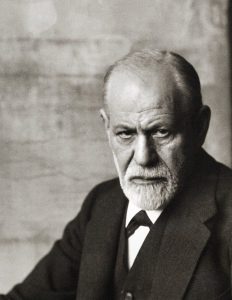
Jeannette FischerYes, perhaps I can quote Freud here. Freud said, I mean, he was born in 1856 and died in 1939. He emigrated very late; he only left Austria, Vienna, in 1938. And he said that revolutions had actually achieved nothing at all, because they didn't go beyond patricide, patricide seen symbolically now, that is, you disempower the powerful because they do it badly, and we agree with that, you disempower them, but then comes the next one, or he then has to be disempowered again, so it actually brings nothing new. He claimed that, and I think, as far as I have historical knowledge, he's right that it didn't go beyond patricide. And I trust, but that may also be my déformation professionnelle, perhaps from this small framework: I trust in the change of the individual and in the change of attachments, and if we become aware of these attachments, and I believe, I believe in pleasure; I believe in pleasure and in joy, because I'm a Freudian psychoanalyst, with this whole instinctuality, with this libido, desire, quasi pleasure, not only sexual desire, also sexual, but also desire for life, for getting to know other people, curiosity; that's all this instinctuality, or this libido. I believe in the power of this libido, and in psychoanalysis we actually do nothing other than analyse the resistance that opposes this libido, because many say this resistance is needed, otherwise we'd do I don't know what terrible things here, and violence and chaos. Always these tremendously perverse fantasies, or that libido has to do with violence and crime; that's absurd, or that's the idea behind this resistance. So in psychoanalysis we actually do nothing other than clear away this resistance so that we find our way back to this strength, and that's why I'm a bit confident, a bit confident: if we work on it, then the pleasure in life immediately comes back, or the pleasure in freedom too, and not freedom in the sense that I can consume what I want and use plastic when I want and as much as I want; rather, freedom arises when I, I'm coming back to this again, because I recognise that you're different from me, that you're not me; then that gives me, then that suddenly gives me space. I no longer have to take possession of you.
I no longer have to watch out that you take possession of me. We're two independent, autonomous beings. And then you can suddenly start to breathe. And that also gives a feeling of strength. Resistance comes back immediately. So we don't do psychoanalysis for so long because we need so long to, as it were, find the libido within us, but because the resistance is so institutionalised and so fierce. That's why psychoanalysis takes so long, and not because we're so stupid and no longer have all that.
Robert CibisSo we now, okay, in other words, the solution is, forgive me for putting it so simply, the solution is that we build our own world the way we like it and don't define ourselves through resistance against those in power, nor through, but try to build attachments and put pleasure, libido, in the foreground; basically a kind of respectful anarchy. Yes. The word anarchy has gone very much out of fashion and has probably been overused too. But I must say, perhaps one should interpret it the way it was actually meant. Meant. Anarchy basically means rejecting the logic of domination. Exactly. That one doesn't get involved at all in the game of who dominates and who is dominated. Exactly, quite exactly. So what could anarchy look like for us now? I do understand: no credit card. First of all, not being watched is a part of gaining freedom.
But that's certainly not enough.
Jeannette FischerYes, yes, but there your thinking starts from what the other has to do so that I can be different, doesn't it?
Robert CibisI actually do have a credit card; I can say I don't want it any more. Sorry? I do have a credit card; I can say I don't want it any more. Because it's of course a means by which I feel watched. Yes, yes, yes. And of course actually am. Yes, yes.
Jeannette FischerWell, something from my own story simply comes to mind. Or how I try it myself. I'm also part of this discourse. I'm part of this power discourse. I try again and again to distance myself a bit by going onto these meta-levels and thinking it over or reflecting on it, together with others too. And then Sandburg also comes to mind, who says: imagine there's a war and nobody goes. I find that too, it could even be quite pleasurable not to go. But it's probably not that simple either, is it? That always implies a bit.
Robert CibisI mean, experiences are unfortunately catastrophic. I did have the feeling that during the corona measures, as an example, it wasn't possible not to go. The measures were everywhere. You could resist them or follow them, but there was nothing in between. And then you could say, yes, I don't want to argue at all, and I don't want to judge anyone, and let them all do what they want. I don't want to be forced into anything. Then you had taken sides when you said that. The neutral position was impossible, and I know many people who quite explicitly said: I want to be neutral, I want to be neutral. They fought, fought, fought, and it simply couldn't be done.
Jeannette FischerThey weren't neutral. Yes, yes, I then ask myself, without wanting to criticise it, I mean, I'm stuck in the same problem, aren't I? How far we go into resistance out of a sense of hurt, how far we, and this is what I plead for, perceive the hurt but don't translate it into a directive action. And in psychoanalysis we also say, Freud said one can do anything, one just has to know why. So one can also adapt and know it. I don't mean that in a passive, resigned way; rather, if I now had a family to feed and had to take, or would take, the risk of losing my job, then I'd adapt too, or rather it's then an active adaptation, and then I'm, inwardly I could still create a free space for myself. So active adaptation isn't bad either; it doesn't mean I go along with it, but rather I don't, as it were, burn myself out in this system; I don't get ill from this system, or not yet. I remember, I studied in Athens, and to earn money I helped out a potter in his pottery, and then tourists came in and said in German or Swiss German: what dirty work, it's disgusting and so on, and they of course didn't know that I understood, and then I asked the owner of this pottery: well, what do you do then? And he said: I always do this, they have a screw loose, but I'm dependent on them. But the example I wanted to give: at 20 I went to karate; I wanted to learn to fight properly, and then the karate teacher said in the first lesson: if someone comes at you with hostile intent, then run away, and if that's not possible, don't oppose the enemy. I mean, that was when I was 20, 50 years ago, and it has stayed with me: if someone confronts you with hostile intent, then leave; if you can't run away, then don't oppose the enemy, because even if you win you'll come out of it hurt. And then karate says: take the enemy's energy and lead it past you into the void. And that is, I think, also this psychoanalytic credo, that one actually tries to get by somehow again within miserable structures, without adapting passively, but also reflecting on the whole thing. And I also find it tremendously important for me that we learn in our everyday life this intersubjective relationship, that is, this relationship that recognises the other in his or her difference, that we practise it, practise, practise.
Because we have, and I don't exclude myself here, we mostly have relationships that are borne by some fear: if I say this and that, or shout like this, or give my libido free rein, then the attachment is broken. So we're actually always in this fear of loss, in this fear-of-loss mode. And there I see a great potential, if every day, every moment, the way I have to do my exercises so that I stay fit in old age, we practise it, experiment, because it is, to come back to pleasure, it's a wonderful experimenting. And that's why, to come back again, change is also what drives the analysis with each individual, because it's always pleasurable, always pleasurable; it's sometimes difficult, but it's always pleasurable; it always has this feeling of freedom in it; not the great freedom as one understands it, but this small freedom, and then immediately the strength comes back. And that makes you happy, back to the beginning. That's very nicely put. It's really fascinating to hear that now, because I really had the feeling in recent years that I was exposed to propaganda that was hostile to pleasure, and it's even more extreme: in regulations people are called possessions, equity, or there's also the term human capital, terms that are used more and more often.
Robert CibisAnd that of course contradicts this perspective, from my point of view. And perhaps this system, which has become so rigid, the society that has become somewhat narrower and perhaps is now becoming even narrower, because we have to tighten our belts further, since we're at war, as I've learned. And the war doesn't stop, and the war rhetoric doesn't stop either; it's getting ever stronger. And that has something hostile to pleasure about it. The individual doesn't count; what counts is the body of the people, the community. So, and if one now says: yes, I'm not going along with that, I live my attachment, then one probably has to free oneself from the whole system, as it were, so that one doesn't have this reward-punishment system. There I still have a little bit, because I still feel the need to say: stop here and not there, and how is that supposed to work without it? I need, I don't want to make films without cameras just because cameras come from the system. As an example.
I have to get them repaired. And those are global corporations that made them, for example. How can I, I don't have an inner answer to that yet; it's basically the same question I just asked. I now understand which direction I want to go in, but I don't know yet how I can get there.
Jeannette FischerYes, yes, of course I don't assume that this equipment must now be abolished and so on, that we must now go back to Rousseau, to natural life. I don't mean that at all, do I? Not at all. Rather, I believe we are decisive. Our state of mind is decisive. And if we can arrange that with this equipment and so on, if we can make this state of mind pleasurable, that we begin to, er, regain pleasure. Because as you said, and I agree with you, the whole thing is very hostile to pleasure and is becoming ever more so; we're becoming ever more, it's becoming ever narrower and more hostile to pleasure. And if we remember the other again and give it space, give it more and more space, and analyse that too. Pleasure is also taken from us through guilt. We'd be guilty if a man hugs a woman without asking her first; he immediately becomes guilty. So pleasure, the authority to interpret guilt: whoever has the authority to interpret guilt has power.
And that's always, guilt always has to do with instinctuality, because instinctuality is subversive in that sense, in the positive sense, and is an enormous force. And we need it; we have to, this fencing-in, we have to, we can start right away, loosening this corset within ourselves. Ourselves. That doesn't mean abolishing the equipment. I don't mean that at all, otherwise we'd just make a new, make a new corset. But that we're aware that this discourse of guilt is hostile to the drives, hostile to libido, and that we don't believe it's true, because it's always said: if we don't do this, then the great thing will happen. That's not true. It's only that domination is disempowered. If there's no longer a hell, domination is simply disempowered.
Robert CibisThat's also very important, I think. I'd also argue that all people, even children, should be taught mechanisms of domination so that they can identify them as such. Such. Because that's certainly a protection for a society without domination.
Jeannette FischerOr children, who come into the world free of domination: that this isn't trained out of them.
Robert CibisThem. Exactly. Yes, I think our whole society would now have to be organised quite differently. Because for the last few thousand years domination was, so to speak, absolutely structuring.
Jeannette FischerYes, yes. And that's why I don't think, I don't go beyond my small thoughts. So how can I change society? Because there I immediately land myself in powerlessness. I know where I can create pleasure for myself again and where I gain strength and where I can achieve something without falling into powerlessness. Otherwise we're back in the system again. It builds, domination builds on powerlessness.
Robert CibisThe powerlessness of others. Thank you very much for the conversation, Jeannette Fischer. Is there anything else you'd like to add?
Jeannette FischerNo, well, I'd like to thank you very much for inviting me to this conversation. Thank you very much indeed. And thank you, too, for the trust.
Robert CibisThank you for the valuable thoughts. I also thank the viewers for joining this discussion. Have a nice day. Thank you.
Robert CibisHallo, mein Name ist Robert Cibis. Ich bin ganz froh, ganz stolz, hier mit Jeannette Fischer zu sitzen, Psychoanalytikerin, die viel handelt, weil sie auch Kuratorin von Kunstausstellungen ist und Bücher veröffentlicht, Vorlesungen gibt und natürlich Patienten betreut, sagt man Patienten mit Psychoanalytikern. Ich habe das Gefühl, jeder könnte eine Psychoanalyse machen. Auch wenn man sozusagen in der Gesellschaft funktioniert, kann es einem ja was bringen, oder? Auf jeden Fall, ja. Weil es ist ja anders, wenn man eigentlich, ist ja die Vorstellung, man geht zum Arzt, wenn man ein Problem hat, wenn irgendwas nicht mehr funktioniert. Aber natürlich verbinde ich mit Psychoanalyse auch immer sozusagen das Bild von Selbstverbesserung. Aber das ist natürlich wahrscheinlich das völlig falsche Wort. Warum ist das so falsch? Weil es ein bisschen zu nahe bei der Selbstoptimierung ist.
Jeannette FischerWeil die Psychoanalyse ist eigentlich eine Methode der Selbsterkenntnis.
Robert CibisAh, und die Erkenntnis heißt nicht unbedingt Verbesserung.
Jeannette FischerDie sollte eigentlich schon die psychische Befindlichkeit verbessern, auf jeden Fall. Wenn man mehr über sich weiß, wie man funktioniert, wie man denkt, wie man handelt, wo man immer wieder in die Falle gerät, dann sollte das schon zur Verbesserung des Wohlbefindens
Robert Cibisbeitragen. Genau, aber wir verbinden mit Verbesserungen ja manchmal auch Effizienzsteigerung und darum geht es nicht. Darum geht es überhaupt nicht, sondern ein subjektives
Jeannette FischerWahrnehmen von Wohlbefinden. Es soll ja auch tatsächlich Leute geben, sie sagen, sie
Robert Cibiswollen in ihrem Leben glücklich sein. Also ich gehöre nicht dazu. Ich habe das oft mir gesagt, dass das eigentlich viel schöner ist, wenn man das Leben erst mal Sinn macht und das Glück gar nicht so im Vordergrund steht. Aber ich meine, letztendlich glaube ich, sind das auch nur Wörter. Das eine kommt dann wahrscheinlich mit dem anderen, habe ich jetzt festgestellt, so nach ein paar Jahrzehnten Leben. Ja, ist das richtig? Ja, ja, ja. Also gibt es da eine Verbindung zwischen Sinn und Glück?
Jeannette FischerIch weiß eben gar nicht, was man oder was du unter Glück dann verstehst. also ist glück einfach ein tolles auto zu haben oder sagt es etwas aus über das persönliche wohlbefinden oder es ist eine emotion ja ja ich bin mit den begriffen auch nicht so sicher bei meinen es ist ja schon was von innen natürlich kann ich mich über ein tolles ding freuen auch wenn es sich ja nur ein ding ist ja glücklich hat bei mir eben diese negative konnotation auch weil es so inflationär gebraucht wird. Ich würde eher dann sagen, Freude haben. Dass wir Freude haben, am Leben zu sein, Freude haben, neugierig sein zu können, Freude haben, uns an dieser Welt gestalterisch teilzuhaben. Das ist für mich etwas ganz Wichtiges. Das finde ich sehr interessant.
Robert CibisIch kann es sehr gut nachvollziehen, weil dieses Wort Glück ist auch ein bisschen leer. Also ich hatte das Gefühl, man sagt das dann immer, aber dadurch, dass es nicht so konkret ist, wie wir zum Beispiel Freude haben, ist es auch nicht so stark. Das ist so wie andere Wörter, gegen die man gar nicht sagen kann, wie Frieden oder Gesundheit, die ja auch einfach immer richtig sind, aber trotzdem immer leerer werden, weil sie so oft verwendet werden.
Jeannette FischerJa, und Glück, also ich habe jetzt in meinen 30 Jahren Praxis nie jemanden erlebt, der in meinen Raum gekommen ist und gesagt hat, ich will jetzt glücklich werden. Ach nein, ich dachte, das sagen alle. Da sieht man mal, wie falsch meine Vorstellungen
sind. Was sagen dann die Leute? Sie kommen immer mit einem Leiden. Also dass man die Psychoanalyse macht, einfach zur Selbsterkenntnis, das war der Trend in den 70er, 80er Jahren, auch der Trend der Intellektuellen, der Linken. Aber das ist natürlich ein langwieriges Unterfangen. Also Psychoanalyse geht jahrelang und kostet natürlich viel, weil wir machen zwei, drei, vier Stunden pro Woche mit dieser hohen Frequenz, um einerseits einen Prozess beschleunigen zu können, aber andererseits, wenn wir uns selbst verändern, dann bekommen wir auch wahnsinnig Angst vor diesem Neuen, vor diesem Ungewissen. Und das kann man, wenn man sich dann dreimal sieht in der Woche, kann man das in der nächsten Sitzung gleich wieder auffangen. Das ist eigentlich die Idee, dass man so hochfrequent fährt. Normalerweise geht man zum Analytiker oder zur Analytikerin, wenn man ein Symptom hat.
Robert CibisJa, genau. Das klingt natürlich auch wahnsinnig aufwendig. Ich bin sicher. Und ich wahrscheinlich, ich habe es auch schon mal von der Seite gehört, ist das auch ein Grund, sage ich jetzt mal einfach als Vermutung, dass die Psychoanalyse gar nicht mehr so en vogue ist wie eben in den 70er und 80er Jahren. Weil man hat das Gefühl, man investiert viele Stunden und dann kommt der Effizienzgedanke, wie viel bringt das dann eigentlich? Sollte man nicht einfach so ein bisschen Verhaltenstherapie machen? Und dann ist das Leid irgendwie zwar nicht so gut wegradiert, aber dafür funktioniert man mit weniger Stunden Aufwand mehr. Das ist so, wie eine Pille einfacher ist als ein Diagnosegespräch beim Arzt. Also stimmt diese Vermutung? Ja, ja, das stimmt auf jeden Fall.
Jeannette Fischerdas stimmt. Ich sehe, ich habe ja eine Praxis seit Mitte 80er Jahre und in der Tendenz, damals hatten wir einen ganz guten Ruf, alle von der Nähe ist cool, zum Psychoanalytiker zu gehen. Und das hat massiv in diesen 30 Jahren, in denen ich eine Praxis habe, hat das massiv abgenommen. Das ist zu teuer, das geht zu lang und ist zu zeitintensiv. Auch man muss ein bisschen anwesend sein an diesem Ort, wo man diese Analyse dann macht. Weil wir machen das eigentlich selten über Zoom. also das machen wir eigentlich nicht über zu ja man braucht diese physische präsenz und da ist auch der biologismus dass alles quasi biologisch bedingt ist dass man da medikamente dagegen nehmen kann dass das hat alles überhand genommen leider leider leider weil ich denke also ich bin und war eine ich habe die praxis geschlossen jetzt ich war eine passionierte psychoanalytikerin weil ich auch gemerkt haben. Das nützt, also es ist auch ein wahnsinnig spannender Prozess. Also niemand, der in diesem Prozess bleibt, ist ungern darin, weil man deckt immer wieder Neues, Neues und ah, das ist ja auch noch, ah, das gibt ja auch noch und so. Also man hat schon Angst vor der Veränderung, aber es ist eine neugierige Geschichte. Man erforscht sich mit dem Analytiker und der Analytikerin.
Kann man sich selbst erforschen und was könnte dann interessanter sein als das, oder?
Robert CibisDas kann ich gut nachvollziehen. Und eine Therapie, die wirklich Spaß macht, ist eher ungewöhnlich. Ja, stimmt, stimmt, ja. Naja, ich meine, ich bin ja auf dich gekommen, weil ich das Gefühl hatte, in einigen Veröffentlichungen, die ich kenne, dass du das Zeitgeschehen besonders gut beschreiben kannst. Wie weit bringt die Psychoanalyse denn was, um zu kapieren, was gerade los ist. In welchem Zustand ist denn die Gesellschaft? Kannst du das als Psychoanalytikerin sagen?
Jeannette FischerAlso ich kann eigentlich schon etwas darüber aussagen, aber ich möchte auch betonen, dass es meine These ist, die ich jetzt auch aufgrund von meinen Erfahrungen, auch von mir in meinem Freundeskreis und so weiter, Aber da würde ich schon behaupten, dass wir gesellschaftlich einen Punkt erreicht haben, in dem die Entfremdung vom eigenen Ich, in dem die einen mit dieser Corona -Geschichte, mit diesen Massnahmen wie einen neuen Hype bekommen hat. Also dass wir immer mehr von uns selbst entfernt sind, von unserem eigenen Ich. Ich kann keine großen gesellschaftlichen Analysen machen, aber ich kann einfach sagen, was beim Einzelnen passiert. Und das kann man aber, das darf man ruhig dann hochrechnen, weil die Gesellschaft ist ja nichts anderes als eine Gemeinschaft von Individuen. Und da merke ich, dass diese, also ich nenne es dann auch dieses Narzisstische und damit meine ich nicht, es gibt vier große böse narzissen sondern ich meine die narzisstischen elemente in uns selbst also die die die bekommen nochmals mehr aufschwung und narzisst narzissmus heißt ja wir sind von uns also narzissmus ist eine abwehrfunktion psychoanalytisch gesehen ist der narzissmus narzisstisches verhalten dass man nach bedeutung nach einer kennung sucht ist eigentlich eine abwehrstrategie von einem ursprünglichen von einer ursprünglichen über lange jahre hinweg erfahrene toxische bindung und wenn man diese toxischen bindungen kann man wenn man abhängig ist von diesen toxischen bindungen als kind zum beispiel da kann man nicht einfach sagen adieu miteinander, ich gehe jetzt.
Sondern man muss, die Psyche sucht dann Möglichkeiten, diesen zu entkommen. Und das heißt, und dann gibt es diese narzisstische Abwehr, die eigentlich bedeutet, ich muss, damit es mir besser geht, damit ich Bindungen besser ertragen kann, ich muss eigentlich schneller als die Bindungen sein, oder ich muss sie eigentlich vermeiden können, um nicht in diese Toxizität, in diese Giftigkeit hereinzukommen. Also so erfindet die Psyche einen sinnvollen Mechanismus, um selbst dieses Gift überstehen zu können. Und dann wird man schneller als die Bindungen, man ist nicht mehr sorgfältig denen gegenüber. Man sucht Bindungen, die in Abhängigkeit sind, damit man eigentlich immer noch, damit von mir dann jemand abhängig ist, damit ich immer noch die Erste bin und unabhängig von Bindungen. Und dann bin ich schon ein bisschen abhängig von diesen Abhängigen, aber trotzdem, ich kann mich über die Bindungen erheben. Und das ist etwas, darum ist die Psychoanalyse auch so in Verruf geraten.
Ich glaube, das hängt damit zusammen, weil die Psychoanalyse geht ausschliesslich von Bindung aus. Und wenn wir diese als unnötig oder als überflüssig betrachten und sie immer mehr ersetzen durch Technik, dann natürlich hat die Psychoanalyse mit ihrer Theorie gar keine Chance mehr. Was ich aber, um nochmals zurückzukommen auf deine Frage, was ich denke, ist, wir vereinsamen dann immer mehr, wir vereinsamen auch als Gesellschaft immer mehr. Und der Massnahmediskurs hat das ja schon impliziert, also Social Distancing, Isolation, also alles zurück und hin zur Apparatur, zur Technik. Und ich glaube, diese Bewegung ist äusserst gefährlich und die ist in diesem Sinne nie nachhaltig, weil hier, das ist quasi der Pott, wo dann die Ängste florieren, die Ängste und die Panik und die Einsamkeit. Also ich bin überzeugt, das zeichnet sich schon ab, dass die Suizidraten massiv steigen, Die Jugendlichen hier in Zürich, das wurde sogar in den grossen Zeitungen veröffentlicht, dass die Jugendlichen keinen Platz mehr finden in den Kliniken oder auch in den Ambulatorien. Auch wenn sie suizidal sind, müssen sie nach zwei Monaten auf einen
Platz warten. Ich meine, das geht einfach nicht. Und das hat es scheinbar vorher noch nie so gegeben. Und ich denke, da kann die Rechnung nicht ohne den Wirt gemacht werden.
Robert CibisAber ich habe vor kurzem ein Buch über Narzissmus gelesen. Ich weiß gar nicht mehr welches, das ist wahrscheinlich auch schon zwei, drei Jahre her. Und so gut wie du das gerade erklärt hast, hat es mir aber noch niemand erklärt. Ich verstehe, dass es diese Abwehrreaktion ist. Das hilft wirklich, um das zu sehen. Ich verstehe schon, dass man eine Bindungsproblematik hat. Also ich glaube, das ist den meisten Menschen klar, die über Narzissmus schon mal nachgedacht haben. Aber dass das im Grunde eine Art Abwehrreaktion ist gegen etwas, das hilft natürlich enorm, um das Ganze zu verstehen. Und warum auch jetzt diese Maßnahmen in der Corona -Krise, aber auch vieles anderes, was jetzt in der Gesellschaft passiert, eventuell Narzissmus fördert. Das kann ich jetzt dann auch gut nachvollziehen. Wobei ich mir natürlich sage, ich höre immer wieder, ja, ja, das nimmt doch zu mit dem Narzissmus. Das glaube ich wiederum auch nicht, wenn ich dann nämlich sehe, unter welchen Bindungsproblemen meine Großeltern leiden mussten oder deren Eltern, wenn ich das so höre und die ganzen Geschichten. Also da musste sich ja auch viel Abwehrreaktion passieren, damit die Menschen da durchkommen. Krisen gab es ja schon vorher und auch Entfremdung.
Aber was natürlich mich sehr beeindruckt hatte, ist das, oder auch jetzt auch beeindruckt, ist, dass das so global ist und so konzertiert und dass es tatsächlich auch so gegen die Gesundheit ist, gegen die Psychologische, denn dass Isolation schädlich ist, das weiß man ja schon lange, auch ganz klar fürs Immunsystem. Schon in den 80er Jahren weiß ich von Studien, die jetzt nur gesagt haben, Leute, die eine halbe Leben haben oder einsam sind, haben eine größere Wahrscheinlichkeit, dass sie zum Beispiel Krankheiten aufschnappen als Leute, die in der Gemeinschaft leben.
Jeannette Fischerund deswegen ist das alles so gegen die intuition was jetzt passiert war und auch jetzt gibt es eben die frage die mir aufkommt wie wichtig ist eine klare identität um sich selbst zu sein also wenn ich weiß ich bin ein mann ich bin ein deutscher ich bin ab diesem beruf nutzt mir das ich glaube das sagt noch nichts aus über die identität das sagt vielmehr etwas aus über die rolle die man hat in diese bekommt in dieser gesellschaft und die rolle die man in dieser gesellschaft einnimmt das ist das ist auch so etwas was ich sage so etwas narzisstisches in unserer gesellschaft dass wir immer mehr in diese rollen uns selbst auch in diese rollen begeben also wir wir wir gehen an meetings oder besprechen oder was auch immer und wir haben tendenziell eine rolle und wenn ich habe das letztendlich gesehen als eine freundin von mir die hat ein unternehmen mit einer anderen freundin gegründet und dann ist die plötzlich gestorben und dann hat sie an an einer sitzung hat sie dann plötzlich zu weinen angefangen weil sie auch ihre freundin verloren hat nicht nur geschäftsbahn und dann hat sie gesagt und zu mir hat sie dann gesagt das war mir so peinlich weil das ist so unprofessionell und ich glaube das ist diese tendenz dass wir diese emotionen weg tun dass wir professionell sind wir können uns da auch trainieren das ist dann die selbstoptimierung aber die selbstoptimierung ist im sinne einer rolle und nicht in einer identität aber was du aus spricht ansprichst finde ich wahnsinnig wichtig mal wir gerade über die rollen die wir auch wahrscheinlich zum teil gar nicht mehr merken, weil wir uns auch damit identifizieren, dass wir diese Ich -Identität auch aus den Augen verlieren. Und ich denke,
eine Identität ist eben nicht ein erratischer Block und dann ist man so, man ist so geboren und dann ist man so, sondern das Ich bildet sich über das Du. Und darum ist das Du so, Also ist die Bindung so wahnsinnig wichtig. Darum ist das Du so wichtig. Wer auch immer das Du ist, jetzt bist du es und nachher gehe ich in den Zug und dann ist es jemand anders und dann treffe ich die Enkel und das ist ein anderes Du. Aber das Ich braucht das Du, um sich von diesem Du zu unterscheiden. Und wir können, da sind wir in einer, und das finde ich eben so toll, dass die Psychoanalyse dem auch Rechnung trägt, weil das heisst, Dieses Ich ist in einer permanenten Bewegung. Und das hat nichts zu tun, weil im anderen Narrativ heissen das ja, der hat kein Ich oder keine Ich -Identität, wenn er nicht gerade so immer weiss, was er will und ein bisschen unemotional ist. Sondern das Ich bildet sich ständig, verändert sich ständig. Es hat eine ungeheure Eleganz der Beweglichkeit. Mit unserem Körper auch, wir bewegen uns ja ständig. Auch im Schlaf bewegen wir uns noch, wir atmen ständig ein und aus.
Und so ist das mit der Psyche auch. Und die Ich -Identität verändert sich permanent über das Du. Und daher sind auch die Bindungen so wichtig. Also ich kann eigentlich, wenn ich das ernst nehme, kann ich gar keinen Krieg führen. Also ich kann das Du, von dem ich eigentlich abhängig bin, Ich meine, in seinem konstruktiven Sinn kann ich gar nicht töten, das geht ja gar nicht. Sondern das Du ist nur die Differenz zu mir. Und Krieg gibt es ja, wenn ich davon ausgehe, dieses Du hat mit mir identisch zu sein, also mit meinem Anliegen, mit meinen Vorstellungen. Oder dann mache ich so eine Symbiose und alle, die dann in diese Symbiose kommen, die meinen dann dasselbe und damit können wir auch sagen, und der andere, der da nicht in meine Symbiose kommt, einfach weil er different ist von mir oder sie different ist von mir, die sind dann die Bösen und die Ausgeschlossenen. Das sind dann die Sündenböcke. Das ist ganz verrückt, weil das Ich kann sich nur bilden in der Anerkennung, dass der andere nicht Ich ist.
Robert CibisDas heißt, was wir alle erlebt haben und die meisten Leute auch formulieren können, egal welche Perspektive sie hatten, ist, dass wir so ganz starke Gruppenbildung hatten oder eine Innen - und Außengruppe und das spricht ja von Spaltung der Gesellschaft. Und das ist im Grunde alles das Gegenteil von Ich -Findung. Weil das du negieren oder ausgrenzen. Ja. Das ist aber ein wichtiger Satz. Den sage ich, glaube ich, noch öfter in meinem Leben. Weil das hat nämlich das Gefühl, dass diese Masse, die sich dann bildet, dieser Volkskörper, die sagt, das sind die Russen, das sind die Ungeimpften, das sind die Vorbärs, das sind die Nazis oder keine Ahnung was. dass diese Masse auch irgendwie, dass es gut tut, andere auszugrenzen. Das Gefühl hat man ja schon. Und jetzt verstehe ich aber, das psychoanalytisch gesehen, dass gar nicht gut ist, weil man sein Ich nicht findet, sondern sich in einer falschen Rolle sozusagen, nur in einer Rolle findet und nicht in seinem Ich. Also habe ich es richtig verstanden?
Jeannette FischerJa, das stimmt. Und man konstituiert auch Bindung, oder? Das gibt ja dann so eine symbiotische, solidarische Gemeinschaft. Man konstituiert Bindung in Anbetracht eines Feindes. Und diese Form der Bindung, die hört sofort auf, sobald der Feind weg ist. Und die ist in dem Sinn vernachlässigbar. Also die können wir gar nicht brauchen. In diesem Sinne psychoanalytisch, mikroskopisch gesehen, ist das keine Bindung, sondern so eine Verbindung, das ist räuberisch, weil man braucht ja einen Feind, um sich zu konstituieren. Man wird vom Feind abhängig und wenn der nicht mehr ist, wird er ausgewechselt, um diese Bindung wiederzuhalten. Aber da drin, in dieser Bindung, ist das Ich verloren, weil das Ich ist immer verloren in einer Symbiose. Oder das geht, es verliert auch die Freiheit, auch die ganz persönliche, individuelle Freiheit, weil wir gehen schon davon aus, also das Wichtige finde ich schon, dass das einzig Verbindende zwischen Menschen die Anerkennung der Differenz ist. Und damit meine ich nicht, wir müssen uns lieben oder tolerant sein. Das sind alles inflationäre Begriffe, die
nutze ich jetzt nicht, sondern ich meine, Anerkennung der Differenz heisst einfach, ah, ich sehe so und so, ist dieser Mensch oder ist dieser Mensch in dieser Bindung mit mir und das interessiert mich oder interessiert mich nicht, ich kann mich abwenden, ich kann mich trennen, ich habe dir das ganze Repertoire zur Verfügung. Und das finde ich, die Anerkennung der Differenz gibt ganz neue, ganz potente Bindungsstrukturen, Weil dann kann ich Gemeinschaft haben und Autonomie und nicht entweder oder. In der Symbiose kommt die Autonomie dann ziemlich zu kurz.
Robert CibisUnd wie jetzt ist ja der Feind, Virus oder Regierung oder
Jeannette FischerMaßnahmen bei Corona weg, man hat das Gefühl, für einige Menschen ist wieder eine Normalität entstanden. ich bin nicht ganz sicher ob das so stimmt aber die frage ist also was so ein eindruck ist ob die gesellschaft insgesamt etwas mehr zu sich gefunden hat seitdem es diese zb maskenpflicht in den zügen nicht mehr gibt oder so ich persönlich gehe nicht davon aus sondern ich persönlich habe ein bisschen bedenken dass ich dieses narrativ der spaltung und und ich meine das auch auf beiden seiten ich muss beide seiten da kritisieren die die genau wissen wo ist der feind und wo ist die wahrheit und da meine ich nicht ich nehme da niemanden in schutz oder sondern ich gehe davon aus dass wir jetzt auch wenn die maskenpflicht aufgehoben ist dass es in uns selbst diese spaltung weiter brodelt und dass die mit ein etwas ganz kleinem kann die wieder zu offenbar also manifest werden ich glaube das ist in meinen augen so sehe ich dass das ist wie gesetzt und das ist dann braucht es einen trigger und zack wir gehen wieder in dieses spaltungsschema und was ich eben finde und zwar auf beiden seiten finde ich dass wir dieses Narrativ der Spaltung, dass wir, der eine ist Schuld, der Böse und Sündenbock, dass wir das einfach verlassen.
Robert CibisJa, ich meine, das ist eine sehr schwierige Frage für mich, denn wir haben, also meine, Es gibt eine psychologische Ebene und es gibt auch einfach eine strukturelle Ebene, wie wehrt sich eine Gesellschaft. Und natürlich ist es mir schon klar, wenn jemand ein Verbrechen begeht, wie zum Beispiel jemanden zu vergewaltigen oder auszurauben, dass diese Person, die das Verbrechen begeht, offensichtlich psychisch nicht so stabil ist und auch irgendwie dahin gekommen ist. Irgendein Weg ist die Person hergegangen. Ich weiß natürlich nicht welchen, aber die Handlung selbst, da gibt es Täter und Opfer sozusagen. Und im Großen und Ganzen sind die Täter auch irgendwo Opfer. Wenn sie so menschenverachtend handeln, dann ist das ja auch nicht in ihrem eigenen Interesse, denn Bindung ist für alle besser als Domination oder Dominanz, heißt nach meinem Deutschen. Aber nun gut, trotzdem ist die Frage, wie kommt man da raus, wenn man die Täter nicht benennt. Zum Beispiel als Täter meine ich. Und ich sehe, ich habe in meinen Recherchen schon gesehen, dass in der Corona -Krise und auch in anderen Zusammenhängen Verbrechen begangen wurden, die bis heute noch nicht geahndet wurden, wo noch kein Prozess stattfand und wo ich Angst habe, dass die Leute nicht ins Gefängnis kommen.
Und wenn man sagt, ja, aber man muss die auch als Menschen sehen, dann ist die, nein, das ist jetzt in meinem, ich sehe sie jetzt auch erst mal als Täter. Sehe ich das falsch? Nein, nein. Also da gehe ich ganz mit dir einig.
Jeannette FischerIch finde, jemand, der ein Verbrechen beginnt oder begonnen hat, der muss dafür die Verantwortung übernehmen. Und dann muss man schauen. Also ich bin auch ein bisschen kritisch im Sinn von unseren Strafmethoden. Da bin ich ziemlich kritisch, weil ich nicht weiß, wie sehr sie einfach einen Schuldigen brauchen und quasi eine Strafe vollziehen, die in sich genauso sadistisch sein kann wie das Verbrechen an sich. Also ich finde, dort müsste man überlegen, wie macht man das? Was macht man mit einem Täter? Oder geht man in dieses … Also ich kann nur sagen, meine
Robert CibisMotivation ist überhaupt nicht, dem Leid zuzufügen. Meine Motivation, Täter benennen zu wollen und auch zu verurteilen, ist, dass sich diese Verbrechen nicht wiederholen. Vor allen Dingen, dass der Öffentlichkeit klar wird, dass hier ein Verbrechen begangen war. Weil das Schlimmste wäre doch, dass plötzlich ein Verbrechen und niemand … Also viele Menschen leiden. Wir haben gerade ein paar Beispiele genannt. Ja, Leute bringen sich um, sind psychisch eingeschränkt. Das sind ja nur zwei Beispiele. Es gibt viele Gründe vielleicht. Also diese Corona -Maßnahmen haben laut UNO ja nur durch wirtschaftliche Konsequenzen, weil die Lieferketten eingeschränkt waren, zumindest oder circa über die Jahre 140 Millionen Toten zusätzlich an Hunger geführt. 140 Millionen Hungertote. Da fragt man sich, wer hat diese Verordnung veranlasst, ohne das zu bedenken oder da hat das bedacht und trotzdem veranlasst. Das ist unverantwortlich aus meiner Sicht und da würde ich gerne Aufklärung haben. Und man kann die Verbrechen oder die, man kann eine lange Liste machen.
Das ist jetzt ja nicht unser Thema, aber ich frage mich trotzdem, wie geht man damit
Jeannette Fischerum? Ja, ich finde das wahnsinnig interessant. Ich glaube, die Frage ist einfacher zu beantworten, wenn wir Unterscheidungen machen zwischen, Ich finde auch, die Täterschaft muss zugeordnet werden können und die Verantwortung dafür muss übernommen werden. Das hat zum Beispiel Anders Breivik, der norwegische Massenmörder, der hat die Verantwortung übernommen. Tatsächlich? Der hat die Verantwortung übernommen. Die Schuld nicht. Das fand ich sehr interessant. Aber die Verantwortung hat er übernommen.
Robert CibisWie weiß man das? Hat er es gesagt? Ja, ja, das ist in Interviews und in diesen Verhören
Jeannette Fischerund so, ist das also publiziert auch, ja. Und ich möchte hier die Begrifflichkeit unterscheiden. Ein Täter, also ein Verbrecher, der hat auf der anderen Seite nicht ein Opfer, sage ich, oder? Diese Unterscheidung möchte ich machen, das ist mir ganz wichtig, dass man das denn in der Folge versteht, was ich sagen möchte, sondern die anderen sind dann Betroffene von einem Verbrechen, betroffen von einem Gewaltverbrechen. Und dieses Gewaltverbrechen, das muss auf den Tisch, da muss man schauen und dafür gibt es keine Entschuldigung. Oftmals, aber darum ist mir diese Begrifflichkeit wichtig, oftmals wird quasi diese Täterschaft entschärft. Er oder sie ist ja auch nur Opfer. Und dann kommt wieder ein anderer Begriff rein, Opfer. Und ich unterscheide, auch in meinen Büchern, unterscheide ich immer zwischen Opfer und Betroffenen. Ein Betroffener ist für mich jemand, der von einem Gewaltakt, von einem Verbrechen betroffen ist. Und ein Opfer, das definiere ich in meinen Büchern oder in
meinen Thesen als eine inszenierte Position, die alleine dazu da ist, einen Täter zu benennen. oder ich kann jetzt sagen ich bin opfer weil du so ruhig bist dann dann mache ich dich sofort mit meiner opferposition mache ich dich sofort zu meinem täter und damit habe ich macht über dich und das ist ein macht diskurs ein herrschaftsdiskurs und den meines erachtens wert bedienen wir hier ziemlich alltäglich und im großen Rahmen. Man kann sich immer auf diese Opferposition zurücksehen, aber das Virus ist ja tödlich und wir sind Opfer von das, vom Virus, wir sind Opfer vom Krieg, wir sind Opfer von Putin, wir sind Opfer von NATO, wir sind Opfer von allem. Also immer diese Position, die ist eigentlich nur dazu da einen täter zu benennen und dann haben wir wieder diesen Sündenbock und können hier gemeinschaft bilden oder und können hier wieder solidarität bild im grunde so müssen wir aus dieser logik heraus wir müssen aus diesem opfer diskurs also wir müssen aus diesem opfer diskurs und das ist ziemlich schwierig weil er einer der mächtigsten ist also ich sage es mächtiger als eine
Atombombe. Eine Atombombe ist per Definitionen böse, ist dazu gebaut, zu zerstören, Menschen zu töten. Aber die Opferposition, da ist man immer unschuldig. Man ist unangreifbar. Und damit hat man den anderen als Täter benannt.
Robert CibisUnd das macht, das ist, das finde ich, das ist eine Macht, die, ich glaube, die ist universell. ich habe es auch ganz oft erlebt und ganz oft medial gesehen also eigentlich ist fast es gibt ja fast kaum nachrichtenbeiträge ohne opfer ja ja ja ja ja ja es gibt ja kaum geschichten und jetzt bei uns bei den dokumentarfilmern gab es diesen begriff da wurde vor 15 jahren so eingeführt von Impact -Producing. Das heißt, wir machen ein Dokumentarfilm mit dem Ziel, die Bevölkerung auf ein Problem aufmerksam zu machen, damit sie handeln. Also am Ende des Films war dann immer ein Call to Action. Zum Beispiel, kauft kein Wasser mehr in Plastikflaschen, weil es so viel Plastikmüll schafft. Und das war das Ziel des Films. Und vorher zeigt man all die Opfer, die dadurch entstehen, dass dieser Müll geschaffen wird. Und der Vorteil von diesen Filmen ist, dass er dann instrumentalisiert werden konnte von NGOs, die dann quasi den Vertrieb des Films mit unterstützten.
Jetzt habe ich ein einfaches Beispiel genannt, aber natürlich viele Leute, die zum Beispiel zu den Maßnahmen aufgerufen haben, haben das natürlich auch mit dem Ziel gemacht, was Gutes zu tun. Weil sie sagten, je mehr Leute dazu gestupst werden, so oder so zu handeln, desto besser für uns alle. Und was wäre jetzt das Gesündere? Wie könnte man eine Geschichte erzählen, zum Beispiel über Plastikmüll ohne Opfer?
Jeannette FischerIch denke, was ja dieser Opferdiskurs als Grundlage hat, ist, er geht, dieser Diskurs geht davon aus, wir sind wehrlos und wir sind ausgeliefert. Das ist ja auch, da kommt ein Virus, obwohl wir alle auf der ganzen Welt noch nicht wissen, um was es sich überhaupt, um was überhaupt das hier geht. Ist er gefährlich, ist er sehr gefährlich oder gar nicht? Und schon positionieren wir uns als Ausgelieferte. Und das ist dieser Opferdiskurs. Wir gehen nicht davon aus, wir haben so eine angeborene Immunität und die haben wir vielleicht im Laufe des Lebens ein bisschen vernachlässigt, aber das können wir jetzt nachholen. Oder wir haben auch angeborene, das ist mir ganz wichtig, eine angeborene Widerständigkeit, psychisch auch und Wehrhaftigkeit. Ich meine, ein Säugling kommt auf die Welt und brüllt, oder? Also das ist eine Energie, oder? Und dieser Säugling sagt, also etwas passt mir nicht, bitte ändert das, und zwar sofort. Also wir kommen mit dieser Wehrhaftigkeit auf die Welt, aber über diesen Opferdiskurs wird diese Wehrhaftigkeit eigentlich wie ausgeblendet.
Wir sind plötzlich so, wir sind plötzlich allem ausgeliefert. und dann kommt die große hilfe also dann kommt wieder rollstuhl also es ist diese wehrhaftigkeit ist wie unsere muskulatur die brauchen wir um aufrecht zu gehen um uns in dieser welt zu bewegen und dann wenn das uns aber abgesprochen wird und wir das selber auch noch glauben dann kann man uns einen rollstuhl hinschieben und dann nehmen wir den dankbar ab also ich denke wenn wir dieses narrativ dieses des opfers verlassen dann finden wir ich glaube das macht sich unmittelbar bei jedem einzelnen bemerkbar finden wir zurück zu einer eigenen kraft und das auch zu einer widerständigkeit und das macht ja auch immer dass das das gibt auch immer noch kraft für für mehr und ich gehe schon davon aus dass dieses gesellschaftliche narrativ von diesem opfer Diskurs und wir sind alle wehrlos und hilflos, wahnsinnig geprägt ist und dass das aber ein Herrschaftsdiskurs
Robert Cibisist. Also das ist ein Diskurs, der der Herrschaft hilft, die Herrschaft zu behalten. Genau. Weil es die Bevölkerung in eine gelernte Unmündigkeit bringt. Sie haben das Gefühl, sie brauchen die Mächtigen, um sie zu beschützen. Im Grunde ist das das Modell der Mafia. Wenn man sagt 20 euro und ich beschütze dich vor einer bio war für die wir selbst entwickelt haben die dann aber auch durch entsprechende maßnahmen die nur wir die anbieten können die maßnahmen die du hast sind alle kleinen kram die richtigen maßnahmen sind die die von uns kommen der verspritzte impfstoff in Deutschland, basiert ja auf einem Patent von CureVac. Und einer der Hauptinvestoren in CureVac war die Bundesrepublik Deutschlands selbst. Und somit hat de facto die Bundesrepublik Werbung für das eigene Produkt gemacht, indem sie das Patent hatten, denn das von Pfizer und BioNTech dann letztendlich vertriebene Produkt eben war auf einem Patent der Bundesrepublik und anderen natürlich üblichen Verdächtigen, die man erkennt,
basiert. Also man hat das Gefühl gehabt, das ist sozusagen, deswegen mache ich diesen Vergleich, weil es halt alles aus derselben Küche kommt.
Jeannette FischerJa, ja, ja.
Robert CibisAber trotzdem stehe ich jetzt immer noch vor der Frage, was machen wir mit den Tätern? Es gibt ja eine heftige Debatte von Matthias Desmet, weil er beschreibt ja dieses Phänomen der Massenbildung und sagt, die Menschen würden sich selbst hypnotisieren und sich reinsteigern und die Führer sind Teil, also die Leader der Gesellschaft. ich weiß nicht, der Software sagt sicher nicht Führer, aber die Herrschenden, sein Teil des Systems, das kann initiiert sein, aber es kann sich auch von alleine bilden. Und ich verstehe das auch, ich bin aber so ein bisschen da immer auch vor den Kopf gestoßen mit, weil ich denke, ja, aber das wirkt so, als ob man nichts machen könne. Und wie kann ich denn jetzt damit umgehen? Kann ich jetzt, wenn ich jetzt das Opfer ausblende, dann habe ich doch keine Täter mehr. Wie können wir was ändern? Wie kann man die Leute dazu bringen, dass die Menschen freier sind, dass solche Sachen nicht mehr passieren?
Jeannette FischerNein, ich meine nicht, wenn wir kein Opfer mehr haben oder nicht mehr sind, dann gibt es keinen Täter mehr. Das meine ich nicht, weil die Täter, aber ich nenne einfach die Position des Opfers, unterscheide ich zum Betroffenen vom Gewalt. Ich verstehe, was machen wir mit den Tätern? also ich muss sagen ich bin da ein bisschen ich möchte das von anderen seiten auch ausleuchten und zwar wenn wir ich gehe auch davon aus es gibt nicht die bösen und wir sind die die opfer oder die betroffenen wir müssen auch immer sehen was wir da alles mitmachen wir machen das alles mit alle wir haben ein iphone wir haben eine kreditkarte und so weiter also um nur quasi diese haushalterischen kleinigkeiten zu erwähnen also wir machen in diesem diskurs mit und wir machen noch weiter mit auch medizinisch dann sagt ja warum soll ich nicht an diese maschine wenn mir die das leben verschönert oder verlängert wir machen in diesem diskurs mit und ich denke ich Ich denke, was wir tun könnten, ist das, was wir am Anfang gesagt haben, vielleicht uns auf das Ich wieder besinnen oder auf die Bindungen.
Mir kommt jetzt eine kleine Geschichte, das sind die David Graeber und David Wengrow, die dieses Buch Anfänge geschrieben haben. Dort beschreiben sie ein Volk der Inuit. die würden sagt sagen sie im sommer würden haben die ganz strenge herrschaftliche strukturen da gibt es ein für und den müssen sich alle unterwerfen und dann werden da die tiere gejagt und genau verteilt und so weiter es gibt eigentum und und dann kommt der lange lange winter wo eigentlich die nahrung angeschwemmt wird die Robben und die walrus und so angeschwemmt werden also ich weiß nicht mehr welche tiere angeschwemmt werden und dann bauen die ein großes versammlungshaus und dort drin herrscht einfach anarchie oder also die haben eine saisonale saisonale variablen von von herrschaft oder nicht herrschaft bei uns ist es so wir haben diese saison gar nicht aber wir haben einfach diese form eines narrativs von herrschaft und das ist jetzt einfach maßgebend und wir machen das mit könnten das auch entmachten indem wir sagen wir machen da nicht mehr mit vielleicht ein bisschen einfach auch nicht einmal auf die täter los zu gehen aber das ist vielleicht auch eine generationen geschichte oder also ich bin sozialisiert politisiert in den 70er jahren also ich merke meine kräfte reichen nicht mehr aus um in diese art des widerstandes zu gehen ich bin im widerstand und ich möchte außerhalb von diesem narrativ möchte ich möchte meine energie nicht in auf diesem schlachtfeld verliert die schlachtfeld täter Genau.
Und das heißt nicht, ich nehme Sie in Schutz.
Robert CibisIch habe ja nur Angst, dass sich nichts ändert. Das ist alles, was, oder Furcht vielleicht.
Jeannette FischerJa.
Robert CibisWeil ich habe Furcht vor der Wiederholung. Natürlich ist mir klar, dass sich nichts genau wiederholt, aber ich habe das Gefühl, dass viel Schaden zugefügt wurde Und meine Recherchen zeigen eher, dass auch viel bewusste Entscheidungen gefallen wurden. Es war kein nicht nur Herdenverhalten von Menschen, die sich dieses Verhaltenverhalten abgucken und nicht eine Art Selbstpsychose, Sondern ich hatte das Gefühl, dass diese Logik, diese Herrschaftslogik, die Mechanismen der psychologischen Manipulation, der Manipulation durch Anreize, dass man Prämien bekommt zum Beispiel. In vielen Ländern, ich weiß nicht in wie vielen, hatten die Krankenhäuser mehr Geld, wenn auf dem Todeszertifikat steht, Covid -19 zum Beispiel, als wenn dort Malaria stünde. Ich glaube, in über 100 Ländern. Und das zum Beispiel ist ja eigentlich unlogisch. Also rein medizinisch meine ich. Es ist logisch, wenn man das politisch beurteilt.
Und das sind so Sachen, wo man dann sagt, ja gut, es gab eine Intentionalität, sonst ist das nicht zu erklären. Und dann freie sich aber nicht, wie man ohne, ich kenne natürlich das Szenario von meinem inneren Auge, deswegen insistiere ich da so, der Widerstand revoltiert gegen dieses System, bringt die Herrschenden um und macht ein neues System. Das ist das Szenario, was man dann vor seinem inneren Auge hat. und es wirkt auf mich absurd, weil es geht ja gerade um die Menschlichkeit. Und jetzt wieder, also dieses System war ja eben eine Art Optimierungssystem, was uns in die Einsammlung und Maschine und in den Konflikt und In - und Outlook gebracht hatte. Und genau diese ganze Art, die Haltung war ja im Grunde das, worunter wir alles gelitten haben. Und wenn man das Szenario, was ich gerade skizziere, zu Ende denkt, dann ist es ja keine Veränderung. Und deswegen weiß ich halt nicht, was ich machen soll. weil ich fühle mich dann der Klemme. Der Klemme. Ja, ich fühle mich, das Narrativ, also ich würde jetzt gerne den Zuschauern oder mir selber sagen, das will ich, ich will, dass das jetzt passiert. Das wäre doch am besten. Dann würde ich es gerne vorschlagen. Aber ich sehe entweder, man versteift sich in dieses Gruppendenken und ist eher im Kampf geeint als Mensch.
Oder es bleibt alles, wie es ist. Und beides ist für mich inakzeptabel.
Jeannette FischerJa, ich kann vielleicht hier Freud zitieren. Freud hat gesagt, ich meine, er ist 1856 geboren und 1939 gestorben. Er ist sehr spät emigriert, ist erst 1938 aus Österreich, aus Wien raus. Und er hat gesagt, die Revolutionen hätten eigentlich überhaupt nichts gebracht, weil sie nicht über den vatermord hinausgingen also vatermord jetzt symbolisch gesehen also man entmachtet die mächtigen weil die machen das schlecht oder sind wir ja auch einverstanden die entmacht aber dann kommt der nächste oder der muss dann auch wieder entmachtet werden also es bringt eigentlich nichts neues und er hat das behauptet und ich denke so weit ich historische kenntnisse habe hat er recht dass es nicht über den vatermord hinausging und ich vertraue eben aber das ist vielleicht auch mein meine defo machen sie auch professionelle vielleicht von diesem kleinen rahmen ich vertraue an die veränderung des einzelnen und an die veränderung von bindungen und wenn wir uns diese bindungen also vergegen und und ich glaube eben ich glaube an die lust also ich glaube an die lust und an die freude weil dass ich bin ja freudsche psychoanalytikerin also mit dieser ganzen triebhaftigkeit mit diesem libido das begehren quasi die lust nicht nur das sexuelle begehren auch das sexuelle auch das begehren nach leben nach nach kennenlernen von anderen leuten die neugierde das ist alles diese dieser diese triebhaftigkeit oder diese libido ich glaube an die macht von dieser libido und in der psychoanalyse machen wir ja eigentlich nichts anderes als wir analysieren den widerstand der sich dieser libido entgegensetzt weil viele sagen es braucht diesen widerstand sonst würden wir hier ich weiß nicht was alles schlimmes machen und gewalt und chaos also immer diese wahnsinnig perversen fantasieren oder dass das libido mit gewalt und verbrechen zu tun das ist absurd oder das ist die idee von diesem widerstand also in der psychoanalyse machen wir eigentlich nichts anderes als diesen widerstand ausräumen damit damit wir zurückfinden zu dieser kraft und daher habe ich eben bin ich ein bisschen zuversichtlich ein bisschen zu sich wenn wir daran arbeiten dann kommt sofort die lust am leben zurück oder die lust auch frei an freiheit und zwar nicht freiheit dass ich jetzt da konsumieren kann was ich will und plastik nutzen darf wann ich will und wie viel ich will sondern die freiheit ergibt sich wenn ich um ich komme jetzt noch mal darauf zurück weil ich an erkenne dass du anders bist als ich dass du nicht ich bist dann gibt mir das dann gibt mir das plötzlich raum Ich muss mich nicht mehr deiner bemächtigen. Ich muss mich nicht mehr aufpassen, dass du dich meiner
bemächtigst. Also wir sind zwei eigenständige, autonome Wesen. Und da kannst du plötzlich anfangen zu atmen. Und das gibt ein Gefühl auch der Kraft. Also die Widerständigkeit kommt sofort zurück. Also wir machen nicht so lange Psychoanalyse, weil wir so lange brauchen, bis wir quasi zu uns das Libido gefunden haben, sondern weil der Widerstand so institutionalisiert ist und so heftig ist. Darum geht die Psychoanalyse so lang und nicht, weil wir so doof sind und das alles nicht mehr haben. Also wir jetzt, okay, also in anderen Worten, die
Robert CibisLösung ist, pardon, dass ich es so einfach sage, die Lösung ist, wir bauen uns unsere eigene Welt, wie sie uns gefällt und definieren uns nicht über den Widerstand gegen die Herrschenden und auch nicht, sondern versuchen Bindungen aufzubauen und stellen die Lust, die Libido in den Vordergrund, im Grunde eine Art respektvolle Anarchie. Ja. Das Wort Anarchie ist ja sehr aus der Mode gekommen und wahrscheinlich auch zu viel benutzt. Aber ich muss sagen, vielleicht sollte man es mal so deuten, wie es eigentlich gemeint war. Also Anarchie heißt doch im Grunde, dass man die Herrschaftslogik ablehnt. Genau. Also dass man sich gar nicht darauf einlässt, das Spiel zu machen, wer dominiert, wer wird dominiert. Genau, ganz genau. Wie könnte jetzt also Anarchie für uns aussehen? Ich verstehe schon, keine Kreditkarte. Man muss ja erstmal, nicht beobachtet zu werden, ist ja ein Teil Freiheitsgewinn.
Aber das reicht sicher nicht. Ja, ja, aber da geht dein Denken davon aus, was muss der
Jeannette Fischerandere machen, damit ich anders sein kann, oder?
Robert CibisIch habe ja tatsächlich eine Kreditkarte, ich kann ja sagen, will ich nicht mehr. Wie bitte? Ich habe ja eine Kreditkarte, ich kann ja sagen, will ich nicht mehr. Weil das natürlich ein Mittel ist, dass ich mich beobachtet fühle. Ja, ja, ja. Und natürlich auch bin. Ja, ja.
Jeannette FischerAlso, mir kommt einfach etwas aus meiner eigenen Geschichte in den Sinn. Oder wie ich das selbst versuche. Ich bin ja auch ein Teil von diesem Diskurs. Ich bin ein Teil von diesem Machtdiskurs. Ich versuche, mich immer wieder ein bisschen zu distanzieren, indem ich in diese Meta -Ebenen gehe und mir das überlege oder reflektiere, auch mit anderen zusammen. Und dann kommt mir auch der Sandburg in den Sinn, der sagt, stellen Sie sich vor, es ist Krieg und keiner geht hin. Das finde ich eben auch damit, das könnte ja noch total lustvoll sein, da nicht hinzugehen. Aber so einfach ist es wahrscheinlich auch nicht, oder? Das impliziert ja immer wieder ein bisschen.
Robert CibisIch meine, Erfahrungen sind ja leider katastrophal. Also ich habe jetzt schon das Gefühl gehabt, dass in den Corona -Maßnahmen als Beispiel es nicht möglich war, nicht hinzugehen. Sondern die Maßnahmen waren ja überall. Man konnte ihnen widerstehen oder ihnen folgen, aber was dazwischen gab es gar nicht. Und dann konnte man sagen, ja, ich will mich gar nicht streiten und ich will auch niemanden verurteilen und sollen sie doch alle machen, was sie wollen. Ich will nicht zu irgendwas gezwungen werden. Dann hatte man Partei gegriffen, wenn man das sagt. Also die neutrale Position war unmöglich und ich kenne viele Leute, die ganz explizit gesagt haben, ich will neutral sein, ich will neutral sein. Die haben gekämpft, gekämpft, gekämpft und es war einfach nicht zu schaffen. Sie waren nicht neutral. Ja, ja, ich frage mich dann, ohne das kritisieren zu wollen,
Jeannette Fischerich meine, ich stecke ja im selben Problem drin, oder? Wie weit wir aus einer Erkränkung heraus in den Widerstand gehen, wie weit wir, dafür plädiere ich mit Erkränkung, die wahrnehmen, aber nicht in eine direktive Handlung übersetzen. und wir können also in der Psychoanalyse sagen wir auch also Freud hat gesagt man kann alles machen, man muss nur wissen warum, also man kann sich auch anpassen und wissen, das meine ich nicht einfach so passiv resignierend, sondern wenn ich jetzt eine Familie zu ernähren hätte und das Risiko eingehen müsste oder würde denn die Stelle zu verlieren, dann würde ich mich auch anpassen oder aber dann ist es eine aktive anpassung und dann ist das bin ich innerlich doch konnte ich mir noch einen freien raum schaffen also die aktive anpassung ist auch nicht schlecht das heißt nicht ich mache das dann mit sondern ich verheize mich quasi nicht in diesem system ich werde nicht krank an diesem system oder noch nicht ich erinnere mich ich hatte ich habe in athen studiert und um geld zu verdienen habe ich einem töpfer ausgeholfen in seiner töpferei und dann sind touristen da reingekommen und dann haben sie auf deutsch oder schweizer deutsch gesagt was für eine schmutzige arbeit ist ja ekelhaft und so und die die wusste natürlich nicht dass ich das verstehe und dann habe ich den inhaber von dieser potterie habe ich gefragt ja was was machst du dann da hat er gesagt ich mache immer so also die haben einen vogel aber ich bin von ihnen abhängig und aber was ich für ein beispiel ich noch bringen wollte ich habe ihn mit 20 habe ich gewinne ich ins karate ich wollte so richtig kämpfen lernen und dann hat der karate lehrer gesagt in der ersten stunde wenn jemand in feindlicher absicht auf euch zukommt dann haut ab und wenn das nicht möglich ist setzt dich dem feind nicht also ich meine das war als ich 20 war vor 50 jahren das ist mir so geblieben wenn dir jemand in feindlicher absicht entgegen tritt dann gehe also wenn du nicht abhauen kannst dann setze dich dem feind nicht entgegen denn wenn auch wenn du siehst wirst du verletzt raus hervorgehen und dann da hängt eben karate ein nimm die energie des feindes und führe sie an dir vorbei ins leere und das ist ich glaube das ist auch dieses psychoanalytische credo dass man eigentlich versucht dass ihn wieder und innerhalb von von von miserablen strukturen irgendwie versucht da über die runden zu kommen ohne sich passiv anzupassen sondern auch das ganze zu reflektieren und ich finde auch für mich ist wahnsinnig wichtig dass wir in unserem alltag lernen diese intersubjektive beziehung also diese beziehung die den anderen in seiner Differenz anerkennt, dass wir das üben, üben, üben.
Weil wir haben, also da schließe ich mich nicht aus, wir haben doch meistens Beziehungen, die getragen sind von irgendeiner Angst, wenn ich das und das sage oder so und so schreie oder meine Libido -freien Lauf lasse, dann ist die Bindung kaputt. Also wir sind eigentlich immer in dieser Verlustangst, in diesem Verlustangstmodus drin. und da dass ich eben schon ein tolles potenzial wenn wir jeden tag jeden augenblick wie ich meine übungen machen muss damit ich da fit bleiben im alter dass wir das üben über experimentieren weil es ist um wieder zur lust zu kommen es ist ein tolles experimentieren und das und darum um jetzt wieder zurückzukommen ist eine veränderung das davon ist auch die analyse mit jedem einzelnen getrieben weil es macht immer lust immer lust es ist manchmal schwierig aber es macht immer lust es hat immer diese diese dieses gefühl von freiheit drin nicht die große freiheit die man so versteht aber diese kleine freiheit und da kommt sofort kann man kommen die kräfte zurück und das macht glücklich zurück zum anfang das ist sehr schön gesagt also es ist wirklich faszinierend das jetzt zu hören denn ich hatte wirklich das gefühl in den letzten jahren dass ich einer propaganda ausgesetzt war die lust feindlich war die und ist es noch krasser menschen werden in regularien als besitz genannt als equity oder es gibt ja auch den begriff von Human Capital, Begriffe, die immer öfter verwendet werden. Und das widerspricht natürlich dieser Perspektive
Robert Cibisaus meiner Sicht. Und vielleicht eben ist dieses System, was so starr geworden ist, die Gesellschaft, die etwas enger wurde und vielleicht jetzt noch enger wird, weil wir müssen den Gürtel ja weiter enger schnallen, denn wir sind ja im Krieg, wie ich erfahren habe. Und der Krieg hört ja nicht auf, auch die Kriegsrhetorik hört ja nicht auf, die wird ja immer stärker. Und das hat ja eben etwas Lustfeindliches. Der Einzelne zählt nicht, sondern was zählt ist der Volkskörper, die Gemeinschaft. so und und wenn man aber jetzt sagt ja ich mache da nicht mit ich lebe meine bindung da muss man sich wahrscheinlich aus dem ganzen system quasi befreien also dass man dieses belohnungsbestrafung system nicht hat da hat bei mir noch so ein bisschen weil ich habe immer noch das bedürfnis zu sagen hier stopp und da nicht und wie soll das ohne gehen ich brauche ich will jetzt ja nicht Filme drehen ohne Kameras, nur weil die Kameras aus dem System sind. Also als Beispiel. Ich muss die ja reparieren lassen.
Und das sind ja dann globale Konzerne, die die hergestellt haben zum Beispiel. Wie kann ich, also da habe ich noch kein Inneres, das ist im Grunde dieselbe Frage, die ich eben gestellt habe. Ich verstehe jetzt, in welche Richtung ich will, aber ich weiß noch nicht, wie ich da hingehen kann.
Jeannette FischerJa, ja, ich gehe natürlich nicht davon aus, diese Gerätschaft muss man jetzt abschaffen und so, wir müssen jetzt zurück zum Rousseau, zum natürlichen Leben. Das meine ich überhaupt nicht, oder? Also da, überhaupt nicht. Sondern ich glaube, wir sind ja maßgebend. Unsere Befindlichkeit ist ja maßgebend. Und wenn wir das einrichten können mit diesen Gerätschaften und so, wenn wir diese Befindlichkeit lustvoll, also dass wir die Lust wieder zurückbeginnen, äh, gewinnen. Denn wie du gesagt hast, ich bin mit dir einig, das Ganze ist sehr lustfeindlich und wird immer noch mehr, wir werden da immer noch mehr, es wird immer noch enger und lustfeindlicher. Und wenn wir uns auf das andere zurückbesinnen und dem Raum geben, immer mehr Raum geben und das auch analysieren. Also die Lust wird uns auch über die Schuld genommen. Wir wären ja schuldig, wenn ein Mann eine Frau umarmt und sie nicht zuerst gefragt hat, wird er ja sofort schuldig. Also die Lust, die Deutungshoheit über die Schuld, wer die Deutungshoheit über die Schuld hat, der hat die Macht. Und das ist immer, die Schuld hat immer mit der
Triebhaftigkeit zu tun, weil die Triebhaftigkeit ist in dem Sinn subversiv, im positiven Sinn und ist eine enorme Kraft. Und die brauchen wir, also wir müssen diese Umzäumung, die müssen wir, also da können wir gleich sofort beginnen, bei uns selbst dieses Korsett zu lösen. Das heißt nicht, die Gerätschaft abzuschaffen. Das meine ich überhaupt nicht, sonst machen wir ein neues oder machen ein neues Korsett. dass wir uns aber bewusst sind dass diese schuld diskurs ein ein trieb feindlicher ist ein libido feindlicher und dass wir und dass wir daran nicht glauben dass das stimmt weil es heißt immer wenn wir das nicht machen dann dann passiert das große das stimmt nicht es ist nur herrschaft entmachtet Wenn es keine Hölle mehr gibt, ist nur Herrschaft entmachtet.
Robert CibisDas ist, glaube ich, auch ganz wichtig. Ich würde auch dafür plädieren, dass alle Menschen, sogar Kinder, Herrschaftsmechanismen beigebracht bekommen, damit sie die als solche identifizieren können. Denn das ist sicher ein Schutz für die herrschaftslose Gesellschaft.
Jeannette FischerOder die Kinder, die kommen ja herrschaftslos auf die Welt, dass ihnen das nicht abgewöhnt wird. Genau. Ja, ich glaube, jetzt muss unsere gesamte Gesellschaft ganz
Robert Cibisanders organisiert sein. Denn die letzten paar tausend Jahre war Herrschaft sozusagen absolut strukturierend.
Jeannette FischerJa, ja. Und darum denke ich nicht, ich gehe nicht über meine kleinen Gedanken heraus. Also wie kann ich die Gesellschaft verändern? Weil da handele ich mir sofort eine Ohnmacht ein. Ich weiß dort, wo ich mir wieder Lust verschaffen kann und wo ich zu Kräften komme und wo ich etwas dort bewirke, wo ich nicht in eine Ohnmacht komme. Sonst sind wir schon wieder im System. Das baut ja, Herrschaft baut ja auf der Ohnmacht auf.
Robert CibisDer Anderen. Vielen Dank für das Gespräch, Jeannette Fischer. Gibt es noch etwas, was du hinzufügen möchtest?
Jeannette FischerNein, also ich möchte mich sehr bedanken, dass du mich eingeladen hast für dieses Gespräch. Ganz herzlichen Dank. Und auch danke für das Vertrauen.
Robert CibisIch danke für die wertvollen Gedanken. Ich danke auch den Zuschauern für das Beiwohnen an dieser Diskussion. Noch einen schönen Tag. Danke.
Robert CibisHello, my name is Robert Cibis. I'm very glad, very proud, to be sitting here with Jeannette Fischer, a psychoanalyst who does a great deal, because she's also a curator of art exhibitions and publishes books, gives lectures and of course looks after patients; do you say patients with psychoanalysts? I have the feeling anyone could do a psychoanalysis. Even if, so to speak, you function in society, it can still do you some good, can't it? Definitely, yes. Because it's different when actually, the idea is you go to the doctor when you have a problem, when something no longer works. But of course I always associate psychoanalysis with, so to speak, the image of self-improvement. But that's probably the completely wrong word. Why is that so wrong?
Robert CibisHallo, mein Name ist Robert Cibis. Ich bin ganz froh, ganz stolz, hier mit Jeannette Fischer zu sitzen, Psychoanalytikerin, die viel handelt, weil sie auch Kuratorin von Kunstausstellungen ist und Bücher veröffentlicht, Vorlesungen gibt und natürlich Patienten betreut, sagt man Patienten mit Psychoanalytikern. Ich habe das Gefühl, jeder könnte eine Psychoanalyse machen. Auch wenn man sozusagen in der Gesellschaft funktioniert, kann es einem ja was bringen, oder? Auf jeden Fall, ja. Weil es ist ja anders, wenn man eigentlich, ist ja die Vorstellung, man geht zum Arzt, wenn man ein Problem hat, wenn irgendwas nicht mehr funktioniert. Aber natürlich verbinde ich mit Psychoanalyse auch immer sozusagen das Bild von Selbstverbesserung. Aber das ist natürlich wahrscheinlich das völlig falsche Wort. Warum ist das so falsch? Weil es ein bisschen zu nahe bei der Selbstoptimierung ist.
Jeannette FischerBecause it's a bit too close to self-optimisation. Because psychoanalysis is actually a method of self-knowledge.
Jeannette FischerWeil die Psychoanalyse ist eigentlich eine Methode der Selbsterkenntnis.
Robert CibisAh, and knowledge doesn't necessarily mean improvement.
Robert CibisAh, und die Erkenntnis heißt nicht unbedingt Verbesserung.
Jeannette FischerIt should certainly improve one's psychological state, definitely. If you know more about yourself, how you function, how you think, how you act, where you keep falling into the trap, then that should contribute to improving your well-being.
Jeannette FischerDie sollte eigentlich schon die psychische Befindlichkeit verbessern, auf jeden Fall. Wenn man mehr über sich weiß, wie man funktioniert, wie man denkt, wie man handelt, wo man immer wieder in die Falle gerät, dann sollte das schon zur Verbesserung des Wohlbefindens
Robert CibisWell-being. Exactly, but with improvement we sometimes also associate increased efficiency, and that's not what it's about.
Robert Cibisbeitragen. Genau, aber wir verbinden mit Verbesserungen ja manchmal auch Effizienzsteigerung und darum geht es nicht. Darum geht es überhaupt nicht, sondern ein subjektives
Jeannette FischerThat's not what it's about at all; it's about a subjective perception of well-being.
Jeannette FischerWahrnehmen von Wohlbefinden. Es soll ja auch tatsächlich Leute geben, sie sagen, sie
Robert CibisThere are actually supposed to be people who say they want to be happy in their lives. Well, I'm not one of them. I've often told myself that it's actually much nicer when life first of all makes sense, and happiness isn't so much in the foreground. But I mean, ultimately I think these are only words too. One probably comes with the other, I've now found, after a few decades of living. Yes, is that right? Yes, yes, yes. So is there a connection between meaning and happiness?
Robert Cibiswollen in ihrem Leben glücklich sein. Also ich gehöre nicht dazu. Ich habe das oft mir gesagt, dass das eigentlich viel schöner ist, wenn man das Leben erst mal Sinn macht und das Glück gar nicht so im Vordergrund steht. Aber ich meine, letztendlich glaube ich, sind das auch nur Wörter. Das eine kommt dann wahrscheinlich mit dem anderen, habe ich jetzt festgestellt, so nach ein paar Jahrzehnten Leben. Ja, ist das richtig? Ja, ja, ja. Also gibt es da eine Verbindung zwischen Sinn und Glück?
Jeannette FischerI just don't know what one, or what you, then mean by happiness. Is happiness simply having a great car, or does it say something about personal well-being, or is it an emotion? Yes, yes, I'm not so sure about the terms either. I mean, it is something from within; of course I can be pleased about a great thing, even if it's only a thing. Yes, "happy" has this negative connotation for me too, because it's used so inflationarily. I'd rather say: having joy. That we have joy in being alive, joy in being able to be curious, joy in taking part creatively in this world. That's something very important for me.
Jeannette FischerIch weiß eben gar nicht, was man oder was du unter Glück dann verstehst. also ist glück einfach ein tolles auto zu haben oder sagt es etwas aus über das persönliche wohlbefinden oder es ist eine emotion ja ja ich bin mit den begriffen auch nicht so sicher bei meinen es ist ja schon was von innen natürlich kann ich mich über ein tolles ding freuen auch wenn es sich ja nur ein ding ist ja glücklich hat bei mir eben diese negative konnotation auch weil es so inflationär gebraucht wird. Ich würde eher dann sagen, Freude haben. Dass wir Freude haben, am Leben zu sein, Freude haben, neugierig sein zu können, Freude haben, uns an dieser Welt gestalterisch teilzuhaben. Das ist für mich etwas ganz Wichtiges. Das finde ich sehr interessant.
Robert CibisI find that very interesting. I can understand it very well, because this word happiness is also a bit empty. I had the feeling one always says it, but because it's not as concrete as, for example, having joy, it's also not as strong. It's like other words that you can't argue against at all, like peace or health, which are simply always right, but still become emptier and emptier because they're used so often.
Robert CibisIch kann es sehr gut nachvollziehen, weil dieses Wort Glück ist auch ein bisschen leer. Also ich hatte das Gefühl, man sagt das dann immer, aber dadurch, dass es nicht so konkret ist, wie wir zum Beispiel Freude haben, ist es auch nicht so stark. Das ist so wie andere Wörter, gegen die man gar nicht sagen kann, wie Frieden oder Gesundheit, die ja auch einfach immer richtig sind, aber trotzdem immer leerer werden, weil sie so oft verwendet werden.
Jeannette FischerYes, and happiness: in my 30 years of practice I never experienced anyone who came into my room and said, I want to become happy now. Oh no, I thought everyone says that. That shows how wrong my ideas are.
Jeannette FischerJa, und Glück, also ich habe jetzt in meinen 30 Jahren Praxis nie jemanden erlebt, der in meinen Raum gekommen ist und gesagt hat, ich will jetzt glücklich werden. Ach nein, ich dachte, das sagen alle. Da sieht man mal, wie falsch meine Vorstellungen
What do people say, then? They always come with a suffering. Doing psychoanalysis simply for self-knowledge was the trend in the 70s and 80s, also the trend among intellectuals, among the Left. But that's of course a lengthy undertaking. Psychoanalysis goes on for years and of course costs a lot, because we do two, three, four hours a week at this high frequency, on the one hand to be able to accelerate a process, but on the other hand because when we change ourselves we also become tremendously afraid of this new thing, of this uncertainty. And when you see each other three times a week, you can catch that again right away in the next session. That's actually the idea behind going at such a high frequency. Normally you go to the analyst when you have a symptom.
sind. Was sagen dann die Leute? Sie kommen immer mit einem Leiden. Also dass man die Psychoanalyse macht, einfach zur Selbsterkenntnis, das war der Trend in den 70er, 80er Jahren, auch der Trend der Intellektuellen, der Linken. Aber das ist natürlich ein langwieriges Unterfangen. Also Psychoanalyse geht jahrelang und kostet natürlich viel, weil wir machen zwei, drei, vier Stunden pro Woche mit dieser hohen Frequenz, um einerseits einen Prozess beschleunigen zu können, aber andererseits, wenn wir uns selbst verändern, dann bekommen wir auch wahnsinnig Angst vor diesem Neuen, vor diesem Ungewissen. Und das kann man, wenn man sich dann dreimal sieht in der Woche, kann man das in der nächsten Sitzung gleich wieder auffangen. Das ist eigentlich die Idee, dass man so hochfrequent fährt. Normalerweise geht man zum Analytiker oder zur Analytikerin, wenn man ein Symptom hat.
Robert CibisYes, exactly. That of course also sounds tremendously time-consuming. I'm sure. And I probably, I've heard it from that side too, is that also a reason, I'll just say it as an assumption, that psychoanalysis is no longer as much in vogue as it was in the 70s and 80s? Because you have the feeling you invest many hours, and then the efficiency idea comes in: how much does it actually achieve? Shouldn't you just do a bit of behavioural therapy? Therapy? And then the suffering is somehow not erased quite so well, but in exchange you function better with fewer hours of effort. It's the way a pill is easier than a diagnostic consultation with the doctor. So is this assumption right?
Robert CibisJa, genau. Das klingt natürlich auch wahnsinnig aufwendig. Ich bin sicher. Und ich wahrscheinlich, ich habe es auch schon mal von der Seite gehört, ist das auch ein Grund, sage ich jetzt mal einfach als Vermutung, dass die Psychoanalyse gar nicht mehr so en vogue ist wie eben in den 70er und 80er Jahren. Weil man hat das Gefühl, man investiert viele Stunden und dann kommt der Effizienzgedanke, wie viel bringt das dann eigentlich? Sollte man nicht einfach so ein bisschen Verhaltenstherapie machen? Und dann ist das Leid irgendwie zwar nicht so gut wegradiert, aber dafür funktioniert man mit weniger Stunden Aufwand mehr. Das ist so, wie eine Pille einfacher ist als ein Diagnosegespräch beim Arzt. Also stimmt diese Vermutung? Ja, ja, das stimmt auf jeden Fall.
Jeannette FischerYes, yes, that's definitely right. That's right. I see, I've had a practice since the mid-80s, and the tendency: back then we had quite a good reputation; it was considered cool to go to a psychoanalyst. And that has massively, in these 30 years in which I've had a practice, massively declined. It's too expensive, it takes too long and is too time-consuming. You also have to be somewhat present at this place where you do the analysis. Because we actually rarely do it via Zoom. We don't actually do it via Zoom. Yes, you need this physical presence, and there's also biologism, that everything is quasi biologically determined, that you can take medication for it; that has all got out of hand, unfortunately, unfortunately, unfortunately, because I think, well, I am and was a, I've closed the practice now, I was a passionate psychoanalyst, because I also noticed: it helps; it's also a tremendously exciting process. Nobody who stays in this process is there unwillingly, because you keep discovering new things, new things, and ah, there's that too, ah, that exists too, and so on. You are afraid of change, but it's a curious affair.
Jeannette Fischerdas stimmt. Ich sehe, ich habe ja eine Praxis seit Mitte 80er Jahre und in der Tendenz, damals hatten wir einen ganz guten Ruf, alle von der Nähe ist cool, zum Psychoanalytiker zu gehen. Und das hat massiv in diesen 30 Jahren, in denen ich eine Praxis habe, hat das massiv abgenommen. Das ist zu teuer, das geht zu lang und ist zu zeitintensiv. Auch man muss ein bisschen anwesend sein an diesem Ort, wo man diese Analyse dann macht. Weil wir machen das eigentlich selten über Zoom. also das machen wir eigentlich nicht über zu ja man braucht diese physische präsenz und da ist auch der biologismus dass alles quasi biologisch bedingt ist dass man da medikamente dagegen nehmen kann dass das hat alles überhand genommen leider leider leider weil ich denke also ich bin und war eine ich habe die praxis geschlossen jetzt ich war eine passionierte psychoanalytikerin weil ich auch gemerkt haben. Das nützt, also es ist auch ein wahnsinnig spannender Prozess. Also niemand, der in diesem Prozess bleibt, ist ungern darin, weil man deckt immer wieder Neues, Neues und ah, das ist ja auch noch, ah, das gibt ja auch noch und so. Also man hat schon Angst vor der Veränderung, aber es ist eine neugierige Geschichte. Man erforscht sich mit dem Analytiker und der Analytikerin.
You explore yourself together with the analyst. You can explore yourself, and what could be more interesting than that?
Kann man sich selbst erforschen und was könnte dann interessanter sein als das, oder?
Robert CibisI can understand that well. And a therapy that's really fun is rather unusual. Yes, true, true, yes. Well, I mean, I came to you because I had the feeling, from some publications I know, that you can describe current events particularly well. How far does psychoanalysis actually help in grasping what's going on right now? What state is society in? Can you say that as a psychoanalyst?
Robert CibisDas kann ich gut nachvollziehen. Und eine Therapie, die wirklich Spaß macht, ist eher ungewöhnlich. Ja, stimmt, stimmt, ja. Naja, ich meine, ich bin ja auf dich gekommen, weil ich das Gefühl hatte, in einigen Veröffentlichungen, die ich kenne, dass du das Zeitgeschehen besonders gut beschreiben kannst. Wie weit bringt die Psychoanalyse denn was, um zu kapieren, was gerade los ist. In welchem Zustand ist denn die Gesellschaft? Kannst du das als Psychoanalytikerin sagen?
Jeannette FischerWell, I can actually say something about it, but I also want to stress that it's my thesis, which I now also base on my experiences, also from my circle of friends and so on. But I would claim that as a society we've reached a point where alienation from one's own self, which with this corona affair, with these measures, has had a new hype, so to speak. That we're more and more removed from ourselves, from our own self. I can't make big social analyses, but I can simply say what happens in the individual. And you can, you may safely extrapolate that, because society is nothing other than a community of individuals. And there I notice that this, well, I then call it the narcissistic, and by that I don't mean there are big evil narcissists; I mean the narcissistic elements in ourselves, which are getting yet another boost. And narcissism means, well, narcissism is a defence function. From a psychoanalytic point of view, narcissism, narcissistic behaviour, seeking significance, seeking recognition, is actually a defence strategy against an original, against a toxic attachment experienced originally over many years. And if you have these toxic attachments, if you're dependent on these toxic attachments, as a child, for example, you can't simply say: goodbye, everyone, I'm leaving now.
Jeannette FischerAlso ich kann eigentlich schon etwas darüber aussagen, aber ich möchte auch betonen, dass es meine These ist, die ich jetzt auch aufgrund von meinen Erfahrungen, auch von mir in meinem Freundeskreis und so weiter, Aber da würde ich schon behaupten, dass wir gesellschaftlich einen Punkt erreicht haben, in dem die Entfremdung vom eigenen Ich, in dem die einen mit dieser Corona -Geschichte, mit diesen Massnahmen wie einen neuen Hype bekommen hat. Also dass wir immer mehr von uns selbst entfernt sind, von unserem eigenen Ich. Ich kann keine großen gesellschaftlichen Analysen machen, aber ich kann einfach sagen, was beim Einzelnen passiert. Und das kann man aber, das darf man ruhig dann hochrechnen, weil die Gesellschaft ist ja nichts anderes als eine Gemeinschaft von Individuen. Und da merke ich, dass diese, also ich nenne es dann auch dieses Narzisstische und damit meine ich nicht, es gibt vier große böse narzissen sondern ich meine die narzisstischen elemente in uns selbst also die die die bekommen nochmals mehr aufschwung und narzisst narzissmus heißt ja wir sind von uns also narzissmus ist eine abwehrfunktion psychoanalytisch gesehen ist der narzissmus narzisstisches verhalten dass man nach bedeutung nach einer kennung sucht ist eigentlich eine abwehrstrategie von einem ursprünglichen von einer ursprünglichen über lange jahre hinweg erfahrene toxische bindung und wenn man diese toxischen bindungen kann man wenn man abhängig ist von diesen toxischen bindungen als kind zum beispiel da kann man nicht einfach sagen adieu miteinander, ich gehe jetzt.
Rather, you have to, the psyche then looks for ways to escape them. And that means, and then there's this narcissistic defence, which actually means: so that I feel better, so that I can bear attachments better, I actually have to be faster than the attachments, or I actually have to be able to avoid them, so as not to get into this toxicity, into this poisonousness. So the psyche invents a meaningful mechanism in order to be able to survive this poison itself. And then you become faster than the attachments; you're no longer careful towards them. You look for attachments in which there's dependency, so that you actually still, so that someone is then dependent on me, so that I'm still the first and independent of attachments. And then I'm already a bit dependent on these dependents, but nevertheless I can rise above the attachments. And that's something, that's why psychoanalysis has also fallen into disrepute.
Sondern man muss, die Psyche sucht dann Möglichkeiten, diesen zu entkommen. Und das heißt, und dann gibt es diese narzisstische Abwehr, die eigentlich bedeutet, ich muss, damit es mir besser geht, damit ich Bindungen besser ertragen kann, ich muss eigentlich schneller als die Bindungen sein, oder ich muss sie eigentlich vermeiden können, um nicht in diese Toxizität, in diese Giftigkeit hereinzukommen. Also so erfindet die Psyche einen sinnvollen Mechanismus, um selbst dieses Gift überstehen zu können. Und dann wird man schneller als die Bindungen, man ist nicht mehr sorgfältig denen gegenüber. Man sucht Bindungen, die in Abhängigkeit sind, damit man eigentlich immer noch, damit von mir dann jemand abhängig ist, damit ich immer noch die Erste bin und unabhängig von Bindungen. Und dann bin ich schon ein bisschen abhängig von diesen Abhängigen, aber trotzdem, ich kann mich über die Bindungen erheben. Und das ist etwas, darum ist die Psychoanalyse auch so in Verruf geraten.
I think it's connected with this, because psychoanalysis is based exclusively on attachment. And if we regard it as unnecessary or superfluous and replace it more and more with technology, then of course psychoanalysis with its theory no longer stands a chance at all. But what I, to come back to your question again, what I think is that we then become more and more lonely; as a society too we become more and more lonely. And the discourse of the measures already implied that: social distancing, isolation, everything back and towards the apparatus, towards technology. And I think this movement is extremely dangerous, and in that sense it's never sustainable, because here, this is quasi the pot where fears then flourish, the fears and the panic and the loneliness. I'm convinced, it's already becoming apparent, that suicide rates are rising massively. Young people here in Zurich: it was even published in the big newspapers that young people can no longer find a place in the clinics or even in the outpatient centres.
Ich glaube, das hängt damit zusammen, weil die Psychoanalyse geht ausschliesslich von Bindung aus. Und wenn wir diese als unnötig oder als überflüssig betrachten und sie immer mehr ersetzen durch Technik, dann natürlich hat die Psychoanalyse mit ihrer Theorie gar keine Chance mehr. Was ich aber, um nochmals zurückzukommen auf deine Frage, was ich denke, ist, wir vereinsamen dann immer mehr, wir vereinsamen auch als Gesellschaft immer mehr. Und der Massnahmediskurs hat das ja schon impliziert, also Social Distancing, Isolation, also alles zurück und hin zur Apparatur, zur Technik. Und ich glaube, diese Bewegung ist äusserst gefährlich und die ist in diesem Sinne nie nachhaltig, weil hier, das ist quasi der Pott, wo dann die Ängste florieren, die Ängste und die Panik und die Einsamkeit. Also ich bin überzeugt, das zeichnet sich schon ab, dass die Suizidraten massiv steigen, Die Jugendlichen hier in Zürich, das wurde sogar in den grossen Zeitungen veröffentlicht, dass die Jugendlichen keinen Platz mehr finden in den Kliniken oder auch in den Ambulatorien. Auch wenn sie suizidal sind, müssen sie nach zwei Monaten auf einen
Even if they're suicidal, they have to wait two months for a place. I mean, that's simply not acceptable. And apparently that never happened before. And I think one can't reckon without the consequences here.
Platz warten. Ich meine, das geht einfach nicht. Und das hat es scheinbar vorher noch nie so gegeben. Und ich denke, da kann die Rechnung nicht ohne den Wirt gemacht werden.
Robert CibisBut I recently read a book about narcissism. I don't even remember which one; it was probably two or three years ago. And nobody has explained it to me as well as you just did. I understand that it's this defence reaction. That really helps to see it. I do understand that there's an attachment problem. Problem. I think that's clear to most people who have ever thought about narcissism. But that it's basically a kind of defence reaction against something, that of course helps enormously to understand the whole thing. And why these measures in the corona crisis now, but also much else that's happening in society now, may promote narcissism. I can understand that well now too. Though of course I tell myself, I keep hearing: yes, yes, narcissism is on the increase. I don't believe that either, when I see what attachment problems my grandparents had to suffer, or their parents, when I hear that and all the stories. A lot of defence reaction must have happened there too, so that people could get through. There were crises before too, and alienation.
Robert CibisAber ich habe vor kurzem ein Buch über Narzissmus gelesen. Ich weiß gar nicht mehr welches, das ist wahrscheinlich auch schon zwei, drei Jahre her. Und so gut wie du das gerade erklärt hast, hat es mir aber noch niemand erklärt. Ich verstehe, dass es diese Abwehrreaktion ist. Das hilft wirklich, um das zu sehen. Ich verstehe schon, dass man eine Bindungsproblematik hat. Also ich glaube, das ist den meisten Menschen klar, die über Narzissmus schon mal nachgedacht haben. Aber dass das im Grunde eine Art Abwehrreaktion ist gegen etwas, das hilft natürlich enorm, um das Ganze zu verstehen. Und warum auch jetzt diese Maßnahmen in der Corona -Krise, aber auch vieles anderes, was jetzt in der Gesellschaft passiert, eventuell Narzissmus fördert. Das kann ich jetzt dann auch gut nachvollziehen. Wobei ich mir natürlich sage, ich höre immer wieder, ja, ja, das nimmt doch zu mit dem Narzissmus. Das glaube ich wiederum auch nicht, wenn ich dann nämlich sehe, unter welchen Bindungsproblemen meine Großeltern leiden mussten oder deren Eltern, wenn ich das so höre und die ganzen Geschichten. Also da musste sich ja auch viel Abwehrreaktion passieren, damit die Menschen da durchkommen. Krisen gab es ja schon vorher und auch Entfremdung.
But what of course impressed me greatly, or still impresses me now, is that it's so global and so concerted, and that it's actually so much against health, against psychological health, because it's long been known that isolation is harmful, harmful, quite clearly for the immune system too. As early as the 1980s I know of studies that simply said: people who live isolated lives or are lonely are more likely to pick up illnesses, for example, than people who live in community.
Aber was natürlich mich sehr beeindruckt hatte, ist das, oder auch jetzt auch beeindruckt, ist, dass das so global ist und so konzertiert und dass es tatsächlich auch so gegen die Gesundheit ist, gegen die Psychologische, denn dass Isolation schädlich ist, das weiß man ja schon lange, auch ganz klar fürs Immunsystem. Schon in den 80er Jahren weiß ich von Studien, die jetzt nur gesagt haben, Leute, die eine halbe Leben haben oder einsam sind, haben eine größere Wahrscheinlichkeit, dass sie zum Beispiel Krankheiten aufschnappen als Leute, die in der Gemeinschaft leben.
Jeannette FischerAnd that's why everything that has happened is so counter-intuitive, and also now there's the question that comes to my mind: how important is a clear identity for being oneself? So if I know I'm a man, I'm a German, I'm in this profession, does it help me? I think that says nothing yet about identity; rather it says something about the role one has, gets, in this society, and the role one takes in this society. That's also something I'd call something narcissistic in our society: that we increasingly put ourselves into these roles. We go to meetings or discussions or whatever, and we tend to have a role. And I recently saw this when a friend of mine, who had founded a company with another friend, and then the other friend suddenly died, and at a meeting she suddenly began to cry, because she'd also lost her friend, not only a business partner, and then she said to me: that was so embarrassing for me, because it's so unprofessional. And I think that's this tendency for us to put these emotions away, to be professional; we can also train ourselves in that. That's then self-optimisation, but self-optimisation in the sense of a role and not in the sense of an identity. But what you're addressing I find tremendously important: we're talking about the roles that we probably partly no longer even notice, because we identify with them, so that we also lose sight of this ego-identity.
Jeannette Fischerund deswegen ist das alles so gegen die intuition was jetzt passiert war und auch jetzt gibt es eben die frage die mir aufkommt wie wichtig ist eine klare identität um sich selbst zu sein also wenn ich weiß ich bin ein mann ich bin ein deutscher ich bin ab diesem beruf nutzt mir das ich glaube das sagt noch nichts aus über die identität das sagt vielmehr etwas aus über die rolle die man hat in diese bekommt in dieser gesellschaft und die rolle die man in dieser gesellschaft einnimmt das ist das ist auch so etwas was ich sage so etwas narzisstisches in unserer gesellschaft dass wir immer mehr in diese rollen uns selbst auch in diese rollen begeben also wir wir wir gehen an meetings oder besprechen oder was auch immer und wir haben tendenziell eine rolle und wenn ich habe das letztendlich gesehen als eine freundin von mir die hat ein unternehmen mit einer anderen freundin gegründet und dann ist die plötzlich gestorben und dann hat sie an an einer sitzung hat sie dann plötzlich zu weinen angefangen weil sie auch ihre freundin verloren hat nicht nur geschäftsbahn und dann hat sie gesagt und zu mir hat sie dann gesagt das war mir so peinlich weil das ist so unprofessionell und ich glaube das ist diese tendenz dass wir diese emotionen weg tun dass wir professionell sind wir können uns da auch trainieren das ist dann die selbstoptimierung aber die selbstoptimierung ist im sinne einer rolle und nicht in einer identität aber was du aus spricht ansprichst finde ich wahnsinnig wichtig mal wir gerade über die rollen die wir auch wahrscheinlich zum teil gar nicht mehr merken, weil wir uns auch damit identifizieren, dass wir diese Ich -Identität auch aus den Augen verlieren. Und ich denke,
And I think an identity is not an erratic block, where you're like this, you're born like this and then you're like this; rather, the I forms itself through the You. And that's why the You is so, that's why attachment is so tremendously important. That's why the You is so important. Whoever the You is: now it's you, and afterwards I get on the train and then it's someone else, and then I meet my grandchildren and that's another You. But the I needs the You in order to distinguish itself from this You. And we can, there we're in a, and that's what I find so great, that psychoanalysis takes this into account, because it means: this I is in permanent movement. And that has nothing to do with, because in the other narrative it's said that someone has no I or no ego-identity if he doesn't always know exactly what he wants and is a bit unemotional. Rather, the I is constantly forming itself, constantly changing. It has a tremendous elegance of mobility. With our body too: we're constantly moving. Even in sleep we still move; we constantly breathe in and out.
eine Identität ist eben nicht ein erratischer Block und dann ist man so, man ist so geboren und dann ist man so, sondern das Ich bildet sich über das Du. Und darum ist das Du so, Also ist die Bindung so wahnsinnig wichtig. Darum ist das Du so wichtig. Wer auch immer das Du ist, jetzt bist du es und nachher gehe ich in den Zug und dann ist es jemand anders und dann treffe ich die Enkel und das ist ein anderes Du. Aber das Ich braucht das Du, um sich von diesem Du zu unterscheiden. Und wir können, da sind wir in einer, und das finde ich eben so toll, dass die Psychoanalyse dem auch Rechnung trägt, weil das heisst, Dieses Ich ist in einer permanenten Bewegung. Und das hat nichts zu tun, weil im anderen Narrativ heissen das ja, der hat kein Ich oder keine Ich -Identität, wenn er nicht gerade so immer weiss, was er will und ein bisschen unemotional ist. Sondern das Ich bildet sich ständig, verändert sich ständig. Es hat eine ungeheure Eleganz der Beweglichkeit. Mit unserem Körper auch, wir bewegen uns ja ständig. Auch im Schlaf bewegen wir uns noch, wir atmen ständig ein und aus.
And that's how it is with the psyche too. And ego-identity changes permanently through the You. And that's why attachments are so important. So if I take this seriously, I actually can't wage war at all. I can't kill the You on which I'm actually dependent, I mean, in its constructive sense; that's simply impossible. Rather, the You is only the difference from me. And war arises when I assume that this You has to be identical with me, that is, with my concerns, with my ideas. Or I create a sort of symbiosis, and everyone who then enters this symbiosis means the same thing, and with that we can also say: and the other who doesn't enter my symbiosis, simply because he's different from me or she's different from me, they're then the bad ones and the excluded. They're then the scapegoats. It's quite crazy, because the I can only form itself in recognising that the other is not I. That means what we've all experienced, and most people can also put it into words, no matter what perspective they had, is that we had very strong group formation, or an in-group and an out-group, and that's what's meant by the division of society.
Und so ist das mit der Psyche auch. Und die Ich -Identität verändert sich permanent über das Du. Und daher sind auch die Bindungen so wichtig. Also ich kann eigentlich, wenn ich das ernst nehme, kann ich gar keinen Krieg führen. Also ich kann das Du, von dem ich eigentlich abhängig bin, Ich meine, in seinem konstruktiven Sinn kann ich gar nicht töten, das geht ja gar nicht. Sondern das Du ist nur die Differenz zu mir. Und Krieg gibt es ja, wenn ich davon ausgehe, dieses Du hat mit mir identisch zu sein, also mit meinem Anliegen, mit meinen Vorstellungen. Oder dann mache ich so eine Symbiose und alle, die dann in diese Symbiose kommen, die meinen dann dasselbe und damit können wir auch sagen, und der andere, der da nicht in meine Symbiose kommt, einfach weil er different ist von mir oder sie different ist von mir, die sind dann die Bösen und die Ausgeschlossenen. Das sind dann die Sündenböcke. Das ist ganz verrückt, weil das Ich kann sich nur bilden in der Anerkennung, dass der andere nicht Ich ist.
Robert CibisAnd basically all of that is the opposite of finding oneself. Because it negates or excludes the You. Yes. That's an important sentence, though. I think I'll say it more often in my life. Because one has the feeling that this mass that then forms, this body of the people, which says: those are the Russians, those are the unvaccinated, those are the dissenters, those are the Nazis, or who knows what, that this mass somehow, that it feels good to exclude others. Others. One does have that feeling. And now I understand, though, that psychoanalytically speaking it's not good at all, because you don't find your I, but only, so to speak, in a false role, only in a role, and not in one's I. So have I understood it correctly?
Robert CibisDas heißt, was wir alle erlebt haben und die meisten Leute auch formulieren können, egal welche Perspektive sie hatten, ist, dass wir so ganz starke Gruppenbildung hatten oder eine Innen - und Außengruppe und das spricht ja von Spaltung der Gesellschaft. Und das ist im Grunde alles das Gegenteil von Ich -Findung. Weil das du negieren oder ausgrenzen. Ja. Das ist aber ein wichtiger Satz. Den sage ich, glaube ich, noch öfter in meinem Leben. Weil das hat nämlich das Gefühl, dass diese Masse, die sich dann bildet, dieser Volkskörper, die sagt, das sind die Russen, das sind die Ungeimpften, das sind die Vorbärs, das sind die Nazis oder keine Ahnung was. dass diese Masse auch irgendwie, dass es gut tut, andere auszugrenzen. Das Gefühl hat man ja schon. Und jetzt verstehe ich aber, das psychoanalytisch gesehen, dass gar nicht gut ist, weil man sein Ich nicht findet, sondern sich in einer falschen Rolle sozusagen, nur in einer Rolle findet und nicht in seinem Ich. Also habe ich es richtig verstanden?
Jeannette FischerYes, that's right. And one also constitutes attachment, doesn't one? That then produces a kind of symbiotic, solidary community. One constitutes attachment in view of an enemy. And this form of attachment stops immediately as soon as the enemy is gone. And in that sense it's negligible. We can't use it at all. In this sense, psychoanalytically, microscopically speaking, it's not an attachment but a kind of connection; it's predatory, because one needs an enemy in order to constitute oneself. One becomes dependent on the enemy, and when it's no longer there, it's replaced in order to keep up this attachment. But in there, in this attachment, the I is lost, because the I is always lost in a symbiosis. Or it goes, it also loses freedom, even quite personal, individual freedom, because we do assume, well, what I find important is that the only thing that connects people is the recognition of difference. And by that I don't mean we have to love each other or be tolerant.
Jeannette FischerJa, das stimmt. Und man konstituiert auch Bindung, oder? Das gibt ja dann so eine symbiotische, solidarische Gemeinschaft. Man konstituiert Bindung in Anbetracht eines Feindes. Und diese Form der Bindung, die hört sofort auf, sobald der Feind weg ist. Und die ist in dem Sinn vernachlässigbar. Also die können wir gar nicht brauchen. In diesem Sinne psychoanalytisch, mikroskopisch gesehen, ist das keine Bindung, sondern so eine Verbindung, das ist räuberisch, weil man braucht ja einen Feind, um sich zu konstituieren. Man wird vom Feind abhängig und wenn der nicht mehr ist, wird er ausgewechselt, um diese Bindung wiederzuhalten. Aber da drin, in dieser Bindung, ist das Ich verloren, weil das Ich ist immer verloren in einer Symbiose. Oder das geht, es verliert auch die Freiheit, auch die ganz persönliche, individuelle Freiheit, weil wir gehen schon davon aus, also das Wichtige finde ich schon, dass das einzig Verbindende zwischen Menschen die Anerkennung der Differenz ist. Und damit meine ich nicht, wir müssen uns lieben oder tolerant sein. Das sind alles inflationäre Begriffe, die
Those are all inflationary terms that I'm not using now; rather I mean that recognising difference simply means: ah, I see this person is like this and like that, or this person is in this attachment with me like this, and that interests me or doesn't interest me; I can turn away, I can separate, I have the whole repertoire at my disposal. And I find that recognising difference gives completely new, very potent attachment structures, because then I can have community and autonomy, and not either-or. In symbiosis, autonomy then rather loses out.
nutze ich jetzt nicht, sondern ich meine, Anerkennung der Differenz heisst einfach, ah, ich sehe so und so, ist dieser Mensch oder ist dieser Mensch in dieser Bindung mit mir und das interessiert mich oder interessiert mich nicht, ich kann mich abwenden, ich kann mich trennen, ich habe dir das ganze Repertoire zur Verfügung. Und das finde ich, die Anerkennung der Differenz gibt ganz neue, ganz potente Bindungsstrukturen, Weil dann kann ich Gemeinschaft haben und Autonomie und nicht entweder oder. In der Symbiose kommt die Autonomie dann ziemlich zu kurz.
Robert CibisAnd now that the enemy, the virus or the government or the corona measures, is gone, one has the feeling that for some people normality has returned.
Robert CibisUnd wie jetzt ist ja der Feind, Virus oder Regierung oder
Jeannette FischerI'm not quite sure that's true, but the question is what impression you have: whether society as a whole has found itself a bit more since there's no longer, for example, the obligation to wear masks on trains, or so. I personally don't assume so; rather, I personally have some concern that this narrative of division, and I mean that on both sides, I have to criticise both sides there, those who know exactly where the enemy is and where the truth is, and by that I don't mean, I'm not defending anyone, but I assume that now, even if the mask obligation has been lifted, this division continues to simmer within us, and that with something very small it can become apparent, manifest, again. I think that's, in my eyes, how I see it: it's as if set in place, and then it needs a trigger and bang, we go back into this pattern of division. And what I find, on both sides, is that we should simply leave this narrative of division, that one is to blame, the evil one and the scapegoat.
Jeannette FischerMaßnahmen bei Corona weg, man hat das Gefühl, für einige Menschen ist wieder eine Normalität entstanden. ich bin nicht ganz sicher ob das so stimmt aber die frage ist also was so ein eindruck ist ob die gesellschaft insgesamt etwas mehr zu sich gefunden hat seitdem es diese zb maskenpflicht in den zügen nicht mehr gibt oder so ich persönlich gehe nicht davon aus sondern ich persönlich habe ein bisschen bedenken dass ich dieses narrativ der spaltung und und ich meine das auch auf beiden seiten ich muss beide seiten da kritisieren die die genau wissen wo ist der feind und wo ist die wahrheit und da meine ich nicht ich nehme da niemanden in schutz oder sondern ich gehe davon aus dass wir jetzt auch wenn die maskenpflicht aufgehoben ist dass es in uns selbst diese spaltung weiter brodelt und dass die mit ein etwas ganz kleinem kann die wieder zu offenbar also manifest werden ich glaube das ist in meinen augen so sehe ich dass das ist wie gesetzt und das ist dann braucht es einen trigger und zack wir gehen wieder in dieses spaltungsschema und was ich eben finde und zwar auf beiden seiten finde ich dass wir dieses Narrativ der Spaltung, dass wir, der eine ist Schuld, der Böse und Sündenbock, dass wir das einfach verlassen.
Robert CibisYes, I mean, that's a very difficult question for me, because we have, well, I mean, there's a psychological level and there's also simply a structural level: how does a society defend itself? And of course it's clear to me that when someone commits a crime, such as raping or robbing someone, this person who commits the crime is obviously not that psychologically stable and somehow got there. The person went down some path. Of course I don't know which, but in the act itself there are perpetrators and victims, so to speak. And by and large the perpetrators are somewhere victims too. If they act with such contempt for human beings, that's not in their own interest either, because attachment is better for everyone than domination, as I'd put it. But fine, the question is still: how do you get out of it if you don't name the perpetrators? Perpetrators. As perpetrators, I mean, for example. And I see, I've seen in my research that in the corona crisis and in other contexts too, crimes were committed that to this day still haven't been punished, where no trial has yet taken place and where I'm afraid the people won't go to prison.
Robert CibisJa, ich meine, das ist eine sehr schwierige Frage für mich, denn wir haben, also meine, Es gibt eine psychologische Ebene und es gibt auch einfach eine strukturelle Ebene, wie wehrt sich eine Gesellschaft. Und natürlich ist es mir schon klar, wenn jemand ein Verbrechen begeht, wie zum Beispiel jemanden zu vergewaltigen oder auszurauben, dass diese Person, die das Verbrechen begeht, offensichtlich psychisch nicht so stabil ist und auch irgendwie dahin gekommen ist. Irgendein Weg ist die Person hergegangen. Ich weiß natürlich nicht welchen, aber die Handlung selbst, da gibt es Täter und Opfer sozusagen. Und im Großen und Ganzen sind die Täter auch irgendwo Opfer. Wenn sie so menschenverachtend handeln, dann ist das ja auch nicht in ihrem eigenen Interesse, denn Bindung ist für alle besser als Domination oder Dominanz, heißt nach meinem Deutschen. Aber nun gut, trotzdem ist die Frage, wie kommt man da raus, wenn man die Täter nicht benennt. Zum Beispiel als Täter meine ich. Und ich sehe, ich habe in meinen Recherchen schon gesehen, dass in der Corona -Krise und auch in anderen Zusammenhängen Verbrechen begangen wurden, die bis heute noch nicht geahndet wurden, wo noch kein Prozess stattfand und wo ich Angst habe, dass die Leute nicht ins Gefängnis kommen.
And when people say, yes, but you also have to see them as human beings, then, no, that's now in my, I see them first of all as perpetrators. Am I wrong to see it that way?
Und wenn man sagt, ja, aber man muss die auch als Menschen sehen, dann ist die, nein, das ist jetzt in meinem, ich sehe sie jetzt auch erst mal als Täter. Sehe ich das falsch? Nein, nein. Also da gehe ich ganz mit dir einig.
Jeannette FischerNo, no. I fully agree with you there. I think someone who commits or has committed a crime has to take responsibility for it. And then one has to look. I'm also a bit critical with regard to our methods of punishment. I'm fairly critical there, because I don't know how much they simply need a culprit and quasi carry out a punishment that in itself can be just as sadistic as the crime itself. I think one would have to consider how to do that. What does one do with a perpetrator? Or does one go into this…
Jeannette FischerIch finde, jemand, der ein Verbrechen beginnt oder begonnen hat, der muss dafür die Verantwortung übernehmen. Und dann muss man schauen. Also ich bin auch ein bisschen kritisch im Sinn von unseren Strafmethoden. Da bin ich ziemlich kritisch, weil ich nicht weiß, wie sehr sie einfach einen Schuldigen brauchen und quasi eine Strafe vollziehen, die in sich genauso sadistisch sein kann wie das Verbrechen an sich. Also ich finde, dort müsste man überlegen, wie macht man das? Was macht man mit einem Täter? Oder geht man in dieses … Also ich kann nur sagen, meine
Robert CibisWell, I can only say my motivation isn't at all to inflict suffering on anyone. My motivation for wanting to name perpetrators and also to convict them is that these crimes aren't repeated. Above all, that it becomes clear to the public that a crime was committed here. Because the worst thing would surely be that suddenly a crime… and nobody… Many people are suffering. We've just named a few examples. Yes, people kill themselves, are psychologically impaired. Those are only two examples. There are perhaps many reasons. According to the UN, these corona measures, just through the economic consequences, because supply chains were restricted, led over the years to at least, or about, 140 million additional deaths from hunger. 140 million dead from hunger. One asks oneself: who ordered this regulation without considering that, or considered it and ordered it anyway? That's irresponsible in my view, and I'd like to have that cleared up. And one can make the crimes, or the, one can make a long list.
Robert CibisMotivation ist überhaupt nicht, dem Leid zuzufügen. Meine Motivation, Täter benennen zu wollen und auch zu verurteilen, ist, dass sich diese Verbrechen nicht wiederholen. Vor allen Dingen, dass der Öffentlichkeit klar wird, dass hier ein Verbrechen begangen war. Weil das Schlimmste wäre doch, dass plötzlich ein Verbrechen und niemand … Also viele Menschen leiden. Wir haben gerade ein paar Beispiele genannt. Ja, Leute bringen sich um, sind psychisch eingeschränkt. Das sind ja nur zwei Beispiele. Es gibt viele Gründe vielleicht. Also diese Corona -Maßnahmen haben laut UNO ja nur durch wirtschaftliche Konsequenzen, weil die Lieferketten eingeschränkt waren, zumindest oder circa über die Jahre 140 Millionen Toten zusätzlich an Hunger geführt. 140 Millionen Hungertote. Da fragt man sich, wer hat diese Verordnung veranlasst, ohne das zu bedenken oder da hat das bedacht und trotzdem veranlasst. Das ist unverantwortlich aus meiner Sicht und da würde ich gerne Aufklärung haben. Und man kann die Verbrechen oder die, man kann eine lange Liste machen.
That's not our topic now, but I still ask myself how one deals with it.
Das ist jetzt ja nicht unser Thema, aber ich frage mich trotzdem, wie geht man damit
Jeannette FischerIt. Yes, I find that tremendously interesting. I think the question is easier to answer if we make distinctions between, I also think that perpetration must be attributable and responsibility for it must be taken. Anders Breivik, for example, the Norwegian mass murderer, took responsibility. Really? He took responsibility. Not the guilt. I found that very interesting. But he did take responsibility.
Jeannette Fischerum? Ja, ich finde das wahnsinnig interessant. Ich glaube, die Frage ist einfacher zu beantworten, wenn wir Unterscheidungen machen zwischen, Ich finde auch, die Täterschaft muss zugeordnet werden können und die Verantwortung dafür muss übernommen werden. Das hat zum Beispiel Anders Breivik, der norwegische Massenmörder, der hat die Verantwortung übernommen. Tatsächlich? Der hat die Verantwortung übernommen. Die Schuld nicht. Das fand ich sehr interessant. Aber die Verantwortung hat er übernommen.
Robert CibisHow does one know that?
Robert CibisWie weiß man das? Hat er es gesagt? Ja, ja, das ist in Interviews und in diesen Verhören
Jeannette FischerDid he say so? Yes, yes, that's in interviews and in these interrogations and so on; it's been published too, yes. And I'd like to distinguish the terminology here. A perpetrator, a criminal, doesn't have a victim on the other side, I say, do they? I want to make this distinction; it's very important to me that you then understand in what follows what I want to say; rather, the others are then those affected by a crime, affected by a violent crime. And this violent crime has to be put on the table; one has to look at it, and there's no excuse for it. Often, and that's why this terminology is important to me, often the perpetration is quasi defused: he or she is only a victim too. And then another term comes in again: victim. And I distinguish, in my books too, I always distinguish between victims and those affected. For me, someone affected is someone who is affected by an act of violence, by a crime.
Jeannette Fischerund so, ist das also publiziert auch, ja. Und ich möchte hier die Begrifflichkeit unterscheiden. Ein Täter, also ein Verbrecher, der hat auf der anderen Seite nicht ein Opfer, sage ich, oder? Diese Unterscheidung möchte ich machen, das ist mir ganz wichtig, dass man das denn in der Folge versteht, was ich sagen möchte, sondern die anderen sind dann Betroffene von einem Verbrechen, betroffen von einem Gewaltverbrechen. Und dieses Gewaltverbrechen, das muss auf den Tisch, da muss man schauen und dafür gibt es keine Entschuldigung. Oftmals, aber darum ist mir diese Begrifflichkeit wichtig, oftmals wird quasi diese Täterschaft entschärft. Er oder sie ist ja auch nur Opfer. Und dann kommt wieder ein anderer Begriff rein, Opfer. Und ich unterscheide, auch in meinen Büchern, unterscheide ich immer zwischen Opfer und Betroffenen. Ein Betroffener ist für mich jemand, der von einem Gewaltakt, von einem Verbrechen betroffen ist. Und ein Opfer, das definiere ich in meinen Büchern oder in
And a victim I define, in my books or in my theses, as a staged position that exists solely to name a perpetrator. Perpetrator. Or I can now say: I'm a victim because you're so quiet; then, with my victim position, I immediately make you into my perpetrator, and with that I have power over you, and that's a power discourse, a discourse of domination, which in my view we make use of here quite routinely and on a large scale. One can always retreat to this victim position: but the virus is deadly, and we're victims of that, of the virus; we're victims of war, we're victims of Putin, we're victims of NATO, we're victims of everything. So always this position, which is actually only there to name a perpetrator, and then we have this scapegoat again and can form community here, or, and can build solidarity here again. Basically we have to get out of this logic; we have to get out of this victim discourse, we have to get out of this victim discourse, and that's quite difficult, because it's one of the most powerful; I'd say more powerful than an atomic bomb.
meinen Thesen als eine inszenierte Position, die alleine dazu da ist, einen Täter zu benennen. oder ich kann jetzt sagen ich bin opfer weil du so ruhig bist dann dann mache ich dich sofort mit meiner opferposition mache ich dich sofort zu meinem täter und damit habe ich macht über dich und das ist ein macht diskurs ein herrschaftsdiskurs und den meines erachtens wert bedienen wir hier ziemlich alltäglich und im großen Rahmen. Man kann sich immer auf diese Opferposition zurücksehen, aber das Virus ist ja tödlich und wir sind Opfer von das, vom Virus, wir sind Opfer vom Krieg, wir sind Opfer von Putin, wir sind Opfer von NATO, wir sind Opfer von allem. Also immer diese Position, die ist eigentlich nur dazu da einen täter zu benennen und dann haben wir wieder diesen Sündenbock und können hier gemeinschaft bilden oder und können hier wieder solidarität bild im grunde so müssen wir aus dieser logik heraus wir müssen aus diesem opfer diskurs also wir müssen aus diesem opfer diskurs und das ist ziemlich schwierig weil er einer der mächtigsten ist also ich sage es mächtiger als eine
An atomic bomb is by definition evil; it's built to destroy, to kill people. But in the victim position one is always innocent. One is unassailable. And with that one has named the other as perpetrator.
Atombombe. Eine Atombombe ist per Definitionen böse, ist dazu gebaut, zu zerstören, Menschen zu töten. Aber die Opferposition, da ist man immer unschuldig. Man ist unangreifbar. Und damit hat man den anderen als Täter benannt.
Robert CibisAnd that makes, that is, I find, that's a power that, I think, is universal. I've also experienced it very often and seen it very often in the media. Actually there are almost hardly any news items without victims. Yes, yes, yes, yes, yes, yes. There are hardly any stories. And now with us documentary filmmakers there was this term, introduced about 15 years ago: impact producing. That means we make a documentary film with the aim of drawing the population's attention to a problem so that they act. So at the end of the film there was always a call to action. For example, stop buying water in plastic bottles, because it creates so much plastic waste. And that was the aim of the film. And beforehand you show all the victims that arise because this waste is created. And the advantage of these films is that they could then be instrumentalised by NGOs, which then quasi helped support the distribution of the film.
Robert CibisUnd das macht, das ist, das finde ich, das ist eine Macht, die, ich glaube, die ist universell. ich habe es auch ganz oft erlebt und ganz oft medial gesehen also eigentlich ist fast es gibt ja fast kaum nachrichtenbeiträge ohne opfer ja ja ja ja ja ja es gibt ja kaum geschichten und jetzt bei uns bei den dokumentarfilmern gab es diesen begriff da wurde vor 15 jahren so eingeführt von Impact -Producing. Das heißt, wir machen ein Dokumentarfilm mit dem Ziel, die Bevölkerung auf ein Problem aufmerksam zu machen, damit sie handeln. Also am Ende des Films war dann immer ein Call to Action. Zum Beispiel, kauft kein Wasser mehr in Plastikflaschen, weil es so viel Plastikmüll schafft. Und das war das Ziel des Films. Und vorher zeigt man all die Opfer, die dadurch entstehen, dass dieser Müll geschaffen wird. Und der Vorteil von diesen Filmen ist, dass er dann instrumentalisiert werden konnte von NGOs, die dann quasi den Vertrieb des Films mit unterstützten.
Now I've given a simple example, but of course many people who, for example, called for the measures also did so with the aim of doing good. Because they said: the more people are nudged into acting one way or another, the better for all of us. And what would be the healthier thing now? How could one tell a story, for example about plastic waste, without victims?
Jetzt habe ich ein einfaches Beispiel genannt, aber natürlich viele Leute, die zum Beispiel zu den Maßnahmen aufgerufen haben, haben das natürlich auch mit dem Ziel gemacht, was Gutes zu tun. Weil sie sagten, je mehr Leute dazu gestupst werden, so oder so zu handeln, desto besser für uns alle. Und was wäre jetzt das Gesündere? Wie könnte man eine Geschichte erzählen, zum Beispiel über Plastikmüll ohne Opfer?
Jeannette FischerI think what this victim discourse has as its basis is that it assumes, this discourse assumes, we're defenceless and we're at the mercy of things. That's also: a virus comes, although all of us around the world don't yet know what it's actually about, what this is actually about. Is it dangerous, is it very dangerous, or not at all? And we already position ourselves as being at its mercy. And that's this victim discourse. We don't assume that we have a kind of innate immunity, which we may have neglected a bit in the course of life, but which we can now make up for. Or that we also have an innate, and this is very important to me, an innate resilience, psychologically too, and the ability to defend ourselves. I mean, a baby comes into the world and screams, doesn't it? That's an energy, isn't it? And this baby says: something doesn't suit me, please change it, and right now. So we come into the world with this ability to defend ourselves, but through this victim discourse this ability is actually, as it were, blanked out.
Jeannette FischerIch denke, was ja dieser Opferdiskurs als Grundlage hat, ist, er geht, dieser Diskurs geht davon aus, wir sind wehrlos und wir sind ausgeliefert. Das ist ja auch, da kommt ein Virus, obwohl wir alle auf der ganzen Welt noch nicht wissen, um was es sich überhaupt, um was überhaupt das hier geht. Ist er gefährlich, ist er sehr gefährlich oder gar nicht? Und schon positionieren wir uns als Ausgelieferte. Und das ist dieser Opferdiskurs. Wir gehen nicht davon aus, wir haben so eine angeborene Immunität und die haben wir vielleicht im Laufe des Lebens ein bisschen vernachlässigt, aber das können wir jetzt nachholen. Oder wir haben auch angeborene, das ist mir ganz wichtig, eine angeborene Widerständigkeit, psychisch auch und Wehrhaftigkeit. Ich meine, ein Säugling kommt auf die Welt und brüllt, oder? Also das ist eine Energie, oder? Und dieser Säugling sagt, also etwas passt mir nicht, bitte ändert das, und zwar sofort. Also wir kommen mit dieser Wehrhaftigkeit auf die Welt, aber über diesen Opferdiskurs wird diese Wehrhaftigkeit eigentlich wie ausgeblendet.
We're suddenly like, we're suddenly at the mercy of everything. And then comes the great help, then comes the wheelchair again. This ability to defend ourselves is like our muscles: we need them to walk upright, to move in this world. World. And then, if it's denied to us and we even believe it ourselves, then someone can push a wheelchair over to us, and we accept it gratefully. Gratefully. So I think if we leave this narrative of the victim, then we find, I think it becomes noticeable immediately in each individual, we find our way back to our own strength and to resistance, and that always means that it gives more strength for more. And I do assume that this social narrative of this victim discourse, that we're all defenceless and helpless, is tremendously formative, and that it's a discourse of domination.
Wir sind plötzlich so, wir sind plötzlich allem ausgeliefert. und dann kommt die große hilfe also dann kommt wieder rollstuhl also es ist diese wehrhaftigkeit ist wie unsere muskulatur die brauchen wir um aufrecht zu gehen um uns in dieser welt zu bewegen und dann wenn das uns aber abgesprochen wird und wir das selber auch noch glauben dann kann man uns einen rollstuhl hinschieben und dann nehmen wir den dankbar ab also ich denke wenn wir dieses narrativ dieses des opfers verlassen dann finden wir ich glaube das macht sich unmittelbar bei jedem einzelnen bemerkbar finden wir zurück zu einer eigenen kraft und das auch zu einer widerständigkeit und das macht ja auch immer dass das das gibt auch immer noch kraft für für mehr und ich gehe schon davon aus dass dieses gesellschaftliche narrativ von diesem opfer Diskurs und wir sind alle wehrlos und hilflos, wahnsinnig geprägt ist und dass das aber ein Herrschaftsdiskurs
Robert CibisDomination. It's a discourse that helps those who rule to keep their rule. Exactly. Because it puts the population into a learned immaturity. They have the feeling they need the powerful to protect them. Basically that's the Mafia's model. When you say: 20 euros, and I'll protect you from a biowarfare agent that we developed ourselves, which is then also countered through corresponding measures that only we can offer; the measures you have are all small stuff; the right measures are the ones that come from us. The vaccine injected in Germany is based on a patent from CureVac. And one of the main investors in CureVac was the Federal Republic of Germany itself. And so de facto the Federal Republic advertised its own product, in that they held the patent, because the product ultimately distributed by Pfizer and BioNTech was based on a patent of the Federal Republic and of other, of course, usual suspects that one recognises.
Robert Cibisist. Also das ist ein Diskurs, der der Herrschaft hilft, die Herrschaft zu behalten. Genau. Weil es die Bevölkerung in eine gelernte Unmündigkeit bringt. Sie haben das Gefühl, sie brauchen die Mächtigen, um sie zu beschützen. Im Grunde ist das das Modell der Mafia. Wenn man sagt 20 euro und ich beschütze dich vor einer bio war für die wir selbst entwickelt haben die dann aber auch durch entsprechende maßnahmen die nur wir die anbieten können die maßnahmen die du hast sind alle kleinen kram die richtigen maßnahmen sind die die von uns kommen der verspritzte impfstoff in Deutschland, basiert ja auf einem Patent von CureVac. Und einer der Hauptinvestoren in CureVac war die Bundesrepublik Deutschlands selbst. Und somit hat de facto die Bundesrepublik Werbung für das eigene Produkt gemacht, indem sie das Patent hatten, denn das von Pfizer und BioNTech dann letztendlich vertriebene Produkt eben war auf einem Patent der Bundesrepublik und anderen natürlich üblichen Verdächtigen, die man erkennt,
So one had the feeling that it's, so to speak, that's why I make this comparison, because it all comes out of the same kitchen.
basiert. Also man hat das Gefühl gehabt, das ist sozusagen, deswegen mache ich diesen Vergleich, weil es halt alles aus derselben Küche kommt.
Jeannette FischerYes, yes, yes.
Jeannette FischerJa, ja, ja.
Robert CibisBut still I'm faced with the question: what do we do with the perpetrators? There's a fierce debate around Mattias Desmet, because he describes this phenomenon of mass formation and says people hypnotise themselves and work themselves into it, and the leaders are part of it, the leaders of society. I don't know, Desmet certainly doesn't say "Führer", but those in power are part of the system; it can be initiated, but it can also form by itself. And I understand that, but I'm always a bit taken aback by it, because I think: yes, but that makes it seem as if nothing can be done. And how can I deal with it now? If I now blank out the victim, then I no longer have any perpetrators. How can we change something? How can one bring people to be freer, so that such things no longer happen?
Robert CibisAber trotzdem stehe ich jetzt immer noch vor der Frage, was machen wir mit den Tätern? Es gibt ja eine heftige Debatte von Matthias Desmet, weil er beschreibt ja dieses Phänomen der Massenbildung und sagt, die Menschen würden sich selbst hypnotisieren und sich reinsteigern und die Führer sind Teil, also die Leader der Gesellschaft. ich weiß nicht, der Software sagt sicher nicht Führer, aber die Herrschenden, sein Teil des Systems, das kann initiiert sein, aber es kann sich auch von alleine bilden. Und ich verstehe das auch, ich bin aber so ein bisschen da immer auch vor den Kopf gestoßen mit, weil ich denke, ja, aber das wirkt so, als ob man nichts machen könne. Und wie kann ich denn jetzt damit umgehen? Kann ich jetzt, wenn ich jetzt das Opfer ausblende, dann habe ich doch keine Täter mehr. Wie können wir was ändern? Wie kann man die Leute dazu bringen, dass die Menschen freier sind, dass solche Sachen nicht mehr passieren?
Jeannette FischerNo, I don't mean that if we no longer have a victim, or no longer are one, then there's no longer a perpetrator. That's not what I mean, because the perpetrators, but I simply name the position of the victim, which I distinguish from those affected by violence. I understand. What do we do with the perpetrators? Well, I must say I'm a bit, I'd like to illuminate it from other sides too, namely if we, I also assume there aren't the evil ones and us, the victims or those affected; we always have to see what we go along with. We go along with all of it, all of us: we have an iPhone, we have a credit card and so on, just to mention these household trifles. We go along with this discourse, and we go along even further, medically too: then people say, why shouldn't I go on this machine if it makes my life nicer or longer? We go along with this discourse, and I think, I think what we could do is what we said at the beginning: perhaps to remember the I again, or attachments.
Jeannette FischerNein, ich meine nicht, wenn wir kein Opfer mehr haben oder nicht mehr sind, dann gibt es keinen Täter mehr. Das meine ich nicht, weil die Täter, aber ich nenne einfach die Position des Opfers, unterscheide ich zum Betroffenen vom Gewalt. Ich verstehe, was machen wir mit den Tätern? also ich muss sagen ich bin da ein bisschen ich möchte das von anderen seiten auch ausleuchten und zwar wenn wir ich gehe auch davon aus es gibt nicht die bösen und wir sind die die opfer oder die betroffenen wir müssen auch immer sehen was wir da alles mitmachen wir machen das alles mit alle wir haben ein iphone wir haben eine kreditkarte und so weiter also um nur quasi diese haushalterischen kleinigkeiten zu erwähnen also wir machen in diesem diskurs mit und wir machen noch weiter mit auch medizinisch dann sagt ja warum soll ich nicht an diese maschine wenn mir die das leben verschönert oder verlängert wir machen in diesem diskurs mit und ich denke ich Ich denke, was wir tun könnten, ist das, was wir am Anfang gesagt haben, vielleicht uns auf das Ich wieder besinnen oder auf die Bindungen.
A little story comes to mind now: David Graeber and David Wengrow, who wrote this book, The Dawn of Everything. There they describe a people of the Inuit. They say that in summer they have very strict hierarchical structures; there's a leader, and everyone has to submit to him, and then the animals are hunted and precisely distributed and so on; there's property. And then comes the long, long winter, when the food is actually washed ashore, the seals and the walruses and so on are washed ashore, well, I no longer know which animals are washed ashore, and then they build a large assembly house, and in there there's simply anarchy. So they have seasonal, seasonal variations of domination or non-domination. With us, we don't have this season at all, but we simply have this form of a narrative of domination, and that's now simply decisive, and we go along with it; we could also disempower it by saying we're no longer going along with it. Perhaps a bit simply also not even going after the perpetrators, but that may also be a generational thing; I was socialised, politicised in the 1970s, and I notice my strength is no longer enough to go into this kind of resistance. I'm in resistance, and I want to be outside this narrative; I don't want to lose my energy on this battlefield of perpetrators. Exactly.
Mir kommt jetzt eine kleine Geschichte, das sind die David Graeber und David Wengrow, die dieses Buch Anfänge geschrieben haben. Dort beschreiben sie ein Volk der Inuit. die würden sagt sagen sie im sommer würden haben die ganz strenge herrschaftliche strukturen da gibt es ein für und den müssen sich alle unterwerfen und dann werden da die tiere gejagt und genau verteilt und so weiter es gibt eigentum und und dann kommt der lange lange winter wo eigentlich die nahrung angeschwemmt wird die Robben und die walrus und so angeschwemmt werden also ich weiß nicht mehr welche tiere angeschwemmt werden und dann bauen die ein großes versammlungshaus und dort drin herrscht einfach anarchie oder also die haben eine saisonale saisonale variablen von von herrschaft oder nicht herrschaft bei uns ist es so wir haben diese saison gar nicht aber wir haben einfach diese form eines narrativs von herrschaft und das ist jetzt einfach maßgebend und wir machen das mit könnten das auch entmachten indem wir sagen wir machen da nicht mehr mit vielleicht ein bisschen einfach auch nicht einmal auf die täter los zu gehen aber das ist vielleicht auch eine generationen geschichte oder also ich bin sozialisiert politisiert in den 70er jahren also ich merke meine kräfte reichen nicht mehr aus um in diese art des widerstandes zu gehen ich bin im widerstand und ich möchte außerhalb von diesem narrativ möchte ich möchte meine energie nicht in auf diesem schlachtfeld verliert die schlachtfeld täter Genau.
And that doesn't mean I'm defending them.
Und das heißt nicht, ich nehme Sie in Schutz.
Robert CibisI'm just afraid that nothing will change. That's all, or dread, perhaps.
Robert CibisIch habe ja nur Angst, dass sich nichts ändert. Das ist alles, was, oder Furcht vielleicht.
Jeannette FischerYes.
Jeannette FischerJa.
Robert CibisBecause I dread repetition. Of course it's clear to me that nothing repeats itself exactly, but I have the feeling that a lot of damage was done. And my research rather shows that many deliberate decisions were also made. It wasn't only herd behaviour by people who copy this behaviour from one another, and not a kind of self-psychosis; rather, I had the feeling that this logic, this logic of domination, the mechanisms of psychological manipulation, of manipulation through incentives, that you get bonuses, for example. In many countries, I don't know how many, hospitals got more money if the death certificate said COVID-19, for example, than if it said malaria. I think in over 100 countries. And that, for example, is actually illogical. Purely medically, I mean. It's logical if you judge it politically.
Robert CibisWeil ich habe Furcht vor der Wiederholung. Natürlich ist mir klar, dass sich nichts genau wiederholt, aber ich habe das Gefühl, dass viel Schaden zugefügt wurde Und meine Recherchen zeigen eher, dass auch viel bewusste Entscheidungen gefallen wurden. Es war kein nicht nur Herdenverhalten von Menschen, die sich dieses Verhaltenverhalten abgucken und nicht eine Art Selbstpsychose, Sondern ich hatte das Gefühl, dass diese Logik, diese Herrschaftslogik, die Mechanismen der psychologischen Manipulation, der Manipulation durch Anreize, dass man Prämien bekommt zum Beispiel. In vielen Ländern, ich weiß nicht in wie vielen, hatten die Krankenhäuser mehr Geld, wenn auf dem Todeszertifikat steht, Covid -19 zum Beispiel, als wenn dort Malaria stünde. Ich glaube, in über 100 Ländern. Und das zum Beispiel ist ja eigentlich unlogisch. Also rein medizinisch meine ich. Es ist logisch, wenn man das politisch beurteilt.
And those are things where you then say: well, there was intentionality, otherwise it can't be explained. And then I wonder, though, how one could without, of course I know the scenario from my mind's eye, that's why I insist on it so much: the resistance revolts against this system, kills those in power and creates a new system. That's the scenario one then has in one's mind's eye. And it seems absurd to me, because it's precisely about humanity. And now again: this system was a kind of optimisation system that brought us into loneliness and the machine and into conflict and in-group and out-group. Out-group. And precisely this whole manner, this attitude, was basically what we all suffered from. And if you think the scenario I've just sketched through to the end, then it's no change at all. And that's why I just don't know what I should do. Because I then feel caught in a bind. In a bind. Yes, I feel, the narrative, well, I'd now like to tell the viewers, or myself: this is what I want, I want this to happen now. That would surely be best. Then I'd like to propose it. But I see either one stiffens into this group thinking and is united in struggle rather than as human beings.
Und das sind so Sachen, wo man dann sagt, ja gut, es gab eine Intentionalität, sonst ist das nicht zu erklären. Und dann freie sich aber nicht, wie man ohne, ich kenne natürlich das Szenario von meinem inneren Auge, deswegen insistiere ich da so, der Widerstand revoltiert gegen dieses System, bringt die Herrschenden um und macht ein neues System. Das ist das Szenario, was man dann vor seinem inneren Auge hat. und es wirkt auf mich absurd, weil es geht ja gerade um die Menschlichkeit. Und jetzt wieder, also dieses System war ja eben eine Art Optimierungssystem, was uns in die Einsammlung und Maschine und in den Konflikt und In - und Outlook gebracht hatte. Und genau diese ganze Art, die Haltung war ja im Grunde das, worunter wir alles gelitten haben. Und wenn man das Szenario, was ich gerade skizziere, zu Ende denkt, dann ist es ja keine Veränderung. Und deswegen weiß ich halt nicht, was ich machen soll. weil ich fühle mich dann der Klemme. Der Klemme. Ja, ich fühle mich, das Narrativ, also ich würde jetzt gerne den Zuschauern oder mir selber sagen, das will ich, ich will, dass das jetzt passiert. Das wäre doch am besten. Dann würde ich es gerne vorschlagen. Aber ich sehe entweder, man versteift sich in dieses Gruppendenken und ist eher im Kampf geeint als Mensch.
Or everything stays as it is. And both are unacceptable to me.
Oder es bleibt alles, wie es ist. Und beides ist für mich inakzeptabel.
Jeannette FischerYes, perhaps I can quote Freud here. Freud said, I mean, he was born in 1856 and died in 1939. He emigrated very late; he only left Austria, Vienna, in 1938. And he said that revolutions had actually achieved nothing at all, because they didn't go beyond patricide, patricide seen symbolically now, that is, you disempower the powerful because they do it badly, and we agree with that, you disempower them, but then comes the next one, or he then has to be disempowered again, so it actually brings nothing new. He claimed that, and I think, as far as I have historical knowledge, he's right that it didn't go beyond patricide. And I trust, but that may also be my déformation professionnelle, perhaps from this small framework: I trust in the change of the individual and in the change of attachments, and if we become aware of these attachments, and I believe, I believe in pleasure; I believe in pleasure and in joy, because I'm a Freudian psychoanalyst, with this whole instinctuality, with this libido, desire, quasi pleasure, not only sexual desire, also sexual, but also desire for life, for getting to know other people, curiosity; that's all this instinctuality, or this libido. I believe in the power of this libido, and in psychoanalysis we actually do nothing other than analyse the resistance that opposes this libido, because many say this resistance is needed, otherwise we'd do I don't know what terrible things here, and violence and chaos. Always these tremendously perverse fantasies, or that libido has to do with violence and crime; that's absurd, or that's the idea behind this resistance. So in psychoanalysis we actually do nothing other than clear away this resistance so that we find our way back to this strength, and that's why I'm a bit confident, a bit confident: if we work on it, then the pleasure in life immediately comes back, or the pleasure in freedom too, and not freedom in the sense that I can consume what I want and use plastic when I want and as much as I want; rather, freedom arises when I, I'm coming back to this again, because I recognise that you're different from me, that you're not me; then that gives me, then that suddenly gives me space. I no longer have to take possession of you.
Jeannette FischerJa, ich kann vielleicht hier Freud zitieren. Freud hat gesagt, ich meine, er ist 1856 geboren und 1939 gestorben. Er ist sehr spät emigriert, ist erst 1938 aus Österreich, aus Wien raus. Und er hat gesagt, die Revolutionen hätten eigentlich überhaupt nichts gebracht, weil sie nicht über den vatermord hinausgingen also vatermord jetzt symbolisch gesehen also man entmachtet die mächtigen weil die machen das schlecht oder sind wir ja auch einverstanden die entmacht aber dann kommt der nächste oder der muss dann auch wieder entmachtet werden also es bringt eigentlich nichts neues und er hat das behauptet und ich denke so weit ich historische kenntnisse habe hat er recht dass es nicht über den vatermord hinausging und ich vertraue eben aber das ist vielleicht auch mein meine defo machen sie auch professionelle vielleicht von diesem kleinen rahmen ich vertraue an die veränderung des einzelnen und an die veränderung von bindungen und wenn wir uns diese bindungen also vergegen und und ich glaube eben ich glaube an die lust also ich glaube an die lust und an die freude weil dass ich bin ja freudsche psychoanalytikerin also mit dieser ganzen triebhaftigkeit mit diesem libido das begehren quasi die lust nicht nur das sexuelle begehren auch das sexuelle auch das begehren nach leben nach nach kennenlernen von anderen leuten die neugierde das ist alles diese dieser diese triebhaftigkeit oder diese libido ich glaube an die macht von dieser libido und in der psychoanalyse machen wir ja eigentlich nichts anderes als wir analysieren den widerstand der sich dieser libido entgegensetzt weil viele sagen es braucht diesen widerstand sonst würden wir hier ich weiß nicht was alles schlimmes machen und gewalt und chaos also immer diese wahnsinnig perversen fantasieren oder dass das libido mit gewalt und verbrechen zu tun das ist absurd oder das ist die idee von diesem widerstand also in der psychoanalyse machen wir eigentlich nichts anderes als diesen widerstand ausräumen damit damit wir zurückfinden zu dieser kraft und daher habe ich eben bin ich ein bisschen zuversichtlich ein bisschen zu sich wenn wir daran arbeiten dann kommt sofort die lust am leben zurück oder die lust auch frei an freiheit und zwar nicht freiheit dass ich jetzt da konsumieren kann was ich will und plastik nutzen darf wann ich will und wie viel ich will sondern die freiheit ergibt sich wenn ich um ich komme jetzt noch mal darauf zurück weil ich an erkenne dass du anders bist als ich dass du nicht ich bist dann gibt mir das dann gibt mir das plötzlich raum Ich muss mich nicht mehr deiner bemächtigen. Ich muss mich nicht mehr aufpassen, dass du dich meiner
I no longer have to watch out that you take possession of me. We're two independent, autonomous beings. And then you can suddenly start to breathe. And that also gives a feeling of strength. Resistance comes back immediately. So we don't do psychoanalysis for so long because we need so long to, as it were, find the libido within us, but because the resistance is so institutionalised and so fierce. That's why psychoanalysis takes so long, and not because we're so stupid and no longer have all that.
bemächtigst. Also wir sind zwei eigenständige, autonome Wesen. Und da kannst du plötzlich anfangen zu atmen. Und das gibt ein Gefühl auch der Kraft. Also die Widerständigkeit kommt sofort zurück. Also wir machen nicht so lange Psychoanalyse, weil wir so lange brauchen, bis wir quasi zu uns das Libido gefunden haben, sondern weil der Widerstand so institutionalisiert ist und so heftig ist. Darum geht die Psychoanalyse so lang und nicht, weil wir so doof sind und das alles nicht mehr haben. Also wir jetzt, okay, also in anderen Worten, die
Robert CibisSo we now, okay, in other words, the solution is, forgive me for putting it so simply, the solution is that we build our own world the way we like it and don't define ourselves through resistance against those in power, nor through, but try to build attachments and put pleasure, libido, in the foreground; basically a kind of respectful anarchy. Yes. The word anarchy has gone very much out of fashion and has probably been overused too. But I must say, perhaps one should interpret it the way it was actually meant. Meant. Anarchy basically means rejecting the logic of domination. Exactly. That one doesn't get involved at all in the game of who dominates and who is dominated. Exactly, quite exactly. So what could anarchy look like for us now? I do understand: no credit card. First of all, not being watched is a part of gaining freedom.
Robert CibisLösung ist, pardon, dass ich es so einfach sage, die Lösung ist, wir bauen uns unsere eigene Welt, wie sie uns gefällt und definieren uns nicht über den Widerstand gegen die Herrschenden und auch nicht, sondern versuchen Bindungen aufzubauen und stellen die Lust, die Libido in den Vordergrund, im Grunde eine Art respektvolle Anarchie. Ja. Das Wort Anarchie ist ja sehr aus der Mode gekommen und wahrscheinlich auch zu viel benutzt. Aber ich muss sagen, vielleicht sollte man es mal so deuten, wie es eigentlich gemeint war. Also Anarchie heißt doch im Grunde, dass man die Herrschaftslogik ablehnt. Genau. Also dass man sich gar nicht darauf einlässt, das Spiel zu machen, wer dominiert, wer wird dominiert. Genau, ganz genau. Wie könnte jetzt also Anarchie für uns aussehen? Ich verstehe schon, keine Kreditkarte. Man muss ja erstmal, nicht beobachtet zu werden, ist ja ein Teil Freiheitsgewinn.
But that's certainly not enough.
Aber das reicht sicher nicht. Ja, ja, aber da geht dein Denken davon aus, was muss der
Jeannette FischerYes, yes, but there your thinking starts from what the other has to do so that I can be different, doesn't it?
Jeannette Fischerandere machen, damit ich anders sein kann, oder?
Robert CibisI actually do have a credit card; I can say I don't want it any more. Sorry? I do have a credit card; I can say I don't want it any more. Because it's of course a means by which I feel watched. Yes, yes, yes. And of course actually am. Yes, yes.
Robert CibisIch habe ja tatsächlich eine Kreditkarte, ich kann ja sagen, will ich nicht mehr. Wie bitte? Ich habe ja eine Kreditkarte, ich kann ja sagen, will ich nicht mehr. Weil das natürlich ein Mittel ist, dass ich mich beobachtet fühle. Ja, ja, ja. Und natürlich auch bin. Ja, ja.
Jeannette FischerWell, something from my own story simply comes to mind. Or how I try it myself. I'm also part of this discourse. I'm part of this power discourse. I try again and again to distance myself a bit by going onto these meta-levels and thinking it over or reflecting on it, together with others too. And then Sandburg also comes to mind, who says: imagine there's a war and nobody goes. I find that too, it could even be quite pleasurable not to go. But it's probably not that simple either, is it? That always implies a bit.
Jeannette FischerAlso, mir kommt einfach etwas aus meiner eigenen Geschichte in den Sinn. Oder wie ich das selbst versuche. Ich bin ja auch ein Teil von diesem Diskurs. Ich bin ein Teil von diesem Machtdiskurs. Ich versuche, mich immer wieder ein bisschen zu distanzieren, indem ich in diese Meta -Ebenen gehe und mir das überlege oder reflektiere, auch mit anderen zusammen. Und dann kommt mir auch der Sandburg in den Sinn, der sagt, stellen Sie sich vor, es ist Krieg und keiner geht hin. Das finde ich eben auch damit, das könnte ja noch total lustvoll sein, da nicht hinzugehen. Aber so einfach ist es wahrscheinlich auch nicht, oder? Das impliziert ja immer wieder ein bisschen.
Robert CibisI mean, experiences are unfortunately catastrophic. I did have the feeling that during the corona measures, as an example, it wasn't possible not to go. The measures were everywhere. You could resist them or follow them, but there was nothing in between. And then you could say, yes, I don't want to argue at all, and I don't want to judge anyone, and let them all do what they want. I don't want to be forced into anything. Then you had taken sides when you said that. The neutral position was impossible, and I know many people who quite explicitly said: I want to be neutral, I want to be neutral. They fought, fought, fought, and it simply couldn't be done.
Robert CibisIch meine, Erfahrungen sind ja leider katastrophal. Also ich habe jetzt schon das Gefühl gehabt, dass in den Corona -Maßnahmen als Beispiel es nicht möglich war, nicht hinzugehen. Sondern die Maßnahmen waren ja überall. Man konnte ihnen widerstehen oder ihnen folgen, aber was dazwischen gab es gar nicht. Und dann konnte man sagen, ja, ich will mich gar nicht streiten und ich will auch niemanden verurteilen und sollen sie doch alle machen, was sie wollen. Ich will nicht zu irgendwas gezwungen werden. Dann hatte man Partei gegriffen, wenn man das sagt. Also die neutrale Position war unmöglich und ich kenne viele Leute, die ganz explizit gesagt haben, ich will neutral sein, ich will neutral sein. Die haben gekämpft, gekämpft, gekämpft und es war einfach nicht zu schaffen. Sie waren nicht neutral. Ja, ja, ich frage mich dann, ohne das kritisieren zu wollen,
Jeannette FischerThey weren't neutral. Yes, yes, I then ask myself, without wanting to criticise it, I mean, I'm stuck in the same problem, aren't I? How far we go into resistance out of a sense of hurt, how far we, and this is what I plead for, perceive the hurt but don't translate it into a directive action. And in psychoanalysis we also say, Freud said one can do anything, one just has to know why. So one can also adapt and know it. I don't mean that in a passive, resigned way; rather, if I now had a family to feed and had to take, or would take, the risk of losing my job, then I'd adapt too, or rather it's then an active adaptation, and then I'm, inwardly I could still create a free space for myself. So active adaptation isn't bad either; it doesn't mean I go along with it, but rather I don't, as it were, burn myself out in this system; I don't get ill from this system, or not yet. I remember, I studied in Athens, and to earn money I helped out a potter in his pottery, and then tourists came in and said in German or Swiss German: what dirty work, it's disgusting and so on, and they of course didn't know that I understood, and then I asked the owner of this pottery: well, what do you do then? And he said: I always do this, they have a screw loose, but I'm dependent on them. But the example I wanted to give: at 20 I went to karate; I wanted to learn to fight properly, and then the karate teacher said in the first lesson: if someone comes at you with hostile intent, then run away, and if that's not possible, don't oppose the enemy. I mean, that was when I was 20, 50 years ago, and it has stayed with me: if someone confronts you with hostile intent, then leave; if you can't run away, then don't oppose the enemy, because even if you win you'll come out of it hurt. And then karate says: take the enemy's energy and lead it past you into the void. And that is, I think, also this psychoanalytic credo, that one actually tries to get by somehow again within miserable structures, without adapting passively, but also reflecting on the whole thing. And I also find it tremendously important for me that we learn in our everyday life this intersubjective relationship, that is, this relationship that recognises the other in his or her difference, that we practise it, practise, practise.
Jeannette Fischerich meine, ich stecke ja im selben Problem drin, oder? Wie weit wir aus einer Erkränkung heraus in den Widerstand gehen, wie weit wir, dafür plädiere ich mit Erkränkung, die wahrnehmen, aber nicht in eine direktive Handlung übersetzen. und wir können also in der Psychoanalyse sagen wir auch also Freud hat gesagt man kann alles machen, man muss nur wissen warum, also man kann sich auch anpassen und wissen, das meine ich nicht einfach so passiv resignierend, sondern wenn ich jetzt eine Familie zu ernähren hätte und das Risiko eingehen müsste oder würde denn die Stelle zu verlieren, dann würde ich mich auch anpassen oder aber dann ist es eine aktive anpassung und dann ist das bin ich innerlich doch konnte ich mir noch einen freien raum schaffen also die aktive anpassung ist auch nicht schlecht das heißt nicht ich mache das dann mit sondern ich verheize mich quasi nicht in diesem system ich werde nicht krank an diesem system oder noch nicht ich erinnere mich ich hatte ich habe in athen studiert und um geld zu verdienen habe ich einem töpfer ausgeholfen in seiner töpferei und dann sind touristen da reingekommen und dann haben sie auf deutsch oder schweizer deutsch gesagt was für eine schmutzige arbeit ist ja ekelhaft und so und die die wusste natürlich nicht dass ich das verstehe und dann habe ich den inhaber von dieser potterie habe ich gefragt ja was was machst du dann da hat er gesagt ich mache immer so also die haben einen vogel aber ich bin von ihnen abhängig und aber was ich für ein beispiel ich noch bringen wollte ich habe ihn mit 20 habe ich gewinne ich ins karate ich wollte so richtig kämpfen lernen und dann hat der karate lehrer gesagt in der ersten stunde wenn jemand in feindlicher absicht auf euch zukommt dann haut ab und wenn das nicht möglich ist setzt dich dem feind nicht also ich meine das war als ich 20 war vor 50 jahren das ist mir so geblieben wenn dir jemand in feindlicher absicht entgegen tritt dann gehe also wenn du nicht abhauen kannst dann setze dich dem feind nicht entgegen denn wenn auch wenn du siehst wirst du verletzt raus hervorgehen und dann da hängt eben karate ein nimm die energie des feindes und führe sie an dir vorbei ins leere und das ist ich glaube das ist auch dieses psychoanalytische credo dass man eigentlich versucht dass ihn wieder und innerhalb von von von miserablen strukturen irgendwie versucht da über die runden zu kommen ohne sich passiv anzupassen sondern auch das ganze zu reflektieren und ich finde auch für mich ist wahnsinnig wichtig dass wir in unserem alltag lernen diese intersubjektive beziehung also diese beziehung die den anderen in seiner Differenz anerkennt, dass wir das üben, üben, üben.
Because we have, and I don't exclude myself here, we mostly have relationships that are borne by some fear: if I say this and that, or shout like this, or give my libido free rein, then the attachment is broken. So we're actually always in this fear of loss, in this fear-of-loss mode. And there I see a great potential, if every day, every moment, the way I have to do my exercises so that I stay fit in old age, we practise it, experiment, because it is, to come back to pleasure, it's a wonderful experimenting. And that's why, to come back again, change is also what drives the analysis with each individual, because it's always pleasurable, always pleasurable; it's sometimes difficult, but it's always pleasurable; it always has this feeling of freedom in it; not the great freedom as one understands it, but this small freedom, and then immediately the strength comes back. And that makes you happy, back to the beginning. That's very nicely put. It's really fascinating to hear that now, because I really had the feeling in recent years that I was exposed to propaganda that was hostile to pleasure, and it's even more extreme: in regulations people are called possessions, equity, or there's also the term human capital, terms that are used more and more often.
Weil wir haben, also da schließe ich mich nicht aus, wir haben doch meistens Beziehungen, die getragen sind von irgendeiner Angst, wenn ich das und das sage oder so und so schreie oder meine Libido -freien Lauf lasse, dann ist die Bindung kaputt. Also wir sind eigentlich immer in dieser Verlustangst, in diesem Verlustangstmodus drin. und da dass ich eben schon ein tolles potenzial wenn wir jeden tag jeden augenblick wie ich meine übungen machen muss damit ich da fit bleiben im alter dass wir das üben über experimentieren weil es ist um wieder zur lust zu kommen es ist ein tolles experimentieren und das und darum um jetzt wieder zurückzukommen ist eine veränderung das davon ist auch die analyse mit jedem einzelnen getrieben weil es macht immer lust immer lust es ist manchmal schwierig aber es macht immer lust es hat immer diese diese dieses gefühl von freiheit drin nicht die große freiheit die man so versteht aber diese kleine freiheit und da kommt sofort kann man kommen die kräfte zurück und das macht glücklich zurück zum anfang das ist sehr schön gesagt also es ist wirklich faszinierend das jetzt zu hören denn ich hatte wirklich das gefühl in den letzten jahren dass ich einer propaganda ausgesetzt war die lust feindlich war die und ist es noch krasser menschen werden in regularien als besitz genannt als equity oder es gibt ja auch den begriff von Human Capital, Begriffe, die immer öfter verwendet werden. Und das widerspricht natürlich dieser Perspektive
Robert CibisAnd that of course contradicts this perspective, from my point of view. And perhaps this system, which has become so rigid, the society that has become somewhat narrower and perhaps is now becoming even narrower, because we have to tighten our belts further, since we're at war, as I've learned. And the war doesn't stop, and the war rhetoric doesn't stop either; it's getting ever stronger. And that has something hostile to pleasure about it. The individual doesn't count; what counts is the body of the people, the community. So, and if one now says: yes, I'm not going along with that, I live my attachment, then one probably has to free oneself from the whole system, as it were, so that one doesn't have this reward-punishment system. There I still have a little bit, because I still feel the need to say: stop here and not there, and how is that supposed to work without it? I need, I don't want to make films without cameras just because cameras come from the system. As an example.
Robert Cibisaus meiner Sicht. Und vielleicht eben ist dieses System, was so starr geworden ist, die Gesellschaft, die etwas enger wurde und vielleicht jetzt noch enger wird, weil wir müssen den Gürtel ja weiter enger schnallen, denn wir sind ja im Krieg, wie ich erfahren habe. Und der Krieg hört ja nicht auf, auch die Kriegsrhetorik hört ja nicht auf, die wird ja immer stärker. Und das hat ja eben etwas Lustfeindliches. Der Einzelne zählt nicht, sondern was zählt ist der Volkskörper, die Gemeinschaft. so und und wenn man aber jetzt sagt ja ich mache da nicht mit ich lebe meine bindung da muss man sich wahrscheinlich aus dem ganzen system quasi befreien also dass man dieses belohnungsbestrafung system nicht hat da hat bei mir noch so ein bisschen weil ich habe immer noch das bedürfnis zu sagen hier stopp und da nicht und wie soll das ohne gehen ich brauche ich will jetzt ja nicht Filme drehen ohne Kameras, nur weil die Kameras aus dem System sind. Also als Beispiel. Ich muss die ja reparieren lassen.
I have to get them repaired. And those are global corporations that made them, for example. How can I, I don't have an inner answer to that yet; it's basically the same question I just asked. I now understand which direction I want to go in, but I don't know yet how I can get there.
Und das sind ja dann globale Konzerne, die die hergestellt haben zum Beispiel. Wie kann ich, also da habe ich noch kein Inneres, das ist im Grunde dieselbe Frage, die ich eben gestellt habe. Ich verstehe jetzt, in welche Richtung ich will, aber ich weiß noch nicht, wie ich da hingehen kann.
Jeannette FischerYes, yes, of course I don't assume that this equipment must now be abolished and so on, that we must now go back to Rousseau, to natural life. I don't mean that at all, do I? Not at all. Rather, I believe we are decisive. Our state of mind is decisive. And if we can arrange that with this equipment and so on, if we can make this state of mind pleasurable, that we begin to, er, regain pleasure. Because as you said, and I agree with you, the whole thing is very hostile to pleasure and is becoming ever more so; we're becoming ever more, it's becoming ever narrower and more hostile to pleasure. And if we remember the other again and give it space, give it more and more space, and analyse that too. Pleasure is also taken from us through guilt. We'd be guilty if a man hugs a woman without asking her first; he immediately becomes guilty. So pleasure, the authority to interpret guilt: whoever has the authority to interpret guilt has power.
Jeannette FischerJa, ja, ich gehe natürlich nicht davon aus, diese Gerätschaft muss man jetzt abschaffen und so, wir müssen jetzt zurück zum Rousseau, zum natürlichen Leben. Das meine ich überhaupt nicht, oder? Also da, überhaupt nicht. Sondern ich glaube, wir sind ja maßgebend. Unsere Befindlichkeit ist ja maßgebend. Und wenn wir das einrichten können mit diesen Gerätschaften und so, wenn wir diese Befindlichkeit lustvoll, also dass wir die Lust wieder zurückbeginnen, äh, gewinnen. Denn wie du gesagt hast, ich bin mit dir einig, das Ganze ist sehr lustfeindlich und wird immer noch mehr, wir werden da immer noch mehr, es wird immer noch enger und lustfeindlicher. Und wenn wir uns auf das andere zurückbesinnen und dem Raum geben, immer mehr Raum geben und das auch analysieren. Also die Lust wird uns auch über die Schuld genommen. Wir wären ja schuldig, wenn ein Mann eine Frau umarmt und sie nicht zuerst gefragt hat, wird er ja sofort schuldig. Also die Lust, die Deutungshoheit über die Schuld, wer die Deutungshoheit über die Schuld hat, der hat die Macht. Und das ist immer, die Schuld hat immer mit der
And that's always, guilt always has to do with instinctuality, because instinctuality is subversive in that sense, in the positive sense, and is an enormous force. And we need it; we have to, this fencing-in, we have to, we can start right away, loosening this corset within ourselves. Ourselves. That doesn't mean abolishing the equipment. I don't mean that at all, otherwise we'd just make a new, make a new corset. But that we're aware that this discourse of guilt is hostile to the drives, hostile to libido, and that we don't believe it's true, because it's always said: if we don't do this, then the great thing will happen. That's not true. It's only that domination is disempowered. If there's no longer a hell, domination is simply disempowered.
Triebhaftigkeit zu tun, weil die Triebhaftigkeit ist in dem Sinn subversiv, im positiven Sinn und ist eine enorme Kraft. Und die brauchen wir, also wir müssen diese Umzäumung, die müssen wir, also da können wir gleich sofort beginnen, bei uns selbst dieses Korsett zu lösen. Das heißt nicht, die Gerätschaft abzuschaffen. Das meine ich überhaupt nicht, sonst machen wir ein neues oder machen ein neues Korsett. dass wir uns aber bewusst sind dass diese schuld diskurs ein ein trieb feindlicher ist ein libido feindlicher und dass wir und dass wir daran nicht glauben dass das stimmt weil es heißt immer wenn wir das nicht machen dann dann passiert das große das stimmt nicht es ist nur herrschaft entmachtet Wenn es keine Hölle mehr gibt, ist nur Herrschaft entmachtet.
Robert CibisThat's also very important, I think. I'd also argue that all people, even children, should be taught mechanisms of domination so that they can identify them as such. Such. Because that's certainly a protection for a society without domination.
Robert CibisDas ist, glaube ich, auch ganz wichtig. Ich würde auch dafür plädieren, dass alle Menschen, sogar Kinder, Herrschaftsmechanismen beigebracht bekommen, damit sie die als solche identifizieren können. Denn das ist sicher ein Schutz für die herrschaftslose Gesellschaft.
Jeannette FischerOr children, who come into the world free of domination: that this isn't trained out of them.
Jeannette FischerOder die Kinder, die kommen ja herrschaftslos auf die Welt, dass ihnen das nicht abgewöhnt wird. Genau. Ja, ich glaube, jetzt muss unsere gesamte Gesellschaft ganz
Robert CibisThem. Exactly. Yes, I think our whole society would now have to be organised quite differently. Because for the last few thousand years domination was, so to speak, absolutely structuring.
Robert Cibisanders organisiert sein. Denn die letzten paar tausend Jahre war Herrschaft sozusagen absolut strukturierend.
Jeannette FischerYes, yes. And that's why I don't think, I don't go beyond my small thoughts. So how can I change society? Because there I immediately land myself in powerlessness. I know where I can create pleasure for myself again and where I gain strength and where I can achieve something without falling into powerlessness. Otherwise we're back in the system again. It builds, domination builds on powerlessness.
Jeannette FischerJa, ja. Und darum denke ich nicht, ich gehe nicht über meine kleinen Gedanken heraus. Also wie kann ich die Gesellschaft verändern? Weil da handele ich mir sofort eine Ohnmacht ein. Ich weiß dort, wo ich mir wieder Lust verschaffen kann und wo ich zu Kräften komme und wo ich etwas dort bewirke, wo ich nicht in eine Ohnmacht komme. Sonst sind wir schon wieder im System. Das baut ja, Herrschaft baut ja auf der Ohnmacht auf.
Robert CibisThe powerlessness of others. Thank you very much for the conversation, Jeannette Fischer. Is there anything else you'd like to add?
Robert CibisDer Anderen. Vielen Dank für das Gespräch, Jeannette Fischer. Gibt es noch etwas, was du hinzufügen möchtest?
Jeannette FischerNo, well, I'd like to thank you very much for inviting me to this conversation. Thank you very much indeed. And thank you, too, for the trust.
Jeannette FischerNein, also ich möchte mich sehr bedanken, dass du mich eingeladen hast für dieses Gespräch. Ganz herzlichen Dank. Und auch danke für das Vertrauen.
Robert CibisThank you for the valuable thoughts. I also thank the viewers for joining this discussion. Have a nice day. Thank you.
Robert CibisIch danke für die wertvollen Gedanken. Ich danke auch den Zuschauern für das Beiwohnen an dieser Diskussion. Noch einen schönen Tag. Danke.
Never miss a show
New films, shows and articles by email – free, unsubscribe anytime.