War on Womanhood: Where Are the Feminists?
“Christof” watches Truman in his “show”
My articles about the attack on pregnant women by Big Pharma propaganda and New Zealand “experts” acting as Big Pharma’s henchmen, such as Professor Nikki Turner, have prompted numerous personal emails from my readers. The heartbreaking and shocking stories include broken families, disabilities, harassment, gaslighting and bereavements. There is no doubt that this global war on womanhood – whether in relation to our bodily autonomy, our gender identity, our political history or our natural fertility – is carefully orchestrated. Let me present some more evidence (which shocked me) of the unethical surveillance, exploitation and manipulation of women’s bodies. The scale and intimate nature of this control make the Big Brother figure “Christof” from The Truman Show seem harmless by comparison.

Femtech: “There’s an app for that!”
… is the usual response. Whether we are checking the weather or feeding our chickens, our phones are never far away. I have already written about the dangers of New Zealand patient apps: MyIndici and ManageMyHealth. And some readers may already know of (or even use?) apps that let them track their monthly cycle. It is easy to promote [free?] apps that promise to spare us the “inconvenience” of marking a date in the calendar or “paying attention” to our bodies’ regular, recognisable signals. (Of course, it would be easier for women if such things were taught at school, but that is another topic.) But these days, “period tracking” is not the only “Female Technology” (also known as “Femtech”) available to women.
The “Femtech industry” markets a wide range of services, aids and diagnostics, including cycle-tracking apps, fertility tests, breast cancer diagnostic technologies, medicines and much more, with the aim of promoting women’s health while making a profit. [Source]
P.S. No excuses, male readers! You really need to know these things. Whether it is your partner, wife, lover, daughter, daughter-in-law or granddaughters – this knowledge serves humanity.
Venture capitalists and impact investors recognised the enormous potential of Femtech a few years ago – women in the 21st century are so busy, aren’t they? Juggling family, work, household and other modern obligations means that health and wellbeing do not get the priority they deserve – an app with your “personal AI companion” is so convenient – around the clock. Anyway, don’t you know how women suffer in healthcare? We are underserved, fobbed off, discriminated against, misunderstood and manipulated. So Femtech is a godsend – these companies are really there to help and support women. Or are they?
Some women who use period-tracking apps learn something about their bodies while planning a pregnancy or trying to conceive. I am not criticising that; it can be a positive experience. What I do strongly object to, however, is the lack of voluntary informed consent: users understand neither the terms and conditions nor the security settings of these apps (I will write about this in my article next week) – nor are they aware of the risks arising from exploitation through data collection.
To complicate matters for the developers of these apps, some women use period trackers to avoid pregnancy. But unless the data entered is extremely regular and accurate, this has been shown to lead to unplanned pregnancies. It is important to consider who funds these apps:
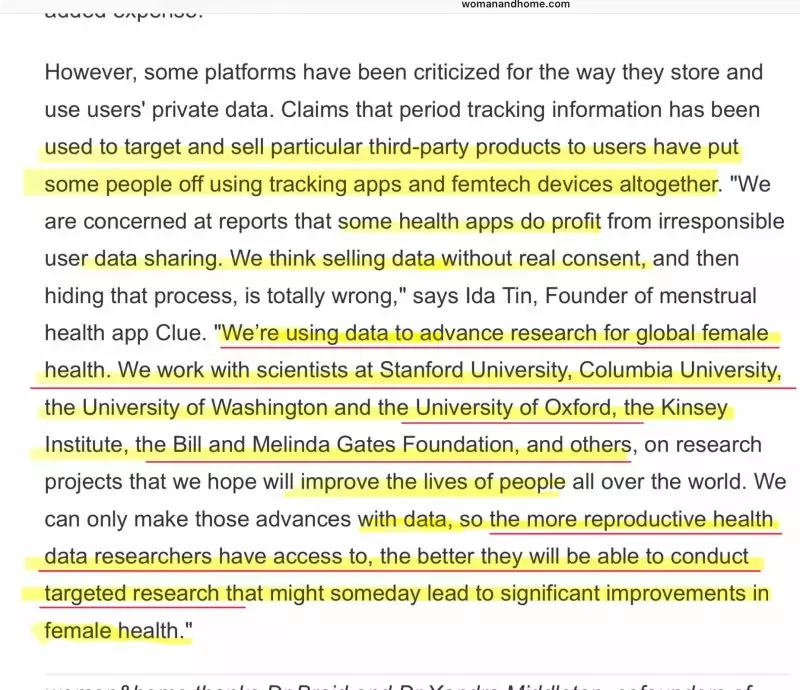
As the screenshot above suggests, an investigation into the potentially exploitative structure of these apps found that many women had not given informed consent. Many app companies have been found guilty of selling personal period data to Meta, Google and other companies that target women with advertising for hygiene products and related products.
Then there are women’s bodily excretions, all in the name of The Science™. Take this example:
NextGen Jane is a [US] diagnostics company that hopes to use the so-called “menstruome” – a collection of quantified data obtained from menstrual blood – to develop precise diagnostics for menstrual and gynaecological health conditions.
Hard as it may be for some of us to understand, especially after the 23andMe story, there are women who seriously believe that sending their used tampons to a group of unknown “researchers” in a laboratory “serves the common good”. This is no joke. These “worried well” have no symptoms but are convinced that genetic tests from Big Pharma can protect them from a future disease. NextGen Jane’s CEO, Ridhi Tariyal, is (of course) herself a former Big Pharma employee and specialises in genetic AI for the Broad Institute, so she knows exactly how to play the game of selling a “solution” to a problem that does not even exist. Tariyal is NOT a social justice entrepreneur. She worked with impact investors in emerging markets on the African continent, where Big Pharma interventions are presented as a means of combating gender inequalities in healthcare. But more on that shortly.
Another app, Know Your Lemons, records a woman’s breast self-examination and monitors signs of possible breast cancer or other conditions. Again, I want to stress that I am not criticising this kind of educational platform as such; what strikes me, however, is the apparent lack of informed consent and of protection for this very personal data.

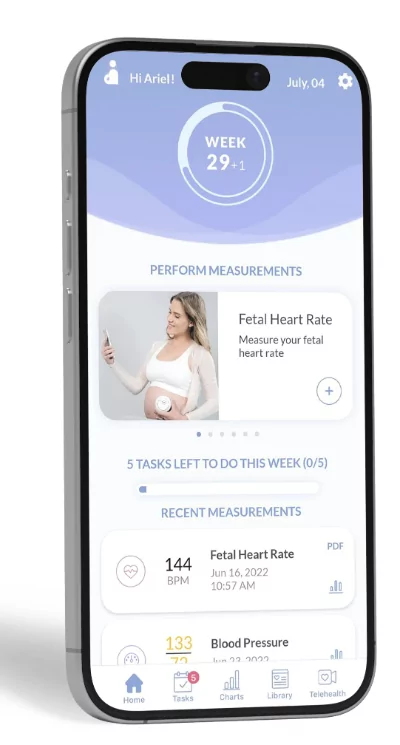
An interesting Israeli company, Hera-MED and HeraBEAT, monitors the heartbeats of the unborn child. This app with an ultrasound device exploits pregnant women’s widespread anxiety about their baby’s development and is connected to an AI “dashboard”, with regular virtual check-ups apparently reducing the risk of “unscheduled” hospital visits.

HeraMed’s CEO, Anoushka Gungadin, has experience in China and lawfare and – as is to be expected – sits as an “academic” on the council of Australia’s Deakin University. Again, this is hardly a rags-to-riches entrepreneurial life story. Lawfare plays an important role in the Femtech field, as I explain below.
Imagine if Truman had been a woman. Better still: what if Truman had been a pregnant woman? Perhaps it is “entertainment” to look after millions of women from pre-conception through every trimester of pregnancy to birth and beyond. But this kind of entertainment has a dark side. Women’s health assessments and decisions – including those of their unborn children – are voluntarily handed over to AI. Humanity’s transition to a transhuman equivalent of our caring, wise grandmother, aunt and knowledgeable midwife is now complete. And once you have been “captured” by this technology, where and when does it stop? Just as our hero Truman realised, every data set is a potential marketing opportunity, every clinical outcome a new customer for life. But wait, there’s more…
I have saved what I frankly consider the most depraved Femtech product for last. The Lioness is marketed as an aid for women’s sexual health. Ann Summers parties have gone transhumanist. TMI? I don’t need to go into too much detail here, but here is a clear pointer from their website, encouraging women to “use AI and biofeedback technology to better understand and talk about pleasure…” (enough said?)
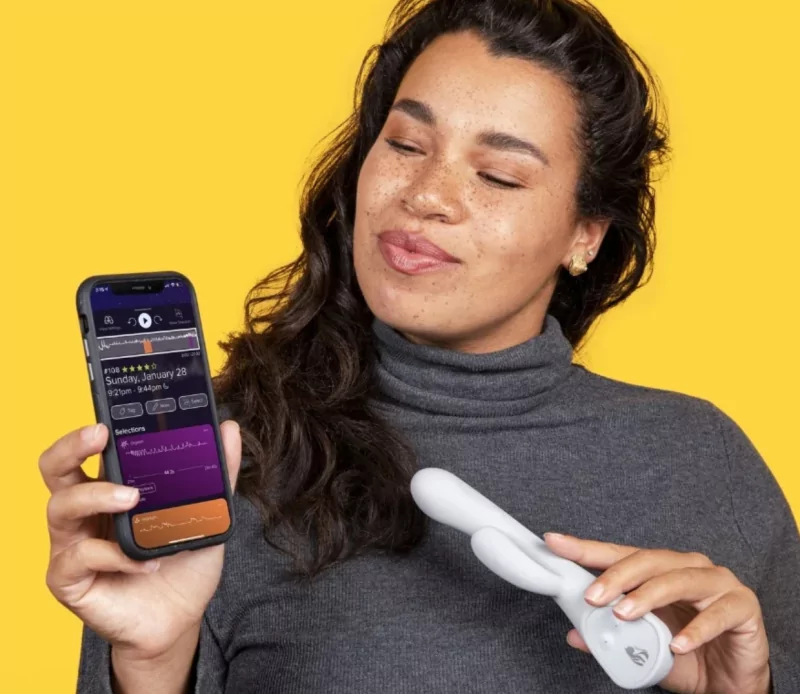
So it is not just sleep habits, biometric data, iris scans, weight, nutrition and exercise data that are collected, analysed, manipulated and sold from women. The technocrats now have our blood tests, unused uterine linings, hormones, heartbeats, genetics, emotions and the most intimate bodily functions of women… What is all this being used for? One aspect is the creation of digital twins. Will Hanson Robotics’ Sophia (whom Michael Ginsburg and I wrote about here) be equipped with the ability to have “lifelike” orgasms? Perhaps she already is? (Frankly, I would rather not know):

African women’s health data
Many readers will be aware of the many ways in which developing countries continue to be exploited for the pharmaceutical industry’s greed for profit. The Bill & Melinda Gates Foundation is just one of many examples of how unethical medical experiments have led to numerous deaths, disabilities and infertility. Where is the accountability for this harm?
But by strategically redefining Femtech with positive financial terms such as “investment feminism”, Big Pharma can use astroturf groups to spread the claim that it is female entrepreneurs (especially women of colour) who are driving the development of “women-centred” measures. Yeah, right. Here are some examples of such successful “start-ups”:
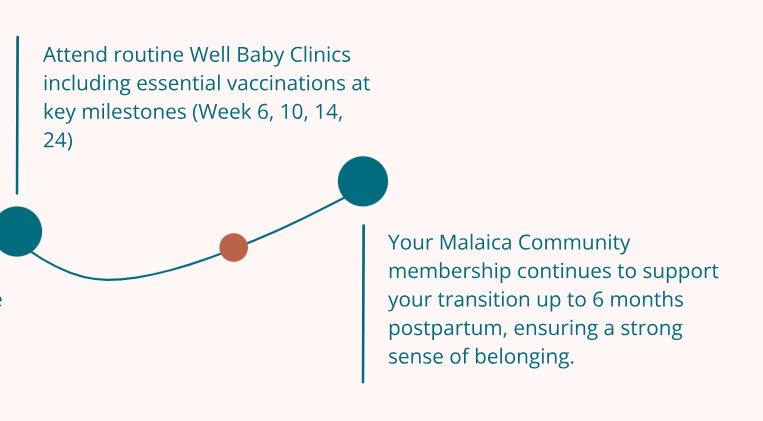
MumsVillage or Malaica, maternity care in Kenya, offers “support” for mothers’ physical, emotional and mental wellbeing. Uteroo is a (South African) app that deals with menstrual and reproductive health using digital (AI) tools. Babymigo is Nigeria’s largest pregnancy and parenting app, connecting expectant mothers with healthcare professionals while offering a “judgement-free space for shared learning”. Users can access “expert articles” and find local service providers, from hospitals to lactation consultants. Hamil guide offers technology-supported education and support during pregnancy … informed mothers make better-informed health decisions. {Source – emphasis mine}
I probably don’t need to tell you that all these apps maintain “partnerships” with Big Tech, Big Food and Big Pharma. Advertising for infant formula is repeated, and some of the content is worrying. This quote is from Uteroo’s privacy policy:
Your mobile device data tells us about the device you use. This information includes the model, manufacturer, operating system, storage size and IP address. This information is also collected by third-party services such as Firebase and Google Analytics.
And it goes without saying that all these apps promote clinical interventions, alongside “essential vaccinations at key milestones”:
What can we do?
The legislation on medical devices and wearables is full of complexities and ambiguities. The definitions of clinical interventions and treatments quickly become outdated, and Femtech apps often fall into that grey area between legal classifications. Case law is sparse. It is no coincidence that many of these Femtech companies are run by legal experts. The way these apps are described by their manufacturers, and the cleverly worded disclaimers, often mean that women are vulnerable to marketing propaganda, especially in developing countries. In reality, there are multiple risks, both at individual and at population level.
Why (as others have already noted) are prominent feminists absent from this issue? Ironically, having read much of the Femtech propaganda, it seems that women are themselves exploiting other women. The sensible, retired nurse Debi Evans coined the hashtag #ScrapTheApp in relation to the NHS app – which is now in a controversial partnership with the globalist military Big Tech company Palantir. And when Streeting soon secures his place on the British “podium of truth”, the collection of our health data will only increase. Now more than ever we need to encourage people to #ScrapTheApp – wherever you are in the world, and whether it is general health information or more personal data – delete it and encourage others to do the same. It is a simple, free act of peaceful non-compliance that could (at the very least) delay this malignant, creeping technocracy.
Never miss a show
New films, shows and articles by email – free, unsubscribe anytime.