Hannes Hofbauer | NARRATIVE #02 by Robert Winkler
Censorship
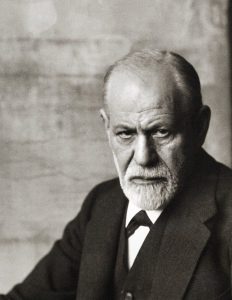
Hannes Hofbauer, born in Vienna in 1955, studied economic and social history and works as a journalist and publisher in Vienna.
In conversation with Robert Winkler he presents his latest book “Censorship” and takes us on a journey through the history of this instrument of those who wield power.
NARRATIVE by Robert Winkler | Episode 02
Please donate! We need your support to keep going.
Robert WinklerWelcome to NARRATIVE Austria. Today we have a special guest, who may already be known to many. That is Hannes Hofbauer. He is an author,
Hannes Hofbauerpublisher and historian from Vienna. Grüß Gott. Yes,
Robert Winklera very good day to you. I was thinking we could actually test the methods of censorship right away by saying a few sentences now with a few trigger words or trigger phrases that set off the YouTube algorithm and then [uncertain] immediately shut down the interview we are about
Hannes Hofbauerto do. As they say. We could try it, but we don't want to, because that would be counterproductive.
Robert WinklerThat would be a stupid idea. Yes, could be. A few would come to my mind, but let's rather leave it. Exactly, let's rather leave it. And that's why right at the beginning now, unlike the other interviews, so that it will still be possible in the future to preserve this censorship-free, how shall I put it, area of the internet, the appeal: if you like the programme, please donate to it. I will mention it again at the end, and at the end you will then see the links where you can donate. It is also linked in the video description. You have written a book called Zensur, Censorship. It is relatively new. And it deals precisely with censorship. And what particularly electrified me about the book is the historical overview of the methods of censorship. And you actually realise that this method of censorship has always been there. So it is nothing new at all. The methods of evasion, the methods of suppression, the methods of punishment are always similar. And the arguments have always been similar too, ever since there have actually been people
in civilisation. I particularly liked that. And that's why I would like to briefly, then also summarise this historical course of censorship with striking stories that are in the book. So that you also see the parallels that go along with the present. What actually prompted you to write this book?
Hannes HofbauerWell, the book's subtitle is Publication Bans in the Mirror of History. And then there is a second subtitle that reflects the current situation a little, namely from the Church's Index to YouTube deletion. And that actually already brings us to the motivation. Many people will have noticed, and so did I, that not only on YouTube but also at other large communication corporations over the last ten years strong censorship measures have taken hold. Deletion measures, blockings. It has to do with a few topics that met with contradiction in the ruling narrative. One topic, I would say, is the portrayal of Russia on geopolitical questions, in particular on the question of Ukraine. And that goes back further than the current war that we are following very closely in the media. And the second question was the narrative, the official narrative on the corona measures, where many people noticed that it
is not true. So they then felt personally that it is not true. They discussed it among their acquaintances and their friends. And those are the two topics where I particularly noticed that there is now a new wave of censorship. You said correctly, I as a historian, economic and social history, that's what I studied and also did my doctorate in. It is always very important to me to derive things historically, because you cannot look into the future, but you can learn from the past. And so in the book I went back to censorship measures that go back to the 15th century with the invention of printing. But the trigger was the current situation of a debate that is not open on essential questions. Of course there had already been debates that were not open, or rather debates being closed down, on other questions, be it the European Union or be it the migration question. But there it was not so much connected with censorship or direct bans. And now, however, in the last ten years I noticed or felt that
this is the case. And that's why we thought, one has to write something about it.
Robert WinklerFor me it was like this when I read the book, that it was a bit like a door opener for a door that you cannot close again afterwards. You sometimes have that in life, experiences like that, where you get a piece of information that you can no longer imagine away, that is simply there and that influences the rest of how you perceive the world around you. For me that was at 16, when I read the book by Hans Pretterebner, Der Fall Lucona, The Lucona Case, about how Udo Proksch sank the ship, in other words insurance fraud. [uncertain] When I then thought, if 10 percent of what is in the book, which was certainly very well researched, and I mean, it is all true, but if only 10 percent were true, then we would have a revolution here in Austria. Because such entanglement and such corruption can be read there that it makes you frightened. And I felt similarly about your book, which, I have to hold it up briefly to the camera, this is the book,
where are we? There, there we are. Indeed, Zensur. We will come back briefly to the cover design in a moment, because it has parallels in history. And I felt the same way there, because I thought, now people have to read this, an absolute reading recommendation, because it becomes clear to you there how the problem of censorship, that is the creation of censorship and also the reaction to it, how it runs through the whole of history. And that's why, to lay out these parallels, I would like to start in history. And even before the discovery of printing, or the development of printing, there were already very clear efforts to direct the
Hannes Hofbaueropinion of the people. Yes, they always exist. Censorship is an instrument of rule, used to enforce sovereignty over opinion. And it always comes into force, or is always very virulent, when the rulers do not feel very firmly in the saddle. Because when that is the case and there is a certain harmony of discourse as well, open debate, then you don't need any bans. But if the narrative, be it a current narrative or a historical narrative from the Church in the Middle Ages or later the state, if the narrative loses trust among a certain number of people or groups, then people are quick to resort to bans in order to make their own narrative prevail and so that it can take hold. And it has actually always been like that in history. But at the same time I think that this is also a sign of weakness, which means that those who fall victim to censorship actually also have certain chances of getting their own narrative through, that is, of creating a
counter-public. That is the hope, and it exists again and again. Sometimes it is stronger, sometimes it is weaker, and that is what I looked at across the course of
Robert Winklertime. When you read the book, you come across many names that you should actually all know, from school, that are actually familiar to everyone, where today you would never think that they were censored at the time when they published their writings or findings. That, for example, Goethe, Newton, Darwin, Kant, Heinrich Heine, we may come to him later, that these pioneering thinkers of a period, depending on where they lived, Luther of course belongs to them too, that they were actually almost always, when you look at it, always censored, those who thought a bit outside the box, as one so nicely says
Hannes Hofbauertoday. In the middle of the 16th century the Catholic Church issued an Index, I believe, for the first time. It then existed until the 20th century. It became less and less important because the Catholic Church lost influence. But at the beginning, in the first two or three centuries, it really was a guideline: what may people read, what may the printer print. And if you opposed it, you could expect harsh punishments. That was excommunication, which at the time meant that you were actually excluded from the whole of social life. Or there were high fines, but it also went as far as executions. So where people simply, because they were printers and had printed something, like for example Thomas Müntzer, a social utopian, a left-wing Protestant, if you like,
Robert Winklersome of them were then executed too. That is quite a funny story, in quotation marks. Actually it is funny because nothing really happened. There was a book publisher who brought out this index list of forbidden books as a list and as a marketing tool. You are not allowed to read these books. These are officially banned by the Holy Office. The Office, that's what it was called. So that means some business-minded people adopted precisely this index of bans for themselves and used it as advertising to sell their forbidden books, by saying: you are not allowed to read this. That was a
Hannes Hofbauerreally funny story. [uncertain] Yes, I believe you are alluding to the bookseller Mr Benz, 17- 70s in Vienna, a resourceful man who thought, because he probably had a great many customers who said, what is there that's interesting now, that the Catholic Church perhaps doesn't tolerate so much or that is even forbidden. And then under the counter, that's how I imagine it, he sold one thing or another, and over time he thought, this is all very tedious, I'll simply take the Index and print it. And then he printed it, and it probably sold quite well over the counter, so that people knew what they could read that was not approved by the Church, depending on what interested them at the time. The Catholic Church, however, reacted to this and said, we are putting this printed Index on the Index. So in that sense it becomes almost funny, although politically it is actually sad. So the Church then itself put the sales recommendation for the forbidden books on the Index again. Somehow logical. Yes,
Robert Winklerof course. That could go on endlessly, with the Index then being renewed for the Index. So it is interesting and actually quite funny. It is the case that after antiquity, when the Church, the Christian religion, prevailed in Europe, censorship was mainly motivated by the Church and was mainly carried out by the Church. That actually reached its peak with Martin Luther.
Hannes HofbauerYes, so 1517, when he nailed the theses to the church in Wittenberg, but already before that with printing, that is with the invention of printing, [uncertain] we have a Gänzberg, we know him as Gutenberg, that's how it was, so [uncertain] so to speak, I believe, his artist's name. Gensfleisch. Gutenberg is known to everyone by that name, the Church was challenged, because until then there had actually only been, so to speak, writings from monks in some monasteries who copied something, for very few people to read, or else the pulpit as the proclamation of the truth, which was whatever mattered in the ruling narrative at the time, and suddenly there was the possibility of reproducing writings mechanically. Well, people didn't, a great many people could not read and write, but it did affect a number of people and was positive on the whole, and the Church took up this challenge in the sense that it said: everything that is printed and everything that is read must first be submitted to the Church, and that is actually where I begin my book with the history of censorship, because that is really when pre-censorship was introduced for the first time.
I believe it was the Archbishop of Mainz who did this first, and then it was extended by the Pope as well, to the whole Empire, wherever the Catholic Church had access to the souls and, so to speak, supplied them with its truth, and then, as you say, the fight against the Protestants, who arose from the word for protesting, against this Catholic system of indulgences and all this pomp that the Church went in for back then, that is when the Church was really turned into a censorship machine. Interesting, but perhaps we will still come to this, that in turn Protestant principalities also arose, where on a small scale there were also Protestant rulers, and they then in turn, above all the Zwingli people, I believe, they then also reached for the censorship club again to attack Catholic writings
in reverse. So censorship was then practised by both sides,
Robert Winklerdepending on who was ruling. Well, that means that at that time the authors of pamphlets or documents, books, were liable for the content, and they were then called to account, to carry out punitive measures or whatever, and it was at this time that the imprint, the obligation to have an imprint, actually came into being. Is that right? So what we see on the internet today, that you need an imprint on every website, is roughly the situation that existed back then, when previously all the writings had been distributed without an imprint and it was hard to find the author. We actually have the same thing on the internet too, where it is now punishable if you don't have an imprint, because you can no longer track down the maker or the publisher of this website. That is an interesting
Hannes Hofbauerparallel. Yes, these parallels have fascinated me again and again too. But of course it is an instrument of control, so that you know who has, I stand up for this printed work, and of course there were also people who made up, for example, places of printing that never [uncertain] existed, like Topolz, I believe, was very popular, or Sankt [uncertain] Peter am Hofe zu Sankt Peter or something similar, where people made fun of the Vatican, really, as a place of printing, which was rendered in a mocking way, so that the public then knew, where this imprint appears, this is certainly not approved by the Church or has not gone through the Church's censorship; publishers' names were also invented, for example Pierre Marteau, in German Peter Hammer, which still exists as a publisher's name, I didn't know that, it was an interesting experience, I am a publisher myself, that you could, so to speak, invent a publisher's name to get around
Robert Winklercensorship. That means these fake imprints that existed back then, that is actually like today when you hide an IP address on the internet, when you publish something somewhere, or a fake name as well, all the names on Twitter, Facebook, where you can use a false name, people already did that back then in order to make it harder to be traced, [uncertain] when you published something,
Hannes Hofbauerwhat went there. What has changed is the technology and in a certain way of course the dimension, because back then it affected rather few people, but of course the intellectual elite and the people who could read, whereas today there are very many more, almost everyone here in the German-speaking world, we certainly have that, and so the dimension is a
Robert Winklerdifferent one. What I also find interesting, what frightened me a little, when I read the book, is that actually all the uproar and all the agitation about the spread of forbidden content was nevertheless so enormous, although actually around 1800 only 25% of people could read. So even that was too much for the powerful, these 25% who could potentially take in a dangerous piece of writing. But of course they were the people who had social importance or held some position, who could have become dangerous, either to the Church or later to the absolutist state. So that means the rabble, as people say again today, it is a word that has been brought back, was actually not dangerous back then, which is why it was not so important that they didn't even notice what was being written in the way of resistant writings.
Hannes HofbauerNot on the question of the written word and censorship, but of course there were also uprisings from the lower classes, that's what I would rather call them, and for that you didn't need to be able to write or read. So, so to speak, without an intellectual background people simply reacted to things they had experienced personally through reprisals and so on. Then came the Enlightenment, and then, as the Church lost more and more power, censorship, the focus of censorship moved more and more into the hands of the state. [uncertain] So the one loses the tasks that the Church took on before, and the state then gains importance, and in turn people who want to discuss freely and openly can also hold their own better, because there are actually two poles, a sinking one and a rising pole. Perhaps it is not always the case that these phases are meant for discussing freely or speaking openly, but back then it was so, and it was the time when the great publishing figures came along, like Brockhaus or Cotta, who were then actually very active over the centuries in the business of periodicals and books.
Robert WinklerAt that time there were also people who, because they doubted the ruling narrative, were really physically persecuted. It's not like today, where you, so to speak, only get professional restrictions or are only, I don't know, banned or blocked somewhere. Back then, when you were censored, it was really aimed not only at the work but also directly at the person. There are an extreme number of tragic fates that happened there, because they dared to critically question the ruling narrative.
Hannes HofbauerAbsolutely, yes, an extreme number, but I have worked through a few of them in the book, Quirinus Kuhlmann is one of them, he was, I believe, then executed in St. Petersburg; today one would say he was a bit esoterically inclined, but above all he was also socially utopian in his leanings, so he was an early socialist, although the term did not yet exist at that time, and he challenged the rulers, and that went very badly for him. But if I may jump straight to the Napoleonic era, Napoleon was one of the greatest censors, I think, I was not aware of that in my research beforehand either, with his Code civil, with his centralisation of all state affairs, he actually had completely new ideas of the state, and as far as censorship was concerned, he built up a system of informers there, everywhere where he, where his troops were successful, among other places in Nuremberg, and now I come to the story, I believe it was 1805, 1806, the French soldiers invaded Nuremberg, they rampaged, as was probably often the case in war back then, and probably again today, unfortunately, and a bookseller from Nuremberg, a certain Johann Philipp Palm, distributed a book against this Napoleonic soldiery, it was called Germany in Its Deepest Humiliation, so an anti-French, anti-Napoleonic book, and he was persecuted and he too was arrested and taken away from Nuremberg, because they feared that there would probably be a civil uprising in Nuremberg if he was executed in Nuremberg, and he was then executed in Braunau am Inn, which was Bavarian at that time, not Upper Austrian, and to secure this execution, more than 1,000 soldiers of the Napoleonic army were in Braunau am Inn, and he was then executed on the main square in Braunau, and today, interestingly, Braunau prides itself on this figure, there are themed, a themed trail where you can follow his fate, you can visit his prison, you can see the place of execution, there is a monument, and I would quite like to put this forward as a kind of message: Braunau am Inn, that has nothing to do with, or it does, but completely uninteresting, with Hitler's birthplace; rather it is, for example, this Johann Philipp Palm, a bookseller who dared to distribute a pamphlet against the rulers of the time,
Robert Winklerwho were Napoleonic. Napoleon also, as far as I know, it is in the book, that's why I know it, in every city he conquered there was only allowed to be one newspaper, and it had to follow the French mother paper, that was called the Moniteur, an interesting, so that it was synchronised, from Paris the opinion-making was synchronised in all cities, and only one newspaper was allowed, that was actually total control,
Hannes Hofbauerreally. Practically, yes, I wasn't so aware of it either, that Napoleon was, so to speak, such a really hard enforcer of the narrative that he simply wanted to convey, that is new ideas of the state actually, centralisation.
Robert WinklerIf I may jump back briefly to before Napoleon, when the German Reich, which did not yet exist, the area where Germany is, let's put it like that, was fragmented into countless principalities. There too, although there was actually an imperial sovereignty over censorship, there were nevertheless different possibilities of interpretation in the individual principalities, whereupon various authors and publishers could withdraw to another principality where censorship
Hannes Hofbauerwas not so strong. Yes, there were repeated attempts, so to speak, for the whole German Reich, that is the whole Empire of the German Nation, to impose a censorship over it. I believe 1519, there was some edict, and then much, much later the Karlsbad Decrees, but they always failed because of the fragmentation, because there was a prince there who was more liberal, or another principality where the Protestants were not persecuted, and the person who wanted to produce printed works that were oriented one way or the other could then move there instead. That is a bit like how today people move from Facebook to Telegram or somewhere else again, when Telegram too comes under censorship or under the bans which are then affected, for example, by the German Network Enforcement Act. Perhaps we will come to that. But this possibility of getting around censorship, getting around bans, existed back then above all because of the territorial fragmentation of the German lands.
Robert WinklerWhich is interesting, because in France, where it was not so fragmented, it was much easier to regulate or much easier to control, censorship. There was, so to speak, a king who had it much better under control than the Emperor in the German Reich, who was, so to speak, overruled by the princes on
Hannes Hofbauerthe quiet. Yes, to this day federalism in Germany is different from centralism in France. But I must say, regarding the book I wrote about censorship, it deals with the German-speaking world. So now and then I have a bit from outside, and of course for the present day I deal with these big Californian media corporations, because they also dominate the German-speaking world. But by and large I do not talk about censorship in Turkey, about Russia, about China, where there is censorship everywhere and also has been historically. But that is not my topic, I don't know my way around it. I think that for the German-speaking world it has turned out quite well. And I did want to say that it is not about
Robert Winklercensorship in the world in general. Let's jump briefly, we have already discussed Palm, the Napoleonic era. After that came the Congress of Vienna, and then a new order arose, and the Biedermeier period arose, when censorship was extremely restrictive, one has to say. One has to add that there were always phases when censorship was stronger and then weaker again. It was never the same. It never continued with the same strength. Can one put it like that? Yes,
Hannes Hofbauerand there were always different reasons for it too. As we just discussed, this territorial fragmentation was very helpful for debate, because you could move elsewhere. For example, for a while before 1848 there was also this call for freedom of the press, which could then actually be implemented in 1848 during the bourgeois revolution, but even in the 10 or 15 years before that there was very much the possibility to publish without harsh censorship. For a short time it was then restricted again, because Emperor Friedrich Wilhelm II, I believe it was, said that freedom of the press had degenerated into insolence of the press, and so he banned everything again. But this struggle for sovereignty over opinion, for discourse hegemony, runs through history, and sometimes it is more successful for those who have, so to speak, a progressive account of history, and sometimes it is more successful for the reaction, however that is composed socially at the time. Can one observe, I don't know whether one can
Robert Winklerobserve that the greater the unjust regime that was installed,
Hannes Hofbauerthe stronger censorship became? I would rather connect it with how firmly a regime or a rule sits in the saddle. That may be connected with it, but my observation is that when a narrative is, so to speak, believed among the people or in various areas of society, because it is realistic, or because, if you take a stand against it, that is still taken note of or discussed, then it is a phase in which censorship does not play a particularly big role, a phase with little censorship, and when, as for example after the Iraq war with the lies, that is where it started, I think, now with this loss of trust in the mainstream media, as we say, when this account, so to speak, is no longer so credible for more and more people, then attempts are made, through bans, to help this account break through anyway, which of course does not succeed, but then we are in times that are more marked by
Robert Winklerbans and censorship. After the Biedermeier period that weakened a bit, the, let's say, the use of censorship by the emperors, [uncertain] or by the Austrian emperor, now in Germany it would have been similar, it was then actually somewhat weakened and then rose slightly again until the First World War, when it set in massively
Hannes Hofbaueragain. You can put it like that. At that time socialism was also developing, which one doesn't... There censorship then affected a very specific group, namely the emerging labour movement; it went very strongly against the periodicals, this labour movement. The Anti-Socialist Law in Germany, for example, intervened very strongly in the free distribution of workers' literature, of trade union, not only organisation, that too of course, but in the area we are talking about now, censorship, namely when reading groups formed, what they read, the individual newspapers, it was then laid down in the law that if this is directed against the state or really against the state order, then it is to be banned. It was even said that if this applies to one issue, then you can already ban the following issues of some periodical, for example. That was very practical for the rulers, because they thought, they have gone over the top and attacked us too strongly, so we ban the whole thing. And what happened in turn: many periodicals, many editors emigrated to Switzerland, which was a good country of refuge back then for people who were persecuted here, or partly also to England.
Robert WinklerThat means people already tried back then to act with punishments that actually were no longer as bad as earlier, when people were burned or beheaded, but instead to finish them off economically, by simply confiscating the next ten issues of a newspaper.
Hannes HofbauerYes, but of course there were also punishments, fines, prison sentences, people went to prison if they did not, so to speak, leave the country in
Robert Winklertime. [uncertain] A good example is Gerhart Hauptmann, who, whatever, Gerhart Hauptmann, I have from The Weavers. The Weavers, yes. The Weavers is a typical example of such a workers' drama, and it is very interesting that it was censored, Gerhart Hauptmann was censored. Yes, many were censored. And that the justification, but he wrote it much later than it actually took place. In that respect it was, he was no threat, it was not a situation that was happening at the time when he wrote it. It was not a daily newspaper that wrote something. It was a play. And the justification in your book fascinated me, that the argument of the judge, or the state, was that the events of back then, which were injustice, could also be applied to the present day. And that is why it has to be banned. So they even recognised the injustice of back then that Hauptmann wrote about, and said, actually they said, the injustice still exists today and that is why it is forbidden to write
Hannes Hofbauerabout it. Yes, but if I remember correctly, there were then exceptions for staging the play in certain theatres where the theatre's pricing was so high that one could be sure that no workers could go in. Aha, that is very interesting, that the target audience was, so to speak,
Robert Winklerexcluded through the pricing. Yes. Yes. I don't know if you can say it's funny, but I find it interesting. Yes, it is interesting. Yes. And then I noticed there is the, and that, now we come back a bit to the cover of the book, namely there was Heinrich, Heinrich Heine, who, alongside Karl Marx and Arnold Brockhaus, he was censored. But that was the publisher. The publisher, yes, but still, Brockhaus was censored. Yes. That is phenomenal. You can imagine Karl Marx being censored, he really was, but Brockhaus and Heinrich Heine, and now we will show an answer from Heinrich Heine, how he responded to censorship, we will show it briefly, where he left the passages that were censored blank, and he did face consequences for
Hannes Hofbauerdoing that. Yes, he was very strongly affected by censorship and, so to speak, made fun of it in his way, by writing the domestic censors, if I quote it correctly, the German censors, and then he made nothing but dashes so that you don't know what it's about, and right at the end of the page it then said: blockheads. And that was of course very provocative, because you actually then read: the German censors are blockheads, and that was not the intention, it was the intention of course, but it was not, those whom it affected were not pleased about it, and they then banned the censorship dash, so that it was not made visible what their work is. Let's move on in history:
Robert Winklerthen the First World War came, it was clear that censorship took place to excess, in the interwar period, we'll leave that out now, there are certainly interesting details that can then also be read in the book, and then comes the Second [uncertain] World War, the Nazi era, no question, censorship at its maximum, what comes at the limit, so, it doesn't get any more than that. But what is interesting then, after the Second World War, when, after the defeat of the German Reich, there was denazification by the Allies, in the West as in the East, which at the beginning was not yet so divided at all. And that also, with denazification, it started harmlessly, with, so to speak, you may no longer spread Nazi propaganda, but then it already took on a, a bias, in the West towards America, American content, the McCarthy era, anti-communism, and in the East anti-capitalism and so on, so that there too denazification actually ended in
Hannes Hofbauerpropaganda and censorship. Yes, all four German-speaking countries after the Second World War, that is West Germany, East Germany, which then became the GDR and the FRG, [uncertain] and then Austria and Switzerland have it in their constitution, or in the Basic Law for the FRG, that there shall be no censorship, but of course it took place everywhere. Nevertheless, as you say, at the beginning, above all in West Germany and in Austria, against the spread of National Socialist propaganda, yes, and then that tipped a bit over the years, so that it was equated with a kind of glorification or, yes, one can say, of US propaganda or US publications. That was also a bit of a transition. Censorship then eased off relatively in political terms in the 50s and 60s, if you perhaps leave aside the direct ban on communist literature and periodicals in the Federal Republic of Germany; in Austria [uncertain] that was, I believe, not so bad, you didn't really get down to it, and it rather affected, so to speak, filth and trash, as it was called, so pornography, as it was called for a while later, until in the 70s it went against the radical left in West Germany, which suffered very badly from censorship, so above all books were then confiscated, which was again a somewhat different form, the police patrols went through the bookshops and visited hundreds of bookshops, and corresponding titles that had been banned for this or that reason, or periodicals. Mostly it had something to do with the state's monopoly on violence, that the radical left did not recognise it, and they then confiscated that, and there were publishers like Trikont or Wagenbach, which still exist, who suffered very badly from it, but at the same time also used it to possibly even achieve
a higher print run. So the one example that comes to mind right now is at the Trikont publishing house, a book by Bommi Baumann, Wie alles anfing, How It All Began. Bommi Baumann was a Berlin communard of the very first hour, and had [uncertain] then joined the 2 June Movement, I believe it was called, a kind of RAF successor movement, was probably involved in one or two robberies and was persecuted in Germany. No wonder, if you like; he fled, I believe, to Syria and Afghanistan, those were countries you could fly to back then, today it is unthinkable, but then he renounced violence with the book How It All Began and said: comrades, throw away your guns, violence, that was the wrong path, we don't want that any more, and the book was banned because it had been written by an author who was, so to speak, being pursued by the police. And that of course in turn outraged the publisher, and they then did a, and the book was confiscated, and the publisher then did a second edition with prominent editors such as Peter Handke and Jean-Paul Sartre, and only then did the book really start to sell. That means you can see from a case like this that bans often bring about the opposite of what is intended.
Robert WinklerIt's a bit like the Barbra Streisand effect,
Hannes Hofbaueryou could say. Which I don't know, but it will probably be like that.
Robert WinklerNo, Barbra Streisand got upset that some aerial photograph of her estate had been made public. Ah, I remember. Yes, and then even more people looked at it. And then everyone wanted to look at it,
Hannes Hofbauerand before that nobody knew about it anyway. Yes, exactly. Yes, that happens again and again.
Robert WinklerSo what is interesting, what I, in the book, what I didn't know either, is that the magazine Bravo was also censored once in 1972 as trash and for breaking the taboo on sexuality. Bravo, which at our age is a must,
Hannes Hofbauereveryone knows it. Yes, yes, I believe it was about demonstrating masturbation techniques or something. And that came under filth and trash, and that was not allowed. And that's why it was banned,
Robert Winklerthis one issue or perhaps several. Yes. So we have, so to speak, experienced that ourselves.
Hannes HofbauerYes, yes, of course.
Robert WinklerFilth and so on. What is interesting then is that, for me it is like this, not a Copernican turn from Church to state, and now from the state the second Copernican turn of censorship, if you like, from the state to capitalism. That means the application of censorship went first from the Church to the state and then from the state to the companies and into the financial structure of a society, which then suddenly starts to
Hannes Hofbauerexercise censorship. Can one say that? Yes, nowadays you have a kind of ping-pong game between the state or superstate, the EU for example, and these big American media corporations, in which the EU, or also, if we stay with Germany, prescribes through the Network Enforcement Act or through other EU laws as well that hate speech and false information must be taken off the net. And then the question is, what is hate and what is false information? Neither of these is a legally clear-cut term; both are very open to interpretation. And the big corporations that are now threatened, like Facebook, YouTube, Google and others, if they do not take such things off the net, are threatened with heavy fines. They then use their algorithms and delete, so to speak, for all they're worth. That is the current state of affairs, if you like. In doing so the state also hands over its actual function, namely for example checking whether something really ought to be banned, to private corporations that act like monopolies. And these in turn make no distinction between prosecutor and judge, because anyone who has ever tried to get a deletion on Facebook or somewhere like that reversed will find there is practically no way, years of proceedings, and who knows how you get there. So that is completely different from when a court convicts you of something. There you have a prosecutor, then there is a judge and then a defence
lawyer whom you have yourself. All of that is abolished there. And those are actually the structures one finds now, which are very dangerous
Robert Winklerfor society. That means, to sum it up again, the state creates laws that contain vague expressions where you can't really pin anything down, so that there is room for interpretation. But it hands over the enforcement of these laws, makes the platforms liable that distribute media. Except for those media that are members of the Press Council, for example. They don't need to do it. That is the advantage of being in there. So that is now the story that already goes back to the 60s, that these big print media corporations voluntarily founded themselves in the Press Council. So they don't have to do it. But these corporations like YouTube, Facebook and so on are put under pressure to fulfil this legal requirement under threat of penalties. And these platforms then, out of fear of penalties, overdo these algorithms so that nothing at all happens.
Hannes HofbauerCan one also say that? Yes, and they are already used to it. They know it from Turkey or from other regions of the world, that the state may prescribe to them that this or that must not appear. For example, you won't find a map of Kurdistan in Turkey when you type it into Google. And now they have also bowed to this new EU wave of censorship, wave of bans.
Robert WinklerBut that was actually for the reason that the state does not meet its obligation. That it really decides this itself.
Hannes HofbauerYes, I wouldn't call that an obligation. The state is afraid, for example in the corona narrative, of letting a counter- public grow so large that its own narrative becomes all the more implausible. So that is one of the essential things that YouTube deleted and deletes, or Facebook. The question of how one deals with the measures, what one thinks of the measures that the governments deployed to combat this corona virus.
Robert Winkler[uncertain] And then also the paragraph on political conviction, which also arose in the 70s, but was then continued in this way, where it was actually directed against freedom of opinion. Where hate and so on, that was defined back then with the paragraph on political conviction.
Hannes HofbauerIs that right? Can one also say that? I don't know whether you mean Paragraph 88 from Germany. That was a bit different. There it was very much about the fact that people who, accordingly, do not follow the German Basic Law, although that is always the question too, what is behind it, are not taken into the civil service. So there it was very much about occupational bans. And this is a bit similar, but with different signs, I would say, today, in that people, above all from the medical field, in the care sector, who don't believe in the vaccination and testing and the whole madness we have now been exposed to for over two years, are also hit with occupational bans, or at least thrown out of their professions or out of wherever they are working.
Robert WinklerRegarding occupational bans, a story comes to mind. Now we jump back to the early modern period, when there was also censorship in the theatre, in the sense of who may portray what. There is the story that, for example, a fat man was not allowed to play a monk, because that would again, well, because it would then have made clear or symbolised that the Church was gorging itself at the expense
Hannes Hofbauerof the general public. That was indeed the case, it has nothing to do with
Robert Winklerthem now. I know, it just occurs to me now because I find it a funny story that a fat man may not play a monk, just as today with political correctness such phenomena also occur, what must not happen now. So this singer who is not allowed to perform at a concert of, what's it called, Fridays for Future, because she has dreadlocks. So cultural appropriation. That already existed back then in the early modern period with the monk, where the monk was not allowed to be fat. Anyway. A prime example of how censorship works and can destroy someone is actually Ken Jebsen with his platform KenFM. You know Ken Jebsen personally,
Hannes Hofbaueras far as I know. Yes, I also took a closer look in the book at what happened to him, that is with this channel KenFM, his platform. That really was paradigmatic for a harsher censorship machine that destroyed this platform, above all in Germany. It perhaps already began earlier with surveillance, but censorship really took hold then in September, I believe, 2021 with YouTube deletions, but even before that Ken Jebsen was under very heavy pressure. He had recorded a video called Gates kapert Deutschland, Gates Hijacks Germany, and that was the answer to an interview Bill Gates gave on the Tagesschau in April 2020, in which he said seven billion people have to be vaccinated so that we can control or overcome the pandemic.
Which of course was actually an insane statement if you look at the world situation, and even back then completely absurd, and this Gates Hijacks Germany, broadcast as Ken Jebsen's answer on KenFM, had three million views within a few days, and with that the alarm bells were ringing for this narrative of the rulers that it was necessary to vaccinate everyone so that one could somehow lead a normal life again. And then YouTube started making deletions and also demonetised him, which means he could no longer earn anything with his videos, and YouTube could no longer earn anything with his videos either, but they accepted that. And in a second wave, then the Medienanstalt Berlin-Brandenburg, the media authority, these are institutions that have only existed since 2020, they monitor, so to speak, the digital space in Germany. In the EU this is just coming in, that it should happen like this
in general. And among other things, on false reports and against the truth, it even says so in this Interstate Media Treaty, which is the basis for these media authorities. They then, so to speak, asked him to supply the sources for four or five texts that were on his homepage. And among them was one by Wodarg, a well-known doctor critical of the measures, in which he said that the vaccination does not actually deliver what it promises, but on the contrary can even be harmful. And if these sources could not be proven to the satisfaction of these media authorities, there would be a 50,000 euro fine or the shutdown of KenFM, the KenFM platform. That dragged back and forth for a few months, and finally KenFM
Robert Winklerwent offline. That means it is again a parallel from the past with Palm, who as a publisher actually probably didn't even, we don't know, write it himself, what Napoleon there, what went against his grain. [uncertain] A Palm, that was Palm. Yes, yes. And he, where Napoleon himself said that an example should be made of Palm to deter others from going in the same direction. One can say that the structures also try [uncertain] always to, Assange for example is also one of those, yes, well, the prime example too, yes. So that the powerful almost always pick out individual people to really show them for once, yes, whereupon the others say, well, you have to be careful, right, after what happened with KenFM, suddenly everyone on YouTube started, instead of vaccination, therapy or something, so, how should one put it, people suddenly realised, oh, if I now, so to speak, step over the line, my channel will be deleted and all my work of years, in which I built up a community, will then be gone; people did this because of these prime examples of how, how you are dealt with when you start flying above the radar,
you could put it like that. [uncertain] 500,000, over 500,000 subscribers that, the, the, the, the platform reaches. That means whether, when you know that you, whether a certain degree of public visibility, which at some point also reaches the powerful and slowly becomes dangerous, that then the wings are quickly
Hannes Hofbauerclipped. Yes. Yes, these, the, the, these media authorities that were founded on the basis of a new law in 2020, this new law could also be called, I think, a Lex Jebsen, because it was actually enacted in parallel with this, with this rise of this channel, and the difference from Palm is, thank God, Ken Jebsen [uncertain] is alive, now has a different name, I believe, a kind of real name, but has moved away from Germany because he felt persecuted, probably rightly so, and is now trying together, with the new channel Apolut, which, I believe, he only advises, to gain a bit of a foothold again. But the reach is gone, as you said yourself, and that was also the aim of this whole operation, but there is nevertheless, it holds true,
Robert Winklercensorship has not worked totally. Yes, but what is interesting is what I remarked earlier, that because of this fate of Ken Jebsen, YouTubers themselves began to censor themselves, so to speak, so that they do not get into
Hannes Hofbauerthe censorship algorithm. Yes, but there is another story about that too, that at YouTube in particular alongside the algorithm a separate team was set up, called Trusted Flaggers, these are people who are supposed to report to YouTube when false reports appear somewhere, whatever that then is in the various areas. And these Trusted Flaggers, there is a separate homepage about how you become one and what advantages you then get in appearing on YouTube and so on. So that is a block-warden structure being set up by YouTube to find those channels that they perhaps cannot find so easily by means of
Robert Winkleralgorithms. Yes, that is interesting. So the Trusted Flagger only gets advantages within Facebook. It's YouTube. Or YouTube, yes.
Hannes HofbauerSo only within this platform. [uncertain] Yes, then he counts as especially zealous. Yes, yes, just like the administrators and reviewers at Wikipedia and so on, who actually have no financial benefit from actually doing work
Robert Winklerfor this platform. I believe that there too it is without financial incentives, yes. So again this activity only aims at vanity, yes. What is interesting is that all the, one has to add, there really are things on the net that are really hard to bear. There are people who film themselves committing suicide, film rapes, extreme... child pornography. [uncertain] Child pornography.
Hannes HofbauerSo the most extreme things are now being filtered out. But there it is also quite interesting, if I may throw this in briefly, because of course it is logical that this must not appear on the net. We are, so to speak, talking about political censorship and not about violence and terror. But where this is deleted, they rely on people who sit somewhere in Pakistan or India and have to take in these horrible videos in order to delete them. So the most horrible work is, so to speak, handed off to the periphery, confronting cheaply paid people with images of terror and horrible suicide videos and so on, which they
Robert Winklerthen delete. Yes, one could put it to the extreme that the garbage our partly sick society produces in its extremes is also outsourced, so that we don't have to look at it ourselves. So that people in our culture are not even confronted with the horrors our culture is capable of producing. That this too is outsourced somewhere, just as toxic waste is transported to Ghana. Yes, they are called cleaners, that's what they're called. They're called cleaners, they clean. And of course they are not, you have to imagine it, they sit there and look at the most extreme images for six, seven, maybe more hours a day, and they have no psychological support whatsoever there. So we are, back when there was the beheading, the throat-cutting video of the American journalists in Iraq. [uncertain] That is, that was, I never watch that when something like that is, so to speak, offered to me. I don't put myself through that, because it stays, as Daniele Ganser says, it's not like at a buffet, where I say, this I'll eat and this I won't eat, and this I let into my body and this I
don't let into my body. With the press and videos it is like this: once I have seen or read it, it's simply in there. I can't then say anymore, I can't get it out again. And all these horrors that you look at stay inside you. [uncertain] That, you somehow have to clear yourself of that garbage, and that is not done at all in these countries; the people there are simply left alone with the garbage they shovel into themselves. Yes. We have already mentioned that censorship is actually always circumvented. It has actually always been like that, and that is actually a bit of a ray of hope
Hannes Hofbauerfor the future. Well, absolutely, it is a ray of hope. It is always the case that bans ultimately mean that reach is lost, as we discussed with Ken Jebsen, or in many other areas too, already in history. But ways are found to build up a counter-public anew. But above all, what is important to me, it does not mean that the credibility of the ruling account increases. If censorship is successful, for example, that does not mean that the people who can then no longer be reached by this narrative, the counter- narrative, suddenly join the ruling narrative. They perhaps drop out altogether, or they look for new ways to find a counter-public. [uncertain] That is for people who are in the working process, who work hard, what is always not easy, because they are busy all day long managing their own production. For intellectuals like us it is a bit easier, but that's why I believe we also have the task of discussing exactly such things, engaging with them and perhaps showing these
Robert Winklerways a little too. That is a relatively short-sighted approach by the people who censor, because people no longer come back to the public broadcasters or newspapers, established newspapers, and through this method of censorship become even more critical of them. So it is actually shooting yourself in the foot if
Hannes Hofbaueryou proceed like that. Yes, but... It's done anyway. As long as it works,
Robert Winkleruntil it doesn't work any more. Yes, that's how it works. What is of course a problem, we have already mentioned it, is the time lag. That means the best example for me is the Iraq war, which began with a lie that worked at the beginning. The incubators just like the weapons of mass destruction. And on the basis of this functioning lie, which worked at the beginning, facts were created. And only much later did everything come to light that had actually been lied about, but then it no longer had any influence on the reality that prevailed there by then. But of course it does have an influence on the credibility of such mainstream media. And people remember that. So the two of us noticed it, many people noticed it, that the whole war, which cost a million people their lives, that is roughly the estimate in Iraq,
was built on a lie. And it is also interesting who, so to speak, uncovered that it was built
Hannes Hofbaueron a lie. There certainly were leaks, I would think. But in the end it was so-called fact-checkers who originally did not follow the ruling narrative, the way we know them today, because they have, so to speak, been hijacked by capital, among others [uncertain] by the capital of the PayPal founder Omidyar or of George Soros and others, but no, originally these were people, American journalists, who suspected that something was wrong with this proof that there is chemical weapons production in Iraq. And that's why one has to attack it to prevent that, or somehow, I don't know. And they actually had so much influence that it then became public. And we know that today, and the next time a war is again justified, or the narrative on corona measures is presented as having, so to speak, no alternative, the next time we are
already more sceptical. And that is my fundamental optimism, although I am not a totally optimistic person. But I think one does have to say again and again that things
Robert Winklerare progressing after all. There is an interesting story, it just occurs to me. Back then, when the attack on Iraq was decided at the UN in New York with the vote. There hangs the picture of, well, a replica, the picture of, how do you say, a duplicate of Picasso's Guernica painting hangs there in the entrance area. And on the day when the UN General Assembly decided that Iraq would be invaded, or when Powell presented the little vial, on that day this picture was
Hannes Hofbauertaken down. I don't know that, it doesn't necessarily have anything to do with our topic now, but I am not... Well, they want to, they do it for themselves. It does have something to do with it, but I am not sure whether there was a resolution of the
Robert WinklerUN Security Council. There wasn't. No, there wasn't, but he presented it on that day, [uncertain] and it was clear, we are falling back on that. Today we decide on war, that was clear. And they took the picture down in order to, it was like hiding a truth from yourself, because you know, today you decide on war, and the memorial against war is taken down. So people, even among the elites people have a sense of where they are crossing boundaries, and are not always convinced, as is assumed of many rulers, that they always believe, even when it is wrong, that they are working for the people and want the good and so on. Which one can assume of many rulers, that they really believed it. It's not that someone is absolutely evil and says, I want to kill all the people; rather I say, I want the German people to become greater, I want to spread my ego like Alexander or so, the Great. So these people too have a certain feeling when a boundary is crossed. For me that is the symbol, that they take the picture down because they know, today we are deciding on war and we don't want to see that.
We want to censor away this truth in the entrance hall. Yes, with that we are almost at the end of our conversation. I have one more question: can you, as a normal person, so to speak as a non- media professional, can you recognise censorship,
Hannes Hofbauerwhen censorship is taking place? I believe you can recognise it, first of all on the basis of your own experience. For example, I noticed a story like this, that in small villages the narrative the rulers had on fighting corona, namely that everyone always has to test, vaccination helps totally, that this is less strongly accepted in communities whose members have more to do with each other because they are still connected as a village, because people learn from their own surroundings, he fell ill from the vaccination, for him it was of no use. So they see there is something rotten about the story. That is not grasped in some great intellectual way, but you sense that this account is not true. That is the one way you can recognise that manipulation is going on or that censorship is
being practised. And the other, of course, for those who have a bit more time, is to inform themselves from different sides. That is not only possible on the internet, it is possible with others, for example also with the Russian-financed broadcaster RT, which is now banned and has been banned for some time, but you can still reach it, because you know how. And then you have the propaganda from this side and the propaganda from that side on a certain topic, for example on the question of what is happening with Ukraine. And then you have to form your own picture. So you can recognise it; you can, for example, when you see Russian propaganda, I'm putting it casually now, recognise that our messages are also coloured by propaganda. That alone is actually already, I think, progress towards being able to form your own opinion. That means, as Kant said, have the courage to use your own understanding without the guidance of another. That is actually the intellectual background, that you say, what I perceive and what I feel and see,
I can safely trust that. I then don't have to have everything explained to me about how the world is. I can grasp for myself what the world looks like. I believe one has to do that. And comparing it with what is then being told, that is then actually the filter for censorship. That's where you can expose
Robert Winklerit. If you want to. If you want to. I have my own theories there, that human beings are conditioned to act as rationally as possible. And not thinking what you don't have to think saves energy. And you can simply, it simply saves energy to follow a narrative without questioning it; it is simply more comfortable. Because it immediately, you felt that in the corona pandemic too, how hard, how quickly it becomes tiresome if you don't follow it.
Hannes HofbauerYes, but the path of least resistance probably ends, if you have to admit again and again that you actually don't care about it, the main thing being you don't have to think about it, probably ends with some stomach ulcer. And that is not helpful either. So the truth then makes its way, so to speak,
Robert Winklerthrough an illness. Could be. It is a common theory. [uncertain] Perhaps they will then develop a vaccination for that too. Well, we have reached the end of the conversation. Thank you very much
Hannes Hofbauerfor being here. The thanks are mine. It was a very nice conversation,
Robert WinklerI think. I would like to mention once more: buy this book. An absolute reading recommendation. If you follow it a bit, the scales fall from your eyes, in case you still have them on. And where can you get the book? In every bookshop. Order it. You can also order it from the publisher, but it is simply available in bookshops as normal. We will also show the link below, in the video description. And so that censorship will find it harder in the future to prevail, there are programmes like this one here. And that's why I would ask you, if you like this and enjoy it, to share it, to promote it. And the best thing would also be to donate a little. You will find the links for this below in the video description and also in the closing credits, which will follow right now. Many thanks from Vienna. Many thanks, Hannes Hofbauer. Goodbye.
Robert WinklerWillkommen zu NARRATIVE Austria. Heute haben wir einen besonderen Gast, der vielen vielleicht schon bekannt sein könnte. Das ist der Hannes Hofbauer. Er ist Autor, Verleger und Historiker aus Wien.
Hannes HofbauerGrüß Gott. Ja, schönen guten Tag.
Robert WinklerIch habe mir gedacht, wir könnten eigentlich die Methoden der Zensur gleich austesten, indem wir jetzt ein paar Sätze sagen mit ein paar Reizwörtern oder Reizformulierungen, die den Algorithmus bei YouTube auslösen und dann [unsicher] gleich das Interview, was wir jetzt führen werden, abdrehen.
Hannes HofbauerWie man so sagt. Könnte man probieren, wollen wir aber nicht, weil das wäre kontraproduktiv. Das wäre eine blöde Idee.
Robert WinklerJa, könnte sein. Mir würden zwar ein paar einfallen, aber lassen wir es lieber. Genau, lassen wir es lieber. Und deshalb gleich am Anfang jetzt, im Gegensatz zu den anderen Interviews, damit es ja auch in Zukunft möglich sein wird, diese zensurfreie, wie soll man sagen, Gegend im Internet zu bewahren, den Aufruf, wenn Ihnen das Programm gefällt, dafür zu spenden. Ich werde es am Ende noch einmal erwähnen und Sie sehen dann am Ende die Links, wo man spenden kann. Ist auch in der Videobeschreibung dann verlinkt. Sie haben ein Buch geschrieben, das heißt Zensur. Das ist relativ neu. Und beschäftigt sich eben mit der Zensur. Und zwar, was mich an dem Buch besonders elektrisiert hat, ist der historische Überblick über die Methoden der Zensur. Und man erkennt eigentlich, dass diese Methode der Zensur immer schon da war. Also es ist überhaupt nichts Neues. Die Umgehungsmethoden, die Unterdrückungsmethoden, die Bestrafungsmethoden sind immer alle ähnlich. Und auch die Argumente sind immer ähnlich gewesen, seit es eigentlich Menschen in der Zivilisation gibt.
Das hat mir besonders gefallen. Und deshalb möchte ich ja dann kurz noch, dann auch diesen geschichtlichen Ablauf der Zensur mit markanten Geschichten zusammenfassen, die im Buch stehen. Damit man die Parallelitäten auch erkennt, die mit der Gegenwart einhergehen. Was hat Sie eigentlich bewogen, dieses Buch zu schreiben?
Hannes HofbauerAlso das Buch heißt im Untertitel Publikationsverbote im Spiegel der Geschichte. Und dann ist ein zweiter Untertitel, der so ein bisschen das Aktuelle, widerspiegelt, nämlich vom kirchlichen Index zur YouTube-Löschung. Und da sind wir schon eigentlich bei der Motivation. Vielen wird aufgefallen sein und mir eben auch, dass nicht nur bei YouTube, sondern auch bei anderen großen Kommunikationskonzernen in den letzten zehn Jahren starke Zensurmaßnahmen platzgegriffen haben. Löschungsmaßnahmen, Blockierungen. Hat mit ein paar Themen zu tun, die im herrschenden Narrativ auf Widerspruch gestoßen sind. Ein Thema ist, würde ich meinen, die Darstellung Russlands zur geopolitischen Fragen, insbesondere zur Frage der Ukraine. Und die geht aber schon länger zurück als den aktuellen Krieg, den wir in den Medien sehr stark mitbekommen. Und die zweite Frage war das Narrativ, das offizielle Narrativ zu den Corona- Maßnahmen, wo viele Leute gemerkt haben, das stimmt nicht.
Also sie haben es dann persönlich gespürt, dass das nicht stimmt. Sie haben im Umkreis ihrer Bekannten, ihrer Freunde darüber diskutiert. Und das sind aber die zwei Themen, wo mir so besonders aufgefallen ist, dass es eben jetzt eine neue Welle der Zensur gibt. Sie haben richtig gesagt, ich als Historiker, Wirtschafts- und Sozialgeschichte, habe ich studiert und auch dissertiert. Mir liegt es immer auch sehr stark daran, was historisch herzuleiten, weil man in die Zukunft ja nicht schauen kann, aber in der Vergangenheit lernen. Und insofern habe ich dann in dem Buch eben ausgeholt mit Zensurmaßnahmen, die zurückgehen ins 15. Jahrhundert mit der Erfindung des Buchdrucks. Aber der Auslöser war die aktuelle Situation einer nicht offenen Debatte in wesentlichen Fragen. Es hat natürlich nicht offene Debatten, sondern sozusagen Schließung von Debatten schon in anderen Fragen gegeben, sei es jetzt die Europäische Union oder sei es die Migrationsfrage. Aber da war das nicht so mit Zensur oder direkten Verboten verbunden. Und jetzt allerdings in den letzten zehn Jahren habe ich das bemerkt oder gespürt, dass das so ist.
Und deshalb haben wir gedacht, da muss man was dazu schreiben.
Robert WinklerMir ist es ja so gegangen, wie ich das Buch gelesen habe, dass es ein bisschen so ein Türöffner war von einer Tür, die man nachher nicht mehr zukriegt. Das hat man manchmal im Leben, solche Erlebnisse, wo man eine Information bekommt, die man dann nicht mehr wegdenken kann, die einfach dann da ist und die das restliche Rezipieren von der Umwelt beeinflussen. Für mich war das mit 16, wo ich das Buch von Hans Pretterebner gelesen habe, Der Fall Lucona, wo es gegangen ist, wie der Udo Proksch das Schiff versenkt hat, also Versicherungsbetrug. [unsicher] Wenn ich da nicht mehr gedacht habe, wenn 10 Prozent, was in dem Buch, was ja sicherlich sehr gut recherchiert war und ich meine, aber es stimmt alles, aber wenn nur 10 Prozent stimmen würden, dann hätten wir eine Revolution da in Österreich. Weil so eine Verflechtung und so eine Korruption dort erlesbar ist, dass es einem Angst und Bange wird. Und ähnlich ist es mir ergangen bei Ihrem Buch, was, ich muss das kurz in die Kamera halten, das ist das Buch, wo sind wir?
Da, da sind wir. Jawohl, Zensur. Auf die Titelgestaltung werden wir kurz nachher noch eingehen, hat nämlich Parallelen in der Geschichte. Und da ist es mir auch so gegangen, weil ich mir gedacht habe, jetzt müssen die Leute lesen, absolute Leseempfehlung, weil es wird dort einem klar, wie das Problem der Zensur, also die Schaffung der Zensur und auch die Reaktion darauf, wie sich das durch die gesamte Geschichte zieht. Und deshalb würde ich gerne, um diese Parallelitäten auszuführen, in der Geschichte anfangen. Und da gibt es ja schon vor der Entdeckung des Buchdrucks oder der Entwicklung des Buchdrucks, gibt es ja da schon ganz eindeutige Bestrebungen, die Meinung des Volkes zu dirigieren.
Hannes HofbauerJa, die gibt es immer. Also Zensur ist ein Instrument der Herrschaft, um die Meinungshoheit durchzusetzen. Und sie tritt immer dann in Kraft oder ist immer dann sehr virulent, wenn sie die Herrschaft nicht sehr stark im Sattel sitzen fühlt. Weil wenn das der Fall ist und es gibt eine gewisse Diskursharmonie auch, offene Debatte, dann braucht man keine Verbote. Wenn allerdings das Narrativ, sei es jetzt aktuelles Narrativ oder historisches Narrativ von der Kirche im Mittelalter oder später der Staat, wenn das Narrativ an Vertrauen verliert, in einer gewissen Anzahl von Personen oder Gruppen, dann ist man schnell mit Verboten bei der Hand, um eben das eigene Narrativ zum Durchbruch zu bringen und eben, dass das Platz greifen kann. Und das war in der Geschichte eigentlich immer so. Und ich denke aber, dass es gleichzeitig eben dieses Schwächezeichen auch bedeutet, dass diejenigen, die der Zensur anheimfallen, eigentlich auch gewisse Chancen haben, ihr eigenes Narrativ durchzubringen, also eine Gegenöffentlichkeit herzustellen.
Das ist die Hoffnung und die gibt es immer wieder. Manchmal ist es stärker, manchmal ist es schwächer und das habe ich mir heute im Zeitenlauf angeschaut.
Robert WinklerWenn man das Buch so liest, stößt man auf viele Namen, die man eigentlich alle kennen sollte, aus Schulbildung, die eigentlich jedem geläufig sind, wo man heute nie auf die Idee kommen würde, dass die zensuriert worden sind, in der Zeit, wo sie ihre Schriften oder Erkenntnisse veröffentlicht haben. Dass sie zum Beispiel der Goethe, Newton, Darwin, Kant, Heinrich Heine, auf den kommen wir noch später vielleicht, dass diese Vordenker einer Periode, je nachdem, wo sie gelebt haben, Luther gehört natürlich auch dazu, dass die eigentlich fast immer, wenn man sich das anschaut, immer zensuriert worden sind, die ein bisschen out of the box, wie man heute so schön sagt, gedacht haben.
Hannes HofbauerEs hat Mitte des 16. Jahrhunderts hat die katholische Kirche einen Index aufgelegt, glaube ich, das erste Mal. Den hat es ja dann bis ins 20. Jahrhundert gegeben. Ist immer unwichtiger geworden, weil die katholische Kirche an Einfluss verloren hat. Aber am Anfang, die ersten zwei, drei Jahrhunderte, war das schon eine Richtlinie, was darf der Mensch lesen, was darf der Drucker drucken. Und wenn man sich dagegen gestellt hat, dann hat man harte Strafen zu erwarten gehabt. Das war die Exkommunikation, was für die Zeit damals bedeutet hat, dass man aus dem gesamten gesellschaftlichen Leben eigentlich ausgeschlossen war. Oder das waren hohe Geldstrafen, aber das ist auch gegangen bis hin zu Exekutionen. Also wo Leute dann einfach, weil sie Drucker waren und irgendwas gedruckt haben, wie zum Beispiel Thomas Müntzer, ein Sozialutopist, ein linker Protestant, wenn man so will, die sind dann teilweise auch
Robert WinklerHingerichtet worden. Das ist ja eine ganz lustige Geschichte, unter Anführungszeichen. Eigentlich ist es lustig, weil gar nichts so wirklich passiert ist. Da hat es ja einen Buchverleger gegeben, der hat diese Indexliste der verbotenen Bücher als Liste herausgebracht und als Vermarktungstool. Diese Bücher dürfen sie nicht lesen. Diese sind offiziell verboten vom Offizium. Offizium hat das geheißen. Also das heißt, manche geschäftstüchtige Menschen haben sich diesen Verbotsindex genau zu eigen gemacht und als Werbemittel verwendet, um ihre verbotenen Bücher zu verkaufen, indem sie gesagt haben, das dürft ihr nicht lesen. Das war ja eine ganz witzige Geschichte.
Hannes Hofbauer[unsicher] Ja, Sie spielen da, glaube ich, auf den Herrn Buchhändler Benz an, 17 70er-Jahre in Wien, findiger Mensch, der sich gedacht hat, weil er wahrscheinlich sehr viele Kunden gehabt hat, die gesagt haben, was gibt es jetzt Interessantes, was die katholische Kirche vielleicht nicht so toleriert oder sogar verboten ist. Und dann hat er unter dem Ladentisch, ich stelle mir das halt so vor, das eine oder andere verkauft und mit der Zeit, dachte er, das ist alles sehr mühsam, ich schaue mir einfach den Index an und drucke ihn. Und hat ihn dann gedruckt, der ist wahrscheinlich ganz gut über den Ladentisch gegangen, sodass die Leute gewusst haben, was kann man lesen, was jetzt nicht von der Kirche approbiert ist, je nachdem, was sie heute interessiert hat. Die katholische Kirche hat allerdings darauf reagiert und hat gesagt, diesen gedruckten Index setzen wir auf den Index. Also da wird es dann in dem Sinn fast lustig, obwohl es eigentlich politisch traurig ist. Also die Kirche hat die Verkaufsempfehlung der verbotenen Bücher selbst dann wieder auf den Index gesetzt. Irgendwie logisch. Ja, klar.
Robert WinklerDas könnte sich dann endlos fortführen, dass dann der Index erneuert wird für den Index. Also ist schon interessant und auch eigentlich recht witzig. Das ist ja so, dass die, nach der Antike, wo sich die Kirche, die christliche Religion in Europa durchgesetzt hat, war ja die Zensur hauptsächlich durch die Kirche motiviert und wurde hauptsächlich durch die Kirche betrieben. Das hat ja dann den Gipfel gefunden eigentlich in Martin Luther.
Hannes HofbauerJa, also 1517, wie er dann die Thesen an die Wittenbergsche Kirche geschlagen hat, aber schon davor mit dem Buchdruck, also mit der Erfindung des Buchdrucks, [unsicher] haben wir ein Gänzberg, wir kennen ihn unter Gutenberg, so war das, so [unsicher] quasi, glaube ich, sein Künstler. Gensfleisch. Gutenberg ist jedem bekannt unter dem Namen, war die Kirche herausgefordert, weil bis dato hat es eigentlich sozusagen an Schriftlichkeiten nur in irgendwelchen Klöstern Mönche gegeben, die was nachgezeichnet haben, für ganz wenige Menschen zum Lesen, oder eben die Kanzel als Verkündung von der Wahrheit, die halt jeweils im herrschenden Narrativ das Wichtige war und plötzlich war es die Möglichkeit, mechanisch Schriften zu vervielfältigen. Gut, die Leute haben nicht, sehr viele Leute waren nicht des Alphabets mächtig, aber es hat doch eine Reihe von Leuten betroffen und war positiv im Großen und Ganzen und diese Herausforderung hat die Kirche insofern angenommen, dass sie gesagt hat, alles was gedruckt und alles was gelesen wird, muss vorher der Kirche vorgelegt werden und da fange ich eigentlich mit meinem Buch mit der Zensurgeschichte an, weil da ist dann wirklich die Vorzensur erstmals eingeführt worden.
Ich glaube, es war der Erzbischof von Mainz, der das als erster gemacht hat und das ist dann halt vom Papst auch ausgeweitet worden, das gesamte Reich, wo halt die katholische Kirche Zugang gehabt hat zu den Seelen und eben die auch quasi mit ihrer Wahrheit versorgt hat und dann, wie sie sagen, der Kampf gegen die Protestanten, die ja aus dem Wort des Protestierenden heraus entstanden sind, gegen dieses katholische Ablasswesen und diesen ganzen Pomp, den die Kirche damals gemacht hat, da ist dann die Kirche wirklich in eine Zensurmaschine umgewandelt worden. Interessant, aber vielleicht kommen wir da vielleicht noch dazu, dass wieder protestantische Fürstentümer auch entstanden sind, also wo dann kleinräumig auch protestantische Herrscher waren, haben die dann auch wiederum, vor allem die Zwingli-Leute, glaube ich, haben die dann auch wieder zur Zensurkeule gegriffen, um umgekehrt katholische Schriften zu attackieren.
Also Zensur ist dann, je nachdem, wer geherrscht hat, von beiden Seiten
Robert WinklerAusgeübt worden. Gut, das bedeutet, zur damaligen Zeit waren die Verfasser von Pamphleten oder Schriftstücken, Büchern für den Inhalt haftbar und da hat man dann herangezogen, um Strafmaßnahmen oder was immer auch auszuführen und in dieser Zeit ist ja auch eigentlich das Impressum, die Impressumspflicht entstanden. Ist das richtig? Also was wir heute im Internet sehen, dass man auf jeder Webseite ein Impressum braucht, ist ungefähr der Zustand, der damals war, wo vorher die ganzen Schriften sind ohne Impressum verbreitet worden und man hat Mühe gehabt, den Autor zu finden. Dasselbe haben wir halt eigentlich im Internet auch, wo es jetzt strafbar ist, weil man kein Impressum hat, weil man den Hersteller oder den Veröffentlicher dieser Webseite nicht mehr ausfindig machen kann. Ist eine interessante Parallelität.
Hannes HofbauerJa, also diese Parallelitäten haben mich auch immer wieder fasziniert. Aber natürlich ist es ein Kontrollinstrument, dass man weiß, wer hat, ich stehe dafür gerade für dieses Druckwerk und da hat es natürlich auch Menschen gegeben, die sich ausgedacht haben, zum Beispiel Druckorte, die es gar [unsicher] nicht gegeben hat, wie Topolz, glaube ich, war sehr beliebt, oder Sankt [unsicher] Peter am Hofe zu Sankt Peter oder so ähnlich, also wo man sich lustig gemacht hat über den Vatikan eigentlich als Druckort, den man verballhornt wiedergegeben hat, wo dann das Publikum gewusst hat, also wo dieses Impressum drinnen steht, das ist sicher nicht kirchlich approbiert oder von der kirchlichen Zensur durch die kirchliche Zensur gegangen, auch Verlagsnamen wurden erfunden, zum Beispiel Pierre Marteau, auf Deutsch Peter Hammer, den gibt es noch immer als Verlagsname, habe ich nicht gewusst, war eine interessante Erfahrung, ich bin ja auch Verleger, dass man sozusagen als Verlagsnamen erfinden kann, um die Zensur zu umgehen.
Robert WinklerDas heißt, diese Fake-Impressen, die es da gegeben hat, das ist ja eigentlich wie heute, wenn man im Internet eine IP-Adresse verschleiert, wenn man irgendwo was veröffentlicht oder auch da einen Fake-Namen, die ganzen Namen auf Twitter, Facebook, wo man einen falschen Namen verwenden kann, das hat man damals auch schon gemacht, um eben die Verfolgbarkeit zu erschweren, [unsicher] wenn man was veröffentlicht, was ging da.
Hannes HofbauerGeändert hat sich die Technologie und in gewisser Weise natürlich die Dimension, weil das damals eher wenige Menschen betroffen hat, aber natürlich die intellektuelle Führungsschicht und die Leute des Lesens kundig waren, während es heute ja sehr viele mehr sind, fast alle bei uns im deutschen Sprachraum haben wir auf jeden Fall und insofern die Dimension eine andere ist.
Robert WinklerWas ich auch noch interessant finde, was mich ein bisschen erschreckt hat, wie ich das Buch gelesen habe, dass es ja eigentlich der ganze Aufruhr und die ganze Aufregung über Verbreitung verbotener Inhalte war trotzdem so enorm, obwohl eigentlich um 1800 nur 25 % der Menschen lesen haben können. Also es war den Mächtigen schon zu viel, diese 25%, die potenziell eine gefährliche Schrift sich zu Gemüte führen könnten. Es waren aber natürlich die Menschen, die gesellschaftlich Bedeutung gehabt haben oder in irgendeiner Funktion gesessen sind, die eben gefährlich werden hätten können, entweder der Kirche oder dann später dem absolutistischen Staat. Also das heißt, der Pöbel, wie man heute wieder sagt, das ist ja wieder eingeführtes Wort, war eigentlich damals nicht gefährlich, deshalb war das nicht so wichtig, dass die das gar nicht mitkriegen, was da geschrieben wird an widerständischen Schriften.
Hannes HofbauerIn der Frage der Schriftlichkeit und der Zensur nicht, aber Aufstände hat es natürlich auch von den unteren Klassen, so würde ich die eher nennen, gegeben und dafür hat man nicht schreiben oder lesen können müssen. Also es ist dann quasi ohne intellektuellen Background hat man einfach reagiert auf Sachen, die man persönlich erfahren hat durch Repressalien und so weiter. Es war dann die Aufklärung, die hatte dann, so hatte die Kirche immer mehr an Macht verloren und die Zensur, der Zensurschwerpunkt ist dann immer mehr in die Hände des Staates gewandert. [unsicher] Also der hat die Aufgaben, die die Kirche vorher übernommen hat, verliert und der Staat dann Bedeutung gewinnt, können sich auch dann wiederum Menschen, die frei und offen diskutieren wollen, besser behaupten, weil es eben da zwei Pole eigentlich gibt, einen sinkenden und einen aufsteigenden Pol. Es ist vielleicht nicht immer so, dass diese Phasen dazu gedacht sind, frei zu diskutieren oder offen zu reden, aber damals war das so und es war die Zeit, wo die großen Verlegerfiguren gekommen sind wie der Brockhaus oder Cotta, die dann eigentlich über die Jahrhunderte stark in dem Geschäft Zeitschriftenwesen und Buchwesen tätig waren.
Robert WinklerEs hat in dieser Zeit dann auch Menschen gegeben, die aufgrund der Anzweiflung des herrschenden Narrativs wirklich physisch verfolgt worden sind. Das ist ja nicht so wie heute, wo man quasi nur Berufseinschränkungen kriegt oder nur keine Ahnung gebannt wird oder blockiert wird irgendwo. Man hat ja damals auch wirklich, wenn man zensuriert worden ist, ist es nicht nur abgezielt worden auf das Machwerk, sondern auch direkt auf die Person. Da gibt es extrem viele tragische Schicksale, die da passiert sind, weil sie es gewagt haben, das herrschende Narrativ kritisch zu hinterfragen.
Hannes HofbauerAbsolut, ja, also extrem viele, aber ein paar habe ich da aufgearbeitet mit dem Buch, Quirinus Kuhlmann ist einer davon, der ist glaube ich in St. Petersburg dann hingerichtet worden, heute würde man sagen, er war ein bisschen esoterisch angehaucht, aber er war vor allem auch sozial-utopisch angehaucht, also war ein früher Sozialist, obwohl es den Begriff damals noch nicht gegeben hat und hat halt die Herrschaft herausgefordert und das hat ihn sehr schlecht bekommen. Aber wenn ich springen darf, gleich hin zum napoleonischen Zeitalter, Napoleon war einer, finde ich, der größten Zensoren, also das ist mir in meiner Forschung auch vorher nicht bewusst gewesen, mit seinem Code civil, mit seiner Zentralisierung, der ganzen Staatsgeschäfte hat er ja ganz neue Staatsideen gehabt eigentlich und was die Zensur betroffen hat, hat er da Spitzelwesen aufgebaut, überall wo er, wo seine Truppen erfolgreich waren, unter anderem in Nürnberg und auf die Geschichte komme ich jetzt, glaube ich war 1805, 1806, sind die französischen Soldaten in Nürnberg eingefallen, haben gewütet, wie das damals wahrscheinlich oft war im Krieg und heute wahrscheinlich wieder, leider, und ein Buchhändler aus Nürnberg, ein gewisser Johann Philipp Palm, hat gegen diese napoleonische Soldateska ein Buch vertrieben, es hat heißen Deutschland in seiner tiefsten Erniedrigung, also ein antifranzösisches, antinapoleonisches Buch und der wurde verfolgt und auch der wurde festgenommen und aus Nürnberg verschleppt, weil man gefürchtet hat, dass in Nürnberg wahrscheinlich ein bürgerlicher Aufstand ist, weil man den in Nürnberg hinrichtet und er ist dann in Braunau am Inn hingerichtet worden, was damals bayerisch war, also nicht oberösterreichisch und um diese Hinrichtung abzusichern, waren über 1000 Soldaten der napoleonischen Armee in Braunau am Inn und er ist dann am Hauptplatz in Braunau hingerichtet worden und heute schmückt sich Braunau interessanterweise mit dieser Figur, es gibt so Themen, einen Themenweg, wo man sein Schicksal nachgehen kann, man kann sein Gefängnis besuchen, man kann die Hinrichtungsstätte sehen, es gibt ein Denkmal und das finde ich, würde ich ganz gern sozusagen als Botschaft aufbringen, Braunau am Inn, das hat nichts zu tun oder schon, aber völlig uninteressant mit Hitlers Geburtshaus, sondern das ist zum Beispiel dieser Johann Philipp Palm, ein Buchhändler, der es gewagt hat, gegen die damalige Herrschaft, die napoleonisch war, eine Schrift zu vertreiben.
Robert WinklerNapoleon hat ja auch, was ich weiß, es steht im Buch drin, deshalb weiß ich es, in jeder Stadt, die er erobert hat, hat es nur eine Zeitung geben dürfen und die hat sich halten müssen an das französische Mutterblatt, das hat geheißen Moniteur, eine interessante, also dass das synchronisiert war, von Paris aus ist die Meinungsmache in alle Städte synchronisiert worden und es hat nur eine Zeitung geben dürfen, das war ja eine Totalkontrolle
Hannes HofbauerEigentlich. Praktisch, ja, mir war das auch nicht so bewusst, dass Napoleon sozusagen so ein wirklich harter Durchgreifer war in dem Narrativ, was er einfach vermitteln wollte, also neue Staatsideen eigentlich, Zentralisierung.
Robert WinklerWenn ich noch einmal kurz vor Napoleon hinspringe, wo ja das deutsche Reich, was es noch nicht gegeben hat, die Gegend, wo halt Deutschland ist, sagen wir so, zersplittert war in zig Fürstentümer. Das hat auch dann dort, obwohl es eigentlich eine kaiserliche Hoheit der Zensur gegeben hat, hat es trotzdem verschiedene Auslegungsmöglichkeiten der einzelnen Fürstentümer gegeben, worauf dann verschiedene Autoren und Verleger sich in ein anderes Fürstentum zurückziehen konnten, wo die Zensur
Hannes HofbauerNicht so stark war. Ja, es hat immer wieder Versuche gegeben, sozusagen für das ganze deutsche Reich, also das ganze Reich der deutschen Nation, eine Zensur drüber zu ziehen. Ich glaube 1519, das war um so ein Edikt und dann viel, viel später die Karlsbader Beschlüsse, die sind aber immer wieder gescheitert an der Zersplitterung, dass eben dort ein Fürst war, der liberaler war oder ein anderes Fürstentum, wo die Protestanten nicht verfolgt waren und da hat derjenige, der Druckwerk machen wollte, das eben eher so oder eher so orientiert war, dorthin ausweichen können. Das ist ein bisschen so, wie man heute von Facebook auf Telegram ausweicht oder wieder woanders hin, wenn Telegram auch unter die Zensur oder unter die Verbote kommt, die dann zum Beispiel vom deutschen Netzwerkdurchsetzungsgesetz betroffen sind. Vielleicht kommen wir noch da hin. Aber diese Möglichkeit, Zensur zu umgehen, Verbote zu umgehen, war damals eben vor allem durch die territoriale Zersplitterung der deutschen Landen.
Robert WinklerWas interessant ist, weil in Frankreich, wo es nicht so zersplittert war, war das viel besser regulierbar oder viel besser kontrollierbar, die Zensur. Das war ja quasi ein König, der das viel besser unter Kontrolle gehabt hat als der Kaiser im deutschen Reich, der ja von den Fürsten da quasi overruled worden ist unter der Hand.
Hannes HofbauerJa, ist bis heute der Föderalismus in Deutschland anders als der Zentralismus in Frankreich. Aber ich muss sagen, zu dem Buch, was ich über Zensur geschrieben habe, das beschäftigt sich mit dem deutschen Sprachraum. Also ich habe hin und wieder ein bisschen was von außerhalb und ich tue natürlich für die Jetztzeit diese kalifornischen großen Medienkonzerne behandeln, weil die ja auch den deutschen Sprachraum beherrschen. Aber im Großen und Ganzen spreche ich nicht über die Zensur in der Türkei, über Russland, über China, wo es überall Zensur gibt und auch gegeben hat historisch. Aber das ist nicht mein Thema, da kenne ich mich nicht aus. Ich denke mir, für den deutschen Sprachraum ist das ganz gut gelungen. Und das wollte ich schon dazu sagen, dass es eben nicht allgemein um die
Robert WinklerZensur in der Welt geht. Springen wir mal kurz, den Palm haben wir jetzt schon besprochen, napoleonisches Zeitalter. Daraufhin hat es ja dann den Wiener Kongress gegeben und dann ist eine Neuordnung entstanden und das Biedermeier ist entstanden, wo die Zensur extrem restriktiv war, muss man sagen. Man muss dazu sagen, es hat immer so Phasen gegeben, wo die Zensur stärker war und dann wieder schwächer war. Das war nie gleich. Das hat sich nie in der gleichen Stärke durchgezogen. Kann man das so sagen? Ja, also und das hat immer unterschiedliche Gründe
Hannes HofbauerAuch gehabt. Also wie wir gerade besprochen haben, also diese territoriale Zersplitterung war sehr hilfreich für Debatte, weil man eben ausweichen konnte. Es hat auch zum Beispiel eine Zeit lang vor 1848 diesen Ruf nach Pressfreiheit gegeben, der dann 1848 auch tatsächlich bei der bürgerlichen Revolution umgesetzt werden konnte, aber auch schon die 10, 15 Jahre davor war sehr stark die Möglichkeit zu publizieren ohne einer harten Zensur. Kurzfristig ist das dann wieder eingeschränkt worden, weil der Kaiser Friedrich Wilhelm II glaube ich war es, gesagt hat, die Pressfreiheit ist ausgeartet zur Pressfrechheit, da hat er wieder alles verboten. Aber dieser Kampf um die Meinungshoheit, um die Diskurshegemonie, der zieht sich durch die Geschichte und manchmal ist er erfolgreicher für jene, die sozusagen eine progressive Erzählung der Geschichte haben und manchmal ist er erfolgreicher für die Reaktion, wie immer die dann jeweils zusammengesetzt ist gesellschaftlich. Kann man das beobachten, ich weiß nicht, ob man das
Robert WinklerBeobachten kann, dass es je größer das Unrechtsregime war, was installiert worden ist, desto stärker ist die Zensur geworden?
Hannes HofbauerIch würde es eher im Zusammenhang bringen mit dem, wie fest ein Regime oder eine Herrschaft im Sattel sitzt. Das mag damit zusammenhängen, aber so meine Beobachtung ist, wenn ein Narrativ quasi im Volk oder in verschiedenen gesellschaftlichen Bereichen geglaubt wird, weil es eben realistisch ist oder weil, wenn man dagegen Stellung nimmt, das trotzdem zur Kenntnis genommen wird oder diskutiert wird, dann ist es eine Phase, wo Zensur nicht besonders eine große Rolle spielt, eine zensurarme Phase und wenn, so wie zum Beispiel nach dem Irakkrieg mit den Lügen, da hat es ja angefangen, finde ich, jetzt mit diesem Vertrauensverlust der Mainstream-Medien, wie wir sagen, wenn dann sozusagen diese Erzählung nicht mehr so glaubwürdig ist für immer mehr Leute, dann wird versucht, durch Verbote, diese Erzählung trotzdem zum Durchbruch zu verhelfen, was natürlich nicht gelingt, aber dann sind wir in Zeiten, die eben mehr mit Verboten und mit Zensur behaftet ist.
Robert WinklerNach dem Biedermeier hat sich ja das ein bisschen abgeschwächt, die, sagen wir, die Anwendung von Zensur seitens der Kaiser [unsicher] oder des österreichischen Kaisers jetzt in Deutschland wird, was ja ähnlich gewesen sein, es war dann eigentlich ein bisschen abgeschwächt gewesen und ist dann wieder leicht angestiegen bis zum Ersten Weltkrieg, wo es dann wieder massiv eingesetzt hat.
Hannes HofbauerKann man so. Es hat ja auch damals, hat sich der Sozialismus ja auch entwickelt, was man nicht ... Da hat die Zensur dann eine ganz bestimmte Gruppe betroffen, nämlich die beginnende Arbeiterbewegung, die ist sehr stark gegen die Zeitschriften gegangen, diese Arbeiterbewegung. Das Sozialistengesetz in Deutschland hat zum Beispiel eben sehr stark eingegriffen in die freie Verbreitung von Arbeiterliteratur, von Gewerkschafts-, nicht nur Organisation, das natürlich auch, aber in dem Bereich, wo wir jetzt da sprechen, Zensur, eben wenn sich Lesegruppen gebildet haben, was sie gelesen haben, die einzelnen Zeitungen, da wurde dann eben in dem Gesetz festgelegt, wenn sich das gegen den Staat richtet oder wirklich staatliche Ordnung richtet, dann ist es zu verbieten. Sogar hat es dann geheißen, wenn das für eine Nummer gilt, dann kann man die Folgenummern auch schon verbieten von irgendeiner Zeitschrift zum Beispiel. Das war sehr praktisch für die Herrschaft, weil sie dachte, da haben die über die Stränge geschlagen und uns zu stark attackiert, dann verbieten wir das Ganze. Was ist wiederum passiert, viele Zeitschriften, viele Redakteure sind ausgewandert in die Schweiz, was damals ein gutes Fluchtland war für Leute, die hier verfolgt waren oder auch nach England teilweise.
Robert WinklerDas heißt, man hat damals schon versucht mit Bestrafungen, die eigentlich jetzt nicht mehr so schlimm waren wie früher, wo man den Menschen ja verbrannt oder geköpft hat, zu agieren, sondern einfach wirtschaftlich fertig zu machen, indem man einfach die nächsten zehn Ausgaben einer Zeitung konfisziert
Hannes HofbauerHat. Ja, aber natürlich waren auch Strafen, Geldstrafen, Gefängnisstrafen, sind Leute ins Gefängnis gegangen, wenn sie nicht rechtzeitig sozusagen das Land verlassen haben.
Robert Winkler[unsicher] Ein gutes Beispiel ist ja der Gerhard Hauptmann, der, hast egal, Gerhard Hauptmann, habe ich von die Weber. Die Weber, ja. Die Weber ist ja ein typisches Beispiel von so einem Arbeiter- Drama und das ist sehr interessant, dass da die, das ist zensuriert worden, Gerhard Hauptmann ist zensuriert worden. Ja, auch viele sind zensuriert worden. Und dass die Begründung, der hat das aber erst viel später geschrieben, als es eigentlich stattgefunden hat. Das war ja in der Hinsicht, der war keine Bedrohung, der, es war keine Situation, die aktuell stattgefunden hat, wo er das geschrieben hat. Es war keine Tageszeitung, die was geschrieben hat. Das war ja ein Theaterstück. Und die Begründung, was in ihrem Buch drinsteht, hat mich fasziniert, dass die, die Argumentation des Richters oder der Staat, des Staates dann so war, dass auch die Geschehnisse von damals, die ja Unrecht waren, auch auf den, auf die heutige Zeit anwendbar wären. Und deshalb ist es zu verbieten. Also man hat sogar das Unrecht erkannt von damals, über das der Hauptmann geschrieben hat und gesagt, eigentlich hat man gesagt, das Unrecht existiert heute auch noch und deshalb ist es verboten, drüber zu schreiben.
Hannes HofbauerJa, aber wenn ich mich richtig erinnere, hat es dann Ausnahmen gegeben, in gewissen Theatern das Stück aufzuführen, wo die Preispolitik des Theaters so hoch war, dass man sicher sein konnte, dass da keine Arbeiter reingehen können. Aha, das ist ja sehr interessant, dass man da quasi das Zielpublikum
Robert WinklerAusgeschlossen hat, durch die Preispolitik. Ja. Ja. Ich weiß nicht, ob man sagen kann, dass es witzig ist, aber ich finde es interessant. Ja, interessant ist es. Ja. Und da ist mir aufgefallen, da gibt es den, und das, da kommen wir jetzt auf das Cover vom Buch, ein bisschen wieder zu sprechen, und zwar hat es den Heinrich, den Heinrich Heine gegeben, der auch neben Karl Marx und den Arnold Brockhaus, der war ja zensuriert. Das war aber der Verleger. Der Verleger, ja, aber trotzdem, Brockhaus war zensuriert. Ja. Das ist phänomenal. Karl Marx kann man sich vorstellen, dass es zensuriert war, war ja wirklich, aber der Brockhaus und Heinrich Heine, und da blenden wir jetzt ein, eine Antwort von Heinrich Heine, wie er auf die Zensur geantwortet hat, werden wir kurz einblenden, wo er die Stellen, die zensuriert worden sind, leer gelassen hat, und er hat aber Konsequenzen gehabt, dass
Hannes HofbauerEr das gemacht hat. Ja, also er war sehr stark von der Zensur betroffen und hat sich quasi darüber lustig gemacht, seine Art, in dem er geschrieben hat, die heimischen Zensoren, wenn ich es richtig zitiere, die deutschen Zensoren, und dann hat er lauter so Striche gemacht, dass man nicht weiß, um was es jetzt geht, und ganz zum Schluss auf der Seite ist dann gestanden, Dummköpfe. Und das war natürlich sehr provokant, weil eigentlich hat man dann gelesen, die deutschen Zensoren sind Dummköpfe, und das war ja nicht in der Absicht, es war die Absicht natürlich, aber es war nicht, die, die das betroffen hat, die waren da nicht erfreut darüber und die haben dann den Zensurstrich verboten, dass man eben nicht kenntlich macht, was ihre Arbeit ist. Springen wir in der Geschichte weiter, es ist dann der Erste
Robert WinklerWeltkrieg gekommen, da war klar, da findet Zensur in Übermaß statt, in der Zwischenkriegszeit, das lassen wir jetzt aus, es gibt sicher interessante Details, die in dem Buch auch dann zu lesen sind, und dann kommt der Zweite [unsicher] Weltkrieg, Nazi-Zeit, keine Frage, Zensur am Maximum, was am Anschlag kommen, so, mehr geht nicht. Was dann aber schon interessant ist, nach dem Zweiten Weltkrieg, wo, nach der Niederlage des Deutschen Reiches, hat es ja dann die Entnazifizierung gegeben, durch die Alliierten, im Westen wie im Osten, was ja damals noch gar nicht so getrennt war zu Beginn. Und das hat auch durch, bei der Entnazifizierung, es hat ja auch harmlos angefangen mit quasi, man darf Nazi-Propaganda nicht mehr verbreiten, aber es hat dann auch schon, hat sich schon in die, eine Schlagseite bekommen, im Westen Richtung Amerika, amerikanische Inhalte, McCarthy- Ära, Antikommunismus, und im Osten auch Antikapitalismus und so weiter, dass es da auch schon die Entnazifizierung eigentlich in Propaganda und
Hannes HofbauerZensur geendet hat. Ja, alle vier deutschsprachigen Länder, nach dem Zweiten Weltkrieg, also Westdeutschland, Ostdeutschland, die dann DDR und BRD geworden [unsicher] sind, und dann Österreich und die Schweiz haben in ihrer Verfassung oder im Grundgesetz für die BRD stehen, dass Zensur nicht stattfindet, aber es hat natürlich überall stattgefunden. Trotzdem, eh wie Sie sagen, am Anfang, vor allem im Westen Deutschlands und in Österreich, gegen die Verbreitung von nationalsozialistischer Propaganda, ja, und das ist dann ein bisschen gekippt über die Jahre, dass man das gleichgesetzt hat mit der Art Verherrlichung oder, ja, kann man sagen, von US-Propaganda oder US-Publikationen. Das war auch ein bisschen ein Übergang. Die Zensur hat dann in den 50er, 60er Jahren politisch relativ nachgelassen, wenn man vielleicht außer Acht lässt, das direkte Verbot von kommunistischer Literatur und Zeitschriften in der Bundesrepublik Deutschland, in Österreich [unsicher] war das, glaube ich, nicht so schlimm, ist man nicht wirklich runtergekommen und hat dann eher betroffen, so Schmutz und Schund, wie man gesagt hat, also Pornografie hat es dann eine Zeit lang später geheißen, bis es dann in den 70er Jahren gegen die radikale Linke in Westdeutschland gegangen ist, die sehr stark unter der Zensur gelitten hat, also vor allem wurden dann Bücher beschlagnahmt, das war dann ein bisschen eine andere Form wieder, da sind dann die Polizeistreifen durch die Buchhandlung gegangen und haben hunderte von Buchhandlungen besucht und entsprechende Titel, die eben auf, die verboten worden sind aus den oder jenen Gründen oder Zeitschriften. Meistens hat es ein bisschen was mit dem Gewaltmonopol des Staates zu tun gehabt, dass die radikale Linke das nicht anerkannt haben, die haben das dann beschlagnahmt und da hat es Verlage gegeben wie Trikont oder Wagenbach, die gibt es noch immer, die da sehr stark darunter gelitten haben, aber gleichzeitig auch wieder das genutzt haben, um möglicherweise sogar eine höhere Auflage zu erzielen.
Also das eine Beispiel, was mir gerade einfällt, ist im Trikont-Verlag ein Buch von Bommi Baumann, wie alles anfing. Bommi Baumann war so eine Berliner Kommunarde der ersten Stunde und hatte [unsicher] dann der Bewegung 2. Juni, glaube ich hatte geheißen, so eine RAF-Nachfolgebewegung angeschlossen, war wahrscheinlich an ein, zwei Überfällen beteiligt und ist eben verfolgt worden in Deutschland. Kein Wunder, wenn man so will, ist geflohen, glaube ich, nach Syrien und Afghanistan, das waren damals Länder, wo man hinfliegen konnte, heute ist es undenkbar, und hat aber dann abgeschworen der Gewalt mit dem Buch, wie alles anfing und hat gemeint, Genossen, werft die Knarre weg, die Gewalt, das war ein Fehlweg, wir wollen das nicht mehr und das Buch ist verboten worden, weil es eben ein Autor geschrieben hat, der sozusagen von der Polizei verfolgt worden ist. Und das hat natürlich wiederum den Verlag empört und die haben dann eine, und das Buch ist beschlagnahmt worden und der Verlag hat dann eine zweite Auflage gemacht mit prominenten Herausgebern wie Peter Handke und Jean-Paul Sartre und dann ist das Buch erst so richtig in den Verkauf gekommen. Das heißt, man sieht auch an so einem Fallbeispiel, dass Verbote oft bewirken, das Gegenteil von dem, was intendiert ist.
Robert WinklerDas ist ein bisschen so wie der Barbra-Streisand-Effekt, kann man sagen.
Hannes HofbauerDen ich nicht kenne, aber wird wahrscheinlich so sein.
Robert WinklerNein, die Barbra Streisand hat sich aufgeregt, dass irgendeine Luftaufnahme von ihrem Anwesen publik gemacht worden ist. Ah, ich erinnere mich. Ja, und das haben jetzt dann noch mehr Leute sich anschaut. Und das wollten dann alle anschauen und vorher hat das eh keiner
Hannes HofbauerGewusst. Ja, genau. Ja, das gibt's ja immer wieder.
Robert WinklerAlso, was interessant ist, was ich ja im Buch, was ich auch nicht gewusst habe, dass die Zeitschrift Bravo im Jahr 1972 eben als Schund und Enttabuisierung der Sexualität auch einmal zensuriert worden ist. Bravo, was in unserem Alter zwingend ist, jeder kennt.
Hannes HofbauerJa, ja, ich glaube, das ist gegangen um die Vorführung von Masturbationstechniken oder irgendetwas. Und das war halt unter Schmutz und Schund und das durfte man nicht. Und deshalb wurde die verboten, diese eine Ausgabe oder vielleicht
Robert WinklerAuch mehrere. Ja. Also, das haben wir ja selber schon erlebt quasi.
Hannes HofbauerJa, ja, klar. Schmutz und Ding.
Robert WinklerWas dann interessant ist, es ist ja, für mich ist das so, nicht eine kopernikanische Wende von Kirche zu Staat und jetzt vom Staat die zweite kopernikanische Wende der Zensur, wenn man will, vom Staat in den Kapitalismus. Das heißt, die Anwendung der Zensur war dann zuerst von der Kirche in den Staat und dann vom Staat in die Firmen und in die finanzielle Struktur einer Gesellschaft, die plötzlich dann anfängt, Zensur auszuüben.
Hannes HofbauerKann man das sagen? Ja, heutzutage hat man so eine Art Ping-Pong-Spiel zwischen Staat oder Superstaat, also EU zum Beispiel, und diesen großen amerikanischen Medienkonzernen, dass die EU oder auch, wenn wir bei Deutschland bleiben, vorschreibt durch Netzwerkdurchsetzungsgesetz oder durch andere auch EU-Gesetze, dass Hassrede und falsche Informationen vom Netz genommen werden müssen. Und da ist ja die Frage, was ist Hass und was ist Falschinformation? Das sind beides keine juristisch eindeutigen Begriffe, die sind beides sehr stark interpretierbar. Und die großen Konzerne, die jetzt da bedroht sind, wie Facebook, YouTube, Google und andere, sowas nicht vom Netz zu nehmen, mit hohen Geldstrafen bedroht. Die nehmen dann ihre Algorithmen her und löschen quasi, was das Zeug hält. Das ist so der jetzige Zustand, wenn man so will. Der Staat übergibt damit auch seine eigentliche Funktion, nämlich zum Beispiel zu schauen, ob was wirklich verboten gehört an private Konzerne, die monopolartig agieren. Und diese wiederum unterscheiden nicht zwischen Ankläger und Richter, weil wer schon mal versucht hat, irgendwo bei Facebook oder so eine Löschung wieder rückgängig zu machen, wird feststellen, da gibt es keine Möglichkeit, so gut wie, jahrelange Prozesse und wer weiß, wie man da hinkommt. Also das ist ganz anders, als wenn ein Gericht einen wegen irgendetwas verurteilt. Da gibt es einen Ankläger, dann gibt es einen Richter und dann einen Verteidiger, den man selber hat.
Das ist da alles aufgehoben. Und das sind eigentlich so die Strukturen, die man jetzt vorfindet, die gesellschaftlich sehr gefährlich sind.
Robert WinklerDas heißt, um das jetzt nochmal zusammenzufassen, der Staat schafft Gesetze, die schwammige Ausdrücke beinhalten, wo man nicht wirklich etwas daran festmachen kann, dass es einen Interpretationsspielraum gibt. Übergibt aber die Ausführung dieser Gesetze, macht die Plattformen haftbar, die Medien verbreiten. Außer diese Medien, die in dem Presserat zum Beispiel Mitglied sind. Die brauchen das nicht machen. Das ist ja der Vorteil, wenn man da drinnen ist. Also das ist jetzt die Geschichte, die schon auf die 60er Jahre zurückgeht, dass diese großen Printmedienkonzerne sich freiwillig im Presserat gegründet haben. Also die müssen das ja nicht machen. Aber diese Konzerne wie YouTube, Facebook und so weiter, die setzt man unter Druck, dass sie diese rechtliche Vorgabe erfüllen unter Androhung von Strafen. Und diese Plattformen überziehen dann aus der Angst vor Strafen diese Algorithmen, damit ja nichts passiert.
Hannes HofbauerKann man das auch sagen? Ja, und sie sind es ja schon gewohnt. Also sie wissen das aus der Türkei oder aus anderen Weltregionen, dass der Staat ihnen eventuell vorschreibt, das und das darf nicht vorkommen. Zum Beispiel eine Kurdistan-Karte in der Türkei wird man nicht finden, wenn man Google eingibt. Und da hat man sich jetzt dieser neuen EU- Zensurwelle, Verbotswelle auch gebeugt.
Robert WinklerAber das war eigentlich aus dem Grund, wenn der Staat seiner Verpflichtung nicht nachkommt. Dass er das wirklich selbst entscheidet.
Hannes HofbauerJa, ich würde das nicht Verpflichtung nennen. Der Staat hat Angst davor, zum Beispiel im Corona-Narrativ eine Gegen- Öffentlichkeit so groß werden zu lassen, dass das eigene Narrativ umso unglaubwürdiger wird. Also das ist ja eine der wesentlichen Dinge, die YouTube gelöscht hat und löscht oder Facebook. Die Frage, wie man mit den Maßnahmen, wie man zu den Maßnahmen steht, die die Regierungen zum Bekämpfen dieses Corona-Virus eingesetzt
Robert Winkler[unsicher] hat. Und da hat sich dann auch den Gesinnungsparagraf, der ist ja auch schon in den 70er Jahren entstanden, ist aber dann so weitergeführt worden, wo es eigentlich gegen die Meinungsfreiheit gegangen ist. Wo man eben Hass und so weiter, das ist damals definiert worden mit dem Gesinnungsparagraf. Stimmt das?
Hannes HofbauerKann man das auch sagen? Ich weiß nicht, ob Sie den Paragraf 88 aus Deutschland nennen. Das war schon ein bisschen was anderes. Da ist es stark auch darum gegangen, dass man Menschen, die entsprechend nicht dem deutschen Grundgesetz folgen, wobei das ja auch immer die Frage ist, was steckt da dahinter, dass die nicht in den Staatsdienst aufgenommen werden. Also da ist es sehr stark um Berufsverbote gegangen. Und das ein bisschen ähnlich, aber schon andere Vorzeichen, würde ich sagen, ist heute so, dass eben Menschen, die vor allem aus dem medizinischen Bereich kommen, im Pflegebereich und dem Impf- und Test und dem ganzen Wahn, den wir da jetzt über zwei Jahre schon ausgesetzt sind, nicht glauben, dass man die auch mit Berufsverboten überzieht oder zumindest aus den Berufen oder aus den, wo sie gerade tätig sind, rausschmeißt.
Robert WinklerBezüglich Berufsverbotes, da fällt mir eine Geschichte ein. Jetzt springen wir wieder zurück in die Neuzeit, wo es ja auch im Theater Zensur gegeben hat, im Sinn von, was darf wer darstellen. Da gibt es ja die Geschichte, dass zum Beispiel einen Mönch kein Dicker spielen darf, nicht, weil das wieder eine, also, weil es dann verdeutlicht oder versinnbildlicht hätte, dass die Kirche sich auf Grund, auf Kosten der Allgemeinheit anfrisst.
Hannes HofbauerDas war ja auch so, hat jetzt mit denen nichts zu tun.
Robert WinklerIch weiß, das fällt mir jetzt nur gerade einmal, weil es eine lustige Geschichte findet, dass ein Dicker keinen Mönch spielen darf, so wie heute in der Political Correctness auch solche Phänomene stattfinden, was jetzt nicht passieren darf. Also diese Sängerin, die bei einem Konzert von wie heißt das, Fridays for Future, nicht auftreten darf, weil sie Dreadlocks hat. Also eine kulturelle Aneignung. Das hat es damals auch schon in der Neuzeit gegeben mit dem Mönch, wo der Mönch nicht dick hat sein dürfen. Egal. Ein Paradebeispiel, wie die Zensur arbeitet und jemanden vernichten kann, ist eigentlich Ken Jebsen mit seiner Plattform KenFM. Sie kennen ja den Ken Jebsen persönlich, was ich
Hannes HofbauerWeiß. Ja, ich habe mir das auch in dem Buch nochmal genauer angeschaut, was da mit ihm passiert ist, also mit diesem Sender KenFM, seiner Plattform. Das war schon so richtig paradigmatisch für eine härtere Zensurmaschine, die vor allem in Deutschland diese Plattform kaputt gemacht hat. Das hat vielleicht schon mit Beobachtungen früher begonnen, aber wirklich die Zensur Platz gegriffen, hat dann im September glaube ich 2021 mit YouTube-Löschungen, aber auch schon davor war Ken Jebsen sehr stark unter Druck. Er hat nämlich ein Video aufgenommen, das hat geheißen Gates kapert Deutschland und das war die Antwort auf ein Interview, was Bill Gates gegeben hat in der Tagesschau im April 2020, wo er gesagt hat, sieben Milliarden Menschen müssen geimpft werden, damit wir die Pandemie beherrschen können oder überwinden können.
Was natürlich eigentlich eine wahnsinnige Ansage war, wenn man sich die Weltlage anschaut und auch damals schon völlig absurd und dieses Gates kapert Deutschland als Antwort von diesem Ken Jebsen auf KenFM gesendet, hat in wenigen Tagen drei Millionen Zugriffe gehabt und damit war Feuer am Dach für dieses Narrativ der Herrschaft, dass eben es notwendig sei, alle zu impfen, damit man irgendwie wieder ein normales Leben führen kann. Und dann hat YouTube angefangen Löschungen zu machen und hat ihn auch demonetisiert, das heißt er hat nichts mehr verdienen können mit seinen Videos und YouTube hat mit seinen Videos auch nichts verdienen können, das haben sie aber in Kauf genommen. Und in einer zweiten Welle ist dann die Medienanstalt Berlin-Brandenburg, das sind so Einrichtungen, die es erst seit 2020 gibt, die überwachen quasi den digitalen Raum in Deutschland. In der EU ist das gerade im Kommen, dass das allgemein so passieren soll.
Und unter anderem eben auch auf Falschmeldungen und gegen die Wahrheit steht sogar in diesem Medienstaatsvertrag drin, der da die Grundlage für diese Medienanstalten ist. Die haben ihn dann quasi aufgefordert für vier, fünf Texte, die auf seiner Homepage waren, die Quellen zu liefern. Und da war einer von Wodarg dabei, einem bekannten maßnahmenkritischen Arzt, wo er ja auch geäußert hat, dass die Impfung eigentlich nicht das bringt, was sie verspricht, sondern im Gegenteil sogar schädlich sein kann. Und wenn diese Quellen nicht nachgewiesen werden können zur Zufriedenheit dieser Medienanstalten, dann gibt es 50.000 Euro Strafe oder die Abschaltung des KenFM, der KenFM-Plattform. Das hat sich ein paar Monate hin und her gezogen und schließlich ist KenFM
Robert WinklerVom Netz gegangen. Das heißt, es ist also wieder eine Parallelität aus der Vergangenheit mit dem Palm, der ja eigentlich auch als Verleger das gar nicht wahrscheinlich, man weiß es nicht, selbst geschrieben hat, was der Napoleon da, was dem gegen den Strich gegangen ist. [unsicher] Eine Palm, das war der Palm. Ja, ja. Und der, wo der Napoleon ja selbst gesagt hat, dass ein Exempel statuiert werden soll an dem Palm, um andere abzuschrecken, in die gleiche Richtung zu gehen. Das kann man sagen, dass auch die Strukturen versuchen [unsicher] immer an, so Assange ist zum Beispiel auch so ein, ja gut, das Paradebeispiel auch, ja. Also dass man fast, dass sich die Mächtigen immer einzelne Personen aussucht, denen man es jetzt einmal so richtig zeigt, ja, wo dann die anderen sagen, naja, da muss man aufpassen, nicht, nachdem das mit, mit KenFM passiert ist, plötzlich haben alle auf YouTube angefangen, statt Impfung, Therapie oder irgendwas, also, wie soll man sagen, dass man plötzlich gemerkt hat, oha, wenn ich jetzt quasi über die Linie trete, dann wird mein Kanal gelöscht und meine ganze Arbeit von Jahren, wo ich mir eine Community gezüchtet habe, die ist dann weg, hat man aufgrund von diesen Paradebeispielen, wie man, wie mit einem umgegangen wird, wenn man über das, über das Radar anfängt zu fliegen, kann man so sagen.
[unsicher] 500.000, über 500.000 Abonnenten hat das, die, die, die, die Plattform kommt. Das heißt, ob, wenn man weiß, dass man, ob einen gewissen Grad der Wahrnehmung in der Öffentlichkeit, was dann auch irgendwann bei den Mächtigen ankommt und das langsam gefährlich wird, dass dann da schnell die Flügel
Hannes HofbauerGestutzt werden. Ja. Ja, also diese, die, die, diese Medienanstalten, die da gegründet worden sind, auf Basis eines neuen Gesetzes 2020, dieses neue Gesetz, könnte man, finde ich, auch als Lex Jebsen bezeichnen, weil das war parallel zu dieser, zu diesem Aufstieg eigentlich dieses Kanals gesetzt und der Unterschied zum Palm ist, Gott sei Dank, der Ken Jebsen [unsicher] lebt, hat jetzt einen anderen Namen, ich glaube, so einen echten Namen, ist aber aus Deutschland weggezogen, weil er sich verfolgt gefühlt hat, wahrscheinlich zu Recht, und versucht jetzt miteinander, an dem neuen Kanal Apolut, den er, glaube ich, aber nur berät, halt wieder ein bisschen Fuß zu fassen. Aber die Reichweite ist weg, also wie Sie selber gesagt haben, und das war ja auch Ziel dieser ganzen Aktion, aber es gibt trotzdem, es gilt, die Zensur hat nicht total funktioniert.
Robert WinklerJa, aber interessant ist eben, was ich eben vorher bemerkt habe, dass aufgrund dieses Schicksals von Ken Jebsen, die YouTuber selbst angefangen haben, sich quasi zu zensieren, damit sie nicht in den Zensuralgorithmus hineinkommen.
Hannes HofbauerJa, aber dazu gibt es auch noch eine Geschichte, dass gerade bei YouTube neben dem Algorithmus eine eigene Truppe aufgebaut worden ist, die heißt Trusted Flagger, also das sind Menschen, die melden sollen an YouTube, wenn irgendwo Falschmeldungen auftauchen, was immer das eben dann ist in den verschiedenen Bereichen. Und diese Trusted Flagger, da gibt es eine eigene Homepage, wie man so einer wird und was man dann nicht für Vorteile hat, bei YouTube vorzukommen und so weiter. Also das ist eine Blockwartstruktur, die da von YouTube aufgebaut wird, um jene Kanäle zu finden, die sie vielleicht aufgrund von Algorithmen nicht so leicht finden.
Robert WinklerJa, das ist interessant. Also der Trusted Flagger bekommt nur innerhalb von Facebook Vorteile. YouTube ist es. Oder YouTube, ja. Also nur innerhalb von dieser Plattform.
Hannes Hofbauer[unsicher] Ja, da geht er halt dann als besonders eifrig. Ja, ja, also so wie bei Wikipedia die Administratoren und die Sichter und so weiter, die eigentlich keinen finanziellen Nutzen davon haben, dass sie eigentlich Arbeit für diese Plattform verrichten.
Robert WinklerGlaube ich, dass es dort auch ohne finanzielle Anreize ist, ja. Also es zielt wieder nur auf die Eitelkeit ab, diese Tätigkeit, ja. Was interessant ist, ist ja, dass die ganzen, man muss ja dazu sagen, es gibt ja wirklich Sachen im Netz, die sind wirklich schwer auszuhalten. Also es gibt da Leute, die sich beim Selbstmord filmen, Vergewaltigungen filmen, extreme... Kinderpornografie. [unsicher] Kinderpornografie. Also die extremsten Sachen werden mittlerweile herausgefiltert.
Hannes HofbauerAber da ist es auch ganz interessant, wenn ich das kurz einwerfen darf, weil das ist natürlich logisch, dass das nicht im Netz vorkommen darf. Wir reden ja quasi über politische Zensur und nicht um Gewalt und Terror. Aber dort, wo das gelöscht wird, setzt man auf Menschen, die irgendwo in Pakistan oder Indien sitzen und diese grauslichen Videos reinziehen müssen, um sie zu löschen. Also da gibt man sozusagen die grauslichste Arbeit an die Peripherie ab, um billig bezahlte Menschen da mit Terrorbildern und grauslichen Selbstmordvideos und so weiter zu konfrontieren, die die halt dann löschen.
Robert WinklerJa, man könnte das dann so auf die Spitze formulieren, dass der Müll, den unsere teilweise kranke Gesellschaft produziert im Extremen, auch ausgelagert wird, damit wir das gar nicht selber anschauen müssen. Damit Leute in unserer Kultur gar nicht damit konfrontiert sind, was unsere Kultur imstande ist, hervorzubringen an Grauslichkeiten. Dass auch das irgendwo hin ausgelagert wird, so wie der Giftmüll nach Ghana transportiert wird. Ja, die heißen Cleaner, heißen die. Die heißen Cleaner, die reinigen. Und die werden natürlich auch nicht, man muss sich das vorstellen, die sitzen da und schauen sich am Tag sechs, sieben, vielleicht mehr Stunden, die extremsten Bilder an und haben dort auch überhaupt keine psychologische Betreuung. Also wir sind ja, wo es damals das Beheading, das Halsabschneide- Video gegeben hat von den amerikanischen Journalisten im Irak. [unsicher] Das ist mir ja, das war, ich kriege das nie an, wenn ich so etwas quasi angeboten kriege. Das gebe ich mir nicht, weil das bleibt ja, wie der Daniele Ganser sagt, das ist nicht so wie beim Buffet, wo ich mir sage, das ist esse ich und das esse ich nicht und das lasse ich in meinem Körper und das lasse ich nicht in meinem Körper.
Das ist ja bei Presse und Videos so, wo ich das einmal sehe oder lese, das ist einfach drin. Ich kann das dann nicht mehr sagen, das kriege ich nicht mehr raus. Und diese ganzen Grauslichkeiten, die du dir anschaust, die bleiben ja in dir drin. [unsicher] Den Brauch, den musst du ja irgendwie entmüllen und das wird auch überhaupt nicht betrieben in diesen Ländern, die Menschen werden dort einfach mit dem Müll, den sie da in sich hineinschaufeln, alleine gelassen. Ja. Haben wir schon erwähnt, dass Zensur eigentlich immer umgangen wird. Das war eigentlich immer schon so und das ist eigentlich ein bisschen ein Lichtblick für die Zukunft.
Hannes HofbauerNa absolut, also das ist ein Lichtblick. Es ist zwar immer so, dass mit den Verboten letztlich Reichweite verloren geht, wie wir es bei Ken Jebsen besprochen haben oder in vielen anderen Bereichen auch, schon in der Geschichte. Aber es finden sich Wege, neu Gegenöffentlichkeit aufzubauen. Aber vor allem, was für mich wichtig ist, es ist nicht gleichbedeutend mit dem, dass die Glaubwürdigkeit der herrschenden Erzählung zunimmt. Wenn Zensur zum Beispiel erfolgreich ist, dann heißt es nicht, dass die Menschen, die dann dieses Narrativ nicht mehr erreichen können, das Gegen- Narrativ, sich plötzlich dem herrschenden Narrativ anschließen. Sie klinken sich vielleicht überhaupt aus oder sie suchen eben nach neuen Wegen, um Gegenöffentlichkeit zu finden. [unsicher] Das ist für Menschen, die im Arbeitsprozess stehen, schwer arbeiten, was immer sehr nicht leicht, weil die halt den ganzen Tag damit beschäftigt sind, ihre eigene Produktion zu bewerkstelligen. Für Intellektuelle wie uns ist das ein bisschen leichter, aber deshalb haben wir glaube ich auch die Aufgabe, genau solche Sachen zu diskutieren, sich damit zu beschäftigen und diese Wege vielleicht ein bisschen zu zeigen
Robert WinklerAuch. Das ist eine relativ kurzsichtige Herangehensweise von den Leuten, die zensurieren, weil die eben nicht mehr zu den öffentlich-rechtlichen Sendern oder Zeitungen, etablierten Zeitungen zurückkommen und durch diese Methode der Zensur ja noch kritischer denen gegenüber werden. Also das ist ja eigentlich ein Schuss ins Knie, wenn man so verfährt.
Hannes HofbauerJa, aber... Das wird trotzdem gemacht. Solange es halt geht, bis es nicht mehr geht.
Robert WinklerJa, so funktioniert das. Was natürlich ein Problem ist, das haben wir schon erwähnt, die zeitliche Verschiebung. Das heißt, das beste Beispiel ist für mich der Irak-Krieg, wo es mit einer Lüge begonnen hat, die am Anfang funktioniert hat. Brutkasten ebenso wie die Massenvernichtungswaffen. Und aufgrund dieser funktionierenden Lüge, die am Anfang funktioniert hat, einmal Tatsachen geschaffen wurden. Und erst viel später ist dann alles ans Tageslicht gekommen, was da eigentlich gelogen wurde, hat aber dann keinen Einfluss mehr gehabt auf die Realität, die dort mittlerweile geherrscht hat. Aber es hat natürlich einen Einfluss auf die Glaubwürdigkeit von solchen Mainstream-Medien. Und das merkt man sich. Also wir zwei haben so gemerkt, viele Leute haben es gemerkt, dass der ganze Krieg, der eine Million Menschen das Leben gekostet hat, also so ungefähr ist die Schätzung im Irak, dass der auf einer Lüge aufgebaut war.
Und das ist ja auch interessant, wer hat das quasi aufgedeckt, dass es auf einer Lüge aufgebaut war.
Hannes HofbauerAlso da hat es sicher Leaks gegeben, würde ich schon meinen. Aber es waren dann letztlich sogenannte Faktenchecker, die ursprünglich jetzt nicht dem herrschenden Narrativ gefolgt sind, so wie wir das heute kennen, weil sie quasi gekapert worden sind vom Kapital, unter anderem [unsicher] vom Kapital von dem PayPal-Gründer Omidyar oder von George Soros und anderen, sondern nein, das waren ursprünglich Leute, amerikanische Journalisten, die eben gemutmaßt haben, dass da was nicht stimmt mit diesem Beweis, dass es chemische Waffenproduktion im Irak gibt. Und deshalb muss man den angreifen, um das zu verhindern oder irgendwie weiß ich nicht. Und die haben so viel eigentlich Einfluss gehabt, dass das eben dann öffentlich geworden ist. Und wir wissen das heute und sind beim nächsten Mal, wo wieder der Krieg gerechtfertigt wird oder das Narrativ zu Corona-Maßnahmen quasi als alternativlos dargestellt wird, wir sind beim nächsten Mal schon skeptischer.
Und das ist mein grundsätzlicher Optimismus, obwohl ich nicht ein total optimistischer Mensch bin. Aber das muss man schon, glaube ich, immer wieder sagen, dass es eben da
Robert WinklerDoch vorangeht. Es gibt ja da eine interessante Geschichte, fällt mir gerade ein. Damals, wo der Angriff auf den Irak beschlossen worden ist, in der UNO in New York mit der Abstimmung. Da hängt ja das Bild von, also eine Replik, das Bild des, wie sagt man, ein Duplikat des Guernica-Bildes von Picasso, hängt dort im Eingangsbereich. Und an dem Tag, wo die Vollversammlung der UNO beschlossen hat, dass der Irak überfallen wird, oder wo der Powell das Röhrchen präsentiert hat, so, an dem Tag ist dieses Bild abgehängt worden.
Hannes HofbauerDas weiß ich nicht, hat auch mit unserem Thema jetzt nicht unbedingt was zu tun, aber ich bin nicht... Naja, die wollen sich selbst, die machen das selbst für sich. Hat was damit zu tun, aber ich bin nicht sicher, ob es einen Beschluss des UNO-Sicherheitsrats gegeben hat.
Robert WinklerHat es nicht. Nein, hat es nicht, aber er hat es an dem Tag präsentiert [unsicher] und das war klar, die greifen wir zurück. Heute beschließen wir Krieg, das war klar. Und die haben das Bild abgehängt, um, also es war wie das Verstecken einer Wahrheit vor sich selber, weil man weiß, heute beschließt man Krieg und das Mahnmal gegen Krieg wird abgehängt. Also man hat das, man hat auch in den Eliten ein Gespür, wo man Grenzen überschreitet und nicht immer so der Überzeugung, dass, wie man das vielen Herrschern unterstellt, dass sie immer glauben, auch wenn das falsch ist, für das Volk zu arbeiten und das Gute zu wollen und so weiter. Was man ja vielen Herrschern unterstellen kann, dass sie es wirklich geglaubt haben. Es ist ja nicht jemand absolut böse und sagt, ich will die Menschen alle umbringen, sondern ich sage, ich will, dass das deutsche Volk größer wird, ich will mein Ego ausbreiten wie der Alexander oder so, der Große. Also auch diese Menschen haben ein gewisses Gefühl, wenn eine Grenze überschritten wird. Das ist für mich das Symbol, dass sie das Bild abhängen, weil sie wissen, heute beschließen wir Krieg und da wollen wir das nicht sehen.
Wir wollen diese Wahrheit wegzensurieren in der Eingangshalle. Ja, das haben wir schon bald am Ende von unserem Gespräch. Eine Frage habe ich noch, kann man als normaler Mensch, sozusagen als Nicht- Medienschaffender, oder kann man Zensur erkennen, wann Zensur stattfindet?
Hannes HofbauerIch glaube, man kann das erkennen, erstens auf Basis der eigenen Erfahrung. Also mir ist da zum Beispiel so eine Geschichte aufgefallen, dass in kleinen Dörfern das Narrativ, was die Herrschenden zu der Bekämpfung von Corona gehabt haben, nämlich, dass es, jeder muss immer testen, Impfung hilft total, dass das in Communities, die mehr miteinander zu tun haben, weil sie noch dörflich zusammenhängen, weniger stark akzeptiert wird, weil die Menschen aus der eigenen Umgebung erfahren, der ist erkrankt bei der Impfung, bei dem hat das nichts genutzt. Also die sehen, da ist was faul an der Geschichte. Das ist jetzt nicht großartig intellektuell erfasst irgendwas, aber man spürt, dass diese Erzählung nicht stimmt. Das ist die eine Geschichte, wie man erkennen kann, dass manipuliert wird oder dass Zensur geübt wird.
Und der andere ist natürlich für jene, die ein bisschen mehr Zeit haben, dass sie sich von verschiedenen Seiten her informieren. Das ist ja nicht nur im Internet möglich, das ist ja mit anderen, also zum Beispiel auch mit dem russisch finanzierten Sender RT möglich, der jetzt zwar verboten ist und schon länger verboten ist, aber man kann ihn trotzdem noch erreichen, weil man weiß, wie es geht. Und dann hat man halt die Propaganda von der und die Propaganda von jener Seite zu einem gewissen Thema, also beispielsweise zur Frage, was passiert mit der Ukraine. Und da muss man sich dann ein eigenes Bild machen. Also man kann das schon erkennen, man kann zum Beispiel, wenn man russische Propaganda sieht, ich sage das jetzt so salopp, erkennen, dass unsere Botschaften auch propagandistisch gefärbt sind. Das allein ist eigentlich schon, finde ich, ein Fortschritt, um sich eine eigene Meinung bilden zu können. Das heißt, so wie der Kant gesagt hat, habe Mut, dich deines eigenen Verstandes ohne fremde Anleitung zu bedienen. Das ist eigentlich der intellektuelle Hintergrund, dass man sagt, das, was ich wahrnehme und was ich spüre und sehe, dem kann ich ruhig vertrauen.
Ich muss mir dann nicht alles erklären lassen, wie die Welt ist. Ich kann selber erfassen, wie die Welt ausschaut. Das muss man, glaube ich. Und im Abgleich mit dem, was dann erzählt wird, das ist dann der Filter für die Zensur eigentlich. Da kann man es entlarven.
Robert WinklerWenn man will. Wenn man will. Ich habe da meine eigenen Theorien, dass es eben der Mensch ist, eben konditioniert, möglichst rationell zu agieren. Und denken, was man nicht denken muss, ist Energiesparen. Und man kann einfach, es ist einfach Energiesparen, da einem Narrativ zu folgen, ohne es zu hinterfragen, ist einfach bequemer. Weil es einfach sofort, das hat man auch bei der Corona-Pandemie gespürt, wie schwer, wie schnell es mühsam wird, wenn man dem nicht folgt.
Hannes HofbauerJa, aber der Weg des geringsten Widerstandes endet dann wahrscheinlich, wenn man das immer wieder zugestehen muss, dass man sich eigentlich um das nicht kümmert. Hauptsache, man braucht nicht darüber nachdenken, endet dann wahrscheinlich mit irgendeinem Magengeschwür. Und das ist ja auch nicht zielführend. Also die Wahrheit bahnt sich dann ihren Weg durch eine Krankheit quasi.
Robert WinklerKann sein. Ist ja eine gängige Theorie. [unsicher] Vielleicht kommen da auch so eine Impfung entwickeln dann. Gut, sind wir am Ende des Gesprächs angelangt. Ich danke vielmals, dass Sie da gewesen sind.
Hannes HofbauerIch habe zu danken. War ein sehr nettes Gespräch, finde ich.
Robert WinklerNoch einmal erwähnen möchte ich dieses Buch zu kaufen. Unbedingte Leseempfehlung. Folgt einem ein bisschen, fallen einem die Schuppen von den Augen, falls man sie noch drauf hat. Und wo kriegt man das Buch? In jeder Buchhandlung. Bestellen. Beim Verlag kann man es auch bestellen, aber das ist einfach ganz normal im Buchhandel erhältlich. Wir werden den Link auch unten einblenden, in der Videobeschreibung. Und damit Zensur in Zukunft es schwerer haben wird, sich durchzusetzen, gibt es solche Programme wie dieses hier. Und deshalb würde ich Sie bitten, wenn Ihnen das zusagt und Ihnen das gefällt, es zu teilen, zu promoten. Und das Beste wäre auch ein bisschen zu spenden. Die Links dazu finden Sie unten in der Videobeschreibung und auch im Abspann, der jetzt gleich folgen wird. Vielen Dank aus Wien. Vielen Dank Hannes Hofbauer. Auf Wiedersehen.
Robert WinklerWelcome to NARRATIVE Austria. Today we have a special guest, who may already be known to many. That is Hannes Hofbauer. He is an author,
Robert WinklerWillkommen zu NARRATIVE Austria. Heute haben wir einen besonderen Gast, der vielen vielleicht schon bekannt sein könnte. Das ist der Hannes Hofbauer. Er ist Autor, Verleger und Historiker aus Wien.
Hannes Hofbauerpublisher and historian from Vienna. Grüß Gott. Yes,
Hannes HofbauerGrüß Gott. Ja, schönen guten Tag.
Robert Winklera very good day to you. I was thinking we could actually test the methods of censorship right away by saying a few sentences now with a few trigger words or trigger phrases that set off the YouTube algorithm and then [uncertain] immediately shut down the interview we are about
Robert WinklerIch habe mir gedacht, wir könnten eigentlich die Methoden der Zensur gleich austesten, indem wir jetzt ein paar Sätze sagen mit ein paar Reizwörtern oder Reizformulierungen, die den Algorithmus bei YouTube auslösen und dann [unsicher] gleich das Interview, was wir jetzt führen werden, abdrehen.
Hannes Hofbauerto do. As they say. We could try it, but we don't want to, because that would be counterproductive.
Hannes HofbauerWie man so sagt. Könnte man probieren, wollen wir aber nicht, weil das wäre kontraproduktiv. Das wäre eine blöde Idee.
Robert WinklerThat would be a stupid idea. Yes, could be. A few would come to my mind, but let's rather leave it. Exactly, let's rather leave it. And that's why right at the beginning now, unlike the other interviews, so that it will still be possible in the future to preserve this censorship-free, how shall I put it, area of the internet, the appeal: if you like the programme, please donate to it. I will mention it again at the end, and at the end you will then see the links where you can donate. It is also linked in the video description. You have written a book called Zensur, Censorship. It is relatively new. And it deals precisely with censorship. And what particularly electrified me about the book is the historical overview of the methods of censorship. And you actually realise that this method of censorship has always been there. So it is nothing new at all. The methods of evasion, the methods of suppression, the methods of punishment are always similar. And the arguments have always been similar too, ever since there have actually been people
Robert WinklerJa, könnte sein. Mir würden zwar ein paar einfallen, aber lassen wir es lieber. Genau, lassen wir es lieber. Und deshalb gleich am Anfang jetzt, im Gegensatz zu den anderen Interviews, damit es ja auch in Zukunft möglich sein wird, diese zensurfreie, wie soll man sagen, Gegend im Internet zu bewahren, den Aufruf, wenn Ihnen das Programm gefällt, dafür zu spenden. Ich werde es am Ende noch einmal erwähnen und Sie sehen dann am Ende die Links, wo man spenden kann. Ist auch in der Videobeschreibung dann verlinkt. Sie haben ein Buch geschrieben, das heißt Zensur. Das ist relativ neu. Und beschäftigt sich eben mit der Zensur. Und zwar, was mich an dem Buch besonders elektrisiert hat, ist der historische Überblick über die Methoden der Zensur. Und man erkennt eigentlich, dass diese Methode der Zensur immer schon da war. Also es ist überhaupt nichts Neues. Die Umgehungsmethoden, die Unterdrückungsmethoden, die Bestrafungsmethoden sind immer alle ähnlich. Und auch die Argumente sind immer ähnlich gewesen, seit es eigentlich Menschen in der Zivilisation gibt.
in civilisation. I particularly liked that. And that's why I would like to briefly, then also summarise this historical course of censorship with striking stories that are in the book. So that you also see the parallels that go along with the present. What actually prompted you to write this book?
Das hat mir besonders gefallen. Und deshalb möchte ich ja dann kurz noch, dann auch diesen geschichtlichen Ablauf der Zensur mit markanten Geschichten zusammenfassen, die im Buch stehen. Damit man die Parallelitäten auch erkennt, die mit der Gegenwart einhergehen. Was hat Sie eigentlich bewogen, dieses Buch zu schreiben?
Hannes HofbauerWell, the book's subtitle is Publication Bans in the Mirror of History. And then there is a second subtitle that reflects the current situation a little, namely from the Church's Index to YouTube deletion. And that actually already brings us to the motivation. Many people will have noticed, and so did I, that not only on YouTube but also at other large communication corporations over the last ten years strong censorship measures have taken hold. Deletion measures, blockings. It has to do with a few topics that met with contradiction in the ruling narrative. One topic, I would say, is the portrayal of Russia on geopolitical questions, in particular on the question of Ukraine. And that goes back further than the current war that we are following very closely in the media. And the second question was the narrative, the official narrative on the corona measures, where many people noticed that it
Hannes HofbauerAlso das Buch heißt im Untertitel Publikationsverbote im Spiegel der Geschichte. Und dann ist ein zweiter Untertitel, der so ein bisschen das Aktuelle, widerspiegelt, nämlich vom kirchlichen Index zur YouTube-Löschung. Und da sind wir schon eigentlich bei der Motivation. Vielen wird aufgefallen sein und mir eben auch, dass nicht nur bei YouTube, sondern auch bei anderen großen Kommunikationskonzernen in den letzten zehn Jahren starke Zensurmaßnahmen platzgegriffen haben. Löschungsmaßnahmen, Blockierungen. Hat mit ein paar Themen zu tun, die im herrschenden Narrativ auf Widerspruch gestoßen sind. Ein Thema ist, würde ich meinen, die Darstellung Russlands zur geopolitischen Fragen, insbesondere zur Frage der Ukraine. Und die geht aber schon länger zurück als den aktuellen Krieg, den wir in den Medien sehr stark mitbekommen. Und die zweite Frage war das Narrativ, das offizielle Narrativ zu den Corona- Maßnahmen, wo viele Leute gemerkt haben, das stimmt nicht.
is not true. So they then felt personally that it is not true. They discussed it among their acquaintances and their friends. And those are the two topics where I particularly noticed that there is now a new wave of censorship. You said correctly, I as a historian, economic and social history, that's what I studied and also did my doctorate in. It is always very important to me to derive things historically, because you cannot look into the future, but you can learn from the past. And so in the book I went back to censorship measures that go back to the 15th century with the invention of printing. But the trigger was the current situation of a debate that is not open on essential questions. Of course there had already been debates that were not open, or rather debates being closed down, on other questions, be it the European Union or be it the migration question. But there it was not so much connected with censorship or direct bans. And now, however, in the last ten years I noticed or felt that
Also sie haben es dann persönlich gespürt, dass das nicht stimmt. Sie haben im Umkreis ihrer Bekannten, ihrer Freunde darüber diskutiert. Und das sind aber die zwei Themen, wo mir so besonders aufgefallen ist, dass es eben jetzt eine neue Welle der Zensur gibt. Sie haben richtig gesagt, ich als Historiker, Wirtschafts- und Sozialgeschichte, habe ich studiert und auch dissertiert. Mir liegt es immer auch sehr stark daran, was historisch herzuleiten, weil man in die Zukunft ja nicht schauen kann, aber in der Vergangenheit lernen. Und insofern habe ich dann in dem Buch eben ausgeholt mit Zensurmaßnahmen, die zurückgehen ins 15. Jahrhundert mit der Erfindung des Buchdrucks. Aber der Auslöser war die aktuelle Situation einer nicht offenen Debatte in wesentlichen Fragen. Es hat natürlich nicht offene Debatten, sondern sozusagen Schließung von Debatten schon in anderen Fragen gegeben, sei es jetzt die Europäische Union oder sei es die Migrationsfrage. Aber da war das nicht so mit Zensur oder direkten Verboten verbunden. Und jetzt allerdings in den letzten zehn Jahren habe ich das bemerkt oder gespürt, dass das so ist.
this is the case. And that's why we thought, one has to write something about it.
Und deshalb haben wir gedacht, da muss man was dazu schreiben.
Robert WinklerFor me it was like this when I read the book, that it was a bit like a door opener for a door that you cannot close again afterwards. You sometimes have that in life, experiences like that, where you get a piece of information that you can no longer imagine away, that is simply there and that influences the rest of how you perceive the world around you. For me that was at 16, when I read the book by Hans Pretterebner, Der Fall Lucona, The Lucona Case, about how Udo Proksch sank the ship, in other words insurance fraud. [uncertain] When I then thought, if 10 percent of what is in the book, which was certainly very well researched, and I mean, it is all true, but if only 10 percent were true, then we would have a revolution here in Austria. Because such entanglement and such corruption can be read there that it makes you frightened. And I felt similarly about your book, which, I have to hold it up briefly to the camera, this is the book,
Robert WinklerMir ist es ja so gegangen, wie ich das Buch gelesen habe, dass es ein bisschen so ein Türöffner war von einer Tür, die man nachher nicht mehr zukriegt. Das hat man manchmal im Leben, solche Erlebnisse, wo man eine Information bekommt, die man dann nicht mehr wegdenken kann, die einfach dann da ist und die das restliche Rezipieren von der Umwelt beeinflussen. Für mich war das mit 16, wo ich das Buch von Hans Pretterebner gelesen habe, Der Fall Lucona, wo es gegangen ist, wie der Udo Proksch das Schiff versenkt hat, also Versicherungsbetrug. [unsicher] Wenn ich da nicht mehr gedacht habe, wenn 10 Prozent, was in dem Buch, was ja sicherlich sehr gut recherchiert war und ich meine, aber es stimmt alles, aber wenn nur 10 Prozent stimmen würden, dann hätten wir eine Revolution da in Österreich. Weil so eine Verflechtung und so eine Korruption dort erlesbar ist, dass es einem Angst und Bange wird. Und ähnlich ist es mir ergangen bei Ihrem Buch, was, ich muss das kurz in die Kamera halten, das ist das Buch, wo sind wir?
where are we? There, there we are. Indeed, Zensur. We will come back briefly to the cover design in a moment, because it has parallels in history. And I felt the same way there, because I thought, now people have to read this, an absolute reading recommendation, because it becomes clear to you there how the problem of censorship, that is the creation of censorship and also the reaction to it, how it runs through the whole of history. And that's why, to lay out these parallels, I would like to start in history. And even before the discovery of printing, or the development of printing, there were already very clear efforts to direct the
Da, da sind wir. Jawohl, Zensur. Auf die Titelgestaltung werden wir kurz nachher noch eingehen, hat nämlich Parallelen in der Geschichte. Und da ist es mir auch so gegangen, weil ich mir gedacht habe, jetzt müssen die Leute lesen, absolute Leseempfehlung, weil es wird dort einem klar, wie das Problem der Zensur, also die Schaffung der Zensur und auch die Reaktion darauf, wie sich das durch die gesamte Geschichte zieht. Und deshalb würde ich gerne, um diese Parallelitäten auszuführen, in der Geschichte anfangen. Und da gibt es ja schon vor der Entdeckung des Buchdrucks oder der Entwicklung des Buchdrucks, gibt es ja da schon ganz eindeutige Bestrebungen, die Meinung des Volkes zu dirigieren.
Hannes Hofbaueropinion of the people. Yes, they always exist. Censorship is an instrument of rule, used to enforce sovereignty over opinion. And it always comes into force, or is always very virulent, when the rulers do not feel very firmly in the saddle. Because when that is the case and there is a certain harmony of discourse as well, open debate, then you don't need any bans. But if the narrative, be it a current narrative or a historical narrative from the Church in the Middle Ages or later the state, if the narrative loses trust among a certain number of people or groups, then people are quick to resort to bans in order to make their own narrative prevail and so that it can take hold. And it has actually always been like that in history. But at the same time I think that this is also a sign of weakness, which means that those who fall victim to censorship actually also have certain chances of getting their own narrative through, that is, of creating a
Hannes HofbauerJa, die gibt es immer. Also Zensur ist ein Instrument der Herrschaft, um die Meinungshoheit durchzusetzen. Und sie tritt immer dann in Kraft oder ist immer dann sehr virulent, wenn sie die Herrschaft nicht sehr stark im Sattel sitzen fühlt. Weil wenn das der Fall ist und es gibt eine gewisse Diskursharmonie auch, offene Debatte, dann braucht man keine Verbote. Wenn allerdings das Narrativ, sei es jetzt aktuelles Narrativ oder historisches Narrativ von der Kirche im Mittelalter oder später der Staat, wenn das Narrativ an Vertrauen verliert, in einer gewissen Anzahl von Personen oder Gruppen, dann ist man schnell mit Verboten bei der Hand, um eben das eigene Narrativ zum Durchbruch zu bringen und eben, dass das Platz greifen kann. Und das war in der Geschichte eigentlich immer so. Und ich denke aber, dass es gleichzeitig eben dieses Schwächezeichen auch bedeutet, dass diejenigen, die der Zensur anheimfallen, eigentlich auch gewisse Chancen haben, ihr eigenes Narrativ durchzubringen, also eine Gegenöffentlichkeit herzustellen.
counter-public. That is the hope, and it exists again and again. Sometimes it is stronger, sometimes it is weaker, and that is what I looked at across the course of
Das ist die Hoffnung und die gibt es immer wieder. Manchmal ist es stärker, manchmal ist es schwächer und das habe ich mir heute im Zeitenlauf angeschaut.
Robert Winklertime. When you read the book, you come across many names that you should actually all know, from school, that are actually familiar to everyone, where today you would never think that they were censored at the time when they published their writings or findings. That, for example, Goethe, Newton, Darwin, Kant, Heinrich Heine, we may come to him later, that these pioneering thinkers of a period, depending on where they lived, Luther of course belongs to them too, that they were actually almost always, when you look at it, always censored, those who thought a bit outside the box, as one so nicely says
Robert WinklerWenn man das Buch so liest, stößt man auf viele Namen, die man eigentlich alle kennen sollte, aus Schulbildung, die eigentlich jedem geläufig sind, wo man heute nie auf die Idee kommen würde, dass die zensuriert worden sind, in der Zeit, wo sie ihre Schriften oder Erkenntnisse veröffentlicht haben. Dass sie zum Beispiel der Goethe, Newton, Darwin, Kant, Heinrich Heine, auf den kommen wir noch später vielleicht, dass diese Vordenker einer Periode, je nachdem, wo sie gelebt haben, Luther gehört natürlich auch dazu, dass die eigentlich fast immer, wenn man sich das anschaut, immer zensuriert worden sind, die ein bisschen out of the box, wie man heute so schön sagt, gedacht haben.
Hannes Hofbauertoday. In the middle of the 16th century the Catholic Church issued an Index, I believe, for the first time. It then existed until the 20th century. It became less and less important because the Catholic Church lost influence. But at the beginning, in the first two or three centuries, it really was a guideline: what may people read, what may the printer print. And if you opposed it, you could expect harsh punishments. That was excommunication, which at the time meant that you were actually excluded from the whole of social life. Or there were high fines, but it also went as far as executions. So where people simply, because they were printers and had printed something, like for example Thomas Müntzer, a social utopian, a left-wing Protestant, if you like,
Hannes HofbauerEs hat Mitte des 16. Jahrhunderts hat die katholische Kirche einen Index aufgelegt, glaube ich, das erste Mal. Den hat es ja dann bis ins 20. Jahrhundert gegeben. Ist immer unwichtiger geworden, weil die katholische Kirche an Einfluss verloren hat. Aber am Anfang, die ersten zwei, drei Jahrhunderte, war das schon eine Richtlinie, was darf der Mensch lesen, was darf der Drucker drucken. Und wenn man sich dagegen gestellt hat, dann hat man harte Strafen zu erwarten gehabt. Das war die Exkommunikation, was für die Zeit damals bedeutet hat, dass man aus dem gesamten gesellschaftlichen Leben eigentlich ausgeschlossen war. Oder das waren hohe Geldstrafen, aber das ist auch gegangen bis hin zu Exekutionen. Also wo Leute dann einfach, weil sie Drucker waren und irgendwas gedruckt haben, wie zum Beispiel Thomas Müntzer, ein Sozialutopist, ein linker Protestant, wenn man so will, die sind dann teilweise auch
Robert Winklersome of them were then executed too. That is quite a funny story, in quotation marks. Actually it is funny because nothing really happened. There was a book publisher who brought out this index list of forbidden books as a list and as a marketing tool. You are not allowed to read these books. These are officially banned by the Holy Office. The Office, that's what it was called. So that means some business-minded people adopted precisely this index of bans for themselves and used it as advertising to sell their forbidden books, by saying: you are not allowed to read this. That was a
Robert WinklerHingerichtet worden. Das ist ja eine ganz lustige Geschichte, unter Anführungszeichen. Eigentlich ist es lustig, weil gar nichts so wirklich passiert ist. Da hat es ja einen Buchverleger gegeben, der hat diese Indexliste der verbotenen Bücher als Liste herausgebracht und als Vermarktungstool. Diese Bücher dürfen sie nicht lesen. Diese sind offiziell verboten vom Offizium. Offizium hat das geheißen. Also das heißt, manche geschäftstüchtige Menschen haben sich diesen Verbotsindex genau zu eigen gemacht und als Werbemittel verwendet, um ihre verbotenen Bücher zu verkaufen, indem sie gesagt haben, das dürft ihr nicht lesen. Das war ja eine ganz witzige Geschichte.
Hannes Hofbauerreally funny story. [uncertain] Yes, I believe you are alluding to the bookseller Mr Benz, 17- 70s in Vienna, a resourceful man who thought, because he probably had a great many customers who said, what is there that's interesting now, that the Catholic Church perhaps doesn't tolerate so much or that is even forbidden. And then under the counter, that's how I imagine it, he sold one thing or another, and over time he thought, this is all very tedious, I'll simply take the Index and print it. And then he printed it, and it probably sold quite well over the counter, so that people knew what they could read that was not approved by the Church, depending on what interested them at the time. The Catholic Church, however, reacted to this and said, we are putting this printed Index on the Index. So in that sense it becomes almost funny, although politically it is actually sad. So the Church then itself put the sales recommendation for the forbidden books on the Index again. Somehow logical. Yes,
Hannes Hofbauer[unsicher] Ja, Sie spielen da, glaube ich, auf den Herrn Buchhändler Benz an, 17 70er-Jahre in Wien, findiger Mensch, der sich gedacht hat, weil er wahrscheinlich sehr viele Kunden gehabt hat, die gesagt haben, was gibt es jetzt Interessantes, was die katholische Kirche vielleicht nicht so toleriert oder sogar verboten ist. Und dann hat er unter dem Ladentisch, ich stelle mir das halt so vor, das eine oder andere verkauft und mit der Zeit, dachte er, das ist alles sehr mühsam, ich schaue mir einfach den Index an und drucke ihn. Und hat ihn dann gedruckt, der ist wahrscheinlich ganz gut über den Ladentisch gegangen, sodass die Leute gewusst haben, was kann man lesen, was jetzt nicht von der Kirche approbiert ist, je nachdem, was sie heute interessiert hat. Die katholische Kirche hat allerdings darauf reagiert und hat gesagt, diesen gedruckten Index setzen wir auf den Index. Also da wird es dann in dem Sinn fast lustig, obwohl es eigentlich politisch traurig ist. Also die Kirche hat die Verkaufsempfehlung der verbotenen Bücher selbst dann wieder auf den Index gesetzt. Irgendwie logisch. Ja, klar.
Robert Winklerof course. That could go on endlessly, with the Index then being renewed for the Index. So it is interesting and actually quite funny. It is the case that after antiquity, when the Church, the Christian religion, prevailed in Europe, censorship was mainly motivated by the Church and was mainly carried out by the Church. That actually reached its peak with Martin Luther.
Robert WinklerDas könnte sich dann endlos fortführen, dass dann der Index erneuert wird für den Index. Also ist schon interessant und auch eigentlich recht witzig. Das ist ja so, dass die, nach der Antike, wo sich die Kirche, die christliche Religion in Europa durchgesetzt hat, war ja die Zensur hauptsächlich durch die Kirche motiviert und wurde hauptsächlich durch die Kirche betrieben. Das hat ja dann den Gipfel gefunden eigentlich in Martin Luther.
Hannes HofbauerYes, so 1517, when he nailed the theses to the church in Wittenberg, but already before that with printing, that is with the invention of printing, [uncertain] we have a Gänzberg, we know him as Gutenberg, that's how it was, so [uncertain] so to speak, I believe, his artist's name. Gensfleisch. Gutenberg is known to everyone by that name, the Church was challenged, because until then there had actually only been, so to speak, writings from monks in some monasteries who copied something, for very few people to read, or else the pulpit as the proclamation of the truth, which was whatever mattered in the ruling narrative at the time, and suddenly there was the possibility of reproducing writings mechanically. Well, people didn't, a great many people could not read and write, but it did affect a number of people and was positive on the whole, and the Church took up this challenge in the sense that it said: everything that is printed and everything that is read must first be submitted to the Church, and that is actually where I begin my book with the history of censorship, because that is really when pre-censorship was introduced for the first time.
Hannes HofbauerJa, also 1517, wie er dann die Thesen an die Wittenbergsche Kirche geschlagen hat, aber schon davor mit dem Buchdruck, also mit der Erfindung des Buchdrucks, [unsicher] haben wir ein Gänzberg, wir kennen ihn unter Gutenberg, so war das, so [unsicher] quasi, glaube ich, sein Künstler. Gensfleisch. Gutenberg ist jedem bekannt unter dem Namen, war die Kirche herausgefordert, weil bis dato hat es eigentlich sozusagen an Schriftlichkeiten nur in irgendwelchen Klöstern Mönche gegeben, die was nachgezeichnet haben, für ganz wenige Menschen zum Lesen, oder eben die Kanzel als Verkündung von der Wahrheit, die halt jeweils im herrschenden Narrativ das Wichtige war und plötzlich war es die Möglichkeit, mechanisch Schriften zu vervielfältigen. Gut, die Leute haben nicht, sehr viele Leute waren nicht des Alphabets mächtig, aber es hat doch eine Reihe von Leuten betroffen und war positiv im Großen und Ganzen und diese Herausforderung hat die Kirche insofern angenommen, dass sie gesagt hat, alles was gedruckt und alles was gelesen wird, muss vorher der Kirche vorgelegt werden und da fange ich eigentlich mit meinem Buch mit der Zensurgeschichte an, weil da ist dann wirklich die Vorzensur erstmals eingeführt worden.
I believe it was the Archbishop of Mainz who did this first, and then it was extended by the Pope as well, to the whole Empire, wherever the Catholic Church had access to the souls and, so to speak, supplied them with its truth, and then, as you say, the fight against the Protestants, who arose from the word for protesting, against this Catholic system of indulgences and all this pomp that the Church went in for back then, that is when the Church was really turned into a censorship machine. Interesting, but perhaps we will still come to this, that in turn Protestant principalities also arose, where on a small scale there were also Protestant rulers, and they then in turn, above all the Zwingli people, I believe, they then also reached for the censorship club again to attack Catholic writings
Ich glaube, es war der Erzbischof von Mainz, der das als erster gemacht hat und das ist dann halt vom Papst auch ausgeweitet worden, das gesamte Reich, wo halt die katholische Kirche Zugang gehabt hat zu den Seelen und eben die auch quasi mit ihrer Wahrheit versorgt hat und dann, wie sie sagen, der Kampf gegen die Protestanten, die ja aus dem Wort des Protestierenden heraus entstanden sind, gegen dieses katholische Ablasswesen und diesen ganzen Pomp, den die Kirche damals gemacht hat, da ist dann die Kirche wirklich in eine Zensurmaschine umgewandelt worden. Interessant, aber vielleicht kommen wir da vielleicht noch dazu, dass wieder protestantische Fürstentümer auch entstanden sind, also wo dann kleinräumig auch protestantische Herrscher waren, haben die dann auch wiederum, vor allem die Zwingli-Leute, glaube ich, haben die dann auch wieder zur Zensurkeule gegriffen, um umgekehrt katholische Schriften zu attackieren.
in reverse. So censorship was then practised by both sides,
Also Zensur ist dann, je nachdem, wer geherrscht hat, von beiden Seiten
Robert Winklerdepending on who was ruling. Well, that means that at that time the authors of pamphlets or documents, books, were liable for the content, and they were then called to account, to carry out punitive measures or whatever, and it was at this time that the imprint, the obligation to have an imprint, actually came into being. Is that right? So what we see on the internet today, that you need an imprint on every website, is roughly the situation that existed back then, when previously all the writings had been distributed without an imprint and it was hard to find the author. We actually have the same thing on the internet too, where it is now punishable if you don't have an imprint, because you can no longer track down the maker or the publisher of this website. That is an interesting
Robert WinklerAusgeübt worden. Gut, das bedeutet, zur damaligen Zeit waren die Verfasser von Pamphleten oder Schriftstücken, Büchern für den Inhalt haftbar und da hat man dann herangezogen, um Strafmaßnahmen oder was immer auch auszuführen und in dieser Zeit ist ja auch eigentlich das Impressum, die Impressumspflicht entstanden. Ist das richtig? Also was wir heute im Internet sehen, dass man auf jeder Webseite ein Impressum braucht, ist ungefähr der Zustand, der damals war, wo vorher die ganzen Schriften sind ohne Impressum verbreitet worden und man hat Mühe gehabt, den Autor zu finden. Dasselbe haben wir halt eigentlich im Internet auch, wo es jetzt strafbar ist, weil man kein Impressum hat, weil man den Hersteller oder den Veröffentlicher dieser Webseite nicht mehr ausfindig machen kann. Ist eine interessante Parallelität.
Hannes Hofbauerparallel. Yes, these parallels have fascinated me again and again too. But of course it is an instrument of control, so that you know who has, I stand up for this printed work, and of course there were also people who made up, for example, places of printing that never [uncertain] existed, like Topolz, I believe, was very popular, or Sankt [uncertain] Peter am Hofe zu Sankt Peter or something similar, where people made fun of the Vatican, really, as a place of printing, which was rendered in a mocking way, so that the public then knew, where this imprint appears, this is certainly not approved by the Church or has not gone through the Church's censorship; publishers' names were also invented, for example Pierre Marteau, in German Peter Hammer, which still exists as a publisher's name, I didn't know that, it was an interesting experience, I am a publisher myself, that you could, so to speak, invent a publisher's name to get around
Hannes HofbauerJa, also diese Parallelitäten haben mich auch immer wieder fasziniert. Aber natürlich ist es ein Kontrollinstrument, dass man weiß, wer hat, ich stehe dafür gerade für dieses Druckwerk und da hat es natürlich auch Menschen gegeben, die sich ausgedacht haben, zum Beispiel Druckorte, die es gar [unsicher] nicht gegeben hat, wie Topolz, glaube ich, war sehr beliebt, oder Sankt [unsicher] Peter am Hofe zu Sankt Peter oder so ähnlich, also wo man sich lustig gemacht hat über den Vatikan eigentlich als Druckort, den man verballhornt wiedergegeben hat, wo dann das Publikum gewusst hat, also wo dieses Impressum drinnen steht, das ist sicher nicht kirchlich approbiert oder von der kirchlichen Zensur durch die kirchliche Zensur gegangen, auch Verlagsnamen wurden erfunden, zum Beispiel Pierre Marteau, auf Deutsch Peter Hammer, den gibt es noch immer als Verlagsname, habe ich nicht gewusst, war eine interessante Erfahrung, ich bin ja auch Verleger, dass man sozusagen als Verlagsnamen erfinden kann, um die Zensur zu umgehen.
Robert Winklercensorship. That means these fake imprints that existed back then, that is actually like today when you hide an IP address on the internet, when you publish something somewhere, or a fake name as well, all the names on Twitter, Facebook, where you can use a false name, people already did that back then in order to make it harder to be traced, [uncertain] when you published something,
Robert WinklerDas heißt, diese Fake-Impressen, die es da gegeben hat, das ist ja eigentlich wie heute, wenn man im Internet eine IP-Adresse verschleiert, wenn man irgendwo was veröffentlicht oder auch da einen Fake-Namen, die ganzen Namen auf Twitter, Facebook, wo man einen falschen Namen verwenden kann, das hat man damals auch schon gemacht, um eben die Verfolgbarkeit zu erschweren, [unsicher] wenn man was veröffentlicht, was ging da.
Hannes Hofbauerwhat went there. What has changed is the technology and in a certain way of course the dimension, because back then it affected rather few people, but of course the intellectual elite and the people who could read, whereas today there are very many more, almost everyone here in the German-speaking world, we certainly have that, and so the dimension is a
Hannes HofbauerGeändert hat sich die Technologie und in gewisser Weise natürlich die Dimension, weil das damals eher wenige Menschen betroffen hat, aber natürlich die intellektuelle Führungsschicht und die Leute des Lesens kundig waren, während es heute ja sehr viele mehr sind, fast alle bei uns im deutschen Sprachraum haben wir auf jeden Fall und insofern die Dimension eine andere ist.
Robert Winklerdifferent one. What I also find interesting, what frightened me a little, when I read the book, is that actually all the uproar and all the agitation about the spread of forbidden content was nevertheless so enormous, although actually around 1800 only 25% of people could read. So even that was too much for the powerful, these 25% who could potentially take in a dangerous piece of writing. But of course they were the people who had social importance or held some position, who could have become dangerous, either to the Church or later to the absolutist state. So that means the rabble, as people say again today, it is a word that has been brought back, was actually not dangerous back then, which is why it was not so important that they didn't even notice what was being written in the way of resistant writings.
Robert WinklerWas ich auch noch interessant finde, was mich ein bisschen erschreckt hat, wie ich das Buch gelesen habe, dass es ja eigentlich der ganze Aufruhr und die ganze Aufregung über Verbreitung verbotener Inhalte war trotzdem so enorm, obwohl eigentlich um 1800 nur 25 % der Menschen lesen haben können. Also es war den Mächtigen schon zu viel, diese 25%, die potenziell eine gefährliche Schrift sich zu Gemüte führen könnten. Es waren aber natürlich die Menschen, die gesellschaftlich Bedeutung gehabt haben oder in irgendeiner Funktion gesessen sind, die eben gefährlich werden hätten können, entweder der Kirche oder dann später dem absolutistischen Staat. Also das heißt, der Pöbel, wie man heute wieder sagt, das ist ja wieder eingeführtes Wort, war eigentlich damals nicht gefährlich, deshalb war das nicht so wichtig, dass die das gar nicht mitkriegen, was da geschrieben wird an widerständischen Schriften.
Hannes HofbauerNot on the question of the written word and censorship, but of course there were also uprisings from the lower classes, that's what I would rather call them, and for that you didn't need to be able to write or read. So, so to speak, without an intellectual background people simply reacted to things they had experienced personally through reprisals and so on. Then came the Enlightenment, and then, as the Church lost more and more power, censorship, the focus of censorship moved more and more into the hands of the state. [uncertain] So the one loses the tasks that the Church took on before, and the state then gains importance, and in turn people who want to discuss freely and openly can also hold their own better, because there are actually two poles, a sinking one and a rising pole. Perhaps it is not always the case that these phases are meant for discussing freely or speaking openly, but back then it was so, and it was the time when the great publishing figures came along, like Brockhaus or Cotta, who were then actually very active over the centuries in the business of periodicals and books.
Hannes HofbauerIn der Frage der Schriftlichkeit und der Zensur nicht, aber Aufstände hat es natürlich auch von den unteren Klassen, so würde ich die eher nennen, gegeben und dafür hat man nicht schreiben oder lesen können müssen. Also es ist dann quasi ohne intellektuellen Background hat man einfach reagiert auf Sachen, die man persönlich erfahren hat durch Repressalien und so weiter. Es war dann die Aufklärung, die hatte dann, so hatte die Kirche immer mehr an Macht verloren und die Zensur, der Zensurschwerpunkt ist dann immer mehr in die Hände des Staates gewandert. [unsicher] Also der hat die Aufgaben, die die Kirche vorher übernommen hat, verliert und der Staat dann Bedeutung gewinnt, können sich auch dann wiederum Menschen, die frei und offen diskutieren wollen, besser behaupten, weil es eben da zwei Pole eigentlich gibt, einen sinkenden und einen aufsteigenden Pol. Es ist vielleicht nicht immer so, dass diese Phasen dazu gedacht sind, frei zu diskutieren oder offen zu reden, aber damals war das so und es war die Zeit, wo die großen Verlegerfiguren gekommen sind wie der Brockhaus oder Cotta, die dann eigentlich über die Jahrhunderte stark in dem Geschäft Zeitschriftenwesen und Buchwesen tätig waren.
Robert WinklerAt that time there were also people who, because they doubted the ruling narrative, were really physically persecuted. It's not like today, where you, so to speak, only get professional restrictions or are only, I don't know, banned or blocked somewhere. Back then, when you were censored, it was really aimed not only at the work but also directly at the person. There are an extreme number of tragic fates that happened there, because they dared to critically question the ruling narrative.
Robert WinklerEs hat in dieser Zeit dann auch Menschen gegeben, die aufgrund der Anzweiflung des herrschenden Narrativs wirklich physisch verfolgt worden sind. Das ist ja nicht so wie heute, wo man quasi nur Berufseinschränkungen kriegt oder nur keine Ahnung gebannt wird oder blockiert wird irgendwo. Man hat ja damals auch wirklich, wenn man zensuriert worden ist, ist es nicht nur abgezielt worden auf das Machwerk, sondern auch direkt auf die Person. Da gibt es extrem viele tragische Schicksale, die da passiert sind, weil sie es gewagt haben, das herrschende Narrativ kritisch zu hinterfragen.
Hannes HofbauerAbsolutely, yes, an extreme number, but I have worked through a few of them in the book, Quirinus Kuhlmann is one of them, he was, I believe, then executed in St. Petersburg; today one would say he was a bit esoterically inclined, but above all he was also socially utopian in his leanings, so he was an early socialist, although the term did not yet exist at that time, and he challenged the rulers, and that went very badly for him. But if I may jump straight to the Napoleonic era, Napoleon was one of the greatest censors, I think, I was not aware of that in my research beforehand either, with his Code civil, with his centralisation of all state affairs, he actually had completely new ideas of the state, and as far as censorship was concerned, he built up a system of informers there, everywhere where he, where his troops were successful, among other places in Nuremberg, and now I come to the story, I believe it was 1805, 1806, the French soldiers invaded Nuremberg, they rampaged, as was probably often the case in war back then, and probably again today, unfortunately, and a bookseller from Nuremberg, a certain Johann Philipp Palm, distributed a book against this Napoleonic soldiery, it was called Germany in Its Deepest Humiliation, so an anti-French, anti-Napoleonic book, and he was persecuted and he too was arrested and taken away from Nuremberg, because they feared that there would probably be a civil uprising in Nuremberg if he was executed in Nuremberg, and he was then executed in Braunau am Inn, which was Bavarian at that time, not Upper Austrian, and to secure this execution, more than 1,000 soldiers of the Napoleonic army were in Braunau am Inn, and he was then executed on the main square in Braunau, and today, interestingly, Braunau prides itself on this figure, there are themed, a themed trail where you can follow his fate, you can visit his prison, you can see the place of execution, there is a monument, and I would quite like to put this forward as a kind of message: Braunau am Inn, that has nothing to do with, or it does, but completely uninteresting, with Hitler's birthplace; rather it is, for example, this Johann Philipp Palm, a bookseller who dared to distribute a pamphlet against the rulers of the time,
Hannes HofbauerAbsolut, ja, also extrem viele, aber ein paar habe ich da aufgearbeitet mit dem Buch, Quirinus Kuhlmann ist einer davon, der ist glaube ich in St. Petersburg dann hingerichtet worden, heute würde man sagen, er war ein bisschen esoterisch angehaucht, aber er war vor allem auch sozial-utopisch angehaucht, also war ein früher Sozialist, obwohl es den Begriff damals noch nicht gegeben hat und hat halt die Herrschaft herausgefordert und das hat ihn sehr schlecht bekommen. Aber wenn ich springen darf, gleich hin zum napoleonischen Zeitalter, Napoleon war einer, finde ich, der größten Zensoren, also das ist mir in meiner Forschung auch vorher nicht bewusst gewesen, mit seinem Code civil, mit seiner Zentralisierung, der ganzen Staatsgeschäfte hat er ja ganz neue Staatsideen gehabt eigentlich und was die Zensur betroffen hat, hat er da Spitzelwesen aufgebaut, überall wo er, wo seine Truppen erfolgreich waren, unter anderem in Nürnberg und auf die Geschichte komme ich jetzt, glaube ich war 1805, 1806, sind die französischen Soldaten in Nürnberg eingefallen, haben gewütet, wie das damals wahrscheinlich oft war im Krieg und heute wahrscheinlich wieder, leider, und ein Buchhändler aus Nürnberg, ein gewisser Johann Philipp Palm, hat gegen diese napoleonische Soldateska ein Buch vertrieben, es hat heißen Deutschland in seiner tiefsten Erniedrigung, also ein antifranzösisches, antinapoleonisches Buch und der wurde verfolgt und auch der wurde festgenommen und aus Nürnberg verschleppt, weil man gefürchtet hat, dass in Nürnberg wahrscheinlich ein bürgerlicher Aufstand ist, weil man den in Nürnberg hinrichtet und er ist dann in Braunau am Inn hingerichtet worden, was damals bayerisch war, also nicht oberösterreichisch und um diese Hinrichtung abzusichern, waren über 1000 Soldaten der napoleonischen Armee in Braunau am Inn und er ist dann am Hauptplatz in Braunau hingerichtet worden und heute schmückt sich Braunau interessanterweise mit dieser Figur, es gibt so Themen, einen Themenweg, wo man sein Schicksal nachgehen kann, man kann sein Gefängnis besuchen, man kann die Hinrichtungsstätte sehen, es gibt ein Denkmal und das finde ich, würde ich ganz gern sozusagen als Botschaft aufbringen, Braunau am Inn, das hat nichts zu tun oder schon, aber völlig uninteressant mit Hitlers Geburtshaus, sondern das ist zum Beispiel dieser Johann Philipp Palm, ein Buchhändler, der es gewagt hat, gegen die damalige Herrschaft, die napoleonisch war, eine Schrift zu vertreiben.
Robert Winklerwho were Napoleonic. Napoleon also, as far as I know, it is in the book, that's why I know it, in every city he conquered there was only allowed to be one newspaper, and it had to follow the French mother paper, that was called the Moniteur, an interesting, so that it was synchronised, from Paris the opinion-making was synchronised in all cities, and only one newspaper was allowed, that was actually total control,
Robert WinklerNapoleon hat ja auch, was ich weiß, es steht im Buch drin, deshalb weiß ich es, in jeder Stadt, die er erobert hat, hat es nur eine Zeitung geben dürfen und die hat sich halten müssen an das französische Mutterblatt, das hat geheißen Moniteur, eine interessante, also dass das synchronisiert war, von Paris aus ist die Meinungsmache in alle Städte synchronisiert worden und es hat nur eine Zeitung geben dürfen, das war ja eine Totalkontrolle
Hannes Hofbauerreally. Practically, yes, I wasn't so aware of it either, that Napoleon was, so to speak, such a really hard enforcer of the narrative that he simply wanted to convey, that is new ideas of the state actually, centralisation.
Hannes HofbauerEigentlich. Praktisch, ja, mir war das auch nicht so bewusst, dass Napoleon sozusagen so ein wirklich harter Durchgreifer war in dem Narrativ, was er einfach vermitteln wollte, also neue Staatsideen eigentlich, Zentralisierung.
Robert WinklerIf I may jump back briefly to before Napoleon, when the German Reich, which did not yet exist, the area where Germany is, let's put it like that, was fragmented into countless principalities. There too, although there was actually an imperial sovereignty over censorship, there were nevertheless different possibilities of interpretation in the individual principalities, whereupon various authors and publishers could withdraw to another principality where censorship
Robert WinklerWenn ich noch einmal kurz vor Napoleon hinspringe, wo ja das deutsche Reich, was es noch nicht gegeben hat, die Gegend, wo halt Deutschland ist, sagen wir so, zersplittert war in zig Fürstentümer. Das hat auch dann dort, obwohl es eigentlich eine kaiserliche Hoheit der Zensur gegeben hat, hat es trotzdem verschiedene Auslegungsmöglichkeiten der einzelnen Fürstentümer gegeben, worauf dann verschiedene Autoren und Verleger sich in ein anderes Fürstentum zurückziehen konnten, wo die Zensur
Hannes Hofbauerwas not so strong. Yes, there were repeated attempts, so to speak, for the whole German Reich, that is the whole Empire of the German Nation, to impose a censorship over it. I believe 1519, there was some edict, and then much, much later the Karlsbad Decrees, but they always failed because of the fragmentation, because there was a prince there who was more liberal, or another principality where the Protestants were not persecuted, and the person who wanted to produce printed works that were oriented one way or the other could then move there instead. That is a bit like how today people move from Facebook to Telegram or somewhere else again, when Telegram too comes under censorship or under the bans which are then affected, for example, by the German Network Enforcement Act. Perhaps we will come to that. But this possibility of getting around censorship, getting around bans, existed back then above all because of the territorial fragmentation of the German lands.
Hannes HofbauerNicht so stark war. Ja, es hat immer wieder Versuche gegeben, sozusagen für das ganze deutsche Reich, also das ganze Reich der deutschen Nation, eine Zensur drüber zu ziehen. Ich glaube 1519, das war um so ein Edikt und dann viel, viel später die Karlsbader Beschlüsse, die sind aber immer wieder gescheitert an der Zersplitterung, dass eben dort ein Fürst war, der liberaler war oder ein anderes Fürstentum, wo die Protestanten nicht verfolgt waren und da hat derjenige, der Druckwerk machen wollte, das eben eher so oder eher so orientiert war, dorthin ausweichen können. Das ist ein bisschen so, wie man heute von Facebook auf Telegram ausweicht oder wieder woanders hin, wenn Telegram auch unter die Zensur oder unter die Verbote kommt, die dann zum Beispiel vom deutschen Netzwerkdurchsetzungsgesetz betroffen sind. Vielleicht kommen wir noch da hin. Aber diese Möglichkeit, Zensur zu umgehen, Verbote zu umgehen, war damals eben vor allem durch die territoriale Zersplitterung der deutschen Landen.
Robert WinklerWhich is interesting, because in France, where it was not so fragmented, it was much easier to regulate or much easier to control, censorship. There was, so to speak, a king who had it much better under control than the Emperor in the German Reich, who was, so to speak, overruled by the princes on
Robert WinklerWas interessant ist, weil in Frankreich, wo es nicht so zersplittert war, war das viel besser regulierbar oder viel besser kontrollierbar, die Zensur. Das war ja quasi ein König, der das viel besser unter Kontrolle gehabt hat als der Kaiser im deutschen Reich, der ja von den Fürsten da quasi overruled worden ist unter der Hand.
Hannes Hofbauerthe quiet. Yes, to this day federalism in Germany is different from centralism in France. But I must say, regarding the book I wrote about censorship, it deals with the German-speaking world. So now and then I have a bit from outside, and of course for the present day I deal with these big Californian media corporations, because they also dominate the German-speaking world. But by and large I do not talk about censorship in Turkey, about Russia, about China, where there is censorship everywhere and also has been historically. But that is not my topic, I don't know my way around it. I think that for the German-speaking world it has turned out quite well. And I did want to say that it is not about
Hannes HofbauerJa, ist bis heute der Föderalismus in Deutschland anders als der Zentralismus in Frankreich. Aber ich muss sagen, zu dem Buch, was ich über Zensur geschrieben habe, das beschäftigt sich mit dem deutschen Sprachraum. Also ich habe hin und wieder ein bisschen was von außerhalb und ich tue natürlich für die Jetztzeit diese kalifornischen großen Medienkonzerne behandeln, weil die ja auch den deutschen Sprachraum beherrschen. Aber im Großen und Ganzen spreche ich nicht über die Zensur in der Türkei, über Russland, über China, wo es überall Zensur gibt und auch gegeben hat historisch. Aber das ist nicht mein Thema, da kenne ich mich nicht aus. Ich denke mir, für den deutschen Sprachraum ist das ganz gut gelungen. Und das wollte ich schon dazu sagen, dass es eben nicht allgemein um die
Robert Winklercensorship in the world in general. Let's jump briefly, we have already discussed Palm, the Napoleonic era. After that came the Congress of Vienna, and then a new order arose, and the Biedermeier period arose, when censorship was extremely restrictive, one has to say. One has to add that there were always phases when censorship was stronger and then weaker again. It was never the same. It never continued with the same strength. Can one put it like that? Yes,
Robert WinklerZensur in der Welt geht. Springen wir mal kurz, den Palm haben wir jetzt schon besprochen, napoleonisches Zeitalter. Daraufhin hat es ja dann den Wiener Kongress gegeben und dann ist eine Neuordnung entstanden und das Biedermeier ist entstanden, wo die Zensur extrem restriktiv war, muss man sagen. Man muss dazu sagen, es hat immer so Phasen gegeben, wo die Zensur stärker war und dann wieder schwächer war. Das war nie gleich. Das hat sich nie in der gleichen Stärke durchgezogen. Kann man das so sagen? Ja, also und das hat immer unterschiedliche Gründe
Hannes Hofbauerand there were always different reasons for it too. As we just discussed, this territorial fragmentation was very helpful for debate, because you could move elsewhere. For example, for a while before 1848 there was also this call for freedom of the press, which could then actually be implemented in 1848 during the bourgeois revolution, but even in the 10 or 15 years before that there was very much the possibility to publish without harsh censorship. For a short time it was then restricted again, because Emperor Friedrich Wilhelm II, I believe it was, said that freedom of the press had degenerated into insolence of the press, and so he banned everything again. But this struggle for sovereignty over opinion, for discourse hegemony, runs through history, and sometimes it is more successful for those who have, so to speak, a progressive account of history, and sometimes it is more successful for the reaction, however that is composed socially at the time. Can one observe, I don't know whether one can
Hannes HofbauerAuch gehabt. Also wie wir gerade besprochen haben, also diese territoriale Zersplitterung war sehr hilfreich für Debatte, weil man eben ausweichen konnte. Es hat auch zum Beispiel eine Zeit lang vor 1848 diesen Ruf nach Pressfreiheit gegeben, der dann 1848 auch tatsächlich bei der bürgerlichen Revolution umgesetzt werden konnte, aber auch schon die 10, 15 Jahre davor war sehr stark die Möglichkeit zu publizieren ohne einer harten Zensur. Kurzfristig ist das dann wieder eingeschränkt worden, weil der Kaiser Friedrich Wilhelm II glaube ich war es, gesagt hat, die Pressfreiheit ist ausgeartet zur Pressfrechheit, da hat er wieder alles verboten. Aber dieser Kampf um die Meinungshoheit, um die Diskurshegemonie, der zieht sich durch die Geschichte und manchmal ist er erfolgreicher für jene, die sozusagen eine progressive Erzählung der Geschichte haben und manchmal ist er erfolgreicher für die Reaktion, wie immer die dann jeweils zusammengesetzt ist gesellschaftlich. Kann man das beobachten, ich weiß nicht, ob man das
Robert Winklerobserve that the greater the unjust regime that was installed,
Robert WinklerBeobachten kann, dass es je größer das Unrechtsregime war, was installiert worden ist, desto stärker ist die Zensur geworden?
Hannes Hofbauerthe stronger censorship became? I would rather connect it with how firmly a regime or a rule sits in the saddle. That may be connected with it, but my observation is that when a narrative is, so to speak, believed among the people or in various areas of society, because it is realistic, or because, if you take a stand against it, that is still taken note of or discussed, then it is a phase in which censorship does not play a particularly big role, a phase with little censorship, and when, as for example after the Iraq war with the lies, that is where it started, I think, now with this loss of trust in the mainstream media, as we say, when this account, so to speak, is no longer so credible for more and more people, then attempts are made, through bans, to help this account break through anyway, which of course does not succeed, but then we are in times that are more marked by
Hannes HofbauerIch würde es eher im Zusammenhang bringen mit dem, wie fest ein Regime oder eine Herrschaft im Sattel sitzt. Das mag damit zusammenhängen, aber so meine Beobachtung ist, wenn ein Narrativ quasi im Volk oder in verschiedenen gesellschaftlichen Bereichen geglaubt wird, weil es eben realistisch ist oder weil, wenn man dagegen Stellung nimmt, das trotzdem zur Kenntnis genommen wird oder diskutiert wird, dann ist es eine Phase, wo Zensur nicht besonders eine große Rolle spielt, eine zensurarme Phase und wenn, so wie zum Beispiel nach dem Irakkrieg mit den Lügen, da hat es ja angefangen, finde ich, jetzt mit diesem Vertrauensverlust der Mainstream-Medien, wie wir sagen, wenn dann sozusagen diese Erzählung nicht mehr so glaubwürdig ist für immer mehr Leute, dann wird versucht, durch Verbote, diese Erzählung trotzdem zum Durchbruch zu verhelfen, was natürlich nicht gelingt, aber dann sind wir in Zeiten, die eben mehr mit Verboten und mit Zensur behaftet ist.
Robert Winklerbans and censorship. After the Biedermeier period that weakened a bit, the, let's say, the use of censorship by the emperors, [uncertain] or by the Austrian emperor, now in Germany it would have been similar, it was then actually somewhat weakened and then rose slightly again until the First World War, when it set in massively
Robert WinklerNach dem Biedermeier hat sich ja das ein bisschen abgeschwächt, die, sagen wir, die Anwendung von Zensur seitens der Kaiser [unsicher] oder des österreichischen Kaisers jetzt in Deutschland wird, was ja ähnlich gewesen sein, es war dann eigentlich ein bisschen abgeschwächt gewesen und ist dann wieder leicht angestiegen bis zum Ersten Weltkrieg, wo es dann wieder massiv eingesetzt hat.
Hannes Hofbaueragain. You can put it like that. At that time socialism was also developing, which one doesn't... There censorship then affected a very specific group, namely the emerging labour movement; it went very strongly against the periodicals, this labour movement. The Anti-Socialist Law in Germany, for example, intervened very strongly in the free distribution of workers' literature, of trade union, not only organisation, that too of course, but in the area we are talking about now, censorship, namely when reading groups formed, what they read, the individual newspapers, it was then laid down in the law that if this is directed against the state or really against the state order, then it is to be banned. It was even said that if this applies to one issue, then you can already ban the following issues of some periodical, for example. That was very practical for the rulers, because they thought, they have gone over the top and attacked us too strongly, so we ban the whole thing. And what happened in turn: many periodicals, many editors emigrated to Switzerland, which was a good country of refuge back then for people who were persecuted here, or partly also to England.
Hannes HofbauerKann man so. Es hat ja auch damals, hat sich der Sozialismus ja auch entwickelt, was man nicht ... Da hat die Zensur dann eine ganz bestimmte Gruppe betroffen, nämlich die beginnende Arbeiterbewegung, die ist sehr stark gegen die Zeitschriften gegangen, diese Arbeiterbewegung. Das Sozialistengesetz in Deutschland hat zum Beispiel eben sehr stark eingegriffen in die freie Verbreitung von Arbeiterliteratur, von Gewerkschafts-, nicht nur Organisation, das natürlich auch, aber in dem Bereich, wo wir jetzt da sprechen, Zensur, eben wenn sich Lesegruppen gebildet haben, was sie gelesen haben, die einzelnen Zeitungen, da wurde dann eben in dem Gesetz festgelegt, wenn sich das gegen den Staat richtet oder wirklich staatliche Ordnung richtet, dann ist es zu verbieten. Sogar hat es dann geheißen, wenn das für eine Nummer gilt, dann kann man die Folgenummern auch schon verbieten von irgendeiner Zeitschrift zum Beispiel. Das war sehr praktisch für die Herrschaft, weil sie dachte, da haben die über die Stränge geschlagen und uns zu stark attackiert, dann verbieten wir das Ganze. Was ist wiederum passiert, viele Zeitschriften, viele Redakteure sind ausgewandert in die Schweiz, was damals ein gutes Fluchtland war für Leute, die hier verfolgt waren oder auch nach England teilweise.
Robert WinklerThat means people already tried back then to act with punishments that actually were no longer as bad as earlier, when people were burned or beheaded, but instead to finish them off economically, by simply confiscating the next ten issues of a newspaper.
Robert WinklerDas heißt, man hat damals schon versucht mit Bestrafungen, die eigentlich jetzt nicht mehr so schlimm waren wie früher, wo man den Menschen ja verbrannt oder geköpft hat, zu agieren, sondern einfach wirtschaftlich fertig zu machen, indem man einfach die nächsten zehn Ausgaben einer Zeitung konfisziert
Hannes HofbauerYes, but of course there were also punishments, fines, prison sentences, people went to prison if they did not, so to speak, leave the country in
Hannes HofbauerHat. Ja, aber natürlich waren auch Strafen, Geldstrafen, Gefängnisstrafen, sind Leute ins Gefängnis gegangen, wenn sie nicht rechtzeitig sozusagen das Land verlassen haben.
Robert Winklertime. [uncertain] A good example is Gerhart Hauptmann, who, whatever, Gerhart Hauptmann, I have from The Weavers. The Weavers, yes. The Weavers is a typical example of such a workers' drama, and it is very interesting that it was censored, Gerhart Hauptmann was censored. Yes, many were censored. And that the justification, but he wrote it much later than it actually took place. In that respect it was, he was no threat, it was not a situation that was happening at the time when he wrote it. It was not a daily newspaper that wrote something. It was a play. And the justification in your book fascinated me, that the argument of the judge, or the state, was that the events of back then, which were injustice, could also be applied to the present day. And that is why it has to be banned. So they even recognised the injustice of back then that Hauptmann wrote about, and said, actually they said, the injustice still exists today and that is why it is forbidden to write
Robert Winkler[unsicher] Ein gutes Beispiel ist ja der Gerhard Hauptmann, der, hast egal, Gerhard Hauptmann, habe ich von die Weber. Die Weber, ja. Die Weber ist ja ein typisches Beispiel von so einem Arbeiter- Drama und das ist sehr interessant, dass da die, das ist zensuriert worden, Gerhard Hauptmann ist zensuriert worden. Ja, auch viele sind zensuriert worden. Und dass die Begründung, der hat das aber erst viel später geschrieben, als es eigentlich stattgefunden hat. Das war ja in der Hinsicht, der war keine Bedrohung, der, es war keine Situation, die aktuell stattgefunden hat, wo er das geschrieben hat. Es war keine Tageszeitung, die was geschrieben hat. Das war ja ein Theaterstück. Und die Begründung, was in ihrem Buch drinsteht, hat mich fasziniert, dass die, die Argumentation des Richters oder der Staat, des Staates dann so war, dass auch die Geschehnisse von damals, die ja Unrecht waren, auch auf den, auf die heutige Zeit anwendbar wären. Und deshalb ist es zu verbieten. Also man hat sogar das Unrecht erkannt von damals, über das der Hauptmann geschrieben hat und gesagt, eigentlich hat man gesagt, das Unrecht existiert heute auch noch und deshalb ist es verboten, drüber zu schreiben.
Hannes Hofbauerabout it. Yes, but if I remember correctly, there were then exceptions for staging the play in certain theatres where the theatre's pricing was so high that one could be sure that no workers could go in. Aha, that is very interesting, that the target audience was, so to speak,
Hannes HofbauerJa, aber wenn ich mich richtig erinnere, hat es dann Ausnahmen gegeben, in gewissen Theatern das Stück aufzuführen, wo die Preispolitik des Theaters so hoch war, dass man sicher sein konnte, dass da keine Arbeiter reingehen können. Aha, das ist ja sehr interessant, dass man da quasi das Zielpublikum
Robert Winklerexcluded through the pricing. Yes. Yes. I don't know if you can say it's funny, but I find it interesting. Yes, it is interesting. Yes. And then I noticed there is the, and that, now we come back a bit to the cover of the book, namely there was Heinrich, Heinrich Heine, who, alongside Karl Marx and Arnold Brockhaus, he was censored. But that was the publisher. The publisher, yes, but still, Brockhaus was censored. Yes. That is phenomenal. You can imagine Karl Marx being censored, he really was, but Brockhaus and Heinrich Heine, and now we will show an answer from Heinrich Heine, how he responded to censorship, we will show it briefly, where he left the passages that were censored blank, and he did face consequences for
Robert WinklerAusgeschlossen hat, durch die Preispolitik. Ja. Ja. Ich weiß nicht, ob man sagen kann, dass es witzig ist, aber ich finde es interessant. Ja, interessant ist es. Ja. Und da ist mir aufgefallen, da gibt es den, und das, da kommen wir jetzt auf das Cover vom Buch, ein bisschen wieder zu sprechen, und zwar hat es den Heinrich, den Heinrich Heine gegeben, der auch neben Karl Marx und den Arnold Brockhaus, der war ja zensuriert. Das war aber der Verleger. Der Verleger, ja, aber trotzdem, Brockhaus war zensuriert. Ja. Das ist phänomenal. Karl Marx kann man sich vorstellen, dass es zensuriert war, war ja wirklich, aber der Brockhaus und Heinrich Heine, und da blenden wir jetzt ein, eine Antwort von Heinrich Heine, wie er auf die Zensur geantwortet hat, werden wir kurz einblenden, wo er die Stellen, die zensuriert worden sind, leer gelassen hat, und er hat aber Konsequenzen gehabt, dass
Hannes Hofbauerdoing that. Yes, he was very strongly affected by censorship and, so to speak, made fun of it in his way, by writing the domestic censors, if I quote it correctly, the German censors, and then he made nothing but dashes so that you don't know what it's about, and right at the end of the page it then said: blockheads. And that was of course very provocative, because you actually then read: the German censors are blockheads, and that was not the intention, it was the intention of course, but it was not, those whom it affected were not pleased about it, and they then banned the censorship dash, so that it was not made visible what their work is. Let's move on in history:
Hannes HofbauerEr das gemacht hat. Ja, also er war sehr stark von der Zensur betroffen und hat sich quasi darüber lustig gemacht, seine Art, in dem er geschrieben hat, die heimischen Zensoren, wenn ich es richtig zitiere, die deutschen Zensoren, und dann hat er lauter so Striche gemacht, dass man nicht weiß, um was es jetzt geht, und ganz zum Schluss auf der Seite ist dann gestanden, Dummköpfe. Und das war natürlich sehr provokant, weil eigentlich hat man dann gelesen, die deutschen Zensoren sind Dummköpfe, und das war ja nicht in der Absicht, es war die Absicht natürlich, aber es war nicht, die, die das betroffen hat, die waren da nicht erfreut darüber und die haben dann den Zensurstrich verboten, dass man eben nicht kenntlich macht, was ihre Arbeit ist. Springen wir in der Geschichte weiter, es ist dann der Erste
Robert Winklerthen the First World War came, it was clear that censorship took place to excess, in the interwar period, we'll leave that out now, there are certainly interesting details that can then also be read in the book, and then comes the Second [uncertain] World War, the Nazi era, no question, censorship at its maximum, what comes at the limit, so, it doesn't get any more than that. But what is interesting then, after the Second World War, when, after the defeat of the German Reich, there was denazification by the Allies, in the West as in the East, which at the beginning was not yet so divided at all. And that also, with denazification, it started harmlessly, with, so to speak, you may no longer spread Nazi propaganda, but then it already took on a, a bias, in the West towards America, American content, the McCarthy era, anti-communism, and in the East anti-capitalism and so on, so that there too denazification actually ended in
Robert WinklerWeltkrieg gekommen, da war klar, da findet Zensur in Übermaß statt, in der Zwischenkriegszeit, das lassen wir jetzt aus, es gibt sicher interessante Details, die in dem Buch auch dann zu lesen sind, und dann kommt der Zweite [unsicher] Weltkrieg, Nazi-Zeit, keine Frage, Zensur am Maximum, was am Anschlag kommen, so, mehr geht nicht. Was dann aber schon interessant ist, nach dem Zweiten Weltkrieg, wo, nach der Niederlage des Deutschen Reiches, hat es ja dann die Entnazifizierung gegeben, durch die Alliierten, im Westen wie im Osten, was ja damals noch gar nicht so getrennt war zu Beginn. Und das hat auch durch, bei der Entnazifizierung, es hat ja auch harmlos angefangen mit quasi, man darf Nazi-Propaganda nicht mehr verbreiten, aber es hat dann auch schon, hat sich schon in die, eine Schlagseite bekommen, im Westen Richtung Amerika, amerikanische Inhalte, McCarthy- Ära, Antikommunismus, und im Osten auch Antikapitalismus und so weiter, dass es da auch schon die Entnazifizierung eigentlich in Propaganda und
Hannes Hofbauerpropaganda and censorship. Yes, all four German-speaking countries after the Second World War, that is West Germany, East Germany, which then became the GDR and the FRG, [uncertain] and then Austria and Switzerland have it in their constitution, or in the Basic Law for the FRG, that there shall be no censorship, but of course it took place everywhere. Nevertheless, as you say, at the beginning, above all in West Germany and in Austria, against the spread of National Socialist propaganda, yes, and then that tipped a bit over the years, so that it was equated with a kind of glorification or, yes, one can say, of US propaganda or US publications. That was also a bit of a transition. Censorship then eased off relatively in political terms in the 50s and 60s, if you perhaps leave aside the direct ban on communist literature and periodicals in the Federal Republic of Germany; in Austria [uncertain] that was, I believe, not so bad, you didn't really get down to it, and it rather affected, so to speak, filth and trash, as it was called, so pornography, as it was called for a while later, until in the 70s it went against the radical left in West Germany, which suffered very badly from censorship, so above all books were then confiscated, which was again a somewhat different form, the police patrols went through the bookshops and visited hundreds of bookshops, and corresponding titles that had been banned for this or that reason, or periodicals. Mostly it had something to do with the state's monopoly on violence, that the radical left did not recognise it, and they then confiscated that, and there were publishers like Trikont or Wagenbach, which still exist, who suffered very badly from it, but at the same time also used it to possibly even achieve
Hannes HofbauerZensur geendet hat. Ja, alle vier deutschsprachigen Länder, nach dem Zweiten Weltkrieg, also Westdeutschland, Ostdeutschland, die dann DDR und BRD geworden [unsicher] sind, und dann Österreich und die Schweiz haben in ihrer Verfassung oder im Grundgesetz für die BRD stehen, dass Zensur nicht stattfindet, aber es hat natürlich überall stattgefunden. Trotzdem, eh wie Sie sagen, am Anfang, vor allem im Westen Deutschlands und in Österreich, gegen die Verbreitung von nationalsozialistischer Propaganda, ja, und das ist dann ein bisschen gekippt über die Jahre, dass man das gleichgesetzt hat mit der Art Verherrlichung oder, ja, kann man sagen, von US-Propaganda oder US-Publikationen. Das war auch ein bisschen ein Übergang. Die Zensur hat dann in den 50er, 60er Jahren politisch relativ nachgelassen, wenn man vielleicht außer Acht lässt, das direkte Verbot von kommunistischer Literatur und Zeitschriften in der Bundesrepublik Deutschland, in Österreich [unsicher] war das, glaube ich, nicht so schlimm, ist man nicht wirklich runtergekommen und hat dann eher betroffen, so Schmutz und Schund, wie man gesagt hat, also Pornografie hat es dann eine Zeit lang später geheißen, bis es dann in den 70er Jahren gegen die radikale Linke in Westdeutschland gegangen ist, die sehr stark unter der Zensur gelitten hat, also vor allem wurden dann Bücher beschlagnahmt, das war dann ein bisschen eine andere Form wieder, da sind dann die Polizeistreifen durch die Buchhandlung gegangen und haben hunderte von Buchhandlungen besucht und entsprechende Titel, die eben auf, die verboten worden sind aus den oder jenen Gründen oder Zeitschriften. Meistens hat es ein bisschen was mit dem Gewaltmonopol des Staates zu tun gehabt, dass die radikale Linke das nicht anerkannt haben, die haben das dann beschlagnahmt und da hat es Verlage gegeben wie Trikont oder Wagenbach, die gibt es noch immer, die da sehr stark darunter gelitten haben, aber gleichzeitig auch wieder das genutzt haben, um möglicherweise sogar eine höhere Auflage zu erzielen.
a higher print run. So the one example that comes to mind right now is at the Trikont publishing house, a book by Bommi Baumann, Wie alles anfing, How It All Began. Bommi Baumann was a Berlin communard of the very first hour, and had [uncertain] then joined the 2 June Movement, I believe it was called, a kind of RAF successor movement, was probably involved in one or two robberies and was persecuted in Germany. No wonder, if you like; he fled, I believe, to Syria and Afghanistan, those were countries you could fly to back then, today it is unthinkable, but then he renounced violence with the book How It All Began and said: comrades, throw away your guns, violence, that was the wrong path, we don't want that any more, and the book was banned because it had been written by an author who was, so to speak, being pursued by the police. And that of course in turn outraged the publisher, and they then did a, and the book was confiscated, and the publisher then did a second edition with prominent editors such as Peter Handke and Jean-Paul Sartre, and only then did the book really start to sell. That means you can see from a case like this that bans often bring about the opposite of what is intended.
Also das eine Beispiel, was mir gerade einfällt, ist im Trikont-Verlag ein Buch von Bommi Baumann, wie alles anfing. Bommi Baumann war so eine Berliner Kommunarde der ersten Stunde und hatte [unsicher] dann der Bewegung 2. Juni, glaube ich hatte geheißen, so eine RAF-Nachfolgebewegung angeschlossen, war wahrscheinlich an ein, zwei Überfällen beteiligt und ist eben verfolgt worden in Deutschland. Kein Wunder, wenn man so will, ist geflohen, glaube ich, nach Syrien und Afghanistan, das waren damals Länder, wo man hinfliegen konnte, heute ist es undenkbar, und hat aber dann abgeschworen der Gewalt mit dem Buch, wie alles anfing und hat gemeint, Genossen, werft die Knarre weg, die Gewalt, das war ein Fehlweg, wir wollen das nicht mehr und das Buch ist verboten worden, weil es eben ein Autor geschrieben hat, der sozusagen von der Polizei verfolgt worden ist. Und das hat natürlich wiederum den Verlag empört und die haben dann eine, und das Buch ist beschlagnahmt worden und der Verlag hat dann eine zweite Auflage gemacht mit prominenten Herausgebern wie Peter Handke und Jean-Paul Sartre und dann ist das Buch erst so richtig in den Verkauf gekommen. Das heißt, man sieht auch an so einem Fallbeispiel, dass Verbote oft bewirken, das Gegenteil von dem, was intendiert ist.
Robert WinklerIt's a bit like the Barbra Streisand effect,
Robert WinklerDas ist ein bisschen so wie der Barbra-Streisand-Effekt, kann man sagen.
Hannes Hofbaueryou could say. Which I don't know, but it will probably be like that.
Hannes HofbauerDen ich nicht kenne, aber wird wahrscheinlich so sein.
Robert WinklerNo, Barbra Streisand got upset that some aerial photograph of her estate had been made public. Ah, I remember. Yes, and then even more people looked at it. And then everyone wanted to look at it,
Robert WinklerNein, die Barbra Streisand hat sich aufgeregt, dass irgendeine Luftaufnahme von ihrem Anwesen publik gemacht worden ist. Ah, ich erinnere mich. Ja, und das haben jetzt dann noch mehr Leute sich anschaut. Und das wollten dann alle anschauen und vorher hat das eh keiner
Hannes Hofbauerand before that nobody knew about it anyway. Yes, exactly. Yes, that happens again and again.
Hannes HofbauerGewusst. Ja, genau. Ja, das gibt's ja immer wieder.
Robert WinklerSo what is interesting, what I, in the book, what I didn't know either, is that the magazine Bravo was also censored once in 1972 as trash and for breaking the taboo on sexuality. Bravo, which at our age is a must,
Robert WinklerAlso, was interessant ist, was ich ja im Buch, was ich auch nicht gewusst habe, dass die Zeitschrift Bravo im Jahr 1972 eben als Schund und Enttabuisierung der Sexualität auch einmal zensuriert worden ist. Bravo, was in unserem Alter zwingend ist, jeder kennt.
Hannes Hofbauereveryone knows it. Yes, yes, I believe it was about demonstrating masturbation techniques or something. And that came under filth and trash, and that was not allowed. And that's why it was banned,
Hannes HofbauerJa, ja, ich glaube, das ist gegangen um die Vorführung von Masturbationstechniken oder irgendetwas. Und das war halt unter Schmutz und Schund und das durfte man nicht. Und deshalb wurde die verboten, diese eine Ausgabe oder vielleicht
Robert Winklerthis one issue or perhaps several. Yes. So we have, so to speak, experienced that ourselves.
Robert WinklerAuch mehrere. Ja. Also, das haben wir ja selber schon erlebt quasi.
Hannes HofbauerYes, yes, of course.
Hannes HofbauerJa, ja, klar. Schmutz und Ding.
Robert WinklerFilth and so on. What is interesting then is that, for me it is like this, not a Copernican turn from Church to state, and now from the state the second Copernican turn of censorship, if you like, from the state to capitalism. That means the application of censorship went first from the Church to the state and then from the state to the companies and into the financial structure of a society, which then suddenly starts to
Robert WinklerWas dann interessant ist, es ist ja, für mich ist das so, nicht eine kopernikanische Wende von Kirche zu Staat und jetzt vom Staat die zweite kopernikanische Wende der Zensur, wenn man will, vom Staat in den Kapitalismus. Das heißt, die Anwendung der Zensur war dann zuerst von der Kirche in den Staat und dann vom Staat in die Firmen und in die finanzielle Struktur einer Gesellschaft, die plötzlich dann anfängt, Zensur auszuüben.
Hannes Hofbauerexercise censorship. Can one say that? Yes, nowadays you have a kind of ping-pong game between the state or superstate, the EU for example, and these big American media corporations, in which the EU, or also, if we stay with Germany, prescribes through the Network Enforcement Act or through other EU laws as well that hate speech and false information must be taken off the net. And then the question is, what is hate and what is false information? Neither of these is a legally clear-cut term; both are very open to interpretation. And the big corporations that are now threatened, like Facebook, YouTube, Google and others, if they do not take such things off the net, are threatened with heavy fines. They then use their algorithms and delete, so to speak, for all they're worth. That is the current state of affairs, if you like. In doing so the state also hands over its actual function, namely for example checking whether something really ought to be banned, to private corporations that act like monopolies. And these in turn make no distinction between prosecutor and judge, because anyone who has ever tried to get a deletion on Facebook or somewhere like that reversed will find there is practically no way, years of proceedings, and who knows how you get there. So that is completely different from when a court convicts you of something. There you have a prosecutor, then there is a judge and then a defence
Hannes HofbauerKann man das sagen? Ja, heutzutage hat man so eine Art Ping-Pong-Spiel zwischen Staat oder Superstaat, also EU zum Beispiel, und diesen großen amerikanischen Medienkonzernen, dass die EU oder auch, wenn wir bei Deutschland bleiben, vorschreibt durch Netzwerkdurchsetzungsgesetz oder durch andere auch EU-Gesetze, dass Hassrede und falsche Informationen vom Netz genommen werden müssen. Und da ist ja die Frage, was ist Hass und was ist Falschinformation? Das sind beides keine juristisch eindeutigen Begriffe, die sind beides sehr stark interpretierbar. Und die großen Konzerne, die jetzt da bedroht sind, wie Facebook, YouTube, Google und andere, sowas nicht vom Netz zu nehmen, mit hohen Geldstrafen bedroht. Die nehmen dann ihre Algorithmen her und löschen quasi, was das Zeug hält. Das ist so der jetzige Zustand, wenn man so will. Der Staat übergibt damit auch seine eigentliche Funktion, nämlich zum Beispiel zu schauen, ob was wirklich verboten gehört an private Konzerne, die monopolartig agieren. Und diese wiederum unterscheiden nicht zwischen Ankläger und Richter, weil wer schon mal versucht hat, irgendwo bei Facebook oder so eine Löschung wieder rückgängig zu machen, wird feststellen, da gibt es keine Möglichkeit, so gut wie, jahrelange Prozesse und wer weiß, wie man da hinkommt. Also das ist ganz anders, als wenn ein Gericht einen wegen irgendetwas verurteilt. Da gibt es einen Ankläger, dann gibt es einen Richter und dann einen Verteidiger, den man selber hat.
lawyer whom you have yourself. All of that is abolished there. And those are actually the structures one finds now, which are very dangerous
Das ist da alles aufgehoben. Und das sind eigentlich so die Strukturen, die man jetzt vorfindet, die gesellschaftlich sehr gefährlich sind.
Robert Winklerfor society. That means, to sum it up again, the state creates laws that contain vague expressions where you can't really pin anything down, so that there is room for interpretation. But it hands over the enforcement of these laws, makes the platforms liable that distribute media. Except for those media that are members of the Press Council, for example. They don't need to do it. That is the advantage of being in there. So that is now the story that already goes back to the 60s, that these big print media corporations voluntarily founded themselves in the Press Council. So they don't have to do it. But these corporations like YouTube, Facebook and so on are put under pressure to fulfil this legal requirement under threat of penalties. And these platforms then, out of fear of penalties, overdo these algorithms so that nothing at all happens.
Robert WinklerDas heißt, um das jetzt nochmal zusammenzufassen, der Staat schafft Gesetze, die schwammige Ausdrücke beinhalten, wo man nicht wirklich etwas daran festmachen kann, dass es einen Interpretationsspielraum gibt. Übergibt aber die Ausführung dieser Gesetze, macht die Plattformen haftbar, die Medien verbreiten. Außer diese Medien, die in dem Presserat zum Beispiel Mitglied sind. Die brauchen das nicht machen. Das ist ja der Vorteil, wenn man da drinnen ist. Also das ist jetzt die Geschichte, die schon auf die 60er Jahre zurückgeht, dass diese großen Printmedienkonzerne sich freiwillig im Presserat gegründet haben. Also die müssen das ja nicht machen. Aber diese Konzerne wie YouTube, Facebook und so weiter, die setzt man unter Druck, dass sie diese rechtliche Vorgabe erfüllen unter Androhung von Strafen. Und diese Plattformen überziehen dann aus der Angst vor Strafen diese Algorithmen, damit ja nichts passiert.
Hannes HofbauerCan one also say that? Yes, and they are already used to it. They know it from Turkey or from other regions of the world, that the state may prescribe to them that this or that must not appear. For example, you won't find a map of Kurdistan in Turkey when you type it into Google. And now they have also bowed to this new EU wave of censorship, wave of bans.
Hannes HofbauerKann man das auch sagen? Ja, und sie sind es ja schon gewohnt. Also sie wissen das aus der Türkei oder aus anderen Weltregionen, dass der Staat ihnen eventuell vorschreibt, das und das darf nicht vorkommen. Zum Beispiel eine Kurdistan-Karte in der Türkei wird man nicht finden, wenn man Google eingibt. Und da hat man sich jetzt dieser neuen EU- Zensurwelle, Verbotswelle auch gebeugt.
Robert WinklerBut that was actually for the reason that the state does not meet its obligation. That it really decides this itself.
Robert WinklerAber das war eigentlich aus dem Grund, wenn der Staat seiner Verpflichtung nicht nachkommt. Dass er das wirklich selbst entscheidet.
Hannes HofbauerYes, I wouldn't call that an obligation. The state is afraid, for example in the corona narrative, of letting a counter- public grow so large that its own narrative becomes all the more implausible. So that is one of the essential things that YouTube deleted and deletes, or Facebook. The question of how one deals with the measures, what one thinks of the measures that the governments deployed to combat this corona virus.
Hannes HofbauerJa, ich würde das nicht Verpflichtung nennen. Der Staat hat Angst davor, zum Beispiel im Corona-Narrativ eine Gegen- Öffentlichkeit so groß werden zu lassen, dass das eigene Narrativ umso unglaubwürdiger wird. Also das ist ja eine der wesentlichen Dinge, die YouTube gelöscht hat und löscht oder Facebook. Die Frage, wie man mit den Maßnahmen, wie man zu den Maßnahmen steht, die die Regierungen zum Bekämpfen dieses Corona-Virus eingesetzt
Robert Winkler[uncertain] And then also the paragraph on political conviction, which also arose in the 70s, but was then continued in this way, where it was actually directed against freedom of opinion. Where hate and so on, that was defined back then with the paragraph on political conviction.
Robert Winkler[unsicher] hat. Und da hat sich dann auch den Gesinnungsparagraf, der ist ja auch schon in den 70er Jahren entstanden, ist aber dann so weitergeführt worden, wo es eigentlich gegen die Meinungsfreiheit gegangen ist. Wo man eben Hass und so weiter, das ist damals definiert worden mit dem Gesinnungsparagraf. Stimmt das?
Hannes HofbauerIs that right? Can one also say that? I don't know whether you mean Paragraph 88 from Germany. That was a bit different. There it was very much about the fact that people who, accordingly, do not follow the German Basic Law, although that is always the question too, what is behind it, are not taken into the civil service. So there it was very much about occupational bans. And this is a bit similar, but with different signs, I would say, today, in that people, above all from the medical field, in the care sector, who don't believe in the vaccination and testing and the whole madness we have now been exposed to for over two years, are also hit with occupational bans, or at least thrown out of their professions or out of wherever they are working.
Hannes HofbauerKann man das auch sagen? Ich weiß nicht, ob Sie den Paragraf 88 aus Deutschland nennen. Das war schon ein bisschen was anderes. Da ist es stark auch darum gegangen, dass man Menschen, die entsprechend nicht dem deutschen Grundgesetz folgen, wobei das ja auch immer die Frage ist, was steckt da dahinter, dass die nicht in den Staatsdienst aufgenommen werden. Also da ist es sehr stark um Berufsverbote gegangen. Und das ein bisschen ähnlich, aber schon andere Vorzeichen, würde ich sagen, ist heute so, dass eben Menschen, die vor allem aus dem medizinischen Bereich kommen, im Pflegebereich und dem Impf- und Test und dem ganzen Wahn, den wir da jetzt über zwei Jahre schon ausgesetzt sind, nicht glauben, dass man die auch mit Berufsverboten überzieht oder zumindest aus den Berufen oder aus den, wo sie gerade tätig sind, rausschmeißt.
Robert WinklerRegarding occupational bans, a story comes to mind. Now we jump back to the early modern period, when there was also censorship in the theatre, in the sense of who may portray what. There is the story that, for example, a fat man was not allowed to play a monk, because that would again, well, because it would then have made clear or symbolised that the Church was gorging itself at the expense
Robert WinklerBezüglich Berufsverbotes, da fällt mir eine Geschichte ein. Jetzt springen wir wieder zurück in die Neuzeit, wo es ja auch im Theater Zensur gegeben hat, im Sinn von, was darf wer darstellen. Da gibt es ja die Geschichte, dass zum Beispiel einen Mönch kein Dicker spielen darf, nicht, weil das wieder eine, also, weil es dann verdeutlicht oder versinnbildlicht hätte, dass die Kirche sich auf Grund, auf Kosten der Allgemeinheit anfrisst.
Hannes Hofbauerof the general public. That was indeed the case, it has nothing to do with
Hannes HofbauerDas war ja auch so, hat jetzt mit denen nichts zu tun.
Robert Winklerthem now. I know, it just occurs to me now because I find it a funny story that a fat man may not play a monk, just as today with political correctness such phenomena also occur, what must not happen now. So this singer who is not allowed to perform at a concert of, what's it called, Fridays for Future, because she has dreadlocks. So cultural appropriation. That already existed back then in the early modern period with the monk, where the monk was not allowed to be fat. Anyway. A prime example of how censorship works and can destroy someone is actually Ken Jebsen with his platform KenFM. You know Ken Jebsen personally,
Robert WinklerIch weiß, das fällt mir jetzt nur gerade einmal, weil es eine lustige Geschichte findet, dass ein Dicker keinen Mönch spielen darf, so wie heute in der Political Correctness auch solche Phänomene stattfinden, was jetzt nicht passieren darf. Also diese Sängerin, die bei einem Konzert von wie heißt das, Fridays for Future, nicht auftreten darf, weil sie Dreadlocks hat. Also eine kulturelle Aneignung. Das hat es damals auch schon in der Neuzeit gegeben mit dem Mönch, wo der Mönch nicht dick hat sein dürfen. Egal. Ein Paradebeispiel, wie die Zensur arbeitet und jemanden vernichten kann, ist eigentlich Ken Jebsen mit seiner Plattform KenFM. Sie kennen ja den Ken Jebsen persönlich, was ich
Hannes Hofbaueras far as I know. Yes, I also took a closer look in the book at what happened to him, that is with this channel KenFM, his platform. That really was paradigmatic for a harsher censorship machine that destroyed this platform, above all in Germany. It perhaps already began earlier with surveillance, but censorship really took hold then in September, I believe, 2021 with YouTube deletions, but even before that Ken Jebsen was under very heavy pressure. He had recorded a video called Gates kapert Deutschland, Gates Hijacks Germany, and that was the answer to an interview Bill Gates gave on the Tagesschau in April 2020, in which he said seven billion people have to be vaccinated so that we can control or overcome the pandemic.
Hannes HofbauerWeiß. Ja, ich habe mir das auch in dem Buch nochmal genauer angeschaut, was da mit ihm passiert ist, also mit diesem Sender KenFM, seiner Plattform. Das war schon so richtig paradigmatisch für eine härtere Zensurmaschine, die vor allem in Deutschland diese Plattform kaputt gemacht hat. Das hat vielleicht schon mit Beobachtungen früher begonnen, aber wirklich die Zensur Platz gegriffen, hat dann im September glaube ich 2021 mit YouTube-Löschungen, aber auch schon davor war Ken Jebsen sehr stark unter Druck. Er hat nämlich ein Video aufgenommen, das hat geheißen Gates kapert Deutschland und das war die Antwort auf ein Interview, was Bill Gates gegeben hat in der Tagesschau im April 2020, wo er gesagt hat, sieben Milliarden Menschen müssen geimpft werden, damit wir die Pandemie beherrschen können oder überwinden können.
Which of course was actually an insane statement if you look at the world situation, and even back then completely absurd, and this Gates Hijacks Germany, broadcast as Ken Jebsen's answer on KenFM, had three million views within a few days, and with that the alarm bells were ringing for this narrative of the rulers that it was necessary to vaccinate everyone so that one could somehow lead a normal life again. And then YouTube started making deletions and also demonetised him, which means he could no longer earn anything with his videos, and YouTube could no longer earn anything with his videos either, but they accepted that. And in a second wave, then the Medienanstalt Berlin-Brandenburg, the media authority, these are institutions that have only existed since 2020, they monitor, so to speak, the digital space in Germany. In the EU this is just coming in, that it should happen like this
Was natürlich eigentlich eine wahnsinnige Ansage war, wenn man sich die Weltlage anschaut und auch damals schon völlig absurd und dieses Gates kapert Deutschland als Antwort von diesem Ken Jebsen auf KenFM gesendet, hat in wenigen Tagen drei Millionen Zugriffe gehabt und damit war Feuer am Dach für dieses Narrativ der Herrschaft, dass eben es notwendig sei, alle zu impfen, damit man irgendwie wieder ein normales Leben führen kann. Und dann hat YouTube angefangen Löschungen zu machen und hat ihn auch demonetisiert, das heißt er hat nichts mehr verdienen können mit seinen Videos und YouTube hat mit seinen Videos auch nichts verdienen können, das haben sie aber in Kauf genommen. Und in einer zweiten Welle ist dann die Medienanstalt Berlin-Brandenburg, das sind so Einrichtungen, die es erst seit 2020 gibt, die überwachen quasi den digitalen Raum in Deutschland. In der EU ist das gerade im Kommen, dass das allgemein so passieren soll.
in general. And among other things, on false reports and against the truth, it even says so in this Interstate Media Treaty, which is the basis for these media authorities. They then, so to speak, asked him to supply the sources for four or five texts that were on his homepage. And among them was one by Wodarg, a well-known doctor critical of the measures, in which he said that the vaccination does not actually deliver what it promises, but on the contrary can even be harmful. And if these sources could not be proven to the satisfaction of these media authorities, there would be a 50,000 euro fine or the shutdown of KenFM, the KenFM platform. That dragged back and forth for a few months, and finally KenFM
Und unter anderem eben auch auf Falschmeldungen und gegen die Wahrheit steht sogar in diesem Medienstaatsvertrag drin, der da die Grundlage für diese Medienanstalten ist. Die haben ihn dann quasi aufgefordert für vier, fünf Texte, die auf seiner Homepage waren, die Quellen zu liefern. Und da war einer von Wodarg dabei, einem bekannten maßnahmenkritischen Arzt, wo er ja auch geäußert hat, dass die Impfung eigentlich nicht das bringt, was sie verspricht, sondern im Gegenteil sogar schädlich sein kann. Und wenn diese Quellen nicht nachgewiesen werden können zur Zufriedenheit dieser Medienanstalten, dann gibt es 50.000 Euro Strafe oder die Abschaltung des KenFM, der KenFM-Plattform. Das hat sich ein paar Monate hin und her gezogen und schließlich ist KenFM
Robert Winklerwent offline. That means it is again a parallel from the past with Palm, who as a publisher actually probably didn't even, we don't know, write it himself, what Napoleon there, what went against his grain. [uncertain] A Palm, that was Palm. Yes, yes. And he, where Napoleon himself said that an example should be made of Palm to deter others from going in the same direction. One can say that the structures also try [uncertain] always to, Assange for example is also one of those, yes, well, the prime example too, yes. So that the powerful almost always pick out individual people to really show them for once, yes, whereupon the others say, well, you have to be careful, right, after what happened with KenFM, suddenly everyone on YouTube started, instead of vaccination, therapy or something, so, how should one put it, people suddenly realised, oh, if I now, so to speak, step over the line, my channel will be deleted and all my work of years, in which I built up a community, will then be gone; people did this because of these prime examples of how, how you are dealt with when you start flying above the radar,
Robert WinklerVom Netz gegangen. Das heißt, es ist also wieder eine Parallelität aus der Vergangenheit mit dem Palm, der ja eigentlich auch als Verleger das gar nicht wahrscheinlich, man weiß es nicht, selbst geschrieben hat, was der Napoleon da, was dem gegen den Strich gegangen ist. [unsicher] Eine Palm, das war der Palm. Ja, ja. Und der, wo der Napoleon ja selbst gesagt hat, dass ein Exempel statuiert werden soll an dem Palm, um andere abzuschrecken, in die gleiche Richtung zu gehen. Das kann man sagen, dass auch die Strukturen versuchen [unsicher] immer an, so Assange ist zum Beispiel auch so ein, ja gut, das Paradebeispiel auch, ja. Also dass man fast, dass sich die Mächtigen immer einzelne Personen aussucht, denen man es jetzt einmal so richtig zeigt, ja, wo dann die anderen sagen, naja, da muss man aufpassen, nicht, nachdem das mit, mit KenFM passiert ist, plötzlich haben alle auf YouTube angefangen, statt Impfung, Therapie oder irgendwas, also, wie soll man sagen, dass man plötzlich gemerkt hat, oha, wenn ich jetzt quasi über die Linie trete, dann wird mein Kanal gelöscht und meine ganze Arbeit von Jahren, wo ich mir eine Community gezüchtet habe, die ist dann weg, hat man aufgrund von diesen Paradebeispielen, wie man, wie mit einem umgegangen wird, wenn man über das, über das Radar anfängt zu fliegen, kann man so sagen.
you could put it like that. [uncertain] 500,000, over 500,000 subscribers that, the, the, the, the platform reaches. That means whether, when you know that you, whether a certain degree of public visibility, which at some point also reaches the powerful and slowly becomes dangerous, that then the wings are quickly
[unsicher] 500.000, über 500.000 Abonnenten hat das, die, die, die, die Plattform kommt. Das heißt, ob, wenn man weiß, dass man, ob einen gewissen Grad der Wahrnehmung in der Öffentlichkeit, was dann auch irgendwann bei den Mächtigen ankommt und das langsam gefährlich wird, dass dann da schnell die Flügel
Hannes Hofbauerclipped. Yes. Yes, these, the, the, these media authorities that were founded on the basis of a new law in 2020, this new law could also be called, I think, a Lex Jebsen, because it was actually enacted in parallel with this, with this rise of this channel, and the difference from Palm is, thank God, Ken Jebsen [uncertain] is alive, now has a different name, I believe, a kind of real name, but has moved away from Germany because he felt persecuted, probably rightly so, and is now trying together, with the new channel Apolut, which, I believe, he only advises, to gain a bit of a foothold again. But the reach is gone, as you said yourself, and that was also the aim of this whole operation, but there is nevertheless, it holds true,
Hannes HofbauerGestutzt werden. Ja. Ja, also diese, die, die, diese Medienanstalten, die da gegründet worden sind, auf Basis eines neuen Gesetzes 2020, dieses neue Gesetz, könnte man, finde ich, auch als Lex Jebsen bezeichnen, weil das war parallel zu dieser, zu diesem Aufstieg eigentlich dieses Kanals gesetzt und der Unterschied zum Palm ist, Gott sei Dank, der Ken Jebsen [unsicher] lebt, hat jetzt einen anderen Namen, ich glaube, so einen echten Namen, ist aber aus Deutschland weggezogen, weil er sich verfolgt gefühlt hat, wahrscheinlich zu Recht, und versucht jetzt miteinander, an dem neuen Kanal Apolut, den er, glaube ich, aber nur berät, halt wieder ein bisschen Fuß zu fassen. Aber die Reichweite ist weg, also wie Sie selber gesagt haben, und das war ja auch Ziel dieser ganzen Aktion, aber es gibt trotzdem, es gilt, die Zensur hat nicht total funktioniert.
Robert Winklercensorship has not worked totally. Yes, but what is interesting is what I remarked earlier, that because of this fate of Ken Jebsen, YouTubers themselves began to censor themselves, so to speak, so that they do not get into
Robert WinklerJa, aber interessant ist eben, was ich eben vorher bemerkt habe, dass aufgrund dieses Schicksals von Ken Jebsen, die YouTuber selbst angefangen haben, sich quasi zu zensieren, damit sie nicht in den Zensuralgorithmus hineinkommen.
Hannes Hofbauerthe censorship algorithm. Yes, but there is another story about that too, that at YouTube in particular alongside the algorithm a separate team was set up, called Trusted Flaggers, these are people who are supposed to report to YouTube when false reports appear somewhere, whatever that then is in the various areas. And these Trusted Flaggers, there is a separate homepage about how you become one and what advantages you then get in appearing on YouTube and so on. So that is a block-warden structure being set up by YouTube to find those channels that they perhaps cannot find so easily by means of
Hannes HofbauerJa, aber dazu gibt es auch noch eine Geschichte, dass gerade bei YouTube neben dem Algorithmus eine eigene Truppe aufgebaut worden ist, die heißt Trusted Flagger, also das sind Menschen, die melden sollen an YouTube, wenn irgendwo Falschmeldungen auftauchen, was immer das eben dann ist in den verschiedenen Bereichen. Und diese Trusted Flagger, da gibt es eine eigene Homepage, wie man so einer wird und was man dann nicht für Vorteile hat, bei YouTube vorzukommen und so weiter. Also das ist eine Blockwartstruktur, die da von YouTube aufgebaut wird, um jene Kanäle zu finden, die sie vielleicht aufgrund von Algorithmen nicht so leicht finden.
Robert Winkleralgorithms. Yes, that is interesting. So the Trusted Flagger only gets advantages within Facebook. It's YouTube. Or YouTube, yes.
Robert WinklerJa, das ist interessant. Also der Trusted Flagger bekommt nur innerhalb von Facebook Vorteile. YouTube ist es. Oder YouTube, ja. Also nur innerhalb von dieser Plattform.
Hannes HofbauerSo only within this platform. [uncertain] Yes, then he counts as especially zealous. Yes, yes, just like the administrators and reviewers at Wikipedia and so on, who actually have no financial benefit from actually doing work
Hannes Hofbauer[unsicher] Ja, da geht er halt dann als besonders eifrig. Ja, ja, also so wie bei Wikipedia die Administratoren und die Sichter und so weiter, die eigentlich keinen finanziellen Nutzen davon haben, dass sie eigentlich Arbeit für diese Plattform verrichten.
Robert Winklerfor this platform. I believe that there too it is without financial incentives, yes. So again this activity only aims at vanity, yes. What is interesting is that all the, one has to add, there really are things on the net that are really hard to bear. There are people who film themselves committing suicide, film rapes, extreme... child pornography. [uncertain] Child pornography.
Robert WinklerGlaube ich, dass es dort auch ohne finanzielle Anreize ist, ja. Also es zielt wieder nur auf die Eitelkeit ab, diese Tätigkeit, ja. Was interessant ist, ist ja, dass die ganzen, man muss ja dazu sagen, es gibt ja wirklich Sachen im Netz, die sind wirklich schwer auszuhalten. Also es gibt da Leute, die sich beim Selbstmord filmen, Vergewaltigungen filmen, extreme... Kinderpornografie. [unsicher] Kinderpornografie. Also die extremsten Sachen werden mittlerweile herausgefiltert.
Hannes HofbauerSo the most extreme things are now being filtered out. But there it is also quite interesting, if I may throw this in briefly, because of course it is logical that this must not appear on the net. We are, so to speak, talking about political censorship and not about violence and terror. But where this is deleted, they rely on people who sit somewhere in Pakistan or India and have to take in these horrible videos in order to delete them. So the most horrible work is, so to speak, handed off to the periphery, confronting cheaply paid people with images of terror and horrible suicide videos and so on, which they
Hannes HofbauerAber da ist es auch ganz interessant, wenn ich das kurz einwerfen darf, weil das ist natürlich logisch, dass das nicht im Netz vorkommen darf. Wir reden ja quasi über politische Zensur und nicht um Gewalt und Terror. Aber dort, wo das gelöscht wird, setzt man auf Menschen, die irgendwo in Pakistan oder Indien sitzen und diese grauslichen Videos reinziehen müssen, um sie zu löschen. Also da gibt man sozusagen die grauslichste Arbeit an die Peripherie ab, um billig bezahlte Menschen da mit Terrorbildern und grauslichen Selbstmordvideos und so weiter zu konfrontieren, die die halt dann löschen.
Robert Winklerthen delete. Yes, one could put it to the extreme that the garbage our partly sick society produces in its extremes is also outsourced, so that we don't have to look at it ourselves. So that people in our culture are not even confronted with the horrors our culture is capable of producing. That this too is outsourced somewhere, just as toxic waste is transported to Ghana. Yes, they are called cleaners, that's what they're called. They're called cleaners, they clean. And of course they are not, you have to imagine it, they sit there and look at the most extreme images for six, seven, maybe more hours a day, and they have no psychological support whatsoever there. So we are, back when there was the beheading, the throat-cutting video of the American journalists in Iraq. [uncertain] That is, that was, I never watch that when something like that is, so to speak, offered to me. I don't put myself through that, because it stays, as Daniele Ganser says, it's not like at a buffet, where I say, this I'll eat and this I won't eat, and this I let into my body and this I
Robert WinklerJa, man könnte das dann so auf die Spitze formulieren, dass der Müll, den unsere teilweise kranke Gesellschaft produziert im Extremen, auch ausgelagert wird, damit wir das gar nicht selber anschauen müssen. Damit Leute in unserer Kultur gar nicht damit konfrontiert sind, was unsere Kultur imstande ist, hervorzubringen an Grauslichkeiten. Dass auch das irgendwo hin ausgelagert wird, so wie der Giftmüll nach Ghana transportiert wird. Ja, die heißen Cleaner, heißen die. Die heißen Cleaner, die reinigen. Und die werden natürlich auch nicht, man muss sich das vorstellen, die sitzen da und schauen sich am Tag sechs, sieben, vielleicht mehr Stunden, die extremsten Bilder an und haben dort auch überhaupt keine psychologische Betreuung. Also wir sind ja, wo es damals das Beheading, das Halsabschneide- Video gegeben hat von den amerikanischen Journalisten im Irak. [unsicher] Das ist mir ja, das war, ich kriege das nie an, wenn ich so etwas quasi angeboten kriege. Das gebe ich mir nicht, weil das bleibt ja, wie der Daniele Ganser sagt, das ist nicht so wie beim Buffet, wo ich mir sage, das ist esse ich und das esse ich nicht und das lasse ich in meinem Körper und das lasse ich nicht in meinem Körper.
don't let into my body. With the press and videos it is like this: once I have seen or read it, it's simply in there. I can't then say anymore, I can't get it out again. And all these horrors that you look at stay inside you. [uncertain] That, you somehow have to clear yourself of that garbage, and that is not done at all in these countries; the people there are simply left alone with the garbage they shovel into themselves. Yes. We have already mentioned that censorship is actually always circumvented. It has actually always been like that, and that is actually a bit of a ray of hope
Das ist ja bei Presse und Videos so, wo ich das einmal sehe oder lese, das ist einfach drin. Ich kann das dann nicht mehr sagen, das kriege ich nicht mehr raus. Und diese ganzen Grauslichkeiten, die du dir anschaust, die bleiben ja in dir drin. [unsicher] Den Brauch, den musst du ja irgendwie entmüllen und das wird auch überhaupt nicht betrieben in diesen Ländern, die Menschen werden dort einfach mit dem Müll, den sie da in sich hineinschaufeln, alleine gelassen. Ja. Haben wir schon erwähnt, dass Zensur eigentlich immer umgangen wird. Das war eigentlich immer schon so und das ist eigentlich ein bisschen ein Lichtblick für die Zukunft.
Hannes Hofbauerfor the future. Well, absolutely, it is a ray of hope. It is always the case that bans ultimately mean that reach is lost, as we discussed with Ken Jebsen, or in many other areas too, already in history. But ways are found to build up a counter-public anew. But above all, what is important to me, it does not mean that the credibility of the ruling account increases. If censorship is successful, for example, that does not mean that the people who can then no longer be reached by this narrative, the counter- narrative, suddenly join the ruling narrative. They perhaps drop out altogether, or they look for new ways to find a counter-public. [uncertain] That is for people who are in the working process, who work hard, what is always not easy, because they are busy all day long managing their own production. For intellectuals like us it is a bit easier, but that's why I believe we also have the task of discussing exactly such things, engaging with them and perhaps showing these
Hannes HofbauerNa absolut, also das ist ein Lichtblick. Es ist zwar immer so, dass mit den Verboten letztlich Reichweite verloren geht, wie wir es bei Ken Jebsen besprochen haben oder in vielen anderen Bereichen auch, schon in der Geschichte. Aber es finden sich Wege, neu Gegenöffentlichkeit aufzubauen. Aber vor allem, was für mich wichtig ist, es ist nicht gleichbedeutend mit dem, dass die Glaubwürdigkeit der herrschenden Erzählung zunimmt. Wenn Zensur zum Beispiel erfolgreich ist, dann heißt es nicht, dass die Menschen, die dann dieses Narrativ nicht mehr erreichen können, das Gegen- Narrativ, sich plötzlich dem herrschenden Narrativ anschließen. Sie klinken sich vielleicht überhaupt aus oder sie suchen eben nach neuen Wegen, um Gegenöffentlichkeit zu finden. [unsicher] Das ist für Menschen, die im Arbeitsprozess stehen, schwer arbeiten, was immer sehr nicht leicht, weil die halt den ganzen Tag damit beschäftigt sind, ihre eigene Produktion zu bewerkstelligen. Für Intellektuelle wie uns ist das ein bisschen leichter, aber deshalb haben wir glaube ich auch die Aufgabe, genau solche Sachen zu diskutieren, sich damit zu beschäftigen und diese Wege vielleicht ein bisschen zu zeigen
Robert Winklerways a little too. That is a relatively short-sighted approach by the people who censor, because people no longer come back to the public broadcasters or newspapers, established newspapers, and through this method of censorship become even more critical of them. So it is actually shooting yourself in the foot if
Robert WinklerAuch. Das ist eine relativ kurzsichtige Herangehensweise von den Leuten, die zensurieren, weil die eben nicht mehr zu den öffentlich-rechtlichen Sendern oder Zeitungen, etablierten Zeitungen zurückkommen und durch diese Methode der Zensur ja noch kritischer denen gegenüber werden. Also das ist ja eigentlich ein Schuss ins Knie, wenn man so verfährt.
Hannes Hofbaueryou proceed like that. Yes, but... It's done anyway. As long as it works,
Hannes HofbauerJa, aber... Das wird trotzdem gemacht. Solange es halt geht, bis es nicht mehr geht.
Robert Winkleruntil it doesn't work any more. Yes, that's how it works. What is of course a problem, we have already mentioned it, is the time lag. That means the best example for me is the Iraq war, which began with a lie that worked at the beginning. The incubators just like the weapons of mass destruction. And on the basis of this functioning lie, which worked at the beginning, facts were created. And only much later did everything come to light that had actually been lied about, but then it no longer had any influence on the reality that prevailed there by then. But of course it does have an influence on the credibility of such mainstream media. And people remember that. So the two of us noticed it, many people noticed it, that the whole war, which cost a million people their lives, that is roughly the estimate in Iraq,
Robert WinklerJa, so funktioniert das. Was natürlich ein Problem ist, das haben wir schon erwähnt, die zeitliche Verschiebung. Das heißt, das beste Beispiel ist für mich der Irak-Krieg, wo es mit einer Lüge begonnen hat, die am Anfang funktioniert hat. Brutkasten ebenso wie die Massenvernichtungswaffen. Und aufgrund dieser funktionierenden Lüge, die am Anfang funktioniert hat, einmal Tatsachen geschaffen wurden. Und erst viel später ist dann alles ans Tageslicht gekommen, was da eigentlich gelogen wurde, hat aber dann keinen Einfluss mehr gehabt auf die Realität, die dort mittlerweile geherrscht hat. Aber es hat natürlich einen Einfluss auf die Glaubwürdigkeit von solchen Mainstream-Medien. Und das merkt man sich. Also wir zwei haben so gemerkt, viele Leute haben es gemerkt, dass der ganze Krieg, der eine Million Menschen das Leben gekostet hat, also so ungefähr ist die Schätzung im Irak, dass der auf einer Lüge aufgebaut war.
was built on a lie. And it is also interesting who, so to speak, uncovered that it was built
Und das ist ja auch interessant, wer hat das quasi aufgedeckt, dass es auf einer Lüge aufgebaut war.
Hannes Hofbaueron a lie. There certainly were leaks, I would think. But in the end it was so-called fact-checkers who originally did not follow the ruling narrative, the way we know them today, because they have, so to speak, been hijacked by capital, among others [uncertain] by the capital of the PayPal founder Omidyar or of George Soros and others, but no, originally these were people, American journalists, who suspected that something was wrong with this proof that there is chemical weapons production in Iraq. And that's why one has to attack it to prevent that, or somehow, I don't know. And they actually had so much influence that it then became public. And we know that today, and the next time a war is again justified, or the narrative on corona measures is presented as having, so to speak, no alternative, the next time we are
Hannes HofbauerAlso da hat es sicher Leaks gegeben, würde ich schon meinen. Aber es waren dann letztlich sogenannte Faktenchecker, die ursprünglich jetzt nicht dem herrschenden Narrativ gefolgt sind, so wie wir das heute kennen, weil sie quasi gekapert worden sind vom Kapital, unter anderem [unsicher] vom Kapital von dem PayPal-Gründer Omidyar oder von George Soros und anderen, sondern nein, das waren ursprünglich Leute, amerikanische Journalisten, die eben gemutmaßt haben, dass da was nicht stimmt mit diesem Beweis, dass es chemische Waffenproduktion im Irak gibt. Und deshalb muss man den angreifen, um das zu verhindern oder irgendwie weiß ich nicht. Und die haben so viel eigentlich Einfluss gehabt, dass das eben dann öffentlich geworden ist. Und wir wissen das heute und sind beim nächsten Mal, wo wieder der Krieg gerechtfertigt wird oder das Narrativ zu Corona-Maßnahmen quasi als alternativlos dargestellt wird, wir sind beim nächsten Mal schon skeptischer.
already more sceptical. And that is my fundamental optimism, although I am not a totally optimistic person. But I think one does have to say again and again that things
Und das ist mein grundsätzlicher Optimismus, obwohl ich nicht ein total optimistischer Mensch bin. Aber das muss man schon, glaube ich, immer wieder sagen, dass es eben da
Robert Winklerare progressing after all. There is an interesting story, it just occurs to me. Back then, when the attack on Iraq was decided at the UN in New York with the vote. There hangs the picture of, well, a replica, the picture of, how do you say, a duplicate of Picasso's Guernica painting hangs there in the entrance area. And on the day when the UN General Assembly decided that Iraq would be invaded, or when Powell presented the little vial, on that day this picture was
Robert WinklerDoch vorangeht. Es gibt ja da eine interessante Geschichte, fällt mir gerade ein. Damals, wo der Angriff auf den Irak beschlossen worden ist, in der UNO in New York mit der Abstimmung. Da hängt ja das Bild von, also eine Replik, das Bild des, wie sagt man, ein Duplikat des Guernica-Bildes von Picasso, hängt dort im Eingangsbereich. Und an dem Tag, wo die Vollversammlung der UNO beschlossen hat, dass der Irak überfallen wird, oder wo der Powell das Röhrchen präsentiert hat, so, an dem Tag ist dieses Bild abgehängt worden.
Hannes Hofbauertaken down. I don't know that, it doesn't necessarily have anything to do with our topic now, but I am not... Well, they want to, they do it for themselves. It does have something to do with it, but I am not sure whether there was a resolution of the
Hannes HofbauerDas weiß ich nicht, hat auch mit unserem Thema jetzt nicht unbedingt was zu tun, aber ich bin nicht... Naja, die wollen sich selbst, die machen das selbst für sich. Hat was damit zu tun, aber ich bin nicht sicher, ob es einen Beschluss des UNO-Sicherheitsrats gegeben hat.
Robert WinklerUN Security Council. There wasn't. No, there wasn't, but he presented it on that day, [uncertain] and it was clear, we are falling back on that. Today we decide on war, that was clear. And they took the picture down in order to, it was like hiding a truth from yourself, because you know, today you decide on war, and the memorial against war is taken down. So people, even among the elites people have a sense of where they are crossing boundaries, and are not always convinced, as is assumed of many rulers, that they always believe, even when it is wrong, that they are working for the people and want the good and so on. Which one can assume of many rulers, that they really believed it. It's not that someone is absolutely evil and says, I want to kill all the people; rather I say, I want the German people to become greater, I want to spread my ego like Alexander or so, the Great. So these people too have a certain feeling when a boundary is crossed. For me that is the symbol, that they take the picture down because they know, today we are deciding on war and we don't want to see that.
Robert WinklerHat es nicht. Nein, hat es nicht, aber er hat es an dem Tag präsentiert [unsicher] und das war klar, die greifen wir zurück. Heute beschließen wir Krieg, das war klar. Und die haben das Bild abgehängt, um, also es war wie das Verstecken einer Wahrheit vor sich selber, weil man weiß, heute beschließt man Krieg und das Mahnmal gegen Krieg wird abgehängt. Also man hat das, man hat auch in den Eliten ein Gespür, wo man Grenzen überschreitet und nicht immer so der Überzeugung, dass, wie man das vielen Herrschern unterstellt, dass sie immer glauben, auch wenn das falsch ist, für das Volk zu arbeiten und das Gute zu wollen und so weiter. Was man ja vielen Herrschern unterstellen kann, dass sie es wirklich geglaubt haben. Es ist ja nicht jemand absolut böse und sagt, ich will die Menschen alle umbringen, sondern ich sage, ich will, dass das deutsche Volk größer wird, ich will mein Ego ausbreiten wie der Alexander oder so, der Große. Also auch diese Menschen haben ein gewisses Gefühl, wenn eine Grenze überschritten wird. Das ist für mich das Symbol, dass sie das Bild abhängen, weil sie wissen, heute beschließen wir Krieg und da wollen wir das nicht sehen.
We want to censor away this truth in the entrance hall. Yes, with that we are almost at the end of our conversation. I have one more question: can you, as a normal person, so to speak as a non- media professional, can you recognise censorship,
Wir wollen diese Wahrheit wegzensurieren in der Eingangshalle. Ja, das haben wir schon bald am Ende von unserem Gespräch. Eine Frage habe ich noch, kann man als normaler Mensch, sozusagen als Nicht- Medienschaffender, oder kann man Zensur erkennen, wann Zensur stattfindet?
Hannes Hofbauerwhen censorship is taking place? I believe you can recognise it, first of all on the basis of your own experience. For example, I noticed a story like this, that in small villages the narrative the rulers had on fighting corona, namely that everyone always has to test, vaccination helps totally, that this is less strongly accepted in communities whose members have more to do with each other because they are still connected as a village, because people learn from their own surroundings, he fell ill from the vaccination, for him it was of no use. So they see there is something rotten about the story. That is not grasped in some great intellectual way, but you sense that this account is not true. That is the one way you can recognise that manipulation is going on or that censorship is
Hannes HofbauerIch glaube, man kann das erkennen, erstens auf Basis der eigenen Erfahrung. Also mir ist da zum Beispiel so eine Geschichte aufgefallen, dass in kleinen Dörfern das Narrativ, was die Herrschenden zu der Bekämpfung von Corona gehabt haben, nämlich, dass es, jeder muss immer testen, Impfung hilft total, dass das in Communities, die mehr miteinander zu tun haben, weil sie noch dörflich zusammenhängen, weniger stark akzeptiert wird, weil die Menschen aus der eigenen Umgebung erfahren, der ist erkrankt bei der Impfung, bei dem hat das nichts genutzt. Also die sehen, da ist was faul an der Geschichte. Das ist jetzt nicht großartig intellektuell erfasst irgendwas, aber man spürt, dass diese Erzählung nicht stimmt. Das ist die eine Geschichte, wie man erkennen kann, dass manipuliert wird oder dass Zensur geübt wird.
being practised. And the other, of course, for those who have a bit more time, is to inform themselves from different sides. That is not only possible on the internet, it is possible with others, for example also with the Russian-financed broadcaster RT, which is now banned and has been banned for some time, but you can still reach it, because you know how. And then you have the propaganda from this side and the propaganda from that side on a certain topic, for example on the question of what is happening with Ukraine. And then you have to form your own picture. So you can recognise it; you can, for example, when you see Russian propaganda, I'm putting it casually now, recognise that our messages are also coloured by propaganda. That alone is actually already, I think, progress towards being able to form your own opinion. That means, as Kant said, have the courage to use your own understanding without the guidance of another. That is actually the intellectual background, that you say, what I perceive and what I feel and see,
Und der andere ist natürlich für jene, die ein bisschen mehr Zeit haben, dass sie sich von verschiedenen Seiten her informieren. Das ist ja nicht nur im Internet möglich, das ist ja mit anderen, also zum Beispiel auch mit dem russisch finanzierten Sender RT möglich, der jetzt zwar verboten ist und schon länger verboten ist, aber man kann ihn trotzdem noch erreichen, weil man weiß, wie es geht. Und dann hat man halt die Propaganda von der und die Propaganda von jener Seite zu einem gewissen Thema, also beispielsweise zur Frage, was passiert mit der Ukraine. Und da muss man sich dann ein eigenes Bild machen. Also man kann das schon erkennen, man kann zum Beispiel, wenn man russische Propaganda sieht, ich sage das jetzt so salopp, erkennen, dass unsere Botschaften auch propagandistisch gefärbt sind. Das allein ist eigentlich schon, finde ich, ein Fortschritt, um sich eine eigene Meinung bilden zu können. Das heißt, so wie der Kant gesagt hat, habe Mut, dich deines eigenen Verstandes ohne fremde Anleitung zu bedienen. Das ist eigentlich der intellektuelle Hintergrund, dass man sagt, das, was ich wahrnehme und was ich spüre und sehe, dem kann ich ruhig vertrauen.
I can safely trust that. I then don't have to have everything explained to me about how the world is. I can grasp for myself what the world looks like. I believe one has to do that. And comparing it with what is then being told, that is then actually the filter for censorship. That's where you can expose
Ich muss mir dann nicht alles erklären lassen, wie die Welt ist. Ich kann selber erfassen, wie die Welt ausschaut. Das muss man, glaube ich. Und im Abgleich mit dem, was dann erzählt wird, das ist dann der Filter für die Zensur eigentlich. Da kann man es entlarven.
Robert Winklerit. If you want to. If you want to. I have my own theories there, that human beings are conditioned to act as rationally as possible. And not thinking what you don't have to think saves energy. And you can simply, it simply saves energy to follow a narrative without questioning it; it is simply more comfortable. Because it immediately, you felt that in the corona pandemic too, how hard, how quickly it becomes tiresome if you don't follow it.
Robert WinklerWenn man will. Wenn man will. Ich habe da meine eigenen Theorien, dass es eben der Mensch ist, eben konditioniert, möglichst rationell zu agieren. Und denken, was man nicht denken muss, ist Energiesparen. Und man kann einfach, es ist einfach Energiesparen, da einem Narrativ zu folgen, ohne es zu hinterfragen, ist einfach bequemer. Weil es einfach sofort, das hat man auch bei der Corona-Pandemie gespürt, wie schwer, wie schnell es mühsam wird, wenn man dem nicht folgt.
Hannes HofbauerYes, but the path of least resistance probably ends, if you have to admit again and again that you actually don't care about it, the main thing being you don't have to think about it, probably ends with some stomach ulcer. And that is not helpful either. So the truth then makes its way, so to speak,
Hannes HofbauerJa, aber der Weg des geringsten Widerstandes endet dann wahrscheinlich, wenn man das immer wieder zugestehen muss, dass man sich eigentlich um das nicht kümmert. Hauptsache, man braucht nicht darüber nachdenken, endet dann wahrscheinlich mit irgendeinem Magengeschwür. Und das ist ja auch nicht zielführend. Also die Wahrheit bahnt sich dann ihren Weg durch eine Krankheit quasi.
Robert Winklerthrough an illness. Could be. It is a common theory. [uncertain] Perhaps they will then develop a vaccination for that too. Well, we have reached the end of the conversation. Thank you very much
Robert WinklerKann sein. Ist ja eine gängige Theorie. [unsicher] Vielleicht kommen da auch so eine Impfung entwickeln dann. Gut, sind wir am Ende des Gesprächs angelangt. Ich danke vielmals, dass Sie da gewesen sind.
Hannes Hofbauerfor being here. The thanks are mine. It was a very nice conversation,
Hannes HofbauerIch habe zu danken. War ein sehr nettes Gespräch, finde ich.
Robert WinklerI think. I would like to mention once more: buy this book. An absolute reading recommendation. If you follow it a bit, the scales fall from your eyes, in case you still have them on. And where can you get the book? In every bookshop. Order it. You can also order it from the publisher, but it is simply available in bookshops as normal. We will also show the link below, in the video description. And so that censorship will find it harder in the future to prevail, there are programmes like this one here. And that's why I would ask you, if you like this and enjoy it, to share it, to promote it. And the best thing would also be to donate a little. You will find the links for this below in the video description and also in the closing credits, which will follow right now. Many thanks from Vienna. Many thanks, Hannes Hofbauer. Goodbye.
Robert WinklerNoch einmal erwähnen möchte ich dieses Buch zu kaufen. Unbedingte Leseempfehlung. Folgt einem ein bisschen, fallen einem die Schuppen von den Augen, falls man sie noch drauf hat. Und wo kriegt man das Buch? In jeder Buchhandlung. Bestellen. Beim Verlag kann man es auch bestellen, aber das ist einfach ganz normal im Buchhandel erhältlich. Wir werden den Link auch unten einblenden, in der Videobeschreibung. Und damit Zensur in Zukunft es schwerer haben wird, sich durchzusetzen, gibt es solche Programme wie dieses hier. Und deshalb würde ich Sie bitten, wenn Ihnen das zusagt und Ihnen das gefällt, es zu teilen, zu promoten. Und das Beste wäre auch ein bisschen zu spenden. Die Links dazu finden Sie unten in der Videobeschreibung und auch im Abspann, der jetzt gleich folgen wird. Vielen Dank aus Wien. Vielen Dank Hannes Hofbauer. Auf Wiedersehen.
Never miss a show
New films, shows and articles by email – free, unsubscribe anytime.