We Need to Talk About Mr. Global – Parte 1
«COME SIAMO ARRIVATI FIN QUI?»
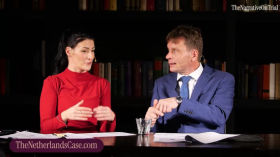
Che cos’è la nuova normalità? Come siamo arrivati fin qui? Chi o che cosa sta davvero dirigendo lo spettacolo? In una serie di quattro dialoghi intimi, l’esperta finanziaria Catherine Austin Fitts e il satirico politico C.J. Hopkins esplorano la forma sempre più totalitaria del nostro nuovo mondo, coraggioso, patologizzato e globalizzato.
Tutta la serie: We Need to Talk About Mr. Global
Filmati d’archivioL'Organizzazione mondiale della sanità afferma che l'Europa è ora l'epicentro della pandemia globale di coronavirus. Dichiaro ufficialmente l'emergenza nazionale. Negheremo l'ingresso in Canada alle persone che non sono cittadini canadesi o residenti permanenti. Nous sommes en guerre. Siamo in guerra. In senso vero e proprio, siamo in guerra. Da stasera potrete uscire di casa solo per motivi ben precisi. La vita e, francamente, la libertà come le conosciamo cambieranno entrambe. Ci si aspetta, e si teme, che stamattina i mercati crollino qui negli Stati Uniti, come hanno già fatto oggi i mercati globali. Questa non è una crisi finanziaria. È solo un momento passeggero che supereremo insieme, come nazione e come comunità mondiale.
Non è meraviglioso? Bisogna ammetterlo, la pandemia è stata un successo strepitoso. Sì. Già. Finora. Già.
C.J. HopkinsChe giorno è? È il 5 agosto. È il 5 agosto. 2021. 2021. E siamo a cosa, 17, 18 mesi della nuova normalità? I soldati pattugliano le strade di Sydney per imporre, sai, il rigoroso rispetto delle misure anti-covid.
Catherine Austin FittsIl che è impossibile. L'Australia è il «paese fortunato».
C.J. HopkinsNon può succedere. Un sistema di segregazione globale viene introdotto in quali paesi? In Francia? In Italia? In una certa misura sta succedendo in Germania.
Catherine Austin FittsSta arrivando. E penso che sia più di una segregazione, è un sistema di controllo, e la segregazione serve a spingerci tutti dentro. Chiunque resista al sistema di controllo viene spinto dentro, e ti minacciano con l'isolamento e ora, di fatto, con la rovina e la fame se non accetti di essere spinto dentro il sistema di controllo.
C.J. HopkinsE apertamente, sfacciatamente, sai, chi era il governatore di New York, Cuomo ha appena detto, in sostanza, o ti vaccini o sarai escluso dalla società.
Catherine Austin FittsBeh, se è lui a guidare, sono felice di essere escluso.
C.J. HopkinsMa davvero, cerco di capacitarmi che questo stia davvero succedendo in Francia. Non solo metteranno in prigione i non vaccinati se cercano di entrare in un ristorante, ma metteranno in prigione anche i ristoratori e i commercianti se servono i non vaccinati. Insomma, questo si sta diffondendo in tutto il mondo.
Catherine Austin FittsCos'altro sta succedendo? Quello che vedi è la centralizzazione definitiva del potere, perché ora c'è un potere globale in grado di costringere oltre 190 nazioni a comportarsi in un modo che le priva completamente della sovranità. Priva quindi le nazioni della sovranità, ma priva della sovranità anche gli individui all'interno della nazione. Ed è letteralmente la proiezione globale del potere da parte di, chiamalo come vuoi, un sindacato del crimine organizzato, una tirannia o altro. Ma è il controllo centrale definitivo e la distruzione dello Stato di diritto.
C.J. HopkinsTu lo chiami Mr. Global. Esatto. Io lo chiamo GloboCap, e sono entrambi, sai, termini che abbiamo inventato per cercare di descrivere dove si trova davvero il potere.
Catherine Austin FittsHo cominciato a usare l'espressione Mr. Global perché è chiaro che abbiamo un sistema di governo segreto, il che è assurdo. Pensaci. Pensa a vivere su un pianeta in cui non ti è permesso sapere come funziona la struttura di governo. Così gli ho semplicemente dato un nome, perché è un fenomeno complesso, ma mi serviva un termine semplice per descrivere una struttura di governo segreta.
C.J. HopkinsTutto qui. Ed è un po' la stessa cosa. È un po' diverso, ma per lo stesso motivo ho trovato il mio termine, GloboCap, di cui parlo. La maggior parte delle persone ha ancora la sensazione di vivere in un mondo di nazioni sovrane in competizione con altre nazioni sovrane. Esatto. E che questa sia la struttura del potere. Ed è naturale, non è perché siano stupidi. È il mondo in cui io e te siamo cresciuti. Esatto. È il mondo che ci hanno venduto. È il mondo che ci viene proiettato. Ma non è il mondo in cui viviamo davvero. Nel mondo in cui viviamo, il potere si trova dove hai appena descritto. Non è solo che non sappiamo chi sono; stiamo solo cercando di esprimere che cos'è. Esatto. Che cos'è questa struttura di governo, credo che la gente stia appena cominciando a farlo.
Catherine Austin FittsC'è per esempio la fantasia che il presidente di un paese guidi il paese. Esatto. È molto semplificante e molto rassicurante, perché sai chi lo guida. E questo nonostante ogni prova indichi che quella persona è una facciata pubblicitaria; è chiaro che l'attuale presidente degli Stati Uniti non guida niente. Non potrebbe essere più chiaro. Esatto. Ma è, in un certo senso, il volto di Oz. Sì. Un'espressione rassicurante e semplificante, ma è chiarissimo, ed è il risultato di decenni di golpe finanziario, è chiarissimo che stiamo vivendo un colpo di Stato globale. Sì. È un cambiamento fondamentale nel modo in cui il sistema di governo gestirà. Il livello di governo c'è, ma ora stanno cambiando il sistema di gestione in modo molto radicale. Esatto.
C.J. HopkinsPenso che sia esattamente ciò che sta succedendo. È un altro passo radicale nel trasferimento del potere fuori da istituzioni almeno nominalmente democratiche, verso questo... Un controllo molto più centralizzato. Esatto. E verso questo governo, questo sistema di governance globale che non riusciamo a capire fino in fondo perché non è trasparente.
Catherine Austin FittsI cambiamenti operativi, finanziari e giuridici necessari perché questo accadesse sono stati introdotti negli ultimi tre decenni. Sì. Ed è avvenuto in modo costante. Era chiaro dove stava portando.
C.J. HopkinsMolti hanno avvertito e scritto che portava qui, ma la cosa notevole è che gran parte era invisibile nella vita quotidiana, e solo ora stanno facendo scattare la trappola. E se guardi la vera trappola che faranno scattare, non hanno nemmeno cominciato a scoprire le carte della trappola che stanno preparando. Quindi sì, sì, sì, esatto. Ed è in parte per questo che volevo venire a parlare con te, perché, sai, veniamo da posti diversi, davvero molto diversi, e guardiamo da prospettive diverse. Ma quello che hai appena descritto è lo stesso tamburo che batto da anni e anni; hai parlato degli ultimi tre decenni, e ciò che seguo nel mio lavoro è questo nuovo mondo in cui ci troviamo. E ha davvero circa 30 anni, da quando è crollata l'Unione Sovietica e quell'ultimo vero conflitto ideologico è scomparso, siamo diventati questo mondo capitalista globale, il mondo di Mr. Globo, di Mr. Global. E ciò che osserviamo da 30 anni è in realtà uno sviluppo del tutto logico.
Catherine Austin FittsÈ la centralizzazione del potere politico ed economico. E procede in modo costante. È ciò che George H.W. Bush chiamava mani sempre più strette e salde. Concentriamo il controllo in mani sempre più strette e salde. Sì, assolutamente. Assolutamente. E devo dire una cosa. Se studi la storia della frode finanziaria e degli omicidi politici negli Stati Uniti, vedrai che lo fanno. Se fanno qualcosa e la fanno franca, pensano: wow, l'abbiamo fatta franca. E questo li rende più audaci, sai, e ciò che vediamo è quella struttura di governo che diventa più audace su ciò che può permettersi.
C.J. HopkinsPenso che ciò che sta succedendo adesso ne sia davvero la prova. Ovviamente, GloboCap, Mr. Globo, i poteri forti, comunque li si voglia descrivere. Sentono che, A, possiamo farlo. Possiamo passare da questa vecchia simulazione di democrazia in cui tutti sono liberi. Ora possiamo passare a una struttura più apertamente totalitaria in cui ti ordiniamo di iniettarti vaccini e di fare tutte queste cose. E B, non solo sentono di poterlo fare adesso, trovo interessante che sentano di doverlo fare adesso.
Catherine Austin FittsBeh, è più di questo. Credono che sia inevitabile. In altre parole, hanno una visione del futuro che considerano inevitabile. È stato buffo, ero a una conferenza dell'Aspen Institute e un miliardario si presenta per uno dei panel e resta poi a parlare con me. E parla di come si possa sostituire ogni essere umano nel mondo del lavoro con software e IA, e far funzionare tutto con IA e robot. Non hanno bisogno delle persone. E aveva quello sguardo come a dire: tesoro, sono stato sull'astronave e te lo dico, è così che andrà. Era come se avesse rinunciato da tempo. Aveva rinunciato alla speranza di un futuro umano. Ma aveva questo quadro completo e per lui era letteralmente inconcepibile che quel quadro non si realizzasse. Quindi c'è un impegno emotivo ed energetico, che fa paura. Sì. Esatto.
C.J. HopkinsIl fatto che stia succedendo adesso mi fa solo chiedere: qual è il bisogno? Perché adesso? Perché è questo il momento per Mr. Global di passare a una struttura più apertamente totalitaria? Perché, sai, è, non viene nascosto. Stanno chiaramente diffondendo il messaggio: sì, stiamo diventando più totalitari.
Catherine Austin FittsNon credo che sappiamo perché, ma è chiaro che il sistema monetario sta creando il bisogno di una nuova struttura. E una delle cose che vediamo è che il sistema del dollaro statunitense, che era in realtà una collaborazione tra l'infrastruttura fiscale e l'elettorato, che vota ed elegge rappresentanti che decidevano dove andavano i soldi delle tasse, e i proprietari delle banche private con la politica monetaria tramite le banche centrali. Quell'equilibrio di poteri è finito, e la banca centrale sta prendendo il controllo del Tesoro e della funzione fiscale, non solo negli Stati Uniti, ma ovunque. E quando lo fanno, scollegano l'intera infrastruttura dall'elettorato e la spostano sotto controllo globale. Sì. Quindi il sistema del dollaro sta lasciando gli Stati Uniti, e con esso l'esercito. Se guardi passo dopo passo, stanno spostando il controllo dell'esercito, stanno spostando il controllo della pubblica amministrazione, e stanno spostando il controllo del Tesoro e del potere fiscale. È letteralmente come un intervento chirurgico, quasi una neurochirurgia. Stanno semplicemente scollegando passo dopo passo, e ci lavorano da anni.
C.J. HopkinsEsatto. Esatto. E ciò che vediamo è un salto quantico in questo momento. Ma è un processo in corso da tempo, e voglio parlarne molto di più e cercare di portarlo a un livello in cui riesca a capirlo, perché non ne so neanche lontanamente quanto te su tutti i dettagli. Ma può essere piuttosto semplice.
Catherine Austin FittsSi tratta di trasferire il potere che doveva essere nostro a questa rete di entità sovranazionali che non rispondono a nessuno e che non possiamo vedere, monitorare o controllare affatto. Una delle cose straordinarie del tuo lavoro, e perché lo amo tanto, è che se guardi come ci sei arrivato e come io seguo solo transazioni e denaro. Seguo solo il denaro, denaro, denaro, denaro, denaro, denaro. E tu fai cultura, cultura, cultura, eppure arriviamo allo stesso punto. È come una moneta, le due facce di una moneta.
C.J. HopkinsÈ davvero sorprendente, e penso che io e te, solo seduti qui a parlare, siamo un esempio di qualcosa di buono e positivo che sta accadendo, perché penso che mentre accadono tutte queste cose orribili, si stanno creando nuovi legami. Guardaci: stiamo parlando proprio adesso di come siamo arrivati qui. Come è arrivato qui il mondo negli ultimi 30 anni, ma come siamo arrivati qui io e te? Io vengo dal mondo del teatro sperimentale downtown, è lì che ho cominciato. 15 anni a New York, a produrre spettacoli strani in garage riconvertiti, e poi ho avuto fortuna con uno di questi, ho sfondato a Edimburgo e poi sono andato in tournée, e tutta la fama che ho è quella. I tuoi saggi ti hanno reso molto famoso. Questo è venuto dopo, ma stai parlando di... il teatro sono 200 persone alla volta, ecco, ed è da lì che venivo, e poi ho cominciato a scrivere la mia satira politica, ho scritto il mio romanzo e certo, più persone mi leggono, ma il punto è che veniamo da mondi completamente diversi.
Esatto. E tu vieni dal fronte conservatore. Io ero un liberal, qualunque cosa voglia dire ormai. Ed eccoci qui, seduti insieme a cercare di esprimere che cos'è. E per me questo dà speranza. Vengo attaccato molto, dai miei colleghi di sinistra e così via. Non so nemmeno più cosa significhino questi termini, ma vengo attaccato molto e accusato di schierarmi con la destra. Una parte di ciò che mi entusiasma, perché stiamo parlando di molte cose che mi fanno davvero paura e sono davvero oscure. Esatto. Una parte di ciò che mi entusiasma è che vedo persone, sempre più persone, abbandonare queste... Semplificazioni. Esatto. E tendersi la mano oltre gli schieramenti. Esatto. E cominciare a unirsi semplicemente come esseri umani. Un giornalista mi ha detto... Che non vogliono vivere come schiavi.
Catherine Austin FittsEsatto. Un giornalista mi ha detto, in Svizzera, a Natale, ha detto: spuntano amici dappertutto.
C.J. HopkinsEcco. Se guardo il mio pubblico, ehm, è davvero questa mescolanza di persone di ogni provenienza, di orientamenti politici diversi, tutti uniti, seduti, a cercare di capire cosa sta succedendo. È un campo nuovo. E cosa possiamo fare.
Catherine Austin FittsÈ un campo nuovo e potente.
C.J. HopkinsSì, sì. Sì. E dove voglio arrivare è a ciò che ci ha portati qui. A ciò che ti ha messa in cammino. Ciò che ci ha portati qui è. Quella cosa in te che ti ha fatto prendere le decisioni che hai preso. È questo che ci ha portati qui. Me lo appunto.
Catherine Austin FittsCiò che abbiamo detto entrambi è: no, non devo per forza adeguarmi. Esatto. Non devo adeguarmi. Non devo adeguarmi. Ho la possibilità di scegliere la libertà. Ho la possibilità di scegliere le libertà. Ho la possibilità di scegliere, perché ciò che scegliamo entrambi è l'abbondanza. E tu capisci il potere della mente e dell'intelligenza umana di creare abbondanza. Questo è il teatro. Crei mondi dal nulla, giusto? Sì. Io cerco di finanziarli, giusto? Ma tu fai il mestiere di creare mondi nuovi, giusto? Sì. Ed è abbondanza, perché non c'è scarsità. È infinito. Allora, quando l'hai sentito per la prima volta? Perché lo senti nelle viscere. Lo senti nello stomaco. No, non devo adeguarmi a questo.
C.J. HopkinsTi dirò la verità. Sono nato nel 1961, quindi andavo a scuola negli anni '70. Sono cresciuto guardando la guerra del Vietnam in televisione, guardando il Watergate, guardando l'assassinio dei Kennedy, guardando l'assassinio di Martin Luther King. Quando sono diventato adulto, mi sentivo in conflitto con il potere. Esatto. Sentivo che, ok, il mito, la storia che mi raccontano è una favola, capisci? E queste persone agiscono secondo regole tutte loro, e non gliene importa niente di me, dei miei amici e della mia famiglia. Esatto. Qualcuno me l'ha chiesto l'altro giorno: quando sei diventata scettica? Quando hai cominciato? Non ricordo un momento in cui non lo fossi. Non lo fossi. Tu ne parli in termini di creare abbondanza, creare ricchezza. Io credo di cercare di creare più potere nelle persone. È questa la cosa importante, e il prezzo che paghi per combattere quella battaglia nell'arco di una vita, non riesco a esprimerlo a parole.
Catherine Austin FittsSì, ma nasce da una comprensione, dall'anima, di chi e cosa sei in quanto anima immortale. Per dirla a modo mio, tornando all'investment banking: se la tua anima è immortale, qual è il valore attuale di svendersi per l'infinito? Non vale lo scambio. Qualunque cosa ti offrano nel mondo materiale, non vale lo scambio, perché l'infinito è un flusso di cassa molto più lungo, per dirla in termini di interesse composto.
C.J. HopkinsE tu, come sei arrivata qui? Cosa ti ha portata a questo punto?
Catherine Austin FittsHo avuto un enorme scontro con l'establishment e mi hanno cacciata.
C.J. HopkinsSì. Raccontami, ne conosco una parte, ma raccontami la storia.
Catherine Austin FittsAvevo avuto una carriera di grande successo a Wall Street, poi sono diventata sottosegretaria all'Edilizia abitativa nell'amministrazione Bush. Sì. E uno dei motivi per cui ci sono arrivata è che avevo visto la frode dell'HUD distruggere il mio quartiere. Esatto. E questo mi ha messa in cammino: beh, come funziona il denaro e perché succede questo? Ed è buffo, perché ricordo che da bambina passavo davanti a questo grande cartello, c'erano quattro case, in diagonale rispetto alla nostra, che erano state pignorate. E c'era questo grande cartello: «Per ordine del sottosegretario all'Edilizia abitativa, commissario federale per l'edilizia». È uno dei titoli più lunghi del governo degli Stati Uniti. E pensavo: chi è quell'idiota? Chi è quell'idiota che lascia queste quattro case vuote per anni mentre di fronte a noi viveva una famiglia intera, un'intera famiglia in un monolocale con una camera? Pensavo: è una follia. E quando sono lì con la mano sulla Bibbia e il segretario dice: per ordine del presidente, la dichiaro sottosegretaria all'Edilizia abitativa, ho pensato: oh Dio, l'idiota sono io. Ora l'idiota sono io. Ora l'idiota sono io. Sono scesa e la prima cosa che ho detto è stata: svuotiamo la coda dei pignoramenti. Non succederà sotto la mia responsabilità, ovviamente. Naturalmente, questo ha irritato molto i servizi segreti, ma è un'altra storia. Comunque, quando ho lasciato l'amministrazione Bush, ho detto: i cattivi prenderanno il controllo di questa tecnologia.
Capivo quanto fosse potente la tecnologia. Prenderanno il controllo della tecnologia.
C.J. HopkinsQuale tecnologia? La tecnologia digitale.
Catherine Austin FittsOk, sì. Digitale e telecomunicazioni. Metteranno le mani su questa tecnologia. Useranno il potere decentralizzato. Ci troveremo di fronte alla tirannia. Devo fare qualcosa. Esatto. E la mia teoria all'epoca era che se avessi potuto mostrare loro come decentralizzare il potere economico in un modo che creasse molta più ricchezza. Esatto. Forse avrei potuto incoraggiarli verso un modello più decentralizzato.
C.J. HopkinsCosì ho creato una banca d'investimento.
Catherine Austin FittsL'ho finanziata con i miei soldi. E l'obiettivo era mappare come funziona il denaro e progettare un modo di riorganizzare il sistema finanziario in armonia con la vita. Ti faccio un esempio. Se arrivi in una comunità, c'è un sistema finanziario in funzione, ma poi c'è un sistema vivente. Piante, persone, vita. Cani, gatti. Gatti. Tutta la vita, tutta l'intelligenza di quel luogo. Quindi hai l'intelligenza vivente e hai attività e intelligenza finanziarie. E hanno un rapporto in cui uno vince e l'altro perde. Ok. Ti faccio un esempio. Uno dei termini che ho creato quando lavoravo nell'amministrazione Bush per esprimere la salute di un sistema vivente in un luogo è stato l'indice Popsicle. Ok. L'indice Popsicle è la percentuale di persone che credono che un bambino possa uscire di casa, andare nel posto più vicino a comprare un ghiacciolo e tornare a casa da solo in sicurezza. Esatto. Da bambina potevo correre fino a Spruce Street, comprare un ghiacciolo, giocare a flipper, tornare, in totale sicurezza, libera di girare, ok?
C.J. HopkinsDa bambina, l'indice Popsicle a West Philadelphia era al 100%.
Catherine Austin FittsIl Dow Jones era a 150, ok? Il Dow Jones è aumentato di migliaia di volte, e l'indice Popsicle è sceso. Esatto. Ok. Questo è un rapporto in cui uno vince e l'altro perde. E una delle cose che ho visto a Washington: i costruttori, gli agenti immobiliari, i banchieri ipotecari venivano tutti a fare pressione su di me perché facessi qualcosa che facesse salire il loro indice Dow Jones. Ma non facevano mai pressione perché facessi salire l'indice Popsicle. E anzi, molte delle cose che avrebbero fatto salire il loro indice Dow Jones avrebbero danneggiato l'indice Popsicle. Continuavo a cercare di convincerli, e ho pensato: beh, se finanziamo tutte le piccole imprese di una comunità con capitale di rischio, allora, se l'indice Popsicle sale, le azioni saliranno. Saliranno e scenderanno insieme. Così passeremo da un rapporto vinci-perdi a un vinci-vinci decentralizzando, in sostanza, i mercati azionari privati e pubblici. Comunque. Ciò che è successo, ed è una delle cose più importanti che mi siano capitate nella vita. Avevo un genio che lavorava per me, che avevo assunto, avevamo un programma con il MIT, ed era stato in piazza Tienanmen e se n'era andato. Era malato il giorno in cui uccisero i suoi amici.
C.J. HopkinsSe ne andò, venne al MIT, prese il dottorato.
Catherine Austin FittsL'ho assunto. Avevamo creato banche dati su come funzionavano tutti i dollari federali. Si chiama Community Wizard. E abbiamo mappato come funzionava tutto il denaro. Gli ho dato l'intera infrastruttura di banche dati e gli ho detto: voglio che tu scopra se potremmo riottimizzare tutto il denaro in modo che, invece di generare commissioni per i nostri amici e darci il controllo politico, rendessimo semplicemente l'economia il più sana possibile. Come sarebbe? Voglio che tu simuli il successo. È tornato, e il numero era così grande che ho detto: dev'essere sbagliato. Dev'essere sbagliato. Non può essere, è troppo grande. Insomma, diceva... Che numero? Per dirla a modo mio, la ricchezza esistente potrebbe essere centuplicata. È quello che pensavo intendessi, sì. Esatto. Se gestissimo il denaro pubblico per ottimizzare la salute e la ricchezza vitale complessiva. Esatto.
C.J. HopkinsNello scenario vinci-vinci. Esatto.
Catherine Austin FittsNel vinci-vinci. Se passassimo dal vinci-perdi al vinci-vinci, la ricchezza era... Continuavo a dirgli che doveva essere sbagliato. E alla fine mi ha detto: guardi, deve prestare attenzione. Si prenda il fine settimana e faccia solo questo. Ho esaminato tutti quei numeri e ho detto: mio Dio, questo è il prezzo dell'oppressione. Questo è il prezzo della tirannia. Il controllo centrale è un tale spreco. Se la vita e l'intelligenza potessero allinearsi con il denaro, non c'è nessuna... ecco perché dico che non c'è alcuna ragione per la povertà che io sappia. Comunque, è lì che ho cominciato a ridere, perché ho capito che qualunque cosa stesse succedendo su questo pianeta, non era per scarsità. E questo prima che cominciassi a capire la nuova tecnologia disponibile. Nell'estate del 2000, un operatore sanitario mi chiese di tenere un discorso a una conferenza chiamata Spiritual Frontiers Foundation. Ok. International. Avevo appena pubblicato una serie di materiali che poi divennero un articolo molto famoso, «Narco-Dollars for Beginners». Doveva essere un'introduzione leggera e divertente all'intreccio tra Wall Street e la criminalità organizzata a Washington.
Come entra il denaro sporco? Così ho detto: immaginiamo che ci sia un grande pulsante rosso qui sul leggio. E se premi quel pulsante, puoi fermare tutto il traffico di droghe pesanti nella tua città, la tua contea, il tuo paese, il tuo stato, offendendo così chi controlla da 500 miliardi a mille miliardi di dollari e il capitale accumulato su di essi. Chi di voi premerà il pulsante? E su 100 persone impegnate nell'evoluzione spirituale della nostra società, indovina quante premerebbero il pulsante? Dieci? Una. Una. Una. Io non ho votato. Se avessi votato, sarebbero state due. E ho chiesto a tutti: ok, perché non premereste il pulsante? E hanno detto: non vogliamo che i nostri IRA scendano, i nostri conti pensionistici. Non vogliamo che i nostri assegni statali si fermino. Non vogliamo che si fermino gli assegni statali dei nostri vicini. E non vogliamo che le nostre tasse aumentino. E ciò che ho scoperto quel giorno è che il problema non era che non avrebbero premuto il pulsante rosso. Il problema è che non volevano fare una conversazione onesta su come far diventare verde il pulsante rosso. Come guadagnare premendo il pulsante rosso? Esatto. Perché, in effetti, se riallineare vita e denaro in modo positivo centuplica la ricchezza, puoi premere il pulsante rosso.
Esatto. Ma bisogna capire come farlo insieme. È come un'orchestra sinfonica. Bisogna cambiare la partitura insieme. Non si può fare separatamente. E non erano disposti a entrare nella stanza dell'invenzione e dire: ok, come facciamo diventare verde il pulsante rosso? Erano paralizzati. Avevano paura.
C.J. HopkinsEd è esattamente ciò che deve succedere prima che qualcosa di importante cambi: che le persone si riuniscano e concepiscano il modo di far diventare verde quel pulsante rosso. Esatto. Verde. Ma torniamo alla tua storia. La mia storia. In pratica, tu premi il pulsante rosso.
Catherine Austin FittsHo premuto il pulsante rosso.
C.J. HopkinsÈ questo che intendevo dicendo che pesti i piedi alla gente. Hai premuto quel pulsante rosso per tutta la vita.
Catherine Austin FittsQuando guidavo Hamilton Securities Group, pensavo di avere il pieno sostegno dell'establishment per ciò che facevo. Volevano testare modelli. Volevano prototipi di modelli. Pensavo di essere perfettamente in linea. E se Nick Brady e i suoi avessero mandato qualcuno a dire: senta, è fuori linea. Torni indietro. Avrei fatto esattamente ciò che mi dicevano, ero il tipico bravo soldato. Non stavo cercando niente. E la cosa buffa è che quando hanno fatto ciò che hanno fatto, e hanno infranto molte leggi, hanno cercato di incastrarci, hanno falsificato prove, mentito, bla, bla, bla, bla, bla, alla fine mi sono impuntata. Ho pensato: il vostro piano fa schifo. Non funzionerà. Non voglio farne parte. Ma è, sai, la psicopatia non può guidare un pianeta.
C.J. HopkinsNo. E quando dici «quando hanno fatto ciò che hanno fatto»,
Catherine Austin Fittsti riferisci a quando se la sono presa con te e con Hamilton, giusto? Sì, ma non è che se la prendessero con me. Sì. Quella è solo una lotta. Ok. Quello che facevano era mandare squadre SWAT nei quartieri poveri, rastrellare persone innocenti e stiparle in prigione per far salire le azioni delle carceri. Sì. Era lavoro schiavile. Sì. Era assolutamente lavoro schiavile. E faceva parte del far entrare droga in un modo che produceva denaro, il che è genocidio. Esatto. E ho detto: come americani, se permettiamo campi di lavoro schiavile e genocidio, è solo questione di tempo prima che vengano a prendere tutti noi. Esatto. Quindi non si può, è una linea che non si può oltrepassare. Non si può fare. È genocidio. E sai, mi diverte guadagnare creando ricchezza.
C.J. HopkinsNon mi diverte guadagnare sterminando persone. Esatto. O rendendole schiave.
Catherine Austin FittsSì. Rastrellare queste persone e metterle nelle carceri private è schiavitù. Sembra proprio che tu abbia premuto qualche pulsante rosso mentre eri, sai, nella capitale. E se guardi cosa facevano i miei vecchi soci di Wall Street, cosa che mi ha fatta cacciare, pensavo che ciò che facevano violasse la legge, violasse le nostre regole non scritte. E pensavo che stessero commettendo un terribile errore. E non volevo farne parte, perché pensavo che ci servisse una strada migliore. E non c'era modo di inventare una strada migliore dall'interno. Esatto. Non me l'avrebbero permesso, il che significava che dovevo andarmene. Dovevo andare nel deserto se volevo creare una strada migliore. Esatto. Non voglio essere una schiava. E non voglio guadagnare rendendo schiavi gli altri. È questo che osservo. Vedo la maggior parte delle persone che conosco andare al lavoro ogni giorno e aiutare a costruire una macchina della schiavitù. E la mia domanda è: non devi per forza farlo. Penso di non doverlo fare. Esatto. E penso che se costruisco una macchina della schiavitù, alla fine si ritorcerà contro di me. E questo è, naturalmente, il messaggio che tutti stanno ricevendo.
C.J. HopkinsOra che li hai aiutati a costruire una macchina della schiavitù, si ritorcono contro di te e ti renderanno schiavo.
Catherine Austin FittsQuindi forse dovresti smettere di costruire la macchina della schiavitù. Esatto. Ma l'altra cosa è che non mi fidavo del sistema. Per questo non ho mai potuto. Ho cercato in tutti i modi di capire come avere figli. Sì. E non sono mai riuscita a capire come tenerli al sicuro. E dal momento in cui ho deciso che non potevo avere un figlio perché non potevo proteggerlo fisicamente. Sì. Allora ho pensato: per integrità, devo fare qualcosa al riguardo. Devo fare qualcosa che permetta ad altre persone di crescere in un mondo con un indice Popsicle alto. Se non posso farlo io, almeno avere l'integrità. Ed è molto interessante perché mi sento sempre a mio agio con i bambini.
C.J. HopkinsNon ho alcun problema a guardarli in faccia.
Catherine Austin FittsSe non l'avessi fatto, non potrei guardarli in faccia.
C.J. HopkinsNon potrei. Ma, sai, alcune persone mi scrivono e mi dicono: C. J., sei così coraggioso. Grazie per quello che fai. Sei così coraggioso. E lo apprezzo, apprezzo i loro ringraziamenti e tutto. Ma dico loro che non è davvero coraggio. Voglio solo potermi guardare in faccia la mattina. È una questione di integrità. È egoistico. Esatto. È molto egoistico. Per come la vedo io, voglio potermi guardare allo specchio. Voglio poter dormire la notte. Esatto. E non credo che si possa essere più egoisti di così.
Catherine Austin FittsEsatto. Sono completamente d'accordo, è egoistico. Sì. E direbbero che sono una megalomane a pensare di poter riallineare il Dow Jones o l'indice Popsicle. E il mio atteggiamento è: va bene. Se non lo faccio io, chi lo farà? Esatto. E una domanda sincera, davvero sincera, sincera, Catherine.
C.J. HopkinsSì. Quanti dei tuoi ex compagni di Wall Street e di quel mondo pensavano davvero all'indice Popsicle?
Catherine Austin FittsMolti pensavano all'indice Popsicle, ma molti si sentivano vincolati e avevano paura, perché era pericoloso provare a spingersi troppo in là. E ciò che è successo a me, devi capire, è che mi hanno cacciata. Non cercavo di andarmene. Mi hanno cacciata. Lo so. Ma credevo davvero di poterlo fare. Ci credevo davvero; se guardi chi ha costruito le cattedrali, cominciavano un progetto che sarebbe durato più della loro vita. Sì, esatto. E quando ho cominciato questo percorso con l'indice Popsicle, davo per scontato che ci sarebbe voluta più della mia vita per capirlo, figuriamoci per fare qualcosa. Ma che altri sarebbero arrivati.
C.J. HopkinsEsatto. E l'unico punto che cercavo di sottolineare è che, anche se hai la capacità di farlo, c'è comunque la scelta. Esatto. È questo che voglio fare? Assolutamente. Esatto. O voglio solo riempirmi le tasche e pensare a me stesso?
Catherine Austin FittsNon è un mondo che mi interessa. Ed è questa la risposta. È questa la risposta alla domanda. Non riesco a frequentare gente così in quel mondo. Non riesco, sai, tu sei qui.
C.J. HopkinsCredo che ciò a cui voglio arrivare è che noi, da punti di partenza completamente diversi. Sì. E con percorsi completamente diversi attraverso territori diversi. In fondo, o sei fatto così o non lo sei.
Catherine Austin FittsEsatto.
C.J. HopkinsPer chiudere questa sessione vorrei parlare un po' di ciò di cui parleremo. Ok. Ciò di cui voglio parlare è che voglio capire, stiamo parlando di Mr. Global. Esatto. Esatto. Stiamo parlando di... io scrivo, parlo di GloboCap. Io parlo di Mr. Global. Una cosa che voglio approfondire con te, ne abbiamo già trattato molto oggi, ma voglio cercare di renderla semplice perché persone come me, che non riescono del tutto a seguire persone come te, voglio cercare di semplificarla. E voglio parlare di come funziona questa macchina, e voglio parlare di quel trasferimento, quel trasferimento di denaro e potere fuori dalle strutture, dalle istituzioni e strutture che dovrebbero appartenerci, il trasferimento di quel potere e denaro a Mr. Global e GloboCap. Esatto.
Catherine Austin FittsQuindi voglio parlare del denaro di una persona o di una famiglia e di come confluisce in questo meccanismo che poi si traduce in potere, con cui Mr. Global può controllarci con il nostro stesso denaro.
C.J. HopkinsEcco. Sì. Voglio approfondire questo con te. Esatto. Voglio parlare del perché persone come me, che non seguono le questioni finanziarie, dovrebbero prestare attenzione a questo. Esatto. E prendere provvedimenti, i provvedimenti che possiamo prendere per fermarlo. Come ci hanno ingannati e come smettiamo di esserlo. Sì. Sì. Sì. Sì. Non so quanto tempo resti.
Catherine Austin FittsÈ poco. Sì, ma Mr. Global ci sta portando da qualche parte.
C.J. HopkinsEsatto. Esatto. E voglio, sai, di nuovo, cercare di afferrarlo. Vuoi insegnare a tutti come ciascuno di noi possa infondere il massimo attrito nell'intero processo. Assolutamente. Esatto. E prima voglio dare uno sguardo freddo e duro a dove stiamo andando, senza distogliere lo sguardo né addolcire la pillola, uno sguardo freddo e duro a dove tutto questo porta.
Catherine Austin FittsEsatto. Esatto. Perché la maggior parte delle persone non riesce a immaginare quanto sia buio.
Filmati d’archivioIl governo austriaco ha approvato un nuovo lockdown che si applicherà solo alle persone non vaccinate. Il peggio deve ancora venire. I prezzi della benzina negli Stati Uniti hanno raggiunto un nuovo record. Il prezzo del grano è raddoppiato. I costi dell'energia sono aumentati. Tutte le frecce puntano nella direzione sbagliata. La fame nel mondo ha raggiunto un nuovo massimo. In soli due anni il numero di persone in grave insicurezza alimentare è raddoppiato. La prospettiva di un conflitto nucleare, un tempo impensabile, è di nuovo nel regno del possibile.
Archive footageThe World Health Organization says Europe is now the epicenter of the global coronavirus pandemic. I am officially declaring a national emergency. We will be denying entry to Canada to people who are not Canadian citizens or permanent residents. Nous sommes en guerre. We're at war. In a true sense, we're at war. From tonight, you can only leave your home for very specific reasons. Life and frankly freedom as we know it are both going to change. And the expectation and fear is that we will see markets in free fall this morning here in the U.S. as they have done in the global markets already today. This is not a financial crisis. This is just a temporary moment that we will overcome together as a nation and as a world.
Isn't that beautiful? You have to admit the pandemic's been wildly successful. Yeah. Yep. So far. Yep.
C.J. HopkinsWhat is it? It's August 5th. It's August 5th. 2021. 2021. And we are, what, 17, 18 months into the new normal? Soldiers are patrolling the streets of Sydney to enforce, you know, strict compliance with corona measures.
Catherine Austin FittsWhich is impossible. This is, Australia is the lucky country.
C.J. HopkinsThat can't happen. You know, a global segregation system is being rolled out in which countries? In France? In Italy? You know, it's happening to some degree in Germany.
Catherine Austin FittsIt's coming. Well, and I think it's more than a segregation, it's a control system, and the segregation is designed to herd everyone into it. So anybody resisting the control system is being herded and you're being threatened with isolation and essentially now bankruptcy and starvation if you don't agree to be herded into the control system.
C.J. HopkinsWell, and blatantly, and blatantly so, you know, who was the governor of New York, Cuomo just came out and said, you know, you've got to get vaccinated or you're going to be shut out of society.
Catherine Austin FittsYou know, well, if he's leading it, I'm happy to get shut out.
C.J. HopkinsBut really, I mean, I try to get my mind around that this is actually happening in France. They're not only going to put the unvaccinated in prison if they try to go into a restaurant, but they're also going to put the restaurateurs and business owners in prison if they serve the unvaccinated. You know, so this is being rolled out across the world.
Catherine Austin FittsWhat else is happening? Well, what you're watching is the ultimate centralization of power because you now have global power that can project and force 190 plus nations to behave in a way which strips them completely of sovereignty. So it strips the nations of sovereignty, but it strips the individuals within the nation of sovereignty. And it's literally the global projection of power by, you know, call it what you want, an organized crime syndicate or tyranny or whatever. But it's the ultimate central control and the destruction of the rule of law.
C.J. HopkinsWell, you've been calling it Mr. Global. Right. I've been calling it GloboCap, and, you know, these are both, you know, just terms that we've come up with to try to describe, you know, where power is actually located.
Catherine Austin FittsSo the reason I started using the expression Mr. Global is it's clear we have a secret governance system, which is ridiculous. Think about it. Think about living on a planet and you're not allowed to know, you know, how the governance structure works. So I just created a name for it because it's a complex phenomena, but I needed a simple term to describe a secret governance structure.
C.J. HopkinsAnd that's all it is. And it's kind of the same. It's a little different, but the same reason that I came up with my term, you know, GloboCap that I'm talking about. Most people, the majority of people still kind of feel like we're living in a world, you know, of sovereign nations competing with sovereign nations. Right. You know, and that that is the structure of power. And naturally, it's not because they're stupid. You know, that's the world that you and I grew up in. Right. That's the world that was sold to us. That's the world that is projected to us. But it's not actually the world we're living in. The world we're living in is where power is located is what you just described. It's not only that we don't know, you know, who they are, you know, just trying to articulate what it is. Right. What this governance structure is, you know, I think people are just beginning to do that.
Catherine Austin FittsWell, there's a fantasy, for example, that the president of a country runs the country. Right. And that's very simplifying and it's very comforting because you know who who's running it. And it, despite every piece of evidence to suggest that that person is a marketing front and is clearly, I mean, it's clear that the current president of the United States is not running anything. It couldn't be clearer. Right. But, but it's a, you know, it's sort of the face of Oz. Yeah. It's a comforting, simplifying expression, but it is very clear, and this is the result of decades of financial coup. It's very clear that we are experiencing a global coup d'état. Yeah. This is a fundamental change in how the governance system will manage. So the governance layer is there, but now they're changing the management system in a very radical way. Right.
C.J. HopkinsI think that's exactly, you know, what is happening. This is another radical step in transferring power out of, you know, at least nominally democratic institutions into this, you know. Much more centralized control. Exactly. And, and into this governance, this global governance system that, you know, we can't really understand completely because it's not transparent.
Catherine Austin FittsSo the, the changes operationally and financially and legally that needed to occur for this to happen have been rolled out over the last three decades. Yeah. And it's been happening steadily. It's been clear this is where it's leading.
C.J. HopkinsWe see many people who've warned and written about this is where it's leading, but what was remarkable about it, a lot of it was very invisible in the day-to-day life, and it's only now that they're throwing the trap. And if you look at the real trap they're going to throw, they haven't begun to show their hands of the trap that they're, they're about, they're working into. So, yeah, yeah, yeah, exactly. And this is part of why I wanted to come in and, and, and talk to you because, you know, we, we come from different places and looking, you know, really different places and, and looking at different perspectives. But what you just described is the same drum that I've been beating for years and years and years, you know, you, you talked about the last three decades, you know, and what I've been tracking, you know, in my work is this new world that we're in. And, and, and it really is about 30 years old, you know, when the, when the Soviet Union collapsed and that last really, you know, a real ideological conflict disappeared, we, we became this, you know, global capitalist, Mr. Globo, you know, Mr. Global world. And what we've been watching for the last 30 years is actually a, a, a completely logical development.
Catherine Austin FittsIt's, it's, it's, it's the centralization of political and economic power. And it's been, it's been going on steadily. It's what George H.W. Bush used to call tighter and righter hands. We're pulling control into tighter and righter hands. Yeah, absolutely. Absolutely. And, you know, I have to say one thing. If you go back and you study the history of financial fraud and assassination in the United States, what you'll hear is they do. If you do something, they get away with it and they're like, wow, we got away with it. And, and, but it emboldens them, you know, and, and what we're watching is the emboldening of that, of that governance structure as to what they can get away with.
C.J. HopkinsI think what is happening right now is, you know, is just really testament to that. Obviously, you know, GloboCap, Mr. Globo, the powers that be, you know, however you want to describe them. They feel that, you know, A, we can do this. We can, we can transition from, you know, this old, you know, simulation of, you know, democracy and everybody's free and that. We can now transition to a more openly totalitarian structure where we order you to, you know, inject yourself with, you know, vaccines and, and do all of these things. And B, and B, and the thing that, not only do they feel that they can do this now, it's interesting to me that they feel that they need to do this now.
Catherine Austin FittsWell, it's more than that. They believe that this is inevitable. In other words, they have a vision of the future, which they consider inevitable. And it was funny, I was at the Aspen Institute at a conference and some billionaire shows up for the, one of the panels and he stays afterwards to talk with me. And he's talking about how they can replace every human being in the labor force with software and AI and run everything with AI and robots. They don't need people. And he had this look in his eyes like, honey, I've been up in the spaceship and I'm telling you, this is how it's going to go. You know, and it was almost like long ago he'd given up. He'd given up hope for a human future. But he had this complete picture and, and he was literally, it was inconceivable to him that this picture wouldn't happen. So there, there's an emotional and, and, and energetic commitment there, which is frightening. Yeah. Right.
C.J. HopkinsThe, the fact that, that it is happening now, it, it just makes me ask, okay, what is the need? You know, why now? Why is, why is this the time for, you know, Mr. Global to make the transition to a more openly totalitarian structure? Because they're, you know, it's, it's, it's, it's not being hidden. They're clearly broadcasting the message, yes, we're going more totalitarian.
Catherine Austin FittsSo we don't, I don't think we know why, but clearly the currency system is creating a need for a new structure. And, and one of the things we're seeing is the U.S. dollar system, which was really a partnership of the fiscal infrastructure with the electorate, basically voting and representatives who determined where the tax money went and the private banking owners with monetary policies through the central banks. That balance of power is over and the central bank is taking over the treasury and the fiscal function, not just in the United States, but everywhere. But when they do that, they are de-linking the entire infrastructure from the electorate and shifting it into global, global control. Yeah. So, so the, the dollar system is leaving the U.S. and with it, the military. So if you look incrementally, they're shifting the control of the military, they're shifting control of the civil service operations, and they're shifting control of the treasury and fiscal power. And they're literally, it's like a surgery, it's almost like neurosurgery. They're just de-linking it step by step, and they've been working on it for years.
C.J. HopkinsRight. Right. And what we're seeing is, you know, is a quantum leap right now. But this is a process that has been ongoing, and I want to talk much more about this and try to get it, you know, to a level where I can get my head around it, because I'm nowhere near as knowledgeable as you are about all the details of this. But it can be pretty simple.
Catherine Austin FittsWhat it's talking about is transferring the power that was supposed to be ours, you know, into this network of unaccountable, you know, supranational entities that we can't look at or monitor or check at all. One of the things that's so remarkable about your work and why I love your work so much is if you look at how you came to this and you look at how I'm just following transactions and money. I'm just following money, money, money, money, money, money. And you're doing culture, culture, culture, and yet we're coming to the same place. It's like a coin, two sides of a coin.
C.J. HopkinsWell, it's pretty amazing, and I think that you and I, I mean, just sitting here talking are an example of something good and something positive that is happening, you know, because I think that while all of this horrific stuff is happening, there are new connections that are, you know, that are being established. I mean, if you look at us, I mean, we're talking right now about, you know, how did we get here? How did the world get here over the last 30 years, you know, but how did, how did you and I get here? You know, I come from, you know, the downtown experimental theater world is where I got started. You know, 15 years in New York City, producing, you know, weird plays in converted garages, you know, and then got lucky with one of them, you know, and broke through in Edinburgh and then toured and, you know, this, whatever fame I have, that's, that's it. Now your essays make you very famous. And that's later, but, you know, you're talking about, you know, the theater, it's like 200 people at a time, you know, is this is, and that's, and, and that's where, where I was coming from, you know, and then, yeah, I started writing my political satire and, you know, I wrote my novel and sure people, you know, some more people are, are reading, but the point is we, we just, we come from completely different worlds.
Right. You know, and you come from the conservative side. I used to be a liberal, whatever the hell that even means anymore. And here we are, you know, sitting together trying to, you know, articulate what this is. And, and to me, that's hopeful. You know, we get, I get attacked a lot, you know, by my leftist colleagues and what have you. I don't know what these terms even mean anymore, but I, I get attacked a lot and accused of, you know, aligning with the right. Part of what's exciting to me is, is, is, you know, because we're talking about a lot of stuff that's just really scary to me and, and really dark. Right. But part of what's exciting to me is that I am seeing people, more and more people dropping, you know, these, these. Oversimplified. Exactly. And, and reaching across lines. Right. And starting to unite as, as just human beings. One journalist said to me. Who don't want to live like slaves, you know.
Catherine Austin FittsRight. One journalist said to me, in Switzerland at Christmas time, he said, friends are turning up everywhere.
C.J. HopkinsThat's it. You know, if I look at my audience, um, you know, it is really this mixture, you know, of, of, of people from all different backgrounds, different, you know, political orientations, all united together, sitting down, trying to figure out what is going on. It's a new field. And what can we do about it?
Catherine Austin FittsIt's a new powerful field.
C.J. HopkinsYeah, yeah. Yeah. And what I'm getting at is, you know, what it is that brought us here. You know, what it is that took you on your journey. What brought us here is. That thing, that thing in you that made you make the decisions that you've made. That's what brought us here. I'll scribble it.
Catherine Austin FittsWhat we both said is, no, I don't have to go along with this. That's right. I don't have to go along. I don't have to go along. I have an option to choose freedom. I have an option to choose liberty. I have an option to choose, because what we're both choosing is abundance. And you understand the power of the human mind and intelligence to create abundance. That's what the theater is. You're creating worlds out of nothing, right? Yeah. I'm trying to finance them, right? But that's, you're in the business of creating new worlds, right? Yeah. And that's abundant, because there's no shortage. You know, it's infinite. Okay, so when was the first time you felt it? Because you feel it in your gut. You feel it in your stomach. No, I don't have to go along with this.
C.J. HopkinsI'll tell you the truth. I was born in 1961, so I was, you know, in school in the 70s. I grew up watching the Vietnam War on television, watching Watergate, watching the Kennedys be assassinated, watching Martin Luther King be assassinated. You know, by the time I came of age, I felt in conflict with power. Right. I felt like, okay, the myth, the story they're telling me is a story, you know? You know, and these people are, you know, operating, you know, according to rules of their own, and they don't really care about me and my friends and my family. Right. Somebody asked me this the other day, you know, when did you become skeptical? When did you start, it's like, I can't remember a time when I wasn't. Wasn't. You talk about it in terms of, you know, creating abundance, creating wealth. You know, I think I'm trying to create more power, you know, in people, you know. You know, that's the stuff that's important, and the price that you pay for fighting that fight, you know, in that lifetime is, I can't quite put it into words.
Catherine Austin FittsRight, but it comes from an understanding from a soul of who and what you are in terms of your immortal soul. I mean, the way I would say, this is back to investment banking, you know, if your soul is immortal, what is the present value of selling out for infinity? You know, it doesn't, it's not worth the trade. Whatever they offer you in the material world, it's not worth the trade, because infinity is a much longer cash flow, you know, to be, to put it into the expression of compound interest.
C.J. HopkinsDo you know what, how did you get here? What brought you to this point, you know?
Catherine Austin FittsWell, I got in a huge squabble with the establishment and got booted out.
C.J. HopkinsYeah. Tell me, I know some of it, but, you know, tell me the story.
Catherine Austin FittsSo, I'd had a very successful career in Wall Street, then I went to, to be Assistant Secretary of Housing in the Bush Administration. Yeah. And one of the reasons I ended up there was I had watched HUD fraud destroy my neighborhood. Right. And then it set me on a journey of, well, how does the money work and why is this going on? And, you know, and it's funny because I remember as a little girl, I would walk by this big sign of four, there were four homes, catty cornered to our house that were foreclosed on. And there was this big sign by order of the Assistant Secretary of Housing, Federal Housing Commissioner. It's one of the longest titles in the U.S. government. And I would think, who is that idiot? Who is that idiot that they would leave these four homes empty for years while there were, you know, we had a family living across from us that was a whole family in a one-bedroom apartment. I was like, this is crazy. And so when I'm sitting there with my hand in the Bible and the secretary says, by order of the president, I now declare you're the Assistant Secretary of Housing, I thought, oh, God, I'm the idiot. Now I'm the idiot. Now I'm the idiot. And I went downstairs and the first thing I did was I said, we are cleaning out the foreclosure pipeline. This will not happen on my watch, of course. So, of course, that was very upsetting to the spooky guys, but that's another story. But anyway, so when I left the Bush Administration, I said, you know, the bad guys are going to get control of this technology.
I understood how powerful the technology was. They're going to get control of the technology.
C.J. HopkinsWhat technology? Digital technology.
Catherine Austin FittsOkay, yeah. Digital and telecommunications. They're going to get a hold of this technology. They're going to use decentralized power. We're going to face tyranny. I've got to do something. Right. And my theory at the time was if I could show them how to decentralize economic power in a way that would make, create much more wealth. Right. That I might be able to encourage them to come more to a more decentralized model.
C.J. HopkinsSo, I created an investment bank.
Catherine Austin FittsI financed it with my own money. And the goal of the investment bank was to map out how money works and design a way of reorganizing the financial system in a way that aligned with life. So, let me give you an example. If you come into a community, you have a financial system going on, but then you have a living system. You know, plants, people, life. Dogs, cats. Cats. All life, all intelligence in that place. So, you have living intelligence and you have financial assets and intelligence. And they have a win-lose relationship. Okay. So, let me give you an example. One of the terms I created when I worked in the Bush administration to express the health of a living system within a place was the Popsicle Index. Okay. The Popsicle Index is the percent of people who believe a child can leave their home, go to the nearest place to buy a Popsicle, and come home alone safely. Right. So, when I was a little girl, I could run up to Spruce Street, buy a Popsicle, play the pins, come back, totally safe, free to roam, okay?
C.J. HopkinsWhen I was a little girl, the Popsicle Index in West Philadelphia was 100%.
Catherine Austin FittsThe Dow Jones was 150, okay? The Dow Jones has increased by thousands of multiples, and the Popsicle Index has gone down. Exactly. Okay. That's a win-lose relationship. And one of the things I watched in Washington, the home builders, the realtors, the mortgage bankers would all come lobby me to do something that would make their Dow Jones Index go up. But they would never lobby me to do something that would make the Popsicle Index go up. And, in fact, many of the things that would make their Dow Jones Index go up would hurt the Popsicle Index. And I kept trying to persuade them, and I thought, well, if we finance all the small business in a community with equity, then if you get the Popsicle Index to go up, the stocks will go up. They'll go up and down together. So we'll go from a win-lose relationship to a win-win by decentralizing, essentially, the private and public equity markets. Anyway. So what happened, and this is one of the most important things that happened to me in my life. I had this genius working for me who I had hired from, we had a program with MIT, and he had been in Tiananmen Square and had left. He was sick the day that his friends got killed.
C.J. HopkinsHe left and came to MIT, got his PhD.
Catherine Austin FittsI hired him. And I asked him, we put together databases of how all the federal dollars worked. It's called Community Wizard. And we mapped out how all the money worked. And so I gave the whole database infrastructure to him, and I said, I want you to go figure out if we could re-optimize all the money so that instead of generating fees for our friends and giving us political control, we just made the economy as healthy as possible. What would it look like? I want you to simulate success. He came back, and the number was so big, I said, it has to be wrong. It has to be wrong. It can't be, you know, it's too big. I mean, he was saying- What number? My way of saying it, existing wealth could be increased a hundredfold. That's what I thought you meant, yeah. Right. If we just ran the government money to optimize total living health and wealth. Exactly.
C.J. HopkinsIn the win-win scenario. Right.
Catherine Austin FittsIn the win-win. So if we went from win-lose to win-win, the wealth was- I kept saying to him, it has to be wrong. And finally he said, look, you have to pay attention. I want you to take the weekend off and just do this. And I went through all those numbers and I said, oh my God, that's the price of oppression. That's the price of tyranny. Central control is so waste. If life and intelligence could align with money, you know, there's no- that's why I say there's no reason for poverty that I know of. Anyway, so that's when I started to laugh because I realized, you know, whatever was going on in this planet, it was not because there was scarcity. And that's before I began to understand the new technology that was available. So in the summer of 2000, I was asked by a health care practitioner to give a speech at a conference called Spiritual Frontiers Foundation. Okay. International. And I had just been publishing a series of materials and this later became a very famous article called Narco-Dollars for Beginners. And it was meant to be a light and funny introduction to the intersection of Wall Street and organized crime in Washington.
You know, how does dirty money flow in? So I said, okay, well, let's pretend there's a big red button up here on the lectern. And if you push that button, you can stop all hard narcotics trafficking in your city, your county, your town, your state, thus offending the people who control $500 billion to a trillion dollars and the accumulated capital thereon. Who here will push the button? And out of 100 people dedicated to evolving our society spiritually, guess how many would push the button? Ten? One. One. One. So I wouldn't let him talk. If I had voted, it would be two. And I said to everyone, okay, why would you not push the button? And they said, we don't want our IRAs to go down, so our retirement accounts. We don't want our government checks to stop. We don't want our neighbor's government's checks to stop. And we don't want our taxes to go up. And what I discovered that day is the problem was not that they would not push the red button. The problem is that they would not have an honest conversation about how do we turn the red button green? How do we make money pushing the red button? Right. Because, in fact, if realigning life and money on a positive note will increase wealth 100 times fold, you can push the red button.
Right. But you have to figure out how to do it together. You know, it's like a symphony orchestra. You know, you have to change the score together. You can't do it separate. And they were not willing to go into the invention room and say, okay, how can we turn the red button green? They were frozen. They were afraid.
C.J. HopkinsAnd this is exactly what has to happen before anything major will change, is people getting together and conceiving the way to turn that red button green. Right. Green, you know. But getting back to your story. My story. Basically, you're a red button pusher.
Catherine Austin FittsI've been pushing the red button.
C.J. HopkinsYou've been, this is what I meant by you're stepping on people's toes. You've been pushing that red button throughout your whole life.
Catherine Austin FittsWhen I was doing Hamilton Securities Group, I thought I had full support of the establishment to do what I was doing. They wanted models tested. They wanted models prototyped. I thought I was totally on the page. And if Nick Brady and the boys had sent someone and said, look, you're off the line. Get back here. I would have done exactly what I was the, I was the, the typical good soldier. I was not looking. And what was funny is when they did what they did, and they broke many laws, they tried to frame us, they falsified evidence, they lied, blah, blah, blah, blah, blah. I finally got my back up. I thought, your plan stinks. It won't work. I don't want to be part of it. But it's a, you know, it's a, you know, we, we, psych, psychopathy cannot lead a planet.
C.J. HopkinsNo. And when, and when you say when they did what they did,
Catherine Austin Fittsyou're talking about when they came after you and Hamilton, right? Right, but it wasn't, it wasn't that they came after me. Yeah. You know, that's just a fight. Okay. What they were doing was, they were dropping SWAT teams into poor neighborhoods, rounding up innocent people and stuffing them into prison to make the prison stocks go up. Yeah. It was slave labor. Yeah. It was absolutely slave labor. And it was part of bringing drugs in, in a way that was making the money, which is genocide. Right. And what I said is, as Americans, if we allow slave labor camps and genocide, then it's simply a matter of time before they come for all of us. Right. So you can't, this is a line that can't be crossed. You can't do this. It's genocide. And, and, you know, I get a kick out of making money from building wealth.
C.J. HopkinsI don't get a kick out of making money from genociding people. Right. Or turning them into slaves.
Catherine Austin FittsYeah. By rounding these people up and putting them in the private prisons, it's slavery. It certainly sounds like you pushed some red button while you were, you know, in town. And if you look at what my old partners on Wall Street were up to, that sort of got me booted out, I thought what they were doing was in violation of the law, was in violation of our informal laws. And I thought they were making a terrible mistake. And I didn't want to be a part of it because I thought we needed a better way. And there was no way that I could invent a better way inside. Right. They weren't going to permit me to, which meant I had to leave. I had to go out in the wilderness if I was going to create a better way. Right. I don't want to be a slave. And I don't want to make money making other people slaves. I mean, that's what I watch. I watch most people I know go into work every day and help build a slavery machine. And, you know, my question is, you don't have to do that. You know, I think I don't have to do that. Right. And I think if I'm building a slavery machine, ultimately it's going to come around and get me. And that is, of course, the message that everybody's getting.
C.J. HopkinsNow that you've helped them build a slavery machine, they're coming around and they're going to make you a slave.
Catherine Austin FittsSo maybe you should stop building the slavery machine. Right. But the other thing is, you know, I did not trust the system. That's why I could never. I tried very hard to figure out how to have children. Yeah. And I could never figure out how to keep them safe. And from the moment I decided I can't have a child because I can't protect that child physically. Yeah. Then I thought, you know, as a matter of integrity, I have to do something about this. I have to do something that will make it possible for other people to grow up in a high popsicle index world. If I can't do it, then at least have the integrity. And it's really interesting because, you know, I always feel comfortable around children.
C.J. HopkinsI feel I have no problem looking in the face.
Catherine Austin FittsIf I hadn't done that, I couldn't look them in the face.
C.J. HopkinsI couldn't. But, you know, some people write to me and, you know, say, you know, you know, C. J., you're so brave. And so thank you for what you're doing. You're so brave. You know, and I appreciate it, and I appreciate their thanks and everything. But I tell them it really isn't bravery. I just want to be able to look myself in the face in the morning. Well, it's about integrity. It's selfish. Right. It's very selfish. The way I see it is I want to be able to look myself in the face in the mirror. I want to be able to sleep at night. Right. You know, and I don't think it gets any more selfish than that.
Catherine Austin FittsRight. I completely agree it is selfish. Yeah. And they would say I'm a megalomaniac that I think I can realign the Dow Jones or the popsicle index. And my attitude is fine. If I don't do it, who will? Right. And I'm just honest, just honest, honest question, Catherine.
C.J. HopkinsYeah. How many, how many of your, you know, former compatriots, you know, on Wall Street and in that world were really thinking about the popsicle index?
Catherine Austin FittsA lot of them thought about the popsicle index, but a lot of them felt constrained and afraid because it was dangerous to try and go too far out. And what happened to me, you have to understand, I got booted out. I wasn't looking to get out. I got booted out. I know. But I really believed I could do it. I really believed, you know, if you look at the people who built the cathedrals, they would begin a plan that was going to take longer than their lifetime. Yeah, exactly. And when I started this journey with the popsicle index, I assumed that it was going to take longer than my lifetime to figure it out, let alone do anything. But that other people would come.
C.J. HopkinsRight. And the only point that I was trying to make is, you know, even though you have the ability to do that, right, there is still the choice. Right. You know, is that what I want to do? Absolutely. Right. Or do I just want to line my pockets and take care of myself?
Catherine Austin FittsIt's not a world that I find of interest. And that's the answer to it. That's the answer to the question. I can't hang out with people like that in that world. I can't, you know, you're here.
C.J. HopkinsI think what I'm getting at is, you know, us from our completely different, you know, starting points. Yeah. You know, and our completely different journeys through different territories. You know, at the core of it, it's you're either that way or you aren't.
Catherine Austin FittsRight.
C.J. HopkinsYou know what I'd like to do to wrap up this session is talk a little bit about what we're going to talk about. Okay. What I want to talk about, you know, is I want to understand, you know, we're talking about Mr. Global. Right. Right. We're talking about, you know, I write, I talk about Globocap. I'm talking about Mr. Global. One thing that I want to get into with you, we got into a lot of it today already, but I want to try to make it simple so that people like me who can't quite, you know, follow people like you, I want to try to get it simple. And I want to talk about how this machine works, and I want to talk about that transfer, that transfer of money and power out of the structures, the institutions and structures that should belong to us, the transfer of that power and money to Mr. Global and Globocap. Right.
Catherine Austin FittsSo I want to talk about a person's or a family's money and how it flows into this machinery that then translates into power through which Mr. Global can control us with our own money.
C.J. HopkinsThere you go. Yeah. I want to get into this with you. Right. I want to talk about why, you know, people like me who don't follow financial matters, why we should be paying attention to this. Right. You know, and taking steps, taking the steps that we can to stop it. How we've been tricked and how we get untricked. Yes. Yes. Yes. Yes. You know, I don't know what the window is.
Catherine Austin FittsIt's short. Yeah, but Mr. Global is taking us somewhere.
C.J. HopkinsRight. Right. And I want to, you know, again, try to get that. You want to teach everyone about how each one of us can infuse the whole process with maximum friction. Absolutely. Right. And first, I want to take, you know, a cold, hard look at where we're going and not look away from it and not sugarcoat it and take a cold, hard look at where this is headed.
Catherine Austin FittsRight. Right. Because most people cannot fathom how dark this is.
Archive footageAustria's government has approved a new lockdown, which will only apply to unvaccinated people. First is yet to come. Gas prices in the US have soared to a new record high. The price of wheat has doubled. Energy costs have risen. All the arrows are pointing in the wrong direction. Global hunger levels are at a new high. In just two years, the number of severely food insecure people has doubled. The prospect of nuclear conflict, once unthinkable, is now back within the realm of possibility.
Filmati d’archivioL'Organizzazione mondiale della sanità afferma che l'Europa è ora l'epicentro della pandemia globale di coronavirus. Dichiaro ufficialmente l'emergenza nazionale. Negheremo l'ingresso in Canada alle persone che non sono cittadini canadesi o residenti permanenti. Nous sommes en guerre. Siamo in guerra. In senso vero e proprio, siamo in guerra. Da stasera potrete uscire di casa solo per motivi ben precisi. La vita e, francamente, la libertà come le conosciamo cambieranno entrambe. Ci si aspetta, e si teme, che stamattina i mercati crollino qui negli Stati Uniti, come hanno già fatto oggi i mercati globali. Questa non è una crisi finanziaria. È solo un momento passeggero che supereremo insieme, come nazione e come comunità mondiale.
The World Health Organization says Europe is now the epicenter of the global coronavirus pandemic. I am officially declaring a national emergency. We will be denying entry to Canada to people who are not Canadian citizens or permanent residents. Nous sommes en guerre. We're at war. In a true sense, we're at war. From tonight, you can only leave your home for very specific reasons. Life and frankly freedom as we know it are both going to change. And the expectation and fear is that we will see markets in free fall this morning here in the U.S. as they have done in the global markets already today. This is not a financial crisis. This is just a temporary moment that we will overcome together as a nation and as a world.
Non è meraviglioso? Bisogna ammetterlo, la pandemia è stata un successo strepitoso. Sì. Già. Finora. Già.
Isn't that beautiful? You have to admit the pandemic's been wildly successful. Yeah. Yep. So far. Yep.
C.J. HopkinsChe giorno è? È il 5 agosto. È il 5 agosto. 2021. 2021. E siamo a cosa, 17, 18 mesi della nuova normalità? I soldati pattugliano le strade di Sydney per imporre, sai, il rigoroso rispetto delle misure anti-covid.
What is it? It's August 5th. It's August 5th. 2021. 2021. And we are, what, 17, 18 months into the new normal? Soldiers are patrolling the streets of Sydney to enforce, you know, strict compliance with corona measures.
Catherine Austin FittsIl che è impossibile. L'Australia è il «paese fortunato».
Which is impossible. This is, Australia is the lucky country.
C.J. HopkinsNon può succedere. Un sistema di segregazione globale viene introdotto in quali paesi? In Francia? In Italia? In una certa misura sta succedendo in Germania.
That can't happen. You know, a global segregation system is being rolled out in which countries? In France? In Italy? You know, it's happening to some degree in Germany.
Catherine Austin FittsSta arrivando. E penso che sia più di una segregazione, è un sistema di controllo, e la segregazione serve a spingerci tutti dentro. Chiunque resista al sistema di controllo viene spinto dentro, e ti minacciano con l'isolamento e ora, di fatto, con la rovina e la fame se non accetti di essere spinto dentro il sistema di controllo.
It's coming. Well, and I think it's more than a segregation, it's a control system, and the segregation is designed to herd everyone into it. So anybody resisting the control system is being herded and you're being threatened with isolation and essentially now bankruptcy and starvation if you don't agree to be herded into the control system.
C.J. HopkinsE apertamente, sfacciatamente, sai, chi era il governatore di New York, Cuomo ha appena detto, in sostanza, o ti vaccini o sarai escluso dalla società.
Well, and blatantly, and blatantly so, you know, who was the governor of New York, Cuomo just came out and said, you know, you've got to get vaccinated or you're going to be shut out of society.
Catherine Austin FittsBeh, se è lui a guidare, sono felice di essere escluso.
You know, well, if he's leading it, I'm happy to get shut out.
C.J. HopkinsMa davvero, cerco di capacitarmi che questo stia davvero succedendo in Francia. Non solo metteranno in prigione i non vaccinati se cercano di entrare in un ristorante, ma metteranno in prigione anche i ristoratori e i commercianti se servono i non vaccinati. Insomma, questo si sta diffondendo in tutto il mondo.
But really, I mean, I try to get my mind around that this is actually happening in France. They're not only going to put the unvaccinated in prison if they try to go into a restaurant, but they're also going to put the restaurateurs and business owners in prison if they serve the unvaccinated. You know, so this is being rolled out across the world.
Catherine Austin FittsCos'altro sta succedendo? Quello che vedi è la centralizzazione definitiva del potere, perché ora c'è un potere globale in grado di costringere oltre 190 nazioni a comportarsi in un modo che le priva completamente della sovranità. Priva quindi le nazioni della sovranità, ma priva della sovranità anche gli individui all'interno della nazione. Ed è letteralmente la proiezione globale del potere da parte di, chiamalo come vuoi, un sindacato del crimine organizzato, una tirannia o altro. Ma è il controllo centrale definitivo e la distruzione dello Stato di diritto.
What else is happening? Well, what you're watching is the ultimate centralization of power because you now have global power that can project and force 190 plus nations to behave in a way which strips them completely of sovereignty. So it strips the nations of sovereignty, but it strips the individuals within the nation of sovereignty. And it's literally the global projection of power by, you know, call it what you want, an organized crime syndicate or tyranny or whatever. But it's the ultimate central control and the destruction of the rule of law.
C.J. HopkinsTu lo chiami Mr. Global. Esatto. Io lo chiamo GloboCap, e sono entrambi, sai, termini che abbiamo inventato per cercare di descrivere dove si trova davvero il potere.
Well, you've been calling it Mr. Global. Right. I've been calling it GloboCap, and, you know, these are both, you know, just terms that we've come up with to try to describe, you know, where power is actually located.
Catherine Austin FittsHo cominciato a usare l'espressione Mr. Global perché è chiaro che abbiamo un sistema di governo segreto, il che è assurdo. Pensaci. Pensa a vivere su un pianeta in cui non ti è permesso sapere come funziona la struttura di governo. Così gli ho semplicemente dato un nome, perché è un fenomeno complesso, ma mi serviva un termine semplice per descrivere una struttura di governo segreta.
So the reason I started using the expression Mr. Global is it's clear we have a secret governance system, which is ridiculous. Think about it. Think about living on a planet and you're not allowed to know, you know, how the governance structure works. So I just created a name for it because it's a complex phenomena, but I needed a simple term to describe a secret governance structure.
C.J. HopkinsTutto qui. Ed è un po' la stessa cosa. È un po' diverso, ma per lo stesso motivo ho trovato il mio termine, GloboCap, di cui parlo. La maggior parte delle persone ha ancora la sensazione di vivere in un mondo di nazioni sovrane in competizione con altre nazioni sovrane. Esatto. E che questa sia la struttura del potere. Ed è naturale, non è perché siano stupidi. È il mondo in cui io e te siamo cresciuti. Esatto. È il mondo che ci hanno venduto. È il mondo che ci viene proiettato. Ma non è il mondo in cui viviamo davvero. Nel mondo in cui viviamo, il potere si trova dove hai appena descritto. Non è solo che non sappiamo chi sono; stiamo solo cercando di esprimere che cos'è. Esatto. Che cos'è questa struttura di governo, credo che la gente stia appena cominciando a farlo.
And that's all it is. And it's kind of the same. It's a little different, but the same reason that I came up with my term, you know, GloboCap that I'm talking about. Most people, the majority of people still kind of feel like we're living in a world, you know, of sovereign nations competing with sovereign nations. Right. You know, and that that is the structure of power. And naturally, it's not because they're stupid. You know, that's the world that you and I grew up in. Right. That's the world that was sold to us. That's the world that is projected to us. But it's not actually the world we're living in. The world we're living in is where power is located is what you just described. It's not only that we don't know, you know, who they are, you know, just trying to articulate what it is. Right. What this governance structure is, you know, I think people are just beginning to do that.
Catherine Austin FittsC'è per esempio la fantasia che il presidente di un paese guidi il paese. Esatto. È molto semplificante e molto rassicurante, perché sai chi lo guida. E questo nonostante ogni prova indichi che quella persona è una facciata pubblicitaria; è chiaro che l'attuale presidente degli Stati Uniti non guida niente. Non potrebbe essere più chiaro. Esatto. Ma è, in un certo senso, il volto di Oz. Sì. Un'espressione rassicurante e semplificante, ma è chiarissimo, ed è il risultato di decenni di golpe finanziario, è chiarissimo che stiamo vivendo un colpo di Stato globale. Sì. È un cambiamento fondamentale nel modo in cui il sistema di governo gestirà. Il livello di governo c'è, ma ora stanno cambiando il sistema di gestione in modo molto radicale. Esatto.
Well, there's a fantasy, for example, that the president of a country runs the country. Right. And that's very simplifying and it's very comforting because you know who who's running it. And it, despite every piece of evidence to suggest that that person is a marketing front and is clearly, I mean, it's clear that the current president of the United States is not running anything. It couldn't be clearer. Right. But, but it's a, you know, it's sort of the face of Oz. Yeah. It's a comforting, simplifying expression, but it is very clear, and this is the result of decades of financial coup. It's very clear that we are experiencing a global coup d'état. Yeah. This is a fundamental change in how the governance system will manage. So the governance layer is there, but now they're changing the management system in a very radical way. Right.
C.J. HopkinsPenso che sia esattamente ciò che sta succedendo. È un altro passo radicale nel trasferimento del potere fuori da istituzioni almeno nominalmente democratiche, verso questo... Un controllo molto più centralizzato. Esatto. E verso questo governo, questo sistema di governance globale che non riusciamo a capire fino in fondo perché non è trasparente.
I think that's exactly, you know, what is happening. This is another radical step in transferring power out of, you know, at least nominally democratic institutions into this, you know. Much more centralized control. Exactly. And, and into this governance, this global governance system that, you know, we can't really understand completely because it's not transparent.
Catherine Austin FittsI cambiamenti operativi, finanziari e giuridici necessari perché questo accadesse sono stati introdotti negli ultimi tre decenni. Sì. Ed è avvenuto in modo costante. Era chiaro dove stava portando.
So the, the changes operationally and financially and legally that needed to occur for this to happen have been rolled out over the last three decades. Yeah. And it's been happening steadily. It's been clear this is where it's leading.
C.J. HopkinsMolti hanno avvertito e scritto che portava qui, ma la cosa notevole è che gran parte era invisibile nella vita quotidiana, e solo ora stanno facendo scattare la trappola. E se guardi la vera trappola che faranno scattare, non hanno nemmeno cominciato a scoprire le carte della trappola che stanno preparando. Quindi sì, sì, sì, esatto. Ed è in parte per questo che volevo venire a parlare con te, perché, sai, veniamo da posti diversi, davvero molto diversi, e guardiamo da prospettive diverse. Ma quello che hai appena descritto è lo stesso tamburo che batto da anni e anni; hai parlato degli ultimi tre decenni, e ciò che seguo nel mio lavoro è questo nuovo mondo in cui ci troviamo. E ha davvero circa 30 anni, da quando è crollata l'Unione Sovietica e quell'ultimo vero conflitto ideologico è scomparso, siamo diventati questo mondo capitalista globale, il mondo di Mr. Globo, di Mr. Global. E ciò che osserviamo da 30 anni è in realtà uno sviluppo del tutto logico.
We see many people who've warned and written about this is where it's leading, but what was remarkable about it, a lot of it was very invisible in the day-to-day life, and it's only now that they're throwing the trap. And if you look at the real trap they're going to throw, they haven't begun to show their hands of the trap that they're, they're about, they're working into. So, yeah, yeah, yeah, exactly. And this is part of why I wanted to come in and, and, and talk to you because, you know, we, we come from different places and looking, you know, really different places and, and looking at different perspectives. But what you just described is the same drum that I've been beating for years and years and years, you know, you, you talked about the last three decades, you know, and what I've been tracking, you know, in my work is this new world that we're in. And, and, and it really is about 30 years old, you know, when the, when the Soviet Union collapsed and that last really, you know, a real ideological conflict disappeared, we, we became this, you know, global capitalist, Mr. Globo, you know, Mr. Global world. And what we've been watching for the last 30 years is actually a, a, a completely logical development.
Catherine Austin FittsÈ la centralizzazione del potere politico ed economico. E procede in modo costante. È ciò che George H.W. Bush chiamava mani sempre più strette e salde. Concentriamo il controllo in mani sempre più strette e salde. Sì, assolutamente. Assolutamente. E devo dire una cosa. Se studi la storia della frode finanziaria e degli omicidi politici negli Stati Uniti, vedrai che lo fanno. Se fanno qualcosa e la fanno franca, pensano: wow, l'abbiamo fatta franca. E questo li rende più audaci, sai, e ciò che vediamo è quella struttura di governo che diventa più audace su ciò che può permettersi.
It's, it's, it's, it's the centralization of political and economic power. And it's been, it's been going on steadily. It's what George H.W. Bush used to call tighter and righter hands. We're pulling control into tighter and righter hands. Yeah, absolutely. Absolutely. And, you know, I have to say one thing. If you go back and you study the history of financial fraud and assassination in the United States, what you'll hear is they do. If you do something, they get away with it and they're like, wow, we got away with it. And, and, but it emboldens them, you know, and, and what we're watching is the emboldening of that, of that governance structure as to what they can get away with.
C.J. HopkinsPenso che ciò che sta succedendo adesso ne sia davvero la prova. Ovviamente, GloboCap, Mr. Globo, i poteri forti, comunque li si voglia descrivere. Sentono che, A, possiamo farlo. Possiamo passare da questa vecchia simulazione di democrazia in cui tutti sono liberi. Ora possiamo passare a una struttura più apertamente totalitaria in cui ti ordiniamo di iniettarti vaccini e di fare tutte queste cose. E B, non solo sentono di poterlo fare adesso, trovo interessante che sentano di doverlo fare adesso.
I think what is happening right now is, you know, is just really testament to that. Obviously, you know, GloboCap, Mr. Globo, the powers that be, you know, however you want to describe them. They feel that, you know, A, we can do this. We can, we can transition from, you know, this old, you know, simulation of, you know, democracy and everybody's free and that. We can now transition to a more openly totalitarian structure where we order you to, you know, inject yourself with, you know, vaccines and, and do all of these things. And B, and B, and the thing that, not only do they feel that they can do this now, it's interesting to me that they feel that they need to do this now.
Catherine Austin FittsBeh, è più di questo. Credono che sia inevitabile. In altre parole, hanno una visione del futuro che considerano inevitabile. È stato buffo, ero a una conferenza dell'Aspen Institute e un miliardario si presenta per uno dei panel e resta poi a parlare con me. E parla di come si possa sostituire ogni essere umano nel mondo del lavoro con software e IA, e far funzionare tutto con IA e robot. Non hanno bisogno delle persone. E aveva quello sguardo come a dire: tesoro, sono stato sull'astronave e te lo dico, è così che andrà. Era come se avesse rinunciato da tempo. Aveva rinunciato alla speranza di un futuro umano. Ma aveva questo quadro completo e per lui era letteralmente inconcepibile che quel quadro non si realizzasse. Quindi c'è un impegno emotivo ed energetico, che fa paura. Sì. Esatto.
Well, it's more than that. They believe that this is inevitable. In other words, they have a vision of the future, which they consider inevitable. And it was funny, I was at the Aspen Institute at a conference and some billionaire shows up for the, one of the panels and he stays afterwards to talk with me. And he's talking about how they can replace every human being in the labor force with software and AI and run everything with AI and robots. They don't need people. And he had this look in his eyes like, honey, I've been up in the spaceship and I'm telling you, this is how it's going to go. You know, and it was almost like long ago he'd given up. He'd given up hope for a human future. But he had this complete picture and, and he was literally, it was inconceivable to him that this picture wouldn't happen. So there, there's an emotional and, and, and energetic commitment there, which is frightening. Yeah. Right.
C.J. HopkinsIl fatto che stia succedendo adesso mi fa solo chiedere: qual è il bisogno? Perché adesso? Perché è questo il momento per Mr. Global di passare a una struttura più apertamente totalitaria? Perché, sai, è, non viene nascosto. Stanno chiaramente diffondendo il messaggio: sì, stiamo diventando più totalitari.
The, the fact that, that it is happening now, it, it just makes me ask, okay, what is the need? You know, why now? Why is, why is this the time for, you know, Mr. Global to make the transition to a more openly totalitarian structure? Because they're, you know, it's, it's, it's, it's not being hidden. They're clearly broadcasting the message, yes, we're going more totalitarian.
Catherine Austin FittsNon credo che sappiamo perché, ma è chiaro che il sistema monetario sta creando il bisogno di una nuova struttura. E una delle cose che vediamo è che il sistema del dollaro statunitense, che era in realtà una collaborazione tra l'infrastruttura fiscale e l'elettorato, che vota ed elegge rappresentanti che decidevano dove andavano i soldi delle tasse, e i proprietari delle banche private con la politica monetaria tramite le banche centrali. Quell'equilibrio di poteri è finito, e la banca centrale sta prendendo il controllo del Tesoro e della funzione fiscale, non solo negli Stati Uniti, ma ovunque. E quando lo fanno, scollegano l'intera infrastruttura dall'elettorato e la spostano sotto controllo globale. Sì. Quindi il sistema del dollaro sta lasciando gli Stati Uniti, e con esso l'esercito. Se guardi passo dopo passo, stanno spostando il controllo dell'esercito, stanno spostando il controllo della pubblica amministrazione, e stanno spostando il controllo del Tesoro e del potere fiscale. È letteralmente come un intervento chirurgico, quasi una neurochirurgia. Stanno semplicemente scollegando passo dopo passo, e ci lavorano da anni.
So we don't, I don't think we know why, but clearly the currency system is creating a need for a new structure. And, and one of the things we're seeing is the U.S. dollar system, which was really a partnership of the fiscal infrastructure with the electorate, basically voting and representatives who determined where the tax money went and the private banking owners with monetary policies through the central banks. That balance of power is over and the central bank is taking over the treasury and the fiscal function, not just in the United States, but everywhere. But when they do that, they are de-linking the entire infrastructure from the electorate and shifting it into global, global control. Yeah. So, so the, the dollar system is leaving the U.S. and with it, the military. So if you look incrementally, they're shifting the control of the military, they're shifting control of the civil service operations, and they're shifting control of the treasury and fiscal power. And they're literally, it's like a surgery, it's almost like neurosurgery. They're just de-linking it step by step, and they've been working on it for years.
C.J. HopkinsEsatto. Esatto. E ciò che vediamo è un salto quantico in questo momento. Ma è un processo in corso da tempo, e voglio parlarne molto di più e cercare di portarlo a un livello in cui riesca a capirlo, perché non ne so neanche lontanamente quanto te su tutti i dettagli. Ma può essere piuttosto semplice.
Right. Right. And what we're seeing is, you know, is a quantum leap right now. But this is a process that has been ongoing, and I want to talk much more about this and try to get it, you know, to a level where I can get my head around it, because I'm nowhere near as knowledgeable as you are about all the details of this. But it can be pretty simple.
Catherine Austin FittsSi tratta di trasferire il potere che doveva essere nostro a questa rete di entità sovranazionali che non rispondono a nessuno e che non possiamo vedere, monitorare o controllare affatto. Una delle cose straordinarie del tuo lavoro, e perché lo amo tanto, è che se guardi come ci sei arrivato e come io seguo solo transazioni e denaro. Seguo solo il denaro, denaro, denaro, denaro, denaro, denaro. E tu fai cultura, cultura, cultura, eppure arriviamo allo stesso punto. È come una moneta, le due facce di una moneta.
What it's talking about is transferring the power that was supposed to be ours, you know, into this network of unaccountable, you know, supranational entities that we can't look at or monitor or check at all. One of the things that's so remarkable about your work and why I love your work so much is if you look at how you came to this and you look at how I'm just following transactions and money. I'm just following money, money, money, money, money, money. And you're doing culture, culture, culture, and yet we're coming to the same place. It's like a coin, two sides of a coin.
C.J. HopkinsÈ davvero sorprendente, e penso che io e te, solo seduti qui a parlare, siamo un esempio di qualcosa di buono e positivo che sta accadendo, perché penso che mentre accadono tutte queste cose orribili, si stanno creando nuovi legami. Guardaci: stiamo parlando proprio adesso di come siamo arrivati qui. Come è arrivato qui il mondo negli ultimi 30 anni, ma come siamo arrivati qui io e te? Io vengo dal mondo del teatro sperimentale downtown, è lì che ho cominciato. 15 anni a New York, a produrre spettacoli strani in garage riconvertiti, e poi ho avuto fortuna con uno di questi, ho sfondato a Edimburgo e poi sono andato in tournée, e tutta la fama che ho è quella. I tuoi saggi ti hanno reso molto famoso. Questo è venuto dopo, ma stai parlando di... il teatro sono 200 persone alla volta, ecco, ed è da lì che venivo, e poi ho cominciato a scrivere la mia satira politica, ho scritto il mio romanzo e certo, più persone mi leggono, ma il punto è che veniamo da mondi completamente diversi.
Well, it's pretty amazing, and I think that you and I, I mean, just sitting here talking are an example of something good and something positive that is happening, you know, because I think that while all of this horrific stuff is happening, there are new connections that are, you know, that are being established. I mean, if you look at us, I mean, we're talking right now about, you know, how did we get here? How did the world get here over the last 30 years, you know, but how did, how did you and I get here? You know, I come from, you know, the downtown experimental theater world is where I got started. You know, 15 years in New York City, producing, you know, weird plays in converted garages, you know, and then got lucky with one of them, you know, and broke through in Edinburgh and then toured and, you know, this, whatever fame I have, that's, that's it. Now your essays make you very famous. And that's later, but, you know, you're talking about, you know, the theater, it's like 200 people at a time, you know, is this is, and that's, and, and that's where, where I was coming from, you know, and then, yeah, I started writing my political satire and, you know, I wrote my novel and sure people, you know, some more people are, are reading, but the point is we, we just, we come from completely different worlds.
Esatto. E tu vieni dal fronte conservatore. Io ero un liberal, qualunque cosa voglia dire ormai. Ed eccoci qui, seduti insieme a cercare di esprimere che cos'è. E per me questo dà speranza. Vengo attaccato molto, dai miei colleghi di sinistra e così via. Non so nemmeno più cosa significhino questi termini, ma vengo attaccato molto e accusato di schierarmi con la destra. Una parte di ciò che mi entusiasma, perché stiamo parlando di molte cose che mi fanno davvero paura e sono davvero oscure. Esatto. Una parte di ciò che mi entusiasma è che vedo persone, sempre più persone, abbandonare queste... Semplificazioni. Esatto. E tendersi la mano oltre gli schieramenti. Esatto. E cominciare a unirsi semplicemente come esseri umani. Un giornalista mi ha detto... Che non vogliono vivere come schiavi.
Right. You know, and you come from the conservative side. I used to be a liberal, whatever the hell that even means anymore. And here we are, you know, sitting together trying to, you know, articulate what this is. And, and to me, that's hopeful. You know, we get, I get attacked a lot, you know, by my leftist colleagues and what have you. I don't know what these terms even mean anymore, but I, I get attacked a lot and accused of, you know, aligning with the right. Part of what's exciting to me is, is, is, you know, because we're talking about a lot of stuff that's just really scary to me and, and really dark. Right. But part of what's exciting to me is that I am seeing people, more and more people dropping, you know, these, these. Oversimplified. Exactly. And, and reaching across lines. Right. And starting to unite as, as just human beings. One journalist said to me. Who don't want to live like slaves, you know.
Catherine Austin FittsEsatto. Un giornalista mi ha detto, in Svizzera, a Natale, ha detto: spuntano amici dappertutto.
Right. One journalist said to me, in Switzerland at Christmas time, he said, friends are turning up everywhere.
C.J. HopkinsEcco. Se guardo il mio pubblico, ehm, è davvero questa mescolanza di persone di ogni provenienza, di orientamenti politici diversi, tutti uniti, seduti, a cercare di capire cosa sta succedendo. È un campo nuovo. E cosa possiamo fare.
That's it. You know, if I look at my audience, um, you know, it is really this mixture, you know, of, of, of people from all different backgrounds, different, you know, political orientations, all united together, sitting down, trying to figure out what is going on. It's a new field. And what can we do about it?
Catherine Austin FittsÈ un campo nuovo e potente.
It's a new powerful field.
C.J. HopkinsSì, sì. Sì. E dove voglio arrivare è a ciò che ci ha portati qui. A ciò che ti ha messa in cammino. Ciò che ci ha portati qui è. Quella cosa in te che ti ha fatto prendere le decisioni che hai preso. È questo che ci ha portati qui. Me lo appunto.
Yeah, yeah. Yeah. And what I'm getting at is, you know, what it is that brought us here. You know, what it is that took you on your journey. What brought us here is. That thing, that thing in you that made you make the decisions that you've made. That's what brought us here. I'll scribble it.
Catherine Austin FittsCiò che abbiamo detto entrambi è: no, non devo per forza adeguarmi. Esatto. Non devo adeguarmi. Non devo adeguarmi. Ho la possibilità di scegliere la libertà. Ho la possibilità di scegliere le libertà. Ho la possibilità di scegliere, perché ciò che scegliamo entrambi è l'abbondanza. E tu capisci il potere della mente e dell'intelligenza umana di creare abbondanza. Questo è il teatro. Crei mondi dal nulla, giusto? Sì. Io cerco di finanziarli, giusto? Ma tu fai il mestiere di creare mondi nuovi, giusto? Sì. Ed è abbondanza, perché non c'è scarsità. È infinito. Allora, quando l'hai sentito per la prima volta? Perché lo senti nelle viscere. Lo senti nello stomaco. No, non devo adeguarmi a questo.
What we both said is, no, I don't have to go along with this. That's right. I don't have to go along. I don't have to go along. I have an option to choose freedom. I have an option to choose liberty. I have an option to choose, because what we're both choosing is abundance. And you understand the power of the human mind and intelligence to create abundance. That's what the theater is. You're creating worlds out of nothing, right? Yeah. I'm trying to finance them, right? But that's, you're in the business of creating new worlds, right? Yeah. And that's abundant, because there's no shortage. You know, it's infinite. Okay, so when was the first time you felt it? Because you feel it in your gut. You feel it in your stomach. No, I don't have to go along with this.
C.J. HopkinsTi dirò la verità. Sono nato nel 1961, quindi andavo a scuola negli anni '70. Sono cresciuto guardando la guerra del Vietnam in televisione, guardando il Watergate, guardando l'assassinio dei Kennedy, guardando l'assassinio di Martin Luther King. Quando sono diventato adulto, mi sentivo in conflitto con il potere. Esatto. Sentivo che, ok, il mito, la storia che mi raccontano è una favola, capisci? E queste persone agiscono secondo regole tutte loro, e non gliene importa niente di me, dei miei amici e della mia famiglia. Esatto. Qualcuno me l'ha chiesto l'altro giorno: quando sei diventata scettica? Quando hai cominciato? Non ricordo un momento in cui non lo fossi. Non lo fossi. Tu ne parli in termini di creare abbondanza, creare ricchezza. Io credo di cercare di creare più potere nelle persone. È questa la cosa importante, e il prezzo che paghi per combattere quella battaglia nell'arco di una vita, non riesco a esprimerlo a parole.
I'll tell you the truth. I was born in 1961, so I was, you know, in school in the 70s. I grew up watching the Vietnam War on television, watching Watergate, watching the Kennedys be assassinated, watching Martin Luther King be assassinated. You know, by the time I came of age, I felt in conflict with power. Right. I felt like, okay, the myth, the story they're telling me is a story, you know? You know, and these people are, you know, operating, you know, according to rules of their own, and they don't really care about me and my friends and my family. Right. Somebody asked me this the other day, you know, when did you become skeptical? When did you start, it's like, I can't remember a time when I wasn't. Wasn't. You talk about it in terms of, you know, creating abundance, creating wealth. You know, I think I'm trying to create more power, you know, in people, you know. You know, that's the stuff that's important, and the price that you pay for fighting that fight, you know, in that lifetime is, I can't quite put it into words.
Catherine Austin FittsSì, ma nasce da una comprensione, dall'anima, di chi e cosa sei in quanto anima immortale. Per dirla a modo mio, tornando all'investment banking: se la tua anima è immortale, qual è il valore attuale di svendersi per l'infinito? Non vale lo scambio. Qualunque cosa ti offrano nel mondo materiale, non vale lo scambio, perché l'infinito è un flusso di cassa molto più lungo, per dirla in termini di interesse composto.
Right, but it comes from an understanding from a soul of who and what you are in terms of your immortal soul. I mean, the way I would say, this is back to investment banking, you know, if your soul is immortal, what is the present value of selling out for infinity? You know, it doesn't, it's not worth the trade. Whatever they offer you in the material world, it's not worth the trade, because infinity is a much longer cash flow, you know, to be, to put it into the expression of compound interest.
C.J. HopkinsE tu, come sei arrivata qui? Cosa ti ha portata a questo punto?
Do you know what, how did you get here? What brought you to this point, you know?
Catherine Austin FittsHo avuto un enorme scontro con l'establishment e mi hanno cacciata.
Well, I got in a huge squabble with the establishment and got booted out.
C.J. HopkinsSì. Raccontami, ne conosco una parte, ma raccontami la storia.
Yeah. Tell me, I know some of it, but, you know, tell me the story.
Catherine Austin FittsAvevo avuto una carriera di grande successo a Wall Street, poi sono diventata sottosegretaria all'Edilizia abitativa nell'amministrazione Bush. Sì. E uno dei motivi per cui ci sono arrivata è che avevo visto la frode dell'HUD distruggere il mio quartiere. Esatto. E questo mi ha messa in cammino: beh, come funziona il denaro e perché succede questo? Ed è buffo, perché ricordo che da bambina passavo davanti a questo grande cartello, c'erano quattro case, in diagonale rispetto alla nostra, che erano state pignorate. E c'era questo grande cartello: «Per ordine del sottosegretario all'Edilizia abitativa, commissario federale per l'edilizia». È uno dei titoli più lunghi del governo degli Stati Uniti. E pensavo: chi è quell'idiota? Chi è quell'idiota che lascia queste quattro case vuote per anni mentre di fronte a noi viveva una famiglia intera, un'intera famiglia in un monolocale con una camera? Pensavo: è una follia. E quando sono lì con la mano sulla Bibbia e il segretario dice: per ordine del presidente, la dichiaro sottosegretaria all'Edilizia abitativa, ho pensato: oh Dio, l'idiota sono io. Ora l'idiota sono io. Ora l'idiota sono io. Sono scesa e la prima cosa che ho detto è stata: svuotiamo la coda dei pignoramenti. Non succederà sotto la mia responsabilità, ovviamente. Naturalmente, questo ha irritato molto i servizi segreti, ma è un'altra storia. Comunque, quando ho lasciato l'amministrazione Bush, ho detto: i cattivi prenderanno il controllo di questa tecnologia.
So, I'd had a very successful career in Wall Street, then I went to, to be Assistant Secretary of Housing in the Bush Administration. Yeah. And one of the reasons I ended up there was I had watched HUD fraud destroy my neighborhood. Right. And then it set me on a journey of, well, how does the money work and why is this going on? And, you know, and it's funny because I remember as a little girl, I would walk by this big sign of four, there were four homes, catty cornered to our house that were foreclosed on. And there was this big sign by order of the Assistant Secretary of Housing, Federal Housing Commissioner. It's one of the longest titles in the U.S. government. And I would think, who is that idiot? Who is that idiot that they would leave these four homes empty for years while there were, you know, we had a family living across from us that was a whole family in a one-bedroom apartment. I was like, this is crazy. And so when I'm sitting there with my hand in the Bible and the secretary says, by order of the president, I now declare you're the Assistant Secretary of Housing, I thought, oh, God, I'm the idiot. Now I'm the idiot. Now I'm the idiot. And I went downstairs and the first thing I did was I said, we are cleaning out the foreclosure pipeline. This will not happen on my watch, of course. So, of course, that was very upsetting to the spooky guys, but that's another story. But anyway, so when I left the Bush Administration, I said, you know, the bad guys are going to get control of this technology.
Capivo quanto fosse potente la tecnologia. Prenderanno il controllo della tecnologia.
I understood how powerful the technology was. They're going to get control of the technology.
C.J. HopkinsQuale tecnologia? La tecnologia digitale.
What technology? Digital technology.
Catherine Austin FittsOk, sì. Digitale e telecomunicazioni. Metteranno le mani su questa tecnologia. Useranno il potere decentralizzato. Ci troveremo di fronte alla tirannia. Devo fare qualcosa. Esatto. E la mia teoria all'epoca era che se avessi potuto mostrare loro come decentralizzare il potere economico in un modo che creasse molta più ricchezza. Esatto. Forse avrei potuto incoraggiarli verso un modello più decentralizzato.
Okay, yeah. Digital and telecommunications. They're going to get a hold of this technology. They're going to use decentralized power. We're going to face tyranny. I've got to do something. Right. And my theory at the time was if I could show them how to decentralize economic power in a way that would make, create much more wealth. Right. That I might be able to encourage them to come more to a more decentralized model.
C.J. HopkinsCosì ho creato una banca d'investimento.
So, I created an investment bank.
Catherine Austin FittsL'ho finanziata con i miei soldi. E l'obiettivo era mappare come funziona il denaro e progettare un modo di riorganizzare il sistema finanziario in armonia con la vita. Ti faccio un esempio. Se arrivi in una comunità, c'è un sistema finanziario in funzione, ma poi c'è un sistema vivente. Piante, persone, vita. Cani, gatti. Gatti. Tutta la vita, tutta l'intelligenza di quel luogo. Quindi hai l'intelligenza vivente e hai attività e intelligenza finanziarie. E hanno un rapporto in cui uno vince e l'altro perde. Ok. Ti faccio un esempio. Uno dei termini che ho creato quando lavoravo nell'amministrazione Bush per esprimere la salute di un sistema vivente in un luogo è stato l'indice Popsicle. Ok. L'indice Popsicle è la percentuale di persone che credono che un bambino possa uscire di casa, andare nel posto più vicino a comprare un ghiacciolo e tornare a casa da solo in sicurezza. Esatto. Da bambina potevo correre fino a Spruce Street, comprare un ghiacciolo, giocare a flipper, tornare, in totale sicurezza, libera di girare, ok?
I financed it with my own money. And the goal of the investment bank was to map out how money works and design a way of reorganizing the financial system in a way that aligned with life. So, let me give you an example. If you come into a community, you have a financial system going on, but then you have a living system. You know, plants, people, life. Dogs, cats. Cats. All life, all intelligence in that place. So, you have living intelligence and you have financial assets and intelligence. And they have a win-lose relationship. Okay. So, let me give you an example. One of the terms I created when I worked in the Bush administration to express the health of a living system within a place was the Popsicle Index. Okay. The Popsicle Index is the percent of people who believe a child can leave their home, go to the nearest place to buy a Popsicle, and come home alone safely. Right. So, when I was a little girl, I could run up to Spruce Street, buy a Popsicle, play the pins, come back, totally safe, free to roam, okay?
C.J. HopkinsDa bambina, l'indice Popsicle a West Philadelphia era al 100%.
When I was a little girl, the Popsicle Index in West Philadelphia was 100%.
Catherine Austin FittsIl Dow Jones era a 150, ok? Il Dow Jones è aumentato di migliaia di volte, e l'indice Popsicle è sceso. Esatto. Ok. Questo è un rapporto in cui uno vince e l'altro perde. E una delle cose che ho visto a Washington: i costruttori, gli agenti immobiliari, i banchieri ipotecari venivano tutti a fare pressione su di me perché facessi qualcosa che facesse salire il loro indice Dow Jones. Ma non facevano mai pressione perché facessi salire l'indice Popsicle. E anzi, molte delle cose che avrebbero fatto salire il loro indice Dow Jones avrebbero danneggiato l'indice Popsicle. Continuavo a cercare di convincerli, e ho pensato: beh, se finanziamo tutte le piccole imprese di una comunità con capitale di rischio, allora, se l'indice Popsicle sale, le azioni saliranno. Saliranno e scenderanno insieme. Così passeremo da un rapporto vinci-perdi a un vinci-vinci decentralizzando, in sostanza, i mercati azionari privati e pubblici. Comunque. Ciò che è successo, ed è una delle cose più importanti che mi siano capitate nella vita. Avevo un genio che lavorava per me, che avevo assunto, avevamo un programma con il MIT, ed era stato in piazza Tienanmen e se n'era andato. Era malato il giorno in cui uccisero i suoi amici.
The Dow Jones was 150, okay? The Dow Jones has increased by thousands of multiples, and the Popsicle Index has gone down. Exactly. Okay. That's a win-lose relationship. And one of the things I watched in Washington, the home builders, the realtors, the mortgage bankers would all come lobby me to do something that would make their Dow Jones Index go up. But they would never lobby me to do something that would make the Popsicle Index go up. And, in fact, many of the things that would make their Dow Jones Index go up would hurt the Popsicle Index. And I kept trying to persuade them, and I thought, well, if we finance all the small business in a community with equity, then if you get the Popsicle Index to go up, the stocks will go up. They'll go up and down together. So we'll go from a win-lose relationship to a win-win by decentralizing, essentially, the private and public equity markets. Anyway. So what happened, and this is one of the most important things that happened to me in my life. I had this genius working for me who I had hired from, we had a program with MIT, and he had been in Tiananmen Square and had left. He was sick the day that his friends got killed.
C.J. HopkinsSe ne andò, venne al MIT, prese il dottorato.
He left and came to MIT, got his PhD.
Catherine Austin FittsL'ho assunto. Avevamo creato banche dati su come funzionavano tutti i dollari federali. Si chiama Community Wizard. E abbiamo mappato come funzionava tutto il denaro. Gli ho dato l'intera infrastruttura di banche dati e gli ho detto: voglio che tu scopra se potremmo riottimizzare tutto il denaro in modo che, invece di generare commissioni per i nostri amici e darci il controllo politico, rendessimo semplicemente l'economia il più sana possibile. Come sarebbe? Voglio che tu simuli il successo. È tornato, e il numero era così grande che ho detto: dev'essere sbagliato. Dev'essere sbagliato. Non può essere, è troppo grande. Insomma, diceva... Che numero? Per dirla a modo mio, la ricchezza esistente potrebbe essere centuplicata. È quello che pensavo intendessi, sì. Esatto. Se gestissimo il denaro pubblico per ottimizzare la salute e la ricchezza vitale complessiva. Esatto.
I hired him. And I asked him, we put together databases of how all the federal dollars worked. It's called Community Wizard. And we mapped out how all the money worked. And so I gave the whole database infrastructure to him, and I said, I want you to go figure out if we could re-optimize all the money so that instead of generating fees for our friends and giving us political control, we just made the economy as healthy as possible. What would it look like? I want you to simulate success. He came back, and the number was so big, I said, it has to be wrong. It has to be wrong. It can't be, you know, it's too big. I mean, he was saying- What number? My way of saying it, existing wealth could be increased a hundredfold. That's what I thought you meant, yeah. Right. If we just ran the government money to optimize total living health and wealth. Exactly.
C.J. HopkinsNello scenario vinci-vinci. Esatto.
In the win-win scenario. Right.
Catherine Austin FittsNel vinci-vinci. Se passassimo dal vinci-perdi al vinci-vinci, la ricchezza era... Continuavo a dirgli che doveva essere sbagliato. E alla fine mi ha detto: guardi, deve prestare attenzione. Si prenda il fine settimana e faccia solo questo. Ho esaminato tutti quei numeri e ho detto: mio Dio, questo è il prezzo dell'oppressione. Questo è il prezzo della tirannia. Il controllo centrale è un tale spreco. Se la vita e l'intelligenza potessero allinearsi con il denaro, non c'è nessuna... ecco perché dico che non c'è alcuna ragione per la povertà che io sappia. Comunque, è lì che ho cominciato a ridere, perché ho capito che qualunque cosa stesse succedendo su questo pianeta, non era per scarsità. E questo prima che cominciassi a capire la nuova tecnologia disponibile. Nell'estate del 2000, un operatore sanitario mi chiese di tenere un discorso a una conferenza chiamata Spiritual Frontiers Foundation. Ok. International. Avevo appena pubblicato una serie di materiali che poi divennero un articolo molto famoso, «Narco-Dollars for Beginners». Doveva essere un'introduzione leggera e divertente all'intreccio tra Wall Street e la criminalità organizzata a Washington.
In the win-win. So if we went from win-lose to win-win, the wealth was- I kept saying to him, it has to be wrong. And finally he said, look, you have to pay attention. I want you to take the weekend off and just do this. And I went through all those numbers and I said, oh my God, that's the price of oppression. That's the price of tyranny. Central control is so waste. If life and intelligence could align with money, you know, there's no- that's why I say there's no reason for poverty that I know of. Anyway, so that's when I started to laugh because I realized, you know, whatever was going on in this planet, it was not because there was scarcity. And that's before I began to understand the new technology that was available. So in the summer of 2000, I was asked by a health care practitioner to give a speech at a conference called Spiritual Frontiers Foundation. Okay. International. And I had just been publishing a series of materials and this later became a very famous article called Narco-Dollars for Beginners. And it was meant to be a light and funny introduction to the intersection of Wall Street and organized crime in Washington.
Come entra il denaro sporco? Così ho detto: immaginiamo che ci sia un grande pulsante rosso qui sul leggio. E se premi quel pulsante, puoi fermare tutto il traffico di droghe pesanti nella tua città, la tua contea, il tuo paese, il tuo stato, offendendo così chi controlla da 500 miliardi a mille miliardi di dollari e il capitale accumulato su di essi. Chi di voi premerà il pulsante? E su 100 persone impegnate nell'evoluzione spirituale della nostra società, indovina quante premerebbero il pulsante? Dieci? Una. Una. Una. Io non ho votato. Se avessi votato, sarebbero state due. E ho chiesto a tutti: ok, perché non premereste il pulsante? E hanno detto: non vogliamo che i nostri IRA scendano, i nostri conti pensionistici. Non vogliamo che i nostri assegni statali si fermino. Non vogliamo che si fermino gli assegni statali dei nostri vicini. E non vogliamo che le nostre tasse aumentino. E ciò che ho scoperto quel giorno è che il problema non era che non avrebbero premuto il pulsante rosso. Il problema è che non volevano fare una conversazione onesta su come far diventare verde il pulsante rosso. Come guadagnare premendo il pulsante rosso? Esatto. Perché, in effetti, se riallineare vita e denaro in modo positivo centuplica la ricchezza, puoi premere il pulsante rosso.
You know, how does dirty money flow in? So I said, okay, well, let's pretend there's a big red button up here on the lectern. And if you push that button, you can stop all hard narcotics trafficking in your city, your county, your town, your state, thus offending the people who control $500 billion to a trillion dollars and the accumulated capital thereon. Who here will push the button? And out of 100 people dedicated to evolving our society spiritually, guess how many would push the button? Ten? One. One. One. So I wouldn't let him talk. If I had voted, it would be two. And I said to everyone, okay, why would you not push the button? And they said, we don't want our IRAs to go down, so our retirement accounts. We don't want our government checks to stop. We don't want our neighbor's government's checks to stop. And we don't want our taxes to go up. And what I discovered that day is the problem was not that they would not push the red button. The problem is that they would not have an honest conversation about how do we turn the red button green? How do we make money pushing the red button? Right. Because, in fact, if realigning life and money on a positive note will increase wealth 100 times fold, you can push the red button.
Esatto. Ma bisogna capire come farlo insieme. È come un'orchestra sinfonica. Bisogna cambiare la partitura insieme. Non si può fare separatamente. E non erano disposti a entrare nella stanza dell'invenzione e dire: ok, come facciamo diventare verde il pulsante rosso? Erano paralizzati. Avevano paura.
Right. But you have to figure out how to do it together. You know, it's like a symphony orchestra. You know, you have to change the score together. You can't do it separate. And they were not willing to go into the invention room and say, okay, how can we turn the red button green? They were frozen. They were afraid.
C.J. HopkinsEd è esattamente ciò che deve succedere prima che qualcosa di importante cambi: che le persone si riuniscano e concepiscano il modo di far diventare verde quel pulsante rosso. Esatto. Verde. Ma torniamo alla tua storia. La mia storia. In pratica, tu premi il pulsante rosso.
And this is exactly what has to happen before anything major will change, is people getting together and conceiving the way to turn that red button green. Right. Green, you know. But getting back to your story. My story. Basically, you're a red button pusher.
Catherine Austin FittsHo premuto il pulsante rosso.
I've been pushing the red button.
C.J. HopkinsÈ questo che intendevo dicendo che pesti i piedi alla gente. Hai premuto quel pulsante rosso per tutta la vita.
You've been, this is what I meant by you're stepping on people's toes. You've been pushing that red button throughout your whole life.
Catherine Austin FittsQuando guidavo Hamilton Securities Group, pensavo di avere il pieno sostegno dell'establishment per ciò che facevo. Volevano testare modelli. Volevano prototipi di modelli. Pensavo di essere perfettamente in linea. E se Nick Brady e i suoi avessero mandato qualcuno a dire: senta, è fuori linea. Torni indietro. Avrei fatto esattamente ciò che mi dicevano, ero il tipico bravo soldato. Non stavo cercando niente. E la cosa buffa è che quando hanno fatto ciò che hanno fatto, e hanno infranto molte leggi, hanno cercato di incastrarci, hanno falsificato prove, mentito, bla, bla, bla, bla, bla, alla fine mi sono impuntata. Ho pensato: il vostro piano fa schifo. Non funzionerà. Non voglio farne parte. Ma è, sai, la psicopatia non può guidare un pianeta.
When I was doing Hamilton Securities Group, I thought I had full support of the establishment to do what I was doing. They wanted models tested. They wanted models prototyped. I thought I was totally on the page. And if Nick Brady and the boys had sent someone and said, look, you're off the line. Get back here. I would have done exactly what I was the, I was the, the typical good soldier. I was not looking. And what was funny is when they did what they did, and they broke many laws, they tried to frame us, they falsified evidence, they lied, blah, blah, blah, blah, blah. I finally got my back up. I thought, your plan stinks. It won't work. I don't want to be part of it. But it's a, you know, it's a, you know, we, we, psych, psychopathy cannot lead a planet.
C.J. HopkinsNo. E quando dici «quando hanno fatto ciò che hanno fatto»,
No. And when, and when you say when they did what they did,
Catherine Austin Fittsti riferisci a quando se la sono presa con te e con Hamilton, giusto? Sì, ma non è che se la prendessero con me. Sì. Quella è solo una lotta. Ok. Quello che facevano era mandare squadre SWAT nei quartieri poveri, rastrellare persone innocenti e stiparle in prigione per far salire le azioni delle carceri. Sì. Era lavoro schiavile. Sì. Era assolutamente lavoro schiavile. E faceva parte del far entrare droga in un modo che produceva denaro, il che è genocidio. Esatto. E ho detto: come americani, se permettiamo campi di lavoro schiavile e genocidio, è solo questione di tempo prima che vengano a prendere tutti noi. Esatto. Quindi non si può, è una linea che non si può oltrepassare. Non si può fare. È genocidio. E sai, mi diverte guadagnare creando ricchezza.
you're talking about when they came after you and Hamilton, right? Right, but it wasn't, it wasn't that they came after me. Yeah. You know, that's just a fight. Okay. What they were doing was, they were dropping SWAT teams into poor neighborhoods, rounding up innocent people and stuffing them into prison to make the prison stocks go up. Yeah. It was slave labor. Yeah. It was absolutely slave labor. And it was part of bringing drugs in, in a way that was making the money, which is genocide. Right. And what I said is, as Americans, if we allow slave labor camps and genocide, then it's simply a matter of time before they come for all of us. Right. So you can't, this is a line that can't be crossed. You can't do this. It's genocide. And, and, you know, I get a kick out of making money from building wealth.
C.J. HopkinsNon mi diverte guadagnare sterminando persone. Esatto. O rendendole schiave.
I don't get a kick out of making money from genociding people. Right. Or turning them into slaves.
Catherine Austin FittsSì. Rastrellare queste persone e metterle nelle carceri private è schiavitù. Sembra proprio che tu abbia premuto qualche pulsante rosso mentre eri, sai, nella capitale. E se guardi cosa facevano i miei vecchi soci di Wall Street, cosa che mi ha fatta cacciare, pensavo che ciò che facevano violasse la legge, violasse le nostre regole non scritte. E pensavo che stessero commettendo un terribile errore. E non volevo farne parte, perché pensavo che ci servisse una strada migliore. E non c'era modo di inventare una strada migliore dall'interno. Esatto. Non me l'avrebbero permesso, il che significava che dovevo andarmene. Dovevo andare nel deserto se volevo creare una strada migliore. Esatto. Non voglio essere una schiava. E non voglio guadagnare rendendo schiavi gli altri. È questo che osservo. Vedo la maggior parte delle persone che conosco andare al lavoro ogni giorno e aiutare a costruire una macchina della schiavitù. E la mia domanda è: non devi per forza farlo. Penso di non doverlo fare. Esatto. E penso che se costruisco una macchina della schiavitù, alla fine si ritorcerà contro di me. E questo è, naturalmente, il messaggio che tutti stanno ricevendo.
Yeah. By rounding these people up and putting them in the private prisons, it's slavery. It certainly sounds like you pushed some red button while you were, you know, in town. And if you look at what my old partners on Wall Street were up to, that sort of got me booted out, I thought what they were doing was in violation of the law, was in violation of our informal laws. And I thought they were making a terrible mistake. And I didn't want to be a part of it because I thought we needed a better way. And there was no way that I could invent a better way inside. Right. They weren't going to permit me to, which meant I had to leave. I had to go out in the wilderness if I was going to create a better way. Right. I don't want to be a slave. And I don't want to make money making other people slaves. I mean, that's what I watch. I watch most people I know go into work every day and help build a slavery machine. And, you know, my question is, you don't have to do that. You know, I think I don't have to do that. Right. And I think if I'm building a slavery machine, ultimately it's going to come around and get me. And that is, of course, the message that everybody's getting.
C.J. HopkinsOra che li hai aiutati a costruire una macchina della schiavitù, si ritorcono contro di te e ti renderanno schiavo.
Now that you've helped them build a slavery machine, they're coming around and they're going to make you a slave.
Catherine Austin FittsQuindi forse dovresti smettere di costruire la macchina della schiavitù. Esatto. Ma l'altra cosa è che non mi fidavo del sistema. Per questo non ho mai potuto. Ho cercato in tutti i modi di capire come avere figli. Sì. E non sono mai riuscita a capire come tenerli al sicuro. E dal momento in cui ho deciso che non potevo avere un figlio perché non potevo proteggerlo fisicamente. Sì. Allora ho pensato: per integrità, devo fare qualcosa al riguardo. Devo fare qualcosa che permetta ad altre persone di crescere in un mondo con un indice Popsicle alto. Se non posso farlo io, almeno avere l'integrità. Ed è molto interessante perché mi sento sempre a mio agio con i bambini.
So maybe you should stop building the slavery machine. Right. But the other thing is, you know, I did not trust the system. That's why I could never. I tried very hard to figure out how to have children. Yeah. And I could never figure out how to keep them safe. And from the moment I decided I can't have a child because I can't protect that child physically. Yeah. Then I thought, you know, as a matter of integrity, I have to do something about this. I have to do something that will make it possible for other people to grow up in a high popsicle index world. If I can't do it, then at least have the integrity. And it's really interesting because, you know, I always feel comfortable around children.
C.J. HopkinsNon ho alcun problema a guardarli in faccia.
I feel I have no problem looking in the face.
Catherine Austin FittsSe non l'avessi fatto, non potrei guardarli in faccia.
If I hadn't done that, I couldn't look them in the face.
C.J. HopkinsNon potrei. Ma, sai, alcune persone mi scrivono e mi dicono: C. J., sei così coraggioso. Grazie per quello che fai. Sei così coraggioso. E lo apprezzo, apprezzo i loro ringraziamenti e tutto. Ma dico loro che non è davvero coraggio. Voglio solo potermi guardare in faccia la mattina. È una questione di integrità. È egoistico. Esatto. È molto egoistico. Per come la vedo io, voglio potermi guardare allo specchio. Voglio poter dormire la notte. Esatto. E non credo che si possa essere più egoisti di così.
I couldn't. But, you know, some people write to me and, you know, say, you know, you know, C. J., you're so brave. And so thank you for what you're doing. You're so brave. You know, and I appreciate it, and I appreciate their thanks and everything. But I tell them it really isn't bravery. I just want to be able to look myself in the face in the morning. Well, it's about integrity. It's selfish. Right. It's very selfish. The way I see it is I want to be able to look myself in the face in the mirror. I want to be able to sleep at night. Right. You know, and I don't think it gets any more selfish than that.
Catherine Austin FittsEsatto. Sono completamente d'accordo, è egoistico. Sì. E direbbero che sono una megalomane a pensare di poter riallineare il Dow Jones o l'indice Popsicle. E il mio atteggiamento è: va bene. Se non lo faccio io, chi lo farà? Esatto. E una domanda sincera, davvero sincera, sincera, Catherine.
Right. I completely agree it is selfish. Yeah. And they would say I'm a megalomaniac that I think I can realign the Dow Jones or the popsicle index. And my attitude is fine. If I don't do it, who will? Right. And I'm just honest, just honest, honest question, Catherine.
C.J. HopkinsSì. Quanti dei tuoi ex compagni di Wall Street e di quel mondo pensavano davvero all'indice Popsicle?
Yeah. How many, how many of your, you know, former compatriots, you know, on Wall Street and in that world were really thinking about the popsicle index?
Catherine Austin FittsMolti pensavano all'indice Popsicle, ma molti si sentivano vincolati e avevano paura, perché era pericoloso provare a spingersi troppo in là. E ciò che è successo a me, devi capire, è che mi hanno cacciata. Non cercavo di andarmene. Mi hanno cacciata. Lo so. Ma credevo davvero di poterlo fare. Ci credevo davvero; se guardi chi ha costruito le cattedrali, cominciavano un progetto che sarebbe durato più della loro vita. Sì, esatto. E quando ho cominciato questo percorso con l'indice Popsicle, davo per scontato che ci sarebbe voluta più della mia vita per capirlo, figuriamoci per fare qualcosa. Ma che altri sarebbero arrivati.
A lot of them thought about the popsicle index, but a lot of them felt constrained and afraid because it was dangerous to try and go too far out. And what happened to me, you have to understand, I got booted out. I wasn't looking to get out. I got booted out. I know. But I really believed I could do it. I really believed, you know, if you look at the people who built the cathedrals, they would begin a plan that was going to take longer than their lifetime. Yeah, exactly. And when I started this journey with the popsicle index, I assumed that it was going to take longer than my lifetime to figure it out, let alone do anything. But that other people would come.
C.J. HopkinsEsatto. E l'unico punto che cercavo di sottolineare è che, anche se hai la capacità di farlo, c'è comunque la scelta. Esatto. È questo che voglio fare? Assolutamente. Esatto. O voglio solo riempirmi le tasche e pensare a me stesso?
Right. And the only point that I was trying to make is, you know, even though you have the ability to do that, right, there is still the choice. Right. You know, is that what I want to do? Absolutely. Right. Or do I just want to line my pockets and take care of myself?
Catherine Austin FittsNon è un mondo che mi interessa. Ed è questa la risposta. È questa la risposta alla domanda. Non riesco a frequentare gente così in quel mondo. Non riesco, sai, tu sei qui.
It's not a world that I find of interest. And that's the answer to it. That's the answer to the question. I can't hang out with people like that in that world. I can't, you know, you're here.
C.J. HopkinsCredo che ciò a cui voglio arrivare è che noi, da punti di partenza completamente diversi. Sì. E con percorsi completamente diversi attraverso territori diversi. In fondo, o sei fatto così o non lo sei.
I think what I'm getting at is, you know, us from our completely different, you know, starting points. Yeah. You know, and our completely different journeys through different territories. You know, at the core of it, it's you're either that way or you aren't.
Catherine Austin FittsEsatto.
Right.
C.J. HopkinsPer chiudere questa sessione vorrei parlare un po' di ciò di cui parleremo. Ok. Ciò di cui voglio parlare è che voglio capire, stiamo parlando di Mr. Global. Esatto. Esatto. Stiamo parlando di... io scrivo, parlo di GloboCap. Io parlo di Mr. Global. Una cosa che voglio approfondire con te, ne abbiamo già trattato molto oggi, ma voglio cercare di renderla semplice perché persone come me, che non riescono del tutto a seguire persone come te, voglio cercare di semplificarla. E voglio parlare di come funziona questa macchina, e voglio parlare di quel trasferimento, quel trasferimento di denaro e potere fuori dalle strutture, dalle istituzioni e strutture che dovrebbero appartenerci, il trasferimento di quel potere e denaro a Mr. Global e GloboCap. Esatto.
You know what I'd like to do to wrap up this session is talk a little bit about what we're going to talk about. Okay. What I want to talk about, you know, is I want to understand, you know, we're talking about Mr. Global. Right. Right. We're talking about, you know, I write, I talk about Globocap. I'm talking about Mr. Global. One thing that I want to get into with you, we got into a lot of it today already, but I want to try to make it simple so that people like me who can't quite, you know, follow people like you, I want to try to get it simple. And I want to talk about how this machine works, and I want to talk about that transfer, that transfer of money and power out of the structures, the institutions and structures that should belong to us, the transfer of that power and money to Mr. Global and Globocap. Right.
Catherine Austin FittsQuindi voglio parlare del denaro di una persona o di una famiglia e di come confluisce in questo meccanismo che poi si traduce in potere, con cui Mr. Global può controllarci con il nostro stesso denaro.
So I want to talk about a person's or a family's money and how it flows into this machinery that then translates into power through which Mr. Global can control us with our own money.
C.J. HopkinsEcco. Sì. Voglio approfondire questo con te. Esatto. Voglio parlare del perché persone come me, che non seguono le questioni finanziarie, dovrebbero prestare attenzione a questo. Esatto. E prendere provvedimenti, i provvedimenti che possiamo prendere per fermarlo. Come ci hanno ingannati e come smettiamo di esserlo. Sì. Sì. Sì. Sì. Non so quanto tempo resti.
There you go. Yeah. I want to get into this with you. Right. I want to talk about why, you know, people like me who don't follow financial matters, why we should be paying attention to this. Right. You know, and taking steps, taking the steps that we can to stop it. How we've been tricked and how we get untricked. Yes. Yes. Yes. Yes. You know, I don't know what the window is.
Catherine Austin FittsÈ poco. Sì, ma Mr. Global ci sta portando da qualche parte.
It's short. Yeah, but Mr. Global is taking us somewhere.
C.J. HopkinsEsatto. Esatto. E voglio, sai, di nuovo, cercare di afferrarlo. Vuoi insegnare a tutti come ciascuno di noi possa infondere il massimo attrito nell'intero processo. Assolutamente. Esatto. E prima voglio dare uno sguardo freddo e duro a dove stiamo andando, senza distogliere lo sguardo né addolcire la pillola, uno sguardo freddo e duro a dove tutto questo porta.
Right. Right. And I want to, you know, again, try to get that. You want to teach everyone about how each one of us can infuse the whole process with maximum friction. Absolutely. Right. And first, I want to take, you know, a cold, hard look at where we're going and not look away from it and not sugarcoat it and take a cold, hard look at where this is headed.
Catherine Austin FittsEsatto. Esatto. Perché la maggior parte delle persone non riesce a immaginare quanto sia buio.
Right. Right. Because most people cannot fathom how dark this is.
Filmati d’archivioIl governo austriaco ha approvato un nuovo lockdown che si applicherà solo alle persone non vaccinate. Il peggio deve ancora venire. I prezzi della benzina negli Stati Uniti hanno raggiunto un nuovo record. Il prezzo del grano è raddoppiato. I costi dell'energia sono aumentati. Tutte le frecce puntano nella direzione sbagliata. La fame nel mondo ha raggiunto un nuovo massimo. In soli due anni il numero di persone in grave insicurezza alimentare è raddoppiato. La prospettiva di un conflitto nucleare, un tempo impensabile, è di nuovo nel regno del possibile.
Austria's government has approved a new lockdown, which will only apply to unvaccinated people. First is yet to come. Gas prices in the US have soared to a new record high. The price of wheat has doubled. Energy costs have risen. All the arrows are pointing in the wrong direction. Global hunger levels are at a new high. In just two years, the number of severely food insecure people has doubled. The prospect of nuclear conflict, once unthinkable, is now back within the realm of possibility.
Fonte: OVALmedia, «We Need to Talk About Mr. Global – Parte 1». Trascrizione e traduzioni: OVALmedia.
Non perdere nessun programma
Nuovi film, programmi e articoli via e-mail – gratis, disdici quando vuoi.