Christa Graf | NARRATIVE #103 by Robert Cibis
Trauma Crisis
Christa Graf has been working on transgenerational trauma for decades. Her successful documentary “Memory Books” shows the emotional upheaval that an AIDS diagnosis triggers in African parents and how it can be processed within families.
Drawing on her own biography, the filmmaker now analyses the emotional state of the Germans. The current crisis makes the wounds of the Second World War resonate. For many it amplifies mechanisms of repression. Others feel pains they thought were past flicker up again. Robert Cibis discusses with Christa Graf the ways to find one’s own centre.
NARRATIVE by Robert Cibis | Episode 103
Robert CibisMy name is Robert Cibis, and I am really glad and proud to be sitting here with Christa Graf. Like me, she is a filmmaker. We have even worked for the same editors and the same editorial departments over the last decades. It's just that she had different focal topics and a completely different perspective. And in our preliminary conversations I already learned quite a lot. Not only about what Christa Graf herself explores, but also about us, about me, about what makes up our society. Because when you deal with traumas, then it is basically what I think is actually the driving force for us too, for OVALmedia. Because it is about understanding things, grasping connections, and thereby being more powerful to act in this society and really make a difference, to help shape it, so that you are not just its slave and the little cog that functions in the big machine, but that you participate. And this participation is something very positive, something beautiful. But in order not to remain a child, as you put it so nicely just now, and not know what you are actually being steered by in your decisions in everyday life, but also in the big decisions in life, in order to know that, you have to look your own traumas in the eye.
Many people know that, but what they forget, what is now also quite obvious in psychology and to many other people too, is that it is not only the traumas we experience ourselves that influence our decisions indirectly or unconsciously, but also the experiences of our parents or our grandparents or our great-grandparents. There is, so to speak, a legacy, a legacy of trauma. And it resonates with what we experience, with what whole groups experience today and so on. And I believe that for us Germans in particular it is a very big task to face these. Because I believe that otherwise, with the current challenges of the crisis, as one has to call it, which we are still in, otherwise we will simply not cope with these challenges. That is why I am very grateful that you are here today. And before I let you speak, perhaps one more thing. The beautiful thing about your approach is that through the very personal you can really explain the whole of society.
So you don't have to abstract at all, you can simply get very close to yourself. And of course I like this attitude very much. And I believe that if many people did that, we would be much stronger, would be much more centred in ourselves and would also have so much strength, so much strength that no one could do with us what he or she wants. Yes, so now, how did it come about that you became aware that a trauma can be a problem?
Christa GrafYes, well, you have already said a great deal. Basically it's already over,
Robert CibisI know. I summarised what you told me, but I believe it can be unfolded a bit more.
Christa GrafYes, it can. Well, I'll say right away, it is not at all easy to talk about yourself. So my films so far were about other people, the way you make films. And at some point I had the impression that I need, with the topic of passing war trauma on to the next generations, that is what occupies me. Not only my war trauma, but that it is simply passed on, was passed on to me, even though I was never in a war, and is passed on to my children, grandchildren and so on. And yes, at first I simply had concepts with protagonists. And then something developed so that I thought, I don't just need to tell other people's stories, I actually have enough to tell myself. And that is very nice, but also not easy, I have to say quite honestly. Yes, great that you do it. Yes, it is not easy. Here too, here on the programme too, it is not easy.
Robert CibisWell, if it were easy, we wouldn't have had to invite you specially.
Christa GrafYes, okay. Then anyone could do it. No, we only do difficult things.
Robert CibisBut now tell us, how did you come to the topic at all? How does one come to a topic like that?
Christa GrafWell, basically something has run through my life since childhood, I have to say. And there were also triggers, when I was in a very bad way. I can tell you about that a bit later. But in terms of work, in terms of film, it was like this: in 2008, that is already a while ago now, I made a film in Uganda called Memory Books. And in it, mothers with AIDS write memory books for their children, because they know they probably won't live much longer. And that is something in itself. So the mothers tell the children, write down the family history for the children. So that the children, when they are orphans, know where they come from, who the family is and so on. And that helps children, people, to know who I am, where I come from. And also the engagement, that the mother sits there and tells it. And what was special for me was that the mother is so honest, that the mother tells the children the truth. That she says, I am ill, Papa is already dead, and I may also die soon.
And then you will be alone, without parents, you will be orphans. That she says it, that she puts it into words. And this honesty, this openness to say something like that, somehow touched me very much. And that seems to be something in me that sparks something in me. In any case, when the film then premiered in Munich, shown at the Arri cinema, and we were all on stage telling a bit about the filming, then, as if, I would almost say, as if remote-controlled, I suddenly said to the audience: children always want to know the truth, even if it is very terrible. And that basically comes from my history, that I grew up like that, so I was born two and a half years after the war, didn't experience any war, but I grew up in such a way that I sensed something is there, something is not being told or is told wrongly or is concealed or is not supposed to come out, you are not supposed to know, or something like that. And that always, always occupied me as a child, when I think back. I searched, in my father's desk, I remember very clearly, I don't know for what, I was searching for something.
And then I once found documents, my mother with a different surname, and I didn't ask. That is the essential thing, there was an atmosphere in which questions were not welcome. Children sense that. And I can also tell you about it, my mother, she often cried, just like that. Or seemed a bit sad or was then sort of absent, sort of a bit behind a veil, that's how I'd put it. And when the mother cries, and there is actually no reason, then I thought, it's my fault, I'm making Mummy sad, or so, terrible for a child. And in reality those were simply the things she had experienced in the war and had not processed.
Robert CibisAh yes, and what is this feeling of guilt like, what is it like for a child? Can you describe that some more?
Christa GrafWell, actually I can only reflect on that today. I can't really feel it. I can only, I have to say, reflect on it more with my head. That I, that is, well, not only with my head. It is, you don't know your way around as a child. You are insecure. Actually also left alone. Left alone somehow, I would like to say. Because I can't, I can't ask her. Well, or maybe I could ask, why are you crying? And she gave me some answer. But I couldn't find out what was really going on inside her. And that is actually already the essence of trauma. That people who have experienced something very terrible, in war, for instance, great emotional wounds, pain or the like, somehow have to suppress it in order to go on living. But then, through this suppressing, splitting off, well, I am not a psychologist, I'm just putting it in my own words, they are not there sufficiently for a child.
I mean, a baby actually needs a kind of permanent presence of the mother. And a mother then sometimes lacks that. Her thoughts are somewhere else. Inwardly she is somewhere else. And that gives a small child the feeling of abandonment, of being alone. And that is the essence of trauma, I think. And that gives the child a feeling of missing trust. The effect is that these people don't develop sufficient trust in life. That is how I can reflect on it today.
Robert CibisHow did you then get to the point where you can talk about it in such a reflected way today? Yes, because I have already been living a long life.
Christa GrafAnd then you somehow become more and more interested, or perhaps you can also bear more. Or you also become calmer overall in life and can then take in a bit more and think about yourself. Think, you go for longer walks somewhere or simply look at the flowers or at the sky somewhere. And then thoughts come. Oh, how so? I can remember. As simple as that. Yes? I thought you somehow need to have a few hundred euros a week and then there has to be an expensive therapist. Well, I have done enough therapies too.
Robert CibisBut the flowers were the first answer now. That is interesting. No, what I actually mean by that, that is, in a life in which you are very busy, very active, occupied with things, your head is full, there is of course not as much space as when you are older and live more calmly.
Christa GrafBut nevertheless, there was a trigger in my life that, that actually, that was the occasion for me to, yes, I can tell you right away, when I became a mother for the first time, I was very much looking forward to the child. I had a wonderful pregnancy, it was all no problem. When the child was born, I fell into anxieties all at once. So, panic attacks, fears of nothing, of everything and of nothing. I went to the baker's and queued for bread rolls and got into some feeling of fear and thought, do I run away or can I still bear it until I get my rolls. Just imagine, terrible. I no longer dared to take the S-Bahn, because there are many people there or I can't get off if the fear grips me.
And then I always drove with my child, by car, or went for walks where there aren't many people, and had the feeling I wanted to hide this from the child. Of course that doesn't work at all, simply not at all. I was simply a mother afflicted with trauma reactions. But inside me there was a feeling, and I'll call that something healthy, strong. I had the feeling, that isn't me. That simply isn't really me. Something is at work in me, something else is there, something is at work in me and is doing something to me. And then I thought, I won't allow that. I'll find out. I'll change it. I would be again the person I once was, or the person I really am. Because I had actually felt myself to be somehow a bit adventurous and courageous.
Robert CibisI find that a really great description. And it gives me a bit of goosebumps, because this being remote-controlled, I have to say, has two sides, just as you say yourself. That means you know clearly that the problem is not only me, but that it is from outside, even if it is inside me. Yes, that's what I find so beautiful about this image. The self is not what is being remote-controlled. So is that actually always the case? Is that, so to speak, the definition of trauma as you understand it, that there is an outside control against the actual self? I mean, contrary to what the actual self would steer.
Christa GrafI think, I think, I have to think about it myself now. Yes,
Robert CibisI think it is... Of course, trauma also means shock, that means something comes from outside, doesn't it? It is a kind of... People also speak of trauma with accidents, that is, of physical trauma. And it is also a mental... It is actually a mental shock, a kind of blow to the emotional balance.
Christa GrafYes, and I think it sits in the cells. Trauma research hasn't actually been around that long, has it? Yes. So a short interjection, at the time when I... I then did a... When I was in such a bad way with the child, I then did a long psychoanalysis. Back then the war was not addressed at all. Oh, when was that? Well, my first child was born in 1978.
Robert CibisAnd that isn't so long ago.
Christa GrafYes, yes, yes, yes, yes. And yet the war was not much of a topic yet. Not at all. Oh. Not at all. Well, later I, I can tell it in detail... Maybe it fits to tell later, but later I once went on a shamanic journey. It came about because I was filming something with a shamaness and so on. Oh, that was mind-blowing. Completely different things happened there. And after that I also did my family constellations later on. And trauma therapies today work completely differently. Today we know a great deal, traumatology has been researched a great deal. Brain research has contributed a large part to understanding what is going on. That it is stored somewhere back there in this old part of the brain. And that things are stored in the cells of the human being. And the good thing about it is that methods have simply been developed to change something too. Otherwise it would all be of no use. Otherwise you would say, okay, I am traumatised. The end of me. Or something. No, you can do a great deal.
Robert CibisAnd so when did you have your first child? What year was that? Yes, that was 1978. Oh, I see, okay. Interesting, yes. Probably back then this cross-generational trauma in particular wasn't a topic yet either.
Christa GrafNo one, no one. I can give you an example. I was in the garden with my baby in my arms, and then fighter jets flew over. Back then there were still these Starfighters, those supersonic planes, they did exercises there. Fürstenfeldbruck was an airfield there, and they flew over up there. A huge racket. And I was in the garden with the baby and had a terrible fear. And then I ran to my analyst and told him about it. He then asked something or other. Yes, and what do you feel now? Or said nothing. They often simply can't say anything. But never the connection to the fear of war or these experiences. And how would you see it today? It is simply the case that my parents were in the war. My parents experienced a lot in the war, a great deal. It is a fear. It is simply, it is actually the permanent fear of possibly having to die.
And it is justified. War is simply frightening. And the experiences that go with it, those are simply deep, severe wounds and pain. And today we know very precisely that not only what the parents experienced passes on to the children, but also what the grandparents experienced, and again before that, and it wasn't only the Second World War, but before that the First World War and wars before that and wars always and wars everywhere. So, and today we know that it has an effect. So it makes sense to look into your family and your clan in order to understand a little who you are, where you come from.
Robert CibisYes. And now there was apparently something that felt like war or fear of war, fear of dying. And did you get a much more concrete resolution to this question mark?
Christa GrafWell, of course I'm happy to tell something from the family history, because I carry it with me. Or have carried it with me. But I could also, perhaps it is of interest, read out two sentences from a traumatologist, a pioneer in the field, she was one of the first to do very intensive research there. That is Luise Reddemann, and by now there are a great many really renowned, clever people. But I once wrote down the sentence: you should actually ask every person who has difficulties, what was it like at your home? And what was the situation with your parents in the war? And what about the grandparents? Where were they? What did they do? Actually everyone should ask that. But no one does. Or very few do. Or they say, that was back then. Or it has nothing to do with me. But one should. And then she also writes, it is another short sentence. The theories about the transgenerational transmission of traumatisation have taught us that suffering is unconsciously transmitted from parents to children.
Trauma ghosts thus dominate families and keep the unresolved fear of back then alive. I think she put that very well.
Robert CibisYes, I like that too. We are still relatively early in the programme, and we want to do something we have never done before. Namely a commercial break on our own behalf.
Christa GrafAha, okay. But you're doing it.
Robert CibisNo, the director is doing it now. The director is doing it. Dear viewers, OVALmedia is growing and we still have a lot planned. For you this video is free of charge. But the production costs us money. Our concept stands and falls with your support. One way to support us is a donation or a monthly donation. Become a member at oval.media. So that we can continue to produce interviews and videos like this one. But we also offer books and much more, which you can now see displayed here. I have to admit that I don't know whether the break is over now or not. Jessi, we're back on air. Well, wonderful. We're obviously not that practised at it yet. So a new field.
You were, so to speak, a pioneer as a patient in this area. And yet, logically, your experience probably affected all Germans. Or is that wrong? I mean the experience that you have a kind of repressed pain that still affects you in everyday life and actually still stems from the experience of war, even though it is already the year 1978, for example. So it didn't only affect you. And yet you felt, as you have just described it, like a pioneer in confronting it.
Christa GrafWell, back then the people around me didn't deal with it, I really have to say. And I didn't understand it yet back then either, I have to add. It is a long path of development. Today I understand a great deal. But for example, yes, now I'd like to tell two or three stories at once. I'm curious. So basically the story, the unprocessed story of my mother, I carried that around with me for a very, very long time in my life. And only recently, a few years ago, did I actually understand that I had been carrying my mother's story around with me. Where do I start? Well, yes, I unconsciously went on my honeymoon to, what can I say, to a place of horror, to a place of death.
Yes, really? Yes, yes. It is a place of death. Yes, so my mother, my mother's first husband, not my father, her first husband, was called up at the beginning of the war, briefly to Poland and then to North Africa. There, under General Rommel, there were these battles in Tobruk and El Alamein, in the Sahara, in the desert, North Africa. And it wasn't long before this young man died there. He burned to death in a tank. And this sadness about the loss of this man, they hadn't been married very long, my mother didn't process it. You can grieve something through, and she didn't do that. It was, so to speak, hushed up. People no longer spoke about it. Life was rebuilt, then with my father as her second husband, the new family, and people no longer spoke about it. And that is just not right. Back then there was the possibility for widows to travel there.
That would have been paid for the widows, so that they could go to these places of death, that is, simply travel there to that place and do this work of mourning. So this eternal sadness of my mother's, which I always experienced as a child, came from these things. And she never mentioned it. And she, so to speak, built a new life with my father. And people no longer spoke about it, in the sense of: then it's over. But nothing is over. And I, of course I've only understood this recently, I made a journey into the Sahara, a honeymoon. I was a bit adventurous anyway, and then I said to my husband, hey, let's do something really great, and he liked the idea too. And then, in the greatest heat of summer, we drove into the Sahara. We lived in Berlin then, and we fitted out a VW bus, padded with polystyrene against the heat. Big sand filter and everything, who knows what. And set off, in the heat. I have to emphasise that, because this man burned to death in a tank.
The heat probably somehow played a role for me then too. Yes, then we were there, and on 13 August he had also married my mother. And around that date I fell ill in the desert. Somehow heart palpitations, nasty aches and pains, what can you say exactly, then I was in the clinic. And there they said, you are perfectly healthy, it's nerves. And then there was a sedative, I swallowed it every day there and then I felt great again. And then that was done, and I came back after three months, that's how long we were travelling there.
Robert CibisA honeymoon of three months back then, yes.
Christa Graf…, in which year …, that the customs were still like that in Germany. Yes, I have to say I was a bit different. I simply left my job by the wayside.
Robert CibisEarly 70s.
Christa GrafYes, that was the 70s in Berlin, 72. That's how it was back then, yes. With the VW bus, I hadn't heard that story from you yet, but a great many people have told me that they converted their VW bus and drove to the Sahara. That's what people did in the 70s. Yes, and afterwards someone bought it from us, because it was all fitted out. And they then went to Afghanistan. Of course. That was a thing back then too. Of course, yes, sure. It's a real shame that this time is over.
Yes, exactly. And today I understand that as, I also put my mother through something again. I was away for three months, and back then there were no mobile phones and no possibilities. She heard nothing from me for three months. And I travel there, practically back into the area where this man died. So my mother was completely at the end of her tether. When I came home, my father said, wagging his finger, never do that to your mother again. Something like that. I somehow had to do it like that. So I see it as a mourning journey taken over from my mother.
Robert CibisWhat I also find interesting about it is that this war victim, the fallen soldier, isn't biologically related to you. But that also shows that this obviously doesn't matter.
Christa GrafSo my mother's trauma had an effect on me. Her grief, her sadness, her suffering, her crying again and again now and then, and being absent. And precisely not talking about it. If it had been a topic, if she had told me, or together with my father, if it had been discussed, then it would have been different. But it was to be hidden, as if undone. And the interesting thing is that I then went on a shamanic journey. I made a programme with a shamaness and said, if you like, let's go on a shamanic journey. That is something exciting. And then I did it. And then she says to me, with smudging and rattles and everything. And then she says to me that she sees in me a man in uniform, and his head keeps, his face keeps turning into a skull. And then I, really, I was startled, I said, no, that can't be.
And my father was a soldier in the war, but he came back unharmed. He is still alive today, it can't be. And she said she sees this person in me. So, I think, goosebumps, yes.
Robert CibisAnd was that one of the reasons why you got to the bottom of it? What outside control you actually have?
Christa GrafYes, I think it all added up. There was something here and something there. So I carried it around with me for quite a while. It actually threatened me a lot somehow. It made me very insecure. I knew nothing at all. For quite a while I knew nothing at all.
Robert CibisPanic attacks, for example, are quite existential. Because it is, how should I put it, it is lived fear of death, isn't it? So basically you have the feeling you could die now. Simply out of nowhere. You are no longer sure of anything. That's how it was described to me. I also, we, I made a film called Fuck Fame. And it, it is a documentary. And the protagonist is an electropop singer. And she was very young and famous very young. And still famous. And she suffered a lot from it. From panic attacks like that. And there too there is of course an extreme outside control. And things that then come up. And in this context I dealt with it a lot. And it also has something almost contagious about it, I have to say. Because I sometimes had the feeling, oh God, now I'm getting some of these feelings, these vibrations. I'm taking on her fear. Although she isn't even my family and I wasn't even close to her. She hadn't become a friend or anything. But only through this intensive professional engagement and this film, professionally, you did take on a vibration.
That had already, it shows that a feeling like that can really jump from person to person. As if it were a pathogen.
Christa GrafYes, when I think back, I always had an emergency solution in the back of my mind. And it was running away. So precisely not waiting until I get the rolls, but running away before. Or out of an S-Bahn, next station, hold out until then and out at the next station and away. And at the thought of away, of being able to flee, I felt better. So that was the emergency solution. If someone had told me then, you have to stay there until somehow.
Robert CibisI don't know what would have happened to me then, whether I would have pulled myself together again or whether it would still be bad. That is also understandable if you think about it, it's always like that. I think it's like that in every situation in life, that enduring negative influences is very stressful. And that it is always more pleasant if you can flee or if you yourself can do something, change something, tackle something, are aggressive. Yes, well, people say aggression. But at least act. Yes. And I think a great many people in Germany are experiencing that right now, that they, many say they can't do anything. They don't actually want to go along with it, but they feel forced. Yes. So, you have to queue here for the bread roll now. Yes, yes, yes, yes, yes. And some say, no, I can't stand it any more, I'm moving to Tanzania now. And the others say, no, we have to change the system, we're now building everything anew. Yes, but, yes, well.
Christa GrafI just want to quickly, because otherwise I'll lose the thought. Yes, it jumps around a bit in my head too, then there are impulses, then I have to hold on to them a bit, otherwise they disappear again. So I also read from these traumatologists that war trauma is the worst trauma for people. So traumatisations, for example from an accident or from a storm, things like that have an effect, but these traumatisations don't go as deep and aren't as bad as war trauma, because, or trauma from domestic violence, that too, it is comparable, because it comes from people, because people do you harm, do something terrible. And that is the worst thing for a human being. And then this, as I said, this basic trust breaks or becomes fragile.
Robert CibisThat is a very important thought, I hadn't heard it put like that before, and of course it seems very understandable to me. Of course it is, you can, if a stone falls on your head, if you are traumatised and perhaps get frightened as a result and so on, that is something different from being attacked. That is because you are then also turned into an object. So when one person, how should I put it, with violence places himself above another person and subdues or enslaves him or injures or kills him, then it is something special, because the basis of negotiating, of dealing with one another, is broken. Yes, yes, and this trust that you can do that, that you can always talk to one another, if that is lost, then a great deal breaks too, it breaks not only families but whole societies, where things can no longer be discussed. Yes, it separates people, and it is so important that you...
It is very interesting that we use this phrasing, you have the feeling we are talking about today, and yet we already had these problems in the other decades. Yes, yes, yes. So, that you didn't only flee, but also tackled the matter. You have to make that as a film too, I'll demand that of you. I did it for myself once.
Christa GrafVery good. Well, I have to say, today I'm fine, yes, these fears, if there's a tiny bit sometimes, I mean, you are somehow still the same person, and if a little something comes up somewhere, then we always think, ah, yes, exactly, I know you, but then it's so small in there, and I, I, I...
Robert CibisYes, tell us, how did you tackle it, what happened after you had travelled into yourself?
Christa GrafThose are always difficult questions, because then you have to... Let me, let me tell you something else, then maybe I'll get there, then it'll follow automatically. Quite certainly. My father, yes, was a soldier in the war, of course, an occupier in France, then he was in Poland, then he was in Russia, there is actually nothing, nothing special, so, yes, he was someone who said to me, um, you have to break children's will, and early on at that. My father was a nice guy, yes, likeable, everyone liked him, he sang a lot and had a connection to nature and so on, yes, so not that he comes across like a monster, but this side existed too: you have to break children's will. Or later on: as long as your feet are under my table, I decide about you. Yes, you can imagine that I cleared out of my parents' home quite early, and sought freedom.
And, uh, I am very shaped by that, and the present time, uh, catches up with me on that point, yes, so obedience and submitting, yes, and the father says, you must, I'm telling you, and so on. So there is a lot of rebellion in me, uh, in relation to the present time. I would like, uh, to think for myself, I would like, uh, to, uh, decide for myself, to have freedom and not let anyone tell me what to do. It frightens me a lot, I have to say.
Robert CibisYes, I mean, I find it fascinating that such cool TV types with long hair, unshaven, in trainers then talk about duty, yes, and that already sounds like obedience, yes, and, um, you showed me a photo of the military hospital, maybe you could show it now.
Christa GrafYes, I'm on it, yes, that, well, I, it is a photo that simply impresses me incredibly, um, it is 1945, 1946. So that is after the war? That is after the war, I copied it out of the book, that, illustrated, about the post-war period, in Berlin, and it is a sick ward, the wounded, the wounded soldiers are still lying in it, and it says: obedience is the foundation of the Wehrmacht. And that, when I discovered the picture, it gave me the creeps. And then I could also sense something of my father again, who simply adapted too and had the feeling you just have to do what you are ordered, or, or, so.
Robert CibisI mean, I assume that this, this writing comes from, during the war, doesn't it? Did they, after?
Christa GrafOh, well, well, oh, yes, yes. The photo was taken after the war, though? The photo is, this sick ward is after the war, is from the time after the war, but the thing has probably been there for a long time, hasn't it? Yes, yes, the word is Wehrmacht.
Robert CibisWehrmacht is the term from the Second World War, isn't it?
Christa GrafYes, yes, from the Second World War, yes, yes. It only says there that the photo was taken after the end of the war. Yes, yes, of course. But that was the slogan, I think, wasn't it?
Robert CibisYes, and that's interesting, so this is basically a hospital, isn't it? Yes, it said sick ward. Yes, well, I mean, people say that too, there are orders and so on in the Bundeswehr too, that an army is basically exactly that, that people have power over other people, that soldiers are treated like objects, apparently belongs to the core of the military structure. Yes, that's true, yes. I find that terrible. I personally, that's why, certainly also why I didn't join the Bundeswehr, because there, but even worse, of course, is when this tendency is transferred to society in general. And that was the case in the Third Reich, there were these terms too. And when duty becomes very important and citizens are infantilised or even turned into objects and are told what they have to do here and there and there, then of course it also, it feels as if it is not only authoritarian, it sometimes has something of militarisation in my understanding, I'm saying that quite deliberately, above all because the language also tended that way, when people talk about the fight against the virus or against terrorism, yes, we need security and checks and uniforms, and we had, I did, it wasn't so extreme in Germany, I had partly lived in France in the last 20 years, in total I lived in France for almost 13 years.
There it was like that very early on, from 1995, I should have said the last 30 years, I keep forgetting how old I am. That's terrible. So from the attack at the Saint-Michel metro station in 95 it was the case that soldiers patrolled in the metro, and then there were these extremely terrible attacks in France in 2015, and that reinforced it again. I was at a party, the music was too loud, the neighbour complains, and the first time three soldiers come with armour, that is, with bulletproof vests and machine guns. Well, they weren't soldiers either, that fits, they were actually police officers, but they looked like soldiers, you have to say. And said, you have the music on at home, could you turn it down a bit. We turned it down, they left again, and I thought, this can't be true. And they, it's like that in Germany too, you notice, it is going more and more in that direction. In Germany the police officers now have these bulletproof vests, I don't believe that has really saved a life yet. But it looks as if we were at war with these bulletproof vests. As if, the weapons are more visible, and you have the feeling it is no longer this, how should I put it, civil-servant clothing, but it has something, something ready to attack, yes.
And it's not only the outward cityscape that is influenced like this, thanks to terrorism. And of course, with Corona it was like that too, the test centres were also supported by soldiers. And even the vaccinating was carried out by soldiers, at least in the first months, in these centres. So the whole thing, it was a, you noticed society is in a military fight. And you could see that in the language too. There were the, the cashiers were the women on the front line in the supermarket. There was the front in Germany, I don't even know how they. There were other phrasings where this state of emergency equals a state of war, is suggested. And I'm only saying, the entire population must close ranks in the fight against the enemy. And now, as is well known, it is Russia. And that is not only a war in a figurative sense, but even very concretely a war. That then also means that people like to talk about weapons and a state of emergency and so on. And also about duty and obedience and dissenters.
And that also means that people no longer talk about things. Yes, now I've gone a long way round, but only to describe the feeling, so to speak. Where what you describe also resonates with me from today. Yes, and yes, of course, I mean, it all has its own logic. But if you look at it as a human being, from human to human, it still seems exotic.
Christa GrafWell, I think, I am of the opinion that the war has an after-effect in all people. Or I take it from the traumatologists, who say it is so. And everyone has a different family history again, or there are other experiences, terrible things happened. And accordingly people also react to the present time with different fears and sensitivities. So in a family where perhaps flight was a big topic, existential fears are perhaps activated more again. Fear of losing house and home or losing the business. Then people panic, or whatever forms of trauma resonate in people. So as I said, I've already said it, with me it is simply this … from above: obeying, submitting and doing what you're told. Or also health-wise, telling me what is good for me and no longer letting me think, think for myself. That, I rebel against that, I don't like it.
And the masks were somehow really terrible for me. For me it was like as a child, shut up, so as long as your feet are under my table, have no say. So for me it was: shut up. And then of course it is also a form of separation, of a disturbance of contact between people. And I experienced that. So I make the connection, when my mother was somewhere else in her thoughts, then the contact was interrupted, the connection I needed as a child was interrupted. And with the mask, and I can no longer see how people react and what their facial expressions are and so on, then it makes me, it simply took away my joy in life, the cheerfulness and the joy in life. So that's me now. And others in turn said, yes, it's great that you put on a mask. And with it I protect myself, because I'm in a panic about getting ill. I don't have that one, in turn. So everyone has their own fear. But what I have learned, I have to say in this context, even a while ago, when someone walked through the forest with a mask on their face, I thought, what kind of idiot is that?
And today, when I see someone like that, I think, oh dear, that person is afraid. And I don't understand the fear, but I understand fear. Yes, just mine is different. And I think that is something, if you reflect a bit and engage with yourself a bit, you then understand other people better too, or can let them be, or let their fears be. And then you are no longer so separated. Yes, I think that's well put.
Robert CibisI also think that seeing the fear in the other person is very good, because there are possibilities to then actually establish an empathetic connection.
Christa GrafThat is difficult. I don't have to fight, devalue the other person then, but then … So that is how, by now, I also see magnanimously the people there, these string-pullers of this time, people who have to control and subjugate and have everything in their hands. I mean, where does that come from? What kind of children were they once? What did they experience once? So if you looked into it, asked and looked into it, there would certainly be many a tragic fate...
Robert CibisThe perpetrators were usually victims too, weren't they? Yes. Unfortunately that is logical. That's how it is. So, that, of course, I don't want to be a victim of these string-pullers. But I wouldn't want to be in their shoes either. Yes. Yes, and you had such a beautiful picture, which we could perhaps show too, which I find very symbolic. The one with the young child? Or is this the wrong moment now? Can we show it? Every moment is the right moment. Yes, I can hold it up again. Yes. That is, what does this picture evoke in you?
Christa GrafWell, this is a photo from Geo magazine, yes. This is also the end of the war, a woman who has fled. And I find, well, it touches me very much. And I find you can imagine quite well, the woman is really marked by pain and suffering. And she can't comfort the child. The child is almost supporting the mother instead. Yes. And that is also the trauma theme, that children often had to look after their parents instead of being emotionally cared for themselves.
Robert CibisYes. That is something like that in our picture. That is of course an imbalance. It should be the other way round. And those are, as people say, parentified children and infantilised parents. That is quite terrible.
Christa GrafAnd this child may well be a father again later on. It has something, it carries something within it. So, I think, from a picture like this you can imagine that this child, whatever it will become, will also carry something on. Yes. So. You probably have to be a strong child here.
Robert CibisAnd have you met people besides yourself who have overcome such a trauma? Who have found themselves?
Christa GrafUm, yes. So now, for a film that I am planning to make, I of course looked for younger people, because it is about the passing on of trauma. And I met astonishingly interesting younger people who can reflect astonishingly well that they carry something like that around or what is going on inside them. It made me very happy. For example, in Munich, where I live, there is a high-rise bunker. I drove past it for years, to my psychoanalyst. And one day I discovered that it had been converted into a residential building. And then I thought, I want to meet that person. Who converts a bunker into a residential building, or who lives in a bunker? There must be some story behind it. So I visited him, I was there, and he was a very interesting person, a building contractor.
And, in short, I don't want to talk about him now, but in short, he told me that of course he deals with the war. His mother joined us too, with a war diary from his grandmother. And it was simply about bombs and people buried under rubble and topics like that. And he said he sees it like this, that out of the gloomy, dark, dramatic bunker he has now made something brighter, something full of light. And taken the fear out of it for his life. And of course many more stories about it. I found that exciting. He had already reflected on the fact that the war had not passed him by without leaving a trace. And then he made something out of it, turned it into something positive. That is also always this acting.
Robert CibisI find it so impressive that in dealing with such emotional wounds, symbolic actions are in reality real actions. So that everywhere, for example the candle you carry through the swimming pool, the window you knock into the bunker, or the honeymoon, that through these actions, which actually have only a metaphorical or at best symbolic relation to what it is really about, they are nevertheless real actions. And that has something ritual about it, so to speak, doesn't it? So, and in the last interview I did, with Mattias Desmet, he said that the decisive thing about a rite is that it is illogical. Ah yes. If you do something that makes sense anyway, say, you are thirsty and drink something, or it makes sense to slaughter this animal and then eat it, then it is not a rite.
It has to be: you slaughter the animal and then throw it away. Then it is a rite, because you think, the waste, or you inject poison into your body, yes, that could be a rite. Because, or it is senseless, it makes absolutely, it is absolutely illogical. And you jump off with bungee jumping, that was also a rite, yes, so, to manhood, bungee jumping was a kind of initiation rite to manhood. That is also something that doesn't produce anything. On the contrary, it is simply an unnecessary risk. You could also get hurt, and you have to overcome the fear and so on. And then it is a rite. Okay. And everything sensible that we can do in everyday life anyway cannot be a rite, because it is sensible. Ah, I didn't know that. Yes. So, and that is why, why am I saying this, that is why this ritual way of dealing with traumas is all the stronger when it is symbolic.
Christa GrafI now see my honeymoon in a new light once again.
Robert CibisYes, you see, yes, maybe I could have become a therapist. A pity. I imagine the life of a therapist to be very easy: talking all day long, meeting interesting people and learning the real secrets. That is actually a dream job.
Christa GrafThat reminds me of something I read recently, that in psychoanalysis, which I did for a very long time, there was an explanation that this was why war was not addressed, unconsciously. Because they were afraid it would lead to retraumatisation in the analyst. I don't remember any more where I read that. Oh, really? It isn't long ago at all. It was only a few weeks ago somehow. Oh, that sounds weird.
Robert CibisThat sounds similar to the nurse, they intubated the patients because they were afraid of getting infected. The nurse. Quite seriously, it said in studies that the likelihood of getting infected from patients with severe respiratory illness was lower if they had a mask like that over their mouth and were artificially ventilated, then the risk of infection was lower. And the staff, the nursing staff, were motivated by that to protect themselves. And that may not be the right analogy, but it just came to mind. I had the privilege of interviewing Sucharit Bhakdi two weeks ago. The interview will be published soon. That is also a Narrative programme. I just recorded it, not live for once. And he said a doctor must not be afraid of anything, of nothing. Otherwise he cannot be a doctor, except of his own mistakes. Yes, he meant that because doctors of course always deal with sick people who may have infectious diseases.
And sometimes of course there are also brutal situations for doctors, when people come in with broken bones, for example. So it's not for everyone. That is almost like war, when you then think, I have to solve this somehow. And that is why this dealing with fear, I believe, for therapists and doctors, I've lumped them together now, because they, I believe the decisive thing, so now, I think self-protection is good and sensible, but this is of course fascinating. Perhaps you can see how big the wound was from what you are telling. And especially in Germany, I think. Especially in Germany, that is also an important point. I think it is very important to say that out loud for once. Of course the Second World War led to traumas across the entire planet Earth. Yes, there were, I recently heard stories from the Second World War from north-east India, from Bangladesh, about what battles there were there. You can't imagine how much suffering happened in those years in so many places, in places we have never heard of. But there is a special situation for us Germans, which that of the Japanese resembles, but which I believe is otherwise unique in the whole world.
I don't think the Austrians, Italians, French or anyone have a similarly problematic situation, namely: we were victims of the war, as you have just described in your family history, and at the same time also the perpetrators. But the discourse was on the perpetrator side. That means it wasn't balanced in the media, because in the foreground, and in my schooling too, for example, actually only the perpetrator side was shown. Because my uncles and great-uncles might tell me about some dramatic events, how their village was bombed and the children died, but my teachers at school didn't tell that.
Christa GrafThat is Luise Reddemann too, who writes a great deal about it, about the, she also has such beautiful words, the wounded souls of the people in the perpetrator nation. I believe the sentence I copied out, recently she said something like: the time in Germany seems ripe, alongside the topic of guilt, to also turn to the emotional suffering in the perpetrator nation and to be allowed to look at it. She said that a while ago.
Robert CibisWhat year was that? No, I recently, she gave a lecture somewhere, I heard it. So in the last few years, oh, I see. She said that recently. 2022, yes. Yes, we won't commit ourselves on that. Incredible that she is only saying that now. Really, I would have expected someone to say something like that in 1970, yes, and not 50 years later. That is of course actually dramatic, and which, I find it impressive what time spans we are talking about here. We can now, she says, the expert, we should now start talking about the fact that we are victims too, we Germans. So not only that you address it, as she says, to turn to it and to look at it, she of course means that therapeutically. Of course I mean that too, so that I'm not misunderstood. Yes, the phrasing I just, it is not about geopolitics. It is about having to acknowledge your own suffering in order to heal, in order not to be controlled from outside. That's what it is about. It is about the therapeutic question and not about who here has a political, which government committed more crimes or fewer crimes.
That question is important, but it is on a different level. It is not on the personal level. And we have to resolve both. Absolutely. Because we are of course, I am not a perpetrator. Not even my father lived in the war. He was also born after the war. That is why I am not responsible for the crimes in the Second World War. But of course it is important for me to deal critically with German history. And I also see no advantage in having blind pride in one's country. I don't want to have that either. I think it's great that I have a critical distance from German history, because I know that I understand more that way. But nevertheless it is just as important that I understand that I am indirectly also a victim of the Second World War. Because my family was destroyed by it. And just like yours, indirectly or directly, however you count it, it doesn't matter then either. And you probably have to assume that it is like that for most people, or would you say for everyone.
Christa GrafYou're talking about the past, it just occurs to me, I as a 17-year-old girl, by the way, at school in my day we didn't talk about the war at all, in history lessons, it didn't exist. As a 17-year-old girl I went with a girlfriend to southern Italy, southern France, Italy, travelled there. And there we were at a youth hostel in Nice that closes at 10 o'clock, and somehow we arrived at 5 to 10, we young German girls. And then the hostel wardens, who were French, say, you are German. And then they insulted us as war criminals, as murderers, really terrible, and threw us out. Unbelievable. When was that? Well, I was 17. Ah yes. I was born in 47. So you have to work it out. 4 and something. Roughly, yes. So, and me with my friend, we were, I still remember how I didn't understand it at all, how incredibly it weighed on me.
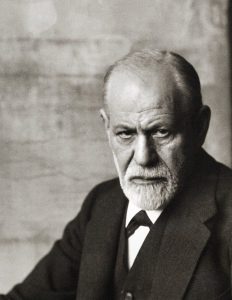
I never told anyone at home. That is the typical thing again. There was something of a certain speechlessness, or I simply didn't dare to tell it. But back then it made me, it frightened me very much and had such an after-effect that I once sat on a terrace like that with a view into the distance. And yes, I think I was 16. No, I said I was 17, exactly. And I thought, I'm going to write books one day. I have to get rid of this somehow. I have to carry it out into the world. Or I need a resonance to what I'm experiencing, because … So these are all stages on my path to eventually becoming a journalist and filmmaker. This questioning, this not understanding but wanting to understand, and things like that. Yes, of course. I once hung a note above my desk, a few years ago, it's still hanging there. And on it Sigmund Freud once said to a patient: if you don't ask why, wherefore and how, you will always remain like a child and others will always decide about you.
And I have the feeling that this is very topical again today. And yes, it is a wonderful quote.
Robert CibisWe should put it straight into the description. So we have a problem, I believe we have now described it too, in the way it hides or how it can also come to light. And the question is, how do we arrive at solutions? What attitude do we need for that? I have already understood one thing, namely that first of all you need the calm and the space to think and to experience yourself and to see what actually comes from me and what actually comes from others. That was the thing with the flower. But that is certainly not enough. You still have to do something in that space.
Christa GrafTwo things come to mind, let me sort them quickly. I'll take B. Yes, I'll take B, then. Something else occurs to me. There is a philosopher called George Santayana, from 1800-something. He once said: those who cannot remember the past are condemned to repeat it. That is also a sentence I like. That means it is somehow about remembering. It is about discovering yourself, wanting to understand yourself. So if I, I think the path is to want to discover and recognise and understand yourself. When I start to understand myself, I also understand other people better. That's what it's about, can I understand others, but I first have to understand myself.
Robert CibisThat is also something that annoys me so much, that it is supposedly such a taboo to compare anything with National Socialism. Because the reason for historical research is that you want to learn something from history. If you didn't want to learn anything from history, then you wouldn't need to deal with it at all. And if, if you make something absolute, then people say it is unique, it can't be compared. No, what has happened can happen again. And that is why you have to engage with it. Because if you don't engage with it, that is exactly when it can repeat itself. And when people are accused, I mean, I didn't do it, or did it little, that you now, what do I know, we have just named totalitarian language. That is perhaps a bit exaggerated. It is sort of repackaged. What is totalitarian about the current language, I think, is the infantilisation, for example. Yes, when you say just a little prick or something like that.
Or you address the citizen informally. And you pretend to know yourself, the authorities pretend to know what is good for the citizen. And not having to ask the citizen at all. I find that authoritarian, for example.
Christa GrafYes, that is making people small, treating them like a child.
Robert CibisExactly. And I find that, for example, it is a way of dealing with citizens that we know from the beginning of National Socialism. And that is why I think it is so important that we learn from it, because otherwise it can repeat itself. At this point, before I forget, I'd also like to say again that we have the possibility to answer viewers' questions. We are live. I hope the viewers have already noticed. And there is onlinequestions.org, where you can ask questions. Shortly, once we have come full circle, you will, so to speak, still have this possibility. Just for those who aren't thinking right now that this option exists. But now back to the...
Christa Graf…. Ah, exactly. I have, because earlier you also, because I mentioned protagonists, like the man who converted the bunker into a residential building. There are also other interesting young women. But I also have a Syrian family that I have become friends with in the meantime and followed up on a bit. And I also got to know a young Syrian refugee very well, and he is a really nice guy. And I wanted, I want to read this out, he had just come from the war, he had fled. So the people fresh from the war, the people fresh from the war also interested me. And I once asked him, for example, two things, two sets of topics. One time about fear, and he tells things so candidly, simply, and I find you understand so much again. So he tells me about fear, how at first, when a shell hit, he trembled with fear, Ahmed. His friends said to him, hey, what's wrong with you?
Are you a woman? That's how he described it to me. And many of these friends are dead by now, he added quietly. And then he said, at first you are afraid every day that you have to die. Slowly you stop caring about anything, even that you yourself could die. And then you also don't care whether you kill others. You have no fear any more and no scruples any more. You are without any feelings. That's how he told it, quite genuinely, straight from himself. That really did shock me. And that is how trauma comes about. This shutting down, closing off, so that you can go on living. So that you can bear it where you have to live, or something like that. I found that very interesting.
Robert CibisThat is incredibly important. I find the phrasing incredibly important. And I believe that someone who hears that, without what we discussed before, might not grasp how many wounds are created by him no longer feeling. That is basically what you think, you could now, if you don't think about it, you could think he's great, how practical. He is at war now and no longer feels anything, so he'll be a good soldier. And then the war is over, and he can be empathetic with his family again. In war you just have to be ready to die. Then you just have to be ready to kill. That's part of it. But what you are basically explaining now is that war always means creating trauma, and that these need generations of working through. That means we are not machines after all, but we resonate with each other. We only define ourselves through others. And if we no longer have contact with others and completely disconnect, then we create such deep wounds that our own pain system, the emotional pain system, is switched off. It is like people who have no feeling at all in their skin any more.
It can happen that they have deep wounds in parts of their body and don't even see them. And that is of course very, very dangerous and can even lead to death. And those are also hardenings in society, in life among people. Yes, and it is this switching off, which perhaps doesn't even, these are, I have to say something a bit cheeky, provocative now, it is like when parents lock their child up for a week because it was somehow tested, or then has a mask and … and protection and distance, and don't even notice how much suffering they inflict, because they themselves have repressed their own feelings, so that they no longer see them at all. So then of course in this situation the parents are victims too, just like Ahmed, whom you have just quoted. And then these victims, because they have destroyed their own empathy, so to speak, are of course the cruellest perpetrators. And then this suffering happens, which from outside you can't even comprehend, that parents torment their own children and then also say the children went along with it, it was no problem at all, I could lock them up for a week, it's okay.
So, I'm exaggerating a bit now, I assume that few parents did that, but sometimes it sounds like that when I hear the parents. Yes, exactly. Oh, of course all sorts of things come to mind again.
Christa GrafYes, to my mind you have also explained very well now what it's like. Yes, exactly. I have something more from Ahmed. Yes. He is a really smart guy. I met him again and asked him how he was doing. Yes, he's doing well. He was then a DHL driver somehow, and it's all managed here. And everyone at home is alive. I also asked how things are at home. Everyone is alive. And then he lists them. Yes, his sisters with their families. Yes, they are afraid every day, the sisters with the families. But you get used to the fear, he says there too. With the first dead person he felt sick for three days, he told me again about himself. And then he got used to it, it was normal. He worries about his parents. His mother had heart surgery. On the phone she always cries. His father is diabetic. His older brother has already been in prison a few times. He deletes the photos of Mum and Dad on his phone, otherwise it weighs on him, he told me.
He has to forget a bit, he says. And I thought, he is actually telling what is in the textbooks. In a very simple form. And it simply doesn't work with forgetting. That is also the thing with the photo of the mother with child that we looked at earlier. It doesn't work with forgetting. But people think it does.
Robert CibisI found that interesting. I mean, it is like when you are extremely badly injured, you then have no pain any more either. I've been told there is a threshold where you have such extreme pain that the whole pain system collapses. And that is then a survival function, so that you can still, for example, save yourself or find protection. And only when you are, so to speak, in rest-and-digest mode, that is, when you are lying injured in bed, so to speak, does the pain come. And that is a kind of survival aid, probably. Yes, that is actually brilliantly arranged by nature.
So trauma is a great way to somehow bear it and survive it emotionally. But it is actually never anything good. Yes, exactly. I mean, there is this saying, what doesn't kill me makes me stronger. But I think here you have to say that these wounds, because they are not processed at first, precisely do not make you stronger. They only make you stronger when you process them. And only when the trauma is no longer trauma but suffering, only when it is grief, only when it hurts, then it is good. Then you become stronger. But as long as it is repressed, it makes you weaker.
Christa GrafYes, exactly. And that is precisely the point. It causes pain. It just hurts to let something like that come up. Because you also asked about my way of processing it, some things really hurt like hell when you feel what is inside you. I was once in Rwanda as a filmmaker, ten years after the genocide, I made a report for Arte. And I proposed the topic. Why did I want to go there, I ask myself today. No, I don't ask myself any more. It's clear, I would say. Trauma. So … Two things are perhaps interesting. I met a German doctor there who ran a clinic and who was there during the genocide. And she told me that when everything was really terrible, guys came into the clinic with their rifles. She stood there with nurses, they came at her with the rifle. So basically the end.
And then she said to them: bonjour, monsieur. And then they put down the rifle and she held out her hand to them. And then they put down the rifle and shook her hand. Then they picked up the rifle again and left. She was also a trauma therapist. And she explained that the human being is, these people there with the rifle, they are actually not themselves. And the moment personal contact arises, when people look each other in the eye, something happens and then they are back.
Robert CibisIt's good that you describe it like that. That is also helpful, because I am now thinking of these boundless disputes that people also experience on social media, for example. I have seen people, and myself too, argue about what is right or wrong. You notice it is not about the matter at all. I also sometimes had the feeling we are not ourselves. I mean those who are arguing now. And then I imagine that a dispute like that in real life of course has more potential. And this building of contact also has more potential, even though of course I have experienced and observed and been told that this doesn't solve all problems in one meeting, probably not even in five meetings. But it perhaps has the chance to bring about small movements. So I believe it is very decisive to be in contact as directly as possible from person to person. And to get out of this isolation, which on the one hand the media and the means of communication cause, and on the other hand of course out of the isolation that now distance, masks and who knows what, or war and politics and no idea what, cause.
Christa GrafYes, that is somehow, what I am saying is perhaps banal, but you have to keep reminding yourself of it. That, yes. And then he just … into the air …, an order, he just obeyed. It didn't do anything to him psychologically. And then once he shot a Palestinian at close range, who was then seriously injured. And the Palestinian looked him in the eye at that moment. And he can't forget that look, it haunts him day and night. He has been drinking ever since. Alcohol. Alcohol. He has to drown it, and he has already done therapy. He says he can't bear that look. So this anonymised doing, or else in contact with a human being, what happens in close contact, that makes a difference.
But back to Rwanda. It is an incredible country. You see these people with their disfigurements, physical disfigurements. You see scar wounds, a leg, an arm off, who knows what, notches, whatever. A great many people walk around like that. And also these looks of the people, these eyes, like broken gazes or something. Anyway, I was somewhere there once, there was a small gathering, mostly women, they sang and prayed. Very moving, this singing. And suddenly I had to cry out of a depth. I don't know myself like that. I've cried somewhere now and then, heartache, or my mother scolded me, then I cried now and then, that's it. But otherwise I didn't actually cry much. And then something came over me from deep inside. I think for at least an hour, I couldn't stop it. A very deep weeping.
And I thought about it a lot afterwards. There must be something in me, that deep, old, inherited wounds and pain from these war experiences, ones I don't even know, from grandparents too or other relatives, that they sit somewhere in me too and moved me like that. Well, but now we were actually in the middle of, does everyone have to, I mean looking for the solution, and does everyone have to find their own way?
Robert CibisOr how can you prevent it at all when you are at war? You already said a few things. For example, if the widow, your mother, had gone to the place, she would really have done her work of mourning, she would have talked about it. If she had resolved to talk about it. That is of course difficult. It is of course difficult to talk about it. But there were people who could do it. But if you do it, it is, well, first of all you have to want it. And if you then want it, you can perhaps also manage it. But if you don't want it, because you don't recognise the problem as such, then it only makes the problem bigger.
Christa GrafOr are afraid. I could imagine that she was afraid, the way my mother was, that she was afraid of endangering the new family, of hurting my father, that she was still so attached to the old life. And out of a kind of rationality: over, and start anew, a new beginning. That was also an attitude back then, at that time. A new beginning in a new era. Something like that was perhaps more her thinking than: this is good.
Robert CibisYes, that is of course understandable. And the question is whether you have to say, everything in its own time. What do you do when there really is destruction, for example? I mean, I don't know what the situation was specifically for your mother after the war. But if I now imagine, for example, a mother here in Berlin after the Second World War, the houses are destroyed and there is so much to rebuild. Then the first thing I would say to her would not be, go and do therapy. Instead you just have to get stuck in. You just have to find a solution. First of all you have to organise something to eat. So that life goes on. You have to organise something to eat, organise somewhere to sleep. It's all very, very banal. And once that is secured, then you can do therapy, talk about it and write a book and so on. Yes, absolutely. But, well, sometimes you can perhaps do more than you think you can. Because many people think, they have this existential fear that is often unjustified. Because it's all not so bad after all if you lose your job or take a sabbatical or lose a client.
Then it usually goes on somehow. And then you can take the space we talked about at the beginning of the programme.
Christa GrafYes, people are also different. In their strength, in their possibilities, that's how it is too. For example my father, since we were talking about my mother, who was somehow quite nice, but somehow so hot-tempered, so sudden. Which frightened me a lot as a child. And I once heard that this is a well-known phenomenon in men who were soldiers and experienced something they could never get rid of. Then something built up there and, when something like that was triggered, it broke out with this hot temper. I could well imagine that with him, because supposedly nothing was ever that bad in what he told. But he died, he was already old by then, he was 81, of a stroke. Suddenly something burst in his brain, ping, it was over. So he didn't process anything.
Robert CibisAnd what would you now say to, for instance, those responsible, or let's say people who want to take on responsibility? We know what those responsible are doing. But let's suppose we say, and I have to say this quite honestly for once, I actually wanted, I didn't start my professional life saying I want to make Narrative programmes and produce other programmes that are weekly, I simply wanted to make films. And I had the feeling that the big media houses, the big broadcasters, were sabotaging themselves at the start of the Corona crisis. What they do has nothing at all to do with the public-service mandate. A vacuum has been created, and for me it was a double situation. On the one hand I felt it as a duty, so to speak, or as a responsibility to say, we have to try to fill this vacuum somehow. But on the other hand it is also an opportunity, where I say, great, now we can make a programme like this ourselves.
I also enjoy it, I get something out of it too. It's not as if I only do it because I'm being whipped into it, it's also fun. But I would never have come up with it without having seen this problem. And with that I have the feeling that we, above all my colleagues and I, have come into a position of responsibility. And suddenly we have considerably more responsibility than we had before this crisis. And that's what I mean. You can basically take responsibility and then try to counteract. Or not only counteract, but also build something that is perhaps less traumatising. … Yes, of course. You described that so beautifully. Trauma arises because you don't discuss something, but it is there somewhere. And we have to manage to get into a situation where the wound hurts again. We seek out the pain. That's also how it is with this Narrative programme. We don't talk about the things that are going well. We talk about the problems, because otherwise we have no story.
Christa GrafYes, and understand something, so that people can identify with something or then don't feel left alone. They watch it and think, ah, that's how I feel sometimes too, at least sometimes. I also know it from when I was in company somewhere and talked about it, that younger people liked to listen and then somehow said, ah yes, that's right, with me it's, oh, that interests me. Or so, open something, simply open something. So I also have this, what do I mean also, yes, fate, I wanted to make a war trauma film, first for 3sat, where I have already made quite a few films. The editorial team reacted really well, great, it could become a story. And then the message came to me in writing that the film may not be made, because the management currently wants other social topics. Full stop.
Robert CibisI believe that wouldn't have happened in 1980 or 1990, would it? No, of course not. Because that is an absolute centralisation of the editorial lines. That is also a tendency I was able to observe at the broadcasters in general, where the editor has less and less say.
Christa GrafAnd other social topics. Well, I don't know how I interpret it. I just had the feeling... That
Robert Cibisis the topic we are talking about now.
Christa GrafWar trauma. War trauma, yes. I offered it as a longer film with the working title: when the war is over, there is still no peace for a long time. And my thought on it, maybe I'm interpreting it wrongly, is this: perhaps people aren't supposed to think so much right now. Or especially about war or war traumatisation or themselves or so. Well, rather... People... People... Grit your teeth and get through it. Grit your teeth and get through it. Or a bit of stupidity.
Robert Cibis…, stupidity if possible.
Christa GrafYes, exactly. And then it was the same with Arte. My Memory Books film was shown on Arte. And then I, a production company offered it to Arte, this script too. And the editor there was really enthusiastic. The conversation we had on the phone was great. And she hoped for me, she wished it for me, that it would again be a 90-minute feature-length cinema film. And she stood behind me and said that if it didn't work out, you never know, she would give me a 60-minute slot. Yes, and then suddenly there was the conference, I somehow didn't hear anything more. No, no, the 90 minutes were rejected. And then I said, fine, then let's do 60 minutes. No, no, no, we're not doing anything at all. That was only recently.
Robert CibisAh yes, I mean with the management, not that, I'll correct myself if I misunderstand. There are editors, those are people who look after and are responsible for individual programmes. And then there is an editor-in-chief's office that is responsible for whole slots, so to speak. And above that there is a programme directorate that is responsible for the content of the entire programme, so to speak. And then above that there is the management, which actually has nothing to do with the programme, but only takes care that the finances are right and the processes are good, that there is a kind of flow in the processes. That is the goal of the management. So if they interfere in the programme, that is illogical. That would be, so to speak, that's not how it's meant at all. It is a bit as if the Chancellor did crisis management, that is not her job. Yes, there are experts for that who know how to deal with this or that specialist question. Whether it is because there is a power cut or we have an epidemic or whatever. In any case there would have to be a crisis team in the relevant department that is responsible. That's a silly comparison, but not quite so silly.
That's why I stress it at such length, because for me it is a stark indication of what we have here. Because it means that decisions are pushed through from top to bottom. That means that through the entire hierarchy of a big structure all the people are basically castrated. Normally an editor is already very, excuse the language, pissed off if the editor-in-chief then doesn't want the project or something. But if the programme directorate then cancels something, that happens extremely rarely. That has never happened to me at Arte. That is the programme directorate. Even with the editor-in-chief's office it sometimes happens, because topics overlap or something. That they say, we just had that, you didn't know, the others are doing that now too, or something. That happens of course, but this is an infantilisation of all the employees in these structures. It is a politicisation of the topics that results not only in an enormous concentration of power, but also in enormous inefficiency.
That means that all the people there only think about what the boss wants and don't even think for themselves. Yes, that's terrible. That is of course, then you also have people who no longer work and try to understand what is happening. Instead they are only people who process things or leave or resign. Yes, and that is, it goes, I hope that this isn't true for everyone and everywhere, but of course I have heard stories like this several times now, not only at the broadcaster you are talking about. Yes. Yes, a pity. That really is a pity. I'll just quickly say something, can you read out something else? I just have to get my phone for these questions.
Christa GrafI have to, I forgot to put it down here. One second. I'll read something else. Yes, okay. I'll go right back to my parents and my discoveries. And I have a wedding picture of my mother and my father in front of me. And I see that my mother is wearing a dress whose front is white and whose back is dark. As if the shadows of the past were there behind her. She sewed it herself. With a bouquet of chrysanthemums in her arms she marries my father in her second marriage. Her first husband had been killed in Tobruk. Chrysanthemums are flowers of love and of death. And I once wrote in my own diary: my parents' wedding date, 16 December, later becomes my own divorce date. Not chosen by me, but set by the court.
And I go on my honeymoon to the place of shadows. I've already told that. And it is said that war traumas continue to have an effect in family systems and are taken over by the next generations. No, I wrote that like that in my film script. And what I would also like to read out is, I already kept a diary as a child. And actually I have kept a diary my whole life. And I have brought the diary with me, because I have kept everything. On 6 January 1960 I wrote in my diary, I was twelve years old then: Today was the holiday of Epiphany. Mummy was very nasty to me, especially in the morning, without my knowing why. Today I know that in January, 20 years earlier, there was a tragic event at the beginning of the war. In January 1940 my sister died as a little baby, shortly after birth. I haven't told that yet either.
My mother's first child also died. Three days after the birth it stopped breathing. My mother told me it was all the shock, the fear in the war. And she never told me that either. I was already a young girl when my mother told me that she had already had a child once. You have to imagine that too. But of course this tragedy was inside her too. And that I went to pieces as a mother with my first child, I believe something like that came from there too. My own mother with a dead child, when she held me in her arms, she held me as a living child in her arms, and the memory of the dead child was there too. So I think quite a lot.
Robert CibisAnd through this double loss there is also an intensification of the pain. Because a repeated pain is then probably not, I imagine it like this, that it is then not only twice as bad.
Christa GrafMy mother was also like that, she had lost the child, she had lost her first husband, her mother had already died before that, and her brother died in the war, and her uncle and aunt were killed in the air-raid shelter, and so on. She had so many dead people around her. She experienced so much death. And when as a child I somehow dashed off, the way a child likes to run off, or later as a young girl I went somewhere, travelled somewhere, she always somehow waved after me and always: when are you coming back? Ah, you are coming back. Yes, bye, when are you coming back? And I thought, is she mad or what? It weighed on me. But that is rather loss, pain, rather the experience that people were gone, were dead, over, finished, never came back. Yes, that was it too. And in this context, at the age I was then, we all, we schoolgirls, at least we friends, all kept diaries or started keeping diaries. We identified with Anne Frank. There was The Diary of Anne Frank, and we also saw it as a film, and then we all kept diaries.
But today, when I reflect on it, I find it remarkable. She was a young girl who died at 15 in a concentration camp. And she was our role model. That was the kind of girl we identified with back then. And at school nobody talked to us about it, and our parents didn't talk to us about it either. You were left very much alone, identified with a girl like that. That's also part of my life.
Robert CibisUnbelievable. Yes. Unbelievable, yes, that is, you can carry a lot on your shoulders, I mean. And there is a danger that I also see, which is that you have a kind of problem talk. I'm talking now as someone looking from outside, that it is precisely not processing, but naming the problems, which you then paint out, paint out, paint out. And then in the worst case, that is my fear, you get into it and you see the drama here and the drama there and there and so on. All the wounds you have dragged around with you. So the question is, how can you process this pain without sinking into it? You surely know that better than I do.
Christa GrafYes, well, I think it is a process, it is a long process. Things don't all come up at once, you discover a little something here and a little something there. You then discover connections, then you are somewhere again where you can have conversations about it, where you then start to get to know yourself a bit better, your weaknesses, or why you react strangely somewhere. And then you also discover your strengths, or learn that you are allowed to like your strengths after all. Something like that, so both. You open up a wound again, but you have also closed one a little or come out of it stronger. I believe you also only allow what you can bear.
Robert CibisThat is, I think, what I like about your description, that you really always sought action, doing and not just talking. That really is, I believe so, also from my own experience, that it has an extremely great therapeutic effect, for example making this film in Rwanda, at least that's how I imagine it, or making this film with the African mothers who think they will soon die. Those are simply processes of working through, because you are also doing something. You are in the active role. In that situation you are not a victim, you confront it.
Christa GrafI look at it, yes. What I think is also important is that the therapeutic possibilities or methods have changed a great deal. Trauma therapy, we know a great deal by now. And people also talk about how human beings can change a great deal simply through thoughts, through a certain awareness that they create for themselves. And people should not get stuck in the trauma or the pain, in the drama, but should think about what they can make of their lives, what they want to make of their lives, who they are, what gives them joy, how they can shape their lives. And that should be as thoughts, pictorial thoughts, that's what they should be. And in this way you can strengthen yourself a great deal and climb out of these trauma grooves. Today we know that a great deal can be done there.
Robert CibisYes, I'm also asking because I have just skimmed the questions. And there is one thing, for example, someone said, yes, shouldn't we bring many more lawsuits, file criminal complaints against those responsible now in the crisis, the ministers for example and so on. Is that processing trauma, or is it more of an escape?
Christa GrafWell, I'll just say from my gut feeling that it somehow goes against the grain for me. I have the feeling that the goal of processing trauma is actually that I come to peace, to peace with myself. And with that I also come to a peaceful attitude towards others. I do think that holding people accountable is something important. But this combative thing, the others, that is war again too, isn't it? The others, the others. Then raising yourself above the others. Yes, it achieves nothing.
Robert CibisI think so too. Holding to account is something different from. I think the decisive thing is to say to yourself: the end does not justify the means. Rather, there is no end either. There is only a way of living and acting. And actually the means are life. So this idea that you may cross all boundaries for some higher reasons is in itself already war. It is in itself already violence of people over people. And per se pure creation of trauma. And if you now say, we have to sue the minister, no idea what, Munich, he should go to jail and so on. Maybe, maybe not, I don't know. In any case it is our goal to say: stop, we won't go along with this. That is the model we need. And this catharsis through violence is not constructive.
You basically just said that. It does you good when you are violent, because it has something releasing about it. But it also does you harm if you don't really engage with your own pain and don't find peace as a result. Because violence produces violence, violence is contagious, just as pain is contagious and joy is contagious. We have to decide which pathogens we want to chase through society.
Christa GrafI think being a role model is something good, for example. Not doing that, but showing another model, showing another attitude, being a role model. Yes, here too is basically the same question, phrased differently, from another viewer.
Robert CibisI'll read it out anyway, although we may have just answered it, but maybe you'd like to add something. Oh God, now I've closed my own window. Now I've lost everything, I can't. One second. So: why do so many doctors go along with it? Profiting from possible suffering against their better knowledge? Please, what can I as a citizen actively do to stop this cruel, inhuman situation? Demonstrations don't really work. Have we already answered that? It makes sense, yes. I don't know either. I can ask the next question. I think the question is perhaps always the same. The Ukraine crisis has shown me that no fear at all is needed among the people. And yet hardly anyone dares to think. Won't some catastrophe be needed after all? A collapse be needed? … I think those two questions are enough for now. Yes, these are all questions about current events, aren't they?
Christa GrafSure, sure. So basically the question of how everything can be good again.
Robert CibisI think they are very good questions, because I think the overarching question is what we can learn from what you are telling for today. And what you just said: being a role model, bringing peace into the world that the others want to take from us. Fighting the war within just as much as the geopolitical one, because it is the same. In the small is the large, and in the large is the small. Yes, I think that is a decisive insight from the conversation for me today too. Because sometimes, …, people who don't feel the war within as strongly as the outer war. And of course it is important then to see that it is everywhere.
Christa GrafYes. And that you start with yourself, ultimately start with yourself, take a look at yourself and be a bit honest with yourself and allow feelings, allow feelings, especially in these times. And when I then understand myself, feel myself, perceive myself, then I again have a better understanding of others, and that is a path. And then, when I am friendly, peaceful, I also contribute to others perhaps becoming more peaceful and so on. So ultimately it is about peace and about love, about love for yourself and about contact with other people and about things like that. Yes, that is interesting.
Robert CibisBasically you are saying no to the last question: won't some catastrophe be needed after all for things to get better? So doesn't everything have to get really bad for it to get better? And basically you say no: the worse it gets, the worse it gets. And the longer it takes until it gets better.
Christa GrafNow I have to think myself about what you are saying, what I am thinking here, what I am saying. I'm tying a triple knot here too. Yes, sometimes something has to collapse too. In my own life it was like that, I was at a point where I had the feeling I can't go on living like this. And then the feeling also arose that I have to do something. It was like a collapse too, which then brought me to engage with myself. In that respect the thought that something has to collapse is not generally wrong,
Robert CibisI would say now. I don't know what it referred to either. It may refer to individual people, but more probably to society. But I think you can draw comparisons there. In history we often have societies that collapse and then have a new system. But I mean, it is not the easiest path. Yes, it goes almost a bit, you would almost have to think a bit more in another direction and consider and have conversations. In any case it is about protecting what is to be protected. And we have a situation where you can do more than you think.
Christa GrafYes, and every single person at that. That's always the thing. I don't have to wait until the others. I can simply develop a certain attitude towards life and thus also towards people. And I can start by ending the war in my own family, or something like that. The conflicts, dealing with conflicts differently, in my own sphere, starting small. That already has an effect on the large scale too. So if everyone looks at themselves and looks at the small family sphere and changes something, if everyone does that, then we have peace. I think so too.
Robert CibisThat is nice and well said, because many say you can no longer talk to the other side. There is no possibility of contact. My parents said they are no longer. A woman told me recently, …, because she refused to get vaccinated.
Christa GrafSo that is war on a small scale. And that is war.
Robert CibisEverywhere. That is war. This non-communication is in itself already the acting out of a trauma. Basically repression. And it just has to be overcome. And the bad thing is, you can't win it. The war would not be won if the daughter killed her parents. Sorry, I don't mean it like that. You can't win it by force, is what I wanted to say. You can't win the war with violence; on the contrary, you can't overcome the war. It's like this: we can't end a war by delivering more weapons. I do understand the logic. The logic is that you want the other side to suffer a defeat, militarily. You want to have better arguments and so on. But that is no solution. Because another's defeat does not make you a winner. Yes, the suffering of another makes you. I think that is something people also underestimate. Because what do we have, what does anyone gain if someone else dies? Or if, I think that is also a fundamental problem of the power structures we often analyse in the Narrative programmes.
Power structures have something inhuman about them, because people exercise violence over people. People try to turn others into slaves, or at least into bondsmen, or to get them to do something they don't want to do at all. Object. Yes, and it has something objectifying about it. But people don't want that. That you are basically fighting against something you have to dominate the whole time, but which doesn't actually correspond to nature. And I imagine that is incredibly exhausting for everyone involved. So I believe that this only works well in the very short term, if it is really violent. But I don't know. Another question comes to me, there are many more questions, but does the term old souls mean anything to you?
Christa GrafOld souls. It sounds beautiful, it sounds wonderful. Yes, I think that is about the topic of rebirth or incarnation, things like that. I don't know much about it, but I find it beautiful. I find the thought beautiful that the body passes away at some point but the soul lives on. I imagine it to be like that. And then the energy incarnates again and becomes human beings again, roughly like that. I can't say much about it now, but I find it beautiful.
Robert CibisHere is a comment: peace, non-violent, start with non-violent communication. Our politicians have to learn that. We can only plant it in our children. Well, you can also plant it in other people as a role model, is what I would comment on that. I'll read on anyway. Is this a new point? How is the trauma that people will experience, when they realise that, just like their ancestors under National Socialism, they fell for malicious, exclusionary propaganda, to be overcome?
Christa GrafYes, everyone does that according to their means. I don't think you can say that in general. Everyone has had a fate or has experienced something. Everyone can somehow process it, overcome it according to their means.
Robert CibisYes, what is interesting is that this is described here as painful, that you have to learn that you were wrong. And that is a kind of, how should I put it, a self-image that falls apart.
Christa GrafShame is also a term that plays a big role in traumatology. Shame is an aspect of trauma.
Robert CibisFunny, another comment that we probably don't need to answer either, but I'll read it out anyway. Do you know this too? It always helps me to do something and not freeze like a paralysed mouse before a lion. Also thinking about what I should do now, at full speed, that thinking helps too.
Christa GrafYes, that is great, wonderful. Yes, what to do.
Robert CibisOh, the masses have to take to the streets. Above all in front of the Bundestag. Yes, I don't know. That is, I assume this is now a call to demonstrate. But I believe the decisive thing is what you have just said, that you work on the rifts in your own surroundings, but not only that. Everyone has a lever too. Well, you can, not everyone. Yes, they do, for example the baker who sells you bread rolls, from whom you, the bread-roll sales specialist, that example. She has daily contact with many people and is in reality a multiplier. She too can, for example, seek contact and talk about topics and the building up, and better than people who aren't in contact with so many people. About herself, yes, simply her ideas too, or so.
Christa GrafBut I have also found that when someone thinks completely differently, when you really notice it, yes, someone simply has, in relation to the present time, a completely different attitude, that you also manage to let the other person be. I had to learn that. At the beginning I was in such a mood and thought, …, I have to tell them, I wanted to tell my sons how things are, and sent them lots of links and so on. And then I noticed, oh, that's not good for our relationship, and I held back again, and I simply accept it, or sometimes we simply leave conversations be. Not everything has to be discussed.
Robert CibisWouldn't it be better if you disturbed them even more? Disturb my sons?
Christa GrafYes. No, I've experienced it. It creates confrontation and tension. It gets you nowhere. So it's a question of the dose, yes.
So I hold back completely with the children. I love my children very much and I want to be on good terms with them. And I found out that it is best when each one lets the other be. I don't want them to criticise me for my attitude or try to teach me something either. They also once brought me books. So, now I'm supposed to read, or something, I noticed that's not my thing. No, there is also something where you should let the other be, I think. And then at some point you tend to come closer again, if everyone can take their own path of thought. So that is my experience now, I have to say.
Robert CibisYes, so apparently you have to, where you already have a basic resonance on the topics, there you can perhaps discuss the sensitive topics, even if one person has a different opinion. Then there are people with whom you would get into a kind of confrontation that isn't constructive at all, and then you have to let it be. You just have to see in which direction it will go if you keep pushing it.
Christa GrafYes, for me it is also a kind of respect that I then let the other person be when resistance comes, and notice that the other way round I would like the respect too.
Robert CibisYes, here is another comment, I'll read it out of my own accord too. Much of what you say I have experienced similarly. I re-experienced the trauma of my great-grandmother, the loss of her husband as a 23- year-old mother of a baby, not even war. Well, I don't understand the last sentence, but fine, I think that was just a comment on it. So many questions remained open that I could no longer ask my parents. Can you recommend a family constellation? Yes,
Christa GrafI can. It is definitely exciting. It doesn't have to mean that everything is resolved immediately, yes. But it is an incredibly exciting experience in which you also get to know yourself again or learn something about the family dynamics that you didn't know before. And it is a path. Perhaps not just one, perhaps do another one or so, yes.
Robert CibisInteresting. Yes, well, I think we have come a long way round, and what I believe, for myself I have two big conclusions from this conversation. One is: nothing comes from nothing. Repression leads to even more repression. And working through leads to even more working through. Those are directions in which you move yourself and your soul. You have to know which direction you are currently going in. You can't just quickly repress this and then that and so on. It just keeps getting more. And once you start working through it, it is a marathon. But yes, it sounds like a woman who has a certain wealth of insight and of depth. And I actually explain that to myself with the journey you have just described.
And the second thing is also what we mentioned at the beginning, that it really is about knowing who we are. And what I have found philosophically is that the discourse of the technocrats, let's call it that, let's say of the generals, the software developers from Silicon Valley, that is, of the corporations, of modern neuroscience, of the sciences in general, in biology, describes the human being as a very complex machine, with an inner causality that may not yet be fully understood, but soon will be, if one only knew these or those enzymes and these neuroreceptors and transmitters and so on, if one knew all of them, then one would have a total causality and could comprehend and calculate everything, if only the computer had enough computing power. Then you could, so to speak, simulate the human being as a whole with all emotions and rules and perhaps even have something equivalent once the machine was finished.
Perhaps not biological, but silicon-based, but in principle the same. So, this idea is there. And the idea basically also means that we are only dead matter that has been built into a machine. As we know it. They also have, we also need energy and can look for it ourselves. There are also robots that can recharge themselves in the sun. And that this image leads to us being able to lose our dignity, that this image leads to people saying, you are a machine, so I can turn you into an object. Then I can also say, let's see how we keep this machine in check, how we manipulate it, how we nudge it to where we want it. That is then only logical. Because from the idea of a soulless machine to the idea that it is completely legitimate to subjugate other people is only a small step.
And everything you describe is the opposite path. The opposite path is: there is something inner, there is a self, the self has its dignity and its self-image. And you have to find it, you have to see what of it is acting on us and doesn't belong to the self at all. We also have to build up the self, but there is also a basis, and the basis is somehow innate or inherited. We are in a big universe of countless vibrations that can come into resonance. And that is how we can also inherit traumas. And this insight and this dignity is a way to understand a technocratic agenda and to resist it. And it may even be the only way. Yes, very nice.
Christa GrafAnd reassuring, the way you say that. Reassuring. Yes, well, it reassures me.
Robert CibisWell, then I can sleep well tonight. And I think, I think, so to speak, that all of us together have to keep setting out on the path, going this way, inwards to our self, outwards to a society in which people can come into contact with people. And the nice thing is, it is a path of disempowerment. Because if we go this way, others can have no power over us. Yes, it is a path of decentralisation, of democratisation, of the individual's participation in society. Of self-empowerment. Exactly, of self-empowerment, exactly, that's a good word. And then it does, insight has to do with power. Because insight is power. Self-knowledge is self-empowerment.
Christa GrafIn a good sense, a power in a good sense.
Robert CibisYes, power is the possibility to make a difference. Power is the possibility to be active. And that is obviously a goal you have set yourself. And it is quite certainly a goal I have set myself. And my colleagues have set themselves the same goal. That is also the goal of OVALmedia. Yes, now I have to emphasise that again, because we say we are a social project with the goal of helping people to empower themselves and take their lives into their own hands and participate in society. And that is basically the big project of democratisation and a kind of resistance against subjugation.
Christa GrafYes, I am also very happy that I can be here, or could be, for the conversation.
Robert CibisOf course I'm happy that you came. Thank you also for the effort of travelling all the way from Munich. I also thank the viewers for having joined us here. Would you like to add anything?
Christa GrafNo, I've said the essentials. I may think of a few more things later, but that's normal.
Robert CibisLet's put it in the description. That's normal. So thank you very much for watching, and in resonance with what I have just set out, I would like to ask you viewers to support us. We need it particularly right now, because there is a kind of summer slump, we've noticed. We have fewer viewers, we have fewer supporters than a few months ago. And yet we still have a lot planned. We need the space, and it doesn't take that much. It just takes many. Yes, that is also what I keep saying. There are some people who were really generous, they gave us large sums. But above all it was striking how few, how few people have still given us something. And they think, well, one euro doesn't matter. So, that is just the problem. Basically it is much simpler if those who would like us to keep making programmes simply transfer two euros a month to us, or three, then I believe we would have a more relaxed life. Yes, so I wish you a nice evening, and next Wednesday is the next programme. Bye.
Robert CibisMein Name ist Robert Cibis und ich bin ganz froh und stolz, hier mit Christa Graf zu sitzen. Sie ist wie ich Filmemacherin. Wir haben sogar für dieselben Redakteure und dieselben Redaktionen gearbeitet in den letzten Jahrzehnten. Nur hat sie andere Themenschwerpunkte gehabt und einen ganz anderen Blick. Und in den Vorgesprächen habe ich schon ziemlich viel gelernt. Nicht nur über das, was Christa Graf selbst erkundet, sondern auch über uns, über mich, über das, was unsere Gesellschaft ausmacht. Denn wenn man sich mit den Traumata beschäftigt, dann ist es im Grunde das, was ich finde auch für uns, für OVALmedia eigentlich die Antriebskraft ist. Denn es geht ja darum, dass man Sachen versteht, Zusammenhänge erfasst und dadurch mächtiger ist, in dieser Gesellschaft zu wirken und wirklich was zu bewegen, sie mitzugestalten, sodass man nicht nur ihr Sklave ist und das Rädchen ist, was funktioniert in dem großen Getriebe, sondern dass man eben teilhabt. Und diese Teilhabe ist was sehr Positives, ist etwas Schönes. Aber um nicht, wie du das eben so schön gesagt hast, Kind zu bleiben und nicht weiß, wovon man eigentlich gesteuert ist in seinen Entscheidungen im Alltag, aber auch in den großen Entscheidungen im Leben, damit man das weiß, muss man den eigenen Traumata in die Augen schauen.
Viele wissen das, aber was sie vergessen, was mittlerweile auch ziemlich offensichtlich ist in der Psychologie und für viele andere Menschen auch, ist, dass es nicht nur die Traumata sind, die wir selbst erleben, die unsere Entscheidungen indirekt oder unbewusst beeinflussen, sondern es sind auch die Erlebnisse unserer Eltern oder unserer Großeltern oder unserer Urgroßeltern. Es gibt quasi ein Erbe, ein Erbe der Traumata. Und das tritt in Resonanz mit dem, was wir erleben, mit dem, was heute ganze Gruppen erleben und so weiter. Und ich glaube, dass es für uns Deutsche insbesondere eine ganz große Aufgabe ist, sich diesen zu stellen. Denn ich glaube, sonst werden wir auch mit den aktuellen Herausforderungen der Krise, so muss man es sagen, in der wir immer noch sind, sonst werden wir mit diesen Herausforderungen einfach nicht fertig. Deswegen bin ich ganz dankbar, dass du heute hier bist. Und bevor ich dich zu Wort kommen lasse, vielleicht noch eine Sache. Das Schöne ist, an der Herangehensweise, die du hast, dass du über das ganz Persönliche wirklich die gesamte Gesellschaft erklären kannst.
Also man muss gar nicht abstrahieren, sondern kann einfach auch ganz nah an sich herangehen. Und diese Haltung gefällt mir natürlich sehr gut. Und ich glaube, wenn das viele Menschen täten, dann wären wir viel stärker, hätten viel mehr unsere eigene Mitte und würden auch so viel Kraft haben, so viel Kraft haben, dass niemand mit uns machen kann, was er oder sie will. Ja, also jetzt mal, wie kam es denn, dass du dir bewusst warst, dass ein Trauma ein Problem sein kann? Ja, also du hast ja schon ganz viel gesagt.
Christa GrafIm Grunde ist es ja noch schon vorbei, ich weiß.
Robert CibisIch habe das zusammengefasst, was du mir erzählt hast, aber ich glaube, das kann man noch ein bisschen aufblättern. Ja, kann man. Also ich will gleich mal sagen, es ist gar nicht leicht,
Christa Grafvon sich selber zu sprechen. Also meine Filme bisher, die waren halt über die anderen Menschen, wie man halt Filme macht. Und irgendwann hatte ich den Eindruck, ich brauche bei dem Thema Kriegstrauma Weitergabe an die nächsten Generationen, ist das, was mich beschäftigt. Nicht nur mein Kriegstrauma, sondern dass es einfach weitergegeben wird, wurde an mich, obwohl ich nie im Krieg war und weitergegeben wird an meine Kinder, Kindeskinder und so. Und ja, ich habe erst Konzepte gehabt mit Protagonisten einfach. Und irgendwas hat sich dann entwickelt, dass ich mir gedacht habe, ich brauche gar nicht nur die Geschichten der anderen Menschen erzählen, ich habe eigentlich genug selber zu erzählen. Und das ist sehr schön, aber auch nicht leicht, muss ich ganz ehrlich sagen. Ja, toll, dass du es tust. Ja, es ist nicht leicht. Auch hier, auch hier in der Sendung ist es nicht leicht.
Robert CibisNaja, wenn es leicht wäre, dann müssten wir dich ja nicht extra einladen.
Christa GrafJa, okay. Dann kann das ja jeder machen. Nein, wir machen ja nur schwere Sachen.
Robert CibisAber jetzt erzähl, also wie kam es überhaupt zu dem Thema? Wie kommt man zu so einem Thema?
Christa GrafAlso im Grunde zieht sich irgendwas durch mein Leben schon von Kind an, so muss ich sagen. Und es gab auch Auslöser, wo es mir mal sehr schlecht ging. Das kann ich ein bisschen später erzählen. Aber von der Arbeit her, vom Filmischen her war es so, dass ich 2008, das ist eben jetzt auch schon eine Weile her, einen Film gemacht habe in Uganda, der heißt Memory Books. Und da schreiben AIDS-kranke Mütter Erinnerungsbücher für ihre Kinder, weil sie wissen, dass sie nicht mehr so lange wahrscheinlich leben werden. Und das ist ja schon mal so was. Also die Mütter erzählen den Kindern, schreiben für die Kinder auf die Familiengeschichte. Also dass die Kinder, wenn sie dann Waisen sind, wissen, woher sie kommen, wer die Familie ist und so. Und das hilft Kindern, Menschen zu wissen, wer bin ich, woher komme ich. Und auch die Auseinandersetzung, dass die Mutter da sitzt und das erzählt. Und das war dann was Spezielles bei mir, dass die Mutter so ehrlich ist, dass die Mutter den Kindern die Wahrheit sagt. Dass sie sagt, ich bin krank, der Papa ist schon tot und ich sterbe auch vielleicht bald. Und dann seid ihr allein, ohne Eltern, seid ihr Waisenkinder.
Dass sie das sagt, dass sie das ausspricht. Und diese Ehrlichkeit, diese Offenheit, sowas zu sagen, die hat mich irgendwie sehr berührt. Und das scheint irgendwas in mir zu sein, was so zündet in mir. Jedenfalls als der Film dann zur Premiere in München, der im Arri-Kino gezeigt wurde, und wir auf der Bühne halt dann ein bisschen erzählt haben von den Dreharbeiten alle, dann habe ich wie, ich möchte fast sagen, wie ferngesteuert, habe ich plötzlich zum Publikum gesagt, Kinder wollen immer die Wahrheit wissen, auch wenn sie ganz schlimm ist. Und das ist im Grund, das kommt aus meiner Geschichte, dass ich so aufgewachsen bin, also ich bin zweieinhalb Jahre nach dem Krieg geboren, habe keinen Krieg erlebt, aber ich bin so aufgewachsen, dass ich gespürt habe, irgendwas ist da, irgendwas wird da nicht erzählt oder falsch erzählt oder verschleiert oder soll nicht raus, soll man nicht wissen oder so irgendwas. Und das hat mich als Kind immer, immer beschäftigt, wenn ich zurückdenke. Ich habe gesucht, dann im Schreibtisch von meinem Vater, ich erinnere mich ganz genau, ich weiß nicht nach was, nach irgendwas habe
ich gesucht. Und ich habe dann mal Unterlagen gefunden, meine Mutter mit einem anderen Nachnamen und habe nicht gefragt. Das ist das Wesentliche, da war eine Atmosphäre, Fragen waren nicht gewünscht. Kinder spüren das. Und ich kann auch dazu erzählen, meine Mutter, die hat oft geweint, einfach so. Oder wirkte so ein bisschen traurig oder war dann so wie so weggetreten, wie so ein bisschen hinter einem Schleier, so möchte ich das sagen. Und wenn die Mutter weint, und es gibt eigentlich keinen Grund, dann habe ich gedacht, ich bin schuld, ich mache die Mama traurig, oder so schlimm für ein Kind. Und in Wirklichkeit waren das einfach die Dinge, die sie im Krieg erlebt hat und die sie nicht verarbeitet hat.
Robert CibisAh ja, und wie ist dieses Gefühl von Schuld, wie ist das für ein Kind? Also kannst du das noch mehr beschreiben?
Christa GrafAlso das kann ich eigentlich heute erst reflektieren. Ich kann es nicht wirklich spüren. Ich kann es nur, ich muss sagen, mehr vom Kopf her reflektieren. Dass ich, das ist, naja, nicht nur vom Kopf her. Das ist, man kennt sich nicht aus als Kind. Man ist verunsichert. Eigentlich auch alleingelassen. So, möchte ich sagen, alleingelassen irgendwo. Weil ich kann ja auch, ich kann sie nicht fragen. Also, oder ich konnte vielleicht fragen, warum weinst du? Und da hat sie mir irgendeine Antwort gegeben. Aber ich konnte nicht erfahren, was wirklich in ihr los ist. Und das ist ja eigentlich schon das Wesen von Trauma. Dass die Menschen, die was sehr Schlimmes erlebt haben, im Krieg eben, große seelische Wunden, Schmerzen oder so, das irgendwie verdrängen müssen, um weiterzuleben. Aber dann durch dieses verdrängen, abspalten, also ich bin keine Psychologin, ich sage es jetzt einfach so mit meinen Worten, für ein Kind nicht ausreichend genug immer da sind. Also, ich meine, ein Baby braucht eigentlich so eine
permanente Präsenz der Mutter. Und das fehlt einer Mutter dann manchmal. Die ist dann irgendwo mit ihren Gedanken. Die ist innerlich woanders. Und das gibt einem kleinen Kind das Gefühl von Verlassenheit, von Alleinsein. Und das ist schon das Wesen von Trauma, denke ich. Und das macht dem Kind ein Gefühl von fehlendem Vertrauen. Es wirkt sich so aus, dass diese Menschen ins Leben nicht ausreichend Vertrauen entwickeln. So kann ich das heute reflektieren.
Robert CibisWie bist du dann dahin gekommen, dass du heute so reflektiert darüber reden kannst? Ja, weil ich ein langes
Christa GrafLeben schon lebe. Und da wird man ja dann irgendwie immer interessierter oder hält vielleicht auch noch mehr aus. Oder man wird auch ruhiger insgesamt im Leben und kann auch ein bisschen mehr aufnehmen dann und über sich nachdenken. Nachdenken, man geht länger irgendwo spazieren oder schaut einfach irgendwo mal in die Blumen oder in den Himmel. Und dann kommen Gedanken. Ach so, wie das? Ich kann mich erinnern. So einfach. Ja? Ich dachte, man muss irgendwie ein paar Hundert Euro haben pro Woche und dann muss es einen teuren Therapeuten geben. Also, ich habe auch Therapien genug gemacht.
Robert CibisAber die Blumen waren jetzt die erste Antwort. Das ist interessant. Nein, was ich damit meine, eigentlich, das
Christa Grafist in einem Leben, in dem man sehr eingespannt ist, sehr aktiv ist, mit Dingen beschäftigt ist, der Kopf voll ist, ist natürlich nicht so viel Raum, als wenn man dann älter ist und ruhiger lebt. Aber trotzdem, also, es gab einen Auslöser in meinem Leben, der mich, der hat das eigentlich, das war der Anlass dafür, dass ich, ja, ich kann gleich erzählen, also als ich das erste Mal Mutter wurde, ich habe mich sehr gefreut auf das Kind. Ich hatte eine wunderbare Schwangerschaft, das war alles kein Problem. Als das Kind auf der Welt war, bin ich auf einen Schlag in Ängste gefallen. Also, so Panikattacken, Ängste vor nichts, vor allem und vor nichts. Also, ich bin zum Bäcker gegangen und habe mich um Semmeln angestellt und bin in irgendein Angstgefühl gekommen und habe mir überlegt, renne ich weg oder halte ich es noch aus, bis ich meine Semmeln kriege. Also, man muss sich mal vorstellen, furchtbar. Ich habe mir nicht mehr S-Bahn fahren getraut, weil da viele Leute sind oder ich kann nicht aussteigen, wenn mich die Angst packt.
Und dann bin ich halt mit meinem Kind, mit dem Auto immer gefahren oder da spazieren gegangen, wo nicht viele Leute sind und hatte das Gefühl, ich möchte das vor dem Kind verbergen. Das geht natürlich überhaupt nicht, einfach überhaupt gar nicht. Ich war einfach eine Mutter, die mit Traumareaktionen behaftet war. Aber in mir war so ein Gefühl und das nenne ich jetzt mal was Gesundes, Kräftiges. Ich hatte das Gefühl, das bin ich nicht. Das bin ich einfach nicht wirklich. Da wirkt irgendwas in mir, irgendwas anderes ist da, irgendwas wirkt in mir und macht irgendwas mit mir. Und da habe ich mir gedacht, das lasse ich nicht zu. Das finde ich raus. Das werde ich verändern. Ich wäre wieder die, die ich mal war oder die ich eigentlich bin. Also ich hatte mich so empfunden eigentlich als irgendwie ein bisschen abenteuerlustig und mutig.
Robert CibisDas finde ich eine ganz tolle Beschreibung. Und da kriege ich auch so ein bisschen Gänsehaut, weil dieses Fremdgesteuertsein, muss ich sagen, das hat zwei Sachen, eben wie du selbst sagst. Das heißt, man weiß klar, das Problem bin nicht nur ich, sondern das ist von außen, auch wenn es in mir drin ist. Ja, das ist ja das, was ich so schön finde an diesem Bild. Das Ich ist nicht das, was fremdgesteuert ist. Also ist das eigentlich immer so? Ist das quasi die Definition, so wie du es verstehst, von Trauma, dass es eine Fremdsteuerung gibt gegen das eigentliche Ich? Also entgegen dem, was eigentliche Ich steuern würde, meine ich.
Christa GrafIch denke, ich denke, muss ich jetzt selber überlegen. Ja, ich denke, es ist... Klar, Trauma heißt ja auch Erschütterung, das
Robert Cibisheißt, es kommt was von außen, nicht? Das ist so eine... Man spricht ja auch von Trauma bei Unfällen, also von körperlichen Trauma. Und das ist ja auch eine geistige... Das ist ja eigentlich eine geistige Erschütterung, also auch so eine Art Schlag auf das seelische Gleichgewicht.
Christa GrafJa, und ich denke, also es sitzt in den Zellen. Also Trauma-Forschung gibt es ja noch gar nicht so lange, ne? Ja. Also kurzer Einschub, zu der Zeit, wo ich... Ich habe dann eine... Als es mir so schlimm ging da mit dem Kind, ich habe dann eine lange Psychoanalyse gemacht. Da hat man den Krieg überhaupt nicht thematisiert damals. Ach, wann war das denn? Also mein erstes Kind ist 1978 geboren.
Robert CibisUnd so lange ist das ja nicht her.
Christa GrafJa, ja, ja, ja, ja. Und trotzdem war der Krieg noch nicht so sehr Thema. Überhaupt nicht. Ach. Überhaupt nicht. Also ich habe dann später, im Detail kann ich es... Passt vielleicht nachher noch zu erzählen, aber ich habe später dann mal eine schamanische Reise gemacht. Das hat sich so ergeben, weil ich mit einer Schamanin was gefilmt habe und so. Ach, das war der Hammer. Da sind ja ganz andere Dinge passiert. Und daraufhin habe ich dann meine Familienaufstellungen auch gemacht später. Und Traumatherapien heutzutage arbeiten ja völlig anders. Also heute weiß man sehr viel, Traumatologie ist also sehr viel erforscht. Also Hirnforschung hat einen großen Teil dazu beigetragen, dass man versteht, was da los ist. Dass das da irgendwo da hinten in diesem alten Gehirnteil abgespeichert ist. Und dass in den Zellen im Menschen die Sachen abgespeichert sind. Und das Gute daran ist, dass man einfach Methoden entwickelt hat, auch was zu verändern. Sonst würde es ja alles nichts nützen. Sonst würde man sagen, okay, ich bin traumatisiert. Ende mit mir. Oder so. Ne, man kann ganz viel machen.
Robert CibisUnd also wann hattest du das erste Kind bekommen? In welchem Jahr war das? Ja, das war 1978. Ach so, okay. Interessant, ja. Wahrscheinlich war damals dann auch dieses generationsübergreifende Trauma insbesondere dann auch noch nicht so Thema.
Christa GrafKein Mensch, kein Mensch. Also ich kann ein Beispiel erzählen. Ich war im Garten mit meinem Baby auf dem Arm und dann flogen da so Düsenjäger drüber. Damals gab es noch diese Starfighter, die haben dann diese Überschallflieger, die haben dann da Übungen gemacht. Fürstenfeldbruck war da so ein Flughafen und da flogen die da oben drüber. Ein Riesenkrach. Und ich war mit dem Baby im Garten und habe eine wahnsinnige Angst gekriegt. Und dann bin ich zu meinem Analytiker gerennt und habe ihm das erzählt. Der hat halt dann irgendwas gefragt. Ja, und was fühlen Sie jetzt? Oder hat nichts gesagt. Die können ja oft einfach nichts sagen. Aber nie die Verbindung zur Kriegsangst oder diesen Erlebnissen. Und wie würdest du es eben heute sehen? Es ist einfach so, dass meine Eltern waren im Krieg. Meine Eltern haben viel erlebt im Krieg, sehr viel erlebt. Es ist eine Angst. Es ist einfach, es ist ja eigentlich permanent die Angst, eventuell sterben zu müssen.
Und die ist ja berechtigt. Krieg macht einfach Angst. Und die Erlebnisse dazu, das sind einfach tiefe, schwere Wunden und Schmerzen. Und man weiß heute ganz genau, dass nicht nur das Erlebte der Eltern auf die Kinder übergeht, sondern eben auch, dass der Großeltern und nochmal davor, und es war ja nicht nur der Zweite Weltkrieg, sondern davor der Erste Weltkrieg und Kriege davor und Kriege immer und Kriege überall. So, und das weiß man heute, dass das wirkt. Also es macht Sinn, sich mit der Familie und der Sippe zu beschäftigen, um ein bisschen zu verstehen, wer man ist, woher man kommt.
Robert CibisJa. Und jetzt gab es also offensichtlich was, was sich anfühlte wie Krieg oder Angst vorm Krieg, Angst vorm Sterben. Und hast du denn eine viel konkretere Auflösung bekommen zu diesem Fragezeichen? Also ich kann natürlich gerne
Christa Grafwas aus der Familiengeschichte erzählen, weil das ist ja, ich trage es ja mit. So, oder habe es mitgetragen. Ich könnte aber auch, vielleicht interessiert es, zwei Sätze vorlesen von einer Traumatologin, Pionierin auf dem Gebiet, war eine der ersten, die da ganz intensive Forschungsarbeit gemacht hat. Das ist Luise Reddemann und mittlerweile gibt es ja ganz viele wirklich namhafte, kluge Leute. Aber ich habe mir da mal den Satz aufgeschrieben, man müsste eigentlich bei jedem Menschen, der Schwierigkeiten hat, nachfragen, wie war das bei Ihnen zu Hause? Und was war mit den Eltern im Krieg? Und was war mit den Großeltern? Wo waren sie? Was haben sie gemacht? Eigentlich jeder sollte das fragen. Tut aber keiner. Oder tun die wenigsten. Oder sagen, das war ja damals. Oder hat mit mir nichts zu tun. Aber sollte man. Und dann schreibt sie noch, ist auch noch ein kurzer Satz. Die Theorien über die transgenerationale Weitergabe von Traumatisierungen haben uns gelehrt, dass Leid unbewusst von Eltern auf Kinder übertragen
wird. Traumageister beherrschen also Familien und erhalten die ungelöste Angst von damals am Leben. Das finde ich, hat sie sehr gut formuliert.
Robert CibisJa, das gefällt mir auch. Jetzt sind wir noch relativ am Anfang der Sendung und wir wollen etwas machen, was wir noch nie gemacht haben. Und zwar eine Werbeunterbrechung in eigener Sache.
Christa GrafAha, okay. Die machst aber du.
Robert CibisNein, das macht jetzt die Regie. Das macht die Regie. Liebe Zuschauer, OVALmedia wächst und wir haben noch viel vor. Für euch ist dieses Video kostenlos. Uns kostet die Produktion allerdings Geld. Unser Konzept steht und fällt mit eurer Unterstützung. Eine Möglichkeit uns zu unterstützen ist eine Spende oder eine monatliche Spende. Werdet Mitglied auf oval.media. Damit wir weiter Interviews und Videos wie dieses produzieren können. Wir bieten aber auch Bücher und vieles mehr an, die ihr hier nun eingeblendet sehen könnt. Ich muss zugeben, dass ich nicht weiß, ob jetzt die Unterbrechung schon vorbei ist oder nicht. Jessi, wir sind wieder auf Sendung. Na wunderbar. Also so routiniert sind wir da offensichtlich noch nicht. Also ein neues Feld. Du bist quasi als Patientin Pionierin gewesen in diesem
Bereich. Dabei betraf deine Erfahrung ja rein logisch wahrscheinlich alle Deutschen. Oder ist das falsch? Ich meine jetzt die Erfahrung, dass man so eine Art verdrängte Schmerzen hat, die auf einen noch wirken im Alltag und die eigentlich noch von der Kriegserfahrung herrühren, obwohl man schon im Jahr 1978 zum Beispiel ist. Also das hat ja nicht nur dich betroffen. Und trotzdem fühltest du dich, so hast du es gerade beschrieben, als Pionierin, dich damit zu konfrontieren.
Christa GrafAlso es war damals, die Menschen in meinem Umfeld haben sich damit nicht befasst, muss ich wirklich sagen. Also ich habe es damals ja auch noch nicht begriffen, muss ich dazu sagen. Also das ist ein langer Entwicklungsweg. Heute verstehe ich ganz viel. Aber zum Beispiel, ja da möchte ich jetzt gleich zwei, drei Geschichten auf einmal erzählen. Ich bin gespannt. Also im Grunde die Geschichte, die unverarbeitete Geschichte meiner Mutter, die habe ich ganz, ganz lang mitgeschleppt in meinem Leben. Und habe es erst vor kurzem eigentlich, also vor ein paar Jahren begriffen, dass ich die Geschichte der Mutter da mitgeschleppt habe. Wo fange ich da an? Also ja, ich habe meine Hochzeitsreise unbewusst an, was sage ich da, an einen Ort des Schreckens, an einen Ort des Todes gemacht. Ja, wirklich?
Ja, ja. Das ist ein Ort des Todes. Ja, also meine Mutter, der erste Mann meiner Mutter, nicht mein Vater, ihr erster Mann, der ist eingezogen worden am Anfang des Krieges, kurz nach Polen und dann nach Nordafrika. Da war unter General Rommel waren diese Schlachten in Tobruk und in El Alamein, in der Sahara, in der Wüste, Nordafrika. Und war nicht lang und dann ist dieser junge Mann dort gestorben. Er ist im Panzer verbrannt. Und diese Traurigkeit über den Verlust dieses Mannes, die war noch gar nicht so lange verheiratet, den hat meine Mutter, das hat die nicht verarbeitet. Also man kann ja etwas durchtrauern und das hat sie nicht gemacht. Das wurde sozusagen verschwiegen. Man hat nicht mehr davon gesprochen. Man hat das Leben neu aufgebaut, dann mit meinem Vater als ihrem zweiten Mann, der neuen Familie und hat nicht mehr darüber gesprochen. Und das ist eben nicht richtig. Es gab damals die Möglichkeit für Witwen, dass sie dorthin reist. Das hätte man den Witwen gezahlt, um dort
zu diesen Todesstellen, also einfach dorthin zu fahren an diesen Ort und diese Trauerarbeit zu machen. Also diese ewige Traurigkeit meiner Mutter, die ich als Kind immer erlebt habe, die kam aus diesen Dingen. Und das hat sie nie angesprochen. Und sie hat sozusagen mit meinem Vater auch ein neues Leben aufgebaut. Und man hat nicht mehr darüber gesprochen, im Sinne von dann ist es vorbei. Es ist aber nichts vorbei. Und ich habe, das kapiere ich natürlich erst seit kurzem, ich habe eine Reise in die Sahara gemacht, eine Hochzeitsreise. Also ich war halt sowieso ein bisschen abenteuerlich drauf und dann habe ich da zu meinem Mann gesagt, du, jetzt machen wir mal ganz was Tolles und das fand er auch gut. Und dann sind wir in der größten Hitze im Sommer in die Sahara gefahren. In Berlin haben wir da gewohnt, da haben wir einen VW-Bus hergerichtet, ausgepolstert mit Styropor gegen die Hitze. Großer Sandfilter und alles, was weiß ich. Und sind da losgefahren, in der Hitze. Das muss ich betonen, weil dieser Mann ist im Panzer verbrannt.
Die Hitze spielte da wohl irgendwie eine Rolle dann auch für mich. Ja, dann waren wir da und am 13. August hatte er auch mal meine Mutter geheiratet. Und um dieses Datum rum bin ich in der Wüste krank geworden. Also irgendwie Herzklopfen, böse Zipperlein, was kann man genau, dann bin ich in der Klinik. Und dort hieß es dann, sie sind vollkommen gesund, das ist nervlich. Und dann gab es ein Beruhigungsmittel, das habe ich dann da jeden Tag geschluckt und dann ging es mir wieder super. Und dann war das erledigt und ich kam zurück nach drei Monaten, so lange waren wir da unterwegs.
Robert CibisEine Hochzeitsreise über drei Monate damals, ja.
Christa Graf…, in welchem Jahr …, dass die Bräuche noch so in Deutschland waren. Ja, ich muss dazu sagen, ich war da so ein bisschen anders. Ich habe dann einfach auch so meinen Job links liegen lassen.
Robert CibisAnfang der 70er. Ja, das waren die 70er in Berlin, 72.
Christa GrafSo war das damals, ja. Mit dem VW-Bus, die Geschichte habe ich von dir noch nicht gehört, aber das haben mir sehr viele erzählt, dass sie ihren VW-Bus ausgebaut haben und in die Sahara gefahren sind. Das machte man in den 70ern. Ja, und danach hat uns jemand den abgekauft, weil er war ja fertig. Und die sind dann nach Afghanistan. Logisch. Das war damals auch. Logisch, ja klar. Das ist echt schade, dass diese Zeit vorbei ist.
Ja, genau. Und das verstehe ich heute als, ich habe ja auch meiner Mutter noch mal was zugemutet. Ich war drei Monate weg und damals gab es kein Handy und keine Möglichkeiten. Die hat drei Monate nichts von mir gehört. Und ich fahre dorthin praktisch wieder in diese Ecke, wo dieser Mann gestorben ist. Also meine Mutter war völlig am Ende. Mein Vater hat, als ich heimkam, gesagt, mit Zeigefinger, tu das nie wieder deiner Mutter an. So irgendwie. Ich musste das irgendwie so machen. Also ich sehe es als eine übernommene Trauerreise der Mutter.
Robert CibisWas ich daran ja auch interessant finde, ist, dass dieses Kriegsopfer, der gefallene Soldat, ja nicht biologisch verwandt ist mit dir. Aber das zeigt eben auch, wie es darauf auch nicht ankommt, offensichtlich.
Christa GrafAlso das Trauma der Mutter hat auf mich gewirkt. Ihre Trauer, ihre Traurigkeit, ihr Leid, ihr Weinen ja immer wieder mal zwischendurch und weggetreten sein. Und eben nicht darüber sprechen. Wenn das ein Thema gewesen wäre, wenn sie mir das erzählt hätte oder mit meinem Vater zusammen, wenn das besprochen worden wäre, dann wäre es anders gewesen. Aber es sollte verborgen werden, wie ungeschehen gemacht. Und das Interessante ist eben, ich habe dann eben mal so eine schamanische Reise gemacht. Ich habe mit einer Schamanin eine Sendung gemacht und habe gesagt, wenn du es magst, dann machen wir eine schamanische Reise. Das ist etwas Spannendes. Und dann habe ich das gemacht. Und dann sagt die zu mir, also mit Räuchern und Rasseln und alles so. Und dann sagt die zu mir, sie sieht in mir einen Mann in Uniform und dessen Kopf wird immer, Gesicht wird immer zum Totenschädel. Und dann habe ich, also wirklich, ich bin erschrocken, habe gesagt, nein, das kann nicht sein.
Und mein Vater war Soldat im Krieg, der kam aber unversehrt wieder zurück. Der lebt heute noch, es kann nicht sein. Und sie hat gesagt, sie sieht diese Person in mir. So, ich glaube, Gänsehaut, ja.
Robert CibisUnd war das einer der Gründe, warum du dahinter kamst? Welche Fremdsteuerung du eigentlich hast?
Christa GrafJa, ich denke, das hat sich alles so summiert. Da gab es dann hier was und hier was. Also ich habe eine ganze Weile das mit mir herumgetragen. Das hat mich eigentlich schon sehr bedroht irgendwie. Das hat mich sehr verunsichert. Ich wusste gar nichts. Eine ganze Weile, da wusste ich gar nichts.
Robert CibisSo Panikattacken sind ja zum Beispiel ziemlich existenziell. Weil es ist ja, wie soll ich sagen, das ist ja gelebte Todesangst, oder? Also im Grunde, man hat das Gefühl, man könnte jetzt sterben. So einfach aus dem Nichts. Man ist sich nichts mehr sicher. Also so wurde es mir beschrieben. Ich habe auch, wir haben, ich habe ja einen Film gemacht, der heißt Fuck Fame. Und die, das ist ein Dokumentarfilm. Und die Protagonistin ist eine Elektropop-Sängerin. Und die ist ganz jung und ganz jung berühmt gewesen. Und immer noch berühmt. Und die hat sehr darunter gelitten. Also unter solchen Panikattacken. Und auch da gibt es natürlich eine Fremdsteuerung, die extrem ist. Und Sachen, die dann so hochkommen. Und in diesem Zusammenhang habe ich mich damit viel beschäftigt. Und das hat auch was nahezu Ansteckendes, muss ich sagen. Weil ich hatte manchmal das Gefühl, oh Gott, ich kriege jetzt was ab von diesen Gefühlen, von diesen Schwingungen. Ich übernehme ihre Angst. Wobei sie nun nicht mal meine Familie ist und ich ihr nicht mal nahe war. Sie war auch keine Freundin geworden oder so. Sondern aber nur durch diese intensive Auseinandersetzung beruflich und diesen Film beruflich hat man dann doch so eine Schwingung übernommen.
Das hatte mich schon, das zeigt eben, dass so ein Gefühl wirklich von Mensch zu Mensch springen kann. Als ob es ein Erreger wäre.
Christa GrafJa, also wenn ich zurückdenke, ich hatte immer so eine Notlösung im Hinterkopf. Und die war weglaufen. Also eben nicht warten, bis ich die Semmeln kriege, sondern vorher weglaufen. Oder eben aus einer S-Bahn, nächste Station, also bis dahin durchhalten und nächste Station raus und weg. Und bei dem Gedanken weg, also flüchten können, ging es mir besser. Also das war die Notlösung. Wenn man mir jetzt gesagt hätte, ich muss da bleiben bis irgendwie.
Robert CibisDas weiß ich nicht, was dann mit mir noch, ob ich mich da wieder gefangen hätte oder ob das da noch schlimm ist. Das ist ja auch nachvollziehbar, wenn man sich überlegt, ist ja immer so. Das ist ja, glaube ich, in jeder Lebenslage so, dass dieses Aushalten von negativen Einflüssen sehr belastend ist. Und dass es immer angenehmer ist, wenn man fliehen kann oder wenn man selber was machen kann, was verändern kann, was anpacken kann, aggressiv ist. Ja, also man sagt ja Aggression. Zumindest aber handeln. Ja. Und das erleben, glaube ich, jetzt auch gerade ganz viele in Deutschland, dass sie, also viele sagen, sie können ja nichts machen. Sie wollen da eigentlich nicht mitmachen, aber sie fühlen sich gezwungen. Ja. So, man muss da jetzt hier anstehen für die Semmel. Ja, ja, ja, ja, ja. Und einige sagen, nee, ich halte es nicht mehr aus, ich ziehe jetzt nach Tansania. Und die anderen sagen, nee, wir müssen das System ändern, wir bauen jetzt alles neu. Ja, aber, ja, also.
Christa GrafIch will kurz noch, weil sonst geht mir der Gedanke weg. Ja, es hüpft so ein bisschen auch in meinem Kopf, dann gibt es so Impulse, dann muss ich sie ja ein bisschen halten, sonst verschwindet es wieder. Also ich habe auch gelesen von diesen Traumatologen, dass Kriegstrauma ist das schlimmste Trauma für die Menschen. Also Traumatisierungen wie zum Beispiel durch einen Unfall oder durch Unwetter, solche Sachen wirken, diese Traumatisierungen wirken nicht so tief und so schlimm wie Kriegstrauma, weil, oder Trauma durch häusliche Gewalt, das auch, das ist vergleichbar, weil es von den Menschen kommt, weil Menschen einem Böses tun, was Schlimmes tun. Und das ist für den Menschen das Schlimmste. Und da geht dieses, wie schon gesagt, dieses Urvertrauen geht kaputt oder wird brüchig. Das ist ein sehr wichtiger Gedanke, also das hatte ich
Robert Cibisso formuliert noch nicht gehört und das erscheint mir natürlich sehr gut nachvollziehbar. Natürlich ist es, kann man, wenn einem jetzt ein Stein auf den Kopf fällt, wenn man traumatisiert ist und vielleicht auch dadurch Angst bekommt und so weiter, das ist etwas anderes, als wenn man überfallen wird. Das ist, weil man dann zum Objekt gemacht wird auch. Also wenn der eine Mensch den anderen, wie soll ich sagen, mit Gewalt sich über den anderen Menschen stellt und ihn bezwingt oder versklavt oder verletzt oder umbringt, dann ist es etwas Besonderes, weil die Grundlage des Verhandelns, des Miteinanderumgehens gebrochen ist. Ja, ja, und dieses Vertrauen darin, dass man das kann, dass man immer miteinander reden kann, wenn das verloren geht, dann zerbricht auch ganz viel, also zerbricht nicht nur Familien, sondern ganze Gesellschaften, wo man Sachen nicht mehr besprechen kann. Ja, das trennt die Menschen und das ist so wichtig, dass man...
Das ist sehr interessant, dass wir diese Formulierung nehmen, man hat das Gefühl, wir reden über heute, dabei hatten wir diese Probleme ja schon in den anderen Jahrzehnten. Ja, ja, ja. Also, dass du nicht nur geflohen bist, sondern die Sache auch angepackt hast. Das musst du ja auch als Film machen, das verlange ich dann auch von dir. Ich habe es mal für mich getan.
Christa GrafSehr gut. Also, ich muss dazu sagen, heute geht es mir gut, ja, diese Ängste, wenn da mal so ein klein bisschen, also, ich meine, man ist ja schon irgendwo immer noch der gleiche Mensch und wenn da mal irgendwo so ein bisschen was hochkommt, dann denken wir immer, ah, ja, genau, so, kenn dich, so, aber dann ist es so klein da drin und ich, ich, ich...
Robert CibisJa, erzähl, also, wie hast du es angepackt, was ist dann passiert, nachdem du in dich selbst gereist warst?
Christa GrafDas sind immer schwierige Fragen, so, weil da muss man... Lass mich, lass mich was anderes erzählen, dann komme ich vielleicht dahin, so, dann ergibt sich es automatisch. Ganz bestimmt. Mein Vater, ja, war Soldat im Krieg, klar, Besatzer in Frankreich, dann war er in Polen, dann war er in Russland, es gibt eigentlich nichts, nichts Besonderes, so, ja, er war jemand, der hat zu mir gesagt, ähm, Kindern muss man den Willen brechen, und zwar schon frühzeitig. Also, mein Vater war ein netter Kerl, ja, also sympathisch, aber den haben alle gern gemocht, der hat ja viel gesungen und hat einen Bezug zur Natur gehabt und so, ja, also nicht, dass der jetzt dasteht wie so ein Monster, aber diese Seite gab es auch, Kindern muss man den Willen brechen. Oder später dann, solange du deine Füße unter meinem Tisch hast, bestimme ich über dich. Ja, kann man sich vorstellen, dass ich ziemlich früh abgehauen bin aus dem Elternhaus, ne, und die Freiheit mir gesucht habe.
Und, äh, da bin ich sehr geprägt und die heutige Zeit, äh, die holt mich an der Stelle wieder ein, ja, also gehorsam und sich unterwerfen, ja, und der Vater sagt, du musst, ich sag dir was, und so. Also, da ist in mir ganz viel Rebellion, äh, bezogen auf die heutige Zeit. Also, ich möchte gern, äh, selber denken, ich möchte, äh, gern, äh, selber entscheiden, mal Freiheit haben und mir nicht von irgendjemand was sagen lassen. Mir macht das sehr viel Angst, muss ich sagen.
Robert CibisJa, ich meine, ich finde es faszinierend, dass so coole Fernsehtypen mit langen Haaren unrasiert in Turnschuhen dann von der Pflicht reden, ja, und das klingt dann so wie gehorsam schon, ja, und, ähm, du hast mir so ein Foto gezeigt vom Lazarett, das könnt ihr mal vielleicht jetzt einblenden.
Christa GrafJa, ich bin jetzt dabei, ja, das, also ich, es ist ein Foto, das mich einfach unglaublich beeindruckt, ähm, das ist 1945, 1946. Also das ist nach dem Krieg? Das ist nach dem Krieg, ich hab das aus dem Buch raus kopiert, das, über die Nachkriegszeit bebildet, in Berlin, und das ist eine Krankenstation, also da liegen die verwundeten, die, die verwundeten Soldaten noch drin, und da steht, Gehorsam ist die Grundlage der Wehrmacht. Und das, als ich das Bild entdeckt hab, da wurde's mir gruselig. Und da hab ich dann auch etwas von meinem Vater wieder spüren können, der einfach auch sich angepasst hat und das Gefühl hatte, man muss halt tun, was befohlen wird, oder, oder, so.
Robert CibisIch meine, ich nehme mal an, dass diese, diese Schrift von, während des Kriegs kommt, oder? Haben die das nach?
Christa GrafAchso, na, na, achso, ja, ja. Das Foto ist zwar nach dem Krieg gemacht? Das Foto ist, diese Krankenstation ist nach dem Krieg, ist aus der Zeit nach dem Krieg, aber wahrscheinlich gibt's das Ding schon ganz lang, ne? Ja, ja, also das Wort ist Wehrmacht.
Robert CibisWehrmacht ist ja der Begriff aus dem Zweiten Weltkrieg, oder?
Christa GrafJa, ja, aus dem Zweiten Weltkrieg, ja, ja. Es steht nur dort, dass das Foto nach Kriegsende gemacht wurde. Ja, ja, klar. Aber das war, denke ich, der Slogan, ne?
Robert CibisJa, und das ist interessant, das ist jetzt also quasi ein Krankenhaus, oder? Ja, eine Krankenstation stand dort. Ja, gut, ich meine, das sagt man ja auch, Befehle und so weiter gibt's ja auch bei der Bundeswehr, dass eine Armee sozusagen im Grunde genau das ist, dass Menschen über andere Menschen Macht haben, dass Soldaten wie Objekte behandelt werden, gehört scheinbar zum Kern der militärischen Struktur. Ja, das stimmt, ja. Das finde ich schlimm. Ich persönlich bin deswegen, also bestimmt auch deswegen nicht zur Bundeswehr gegangen, weil da nicht, aber noch schlimmer ist natürlich, wenn diese Tendenz übertragen wird auf die Gesellschaft im Allgemeinen. Und das war ja im Dritten Reich so, da gab es auch diese Begrifflichkeiten. Und wenn dann die Pflicht ganz wichtig ist und die Bürger infantilisiert werden oder sogar zu Objekten gemacht werden und ihnen gesagt wird, was sie hier und dort und da zu tun haben, dann ist es natürlich auch, hat es das Gefühl, es ist nicht nur autoritär, es hat etwas von einer Militarisierung in meinem Verständnis manchmal, ich sag das jetzt ganz bewusst, vor allen Dingen, weil die Sprache auch dorthin tendierte, also wenn man jetzt vom Kampf gegen das Virus oder gegen den Terrorismus redet, ja, wir müssen die Sicherheit und Kontrollen und Uniformen und wir hatten, also das habe ich, das war ja in Deutschland nicht so extrem, ich hatte ja zum Teil auch in Frankreich gewohnt in den letzten 20 Jahren, habe ich ja insgesamt 13 Jahre in Frankreich fast gewohnt.
Dort war es schon ganz früh, ab 1995 so, das habe ich die, ich hätte die letzten 30 Jahre sagen müssen, ich vergesse mal, wie alt ich bin. Das ist schrecklich. Also, ab dem Attentat bei der U-Bahn Saint-Michel 95 war es so, dass die Soldaten in den U-Bahn patrouillierten und dann gab es ja diese extrem schlimmen Attentate 2015 in Frankreich und das hat das nochmal verstärkt. Also, da war ich auf einer Party, die Musik war zu laut, der Nachbar beschwert sich und beim ersten Mal kommen drei Soldaten mit Panzer, also mit schießsicheren Westen und Maschinengewehren. Also, es waren auch keine Soldaten, das passt dazu, es waren eigentlich Polizisten, aber die sahen aus wie Soldaten, das muss man sagen. Und haben gesagt, ihr habt die Musik zu Hause, könnt ihr sie ein bisschen leiser drehen. Haben wir leiser gemacht, sind sie wieder gegangen und ich dachte, das kann nicht wahr sein. Und die, das ist ja in Deutschland auch so, man merkt, geht ja auch immer mehr in die Richtung. Also, in Deutschland haben die Polizisten jetzt diese schusssicheren Westen, ich glaube ja nicht, dass das schon wirklich ein Leben gerettet hat. Aber es wirkt so, als seien wir im Krieg mit diesen schusssicheren Westen. Also, als ob man, die Waffen sind sichtbarer und man hat das Gefühl, es ist so, es ist nicht mehr dieser, wie soll ich sagen, Beamtenkleidung, sondern es hat so was, so was Angriffsfähiges,
ja. Und das ist nicht nur das äußere Stadtbild, was so beeinflusst ist, dank des Terrorismus. Und natürlich, bei Corona war es ja auch so, die Testzentren waren ja auch von Soldaten unterstützt. Und selbst das Impfen wurde durch Soldaten zumindest in den ersten Monaten durchgeführt in diesen Zentren. Also, man hat das Ganze, es war so ein, man merkte, die Gesellschaft ist in einem militärischen Kampf. Und das war auch in der Sprache so zu sehen. Es gab ja die, die Kassiererinnen waren ja die Frauen an der Front im Supermarkt. Es gab ja die Front in Deutschland, ich weiß gar nicht, wie die. Es gab noch andere Formulierungen, wo dieser Ausnahmezustand gleich Kriegszustand, also suggeriert wird. Und das sage ich nur, die gesamte Bevölkerung muss zusammenrücken im Kampf gegen den Feind. Und jetzt ist es ja Russland bekanntlicherweise. Und das ist ja auch nicht nur im übertragenen Sinne ein Krieg, sondern eben ganz konkret sogar ein Krieg. Das hat dann auch zur Folge, dass man von Waffen und Ausnahmezustand und so weiter gerne redet. Und auch von der Pflicht und von Gehorsam und Abweichlern.
Und das hat auch zur Folge, dass man über Sachen nicht mehr redet. Ja, jetzt habe ich einen langen Bogen gemacht, aber nur um das Gefühl sozusagen zu beschreiben. Wo das jetzt aus dem Heute mit mir auch resoniert, was du beschreibst. Ja, und ja klar, ich meine, das hat alles so seine eigene Logik. Aber wenn man da so als Mensch, von Mensch drauf schaut, wirkt es trotzdem exotisch.
Christa GrafAlso ich denke, ich bin eben der Meinung, dass der Krieg in allen Menschen nachwirkt. Oder ich übernehme das von den Traumatologen, dass sie sagen, das ist so. Und bei jedem ist halt eine andere Familiengeschichte wieder oder es sind andere Erlebnisse, schlimme Dinge passiert. Und entsprechend reagieren die Menschen auch auf die heutige Zeit mit unterschiedlichen Ängsten und Befindlichkeiten. Also in einer Familie, wo vielleicht Flucht ein großes Thema war, dann sind vielleicht Existenzängste wieder mehr aktiviert. Angst, Hab und Gut zu verlieren oder das Geschäft zu verlieren. Da haben die Menschen Panik oder was immer so schwingt an Formen von Trauma in den Menschen. Also wie gesagt, ich habe es ja schon gesagt, bei mir ist das einfach dieser … von oben: gehorchen, sich unterwerfen und tun, was man sagt. Oder auch gesundheitlich mir sagen, was mir gut tut und mich nicht mehr denken lassen, selber denken lassen. Das, da rebelliere ich, das passt mir nicht.
Und die Masken waren für mich irgendwie ganz schlimm. Für mich war es wie als Kind, halt den Mund, also solange du deine Füße unter meinem Tisch hast, nicht zu sagen. Also halt den Mund war das so für mich. Und dann ist es natürlich auch eine Form von Trennung, von Kontaktstörung zwischen den Menschen. Und das habe ich ja erlebt. Also ich stelle die Verbindung dann her, wenn meine Mutter in Gedanken sonst wo irgendwo war, dann war der Kontakt unterbrochen, die Verbindung unterbrochen, die ich als Kind gebraucht habe. Und mit der Maske irgendwo, und ich sehe nicht mehr, wie die Leute reagieren und wie die Mimik ist oder so, dann macht mir das, also es hat mir einfach die Lebensfreude, das Fröhliche und die Lebensfreude genommen. Also das bin jetzt ich. Und andere haben wieder gesagt, ja, ist doch toll, dass man eine Maske aufzieht. Und damit schütze ich mich, weil ich habe Panik davor, krank zu werden. Die habe ich jetzt wieder nicht. Also so hat halt jeder seine eigene Angst. Was ich aber gelernt habe, muss ich in dem Zusammenhang sagen, also noch vor einer Weile, wenn jemand durch den Wald gegangen ist mit Maske vorm Gesicht, dann habe ich mir gedacht, was ist denn das für ein Idiot? Und heute denke ich mir, wenn ich so jemand sehe, oh je,
der Mensch hat Angst. Und ich verstehe die Angst nicht, aber ich verstehe Angst. Ja, halt meine, die ist anders. Und das ist, glaube ich, so was, wenn man da so ein bisschen reflektiert und ein bisschen sich mit sich auseinandersetzt, versteht man andere Menschen dann auch besser oder kann sie lassen oder ihre Ängste lassen. Und dann ist man nicht mehr so getrennt. Ja, das finde ich gut gesagt.
Robert CibisIch finde auch, dass die Angst in dem anderen zu sehen sehr gut ist, weil es Möglichkeiten gibt, dann tatsächlich einen empathischen Bezug herzustellen. Das ist ja schwierig.
Christa GrafMuss ich nicht bekämpfen, den anderen dann abwerten, sondern dann … Also so sehe ich auch mittlerweile großmütig die Menschen da, diese Drahtzieher dieser Zeit, also Menschen, die so kontrollieren müssen und unterwerfen müssen und alles so in der Hand haben müssen. Ich meine, woher kommt das? Was waren das mal für Kinder? Was haben die mal erlebt? Also wenn man da so nachgucken, Nachfragen nachgucken würde, dann wäre da bestimmt manches tragische Schicksal...
Robert CibisDie Täter sind meist auch Opfer gewesen, nicht? Ja. Das ist leider logisch. Also so ist es. Also, das, klar, ich möchte kein Opfer dieser Drahtzieher sein. Ich möchte aber auch nicht in deren Haut stecken. Ja. Ja, und du hattest so ein schönes Bild, was wir vielleicht auch zeigen könnten, was ich sehr symbolhaltig finde. Das mit dem jungen Kind? Oder ist das jetzt der falsche Moment? Kann man das mal zeigen? Alles ist der richtige Moment. Ja, ich kann es wieder halten. Ja. Das ist, was ruft dieses Bild in dir hervor?
Christa GrafAlso, das ist ein Foto aus dem Geo-Heft, ja. Das ist auch Kriegsende, eine geflüchtete Frau. Und ich finde, also mich berührt es sehr. Und ich finde, man kann sich ganz gut vorstellen, die Frau ist ja wirklich vom Schmerz und Leid gezeichnet. Und die kann das Kind nicht trösten. Also, das Kind stützt fast eher die Mutter so rum. Ja. Und das ist ja auch das Traumathema, dass Kinder oft für die Eltern sorgen mussten, statt dass sie selber emotional versorgt wurden.
Robert CibisJa. Das ist sowas in unserem Bild. Das ist natürlich ein Ungleichgewicht. Das müsste umgekehrt sein. Und das sind, wie man sagt, parentisierte Kinder und infantilisierte Eltern. Das ist ganz schrecklich.
Christa GrafUnd dieses Kind wird ja auch vielleicht mal später wieder Vater sein. Das hat ja was, das trägt ja was in sich. Also, man kann, finde ich, anhand von so einem Bild sich vorstellen, dass dieses Kind, was immer es sein wird, auch wieder irgendwas weiter trägt. Ja. So. Man muss ein starkes Kind wahrscheinlich hier sein.
Robert CibisUnd hast du denn neben dir Leute getroffen, die so ein Trauma überwunden haben? Die sich selbst gefunden haben?
Christa GrafÄhm, ja. Also, ich habe jetzt für einen Film, den ich ja plane zu machen, habe ich natürlich gesucht nach jüngeren Menschen, weil es ja um die Weitergabe der Traumata geht. Und da habe ich erstaunlich interessante jüngere Menschen getroffen, die erstaunlich gut reflektieren können, dass sie so etwas mitschleppen oder was in ihnen vorgeht. Also, es hat mich sehr gefreut. Also, zum Beispiel gibt es in München, wo ich wohne, einen Hochbunker. An dem bin ich jahrelang vorbeigefahren, zu meiner Psychoanalytikerin. Und eines Tages habe ich entdeckt, dass der umgebaut wurde zu einem Wohnhaus. Und da habe ich mir gedacht, den Menschen möchte ich treffen. Wer baut einen Bunker zu einem Wohnhaus um oder wer wohnt in einem Bunker? Da muss es doch auch irgendeine Geschichte geben. Also, ich habe ihn besucht, ich war da und das war ein ganz interessanter Mensch, ein Bauunternehmer.
Und, also, kurz gesagt, ich möchte jetzt auch nicht über ihn sprechen, aber kurz gesagt, er hat mir erzählt, dass er natürlich sich mit dem Krieg beschäftigt. Die Mutter kam auch dazu, mit einem Kriegstagebuch von der Oma dazu. Und es ging einfach um Bomben und Verschüttungen und solche Themen. Und er hat gesagt, er sieht es so, dass er aus dem düsteren, dunklen, dramatischen Bunker jetzt was Helleres gemacht hat, was Lichtes. Und die Angst rausgenommen hat für sein Leben. Und natürlich noch viele Geschichten so dazu. Das fand ich spannend. Also, der hat da schon was reflektiert, dass der Krieg an ihm nicht spurlos vorbeigegangen ist. Und hat dann eben daraus was gemacht, was umgesetzt ins Positive. Das ist ja auch immer dieses Handeln.
Robert CibisDas finde ich so beeindruckend, dass im Umgang mit solchen seelischen Wunden symbolische Handlungen in Wirklichkeit echte Handlungen sind. Also, dass man überall, zum Beispiel die Kerze, die man durchs Schwimmbecken trägt, das Fenster, was man in den Bunker reinschlägt oder die Hochzeitsreise, dass man über diese Handlungen, die eigentlich nur metaphorisch oder im besten Fall symbolisch Bezug zu dem hat, worum es eigentlich geht, dass die dann aber doch wirkliche Handlungen sind. Und das hat was Rituelles sozusagen, nicht? Also, und in dem letzten Interview, was ich mit Mattias Desmet geführt habe, sagte er, das Entscheidende beim Ritus ist, dass es unlogisch ist. Ah ja. Wenn man eine Handlung macht, die einfach sowieso Sinn macht, meinetwegen, du hast Durst und trinkst was oder es macht Sinn, dieses Tier zu schlachten und es dann zu essen, dann ist es kein Ritus.
Es muss sein, du schlachtest das Tier und schmeißt es dann weg. Dann ist es ein Ritus, weil du denkst, die Verschwendung oder du spritzt dir Gift in deinen Körper, ja, das könnte ein Ritus sein. Weil, oder es ist unsinnig, es macht überhaupt, es ist absolut unlogisch. Und du springst vom Bungee-Springen, ist ja auch ein Ritus gewesen, ja, so, zum Mann, Bungee-Jumping war ja so eine Art Initiationsritus zur Männlichkeit. Das ist ja auch eine Sache, die jetzt nichts produziert. Im Gegenteil, das ist einfach nur ein unnötiges Risiko. Man könnte sich auch verletzen und man muss die Angst überwinden und so weiter. Und dann ist es ein Ritus. Okay. Und alles, was wir im Alltag sowieso Sinnvolles machen können, kann kein Ritus sein, weil es sinnvoll ist. Ah, das wusste ich nicht. Ja. So, und deswegen, warum sage ich das, deswegen ist dieser rituelle Umgang mit Traumata umso stärker, wenn er symbolisch ist.
Christa GrafDas sehe ich jetzt in meiner Hochzeitsreise noch einmal in einem neuen
Robert CibisLicht. Ja, siehst du, ja, ich hätte vielleicht Therapeut werden können. Schade. Ich stelle mir das Leben eines Therapeuten sehr einfach vor, den ganzen Tag rumreden, interessante Leute treffen und die wirklichen Geheimnisse erfahren. Das ist eigentlich ein Traumberuf.
Christa GrafDa fällt mir was ein, was ich vor kurzem gelesen habe, dass in der Psychoanalyse, die ich ja sehr lange gemacht habe, war eine Erklärung, dass deshalb Krieg nicht thematisiert wurde, unbewusst. Weil die Angst hatten, dass es zu Retraumatisierungen beim Analytiker führt. Ich weiß gar nicht mehr, wo ich das gelesen habe. Ach, wirklich? Das ist noch gar nicht lang. Das ist irgendwie ein paar Wochen erst her. Ach, das klingt ja schräg.
Robert CibisDas klingt ja so ähnlich wie die Krankenschwester, haben die Patienten intubiert, weil sie Angst hatten, sich anzustecken. Die Krankenschwester. Ganz im Ernst, das stand in Studien, dass die Wahrscheinlichkeit, sich anzustecken bei den schwer atemwegserkrankten Patientinnen geringer sei, wenn sie so eine Maske vor dem Mund hätten und künstlich beatmet würden, dann sei die Ansteckungsgefahr geringer. Und das Personal, das Pflegepersonal, war motiviert dadurch, sich zu schützen. Und das ist vielleicht nicht die richtige Analogie, aber da musste ich jetzt gerade denken. Ich hatte das Privileg, vor zwei Wochen Sucharit Bhakdi zu interviewen. Das Interview wird bald veröffentlicht. Das ist auch eine narrative Sendung. Ich hatte das nur aufgezeichnet, ausnahmsweise nicht live. Und er erzählte, ein Arzt darf vor nichts Angst haben, vor nichts. Sonst kann er kein Arzt sein, außer vor seinen eigenen Fehlern. Ja, der meinte das, weil die Ärzte natürlich immer mit kranken Leuten zu tun haben, die eventuell ansteckende Krankheiten haben.
Und manchmal gibt es natürlich auch brutale Situationen für Ärzte, wenn die mit Knochen gebrochen sind zum Beispiel. Also das ist ja nichts für jedermann. Das ist ja schon fast Krieg, wenn man dann denkt, das muss ich jetzt irgendwie lösen. Und deswegen ist dieser Umgang mit der Angst, ich glaube, eben für Therapeuten und Ärzte, die habe ich jetzt mal so in einen Topf geschmissen, weil sie, ich glaube, das Entscheidende, also das ist jetzt, ich finde ja Selbstschutz gut und sinnvoll, aber das ist natürlich faszinierend. Das sieht man ja vielleicht, wie groß die Wunde war, an dem, was du gerade erzählst. Und gerade in Deutschland, denke ich. Gerade in Deutschland, das ist auch ein wichtiger Punkt. Ich glaube, das ist ganz wichtig, auch mal auszusprechen. Natürlich hat der Zweite Weltkrieg zu Traumata auf dem gesamten Planeten Erde geführt. Ja, es gab, also ich habe neulich noch Geschichten vom Zweiten Weltkrieg aus dem Nordosten Indiens gehört, von Bangladesch, was es da für Schlachten gab. Man kann sich gar nicht vorstellen, wie viel Leid in diesen Jahren an so vielen Orten, an Orten, die wir noch nie gehört haben, passiert war. Aber es gibt eine spezielle Situation für uns Deutsche, der die der Japaner ähnlich ist, aber ich glaube, sonst auf der ganzen Welt einmalig.
Ich glaube nicht, dass die Österreicher, Italiener, Franzosen oder so eine ähnliche problematische Situation haben, nämlich, wir waren Opfer des Krieges, wie du gerade beschrieben hast in der Familiengeschichte, und gleichzeitig aber auch die Täter. Und der Diskurs war aber auf der Täterseite. Das heißt, das war nicht ausgewogen in den Medien, weil im Vordergrund und auch in meiner Schulbildung zum Beispiel, war eigentlich nur die Täterseite gezeigt. Weil meine Onkel und Großonkel erzählten mir vielleicht von irgendwelchen dramatischen Ereignissen, wie ihr Dorf bombardiert wurde und die Kinder starben, aber meine Lehrer an der Schule erzählten das nicht.
Christa GrafDas ist auch die Luise Reddemann, die da sehr viel drüber schreibt, über die, die hat da so schöne Worte auch, die verwundeten Seelen der Menschen im Tätervolk. Ich glaube, der Satz, den ich rausgeschrieben habe, vor kurzem hat sie irgendwas gesagt, die Zeit in Deutschland scheint reif, neben dem Thema Schuld, sich auch dem seelischen Leid im Tätervolk zuzuwenden und es betrachten zu dürfen. Das hat sie vor einer Weile gesagt.
Robert CibisIn welchem Jahr war das? Nein, das habe ich jetzt mal vor kurzem, hat sie irgendwo einen Vortrag gehört. Also in den letzten Jahren, ach so. Das hat sie jetzt vor kurzem. 2022, ja. Ja, da legen wir uns nicht fest. Wahnsinn, dass sie das jetzt sagt, erst. Also wirklich, ich hätte erwartet, dass man sowas mal 1970 sagt, ja, also und nicht 50 Jahre später. Das ist natürlich eigentlich dramatisch und welche, also ich finde es beeindruckend, über welche Zeiträume wir hier reden. Wir können jetzt, sie sagt, die Expertin, wir sollten jetzt mal anfangen darüber zu reden, dass wir auch Opfer sind, wir Deutschen. Also nicht nur, dass man es anspricht, wie sie sagt, es sich dem zuzuwenden und es betrachten, also sie meint das natürlich therapeutisch. Das meine ich natürlich auch, nicht, dass man mich missversteht. Ja, also die Formulierung, die ich gerade, es geht nicht um Geopolitik. Es geht hier darum, dass man sein eigenes Leid anerkennen muss, um zu heilen, um nicht fremdgesteuert zu sein. Darum geht es. Es geht um die therapeutische Frage und nicht darum, wer hier hat einen politischen, also welche Regierung hat mehr Verbrechen begangen oder weniger Verbrechen. Diese Frage ist wichtig, aber sie ist auf einem
anderen Niveau. Sie ist nicht auf der persönlichen Ebene. Und wir müssen beides lösen. Absolut. Weil wir sind natürlich, also ich bin kein Täter. Nicht mal mein Vater hat im Krieg gelebt. Der ist auch nach dem Krieg geboren. Deswegen habe ich die Verbrechen im Zweiten Weltkrieg nicht zu verantworten. Aber es ist natürlich wichtig für mich, mit der deutschen Geschichte kritisch umzugehen. Und ich sehe auch keinen Vorteil darin, blinden Stolz auf sein Land zu haben. Das will ich auch nicht haben. Ich finde es toll, dass ich eine kritische Distanz zur deutschen Geschichte habe, weil ich weiß, dass ich dadurch mehr verstehe. Aber trotzdem ist es genauso wichtig, dass ich verstehe, dass ich indirekt auch ein Opfer des Zweiten Weltkrieges bin. Denn meine Familie wurde dadurch zerstört. Und so wie deine auch, indirekt oder direkt, wie man das rechnet, ist das dann auch egal. Und man muss wahrscheinlich vermuten, dass es bei den meisten so sei, oder würdest du sagen bei allen.
Christa GrafDu sagst von früher, fällt mir gerade ein, ich bin als 17-jähriges Mädel, wir haben übrigens in der Schule zu meiner Zeit überhaupt nicht über den Krieg gesprochen, im Geschichtsunterricht, gab es gar nicht. Ich bin als 17-jähriges Mädel mit einer Freundin zusammen nach Süditalien, Südfrankreich, Italien da mal gefahren. Und da sind wir in einer Jugendherberge in Nizza, die um 10 Uhr zumacht, und irgendwie 5 vor 10 sind wir da angekommen, also wir jungen deutschen Mädel. Und dann sagen die Herbergseltern, also Franzosen, ihr seid ja Deutsche. Und dann haben die uns beschimpft als Kriegsverbrecherinnen, als Mörderinnen, also ganz schlimm und haben uns rausgeschmissen. Unglaublich. Wann war das? Also ich war 17. Ah ja. 47 bin ich geboren. Also man muss sich mal rechnen. 4 und irgendwas. Ungefähr so, ja. Also und ich mit der Freundin zu sagen, wir waren, also ich erinnere mich noch, wie ich das überhaupt nicht kapiert habe, wie mich das unglaublich
belastet hat. Ich habe es nie zu Hause erzählt. Das ist wieder das Typische. Da war irgendwas von einer gewissen Sprachlosigkeit oder ich habe einfach mich das nicht erzählen getraut. Aber damals hat es in mir, es hat mir sehr viel Angst gemacht und hat so nachgewirkt, dass ich dann da mal gesessen bin auf so einer Terrasse mit Blick in die Weite. Und ja, ich glaube, ich war 16. Nee, ich habe ja gesagt 17 war ich, genau. Und habe mir gedacht, ich werde mal Bücher schreiben. Ich muss das irgendwie loswerden. Ich muss das in die Welt tragen. Oder ich brauche eine Resonanz zu dem, was ich da erlebe, weil … Also das sind alles so Etappen auf meinem Weg zu dann irgendwann Journalistin und Filmemacherin. Dieses Hinterfragen, dieses Nicht-Verstehen-aber-Verstehen-Wollen und solche Sachen. Ja, klar. Ich habe mal einen Zettel über den Schreibtisch mal gehängt, vor ein paar Jahren, der hängt da immer noch. Und da hat der Sigmund Freud mal zu einer Patientin gesagt, wenn Sie nicht fragen, warum, weshalb und wieso, dann werden Sie immer bleiben wie ein Kind und es werden immer die anderen über Sie bestimmen.
Und da habe ich das Gefühl, das ist heutzutage wieder sehr aktuell. Und ja, es ist ein
Robert Cibiswunderbares Zitat. Wir sollten es gleich in die Beschreibung tun. Wir haben also ein Problem, ich glaube, wir haben es jetzt auch beschrieben, in der Art, wie es sich versteckt oder wie es auch zutage treten kann. Und es ist die Frage, wie kommen wir denn zu Lösungen? Welche Haltung brauchen wir dafür? Ich habe eben schon eine Sache verstanden, nämlich man braucht erst mal die Ruhe und den Raum zu denken und sich selbst zu erfahren und zu sehen, was ist eigentlich von mir und was ist eigentlich von anderen. Das war das mit der Blume. Aber das reicht sicher nicht. Man muss im Raum ja noch was machen.
Christa GrafDa fallen mir jetzt zwei Sachen dazu ein, kurz ordnen. Ich nehme B. Ja, ich nehme dann B. Da fällt mir wieder was ein. Das ist ein Philosoph, der heißt George Santayana, aus 1800 sowieso. Der hat mal gesagt, wer sich nicht an die Vergangenheit erinnern kann, ist dazu verdammt, sie zu wiederholen. Das ist auch ein Satz, der mir gut gefällt. Also das heißt, irgendwo geht es ja um sich erinnern. Geht es um sich selber entdecken, sich selber verstehen wollen. Also wenn ich, also ich denke, der Weg ist, sich selber entdecken und erkennen und verstehen wollen. Wenn ich anfange, mich zu verstehen, dann verstehe ich auch andere Menschen besser. So darum geht es ja, kann ich andere verstehen, sondern ich muss erst mal mich verstehen. Das ist auch eine Sache, die mich so aufregt,
Robert Cibisdass es so ein Tabu sei, irgendetwas mit dem Nationalsozialismus zu vergleichen. Weil der Grund von Geschichtsforschung ist doch, dass man aus der Geschichte was lernen will. Wenn man nichts lernen wollte aus der Geschichte, dann braucht man sich auch gar nicht damit zu beschäftigen. Und wenn es so, wenn man etwas verabsolutiert, dann heißt es, das ist einmalig, das kann man nicht vergleichen. Nein, was passiert ist, kann auch wieder passieren. Und deswegen muss man sich damit auseinandersetzen. Denn wenn man sich nicht damit auseinandersetzt, gerade dann kann es sich wiederholen. Und wenn Menschen vorgeworfen wird, ich meine, ich habe es nicht gemacht oder wenig gemacht, dass man jetzt, was weiß ich, wir haben eben totalitäre Sprache benannt. Das ist vielleicht ein bisschen übertrieben. Es ist ja so ein bisschen neu eingepackt. Das totalitäre an der aktuellen Sprache, finde ich, die Infantilisierung zum Beispiel. Ja, wenn man sagt nur ein kleiner Pieks oder sowas.
Oder man duzt den Bürger. Und man tut so, als würde man selber wissen, also die Autoritäten tun so, als würden sie wissen, was für den Bürger gut ist. Und den Bürger gar nicht fragen müssen. Das finde ich zum Beispiel autoritär.
Christa GrafJa, das ist Menschen klein machen, wie ein Kind behandeln.
Robert CibisGenau. Und das finde ich zum Beispiel, das ist so eine Art Umgang mit den Bürgern, wie man das aus dem Beginn des Nationalsozialismus kennt. Und deswegen finde ich es so wichtig, dass wir daraus lernen, weil es sich eben sonst wiederholen kann. Ich möchte jetzt auch bei dieser Stelle, weil, bevor ich es vergesse, noch mal sagen, wir haben die Möglichkeiten, Zuschauerfragen zu beantworten. Wir sind ja live. Ich hoffe, die Zuschauer haben es schon gemerkt. Und da gibt es onlinequestions.org und da kann man dann Fragen stellen. Gleich, wenn wir so unseren Bogen gemacht haben, dann kann man sozusagen diese Möglichkeit noch haben. Nur für die, die jetzt nicht daran denken, dass es diese Option gibt. Aber jetzt zurück zu dem...
Christa Graf…. Ah, genau. Ich habe, weil du vorhin ja auch noch, weil ich Protagonisten erwähnt habe, wie den Mann, der den Bunker umgebaut hat zum Wohnhaus. Also es gibt da noch andere, auch interessante junge Frauen. Aber ich habe auch eine syrische Familie, mit der habe ich mich befreundet mittlerweile und da ein bisschen nachgefasst. Und einen jungen syrischen Flüchtling habe ich auch sehr gut kennengelernt und das ist ein ganz netter Kerl. Und da wollte ich, das will ich vorlesen, der kam frisch aus dem Krieg, der war geflüchtet. Also die Leute frisch aus dem Krieg, also die Leute frisch aus dem Krieg haben mich eben auch interessiert. Und ich habe den mal gefragt, zum Beispiel zwei Dinge, zwei Themenkomplexe. Das eine Mal über die Angst und der erzählt so unverstellt einfach irgendwas und da finde ich, versteht man dann wieder so viel. Also er erzählt mir über die Angst, als er anfangs bei einem Granateneinschlag vor Angst gezittert hat, der Ahmed. Da sagten seine Freunde zu ihm, hey, was ist los mit dir?
Bist du Frau? So hat er mir das geschildert. Und viele dieser Freunde sind inzwischen tot, hat er leise dazu gesagt. Und dann hat er gesagt, erst hat man jeden Tag Angst, dass man sterben muss. Langsam wird einem alles egal, auch dass man selber sterben könnte. Und dann ist einem auch egal, ob man andere tötet. Man hat keine Angst mehr und keine Skrupel mehr. Man ist ohne alle Gefühle. So hat er das einfach so echt von sich heraus erzählt. Das hat mich doch sehr erschreckt. Und das ist Entstehung von Trauma. Dieses Dichtmachen, Zumachen, damit man weiterleben kann. Damit man das aushalten kann, wo man leben muss oder so. Fand ich sehr interessant.
Robert CibisDas ist unglaublich wichtig. Ich finde die Formulierung unglaublich wichtig. Und ich glaube, dass jemand, der das hört, ohne das, was wir vorher besprochen haben, eventuell nicht kapiert, wie viele Wunden damit geschaffen werden, in dem er nicht mehr fühlt. Das ist ja im Grunde das, was man denkt, man könnte ja jetzt, wenn man jetzt nicht nachdenkt, könnte man ja denken, der ist ja super, wie praktisch. Er ist jetzt im Krieg und spürt nichts mehr, dann wird er ein guter Soldat. Und dann ist der Krieg vorbei, dann kann er wieder empathisch mit seiner Familie sein. Im Krieg muss man halt bereit sein zu sterben. Dann muss man halt bereit sein zu töten. Das gehört ja dazu. Aber was du jetzt erklärst im Grunde ist, dass Krieg immer Traumaschaffung bedeutet und dass diese noch Generationen der Nachbearbeitung brauchen. Das heißt, wir sind eben doch keine Maschine, sondern wir schwingen so mit. Wir definieren uns nur über die anderen. Und wenn wir mit den anderen keinen Kontakt mehr haben und uns völlig abkoppeln, dann schaffen wir so tiefe Wunden, dass unser eigenes Schmerzsystem, das seelische Schmerzsystem ausgeschaltet ist. Das ist so wie Menschen, die gar kein Gefühl mehr auf der Haut haben.
Da kann es passieren, dass sie tiefe Wunden in Körperteilen haben und die nicht mal sehen. Und das ist natürlich sehr, sehr gefährlich und kann auch zum Tod führen. Und das sind dann auch so Verhärtungen in der Gesellschaft, im Leben unter den Menschen. Ja, und das ist diese Abschaltung, die vielleicht gar nicht, Das sind, also ich muss mal jetzt ein bisschen frech, provokativ sagen, das ist so wie wenn die Eltern ihr Kind eine Woche lang einsperren, weil es irgendwie getestet wurde oder dann eine Maske hat und … und Schutz und Distanz und gar nicht mitbekommen, wie viel Leid sie zufügen, weil sie selbst ihre eigenen Gefühle verdrängt haben, sodass sie die gar nicht mehr sehen. Also dann sind natürlich in dieser Situation auch die Eltern Opfer, so wie der Ahmed, den du gerade zitiert hattest. Und dann sind diese Opfer, weil sie selbst ihre eigene Empathie sozusagen zerstört haben, natürlich die grausamsten Täter. Und dann passiert dieses Leid, was man überhaupt von außen gar nicht mal nachvollziehen kann, dass Eltern ihre eigenen Kinder quälen und dann noch dazu sagen, die Kinder haben mitgemacht, das ist so gar kein Problem, ich konnte sie eine Woche einsperren, ist okay.
So, ich übertreibe jetzt so ein bisschen, also ich gehe mal davon aus, dass das wenig Eltern gemacht haben, aber manchmal klingt es so, wenn ich die Eltern höre. Ja, genau. Ach, da fällt einem klar wieder alles Mögliche ein.
Christa GrafJa, es ist für mein Empfinden auch sehr gut erklärt, jetzt von dir, wie das ist. Ja, genau. Ich habe von dem Ahmed noch was. Ja. Also das ist ein ganz pfiffiger Kerl. Da habe ich ihn wieder mal getroffen und da habe ich ihn gefragt, wie es ihm geht. Ja, ihm geht es gut. Er war dann irgendwie DHL-Fahrer und das ist alles hier gemanagt. Und alle leben zu Hause. Ich habe noch gefragt, wie es zu Hause geht. Alle leben. Und dann zählt er auf. Ja, seine Schwestern mit ihren Familien. Ja, sie haben jeden Tag Angst, die Schwestern mit den Familien. Aber man gewöhnt sich an die Angst, sagt er da auch. Beim ersten Toten war es ihm drei Tage übel, hat er noch mal so erzählt von sich. Und dann hat er sich daran gewöhnt, war es normal. Er macht sich Sorgen wegen seiner Eltern. Die Mutter hatte eine Herzoperation. Am Telefon weint sie immer. Der Vater ist zuckerkrank. Der ältere Bruder war schon ein paar Mal im Gefängnis. Er löscht am Handy die Fotos von Mama und Papa, sonst bedrückt ihn das, hat er mir erzählt. Er muss ein bisschen vergessen, sagt er.
Und da habe ich gedacht, also eigentlich erzählt er das, was in den Lehrbüchern drin steht. In einer ganz einfachen Form. Und das geht eben nicht mit dem Vergessen. Also das ist auch das mit dem Foto Mutter mit Kind, das wir vorhin da angeschaut haben. Es funktioniert nicht mit dem Vergessen. Aber die Menschen meinen, dass es so sei.
Robert CibisDas fand ich interessant. Ich meine, das ist ja wie, wenn man ganz extrem schwer verletzt ist, hat man dann auch keinen Schmerz mehr. Habe ich mir erzählen lassen, da gibt es so eine Schwelle, da hat man so extreme Schmerzen, dass das ganze Schmerzsystem zusammenbricht. Und das ist dann eine Überlebensfunktion, dass man sich dann noch zum Beispiel retten kann oder einen Schutz finden kann. Und erst wenn man dann sozusagen im Rest-and-Digest-Modus ist, also dass man quasi verletzt im Bett liegt, dann kommen die Schmerzen. Und das ist ja so eine Art Überlebenshilfe wahrscheinlich. Ja, das ist eigentlich großartig eingerichtet von der Natur.
Also Trauma ist ja eine super Möglichkeit, um irgendwie das auszuhalten und das emotional zu überleben. Aber es ist eigentlich nie was Gutes. Ja, genau. Ich meine, es gibt ja diesen Spruch, was mich nicht umbringt, macht mich noch stärker. Aber ich glaube, hier muss man sagen, dass diese Wunden, dadurch, dass sie erstmal nicht verarbeitet werden, einen eben nicht stärker machen. Sie machen einen erst stärker, wenn man sie verarbeitet. Und erst wenn das Trauma kein Trauma mehr ist, sondern Leid, erst wenn es Trauer ist, erst wenn es wehtut, dann ist es gut. Dann wird man stärker. Aber solange es verdrängt wird, macht es einen schwächer.
Christa GrafJa, genau. Und das ist eben der Punkt. Es macht halt Schmerzen. Es tut halt weh, so etwas hochkommen zu lassen. Also weil du auch gefragt hast, so nach meiner Verarbeitungsmöglichkeit, da tut manches schon verdammt weh, wenn man das so fühlt, was in einem ist. Ich war mal als Filmemacherin in Ruanda, zehn Jahre nach dem Völkermord, habe ich eine Reportage für Arte gemacht. Und ich habe das Thema angeboten. Warum wollte ich da hin, frage ich mich heute. Nein, ich frage mich nicht mehr. Das ist schon klar, so würde ich sagen. Trauma. Also … Zwei Dinge sind vielleicht interessant. Ich habe eine deutsche Ärztin dort getroffen, die hat eine Klinik da geleitet und die war in der Völkermordzeit dort. Und die hat mir erzählt, wo alles gerade ganz schlimm war, sind da so Typen da mit ihren Gewehren in die Klinik rein. Sie stand da mit Krankenschwestern, die sind mit dem Gewehr auf sie zu. Also im Grunde Ende. Und dann hat sie zu denen gesagt, bonjour,
monsieur. Und dann haben die das Gewehr abgestellt und hat ihnen die Hand entgegen gestreckt. Und dann haben die das Gewehr abgestellt und haben ihr die Hand gegeben. Dann haben sie das Gewehr wieder genommen und sind gegangen. Also sie war auch Traumatherapeutin. Und sie hat halt erklärt, der Mensch ist, also diese Leute da mit dem Gewehr, die sind eigentlich nicht bei sich. Und in dem Moment, wo ein persönlicher Kontakt entsteht, wo sich Menschen in die Augen schauen, passiert irgendwas und dann sind die wieder da.
Robert CibisDas ist gut, dass du das so beschreibst. Das ist auch hilfreich, weil ich denke jetzt an diese maßlosen Auseinandersetzungen, die auch Menschen zum Beispiel in den sozialen Medien erleben. Ich habe erlebt, wie sich Leute und ich auch streiten, um was jetzt richtig oder falsch ist. Also man merkt, es geht überhaupt nicht um die Sache. Ich hatte auch manchmal das Gefühl, wir sind nicht bei uns. Also die, die sich jetzt streiten, meine ich. Und dann stelle ich mir vor, dass so eine Auseinandersetzung im echten Leben natürlich mehr Potenzial hat. Und dieser Kontaktaufbau hat auch mehr Potenzial, auch wenn ich natürlich erlebt habe und auch beobachtet habe und erzählt bekommen habe, dass das dann nicht alle Probleme löst in einem Treffen, wahrscheinlich auch nicht in fünf Treffen. Aber es hat die Chance vielleicht, kleine Bewegungen zu bringen. Also ich glaube, das ist ganz entscheidend, möglichst direkt von Mensch zu Mensch in Kontakt zu sein. Und eben aus dieser Isolation, die zum einen die Medien und die Kommunikationsmittel hervorrufen und zum anderen natürlich aus Isolation, die jetzt Abstand, Maske und was weiß ich oder Krieg und Politik und keine Ahnung was, also hervorrufen, herauszukommen.
Christa GrafJa, das ist irgendwie, was ich sage, ist vielleicht banal, aber man muss sich immer wieder vor Augen führen. Das, ja. Und dann hat er halt … in die Luft …, Befehl, hat er halt Gehorsam gemacht. Hat ihm psychisch nichts gemacht. Und dann hat er mal einen Palästinenser aus der Nähe angeschossen, der war dann schwer verletzt. Und der Palästinenser hat ihm in dem Moment in die Augen geschaut. Und diesen Blick, den kann er nicht vergessen, der verfolgt ihn Tag und Nacht. Seitdem trinkt er. Alkohol. Alkohol. Er muss sich zuschütten und hat eine Therapie da schon gemacht. Er sagt, er hält diesen Blick nicht aus. Also dieses anonymisierte Tun oder doch im Kontakt mit einem Menschen, das, was passiert in einem nahen Kontakt, das macht einen Unterschied.
Aber nochmal zu Ruanda. Das ist ein Wahnsinnsland. Also man sieht ja diese Menschen mit ihren Entstellungen, körperlichen Entstellungen. Also man sieht ja Narbenwunden, ein Bein, Arm ab, was weiß ich, Kerben, sonst was. Also so laufen ja ganz viele rum. Und auch diese Blicke der Menschen, also ganz diese Augen, wie gebrochene Blicke oder so. Jedenfalls war ich da mal irgendwo, war so eine kleine Versammlung, waren überwiegend Frauen, die haben gesungen und gebetet. Sehr berührend, dieser Gesang. Und plötzlich musste ich aus einer Tiefe raus weinen. So kenne ich mich nicht. Ich habe halt mal irgendwo geheult, Liebeskummer oder Mutter hat mich geschimpft, dann habe ich halt mal geheult, fertig. Aber sonst habe ich eigentlich nicht viel geweint. Und da kam von ganz tief innen was über mich. Ich glaube mindestens eine Stunde lang, ich konnte es nicht stoppen. Ein ganz tiefes Weinen. Und da habe ich dann auch viel drüber nachgedacht.
Es muss ja was in mir sein, dass da eben doch tiefe, alte, übernommene Verwundungen und Schmerzen aus diesen Kriegserlebnissen, welche, die ich gar nicht kenne, von Großeltern auch oder anderen Verwandten, dass die doch irgendwo in mir auch mitsitzen und mich da so bewegt haben. Gut,
Robert Cibisjetzt waren wir aber eigentlich dabei, muss jeder, also die Lösung zu suchen meine ich, und muss jeder seinen eigenen Weg finden? Oder wie kann man überhaupt das verhindern, wenn man im Krieg ist? Ein paar Sachen hattest du schon gesagt. Also zum Beispiel wäre die Witwe, deine Mutter, an die Stelle gegangen, hätte sie wirklich ihre Trauerarbeit gemacht, hätte sie darüber geredet. Hätte sie sich vorgenommen, darüber zu reden. Das ist natürlich schwer. Es ist natürlich schwer, darüber zu reden. Aber es gab ja Menschen, die konnten das. Aber wenn man es tut, ist es, also, erst mal muss man es wollen. Und wenn man es dann will, dann kann man es vielleicht auch schaffen. Aber wenn man es nicht will, weil man das Problem nicht als solches erkennt, dann macht es das Problem nur noch größer.
Christa GrafOder Angst hat. Also ich könnte mir vorstellen, dass sie Angst hatte, also so wie meine Mutter war, dass sie Angst hatte, die neue Familie zu gefährden, meinen Vater zu verletzen, dass sie da doch noch so dranhängt an dem alten Leben. Und aus so einer Rationalität raus, vorbei und neu beginnen, Aufbruch ins Neue. War ja auch so eine Haltung damals in der Zeit. Aufbruch in die neue Zeit. So was war vielleicht bei ihr eher gedacht, als so ist es gut.
Robert CibisJa, das ist natürlich verständlich. Und es ist die Frage, ob man sagen muss, alles zu seiner Zeit. Was macht man, wenn tatsächlich zum Beispiel Zerstörung ist? Ich meine, ich weiß jetzt nicht, wie die Situation da konkret war für deine Mutter nach dem Krieg. Aber wenn ich mir jetzt vorstelle, zum Beispiel eine Mutter ist hier in Berlin nach dem Zweiten Weltkrieg, die Häuser sind zerstört und es gibt so viel aufzubauen. Dann wäre jetzt das Erste, was ich ihr sage, nicht, mach mal eine Therapie. Sondern da muss man halt anpacken. Da muss man halt eine Lösung finden. Da muss man erstmal was zu essen organisieren. Dass das Leben weitergeht. Man muss was zu essen organisieren, was zum Schlafen organisieren. Da geht es ganz, ganz banal. Und wenn das dann gesichert ist, dann kann man eine Therapie machen, darüber reden und ein Buch schreiben und so weiter. Ja, absolut. Aber, nun gut, manchmal kann man vielleicht mehr, als man denkt, dass man kann. Weil viele denken, also haben ja so eine Existenzangst, die doch oft unberechtigt ist. Weil es ist dann alles doch nicht so schlimm, wenn man den Job verliert oder ein Sabbatjahr nimmt oder den Kunden verliert.
Dann geht es meist doch irgendwie weiter. Und dann kann man sich dann da eben den Raum nehmen, von dem wir am Anfang der Sendung gesprochen haben.
Christa GrafJa, die Menschen sind dann auch unterschiedlich. Von ihrer Kraft her, von ihrer Möglichkeit her, das ist auch so. Zum Beispiel mein Vater, weil es jetzt um die Mutter ging, der eben irgendwo recht nett war, aber irgendwo so jähzornig, so plötzlich. Was mir als Kind ja viel Angst gemacht hat. Und da habe ich mal gehört, dass das ein bekanntes Phänomen ist von Männern, die Soldaten waren und irgendwas mal erlebt haben, was sie nie loswerden konnten. Dann hat sich da irgendwas angestaut und ist dann, wenn so irgendwas getriggert war, dann ist das da so rausgebrochen mit diesem Jähzorn. Das könnte man bei ihm gut vorstellen, weil es war quasi alles nie so schlimm, von dem, was er erzählt hat. Aber er ist gestorben, also war dann schon alt, 81 war er, an einem Gehirnschlag. Plötzlich ist da im Gehirn was gerissen, ping, aus war's. Also, da hat er nichts verarbeitet.
Robert CibisUnd was würdest du denn jetzt meinetwegen Verantwortlichen oder, sagen wir mal, Leuten, die Verantwortung übernehmen wollen? Was die Verantwortlichen machen, wissen wir ja. Aber nehmen wir mal an, wir sagen, also das muss ich ganz ehrlich auch mal sagen, ich wollte ja eigentlich, ich bin nicht in meinem Berufsleben gestartet und habe gesagt, ich möchte narrative Sendungen machen und andere Sendungen, die wöchentlich sind, produzieren, sondern ich wollte einfach Filme machen. Und ich hatte das Gefühl, jetzt sabotieren sich die großen Medienhäuser, die großen Sender selber mit Anfang der Corona-Krise. Was sie machen, hat überhaupt nichts mit dem öffentlich-rechtlichen Auftrag zu tun. Es ist ein Vakuum geschaffen und da ist es eine doppelte Situation für mich gewesen. Einerseits fühlte ich das als sozusagen Pflicht oder als Verantwortung, da zu sagen, wir müssen versuchen, dieses Vakuum irgendwie zu füllen. Aber andererseits ist es auch eine Chance, wo ich sage, ist ja toll, jetzt können wir mal selber so eine Sendung machen.
Ich habe ja auch eine Freude daran, es bringt mir ja auch was. Es ist ja nicht so, dass ich das nur mache, weil ich dazu hingepeitscht werde, sondern es macht ja auch Spaß. Aber ich wäre nie darauf gekommen, ohne dass ich das so gesehen hätte, dieses Problem. Und damit habe ich das Gefühl, sind wir, meine Kollegen vor allen Dingen und ich, in so eine Position der Verantwortung gekommen. Und plötzlich haben wir deutlich mehr Verantwortung, als wir vor dieser Krise hatten. Und das meine ich eben. Man kann im Grunde Verantwortung ergreifen und dann versuchen, gegenzusteuern. Oder nicht nur dagegen, sondern auch was aufzubauen, was vielleicht weniger traumatisierend ist. … Ja, natürlich. Das hast du ja so schön beschrieben. Das Trauma entsteht dadurch, dass man etwas nicht bespricht, aber es irgendwo da ist. Und wir müssen es schaffen, in eine Situation zu kommen, wo die Wunde wieder wehtut. Wir suchen den Schmerz. Das ist so auch wie mit dieser Narrative-Sendung. Wir reden ja nicht über die Sachen, die gut laufen. Wir reden ja über die Probleme, weil sonst haben wir ja keine Story.
Christa GrafJa, und was verstehen, dass Menschen sich mit irgendwas identifizieren können oder sich dann nicht allein gelassen fühlen. Gucken sich das an und denken sich, ah, so geht es mir ja auch manchmal, zumindest manchmal. Also ich kenne es auch von, wenn ich in Gesellschaft mal irgendwo war und davon was erzählt habe, dass dann jüngere Leute gern zugehört haben und dann irgendwie gesagt haben, ah ja, stimmt ja, bei mir ist ja, ach, das interessiert mich. Oder so, irgendwas öffnen, einfach was öffnen. Also ich habe ja auch dieses, was heißt auch, ja, Schicksal, ich wollte ja einen Kriegstrauma-Film machen, erst für 3sat, wo ich ja schon etliche Filme auch gemacht habe. Die Redaktion hat ganz toll reagiert, super, Geschichte könnte es werden. Und dann kam die Nachricht an mich schriftlich, dass der Film nicht gemacht werden darf, weil die Geschäftsleitung derzeit andere gesellschaftliche Themen wünscht. Punkt. Ich glaube, das
Robert Cibiswäre 1980 oder 1990 nicht passiert, oder? Nein, natürlich nicht. Weil das ist eine absolute Zentralisierung der redaktionellen Linien. Das ist auch eine Tendenz, die ich bei den Sendern im Allgemeinen beobachten durfte, wo der Redakteur immer weniger zu sagen
Christa Grafhat. Und andere gesellschaftliche Themen. Also, weiß ich nicht, was ich interpretiere. Also, ich hatte einfach das Gefühl...
Robert CibisDas ist jetzt das Thema, worüber wir reden.
Christa GrafKriegstrauma. Kriegstrauma, ja. Also, ich habe es angeboten als einen längeren Film mit dem Arbeitstitel, wenn der Krieg vorbei ist, ist noch lange nicht Frieden. Und mein Gedanke dazu, vielleicht interpretiere ich es falsch, ist aber der, so viel nachdenken sollen die Leute vielleicht gerade nicht. Oder gerade über Krieg oder Kriegstraumatisierung oder sich selber oder so. Na, lieber mal so... Die Menschen... Die Menschen... Augen zu und durch. Augen zu und durch. Oder ein bisschen Dummheit.
Robert Cibis…, möglichst Dummheit.
Christa GrafJa, genau. Und dann auch mit Arte war es so. Also, ich habe ja, mein Memory-Book-Film lief ja bei Arte. Und dann habe ich, also eine Produktionsfirma hat es dann bei Arte angeboten, auch dieses Skript. Und da war die Redakteurin, die war ganz begeistert. Also, das Gespräch war super, das wir so am Telefon geführt haben. Und sie hat gehofft für mich, sie hat es mir gewünscht, dass es wieder ein 90 Minuten abendfüllender Kinofilm wird. Und sie steht hinter mir und hat gemeint, und soll es nicht klappen, man weiß ja immer nie, gibt sie mir einen 60-Minuten-Sendeplatz. Ja, und dann plötzlich war die Konferenz, ich habe irgendwie nichts mehr gehört. Nee, nee, also das wurde 90 Minuten abgelehnt. Und dann habe ich gesagt, gut, dann machen wir 60 Minuten. Nein, nein, nein, wir machen gar nichts. Also, das war erst vor kurzem.
Robert CibisAh ja, ich meine mit der Geschäftsleitung, nicht, dass ich korrigiere mich, wenn ich das missverstehe. Es gibt ja Redakteure, das sind Menschen, die einzelne Programme betreuen und verantworten. Und dann gibt es eine Chefredaktion, die sozusagen ganze Sendeplätze verantwortet. Und darüber gibt es eine Programmdirektion, die sozusagen das gesamte Programm inhaltlich verantwortet. Und dann gibt es darüber die Geschäftsleitung, die eigentlich nichts mit Programm zu tun hat, sondern nur sich darum kümmert, dass die Finanzen stimmen und die Abläufe gut, dass es so eine Art Flow gibt in den Abläufen. Das ist das Ziel der Geschäftsleitung. Wenn die sich also in das Programm reinspricht, ist das unlogisch. Das wäre sozusagen, so ist es gar nicht gedacht. Das ist so ein bisschen so, als wenn die Bundeskanzlerin Krisenmanagement macht, das ist nicht ihr Job. Ja, dafür gibt es Experten, die wissen, wie man mit dieser oder jenen Fachfrage umgeht. Ob es jetzt ist, weil Stromausfall ist oder wir eine Epidemie haben oder sonst was. In jedem Fall müsste es einen Krisenstab geben, der in dem entsprechenden Referat ist, der zuständig ist. Das ist jetzt ein blöder Vergleich, aber nicht ganz so blöd.
Deswegen betone ich das so ausführlich, weil das ist für mich ein krasses Indiz für das, was wir hier haben. Weil das heißt nämlich, dass die Entscheidungen von oben nach unten durchgedrückt werden. Das heißt, durch die gesamte Hierarchie einer großen Struktur werden die ganzen Leute im Grunde kastriert. Also normalerweise ist ein Redakteur schon sehr, Entschuldigung für die Sprache, angepisst, wenn der Chefredakteur das Projekt dann nicht will oder so. Aber wenn dann die Programmdirektion was absagt, das passiert ja schon total selten. Das ist mir bei Arte noch nie passiert. Das ist die Programmdirektion. Da gibt es selbst die Chefredaktion manchmal schon, weil sich Themen doppeln oder so. Dass man dann sagt, das hatten wir gerade schon, das wusstest du nicht, die anderen machen das jetzt auch oder so. Das gibt es natürlich, aber das ist so eine Infantilisierung all der Angestellten in diesen Strukturen. Das ist so eine Politisierung von den Themen, die eine wahnsinnige, nicht nur Machtkonzentration zur Folge hat, sondern auch eine wahnsinnige Ineffizienz.
Das heißt, dass all die Leute, die dort sind, nur noch überlegen, was will der Chef und gar nicht mal selber denken. Ja, das ist ja schrecklich. Das ist natürlich, dann hat man auch Leute, die alle nicht mehr arbeiten und versuchen zu verstehen, was gerade passiert. Sondern das sind nur noch Leute, die abarbeiten oder gehen oder resignieren. Ja, und das ist, also das geht, ich hoffe mal, dass das nicht so für alle und überall zutrifft, aber ich habe solche Geschichten natürlich jetzt schon mehrfach gehört, also nicht nur bei dem Sender, von dem du erzählst. Ja. Ja, schade. Das ist wirklich schade. Ich rede mal kurz was, kannst du noch was vorlesen? Ich muss eben mein Handy holen für diese Fragen.
Christa GrafIch muss, das habe ich vergessen, hier hinzulegen. Eine Sekunde. Ich lese noch was. Ja, okay. Ich gehe noch mal ganz zurück zu meinen Eltern und meinen Entdeckungen. Und da habe ich ein Hochzeitsbild meiner Mutter, meinem Vater vorliegen. Und da sehe ich, meine Mutter trägt ein Kleid, dessen Vorderteil weiß ist und das Rückenteil dunkel. Als wären die Schatten der Vergangenheit im Rücken dabei. Sie hat es selbst genäht. Mit einem Strauß Chrysanthemen im Arm heiratet sie meinen Vater in zweiter Ehe. Ihr erster Mann war in Tobruk gefallen. Die Chrysanthemen sind Blumen der Liebe und des Todes. Und ich habe mal in mein eigenes Tagebuch geschrieben. Das Hochzeitsdatum meiner Eltern, der 16. Dezember, ist später mein eigenes Scheidungsdatum. Also nicht von mir, sondern vom Gericht bestellt.
Und meine Hochzeitsreise mache ich ja an den Ort der Schatten. Das habe ich ja erzählt. Und man sagt, Kriegstraumata wirken weiter in den Familiensystemen und werden von den nächsten Generationen übernommen. Nein, das habe ich so in meinem Filmskript geschrieben. Und was ich auch noch vorlesen möchte, das ist, ich habe als Kind schon ein Tagebuch geschrieben. Und eigentlich mein ganzes Leben lang habe ich ein Tagebuch geschrieben. Und ich habe das Tagebuch auch mitgebracht, weil ich alles aufgehoben habe. Am 6. Januar 1960 habe ich in mein Tagebuch geschrieben, also da bin ich zwölf Jahre alt. Heute war der Feiertag Heilig Drei König. Mutti war besonders am Vormittag sehr böse zu mir, ohne dass ich gewusst habe, warum. Heute weiß ich, dass es im Januar, 20 Jahre davor, ein tragisches Ereignis zu Kriegsanfang gab. Im Januar 1940 starb meine Schwester als kleines Baby, kurz nach der Geburt. Also das habe ich auch noch gar nicht erzählt.
Meiner Mutter ist auch das erste Kind gestorben. Drei Tage nach der Geburt hat es aufgehört zu atmen. Meine Mutter hat mir gesagt, das war die ganze Erschütterung, Angst im Krieg. Und das hat sie mir auch nie erzählt. Also ich war schon ein junges Mädchen, als meine Mutter mir erzählt hat, dass sie schon mal ein Kind hatte. Das muss man sich auch vorstellen. Aber in ihr war natürlich diese Tragik auch drin. Und dass ich als Mutter mit dem ersten Kind so durchgedreht bin, ich glaube, da kam auch so etwas noch mal daher. Die eigene Mutter mit einem toten Kind, als die mich im Arm hatte, hatte die ja mich als lebendes Kind im Arm und in die Erinnerung an das tote Kind auch mit dabei. Also ich denke, so eine ganze Menge.
Robert CibisUnd durch diesen doppelten Verlust gibt es ja auch eine Potenzierung des Schmerzes. Weil so ein wiederholter Schmerz ist ja nicht dann wahrscheinlich, ich stelle mir das so vor, dass es dann nicht nur doppelt so schlimm ist.
Christa GrafAlso meine Mutter war auch so, dass sie, die hat eben das Kind verloren, die hat den ersten Mann verloren, die Mutter ist davor schon gestorben, und der Bruder ist im Krieg gestorben und Onkel und Tante sind im Luftschutzkeller umgekommen und so weiter. Also die hat so viele tote Menschen um sich gehabt. Die hat so viel Tod erlebt. Und wenn ich als Kind dann irgendwie weggesaust bin, wie halt ein Kind gern wegrennt oder später als junges Mädel bin ich halt irgendwo hingegangen, hingefahren, dann hat die immer irgendwie so nachgewunken und immer, wann kommst du wieder? Ah, du kommst ja wieder. Ja, tschüss, wann kommst du wieder? Da habe ich gedacht, spinnt die oder was? Also es hat mich belastet. Aber das ist eher Verlust, Schmerz, eher das Erleben, dass die Menschen weg waren, tot waren, aus, vorbei, nie wieder kamen. Ja, das war auch. Und in dem Zusammenhang, in dem Alter, als ich da war, da haben wir alle, wir Schulmädel, also wir Freundinnen jedenfalls, wir haben alle Tagebuch geschrieben oder begonnen, Tagebuch zu schreiben. Wir haben uns identifiziert mit der Anne Frank. Da gab es ja das Tagebuch der Anne Frank und das haben wir als Film auch gesehen. und dann haben wir alle Tagebuch geschrieben.
Aber heute, wenn ich das reflektiere, fand ich es bemerkenswert. Es war ein junges Mädchen, das mit 15 im KZ umgekommen ist. Und das war unser Vorbild. Also mit so einem Mädel haben wir uns damals identifiziert. Und in der Schule hat keiner mit uns darüber gesprochen und die Eltern haben auch nicht mit uns darüber gesprochen. Da war man sehr alleine gelassen, identifiziert mit so einem Mädel. Das ist halt auch in meinem Leben drin.
Robert CibisUnglaublich. Ja. Unglaublich, ja, das ist, da kann man dann viel tragen und auf seinen Schultern meine ich. Und es gibt so eine Gefahr, die ich dann auch sehe, die ist, dass man so eine Art Problemgespräch hat. Also ich rede jetzt mal so von außen schauen, dass es eben nicht ein Verarbeiten ist, sondern dass es ein Benennen der Probleme ist, die man dann ausmalt, ausmalt, ausmalt. Und dann im schlimmsten Fall, das ist so meine Angst, steigt man da rein und man sieht hier noch das Drama und hier noch das Drama und hier noch und so weiter. All die Wunden, die man mit sich geschleppt hat. Also die Frage ist, wie kann man diesen Schmerz verarbeiten, ohne darin zu versinken? Das weißt du sicher besser als ich.
Christa GrafJa, also ich denke, es ist ein Prozess, es ist ein langer Prozess. Also die Dinge kommen ja nicht schlagartig alle hoch, sondern man entdeckt hier ein bisschen was und da ein bisschen was. Man entdeckt dann Zusammenhänge, dann ist man wieder irgendwo, wo man die Gespräche drüber führen kann, wo man dann anfängt, sich ein bisschen besser kennenzulernen, also seine Schwächen oder warum man wo irgendwie seltsam reagiert. Und dann entdeckt man aber auch seine Stärken oder lernt dann auch, dass man seine Stärken doch auch mögen darf. So irgendwas und also so beides. Man macht wieder eine Wunde auf, aber man hat auch irgendeine so ein bisschen zugemacht oder ist daraus stärker hervorgegangen. Ich glaube, man lässt auch nur zu, was man aushalten kann.
Robert CibisDas ist, glaube ich, was mir gefällt an deiner Beschreibung, ist, dass du auch wirklich immer die Aktionen gesucht hast, das Handeln und nicht nur das Reden. Also das ist wirklich, ich glaube sozusagen auch aus eigener Erfahrung, dass es eine extrem große therapeutische Wirkung hat, zum Beispiel diesen Film in Ruanda zu machen, also das stelle ich mir zumindest so vor, oder diesen Film mit den afrikanischen Müttern zu machen, die denken, dass sie bald sterben werden. Das sind einfach Verarbeitungsprozesse, weil man aber auch was macht. Du bist ja in der aktiven Rolle. Du bist ja in der Situation kein Opfer, sondern du konfrontierst das.
Christa GrafIch schaue hin, ja. Also was, glaube ich, noch wichtig ist, die Therapiemöglichkeiten oder Methoden haben sich ja sehr verändert. Traumatherapie, man weiß mittlerweile ganz viel. Und man spricht ja auch davon, dass Menschen sehr viel verändern können, einfach durch Gedanken, also durch ein gewisses Bewusstsein, das sie für sich schaffen. Und Menschen sollen nicht hängenbleiben im Trauma oder im Schmerz, im Drama, sondern sollen gedanklich sich überlegen, was können sie aus ihrem Leben machen, was wollen sie aus ihrem Leben machen, wer sind sie, was macht ihnen Freude, wie können sie ihr Leben gestalten. Und das soll als Gedanken, bildliche Gedanken, sollen das sein. Und somit kann man sich auch sehr stärken und aus diesen Traumarillen raussteigen. Das weiß man heute, dass man da sehr viel machen kann.
Robert CibisJa, ich frage auch so, weil ich habe gerade die Fragen überflogen. Und da gibt es zum Beispiel eine Sache, der meinte, ja, müssten wir nicht viel mehr Prozesse führen, Strafanzeigen machen gegen die Verantwortlichen jetzt in der Krise, die Minister zum Beispiel und so. Ist das Traumaverarbeitung oder ist das eher eine Flucht?
Christa GrafAlso jetzt sage ich einfach mal nur vom Gefühl her, mir widerstrebt es irgendwie. Also ich habe das Gefühl, das Ziel von Traumaverarbeitung ist ja eigentlich, dass ich in einen Frieden komme, in einen Frieden mit mir selber. Und damit komme ich ja auch in eine friedliche Haltung anderen gegenüber. Also ich denke schon, Menschen zur Verantwortung ziehen, das ist schon was Wichtiges. Aber dieses Kämpferische, die anderen, das ist ja auch wieder der Krieg, oder? Die anderen, die anderen. Sich dann über die anderen erheben. Ja, es bringt nichts. Das glaube ich auch.
Robert CibisZur Verantwortung ziehen ist das was anderes als. Ich glaube, das Entscheidende ist, wenn man sich sagt, der Zweck heiligt nicht die Mittel. Sondern es gibt auch keinen Zweck. Es gibt nur eine Art zu leben und zu handeln. Und eigentlich sind die Mittel das Leben. Also diese Vorstellung, man dürfe alle Grenzen überschreiten, aus irgendwelchen übergeordneten Gründen, ist an sich schon Krieg. Ist an sich schon Gewalt von Menschen über Menschen. Und per se reine Traumaerzeugung. Und wenn man jetzt sagt, wir müssen den Minister, keine Ahnung was, München, also verklagen, der soll in den Knast und so. Kann sein, kann nicht, ich weiß es nicht. Es ist jedenfalls Ziel für uns zu sagen, Stopp, da machen wir nicht mit. Das ist das Modell, was wir brauchen. Und diese Katharsis über die Gewalt ist nicht konstruktiv. Das hast du im Grunde gerade gesagt.
Das tut einem gut, wenn man gewalttätig ist, weil es was Entladendes hat. Aber es tut einem auch schlecht, wenn man sich mit dem eigenen Schmerz nicht wirklich auseinandersetzt und den Frieden dadurch nicht findet. Denn Gewalt produziert Gewalt, Gewalt ist ansteckend, so wie Schmerzen ansteckend sind und Freude ansteckend sind. Wir müssen uns entscheiden, welche Erreger wir durch die Gesellschaft jagen wollen.
Christa GrafAlso ich denke, Vorbild sein ist was Gutes, zum Beispiel. Nicht das machen, sondern ein anderes Modell zeigen, eine andere Haltung zeigen, Vorbild sein. Ja,
Robert Cibishier ist auch im Grunde dieselbe Frage anders formuliert von einem anderen Zuschauer. Ich lese sie trotzdem vor, obwohl wir sie vielleicht gerade beantwortet haben, aber vielleicht möchtest du noch was hinzufügen. Oh Gott, jetzt habe ich mein eigenes Fenster zugemacht. Jetzt habe ich alles verloren, ich kann es nicht. Eine Sekunde. Also, wieso machen so viele Ärzte mit? Verdienen am möglichen Leid wider besseres Wissen? Bitte, was kann ich als Bürger aktiv tun, um diese grausame, unmenschliche Situation zu stoppen? Demonstrationen wirken nicht wirklich. Haben wir das gerade schon beantwortet? Es ist sinnvoll, ja. Ich weiß es auch nicht. Ich kann mal die nächste Frage stellen. Ich glaube, die Frage ist immer dieselbe vielleicht. Die Ukraine-Krise hat mir gezeigt, dass es gar keine Angst im Volk braucht. Und doch traut sich kaum einer zu denken. Wird es nicht doch irgendeine Katastrophe brauchen? Einen Zusammenbruch brauchen? … Ich glaube, die beiden Fragen reichen jetzt erstmal. Ja, das sind jetzt alles Fragen zu dem Aktuellen, gell?
Christa GrafKlar, klar. Also im Grunde die Frage, wie kann alles wieder gut werden?
Robert CibisIch finde es sehr gute Fragen, weil ich finde, aus dem, was du erzählst, was können wir daraus lernen für heute, ist im Grunde die übergeordnete Frage. Und was du gerade schon gesagt hast, Vorbild sein, den Frieden in die Welt bringen, den die anderen uns nehmen wollen. Den Krieg im Inneren genauso bekämpfen wie den geopolitischen, weil es ist das Gleiche. Im Kleinen ist das Große und im Großen ist das Kleine. Ja, das ist, glaube ich, eine entscheidende Erkenntnis auch von dem Gespräch für mich heute. Weil manchmal, …, Menschen, die den Krieg im Inneren gar nicht so stark merken wie den äußeren Krieg. Und natürlich ist das wichtig, dass man dann sieht, dass der überall ist.
Christa GrafJa. Und dass man bei sich selber, also letztlich bei sich selber anfangen, sich selber mal angucken und ein bisschen ehrlich mit sich sein und Gefühle zuzulassen, Gefühle zuzulassen, gerade in der heutigen Zeit. Und wenn ich mich selber dann mal verstehe, fühle, wahrnehme, dann habe ich wieder ein besseres Verständnis für andere und das ist so ein Weg. Und dann, wenn ich so freundlich, friedlich bin, trage ich auch dazu bei, dass vielleicht andere friedlicher werden und so. Also letztlich geht es um Frieden und um Liebe, um Liebe zu sich selber und um den Kontakt mit anderen Menschen und um solche Dinge. Ja, das ist interessant. Das ist im Grunde, verneinst
Robert Cibisdu die letzte Frage: Wird es nicht doch irgendeine Katastrophe brauchen, damit es besser wird? Also muss nicht alles ganz schlimm werden, damit es besser wird? Und im Grunde sagst du nein, je schlimmer es wird, desto schlimmer wird es. Und desto länger braucht man, bis es besser wird.
Christa GrafJetzt muss ich selber nachdenken, was du sagst, was ich hier denke, was ich sage. Ich mache jetzt hier auch einen Dreifachknoten. Ja, manchmal muss auch was kollabieren. Also im eigenen Leben bei mir war es ja so, dass ich an einem Punkt war, wo ich das Gefühl hatte, so kann ich nicht mehr weiterleben. Und da kam dann auch das Gefühl auf, ich muss irgendwas tun. Also das war schon wie ein Zusammenbruch auch, der mich dann dahin gebracht hat, mich mit mir auseinanderzusetzen. Insofern ist der Gedanke, dass mal was kollabieren muss, nicht generell falsch, würde ich jetzt sagen.
Robert CibisIch weiß auch nicht, worauf es bezogen war. Es ist vielleicht auf die einzelnen Personen bezogen, aber noch wahrscheinlich auf die Gesellschaft. Aber man kann, glaube ich, da Vergleiche ziehen. Also wir haben ja auch in der Geschichte oft Gesellschaften, die kollabieren und dann ein neues System haben. Aber ich meine, es ist nicht der einfachste Weg. Ja, es geht fast ein bisschen, müsste man fast noch ein bisschen in eine andere Richtung dann sich Gedanken machen und überlegen und Gespräche führen. Auf jeden Fall geht es darum zu schützen, was zu schützen ist. Und wir haben eine Situation, wo man mehr machen kann, als man denkt.
Christa GrafJa, und zwar jeder Einzelne. Das ist ja auch immer das. Ich muss nicht warten, bis die anderen. Ich kann einfach selber eine bestimmte Haltung dem Leben gegenüber entwickeln und damit auch den Menschen gegenüber. Und ich kann mal anfangen, den Krieg in der eigenen Familie zu beenden oder so. Die Konflikte, mit Konflikten anders umgehen, in meinem eigenen Bereich, im Kleinen anfangen. Das wirkt ja schon ins Große auch. Also wenn jeder mal bei sich schaut und im Kleinen-Familien-Bereich schaut und was verändert, wenn das alle machen, dann haben wir Frieden. Das glaube ich auch. Das ist schön und gut gesagt, weil viele sagen, man
Robert Cibiskann ja nicht mehr mit der anderen Seite reden. Es gibt keine Kontaktmöglichkeit. Meine Eltern haben gesagt, sie sind nicht mehr. Mir hat neulich eine erzählt, …, weil sie sich weigerte, sich impfen zu lassen. Also, das ist der Krieg im Kleinen.
Christa GrafUnd das ist Krieg. Überall.
Robert CibisDas ist Krieg. Diese Nichtkommunikation ist per se schon das Ausleben eines Traumas. Also im Grunde Verdrängung. Und der muss halt überwunden werden. Und das Schlimme ist, man kann ihn nicht gewinnen. Der Krieg wäre ja nicht gewonnen, wenn die Tochter ihre Eltern umbringt. Also, Entschuldigung, so meine ich nicht. Man kann ihn nicht gewaltsam gewinnen, wollte ich es damit sagen. Mit Gewalt kann man den Krieg nicht gewinnen, sondern im Gegenteil, man kann den Krieg nicht überwinden. Das ist so, wir können nicht einen Krieg beenden, indem wir mehr Waffen liefern. Ich verstehe schon die Logik. Die Logik ist, man will, dass die andere Seite eine Niederlage hat, militärisch. Man will bessere Argumente haben und so weiter. Aber das ist ja keine Lösung. Weil eine Niederlage eines anderen macht einen selbst nicht zum Gewinner. Ja, also das Leid eines anderen macht einen. Ich glaube, das ist, was man auch nicht unterschätzt. Weil was haben wir, was hat irgendjemand davon, wenn irgendjemand anders stirbt? Oder wenn, ich glaube, das ist auch ein grundsätzliches Problem von den Machtstrukturen, die wir oft analysieren in den Narrativesendungen.
Die Machtstrukturen haben etwas Unmenschliches, weil Menschen über Menschen Gewalt ausüben. Menschen versuchen, zu Sklaven zu machen oder zumindest zu Hörigen oder sie dazu zu bringen, etwas zu machen, was sie gar nicht machen wollen. Objekt. Ja, und es hat etwas Objektisierendes. Aber die Menschen wollen es ja nicht. Dass man kämpft im Grunde gegen etwas, was man die ganze Zeit dominieren muss, aber eigentlich nicht der Natur entspricht. Und das stelle ich mir auch unglaublich anstrengend vor für alle Beteiligten. Also, ich glaube, dass das nur ganz kurzfristig gut funktioniert, wenn es wirklich gewaltvoll ist. Aber ich weiß es nicht. Mir kommt noch eine Frage, also es sind viele noch Fragen, aber können Sie mit dem Begriff alte Seelen was anfangen?
Christa GrafAlte Seelen. Es klingt schön, es klingt wunderbar. Ja, da geht es ja, glaube ich, um das Thema Wiedergeburt oder Inkarnation, solche Sachen. Ich kenne mich nicht so aus, aber ich finde es schön. Ich finde den Gedanken schön, dass der Körper irgendwann vergeht und die Seele aber weiterlebt. Ich stelle mir das so vor, dass es so ist. Und dann die Energie wieder inkarniert und daraus wieder Menschen werden, so ungefähr. Ich kann jetzt nicht viel dazu sagen, aber ich finde es schön.
Robert CibisHier ist ein Kommentar: Frieden, gewaltfrei, anfangen mit gewaltfreier Kommunikation. Das müssen unsere Politiker lernen. Wir können es nur in unsere Kinder einpflanzen. Naja, man kann es auch anderen Menschen einpflanzen als Vorbild, würde ich mal dazu kommentieren. Ich lese mal trotzdem weiter. Ist das ein neuer Punkt? Wie ist das Trauma, das die Menschen erfahren werden, wenn sie begreifen, dass sie genau wie ihre Vorfahren im Nationalsozialismus auf bösartige, ausgrenzende Propaganda hereingefallen sind, zu überwinden?
Christa GrafJa, das ist jeder nach seiner Möglichkeit. Das kann man, glaube ich, nicht generell sagen. Jeder hat ja ein Schicksal gehabt oder hat ja was erlebt. Jeder nach seiner Möglichkeit kann das irgendwie verarbeiten, überwinden.
Robert CibisJa, was interessant ist, dass das hier als schmerzhaft beschrieben ist, dass man lernen muss, dass man sich geirrt hat. Und das ist so eine Art, wie soll ich sagen, also das ist so ein Selbstbild, was zerfällt.
Christa GrafAlso Scham ist ja auch ein Begriff, der in der Traumatologie eine große Rolle spielt. Scham ist ein Aspekt im Trauma.
Robert CibisWitzig, jetzt noch ein Kommentar, den wir wahrscheinlich auch nicht beantworten müssen, aber ich lese ihn trotzdem vor. Kennen Sie das auch? Mir hilft auch immer, dass ich etwas tue und nicht wie eine gelähmte Maus vor einem Löwen erstarre. Auch überlegen, was ich jetzt tun sollte auf Hochtouren, das überlegen
Christa Grafhilft auch. Ja, das ist großartig, wunderbar. Ja, was tun. Ach so, es müssen die Massen auf die Straße.
Robert CibisVor allem vor den Bundestag. Ja, ich weiß nicht. Das ist so, ich nehme an, dass das jetzt eine Aufforderung zur Demonstration ist. Aber ich glaube, das Entscheidende ist, was du gerade gesagt hast, dass man die Gräben in seinem eigenen Umfeld bearbeitet und aber nicht nur. Jeder hat ja auch einen Hebel. Also man kann ja, nicht jeder. Ja doch, zum Beispiel die Bäckerin, die dir Semmeln verkauft, von der du, Semmel-Fachverkäuferin, also das Beispiel. Die hat ja auch täglich Kontakt zu vielen Menschen und ist in Wirklichkeit ein Multiplikator. auch die kann zum Beispiel den Kontakt suchen und über Themen reden und den Aufbau und zwar besser als Leute, die nicht mit so vielen Menschen
Christa Grafin Kontakt sind. Über sich, ja, einfach auch ihre Ideen oder so. Aber ich habe auch festgestellt, dass wenn jemand ganz anders denkt, wenn man das so richtig merkt, ja, jemand hat einfach, also auf die heutige Zeit bezogen, eine ganz andere Haltung, dass man es auch schafft, den anderen zu lassen. Also das musste ich lernen. Ich war am Anfang so drauf und habe gedacht, …, muss ich es doch sagen, meinen Söhnen, wollte ich sagen, wie es lang geht und habe denen ganz viele Links zugeschickt und so weiter. Und dann habe ich gemerkt, oh, das tut unserer Beziehung nicht gut und habe mich dann wieder zurückgenommen und ich akzeptiere einfach, oder wir lassen Gespräche dann einfach manchmal auch. Muss ja auch nicht alles diskutiert werden.
Robert CibisWäre es nicht besser, du würdest die noch mehr stören? Meine Söhne stören? Ja. Nein, also ich habe es erlebt.
Christa GrafDas gibt Konfrontation und gibt Spannung. Das bringt es nicht. Das ist eine Frage der Dosis also, ja.
Also ich nehme mich ganz zurück bei den Kindern. Also meine Kinder liebe ich sehr und ich will ja mit ihnen gut sein. Und da habe ich herausgefunden, am besten ist es, wenn einer den anderen lässt. Ich will auch nicht, dass die mich für meine Haltung kritisieren oder mir irgendwas beibringen wollen. Die haben mir auch mal Bücher mitgebracht. So, ich soll jetzt mal lesen oder so, habe ich gemerkt, das ist nicht mein Ding. Nee, es gibt auch was, wo man den anderen lassen soll, glaube ich. Und dann nähert man sich irgendwann eher wieder an, wenn jeder seinen eigenen gedanklichen Weg machen kann. So ist also meine Erfahrung jetzt, muss ich sagen.
Robert CibisJa, also man muss sozusagen offensichtlich, da wo man schon eine Grundresonanz zu den Themen hat, da kann man die sensiblen Themen vielleicht besprechen, auch wenn die eine Person eine andere Meinung hat. Dann gibt es Leute, wo man dann in so eine Art Konfrontation käme, die dann aber gar nicht konstruktiv ist und dann muss man es auch lassen. Man muss halt sehen, in welche Richtung das gehen wird, wenn man das jetzt weiter betreibt. Ja, es ist für mich auch eine Art Respekt, dass ich dann
Christa Grafden anderen, wenn da ein Widerstand kommt, ihn lasse und merke, auch umgekehrt, hätte ich gerne den Respekt.
Robert CibisJa, hier ist noch ein Kommentar, den lese ich von mir aus auch vor. Vieles von dem, was Sie sagen, habe ich ähnlich erlebt. Ich erlebte Trauma meiner Urgroßmutter nach, Verlust des Mannes als 23 -jährige Mutter eines Babys, nicht mal Krieg. Also, den letzten Satz verstehe ich nicht, aber gut, das war, glaube ich, nur ein Kommentar dazu. Es sind so viele Fragen offen geblieben, die ich meinen Eltern nicht mehr stellen konnte. Können Sie eine Familienaufstellung empfehlen? Ja, kann ich. Das ist auf jeden Fall spannend.
Christa GrafAlso, das muss jetzt nicht bedeuten, dass sich dann sofort alles auflöst, ja. Aber das ist eine unglaublich spannende Erfahrung, wo man auch wieder sich selber kennenlernt oder irgendwas erfährt über die Familiendynamik, was man vorher nicht so wusste. Und es ist ein Weg. Vielleicht nicht nur eine, vielleicht noch eine machen oder so, ja. Interessant.
Robert CibisJa, also, ich finde, wir haben einen großen Bogen gemacht und was ich glaube, für mich habe ich zwei große Schlüsse aus diesem Gespräch. Das eine ist, nichts kommt von nichts. Verdrängung führt zu noch mehr Verdrängung. Und Aufarbeitung führt zu noch mehr Aufarbeitung. Das sind halt Richtungen, in die man sich und seine Seele bewegt. Man muss wissen, in welche Richtung man gerade geht. Man kann nicht kurz mal eben das verdrängen und dann das noch und so weiter. Es wird halt dann immer mehr. Und wenn man einmal anfängt aufzuarbeiten, ist das ein Marathon. Aber ja, es klingt wie eine Frau, die einen gewissen Reichtum hat an Erkenntnis und an Tiefe. Und das erkläre ich mir tatsächlich mit der Reise, die du eben beschrieben hast.
Und die zweite Sache ist das auch, was wir anfangs erwähnt haben, dass es schon darum geht, zu wissen, wer wir denn sind. Und was ich halt philosophisch festgestellt habe, ist, dass der Diskurs der Technokraten, nennen wir das mal so, Wir sagen mal, der Generäle, der Softwareentwickler aus Silicon Valley, also der Konzerne, der modernen Neurowissenschaften, der Wissenschaften im Allgemeinen, in der Biologie, den Menschen wie eine sehr komplexe Maschine beschreibt, mit einer inneren Kausalität, die man vielleicht noch nicht ganz durchschaut, aber bald, wenn man dann diese oder jene Enzyme noch kennen würde und diese Neurorezeptoren und Transmitter und so weiter, wenn man dann noch die alle wüsste, dann würde man eine Gesamtkausalität haben und alles nachvollziehen und errechnen können, wenn nur der Computer genug Rechenleistung hätte. Dann könnte man quasi den Menschen als Ganzes simulieren mit allen Emotionen und Regeln und hätte vielleicht sogar etwas Gleichwertiges, wenn die Maschine dann fertig wäre. Vielleicht nicht biologisch, sondern auf Silikonbasis,
aber im Prinzip das Gleiche. So, diese Vorstellung ist da. Und die Vorstellung heißt im Grunde auch, dass wir nur tote Materie sind, die zu einer Maschine gebaut wurden. Also, wie man das kennt. Die haben ja auch, wir brauchen ja auch Energie und können sie sich auch suchen. Es gibt ja auch Roboter, die sich bei der Sonne aufladen können. Und dass dieses Bild dazu führt, dass wir unsere Würde verlieren können, dass dieses Bild dazu führt, dass Menschen sagen, du bist eine Maschine, da kann ich dich auch zum Objekt machen. Dann kann ich auch sagen, dann gucken wir mal, wie wir diese Maschine in Zaum halten, wie wir sie manipulieren, wie wir sie dahin stupsen, wo wir sie haben möchten. Das ist dann nur logisch. Denn von der Vorstellung einer seelenlosen Maschine zu der Vorstellung, es ist völlig legitim, andere Menschen zu unterwerfen, ist nur ein kleiner Schritt.
Und alles, was du beschreibst, ist der umgekehrte Weg. Der umgekehrte Weg ist, es gibt etwas Inneres, es gibt ein Ich, das Ich hat seine Würde und sein Selbstbild. Und man muss es finden, man muss sehen, was davon auf uns einwirkt und gar nicht zu dem Ich gehört. Wir müssen uns das Ich zwar auch aufbauen, aber es gibt auch eine Basis und die Basis ist irgendwie angeboren oder übernommen. Wir sind in einem großen Universum von lauter Schwingungen, die in Resonanz treten können. Und so können wir auch Traumata erben. Und diese Erkenntnis und diese Würde ist ein Weg, eine technokratische Agenda zu verstehen und ihr zu widerstehen. Und es ist vielleicht sogar der einzige Weg. Ja, sehr schön. Und beruhigend, wie du das sagst.
Christa GrafBeruhigend. Ja, also mich beruhigt es.
Robert CibisNa dann kann ich heute mal gut schlafen. Und ich denke, ich denke sozusagen, dass wir uns alle zusammen weiter auf den Weg machen müssen, diesen Weg zu gehen, nach innen zu unserem Ich, nach außen zu einer Gesellschaft, in der Menschen mit Menschen in Kontakt treten können. Und das Schöne ist, es ist ein Weg der Entmächtigung. Weil wenn wir diesen Weg gehen, können andere keine Macht über uns haben. Ja, es ist ein Weg der Dezentralisierung, der Demokratisierung, der Teilhabe des Einzelnen an der Gesellschaft. Der Eigenmacht. Genau, der Eigenmacht, genau, das ist ein gutes Wort. Und dann hat es doch, Erkenntnis hat mit Macht zu tun. Denn Erkenntnis ist Macht. Selbsterkenntnis ist Selbstermächtigung.
Christa GrafIn einem guten Sinn, eine Macht in einem guten Sinn.
Robert CibisJa, eine Macht ist die Möglichkeit, etwas zu bewegen. Eine Macht ist die Möglichkeit, aktiv zu sein. Und das ist offensichtlich ein Ziel, was du dir gesetzt hast. Und das ist ganz sicher ein Ziel, was ich mir gesetzt habe. Und meine Kollegen haben sich dasselbe Ziel gesetzt. Das ist das Ziel auch von OVALmedia. Ja, jetzt muss ich das nochmal betonen, weil wir sagen, wir sind ein soziales Projekt mit dem Ziel, Menschen zu helfen, sich selbst zu ermächtigen und selbst ihr Leben in die Hand zu nehmen und Teilhabe an der Gesellschaft zu haben. Und das ist im Grunde das große Projekt einer Demokratisierung und einer Art Widerstehen gegen die Unterwerfung.
Christa GrafJa, also ich freue mich auch sehr, dass ich hier sein kann oder konnte zu dem Gespräch. Ich freue mich natürlich, dass du gekommen bist.
Robert CibisDanke auch für den Aufwand, extra aus München angereist zu sein. Ich danke auch den Zuschauern, hier beigewohnt zu haben. Möchtest du noch was hinzufügen?
Christa GrafNein, ich habe das Wesentliche gesagt. Mir fällt vielleicht nachher noch einiges ein, aber das ist normal.
Robert CibisSchreiben wir es in die Beschreibung. Das ist normal. Also vielen Dank für das Zuschauen und in Resonanz zu dem, was ich gerade ausgeführt habe, möchte ich euch Zuschauer bitten, uns zu unterstützen. Wir brauchen das gerade besonders wichtig, denn es gibt so ein Sommerloch, haben wir gemerkt. Wir haben weniger Zuschauer, wir haben weniger Unterstützer als noch vor ein paar Monaten. Und wir haben aber noch weiterhin viel vor. Wir brauchen den Raum und es braucht auch nicht so viel. Es braucht nur viele. Ja, das ist auch, was ich immer wieder sage. Es gibt einige Menschen, die waren tatsächlich großzügig, die haben uns große Summen gegeben. Aber es war vor allen Dingen beeindruckend, wie wenig, wie wenig Menschen uns noch was gegeben haben. Und die denken ja, dann auf den Euro kommt es doch nicht an. So, das ist halt das Problem. Im Grunde ist es viel einfacher, wenn die, die Lust haben, dass wir weiter Sendungen machen, uns einfach nur zwei Euro überweisen pro Monat oder drei, dann glaube ich, dann hätten wir ein entspannteres Leben. Ja, also ich wünsche noch einen schönen Abend und nächsten Mittwoch ist die nächste Sendung. Tschüss.
Robert CibisMy name is Robert Cibis, and I am really glad and proud to be sitting here with Christa Graf. Like me, she is a filmmaker. We have even worked for the same editors and the same editorial departments over the last decades. It's just that she had different focal topics and a completely different perspective. And in our preliminary conversations I already learned quite a lot. Not only about what Christa Graf herself explores, but also about us, about me, about what makes up our society. Because when you deal with traumas, then it is basically what I think is actually the driving force for us too, for OVALmedia. Because it is about understanding things, grasping connections, and thereby being more powerful to act in this society and really make a difference, to help shape it, so that you are not just its slave and the little cog that functions in the big machine, but that you participate. And this participation is something very positive, something beautiful. But in order not to remain a child, as you put it so nicely just now, and not know what you are actually being steered by in your decisions in everyday life, but also in the big decisions in life, in order to know that, you have to look your own traumas in the eye.
Robert CibisMein Name ist Robert Cibis und ich bin ganz froh und stolz, hier mit Christa Graf zu sitzen. Sie ist wie ich Filmemacherin. Wir haben sogar für dieselben Redakteure und dieselben Redaktionen gearbeitet in den letzten Jahrzehnten. Nur hat sie andere Themenschwerpunkte gehabt und einen ganz anderen Blick. Und in den Vorgesprächen habe ich schon ziemlich viel gelernt. Nicht nur über das, was Christa Graf selbst erkundet, sondern auch über uns, über mich, über das, was unsere Gesellschaft ausmacht. Denn wenn man sich mit den Traumata beschäftigt, dann ist es im Grunde das, was ich finde auch für uns, für OVALmedia eigentlich die Antriebskraft ist. Denn es geht ja darum, dass man Sachen versteht, Zusammenhänge erfasst und dadurch mächtiger ist, in dieser Gesellschaft zu wirken und wirklich was zu bewegen, sie mitzugestalten, sodass man nicht nur ihr Sklave ist und das Rädchen ist, was funktioniert in dem großen Getriebe, sondern dass man eben teilhabt. Und diese Teilhabe ist was sehr Positives, ist etwas Schönes. Aber um nicht, wie du das eben so schön gesagt hast, Kind zu bleiben und nicht weiß, wovon man eigentlich gesteuert ist in seinen Entscheidungen im Alltag, aber auch in den großen Entscheidungen im Leben, damit man das weiß, muss man den eigenen Traumata in die Augen schauen.
Many people know that, but what they forget, what is now also quite obvious in psychology and to many other people too, is that it is not only the traumas we experience ourselves that influence our decisions indirectly or unconsciously, but also the experiences of our parents or our grandparents or our great-grandparents. There is, so to speak, a legacy, a legacy of trauma. And it resonates with what we experience, with what whole groups experience today and so on. And I believe that for us Germans in particular it is a very big task to face these. Because I believe that otherwise, with the current challenges of the crisis, as one has to call it, which we are still in, otherwise we will simply not cope with these challenges. That is why I am very grateful that you are here today. And before I let you speak, perhaps one more thing. The beautiful thing about your approach is that through the very personal you can really explain the whole of society.
Viele wissen das, aber was sie vergessen, was mittlerweile auch ziemlich offensichtlich ist in der Psychologie und für viele andere Menschen auch, ist, dass es nicht nur die Traumata sind, die wir selbst erleben, die unsere Entscheidungen indirekt oder unbewusst beeinflussen, sondern es sind auch die Erlebnisse unserer Eltern oder unserer Großeltern oder unserer Urgroßeltern. Es gibt quasi ein Erbe, ein Erbe der Traumata. Und das tritt in Resonanz mit dem, was wir erleben, mit dem, was heute ganze Gruppen erleben und so weiter. Und ich glaube, dass es für uns Deutsche insbesondere eine ganz große Aufgabe ist, sich diesen zu stellen. Denn ich glaube, sonst werden wir auch mit den aktuellen Herausforderungen der Krise, so muss man es sagen, in der wir immer noch sind, sonst werden wir mit diesen Herausforderungen einfach nicht fertig. Deswegen bin ich ganz dankbar, dass du heute hier bist. Und bevor ich dich zu Wort kommen lasse, vielleicht noch eine Sache. Das Schöne ist, an der Herangehensweise, die du hast, dass du über das ganz Persönliche wirklich die gesamte Gesellschaft erklären kannst.
So you don't have to abstract at all, you can simply get very close to yourself. And of course I like this attitude very much. And I believe that if many people did that, we would be much stronger, would be much more centred in ourselves and would also have so much strength, so much strength that no one could do with us what he or she wants. Yes, so now, how did it come about that you became aware that a trauma can be a problem?
Also man muss gar nicht abstrahieren, sondern kann einfach auch ganz nah an sich herangehen. Und diese Haltung gefällt mir natürlich sehr gut. Und ich glaube, wenn das viele Menschen täten, dann wären wir viel stärker, hätten viel mehr unsere eigene Mitte und würden auch so viel Kraft haben, so viel Kraft haben, dass niemand mit uns machen kann, was er oder sie will. Ja, also jetzt mal, wie kam es denn, dass du dir bewusst warst, dass ein Trauma ein Problem sein kann? Ja, also du hast ja schon ganz viel gesagt.
Christa GrafYes, well, you have already said a great deal. Basically it's already over,
Christa GrafIm Grunde ist es ja noch schon vorbei, ich weiß.
Robert CibisI know. I summarised what you told me, but I believe it can be unfolded a bit more.
Robert CibisIch habe das zusammengefasst, was du mir erzählt hast, aber ich glaube, das kann man noch ein bisschen aufblättern. Ja, kann man. Also ich will gleich mal sagen, es ist gar nicht leicht,
Christa GrafYes, it can. Well, I'll say right away, it is not at all easy to talk about yourself. So my films so far were about other people, the way you make films. And at some point I had the impression that I need, with the topic of passing war trauma on to the next generations, that is what occupies me. Not only my war trauma, but that it is simply passed on, was passed on to me, even though I was never in a war, and is passed on to my children, grandchildren and so on. And yes, at first I simply had concepts with protagonists. And then something developed so that I thought, I don't just need to tell other people's stories, I actually have enough to tell myself. And that is very nice, but also not easy, I have to say quite honestly. Yes, great that you do it. Yes, it is not easy. Here too, here on the programme too, it is not easy.
Christa Grafvon sich selber zu sprechen. Also meine Filme bisher, die waren halt über die anderen Menschen, wie man halt Filme macht. Und irgendwann hatte ich den Eindruck, ich brauche bei dem Thema Kriegstrauma Weitergabe an die nächsten Generationen, ist das, was mich beschäftigt. Nicht nur mein Kriegstrauma, sondern dass es einfach weitergegeben wird, wurde an mich, obwohl ich nie im Krieg war und weitergegeben wird an meine Kinder, Kindeskinder und so. Und ja, ich habe erst Konzepte gehabt mit Protagonisten einfach. Und irgendwas hat sich dann entwickelt, dass ich mir gedacht habe, ich brauche gar nicht nur die Geschichten der anderen Menschen erzählen, ich habe eigentlich genug selber zu erzählen. Und das ist sehr schön, aber auch nicht leicht, muss ich ganz ehrlich sagen. Ja, toll, dass du es tust. Ja, es ist nicht leicht. Auch hier, auch hier in der Sendung ist es nicht leicht.
Robert CibisWell, if it were easy, we wouldn't have had to invite you specially.
Robert CibisNaja, wenn es leicht wäre, dann müssten wir dich ja nicht extra einladen.
Christa GrafYes, okay. Then anyone could do it. No, we only do difficult things.
Christa GrafJa, okay. Dann kann das ja jeder machen. Nein, wir machen ja nur schwere Sachen.
Robert CibisBut now tell us, how did you come to the topic at all? How does one come to a topic like that?
Robert CibisAber jetzt erzähl, also wie kam es überhaupt zu dem Thema? Wie kommt man zu so einem Thema?
Christa GrafWell, basically something has run through my life since childhood, I have to say. And there were also triggers, when I was in a very bad way. I can tell you about that a bit later. But in terms of work, in terms of film, it was like this: in 2008, that is already a while ago now, I made a film in Uganda called Memory Books. And in it, mothers with AIDS write memory books for their children, because they know they probably won't live much longer. And that is something in itself. So the mothers tell the children, write down the family history for the children. So that the children, when they are orphans, know where they come from, who the family is and so on. And that helps children, people, to know who I am, where I come from. And also the engagement, that the mother sits there and tells it. And what was special for me was that the mother is so honest, that the mother tells the children the truth. That she says, I am ill, Papa is already dead, and I may also die soon.
Christa GrafAlso im Grunde zieht sich irgendwas durch mein Leben schon von Kind an, so muss ich sagen. Und es gab auch Auslöser, wo es mir mal sehr schlecht ging. Das kann ich ein bisschen später erzählen. Aber von der Arbeit her, vom Filmischen her war es so, dass ich 2008, das ist eben jetzt auch schon eine Weile her, einen Film gemacht habe in Uganda, der heißt Memory Books. Und da schreiben AIDS-kranke Mütter Erinnerungsbücher für ihre Kinder, weil sie wissen, dass sie nicht mehr so lange wahrscheinlich leben werden. Und das ist ja schon mal so was. Also die Mütter erzählen den Kindern, schreiben für die Kinder auf die Familiengeschichte. Also dass die Kinder, wenn sie dann Waisen sind, wissen, woher sie kommen, wer die Familie ist und so. Und das hilft Kindern, Menschen zu wissen, wer bin ich, woher komme ich. Und auch die Auseinandersetzung, dass die Mutter da sitzt und das erzählt. Und das war dann was Spezielles bei mir, dass die Mutter so ehrlich ist, dass die Mutter den Kindern die Wahrheit sagt. Dass sie sagt, ich bin krank, der Papa ist schon tot und ich sterbe auch vielleicht bald. Und dann seid ihr allein, ohne Eltern, seid ihr Waisenkinder.
And then you will be alone, without parents, you will be orphans. That she says it, that she puts it into words. And this honesty, this openness to say something like that, somehow touched me very much. And that seems to be something in me that sparks something in me. In any case, when the film then premiered in Munich, shown at the Arri cinema, and we were all on stage telling a bit about the filming, then, as if, I would almost say, as if remote-controlled, I suddenly said to the audience: children always want to know the truth, even if it is very terrible. And that basically comes from my history, that I grew up like that, so I was born two and a half years after the war, didn't experience any war, but I grew up in such a way that I sensed something is there, something is not being told or is told wrongly or is concealed or is not supposed to come out, you are not supposed to know, or something like that. And that always, always occupied me as a child, when I think back. I searched, in my father's desk, I remember very clearly, I don't know for what, I was searching for something.
Dass sie das sagt, dass sie das ausspricht. Und diese Ehrlichkeit, diese Offenheit, sowas zu sagen, die hat mich irgendwie sehr berührt. Und das scheint irgendwas in mir zu sein, was so zündet in mir. Jedenfalls als der Film dann zur Premiere in München, der im Arri-Kino gezeigt wurde, und wir auf der Bühne halt dann ein bisschen erzählt haben von den Dreharbeiten alle, dann habe ich wie, ich möchte fast sagen, wie ferngesteuert, habe ich plötzlich zum Publikum gesagt, Kinder wollen immer die Wahrheit wissen, auch wenn sie ganz schlimm ist. Und das ist im Grund, das kommt aus meiner Geschichte, dass ich so aufgewachsen bin, also ich bin zweieinhalb Jahre nach dem Krieg geboren, habe keinen Krieg erlebt, aber ich bin so aufgewachsen, dass ich gespürt habe, irgendwas ist da, irgendwas wird da nicht erzählt oder falsch erzählt oder verschleiert oder soll nicht raus, soll man nicht wissen oder so irgendwas. Und das hat mich als Kind immer, immer beschäftigt, wenn ich zurückdenke. Ich habe gesucht, dann im Schreibtisch von meinem Vater, ich erinnere mich ganz genau, ich weiß nicht nach was, nach irgendwas habe
And then I once found documents, my mother with a different surname, and I didn't ask. That is the essential thing, there was an atmosphere in which questions were not welcome. Children sense that. And I can also tell you about it, my mother, she often cried, just like that. Or seemed a bit sad or was then sort of absent, sort of a bit behind a veil, that's how I'd put it. And when the mother cries, and there is actually no reason, then I thought, it's my fault, I'm making Mummy sad, or so, terrible for a child. And in reality those were simply the things she had experienced in the war and had not processed.
ich gesucht. Und ich habe dann mal Unterlagen gefunden, meine Mutter mit einem anderen Nachnamen und habe nicht gefragt. Das ist das Wesentliche, da war eine Atmosphäre, Fragen waren nicht gewünscht. Kinder spüren das. Und ich kann auch dazu erzählen, meine Mutter, die hat oft geweint, einfach so. Oder wirkte so ein bisschen traurig oder war dann so wie so weggetreten, wie so ein bisschen hinter einem Schleier, so möchte ich das sagen. Und wenn die Mutter weint, und es gibt eigentlich keinen Grund, dann habe ich gedacht, ich bin schuld, ich mache die Mama traurig, oder so schlimm für ein Kind. Und in Wirklichkeit waren das einfach die Dinge, die sie im Krieg erlebt hat und die sie nicht verarbeitet hat.
Robert CibisAh yes, and what is this feeling of guilt like, what is it like for a child? Can you describe that some more?
Robert CibisAh ja, und wie ist dieses Gefühl von Schuld, wie ist das für ein Kind? Also kannst du das noch mehr beschreiben?
Christa GrafWell, actually I can only reflect on that today. I can't really feel it. I can only, I have to say, reflect on it more with my head. That I, that is, well, not only with my head. It is, you don't know your way around as a child. You are insecure. Actually also left alone. Left alone somehow, I would like to say. Because I can't, I can't ask her. Well, or maybe I could ask, why are you crying? And she gave me some answer. But I couldn't find out what was really going on inside her. And that is actually already the essence of trauma. That people who have experienced something very terrible, in war, for instance, great emotional wounds, pain or the like, somehow have to suppress it in order to go on living. But then, through this suppressing, splitting off, well, I am not a psychologist, I'm just putting it in my own words, they are not there sufficiently for a child.
Christa GrafAlso das kann ich eigentlich heute erst reflektieren. Ich kann es nicht wirklich spüren. Ich kann es nur, ich muss sagen, mehr vom Kopf her reflektieren. Dass ich, das ist, naja, nicht nur vom Kopf her. Das ist, man kennt sich nicht aus als Kind. Man ist verunsichert. Eigentlich auch alleingelassen. So, möchte ich sagen, alleingelassen irgendwo. Weil ich kann ja auch, ich kann sie nicht fragen. Also, oder ich konnte vielleicht fragen, warum weinst du? Und da hat sie mir irgendeine Antwort gegeben. Aber ich konnte nicht erfahren, was wirklich in ihr los ist. Und das ist ja eigentlich schon das Wesen von Trauma. Dass die Menschen, die was sehr Schlimmes erlebt haben, im Krieg eben, große seelische Wunden, Schmerzen oder so, das irgendwie verdrängen müssen, um weiterzuleben. Aber dann durch dieses verdrängen, abspalten, also ich bin keine Psychologin, ich sage es jetzt einfach so mit meinen Worten, für ein Kind nicht ausreichend genug immer da sind. Also, ich meine, ein Baby braucht eigentlich so eine
I mean, a baby actually needs a kind of permanent presence of the mother. And a mother then sometimes lacks that. Her thoughts are somewhere else. Inwardly she is somewhere else. And that gives a small child the feeling of abandonment, of being alone. And that is the essence of trauma, I think. And that gives the child a feeling of missing trust. The effect is that these people don't develop sufficient trust in life. That is how I can reflect on it today.
permanente Präsenz der Mutter. Und das fehlt einer Mutter dann manchmal. Die ist dann irgendwo mit ihren Gedanken. Die ist innerlich woanders. Und das gibt einem kleinen Kind das Gefühl von Verlassenheit, von Alleinsein. Und das ist schon das Wesen von Trauma, denke ich. Und das macht dem Kind ein Gefühl von fehlendem Vertrauen. Es wirkt sich so aus, dass diese Menschen ins Leben nicht ausreichend Vertrauen entwickeln. So kann ich das heute reflektieren.
Robert CibisHow did you then get to the point where you can talk about it in such a reflected way today? Yes, because I have already been living a long life.
Robert CibisWie bist du dann dahin gekommen, dass du heute so reflektiert darüber reden kannst? Ja, weil ich ein langes
Christa GrafAnd then you somehow become more and more interested, or perhaps you can also bear more. Or you also become calmer overall in life and can then take in a bit more and think about yourself. Think, you go for longer walks somewhere or simply look at the flowers or at the sky somewhere. And then thoughts come. Oh, how so? I can remember. As simple as that. Yes? I thought you somehow need to have a few hundred euros a week and then there has to be an expensive therapist. Well, I have done enough therapies too.
Christa GrafLeben schon lebe. Und da wird man ja dann irgendwie immer interessierter oder hält vielleicht auch noch mehr aus. Oder man wird auch ruhiger insgesamt im Leben und kann auch ein bisschen mehr aufnehmen dann und über sich nachdenken. Nachdenken, man geht länger irgendwo spazieren oder schaut einfach irgendwo mal in die Blumen oder in den Himmel. Und dann kommen Gedanken. Ach so, wie das? Ich kann mich erinnern. So einfach. Ja? Ich dachte, man muss irgendwie ein paar Hundert Euro haben pro Woche und dann muss es einen teuren Therapeuten geben. Also, ich habe auch Therapien genug gemacht.
Robert CibisBut the flowers were the first answer now. That is interesting. No, what I actually mean by that, that is, in a life in which you are very busy, very active, occupied with things, your head is full, there is of course not as much space as when you are older and live more calmly.
Robert CibisAber die Blumen waren jetzt die erste Antwort. Das ist interessant. Nein, was ich damit meine, eigentlich, das
Christa GrafBut nevertheless, there was a trigger in my life that, that actually, that was the occasion for me to, yes, I can tell you right away, when I became a mother for the first time, I was very much looking forward to the child. I had a wonderful pregnancy, it was all no problem. When the child was born, I fell into anxieties all at once. So, panic attacks, fears of nothing, of everything and of nothing. I went to the baker's and queued for bread rolls and got into some feeling of fear and thought, do I run away or can I still bear it until I get my rolls. Just imagine, terrible. I no longer dared to take the S-Bahn, because there are many people there or I can't get off if the fear grips me.
Christa Grafist in einem Leben, in dem man sehr eingespannt ist, sehr aktiv ist, mit Dingen beschäftigt ist, der Kopf voll ist, ist natürlich nicht so viel Raum, als wenn man dann älter ist und ruhiger lebt. Aber trotzdem, also, es gab einen Auslöser in meinem Leben, der mich, der hat das eigentlich, das war der Anlass dafür, dass ich, ja, ich kann gleich erzählen, also als ich das erste Mal Mutter wurde, ich habe mich sehr gefreut auf das Kind. Ich hatte eine wunderbare Schwangerschaft, das war alles kein Problem. Als das Kind auf der Welt war, bin ich auf einen Schlag in Ängste gefallen. Also, so Panikattacken, Ängste vor nichts, vor allem und vor nichts. Also, ich bin zum Bäcker gegangen und habe mich um Semmeln angestellt und bin in irgendein Angstgefühl gekommen und habe mir überlegt, renne ich weg oder halte ich es noch aus, bis ich meine Semmeln kriege. Also, man muss sich mal vorstellen, furchtbar. Ich habe mir nicht mehr S-Bahn fahren getraut, weil da viele Leute sind oder ich kann nicht aussteigen, wenn mich die Angst packt.
And then I always drove with my child, by car, or went for walks where there aren't many people, and had the feeling I wanted to hide this from the child. Of course that doesn't work at all, simply not at all. I was simply a mother afflicted with trauma reactions. But inside me there was a feeling, and I'll call that something healthy, strong. I had the feeling, that isn't me. That simply isn't really me. Something is at work in me, something else is there, something is at work in me and is doing something to me. And then I thought, I won't allow that. I'll find out. I'll change it. I would be again the person I once was, or the person I really am. Because I had actually felt myself to be somehow a bit adventurous and courageous.
Und dann bin ich halt mit meinem Kind, mit dem Auto immer gefahren oder da spazieren gegangen, wo nicht viele Leute sind und hatte das Gefühl, ich möchte das vor dem Kind verbergen. Das geht natürlich überhaupt nicht, einfach überhaupt gar nicht. Ich war einfach eine Mutter, die mit Traumareaktionen behaftet war. Aber in mir war so ein Gefühl und das nenne ich jetzt mal was Gesundes, Kräftiges. Ich hatte das Gefühl, das bin ich nicht. Das bin ich einfach nicht wirklich. Da wirkt irgendwas in mir, irgendwas anderes ist da, irgendwas wirkt in mir und macht irgendwas mit mir. Und da habe ich mir gedacht, das lasse ich nicht zu. Das finde ich raus. Das werde ich verändern. Ich wäre wieder die, die ich mal war oder die ich eigentlich bin. Also ich hatte mich so empfunden eigentlich als irgendwie ein bisschen abenteuerlustig und mutig.
Robert CibisI find that a really great description. And it gives me a bit of goosebumps, because this being remote-controlled, I have to say, has two sides, just as you say yourself. That means you know clearly that the problem is not only me, but that it is from outside, even if it is inside me. Yes, that's what I find so beautiful about this image. The self is not what is being remote-controlled. So is that actually always the case? Is that, so to speak, the definition of trauma as you understand it, that there is an outside control against the actual self? I mean, contrary to what the actual self would steer.
Robert CibisDas finde ich eine ganz tolle Beschreibung. Und da kriege ich auch so ein bisschen Gänsehaut, weil dieses Fremdgesteuertsein, muss ich sagen, das hat zwei Sachen, eben wie du selbst sagst. Das heißt, man weiß klar, das Problem bin nicht nur ich, sondern das ist von außen, auch wenn es in mir drin ist. Ja, das ist ja das, was ich so schön finde an diesem Bild. Das Ich ist nicht das, was fremdgesteuert ist. Also ist das eigentlich immer so? Ist das quasi die Definition, so wie du es verstehst, von Trauma, dass es eine Fremdsteuerung gibt gegen das eigentliche Ich? Also entgegen dem, was eigentliche Ich steuern würde, meine ich.
Christa GrafI think, I think, I have to think about it myself now. Yes,
Christa GrafIch denke, ich denke, muss ich jetzt selber überlegen. Ja, ich denke, es ist... Klar, Trauma heißt ja auch Erschütterung, das
Robert CibisI think it is... Of course, trauma also means shock, that means something comes from outside, doesn't it? It is a kind of... People also speak of trauma with accidents, that is, of physical trauma. And it is also a mental... It is actually a mental shock, a kind of blow to the emotional balance.
Robert Cibisheißt, es kommt was von außen, nicht? Das ist so eine... Man spricht ja auch von Trauma bei Unfällen, also von körperlichen Trauma. Und das ist ja auch eine geistige... Das ist ja eigentlich eine geistige Erschütterung, also auch so eine Art Schlag auf das seelische Gleichgewicht.
Christa GrafYes, and I think it sits in the cells. Trauma research hasn't actually been around that long, has it? Yes. So a short interjection, at the time when I... I then did a... When I was in such a bad way with the child, I then did a long psychoanalysis. Back then the war was not addressed at all. Oh, when was that? Well, my first child was born in 1978.
Christa GrafJa, und ich denke, also es sitzt in den Zellen. Also Trauma-Forschung gibt es ja noch gar nicht so lange, ne? Ja. Also kurzer Einschub, zu der Zeit, wo ich... Ich habe dann eine... Als es mir so schlimm ging da mit dem Kind, ich habe dann eine lange Psychoanalyse gemacht. Da hat man den Krieg überhaupt nicht thematisiert damals. Ach, wann war das denn? Also mein erstes Kind ist 1978 geboren.
Robert CibisAnd that isn't so long ago.
Robert CibisUnd so lange ist das ja nicht her.
Christa GrafYes, yes, yes, yes, yes. And yet the war was not much of a topic yet. Not at all. Oh. Not at all. Well, later I, I can tell it in detail... Maybe it fits to tell later, but later I once went on a shamanic journey. It came about because I was filming something with a shamaness and so on. Oh, that was mind-blowing. Completely different things happened there. And after that I also did my family constellations later on. And trauma therapies today work completely differently. Today we know a great deal, traumatology has been researched a great deal. Brain research has contributed a large part to understanding what is going on. That it is stored somewhere back there in this old part of the brain. And that things are stored in the cells of the human being. And the good thing about it is that methods have simply been developed to change something too. Otherwise it would all be of no use. Otherwise you would say, okay, I am traumatised. The end of me. Or something. No, you can do a great deal.
Christa GrafJa, ja, ja, ja, ja. Und trotzdem war der Krieg noch nicht so sehr Thema. Überhaupt nicht. Ach. Überhaupt nicht. Also ich habe dann später, im Detail kann ich es... Passt vielleicht nachher noch zu erzählen, aber ich habe später dann mal eine schamanische Reise gemacht. Das hat sich so ergeben, weil ich mit einer Schamanin was gefilmt habe und so. Ach, das war der Hammer. Da sind ja ganz andere Dinge passiert. Und daraufhin habe ich dann meine Familienaufstellungen auch gemacht später. Und Traumatherapien heutzutage arbeiten ja völlig anders. Also heute weiß man sehr viel, Traumatologie ist also sehr viel erforscht. Also Hirnforschung hat einen großen Teil dazu beigetragen, dass man versteht, was da los ist. Dass das da irgendwo da hinten in diesem alten Gehirnteil abgespeichert ist. Und dass in den Zellen im Menschen die Sachen abgespeichert sind. Und das Gute daran ist, dass man einfach Methoden entwickelt hat, auch was zu verändern. Sonst würde es ja alles nichts nützen. Sonst würde man sagen, okay, ich bin traumatisiert. Ende mit mir. Oder so. Ne, man kann ganz viel machen.
Robert CibisAnd so when did you have your first child? What year was that? Yes, that was 1978. Oh, I see, okay. Interesting, yes. Probably back then this cross-generational trauma in particular wasn't a topic yet either.
Robert CibisUnd also wann hattest du das erste Kind bekommen? In welchem Jahr war das? Ja, das war 1978. Ach so, okay. Interessant, ja. Wahrscheinlich war damals dann auch dieses generationsübergreifende Trauma insbesondere dann auch noch nicht so Thema.
Christa GrafNo one, no one. I can give you an example. I was in the garden with my baby in my arms, and then fighter jets flew over. Back then there were still these Starfighters, those supersonic planes, they did exercises there. Fürstenfeldbruck was an airfield there, and they flew over up there. A huge racket. And I was in the garden with the baby and had a terrible fear. And then I ran to my analyst and told him about it. He then asked something or other. Yes, and what do you feel now? Or said nothing. They often simply can't say anything. But never the connection to the fear of war or these experiences. And how would you see it today? It is simply the case that my parents were in the war. My parents experienced a lot in the war, a great deal. It is a fear. It is simply, it is actually the permanent fear of possibly having to die.
Christa GrafKein Mensch, kein Mensch. Also ich kann ein Beispiel erzählen. Ich war im Garten mit meinem Baby auf dem Arm und dann flogen da so Düsenjäger drüber. Damals gab es noch diese Starfighter, die haben dann diese Überschallflieger, die haben dann da Übungen gemacht. Fürstenfeldbruck war da so ein Flughafen und da flogen die da oben drüber. Ein Riesenkrach. Und ich war mit dem Baby im Garten und habe eine wahnsinnige Angst gekriegt. Und dann bin ich zu meinem Analytiker gerennt und habe ihm das erzählt. Der hat halt dann irgendwas gefragt. Ja, und was fühlen Sie jetzt? Oder hat nichts gesagt. Die können ja oft einfach nichts sagen. Aber nie die Verbindung zur Kriegsangst oder diesen Erlebnissen. Und wie würdest du es eben heute sehen? Es ist einfach so, dass meine Eltern waren im Krieg. Meine Eltern haben viel erlebt im Krieg, sehr viel erlebt. Es ist eine Angst. Es ist einfach, es ist ja eigentlich permanent die Angst, eventuell sterben zu müssen.
And it is justified. War is simply frightening. And the experiences that go with it, those are simply deep, severe wounds and pain. And today we know very precisely that not only what the parents experienced passes on to the children, but also what the grandparents experienced, and again before that, and it wasn't only the Second World War, but before that the First World War and wars before that and wars always and wars everywhere. So, and today we know that it has an effect. So it makes sense to look into your family and your clan in order to understand a little who you are, where you come from.
Und die ist ja berechtigt. Krieg macht einfach Angst. Und die Erlebnisse dazu, das sind einfach tiefe, schwere Wunden und Schmerzen. Und man weiß heute ganz genau, dass nicht nur das Erlebte der Eltern auf die Kinder übergeht, sondern eben auch, dass der Großeltern und nochmal davor, und es war ja nicht nur der Zweite Weltkrieg, sondern davor der Erste Weltkrieg und Kriege davor und Kriege immer und Kriege überall. So, und das weiß man heute, dass das wirkt. Also es macht Sinn, sich mit der Familie und der Sippe zu beschäftigen, um ein bisschen zu verstehen, wer man ist, woher man kommt.
Robert CibisYes. And now there was apparently something that felt like war or fear of war, fear of dying. And did you get a much more concrete resolution to this question mark?
Robert CibisJa. Und jetzt gab es also offensichtlich was, was sich anfühlte wie Krieg oder Angst vorm Krieg, Angst vorm Sterben. Und hast du denn eine viel konkretere Auflösung bekommen zu diesem Fragezeichen? Also ich kann natürlich gerne
Christa GrafWell, of course I'm happy to tell something from the family history, because I carry it with me. Or have carried it with me. But I could also, perhaps it is of interest, read out two sentences from a traumatologist, a pioneer in the field, she was one of the first to do very intensive research there. That is Luise Reddemann, and by now there are a great many really renowned, clever people. But I once wrote down the sentence: you should actually ask every person who has difficulties, what was it like at your home? And what was the situation with your parents in the war? And what about the grandparents? Where were they? What did they do? Actually everyone should ask that. But no one does. Or very few do. Or they say, that was back then. Or it has nothing to do with me. But one should. And then she also writes, it is another short sentence. The theories about the transgenerational transmission of traumatisation have taught us that suffering is unconsciously transmitted from parents to children.
Christa Grafwas aus der Familiengeschichte erzählen, weil das ist ja, ich trage es ja mit. So, oder habe es mitgetragen. Ich könnte aber auch, vielleicht interessiert es, zwei Sätze vorlesen von einer Traumatologin, Pionierin auf dem Gebiet, war eine der ersten, die da ganz intensive Forschungsarbeit gemacht hat. Das ist Luise Reddemann und mittlerweile gibt es ja ganz viele wirklich namhafte, kluge Leute. Aber ich habe mir da mal den Satz aufgeschrieben, man müsste eigentlich bei jedem Menschen, der Schwierigkeiten hat, nachfragen, wie war das bei Ihnen zu Hause? Und was war mit den Eltern im Krieg? Und was war mit den Großeltern? Wo waren sie? Was haben sie gemacht? Eigentlich jeder sollte das fragen. Tut aber keiner. Oder tun die wenigsten. Oder sagen, das war ja damals. Oder hat mit mir nichts zu tun. Aber sollte man. Und dann schreibt sie noch, ist auch noch ein kurzer Satz. Die Theorien über die transgenerationale Weitergabe von Traumatisierungen haben uns gelehrt, dass Leid unbewusst von Eltern auf Kinder übertragen
Trauma ghosts thus dominate families and keep the unresolved fear of back then alive. I think she put that very well.
wird. Traumageister beherrschen also Familien und erhalten die ungelöste Angst von damals am Leben. Das finde ich, hat sie sehr gut formuliert.
Robert CibisYes, I like that too. We are still relatively early in the programme, and we want to do something we have never done before. Namely a commercial break on our own behalf.
Robert CibisJa, das gefällt mir auch. Jetzt sind wir noch relativ am Anfang der Sendung und wir wollen etwas machen, was wir noch nie gemacht haben. Und zwar eine Werbeunterbrechung in eigener Sache.
Christa GrafAha, okay. But you're doing it.
Christa GrafAha, okay. Die machst aber du.
Robert CibisNo, the director is doing it now. The director is doing it. Dear viewers, OVALmedia is growing and we still have a lot planned. For you this video is free of charge. But the production costs us money. Our concept stands and falls with your support. One way to support us is a donation or a monthly donation. Become a member at oval.media. So that we can continue to produce interviews and videos like this one. But we also offer books and much more, which you can now see displayed here. I have to admit that I don't know whether the break is over now or not. Jessi, we're back on air. Well, wonderful. We're obviously not that practised at it yet. So a new field.
Robert CibisNein, das macht jetzt die Regie. Das macht die Regie. Liebe Zuschauer, OVALmedia wächst und wir haben noch viel vor. Für euch ist dieses Video kostenlos. Uns kostet die Produktion allerdings Geld. Unser Konzept steht und fällt mit eurer Unterstützung. Eine Möglichkeit uns zu unterstützen ist eine Spende oder eine monatliche Spende. Werdet Mitglied auf oval.media. Damit wir weiter Interviews und Videos wie dieses produzieren können. Wir bieten aber auch Bücher und vieles mehr an, die ihr hier nun eingeblendet sehen könnt. Ich muss zugeben, dass ich nicht weiß, ob jetzt die Unterbrechung schon vorbei ist oder nicht. Jessi, wir sind wieder auf Sendung. Na wunderbar. Also so routiniert sind wir da offensichtlich noch nicht. Also ein neues Feld. Du bist quasi als Patientin Pionierin gewesen in diesem
You were, so to speak, a pioneer as a patient in this area. And yet, logically, your experience probably affected all Germans. Or is that wrong? I mean the experience that you have a kind of repressed pain that still affects you in everyday life and actually still stems from the experience of war, even though it is already the year 1978, for example. So it didn't only affect you. And yet you felt, as you have just described it, like a pioneer in confronting it.
Bereich. Dabei betraf deine Erfahrung ja rein logisch wahrscheinlich alle Deutschen. Oder ist das falsch? Ich meine jetzt die Erfahrung, dass man so eine Art verdrängte Schmerzen hat, die auf einen noch wirken im Alltag und die eigentlich noch von der Kriegserfahrung herrühren, obwohl man schon im Jahr 1978 zum Beispiel ist. Also das hat ja nicht nur dich betroffen. Und trotzdem fühltest du dich, so hast du es gerade beschrieben, als Pionierin, dich damit zu konfrontieren.
Christa GrafWell, back then the people around me didn't deal with it, I really have to say. And I didn't understand it yet back then either, I have to add. It is a long path of development. Today I understand a great deal. But for example, yes, now I'd like to tell two or three stories at once. I'm curious. So basically the story, the unprocessed story of my mother, I carried that around with me for a very, very long time in my life. And only recently, a few years ago, did I actually understand that I had been carrying my mother's story around with me. Where do I start? Well, yes, I unconsciously went on my honeymoon to, what can I say, to a place of horror, to a place of death.
Christa GrafAlso es war damals, die Menschen in meinem Umfeld haben sich damit nicht befasst, muss ich wirklich sagen. Also ich habe es damals ja auch noch nicht begriffen, muss ich dazu sagen. Also das ist ein langer Entwicklungsweg. Heute verstehe ich ganz viel. Aber zum Beispiel, ja da möchte ich jetzt gleich zwei, drei Geschichten auf einmal erzählen. Ich bin gespannt. Also im Grunde die Geschichte, die unverarbeitete Geschichte meiner Mutter, die habe ich ganz, ganz lang mitgeschleppt in meinem Leben. Und habe es erst vor kurzem eigentlich, also vor ein paar Jahren begriffen, dass ich die Geschichte der Mutter da mitgeschleppt habe. Wo fange ich da an? Also ja, ich habe meine Hochzeitsreise unbewusst an, was sage ich da, an einen Ort des Schreckens, an einen Ort des Todes gemacht. Ja, wirklich?
Yes, really? Yes, yes. It is a place of death. Yes, so my mother, my mother's first husband, not my father, her first husband, was called up at the beginning of the war, briefly to Poland and then to North Africa. There, under General Rommel, there were these battles in Tobruk and El Alamein, in the Sahara, in the desert, North Africa. And it wasn't long before this young man died there. He burned to death in a tank. And this sadness about the loss of this man, they hadn't been married very long, my mother didn't process it. You can grieve something through, and she didn't do that. It was, so to speak, hushed up. People no longer spoke about it. Life was rebuilt, then with my father as her second husband, the new family, and people no longer spoke about it. And that is just not right. Back then there was the possibility for widows to travel there.
Ja, ja. Das ist ein Ort des Todes. Ja, also meine Mutter, der erste Mann meiner Mutter, nicht mein Vater, ihr erster Mann, der ist eingezogen worden am Anfang des Krieges, kurz nach Polen und dann nach Nordafrika. Da war unter General Rommel waren diese Schlachten in Tobruk und in El Alamein, in der Sahara, in der Wüste, Nordafrika. Und war nicht lang und dann ist dieser junge Mann dort gestorben. Er ist im Panzer verbrannt. Und diese Traurigkeit über den Verlust dieses Mannes, die war noch gar nicht so lange verheiratet, den hat meine Mutter, das hat die nicht verarbeitet. Also man kann ja etwas durchtrauern und das hat sie nicht gemacht. Das wurde sozusagen verschwiegen. Man hat nicht mehr davon gesprochen. Man hat das Leben neu aufgebaut, dann mit meinem Vater als ihrem zweiten Mann, der neuen Familie und hat nicht mehr darüber gesprochen. Und das ist eben nicht richtig. Es gab damals die Möglichkeit für Witwen, dass sie dorthin reist. Das hätte man den Witwen gezahlt, um dort
That would have been paid for the widows, so that they could go to these places of death, that is, simply travel there to that place and do this work of mourning. So this eternal sadness of my mother's, which I always experienced as a child, came from these things. And she never mentioned it. And she, so to speak, built a new life with my father. And people no longer spoke about it, in the sense of: then it's over. But nothing is over. And I, of course I've only understood this recently, I made a journey into the Sahara, a honeymoon. I was a bit adventurous anyway, and then I said to my husband, hey, let's do something really great, and he liked the idea too. And then, in the greatest heat of summer, we drove into the Sahara. We lived in Berlin then, and we fitted out a VW bus, padded with polystyrene against the heat. Big sand filter and everything, who knows what. And set off, in the heat. I have to emphasise that, because this man burned to death in a tank.
zu diesen Todesstellen, also einfach dorthin zu fahren an diesen Ort und diese Trauerarbeit zu machen. Also diese ewige Traurigkeit meiner Mutter, die ich als Kind immer erlebt habe, die kam aus diesen Dingen. Und das hat sie nie angesprochen. Und sie hat sozusagen mit meinem Vater auch ein neues Leben aufgebaut. Und man hat nicht mehr darüber gesprochen, im Sinne von dann ist es vorbei. Es ist aber nichts vorbei. Und ich habe, das kapiere ich natürlich erst seit kurzem, ich habe eine Reise in die Sahara gemacht, eine Hochzeitsreise. Also ich war halt sowieso ein bisschen abenteuerlich drauf und dann habe ich da zu meinem Mann gesagt, du, jetzt machen wir mal ganz was Tolles und das fand er auch gut. Und dann sind wir in der größten Hitze im Sommer in die Sahara gefahren. In Berlin haben wir da gewohnt, da haben wir einen VW-Bus hergerichtet, ausgepolstert mit Styropor gegen die Hitze. Großer Sandfilter und alles, was weiß ich. Und sind da losgefahren, in der Hitze. Das muss ich betonen, weil dieser Mann ist im Panzer verbrannt.
The heat probably somehow played a role for me then too. Yes, then we were there, and on 13 August he had also married my mother. And around that date I fell ill in the desert. Somehow heart palpitations, nasty aches and pains, what can you say exactly, then I was in the clinic. And there they said, you are perfectly healthy, it's nerves. And then there was a sedative, I swallowed it every day there and then I felt great again. And then that was done, and I came back after three months, that's how long we were travelling there.
Die Hitze spielte da wohl irgendwie eine Rolle dann auch für mich. Ja, dann waren wir da und am 13. August hatte er auch mal meine Mutter geheiratet. Und um dieses Datum rum bin ich in der Wüste krank geworden. Also irgendwie Herzklopfen, böse Zipperlein, was kann man genau, dann bin ich in der Klinik. Und dort hieß es dann, sie sind vollkommen gesund, das ist nervlich. Und dann gab es ein Beruhigungsmittel, das habe ich dann da jeden Tag geschluckt und dann ging es mir wieder super. Und dann war das erledigt und ich kam zurück nach drei Monaten, so lange waren wir da unterwegs.
Robert CibisA honeymoon of three months back then, yes.
Robert CibisEine Hochzeitsreise über drei Monate damals, ja.
Christa Graf…, in which year …, that the customs were still like that in Germany. Yes, I have to say I was a bit different. I simply left my job by the wayside.
Christa Graf…, in welchem Jahr …, dass die Bräuche noch so in Deutschland waren. Ja, ich muss dazu sagen, ich war da so ein bisschen anders. Ich habe dann einfach auch so meinen Job links liegen lassen.
Robert CibisEarly 70s.
Robert CibisAnfang der 70er. Ja, das waren die 70er in Berlin, 72.
Christa GrafYes, that was the 70s in Berlin, 72. That's how it was back then, yes. With the VW bus, I hadn't heard that story from you yet, but a great many people have told me that they converted their VW bus and drove to the Sahara. That's what people did in the 70s. Yes, and afterwards someone bought it from us, because it was all fitted out. And they then went to Afghanistan. Of course. That was a thing back then too. Of course, yes, sure. It's a real shame that this time is over.
Christa GrafSo war das damals, ja. Mit dem VW-Bus, die Geschichte habe ich von dir noch nicht gehört, aber das haben mir sehr viele erzählt, dass sie ihren VW-Bus ausgebaut haben und in die Sahara gefahren sind. Das machte man in den 70ern. Ja, und danach hat uns jemand den abgekauft, weil er war ja fertig. Und die sind dann nach Afghanistan. Logisch. Das war damals auch. Logisch, ja klar. Das ist echt schade, dass diese Zeit vorbei ist.
Yes, exactly. And today I understand that as, I also put my mother through something again. I was away for three months, and back then there were no mobile phones and no possibilities. She heard nothing from me for three months. And I travel there, practically back into the area where this man died. So my mother was completely at the end of her tether. When I came home, my father said, wagging his finger, never do that to your mother again. Something like that. I somehow had to do it like that. So I see it as a mourning journey taken over from my mother.
Ja, genau. Und das verstehe ich heute als, ich habe ja auch meiner Mutter noch mal was zugemutet. Ich war drei Monate weg und damals gab es kein Handy und keine Möglichkeiten. Die hat drei Monate nichts von mir gehört. Und ich fahre dorthin praktisch wieder in diese Ecke, wo dieser Mann gestorben ist. Also meine Mutter war völlig am Ende. Mein Vater hat, als ich heimkam, gesagt, mit Zeigefinger, tu das nie wieder deiner Mutter an. So irgendwie. Ich musste das irgendwie so machen. Also ich sehe es als eine übernommene Trauerreise der Mutter.
Robert CibisWhat I also find interesting about it is that this war victim, the fallen soldier, isn't biologically related to you. But that also shows that this obviously doesn't matter.
Robert CibisWas ich daran ja auch interessant finde, ist, dass dieses Kriegsopfer, der gefallene Soldat, ja nicht biologisch verwandt ist mit dir. Aber das zeigt eben auch, wie es darauf auch nicht ankommt, offensichtlich.
Christa GrafSo my mother's trauma had an effect on me. Her grief, her sadness, her suffering, her crying again and again now and then, and being absent. And precisely not talking about it. If it had been a topic, if she had told me, or together with my father, if it had been discussed, then it would have been different. But it was to be hidden, as if undone. And the interesting thing is that I then went on a shamanic journey. I made a programme with a shamaness and said, if you like, let's go on a shamanic journey. That is something exciting. And then I did it. And then she says to me, with smudging and rattles and everything. And then she says to me that she sees in me a man in uniform, and his head keeps, his face keeps turning into a skull. And then I, really, I was startled, I said, no, that can't be.
Christa GrafAlso das Trauma der Mutter hat auf mich gewirkt. Ihre Trauer, ihre Traurigkeit, ihr Leid, ihr Weinen ja immer wieder mal zwischendurch und weggetreten sein. Und eben nicht darüber sprechen. Wenn das ein Thema gewesen wäre, wenn sie mir das erzählt hätte oder mit meinem Vater zusammen, wenn das besprochen worden wäre, dann wäre es anders gewesen. Aber es sollte verborgen werden, wie ungeschehen gemacht. Und das Interessante ist eben, ich habe dann eben mal so eine schamanische Reise gemacht. Ich habe mit einer Schamanin eine Sendung gemacht und habe gesagt, wenn du es magst, dann machen wir eine schamanische Reise. Das ist etwas Spannendes. Und dann habe ich das gemacht. Und dann sagt die zu mir, also mit Räuchern und Rasseln und alles so. Und dann sagt die zu mir, sie sieht in mir einen Mann in Uniform und dessen Kopf wird immer, Gesicht wird immer zum Totenschädel. Und dann habe ich, also wirklich, ich bin erschrocken, habe gesagt, nein, das kann nicht sein.
And my father was a soldier in the war, but he came back unharmed. He is still alive today, it can't be. And she said she sees this person in me. So, I think, goosebumps, yes.
Und mein Vater war Soldat im Krieg, der kam aber unversehrt wieder zurück. Der lebt heute noch, es kann nicht sein. Und sie hat gesagt, sie sieht diese Person in mir. So, ich glaube, Gänsehaut, ja.
Robert CibisAnd was that one of the reasons why you got to the bottom of it? What outside control you actually have?
Robert CibisUnd war das einer der Gründe, warum du dahinter kamst? Welche Fremdsteuerung du eigentlich hast?
Christa GrafYes, I think it all added up. There was something here and something there. So I carried it around with me for quite a while. It actually threatened me a lot somehow. It made me very insecure. I knew nothing at all. For quite a while I knew nothing at all.
Christa GrafJa, ich denke, das hat sich alles so summiert. Da gab es dann hier was und hier was. Also ich habe eine ganze Weile das mit mir herumgetragen. Das hat mich eigentlich schon sehr bedroht irgendwie. Das hat mich sehr verunsichert. Ich wusste gar nichts. Eine ganze Weile, da wusste ich gar nichts.
Robert CibisPanic attacks, for example, are quite existential. Because it is, how should I put it, it is lived fear of death, isn't it? So basically you have the feeling you could die now. Simply out of nowhere. You are no longer sure of anything. That's how it was described to me. I also, we, I made a film called Fuck Fame. And it, it is a documentary. And the protagonist is an electropop singer. And she was very young and famous very young. And still famous. And she suffered a lot from it. From panic attacks like that. And there too there is of course an extreme outside control. And things that then come up. And in this context I dealt with it a lot. And it also has something almost contagious about it, I have to say. Because I sometimes had the feeling, oh God, now I'm getting some of these feelings, these vibrations. I'm taking on her fear. Although she isn't even my family and I wasn't even close to her. She hadn't become a friend or anything. But only through this intensive professional engagement and this film, professionally, you did take on a vibration.
Robert CibisSo Panikattacken sind ja zum Beispiel ziemlich existenziell. Weil es ist ja, wie soll ich sagen, das ist ja gelebte Todesangst, oder? Also im Grunde, man hat das Gefühl, man könnte jetzt sterben. So einfach aus dem Nichts. Man ist sich nichts mehr sicher. Also so wurde es mir beschrieben. Ich habe auch, wir haben, ich habe ja einen Film gemacht, der heißt Fuck Fame. Und die, das ist ein Dokumentarfilm. Und die Protagonistin ist eine Elektropop-Sängerin. Und die ist ganz jung und ganz jung berühmt gewesen. Und immer noch berühmt. Und die hat sehr darunter gelitten. Also unter solchen Panikattacken. Und auch da gibt es natürlich eine Fremdsteuerung, die extrem ist. Und Sachen, die dann so hochkommen. Und in diesem Zusammenhang habe ich mich damit viel beschäftigt. Und das hat auch was nahezu Ansteckendes, muss ich sagen. Weil ich hatte manchmal das Gefühl, oh Gott, ich kriege jetzt was ab von diesen Gefühlen, von diesen Schwingungen. Ich übernehme ihre Angst. Wobei sie nun nicht mal meine Familie ist und ich ihr nicht mal nahe war. Sie war auch keine Freundin geworden oder so. Sondern aber nur durch diese intensive Auseinandersetzung beruflich und diesen Film beruflich hat man dann doch so eine Schwingung übernommen.
That had already, it shows that a feeling like that can really jump from person to person. As if it were a pathogen.
Das hatte mich schon, das zeigt eben, dass so ein Gefühl wirklich von Mensch zu Mensch springen kann. Als ob es ein Erreger wäre.
Christa GrafYes, when I think back, I always had an emergency solution in the back of my mind. And it was running away. So precisely not waiting until I get the rolls, but running away before. Or out of an S-Bahn, next station, hold out until then and out at the next station and away. And at the thought of away, of being able to flee, I felt better. So that was the emergency solution. If someone had told me then, you have to stay there until somehow.
Christa GrafJa, also wenn ich zurückdenke, ich hatte immer so eine Notlösung im Hinterkopf. Und die war weglaufen. Also eben nicht warten, bis ich die Semmeln kriege, sondern vorher weglaufen. Oder eben aus einer S-Bahn, nächste Station, also bis dahin durchhalten und nächste Station raus und weg. Und bei dem Gedanken weg, also flüchten können, ging es mir besser. Also das war die Notlösung. Wenn man mir jetzt gesagt hätte, ich muss da bleiben bis irgendwie.
Robert CibisI don't know what would have happened to me then, whether I would have pulled myself together again or whether it would still be bad. That is also understandable if you think about it, it's always like that. I think it's like that in every situation in life, that enduring negative influences is very stressful. And that it is always more pleasant if you can flee or if you yourself can do something, change something, tackle something, are aggressive. Yes, well, people say aggression. But at least act. Yes. And I think a great many people in Germany are experiencing that right now, that they, many say they can't do anything. They don't actually want to go along with it, but they feel forced. Yes. So, you have to queue here for the bread roll now. Yes, yes, yes, yes, yes. And some say, no, I can't stand it any more, I'm moving to Tanzania now. And the others say, no, we have to change the system, we're now building everything anew. Yes, but, yes, well.
Robert CibisDas weiß ich nicht, was dann mit mir noch, ob ich mich da wieder gefangen hätte oder ob das da noch schlimm ist. Das ist ja auch nachvollziehbar, wenn man sich überlegt, ist ja immer so. Das ist ja, glaube ich, in jeder Lebenslage so, dass dieses Aushalten von negativen Einflüssen sehr belastend ist. Und dass es immer angenehmer ist, wenn man fliehen kann oder wenn man selber was machen kann, was verändern kann, was anpacken kann, aggressiv ist. Ja, also man sagt ja Aggression. Zumindest aber handeln. Ja. Und das erleben, glaube ich, jetzt auch gerade ganz viele in Deutschland, dass sie, also viele sagen, sie können ja nichts machen. Sie wollen da eigentlich nicht mitmachen, aber sie fühlen sich gezwungen. Ja. So, man muss da jetzt hier anstehen für die Semmel. Ja, ja, ja, ja, ja. Und einige sagen, nee, ich halte es nicht mehr aus, ich ziehe jetzt nach Tansania. Und die anderen sagen, nee, wir müssen das System ändern, wir bauen jetzt alles neu. Ja, aber, ja, also.
Christa GrafI just want to quickly, because otherwise I'll lose the thought. Yes, it jumps around a bit in my head too, then there are impulses, then I have to hold on to them a bit, otherwise they disappear again. So I also read from these traumatologists that war trauma is the worst trauma for people. So traumatisations, for example from an accident or from a storm, things like that have an effect, but these traumatisations don't go as deep and aren't as bad as war trauma, because, or trauma from domestic violence, that too, it is comparable, because it comes from people, because people do you harm, do something terrible. And that is the worst thing for a human being. And then this, as I said, this basic trust breaks or becomes fragile.
Christa GrafIch will kurz noch, weil sonst geht mir der Gedanke weg. Ja, es hüpft so ein bisschen auch in meinem Kopf, dann gibt es so Impulse, dann muss ich sie ja ein bisschen halten, sonst verschwindet es wieder. Also ich habe auch gelesen von diesen Traumatologen, dass Kriegstrauma ist das schlimmste Trauma für die Menschen. Also Traumatisierungen wie zum Beispiel durch einen Unfall oder durch Unwetter, solche Sachen wirken, diese Traumatisierungen wirken nicht so tief und so schlimm wie Kriegstrauma, weil, oder Trauma durch häusliche Gewalt, das auch, das ist vergleichbar, weil es von den Menschen kommt, weil Menschen einem Böses tun, was Schlimmes tun. Und das ist für den Menschen das Schlimmste. Und da geht dieses, wie schon gesagt, dieses Urvertrauen geht kaputt oder wird brüchig. Das ist ein sehr wichtiger Gedanke, also das hatte ich
Robert CibisThat is a very important thought, I hadn't heard it put like that before, and of course it seems very understandable to me. Of course it is, you can, if a stone falls on your head, if you are traumatised and perhaps get frightened as a result and so on, that is something different from being attacked. That is because you are then also turned into an object. So when one person, how should I put it, with violence places himself above another person and subdues or enslaves him or injures or kills him, then it is something special, because the basis of negotiating, of dealing with one another, is broken. Yes, yes, and this trust that you can do that, that you can always talk to one another, if that is lost, then a great deal breaks too, it breaks not only families but whole societies, where things can no longer be discussed. Yes, it separates people, and it is so important that you...
Robert Cibisso formuliert noch nicht gehört und das erscheint mir natürlich sehr gut nachvollziehbar. Natürlich ist es, kann man, wenn einem jetzt ein Stein auf den Kopf fällt, wenn man traumatisiert ist und vielleicht auch dadurch Angst bekommt und so weiter, das ist etwas anderes, als wenn man überfallen wird. Das ist, weil man dann zum Objekt gemacht wird auch. Also wenn der eine Mensch den anderen, wie soll ich sagen, mit Gewalt sich über den anderen Menschen stellt und ihn bezwingt oder versklavt oder verletzt oder umbringt, dann ist es etwas Besonderes, weil die Grundlage des Verhandelns, des Miteinanderumgehens gebrochen ist. Ja, ja, und dieses Vertrauen darin, dass man das kann, dass man immer miteinander reden kann, wenn das verloren geht, dann zerbricht auch ganz viel, also zerbricht nicht nur Familien, sondern ganze Gesellschaften, wo man Sachen nicht mehr besprechen kann. Ja, das trennt die Menschen und das ist so wichtig, dass man...
It is very interesting that we use this phrasing, you have the feeling we are talking about today, and yet we already had these problems in the other decades. Yes, yes, yes. So, that you didn't only flee, but also tackled the matter. You have to make that as a film too, I'll demand that of you. I did it for myself once.
Das ist sehr interessant, dass wir diese Formulierung nehmen, man hat das Gefühl, wir reden über heute, dabei hatten wir diese Probleme ja schon in den anderen Jahrzehnten. Ja, ja, ja. Also, dass du nicht nur geflohen bist, sondern die Sache auch angepackt hast. Das musst du ja auch als Film machen, das verlange ich dann auch von dir. Ich habe es mal für mich getan.
Christa GrafVery good. Well, I have to say, today I'm fine, yes, these fears, if there's a tiny bit sometimes, I mean, you are somehow still the same person, and if a little something comes up somewhere, then we always think, ah, yes, exactly, I know you, but then it's so small in there, and I, I, I...
Christa GrafSehr gut. Also, ich muss dazu sagen, heute geht es mir gut, ja, diese Ängste, wenn da mal so ein klein bisschen, also, ich meine, man ist ja schon irgendwo immer noch der gleiche Mensch und wenn da mal irgendwo so ein bisschen was hochkommt, dann denken wir immer, ah, ja, genau, so, kenn dich, so, aber dann ist es so klein da drin und ich, ich, ich...
Robert CibisYes, tell us, how did you tackle it, what happened after you had travelled into yourself?
Robert CibisJa, erzähl, also, wie hast du es angepackt, was ist dann passiert, nachdem du in dich selbst gereist warst?
Christa GrafThose are always difficult questions, because then you have to... Let me, let me tell you something else, then maybe I'll get there, then it'll follow automatically. Quite certainly. My father, yes, was a soldier in the war, of course, an occupier in France, then he was in Poland, then he was in Russia, there is actually nothing, nothing special, so, yes, he was someone who said to me, um, you have to break children's will, and early on at that. My father was a nice guy, yes, likeable, everyone liked him, he sang a lot and had a connection to nature and so on, yes, so not that he comes across like a monster, but this side existed too: you have to break children's will. Or later on: as long as your feet are under my table, I decide about you. Yes, you can imagine that I cleared out of my parents' home quite early, and sought freedom.
Christa GrafDas sind immer schwierige Fragen, so, weil da muss man... Lass mich, lass mich was anderes erzählen, dann komme ich vielleicht dahin, so, dann ergibt sich es automatisch. Ganz bestimmt. Mein Vater, ja, war Soldat im Krieg, klar, Besatzer in Frankreich, dann war er in Polen, dann war er in Russland, es gibt eigentlich nichts, nichts Besonderes, so, ja, er war jemand, der hat zu mir gesagt, ähm, Kindern muss man den Willen brechen, und zwar schon frühzeitig. Also, mein Vater war ein netter Kerl, ja, also sympathisch, aber den haben alle gern gemocht, der hat ja viel gesungen und hat einen Bezug zur Natur gehabt und so, ja, also nicht, dass der jetzt dasteht wie so ein Monster, aber diese Seite gab es auch, Kindern muss man den Willen brechen. Oder später dann, solange du deine Füße unter meinem Tisch hast, bestimme ich über dich. Ja, kann man sich vorstellen, dass ich ziemlich früh abgehauen bin aus dem Elternhaus, ne, und die Freiheit mir gesucht habe.
And, uh, I am very shaped by that, and the present time, uh, catches up with me on that point, yes, so obedience and submitting, yes, and the father says, you must, I'm telling you, and so on. So there is a lot of rebellion in me, uh, in relation to the present time. I would like, uh, to think for myself, I would like, uh, to, uh, decide for myself, to have freedom and not let anyone tell me what to do. It frightens me a lot, I have to say.
Und, äh, da bin ich sehr geprägt und die heutige Zeit, äh, die holt mich an der Stelle wieder ein, ja, also gehorsam und sich unterwerfen, ja, und der Vater sagt, du musst, ich sag dir was, und so. Also, da ist in mir ganz viel Rebellion, äh, bezogen auf die heutige Zeit. Also, ich möchte gern, äh, selber denken, ich möchte, äh, gern, äh, selber entscheiden, mal Freiheit haben und mir nicht von irgendjemand was sagen lassen. Mir macht das sehr viel Angst, muss ich sagen.
Robert CibisYes, I mean, I find it fascinating that such cool TV types with long hair, unshaven, in trainers then talk about duty, yes, and that already sounds like obedience, yes, and, um, you showed me a photo of the military hospital, maybe you could show it now.
Robert CibisJa, ich meine, ich finde es faszinierend, dass so coole Fernsehtypen mit langen Haaren unrasiert in Turnschuhen dann von der Pflicht reden, ja, und das klingt dann so wie gehorsam schon, ja, und, ähm, du hast mir so ein Foto gezeigt vom Lazarett, das könnt ihr mal vielleicht jetzt einblenden.
Christa GrafYes, I'm on it, yes, that, well, I, it is a photo that simply impresses me incredibly, um, it is 1945, 1946. So that is after the war? That is after the war, I copied it out of the book, that, illustrated, about the post-war period, in Berlin, and it is a sick ward, the wounded, the wounded soldiers are still lying in it, and it says: obedience is the foundation of the Wehrmacht. And that, when I discovered the picture, it gave me the creeps. And then I could also sense something of my father again, who simply adapted too and had the feeling you just have to do what you are ordered, or, or, so.
Christa GrafJa, ich bin jetzt dabei, ja, das, also ich, es ist ein Foto, das mich einfach unglaublich beeindruckt, ähm, das ist 1945, 1946. Also das ist nach dem Krieg? Das ist nach dem Krieg, ich hab das aus dem Buch raus kopiert, das, über die Nachkriegszeit bebildet, in Berlin, und das ist eine Krankenstation, also da liegen die verwundeten, die, die verwundeten Soldaten noch drin, und da steht, Gehorsam ist die Grundlage der Wehrmacht. Und das, als ich das Bild entdeckt hab, da wurde's mir gruselig. Und da hab ich dann auch etwas von meinem Vater wieder spüren können, der einfach auch sich angepasst hat und das Gefühl hatte, man muss halt tun, was befohlen wird, oder, oder, so.
Robert CibisI mean, I assume that this, this writing comes from, during the war, doesn't it? Did they, after?
Robert CibisIch meine, ich nehme mal an, dass diese, diese Schrift von, während des Kriegs kommt, oder? Haben die das nach?
Christa GrafOh, well, well, oh, yes, yes. The photo was taken after the war, though? The photo is, this sick ward is after the war, is from the time after the war, but the thing has probably been there for a long time, hasn't it? Yes, yes, the word is Wehrmacht.
Christa GrafAchso, na, na, achso, ja, ja. Das Foto ist zwar nach dem Krieg gemacht? Das Foto ist, diese Krankenstation ist nach dem Krieg, ist aus der Zeit nach dem Krieg, aber wahrscheinlich gibt's das Ding schon ganz lang, ne? Ja, ja, also das Wort ist Wehrmacht.
Robert CibisWehrmacht is the term from the Second World War, isn't it?
Robert CibisWehrmacht ist ja der Begriff aus dem Zweiten Weltkrieg, oder?
Christa GrafYes, yes, from the Second World War, yes, yes. It only says there that the photo was taken after the end of the war. Yes, yes, of course. But that was the slogan, I think, wasn't it?
Christa GrafJa, ja, aus dem Zweiten Weltkrieg, ja, ja. Es steht nur dort, dass das Foto nach Kriegsende gemacht wurde. Ja, ja, klar. Aber das war, denke ich, der Slogan, ne?
Robert CibisYes, and that's interesting, so this is basically a hospital, isn't it? Yes, it said sick ward. Yes, well, I mean, people say that too, there are orders and so on in the Bundeswehr too, that an army is basically exactly that, that people have power over other people, that soldiers are treated like objects, apparently belongs to the core of the military structure. Yes, that's true, yes. I find that terrible. I personally, that's why, certainly also why I didn't join the Bundeswehr, because there, but even worse, of course, is when this tendency is transferred to society in general. And that was the case in the Third Reich, there were these terms too. And when duty becomes very important and citizens are infantilised or even turned into objects and are told what they have to do here and there and there, then of course it also, it feels as if it is not only authoritarian, it sometimes has something of militarisation in my understanding, I'm saying that quite deliberately, above all because the language also tended that way, when people talk about the fight against the virus or against terrorism, yes, we need security and checks and uniforms, and we had, I did, it wasn't so extreme in Germany, I had partly lived in France in the last 20 years, in total I lived in France for almost 13 years.
Robert CibisJa, und das ist interessant, das ist jetzt also quasi ein Krankenhaus, oder? Ja, eine Krankenstation stand dort. Ja, gut, ich meine, das sagt man ja auch, Befehle und so weiter gibt's ja auch bei der Bundeswehr, dass eine Armee sozusagen im Grunde genau das ist, dass Menschen über andere Menschen Macht haben, dass Soldaten wie Objekte behandelt werden, gehört scheinbar zum Kern der militärischen Struktur. Ja, das stimmt, ja. Das finde ich schlimm. Ich persönlich bin deswegen, also bestimmt auch deswegen nicht zur Bundeswehr gegangen, weil da nicht, aber noch schlimmer ist natürlich, wenn diese Tendenz übertragen wird auf die Gesellschaft im Allgemeinen. Und das war ja im Dritten Reich so, da gab es auch diese Begrifflichkeiten. Und wenn dann die Pflicht ganz wichtig ist und die Bürger infantilisiert werden oder sogar zu Objekten gemacht werden und ihnen gesagt wird, was sie hier und dort und da zu tun haben, dann ist es natürlich auch, hat es das Gefühl, es ist nicht nur autoritär, es hat etwas von einer Militarisierung in meinem Verständnis manchmal, ich sag das jetzt ganz bewusst, vor allen Dingen, weil die Sprache auch dorthin tendierte, also wenn man jetzt vom Kampf gegen das Virus oder gegen den Terrorismus redet, ja, wir müssen die Sicherheit und Kontrollen und Uniformen und wir hatten, also das habe ich, das war ja in Deutschland nicht so extrem, ich hatte ja zum Teil auch in Frankreich gewohnt in den letzten 20 Jahren, habe ich ja insgesamt 13 Jahre in Frankreich fast gewohnt.
There it was like that very early on, from 1995, I should have said the last 30 years, I keep forgetting how old I am. That's terrible. So from the attack at the Saint-Michel metro station in 95 it was the case that soldiers patrolled in the metro, and then there were these extremely terrible attacks in France in 2015, and that reinforced it again. I was at a party, the music was too loud, the neighbour complains, and the first time three soldiers come with armour, that is, with bulletproof vests and machine guns. Well, they weren't soldiers either, that fits, they were actually police officers, but they looked like soldiers, you have to say. And said, you have the music on at home, could you turn it down a bit. We turned it down, they left again, and I thought, this can't be true. And they, it's like that in Germany too, you notice, it is going more and more in that direction. In Germany the police officers now have these bulletproof vests, I don't believe that has really saved a life yet. But it looks as if we were at war with these bulletproof vests. As if, the weapons are more visible, and you have the feeling it is no longer this, how should I put it, civil-servant clothing, but it has something, something ready to attack, yes.
Dort war es schon ganz früh, ab 1995 so, das habe ich die, ich hätte die letzten 30 Jahre sagen müssen, ich vergesse mal, wie alt ich bin. Das ist schrecklich. Also, ab dem Attentat bei der U-Bahn Saint-Michel 95 war es so, dass die Soldaten in den U-Bahn patrouillierten und dann gab es ja diese extrem schlimmen Attentate 2015 in Frankreich und das hat das nochmal verstärkt. Also, da war ich auf einer Party, die Musik war zu laut, der Nachbar beschwert sich und beim ersten Mal kommen drei Soldaten mit Panzer, also mit schießsicheren Westen und Maschinengewehren. Also, es waren auch keine Soldaten, das passt dazu, es waren eigentlich Polizisten, aber die sahen aus wie Soldaten, das muss man sagen. Und haben gesagt, ihr habt die Musik zu Hause, könnt ihr sie ein bisschen leiser drehen. Haben wir leiser gemacht, sind sie wieder gegangen und ich dachte, das kann nicht wahr sein. Und die, das ist ja in Deutschland auch so, man merkt, geht ja auch immer mehr in die Richtung. Also, in Deutschland haben die Polizisten jetzt diese schusssicheren Westen, ich glaube ja nicht, dass das schon wirklich ein Leben gerettet hat. Aber es wirkt so, als seien wir im Krieg mit diesen schusssicheren Westen. Also, als ob man, die Waffen sind sichtbarer und man hat das Gefühl, es ist so, es ist nicht mehr dieser, wie soll ich sagen, Beamtenkleidung, sondern es hat so was, so was Angriffsfähiges,
And it's not only the outward cityscape that is influenced like this, thanks to terrorism. And of course, with Corona it was like that too, the test centres were also supported by soldiers. And even the vaccinating was carried out by soldiers, at least in the first months, in these centres. So the whole thing, it was a, you noticed society is in a military fight. And you could see that in the language too. There were the, the cashiers were the women on the front line in the supermarket. There was the front in Germany, I don't even know how they. There were other phrasings where this state of emergency equals a state of war, is suggested. And I'm only saying, the entire population must close ranks in the fight against the enemy. And now, as is well known, it is Russia. And that is not only a war in a figurative sense, but even very concretely a war. That then also means that people like to talk about weapons and a state of emergency and so on. And also about duty and obedience and dissenters.
ja. Und das ist nicht nur das äußere Stadtbild, was so beeinflusst ist, dank des Terrorismus. Und natürlich, bei Corona war es ja auch so, die Testzentren waren ja auch von Soldaten unterstützt. Und selbst das Impfen wurde durch Soldaten zumindest in den ersten Monaten durchgeführt in diesen Zentren. Also, man hat das Ganze, es war so ein, man merkte, die Gesellschaft ist in einem militärischen Kampf. Und das war auch in der Sprache so zu sehen. Es gab ja die, die Kassiererinnen waren ja die Frauen an der Front im Supermarkt. Es gab ja die Front in Deutschland, ich weiß gar nicht, wie die. Es gab noch andere Formulierungen, wo dieser Ausnahmezustand gleich Kriegszustand, also suggeriert wird. Und das sage ich nur, die gesamte Bevölkerung muss zusammenrücken im Kampf gegen den Feind. Und jetzt ist es ja Russland bekanntlicherweise. Und das ist ja auch nicht nur im übertragenen Sinne ein Krieg, sondern eben ganz konkret sogar ein Krieg. Das hat dann auch zur Folge, dass man von Waffen und Ausnahmezustand und so weiter gerne redet. Und auch von der Pflicht und von Gehorsam und Abweichlern.
And that also means that people no longer talk about things. Yes, now I've gone a long way round, but only to describe the feeling, so to speak. Where what you describe also resonates with me from today. Yes, and yes, of course, I mean, it all has its own logic. But if you look at it as a human being, from human to human, it still seems exotic.
Und das hat auch zur Folge, dass man über Sachen nicht mehr redet. Ja, jetzt habe ich einen langen Bogen gemacht, aber nur um das Gefühl sozusagen zu beschreiben. Wo das jetzt aus dem Heute mit mir auch resoniert, was du beschreibst. Ja, und ja klar, ich meine, das hat alles so seine eigene Logik. Aber wenn man da so als Mensch, von Mensch drauf schaut, wirkt es trotzdem exotisch.
Christa GrafWell, I think, I am of the opinion that the war has an after-effect in all people. Or I take it from the traumatologists, who say it is so. And everyone has a different family history again, or there are other experiences, terrible things happened. And accordingly people also react to the present time with different fears and sensitivities. So in a family where perhaps flight was a big topic, existential fears are perhaps activated more again. Fear of losing house and home or losing the business. Then people panic, or whatever forms of trauma resonate in people. So as I said, I've already said it, with me it is simply this … from above: obeying, submitting and doing what you're told. Or also health-wise, telling me what is good for me and no longer letting me think, think for myself. That, I rebel against that, I don't like it.
Christa GrafAlso ich denke, ich bin eben der Meinung, dass der Krieg in allen Menschen nachwirkt. Oder ich übernehme das von den Traumatologen, dass sie sagen, das ist so. Und bei jedem ist halt eine andere Familiengeschichte wieder oder es sind andere Erlebnisse, schlimme Dinge passiert. Und entsprechend reagieren die Menschen auch auf die heutige Zeit mit unterschiedlichen Ängsten und Befindlichkeiten. Also in einer Familie, wo vielleicht Flucht ein großes Thema war, dann sind vielleicht Existenzängste wieder mehr aktiviert. Angst, Hab und Gut zu verlieren oder das Geschäft zu verlieren. Da haben die Menschen Panik oder was immer so schwingt an Formen von Trauma in den Menschen. Also wie gesagt, ich habe es ja schon gesagt, bei mir ist das einfach dieser … von oben: gehorchen, sich unterwerfen und tun, was man sagt. Oder auch gesundheitlich mir sagen, was mir gut tut und mich nicht mehr denken lassen, selber denken lassen. Das, da rebelliere ich, das passt mir nicht.
And the masks were somehow really terrible for me. For me it was like as a child, shut up, so as long as your feet are under my table, have no say. So for me it was: shut up. And then of course it is also a form of separation, of a disturbance of contact between people. And I experienced that. So I make the connection, when my mother was somewhere else in her thoughts, then the contact was interrupted, the connection I needed as a child was interrupted. And with the mask, and I can no longer see how people react and what their facial expressions are and so on, then it makes me, it simply took away my joy in life, the cheerfulness and the joy in life. So that's me now. And others in turn said, yes, it's great that you put on a mask. And with it I protect myself, because I'm in a panic about getting ill. I don't have that one, in turn. So everyone has their own fear. But what I have learned, I have to say in this context, even a while ago, when someone walked through the forest with a mask on their face, I thought, what kind of idiot is that?
Und die Masken waren für mich irgendwie ganz schlimm. Für mich war es wie als Kind, halt den Mund, also solange du deine Füße unter meinem Tisch hast, nicht zu sagen. Also halt den Mund war das so für mich. Und dann ist es natürlich auch eine Form von Trennung, von Kontaktstörung zwischen den Menschen. Und das habe ich ja erlebt. Also ich stelle die Verbindung dann her, wenn meine Mutter in Gedanken sonst wo irgendwo war, dann war der Kontakt unterbrochen, die Verbindung unterbrochen, die ich als Kind gebraucht habe. Und mit der Maske irgendwo, und ich sehe nicht mehr, wie die Leute reagieren und wie die Mimik ist oder so, dann macht mir das, also es hat mir einfach die Lebensfreude, das Fröhliche und die Lebensfreude genommen. Also das bin jetzt ich. Und andere haben wieder gesagt, ja, ist doch toll, dass man eine Maske aufzieht. Und damit schütze ich mich, weil ich habe Panik davor, krank zu werden. Die habe ich jetzt wieder nicht. Also so hat halt jeder seine eigene Angst. Was ich aber gelernt habe, muss ich in dem Zusammenhang sagen, also noch vor einer Weile, wenn jemand durch den Wald gegangen ist mit Maske vorm Gesicht, dann habe ich mir gedacht, was ist denn das für ein Idiot? Und heute denke ich mir, wenn ich so jemand sehe, oh je,
And today, when I see someone like that, I think, oh dear, that person is afraid. And I don't understand the fear, but I understand fear. Yes, just mine is different. And I think that is something, if you reflect a bit and engage with yourself a bit, you then understand other people better too, or can let them be, or let their fears be. And then you are no longer so separated. Yes, I think that's well put.
der Mensch hat Angst. Und ich verstehe die Angst nicht, aber ich verstehe Angst. Ja, halt meine, die ist anders. Und das ist, glaube ich, so was, wenn man da so ein bisschen reflektiert und ein bisschen sich mit sich auseinandersetzt, versteht man andere Menschen dann auch besser oder kann sie lassen oder ihre Ängste lassen. Und dann ist man nicht mehr so getrennt. Ja, das finde ich gut gesagt.
Robert CibisI also think that seeing the fear in the other person is very good, because there are possibilities to then actually establish an empathetic connection.
Robert CibisIch finde auch, dass die Angst in dem anderen zu sehen sehr gut ist, weil es Möglichkeiten gibt, dann tatsächlich einen empathischen Bezug herzustellen. Das ist ja schwierig.
Christa GrafThat is difficult. I don't have to fight, devalue the other person then, but then … So that is how, by now, I also see magnanimously the people there, these string-pullers of this time, people who have to control and subjugate and have everything in their hands. I mean, where does that come from? What kind of children were they once? What did they experience once? So if you looked into it, asked and looked into it, there would certainly be many a tragic fate...
Christa GrafMuss ich nicht bekämpfen, den anderen dann abwerten, sondern dann … Also so sehe ich auch mittlerweile großmütig die Menschen da, diese Drahtzieher dieser Zeit, also Menschen, die so kontrollieren müssen und unterwerfen müssen und alles so in der Hand haben müssen. Ich meine, woher kommt das? Was waren das mal für Kinder? Was haben die mal erlebt? Also wenn man da so nachgucken, Nachfragen nachgucken würde, dann wäre da bestimmt manches tragische Schicksal...
Robert CibisThe perpetrators were usually victims too, weren't they? Yes. Unfortunately that is logical. That's how it is. So, that, of course, I don't want to be a victim of these string-pullers. But I wouldn't want to be in their shoes either. Yes. Yes, and you had such a beautiful picture, which we could perhaps show too, which I find very symbolic. The one with the young child? Or is this the wrong moment now? Can we show it? Every moment is the right moment. Yes, I can hold it up again. Yes. That is, what does this picture evoke in you?
Robert CibisDie Täter sind meist auch Opfer gewesen, nicht? Ja. Das ist leider logisch. Also so ist es. Also, das, klar, ich möchte kein Opfer dieser Drahtzieher sein. Ich möchte aber auch nicht in deren Haut stecken. Ja. Ja, und du hattest so ein schönes Bild, was wir vielleicht auch zeigen könnten, was ich sehr symbolhaltig finde. Das mit dem jungen Kind? Oder ist das jetzt der falsche Moment? Kann man das mal zeigen? Alles ist der richtige Moment. Ja, ich kann es wieder halten. Ja. Das ist, was ruft dieses Bild in dir hervor?
Christa GrafWell, this is a photo from Geo magazine, yes. This is also the end of the war, a woman who has fled. And I find, well, it touches me very much. And I find you can imagine quite well, the woman is really marked by pain and suffering. And she can't comfort the child. The child is almost supporting the mother instead. Yes. And that is also the trauma theme, that children often had to look after their parents instead of being emotionally cared for themselves.
Christa GrafAlso, das ist ein Foto aus dem Geo-Heft, ja. Das ist auch Kriegsende, eine geflüchtete Frau. Und ich finde, also mich berührt es sehr. Und ich finde, man kann sich ganz gut vorstellen, die Frau ist ja wirklich vom Schmerz und Leid gezeichnet. Und die kann das Kind nicht trösten. Also, das Kind stützt fast eher die Mutter so rum. Ja. Und das ist ja auch das Traumathema, dass Kinder oft für die Eltern sorgen mussten, statt dass sie selber emotional versorgt wurden.
Robert CibisYes. That is something like that in our picture. That is of course an imbalance. It should be the other way round. And those are, as people say, parentified children and infantilised parents. That is quite terrible.
Robert CibisJa. Das ist sowas in unserem Bild. Das ist natürlich ein Ungleichgewicht. Das müsste umgekehrt sein. Und das sind, wie man sagt, parentisierte Kinder und infantilisierte Eltern. Das ist ganz schrecklich.
Christa GrafAnd this child may well be a father again later on. It has something, it carries something within it. So, I think, from a picture like this you can imagine that this child, whatever it will become, will also carry something on. Yes. So. You probably have to be a strong child here.
Christa GrafUnd dieses Kind wird ja auch vielleicht mal später wieder Vater sein. Das hat ja was, das trägt ja was in sich. Also, man kann, finde ich, anhand von so einem Bild sich vorstellen, dass dieses Kind, was immer es sein wird, auch wieder irgendwas weiter trägt. Ja. So. Man muss ein starkes Kind wahrscheinlich hier sein.
Robert CibisAnd have you met people besides yourself who have overcome such a trauma? Who have found themselves?
Robert CibisUnd hast du denn neben dir Leute getroffen, die so ein Trauma überwunden haben? Die sich selbst gefunden haben?
Christa GrafUm, yes. So now, for a film that I am planning to make, I of course looked for younger people, because it is about the passing on of trauma. And I met astonishingly interesting younger people who can reflect astonishingly well that they carry something like that around or what is going on inside them. It made me very happy. For example, in Munich, where I live, there is a high-rise bunker. I drove past it for years, to my psychoanalyst. And one day I discovered that it had been converted into a residential building. And then I thought, I want to meet that person. Who converts a bunker into a residential building, or who lives in a bunker? There must be some story behind it. So I visited him, I was there, and he was a very interesting person, a building contractor.
Christa GrafÄhm, ja. Also, ich habe jetzt für einen Film, den ich ja plane zu machen, habe ich natürlich gesucht nach jüngeren Menschen, weil es ja um die Weitergabe der Traumata geht. Und da habe ich erstaunlich interessante jüngere Menschen getroffen, die erstaunlich gut reflektieren können, dass sie so etwas mitschleppen oder was in ihnen vorgeht. Also, es hat mich sehr gefreut. Also, zum Beispiel gibt es in München, wo ich wohne, einen Hochbunker. An dem bin ich jahrelang vorbeigefahren, zu meiner Psychoanalytikerin. Und eines Tages habe ich entdeckt, dass der umgebaut wurde zu einem Wohnhaus. Und da habe ich mir gedacht, den Menschen möchte ich treffen. Wer baut einen Bunker zu einem Wohnhaus um oder wer wohnt in einem Bunker? Da muss es doch auch irgendeine Geschichte geben. Also, ich habe ihn besucht, ich war da und das war ein ganz interessanter Mensch, ein Bauunternehmer.
And, in short, I don't want to talk about him now, but in short, he told me that of course he deals with the war. His mother joined us too, with a war diary from his grandmother. And it was simply about bombs and people buried under rubble and topics like that. And he said he sees it like this, that out of the gloomy, dark, dramatic bunker he has now made something brighter, something full of light. And taken the fear out of it for his life. And of course many more stories about it. I found that exciting. He had already reflected on the fact that the war had not passed him by without leaving a trace. And then he made something out of it, turned it into something positive. That is also always this acting.
Und, also, kurz gesagt, ich möchte jetzt auch nicht über ihn sprechen, aber kurz gesagt, er hat mir erzählt, dass er natürlich sich mit dem Krieg beschäftigt. Die Mutter kam auch dazu, mit einem Kriegstagebuch von der Oma dazu. Und es ging einfach um Bomben und Verschüttungen und solche Themen. Und er hat gesagt, er sieht es so, dass er aus dem düsteren, dunklen, dramatischen Bunker jetzt was Helleres gemacht hat, was Lichtes. Und die Angst rausgenommen hat für sein Leben. Und natürlich noch viele Geschichten so dazu. Das fand ich spannend. Also, der hat da schon was reflektiert, dass der Krieg an ihm nicht spurlos vorbeigegangen ist. Und hat dann eben daraus was gemacht, was umgesetzt ins Positive. Das ist ja auch immer dieses Handeln.
Robert CibisI find it so impressive that in dealing with such emotional wounds, symbolic actions are in reality real actions. So that everywhere, for example the candle you carry through the swimming pool, the window you knock into the bunker, or the honeymoon, that through these actions, which actually have only a metaphorical or at best symbolic relation to what it is really about, they are nevertheless real actions. And that has something ritual about it, so to speak, doesn't it? So, and in the last interview I did, with Mattias Desmet, he said that the decisive thing about a rite is that it is illogical. Ah yes. If you do something that makes sense anyway, say, you are thirsty and drink something, or it makes sense to slaughter this animal and then eat it, then it is not a rite.
Robert CibisDas finde ich so beeindruckend, dass im Umgang mit solchen seelischen Wunden symbolische Handlungen in Wirklichkeit echte Handlungen sind. Also, dass man überall, zum Beispiel die Kerze, die man durchs Schwimmbecken trägt, das Fenster, was man in den Bunker reinschlägt oder die Hochzeitsreise, dass man über diese Handlungen, die eigentlich nur metaphorisch oder im besten Fall symbolisch Bezug zu dem hat, worum es eigentlich geht, dass die dann aber doch wirkliche Handlungen sind. Und das hat was Rituelles sozusagen, nicht? Also, und in dem letzten Interview, was ich mit Mattias Desmet geführt habe, sagte er, das Entscheidende beim Ritus ist, dass es unlogisch ist. Ah ja. Wenn man eine Handlung macht, die einfach sowieso Sinn macht, meinetwegen, du hast Durst und trinkst was oder es macht Sinn, dieses Tier zu schlachten und es dann zu essen, dann ist es kein Ritus.
It has to be: you slaughter the animal and then throw it away. Then it is a rite, because you think, the waste, or you inject poison into your body, yes, that could be a rite. Because, or it is senseless, it makes absolutely, it is absolutely illogical. And you jump off with bungee jumping, that was also a rite, yes, so, to manhood, bungee jumping was a kind of initiation rite to manhood. That is also something that doesn't produce anything. On the contrary, it is simply an unnecessary risk. You could also get hurt, and you have to overcome the fear and so on. And then it is a rite. Okay. And everything sensible that we can do in everyday life anyway cannot be a rite, because it is sensible. Ah, I didn't know that. Yes. So, and that is why, why am I saying this, that is why this ritual way of dealing with traumas is all the stronger when it is symbolic.
Es muss sein, du schlachtest das Tier und schmeißt es dann weg. Dann ist es ein Ritus, weil du denkst, die Verschwendung oder du spritzt dir Gift in deinen Körper, ja, das könnte ein Ritus sein. Weil, oder es ist unsinnig, es macht überhaupt, es ist absolut unlogisch. Und du springst vom Bungee-Springen, ist ja auch ein Ritus gewesen, ja, so, zum Mann, Bungee-Jumping war ja so eine Art Initiationsritus zur Männlichkeit. Das ist ja auch eine Sache, die jetzt nichts produziert. Im Gegenteil, das ist einfach nur ein unnötiges Risiko. Man könnte sich auch verletzen und man muss die Angst überwinden und so weiter. Und dann ist es ein Ritus. Okay. Und alles, was wir im Alltag sowieso Sinnvolles machen können, kann kein Ritus sein, weil es sinnvoll ist. Ah, das wusste ich nicht. Ja. So, und deswegen, warum sage ich das, deswegen ist dieser rituelle Umgang mit Traumata umso stärker, wenn er symbolisch ist.
Christa GrafI now see my honeymoon in a new light once again.
Christa GrafDas sehe ich jetzt in meiner Hochzeitsreise noch einmal in einem neuen
Robert CibisYes, you see, yes, maybe I could have become a therapist. A pity. I imagine the life of a therapist to be very easy: talking all day long, meeting interesting people and learning the real secrets. That is actually a dream job.
Robert CibisLicht. Ja, siehst du, ja, ich hätte vielleicht Therapeut werden können. Schade. Ich stelle mir das Leben eines Therapeuten sehr einfach vor, den ganzen Tag rumreden, interessante Leute treffen und die wirklichen Geheimnisse erfahren. Das ist eigentlich ein Traumberuf.
Christa GrafThat reminds me of something I read recently, that in psychoanalysis, which I did for a very long time, there was an explanation that this was why war was not addressed, unconsciously. Because they were afraid it would lead to retraumatisation in the analyst. I don't remember any more where I read that. Oh, really? It isn't long ago at all. It was only a few weeks ago somehow. Oh, that sounds weird.
Christa GrafDa fällt mir was ein, was ich vor kurzem gelesen habe, dass in der Psychoanalyse, die ich ja sehr lange gemacht habe, war eine Erklärung, dass deshalb Krieg nicht thematisiert wurde, unbewusst. Weil die Angst hatten, dass es zu Retraumatisierungen beim Analytiker führt. Ich weiß gar nicht mehr, wo ich das gelesen habe. Ach, wirklich? Das ist noch gar nicht lang. Das ist irgendwie ein paar Wochen erst her. Ach, das klingt ja schräg.
Robert CibisThat sounds similar to the nurse, they intubated the patients because they were afraid of getting infected. The nurse. Quite seriously, it said in studies that the likelihood of getting infected from patients with severe respiratory illness was lower if they had a mask like that over their mouth and were artificially ventilated, then the risk of infection was lower. And the staff, the nursing staff, were motivated by that to protect themselves. And that may not be the right analogy, but it just came to mind. I had the privilege of interviewing Sucharit Bhakdi two weeks ago. The interview will be published soon. That is also a Narrative programme. I just recorded it, not live for once. And he said a doctor must not be afraid of anything, of nothing. Otherwise he cannot be a doctor, except of his own mistakes. Yes, he meant that because doctors of course always deal with sick people who may have infectious diseases.
Robert CibisDas klingt ja so ähnlich wie die Krankenschwester, haben die Patienten intubiert, weil sie Angst hatten, sich anzustecken. Die Krankenschwester. Ganz im Ernst, das stand in Studien, dass die Wahrscheinlichkeit, sich anzustecken bei den schwer atemwegserkrankten Patientinnen geringer sei, wenn sie so eine Maske vor dem Mund hätten und künstlich beatmet würden, dann sei die Ansteckungsgefahr geringer. Und das Personal, das Pflegepersonal, war motiviert dadurch, sich zu schützen. Und das ist vielleicht nicht die richtige Analogie, aber da musste ich jetzt gerade denken. Ich hatte das Privileg, vor zwei Wochen Sucharit Bhakdi zu interviewen. Das Interview wird bald veröffentlicht. Das ist auch eine narrative Sendung. Ich hatte das nur aufgezeichnet, ausnahmsweise nicht live. Und er erzählte, ein Arzt darf vor nichts Angst haben, vor nichts. Sonst kann er kein Arzt sein, außer vor seinen eigenen Fehlern. Ja, der meinte das, weil die Ärzte natürlich immer mit kranken Leuten zu tun haben, die eventuell ansteckende Krankheiten haben.
And sometimes of course there are also brutal situations for doctors, when people come in with broken bones, for example. So it's not for everyone. That is almost like war, when you then think, I have to solve this somehow. And that is why this dealing with fear, I believe, for therapists and doctors, I've lumped them together now, because they, I believe the decisive thing, so now, I think self-protection is good and sensible, but this is of course fascinating. Perhaps you can see how big the wound was from what you are telling. And especially in Germany, I think. Especially in Germany, that is also an important point. I think it is very important to say that out loud for once. Of course the Second World War led to traumas across the entire planet Earth. Yes, there were, I recently heard stories from the Second World War from north-east India, from Bangladesh, about what battles there were there. You can't imagine how much suffering happened in those years in so many places, in places we have never heard of. But there is a special situation for us Germans, which that of the Japanese resembles, but which I believe is otherwise unique in the whole world.
Und manchmal gibt es natürlich auch brutale Situationen für Ärzte, wenn die mit Knochen gebrochen sind zum Beispiel. Also das ist ja nichts für jedermann. Das ist ja schon fast Krieg, wenn man dann denkt, das muss ich jetzt irgendwie lösen. Und deswegen ist dieser Umgang mit der Angst, ich glaube, eben für Therapeuten und Ärzte, die habe ich jetzt mal so in einen Topf geschmissen, weil sie, ich glaube, das Entscheidende, also das ist jetzt, ich finde ja Selbstschutz gut und sinnvoll, aber das ist natürlich faszinierend. Das sieht man ja vielleicht, wie groß die Wunde war, an dem, was du gerade erzählst. Und gerade in Deutschland, denke ich. Gerade in Deutschland, das ist auch ein wichtiger Punkt. Ich glaube, das ist ganz wichtig, auch mal auszusprechen. Natürlich hat der Zweite Weltkrieg zu Traumata auf dem gesamten Planeten Erde geführt. Ja, es gab, also ich habe neulich noch Geschichten vom Zweiten Weltkrieg aus dem Nordosten Indiens gehört, von Bangladesch, was es da für Schlachten gab. Man kann sich gar nicht vorstellen, wie viel Leid in diesen Jahren an so vielen Orten, an Orten, die wir noch nie gehört haben, passiert war. Aber es gibt eine spezielle Situation für uns Deutsche, der die der Japaner ähnlich ist, aber ich glaube, sonst auf der ganzen Welt einmalig.
I don't think the Austrians, Italians, French or anyone have a similarly problematic situation, namely: we were victims of the war, as you have just described in your family history, and at the same time also the perpetrators. But the discourse was on the perpetrator side. That means it wasn't balanced in the media, because in the foreground, and in my schooling too, for example, actually only the perpetrator side was shown. Because my uncles and great-uncles might tell me about some dramatic events, how their village was bombed and the children died, but my teachers at school didn't tell that.
Ich glaube nicht, dass die Österreicher, Italiener, Franzosen oder so eine ähnliche problematische Situation haben, nämlich, wir waren Opfer des Krieges, wie du gerade beschrieben hast in der Familiengeschichte, und gleichzeitig aber auch die Täter. Und der Diskurs war aber auf der Täterseite. Das heißt, das war nicht ausgewogen in den Medien, weil im Vordergrund und auch in meiner Schulbildung zum Beispiel, war eigentlich nur die Täterseite gezeigt. Weil meine Onkel und Großonkel erzählten mir vielleicht von irgendwelchen dramatischen Ereignissen, wie ihr Dorf bombardiert wurde und die Kinder starben, aber meine Lehrer an der Schule erzählten das nicht.
Christa GrafThat is Luise Reddemann too, who writes a great deal about it, about the, she also has such beautiful words, the wounded souls of the people in the perpetrator nation. I believe the sentence I copied out, recently she said something like: the time in Germany seems ripe, alongside the topic of guilt, to also turn to the emotional suffering in the perpetrator nation and to be allowed to look at it. She said that a while ago.
Christa GrafDas ist auch die Luise Reddemann, die da sehr viel drüber schreibt, über die, die hat da so schöne Worte auch, die verwundeten Seelen der Menschen im Tätervolk. Ich glaube, der Satz, den ich rausgeschrieben habe, vor kurzem hat sie irgendwas gesagt, die Zeit in Deutschland scheint reif, neben dem Thema Schuld, sich auch dem seelischen Leid im Tätervolk zuzuwenden und es betrachten zu dürfen. Das hat sie vor einer Weile gesagt.
Robert CibisWhat year was that? No, I recently, she gave a lecture somewhere, I heard it. So in the last few years, oh, I see. She said that recently. 2022, yes. Yes, we won't commit ourselves on that. Incredible that she is only saying that now. Really, I would have expected someone to say something like that in 1970, yes, and not 50 years later. That is of course actually dramatic, and which, I find it impressive what time spans we are talking about here. We can now, she says, the expert, we should now start talking about the fact that we are victims too, we Germans. So not only that you address it, as she says, to turn to it and to look at it, she of course means that therapeutically. Of course I mean that too, so that I'm not misunderstood. Yes, the phrasing I just, it is not about geopolitics. It is about having to acknowledge your own suffering in order to heal, in order not to be controlled from outside. That's what it is about. It is about the therapeutic question and not about who here has a political, which government committed more crimes or fewer crimes.
Robert CibisIn welchem Jahr war das? Nein, das habe ich jetzt mal vor kurzem, hat sie irgendwo einen Vortrag gehört. Also in den letzten Jahren, ach so. Das hat sie jetzt vor kurzem. 2022, ja. Ja, da legen wir uns nicht fest. Wahnsinn, dass sie das jetzt sagt, erst. Also wirklich, ich hätte erwartet, dass man sowas mal 1970 sagt, ja, also und nicht 50 Jahre später. Das ist natürlich eigentlich dramatisch und welche, also ich finde es beeindruckend, über welche Zeiträume wir hier reden. Wir können jetzt, sie sagt, die Expertin, wir sollten jetzt mal anfangen darüber zu reden, dass wir auch Opfer sind, wir Deutschen. Also nicht nur, dass man es anspricht, wie sie sagt, es sich dem zuzuwenden und es betrachten, also sie meint das natürlich therapeutisch. Das meine ich natürlich auch, nicht, dass man mich missversteht. Ja, also die Formulierung, die ich gerade, es geht nicht um Geopolitik. Es geht hier darum, dass man sein eigenes Leid anerkennen muss, um zu heilen, um nicht fremdgesteuert zu sein. Darum geht es. Es geht um die therapeutische Frage und nicht darum, wer hier hat einen politischen, also welche Regierung hat mehr Verbrechen begangen oder weniger Verbrechen. Diese Frage ist wichtig, aber sie ist auf einem
That question is important, but it is on a different level. It is not on the personal level. And we have to resolve both. Absolutely. Because we are of course, I am not a perpetrator. Not even my father lived in the war. He was also born after the war. That is why I am not responsible for the crimes in the Second World War. But of course it is important for me to deal critically with German history. And I also see no advantage in having blind pride in one's country. I don't want to have that either. I think it's great that I have a critical distance from German history, because I know that I understand more that way. But nevertheless it is just as important that I understand that I am indirectly also a victim of the Second World War. Because my family was destroyed by it. And just like yours, indirectly or directly, however you count it, it doesn't matter then either. And you probably have to assume that it is like that for most people, or would you say for everyone.
anderen Niveau. Sie ist nicht auf der persönlichen Ebene. Und wir müssen beides lösen. Absolut. Weil wir sind natürlich, also ich bin kein Täter. Nicht mal mein Vater hat im Krieg gelebt. Der ist auch nach dem Krieg geboren. Deswegen habe ich die Verbrechen im Zweiten Weltkrieg nicht zu verantworten. Aber es ist natürlich wichtig für mich, mit der deutschen Geschichte kritisch umzugehen. Und ich sehe auch keinen Vorteil darin, blinden Stolz auf sein Land zu haben. Das will ich auch nicht haben. Ich finde es toll, dass ich eine kritische Distanz zur deutschen Geschichte habe, weil ich weiß, dass ich dadurch mehr verstehe. Aber trotzdem ist es genauso wichtig, dass ich verstehe, dass ich indirekt auch ein Opfer des Zweiten Weltkrieges bin. Denn meine Familie wurde dadurch zerstört. Und so wie deine auch, indirekt oder direkt, wie man das rechnet, ist das dann auch egal. Und man muss wahrscheinlich vermuten, dass es bei den meisten so sei, oder würdest du sagen bei allen.
Christa GrafYou're talking about the past, it just occurs to me, I as a 17-year-old girl, by the way, at school in my day we didn't talk about the war at all, in history lessons, it didn't exist. As a 17-year-old girl I went with a girlfriend to southern Italy, southern France, Italy, travelled there. And there we were at a youth hostel in Nice that closes at 10 o'clock, and somehow we arrived at 5 to 10, we young German girls. And then the hostel wardens, who were French, say, you are German. And then they insulted us as war criminals, as murderers, really terrible, and threw us out. Unbelievable. When was that? Well, I was 17. Ah yes. I was born in 47. So you have to work it out. 4 and something. Roughly, yes. So, and me with my friend, we were, I still remember how I didn't understand it at all, how incredibly it weighed on me.
Christa GrafDu sagst von früher, fällt mir gerade ein, ich bin als 17-jähriges Mädel, wir haben übrigens in der Schule zu meiner Zeit überhaupt nicht über den Krieg gesprochen, im Geschichtsunterricht, gab es gar nicht. Ich bin als 17-jähriges Mädel mit einer Freundin zusammen nach Süditalien, Südfrankreich, Italien da mal gefahren. Und da sind wir in einer Jugendherberge in Nizza, die um 10 Uhr zumacht, und irgendwie 5 vor 10 sind wir da angekommen, also wir jungen deutschen Mädel. Und dann sagen die Herbergseltern, also Franzosen, ihr seid ja Deutsche. Und dann haben die uns beschimpft als Kriegsverbrecherinnen, als Mörderinnen, also ganz schlimm und haben uns rausgeschmissen. Unglaublich. Wann war das? Also ich war 17. Ah ja. 47 bin ich geboren. Also man muss sich mal rechnen. 4 und irgendwas. Ungefähr so, ja. Also und ich mit der Freundin zu sagen, wir waren, also ich erinnere mich noch, wie ich das überhaupt nicht kapiert habe, wie mich das unglaublich
I never told anyone at home. That is the typical thing again. There was something of a certain speechlessness, or I simply didn't dare to tell it. But back then it made me, it frightened me very much and had such an after-effect that I once sat on a terrace like that with a view into the distance. And yes, I think I was 16. No, I said I was 17, exactly. And I thought, I'm going to write books one day. I have to get rid of this somehow. I have to carry it out into the world. Or I need a resonance to what I'm experiencing, because … So these are all stages on my path to eventually becoming a journalist and filmmaker. This questioning, this not understanding but wanting to understand, and things like that. Yes, of course. I once hung a note above my desk, a few years ago, it's still hanging there. And on it Sigmund Freud once said to a patient: if you don't ask why, wherefore and how, you will always remain like a child and others will always decide about you.
belastet hat. Ich habe es nie zu Hause erzählt. Das ist wieder das Typische. Da war irgendwas von einer gewissen Sprachlosigkeit oder ich habe einfach mich das nicht erzählen getraut. Aber damals hat es in mir, es hat mir sehr viel Angst gemacht und hat so nachgewirkt, dass ich dann da mal gesessen bin auf so einer Terrasse mit Blick in die Weite. Und ja, ich glaube, ich war 16. Nee, ich habe ja gesagt 17 war ich, genau. Und habe mir gedacht, ich werde mal Bücher schreiben. Ich muss das irgendwie loswerden. Ich muss das in die Welt tragen. Oder ich brauche eine Resonanz zu dem, was ich da erlebe, weil … Also das sind alles so Etappen auf meinem Weg zu dann irgendwann Journalistin und Filmemacherin. Dieses Hinterfragen, dieses Nicht-Verstehen-aber-Verstehen-Wollen und solche Sachen. Ja, klar. Ich habe mal einen Zettel über den Schreibtisch mal gehängt, vor ein paar Jahren, der hängt da immer noch. Und da hat der Sigmund Freud mal zu einer Patientin gesagt, wenn Sie nicht fragen, warum, weshalb und wieso, dann werden Sie immer bleiben wie ein Kind und es werden immer die anderen über Sie bestimmen.
And I have the feeling that this is very topical again today. And yes, it is a wonderful quote.
Und da habe ich das Gefühl, das ist heutzutage wieder sehr aktuell. Und ja, es ist ein
Robert CibisWe should put it straight into the description. So we have a problem, I believe we have now described it too, in the way it hides or how it can also come to light. And the question is, how do we arrive at solutions? What attitude do we need for that? I have already understood one thing, namely that first of all you need the calm and the space to think and to experience yourself and to see what actually comes from me and what actually comes from others. That was the thing with the flower. But that is certainly not enough. You still have to do something in that space.
Robert Cibiswunderbares Zitat. Wir sollten es gleich in die Beschreibung tun. Wir haben also ein Problem, ich glaube, wir haben es jetzt auch beschrieben, in der Art, wie es sich versteckt oder wie es auch zutage treten kann. Und es ist die Frage, wie kommen wir denn zu Lösungen? Welche Haltung brauchen wir dafür? Ich habe eben schon eine Sache verstanden, nämlich man braucht erst mal die Ruhe und den Raum zu denken und sich selbst zu erfahren und zu sehen, was ist eigentlich von mir und was ist eigentlich von anderen. Das war das mit der Blume. Aber das reicht sicher nicht. Man muss im Raum ja noch was machen.
Christa GrafTwo things come to mind, let me sort them quickly. I'll take B. Yes, I'll take B, then. Something else occurs to me. There is a philosopher called George Santayana, from 1800-something. He once said: those who cannot remember the past are condemned to repeat it. That is also a sentence I like. That means it is somehow about remembering. It is about discovering yourself, wanting to understand yourself. So if I, I think the path is to want to discover and recognise and understand yourself. When I start to understand myself, I also understand other people better. That's what it's about, can I understand others, but I first have to understand myself.
Christa GrafDa fallen mir jetzt zwei Sachen dazu ein, kurz ordnen. Ich nehme B. Ja, ich nehme dann B. Da fällt mir wieder was ein. Das ist ein Philosoph, der heißt George Santayana, aus 1800 sowieso. Der hat mal gesagt, wer sich nicht an die Vergangenheit erinnern kann, ist dazu verdammt, sie zu wiederholen. Das ist auch ein Satz, der mir gut gefällt. Also das heißt, irgendwo geht es ja um sich erinnern. Geht es um sich selber entdecken, sich selber verstehen wollen. Also wenn ich, also ich denke, der Weg ist, sich selber entdecken und erkennen und verstehen wollen. Wenn ich anfange, mich zu verstehen, dann verstehe ich auch andere Menschen besser. So darum geht es ja, kann ich andere verstehen, sondern ich muss erst mal mich verstehen. Das ist auch eine Sache, die mich so aufregt,
Robert CibisThat is also something that annoys me so much, that it is supposedly such a taboo to compare anything with National Socialism. Because the reason for historical research is that you want to learn something from history. If you didn't want to learn anything from history, then you wouldn't need to deal with it at all. And if, if you make something absolute, then people say it is unique, it can't be compared. No, what has happened can happen again. And that is why you have to engage with it. Because if you don't engage with it, that is exactly when it can repeat itself. And when people are accused, I mean, I didn't do it, or did it little, that you now, what do I know, we have just named totalitarian language. That is perhaps a bit exaggerated. It is sort of repackaged. What is totalitarian about the current language, I think, is the infantilisation, for example. Yes, when you say just a little prick or something like that.
Robert Cibisdass es so ein Tabu sei, irgendetwas mit dem Nationalsozialismus zu vergleichen. Weil der Grund von Geschichtsforschung ist doch, dass man aus der Geschichte was lernen will. Wenn man nichts lernen wollte aus der Geschichte, dann braucht man sich auch gar nicht damit zu beschäftigen. Und wenn es so, wenn man etwas verabsolutiert, dann heißt es, das ist einmalig, das kann man nicht vergleichen. Nein, was passiert ist, kann auch wieder passieren. Und deswegen muss man sich damit auseinandersetzen. Denn wenn man sich nicht damit auseinandersetzt, gerade dann kann es sich wiederholen. Und wenn Menschen vorgeworfen wird, ich meine, ich habe es nicht gemacht oder wenig gemacht, dass man jetzt, was weiß ich, wir haben eben totalitäre Sprache benannt. Das ist vielleicht ein bisschen übertrieben. Es ist ja so ein bisschen neu eingepackt. Das totalitäre an der aktuellen Sprache, finde ich, die Infantilisierung zum Beispiel. Ja, wenn man sagt nur ein kleiner Pieks oder sowas.
Or you address the citizen informally. And you pretend to know yourself, the authorities pretend to know what is good for the citizen. And not having to ask the citizen at all. I find that authoritarian, for example.
Oder man duzt den Bürger. Und man tut so, als würde man selber wissen, also die Autoritäten tun so, als würden sie wissen, was für den Bürger gut ist. Und den Bürger gar nicht fragen müssen. Das finde ich zum Beispiel autoritär.
Christa GrafYes, that is making people small, treating them like a child.
Christa GrafJa, das ist Menschen klein machen, wie ein Kind behandeln.
Robert CibisExactly. And I find that, for example, it is a way of dealing with citizens that we know from the beginning of National Socialism. And that is why I think it is so important that we learn from it, because otherwise it can repeat itself. At this point, before I forget, I'd also like to say again that we have the possibility to answer viewers' questions. We are live. I hope the viewers have already noticed. And there is onlinequestions.org, where you can ask questions. Shortly, once we have come full circle, you will, so to speak, still have this possibility. Just for those who aren't thinking right now that this option exists. But now back to the...
Robert CibisGenau. Und das finde ich zum Beispiel, das ist so eine Art Umgang mit den Bürgern, wie man das aus dem Beginn des Nationalsozialismus kennt. Und deswegen finde ich es so wichtig, dass wir daraus lernen, weil es sich eben sonst wiederholen kann. Ich möchte jetzt auch bei dieser Stelle, weil, bevor ich es vergesse, noch mal sagen, wir haben die Möglichkeiten, Zuschauerfragen zu beantworten. Wir sind ja live. Ich hoffe, die Zuschauer haben es schon gemerkt. Und da gibt es onlinequestions.org und da kann man dann Fragen stellen. Gleich, wenn wir so unseren Bogen gemacht haben, dann kann man sozusagen diese Möglichkeit noch haben. Nur für die, die jetzt nicht daran denken, dass es diese Option gibt. Aber jetzt zurück zu dem...
Christa Graf…. Ah, exactly. I have, because earlier you also, because I mentioned protagonists, like the man who converted the bunker into a residential building. There are also other interesting young women. But I also have a Syrian family that I have become friends with in the meantime and followed up on a bit. And I also got to know a young Syrian refugee very well, and he is a really nice guy. And I wanted, I want to read this out, he had just come from the war, he had fled. So the people fresh from the war, the people fresh from the war also interested me. And I once asked him, for example, two things, two sets of topics. One time about fear, and he tells things so candidly, simply, and I find you understand so much again. So he tells me about fear, how at first, when a shell hit, he trembled with fear, Ahmed. His friends said to him, hey, what's wrong with you?
Christa Graf…. Ah, genau. Ich habe, weil du vorhin ja auch noch, weil ich Protagonisten erwähnt habe, wie den Mann, der den Bunker umgebaut hat zum Wohnhaus. Also es gibt da noch andere, auch interessante junge Frauen. Aber ich habe auch eine syrische Familie, mit der habe ich mich befreundet mittlerweile und da ein bisschen nachgefasst. Und einen jungen syrischen Flüchtling habe ich auch sehr gut kennengelernt und das ist ein ganz netter Kerl. Und da wollte ich, das will ich vorlesen, der kam frisch aus dem Krieg, der war geflüchtet. Also die Leute frisch aus dem Krieg, also die Leute frisch aus dem Krieg haben mich eben auch interessiert. Und ich habe den mal gefragt, zum Beispiel zwei Dinge, zwei Themenkomplexe. Das eine Mal über die Angst und der erzählt so unverstellt einfach irgendwas und da finde ich, versteht man dann wieder so viel. Also er erzählt mir über die Angst, als er anfangs bei einem Granateneinschlag vor Angst gezittert hat, der Ahmed. Da sagten seine Freunde zu ihm, hey, was ist los mit dir?
Are you a woman? That's how he described it to me. And many of these friends are dead by now, he added quietly. And then he said, at first you are afraid every day that you have to die. Slowly you stop caring about anything, even that you yourself could die. And then you also don't care whether you kill others. You have no fear any more and no scruples any more. You are without any feelings. That's how he told it, quite genuinely, straight from himself. That really did shock me. And that is how trauma comes about. This shutting down, closing off, so that you can go on living. So that you can bear it where you have to live, or something like that. I found that very interesting.
Bist du Frau? So hat er mir das geschildert. Und viele dieser Freunde sind inzwischen tot, hat er leise dazu gesagt. Und dann hat er gesagt, erst hat man jeden Tag Angst, dass man sterben muss. Langsam wird einem alles egal, auch dass man selber sterben könnte. Und dann ist einem auch egal, ob man andere tötet. Man hat keine Angst mehr und keine Skrupel mehr. Man ist ohne alle Gefühle. So hat er das einfach so echt von sich heraus erzählt. Das hat mich doch sehr erschreckt. Und das ist Entstehung von Trauma. Dieses Dichtmachen, Zumachen, damit man weiterleben kann. Damit man das aushalten kann, wo man leben muss oder so. Fand ich sehr interessant.
Robert CibisThat is incredibly important. I find the phrasing incredibly important. And I believe that someone who hears that, without what we discussed before, might not grasp how many wounds are created by him no longer feeling. That is basically what you think, you could now, if you don't think about it, you could think he's great, how practical. He is at war now and no longer feels anything, so he'll be a good soldier. And then the war is over, and he can be empathetic with his family again. In war you just have to be ready to die. Then you just have to be ready to kill. That's part of it. But what you are basically explaining now is that war always means creating trauma, and that these need generations of working through. That means we are not machines after all, but we resonate with each other. We only define ourselves through others. And if we no longer have contact with others and completely disconnect, then we create such deep wounds that our own pain system, the emotional pain system, is switched off. It is like people who have no feeling at all in their skin any more.
Robert CibisDas ist unglaublich wichtig. Ich finde die Formulierung unglaublich wichtig. Und ich glaube, dass jemand, der das hört, ohne das, was wir vorher besprochen haben, eventuell nicht kapiert, wie viele Wunden damit geschaffen werden, in dem er nicht mehr fühlt. Das ist ja im Grunde das, was man denkt, man könnte ja jetzt, wenn man jetzt nicht nachdenkt, könnte man ja denken, der ist ja super, wie praktisch. Er ist jetzt im Krieg und spürt nichts mehr, dann wird er ein guter Soldat. Und dann ist der Krieg vorbei, dann kann er wieder empathisch mit seiner Familie sein. Im Krieg muss man halt bereit sein zu sterben. Dann muss man halt bereit sein zu töten. Das gehört ja dazu. Aber was du jetzt erklärst im Grunde ist, dass Krieg immer Traumaschaffung bedeutet und dass diese noch Generationen der Nachbearbeitung brauchen. Das heißt, wir sind eben doch keine Maschine, sondern wir schwingen so mit. Wir definieren uns nur über die anderen. Und wenn wir mit den anderen keinen Kontakt mehr haben und uns völlig abkoppeln, dann schaffen wir so tiefe Wunden, dass unser eigenes Schmerzsystem, das seelische Schmerzsystem ausgeschaltet ist. Das ist so wie Menschen, die gar kein Gefühl mehr auf der Haut haben.
It can happen that they have deep wounds in parts of their body and don't even see them. And that is of course very, very dangerous and can even lead to death. And those are also hardenings in society, in life among people. Yes, and it is this switching off, which perhaps doesn't even, these are, I have to say something a bit cheeky, provocative now, it is like when parents lock their child up for a week because it was somehow tested, or then has a mask and … and protection and distance, and don't even notice how much suffering they inflict, because they themselves have repressed their own feelings, so that they no longer see them at all. So then of course in this situation the parents are victims too, just like Ahmed, whom you have just quoted. And then these victims, because they have destroyed their own empathy, so to speak, are of course the cruellest perpetrators. And then this suffering happens, which from outside you can't even comprehend, that parents torment their own children and then also say the children went along with it, it was no problem at all, I could lock them up for a week, it's okay.
Da kann es passieren, dass sie tiefe Wunden in Körperteilen haben und die nicht mal sehen. Und das ist natürlich sehr, sehr gefährlich und kann auch zum Tod führen. Und das sind dann auch so Verhärtungen in der Gesellschaft, im Leben unter den Menschen. Ja, und das ist diese Abschaltung, die vielleicht gar nicht, Das sind, also ich muss mal jetzt ein bisschen frech, provokativ sagen, das ist so wie wenn die Eltern ihr Kind eine Woche lang einsperren, weil es irgendwie getestet wurde oder dann eine Maske hat und … und Schutz und Distanz und gar nicht mitbekommen, wie viel Leid sie zufügen, weil sie selbst ihre eigenen Gefühle verdrängt haben, sodass sie die gar nicht mehr sehen. Also dann sind natürlich in dieser Situation auch die Eltern Opfer, so wie der Ahmed, den du gerade zitiert hattest. Und dann sind diese Opfer, weil sie selbst ihre eigene Empathie sozusagen zerstört haben, natürlich die grausamsten Täter. Und dann passiert dieses Leid, was man überhaupt von außen gar nicht mal nachvollziehen kann, dass Eltern ihre eigenen Kinder quälen und dann noch dazu sagen, die Kinder haben mitgemacht, das ist so gar kein Problem, ich konnte sie eine Woche einsperren, ist okay.
So, I'm exaggerating a bit now, I assume that few parents did that, but sometimes it sounds like that when I hear the parents. Yes, exactly. Oh, of course all sorts of things come to mind again.
So, ich übertreibe jetzt so ein bisschen, also ich gehe mal davon aus, dass das wenig Eltern gemacht haben, aber manchmal klingt es so, wenn ich die Eltern höre. Ja, genau. Ach, da fällt einem klar wieder alles Mögliche ein.
Christa GrafYes, to my mind you have also explained very well now what it's like. Yes, exactly. I have something more from Ahmed. Yes. He is a really smart guy. I met him again and asked him how he was doing. Yes, he's doing well. He was then a DHL driver somehow, and it's all managed here. And everyone at home is alive. I also asked how things are at home. Everyone is alive. And then he lists them. Yes, his sisters with their families. Yes, they are afraid every day, the sisters with the families. But you get used to the fear, he says there too. With the first dead person he felt sick for three days, he told me again about himself. And then he got used to it, it was normal. He worries about his parents. His mother had heart surgery. On the phone she always cries. His father is diabetic. His older brother has already been in prison a few times. He deletes the photos of Mum and Dad on his phone, otherwise it weighs on him, he told me.
Christa GrafJa, es ist für mein Empfinden auch sehr gut erklärt, jetzt von dir, wie das ist. Ja, genau. Ich habe von dem Ahmed noch was. Ja. Also das ist ein ganz pfiffiger Kerl. Da habe ich ihn wieder mal getroffen und da habe ich ihn gefragt, wie es ihm geht. Ja, ihm geht es gut. Er war dann irgendwie DHL-Fahrer und das ist alles hier gemanagt. Und alle leben zu Hause. Ich habe noch gefragt, wie es zu Hause geht. Alle leben. Und dann zählt er auf. Ja, seine Schwestern mit ihren Familien. Ja, sie haben jeden Tag Angst, die Schwestern mit den Familien. Aber man gewöhnt sich an die Angst, sagt er da auch. Beim ersten Toten war es ihm drei Tage übel, hat er noch mal so erzählt von sich. Und dann hat er sich daran gewöhnt, war es normal. Er macht sich Sorgen wegen seiner Eltern. Die Mutter hatte eine Herzoperation. Am Telefon weint sie immer. Der Vater ist zuckerkrank. Der ältere Bruder war schon ein paar Mal im Gefängnis. Er löscht am Handy die Fotos von Mama und Papa, sonst bedrückt ihn das, hat er mir erzählt. Er muss ein bisschen vergessen, sagt er.
He has to forget a bit, he says. And I thought, he is actually telling what is in the textbooks. In a very simple form. And it simply doesn't work with forgetting. That is also the thing with the photo of the mother with child that we looked at earlier. It doesn't work with forgetting. But people think it does.
Und da habe ich gedacht, also eigentlich erzählt er das, was in den Lehrbüchern drin steht. In einer ganz einfachen Form. Und das geht eben nicht mit dem Vergessen. Also das ist auch das mit dem Foto Mutter mit Kind, das wir vorhin da angeschaut haben. Es funktioniert nicht mit dem Vergessen. Aber die Menschen meinen, dass es so sei.
Robert CibisI found that interesting. I mean, it is like when you are extremely badly injured, you then have no pain any more either. I've been told there is a threshold where you have such extreme pain that the whole pain system collapses. And that is then a survival function, so that you can still, for example, save yourself or find protection. And only when you are, so to speak, in rest-and-digest mode, that is, when you are lying injured in bed, so to speak, does the pain come. And that is a kind of survival aid, probably. Yes, that is actually brilliantly arranged by nature.
Robert CibisDas fand ich interessant. Ich meine, das ist ja wie, wenn man ganz extrem schwer verletzt ist, hat man dann auch keinen Schmerz mehr. Habe ich mir erzählen lassen, da gibt es so eine Schwelle, da hat man so extreme Schmerzen, dass das ganze Schmerzsystem zusammenbricht. Und das ist dann eine Überlebensfunktion, dass man sich dann noch zum Beispiel retten kann oder einen Schutz finden kann. Und erst wenn man dann sozusagen im Rest-and-Digest-Modus ist, also dass man quasi verletzt im Bett liegt, dann kommen die Schmerzen. Und das ist ja so eine Art Überlebenshilfe wahrscheinlich. Ja, das ist eigentlich großartig eingerichtet von der Natur.
So trauma is a great way to somehow bear it and survive it emotionally. But it is actually never anything good. Yes, exactly. I mean, there is this saying, what doesn't kill me makes me stronger. But I think here you have to say that these wounds, because they are not processed at first, precisely do not make you stronger. They only make you stronger when you process them. And only when the trauma is no longer trauma but suffering, only when it is grief, only when it hurts, then it is good. Then you become stronger. But as long as it is repressed, it makes you weaker.
Also Trauma ist ja eine super Möglichkeit, um irgendwie das auszuhalten und das emotional zu überleben. Aber es ist eigentlich nie was Gutes. Ja, genau. Ich meine, es gibt ja diesen Spruch, was mich nicht umbringt, macht mich noch stärker. Aber ich glaube, hier muss man sagen, dass diese Wunden, dadurch, dass sie erstmal nicht verarbeitet werden, einen eben nicht stärker machen. Sie machen einen erst stärker, wenn man sie verarbeitet. Und erst wenn das Trauma kein Trauma mehr ist, sondern Leid, erst wenn es Trauer ist, erst wenn es wehtut, dann ist es gut. Dann wird man stärker. Aber solange es verdrängt wird, macht es einen schwächer.
Christa GrafYes, exactly. And that is precisely the point. It causes pain. It just hurts to let something like that come up. Because you also asked about my way of processing it, some things really hurt like hell when you feel what is inside you. I was once in Rwanda as a filmmaker, ten years after the genocide, I made a report for Arte. And I proposed the topic. Why did I want to go there, I ask myself today. No, I don't ask myself any more. It's clear, I would say. Trauma. So … Two things are perhaps interesting. I met a German doctor there who ran a clinic and who was there during the genocide. And she told me that when everything was really terrible, guys came into the clinic with their rifles. She stood there with nurses, they came at her with the rifle. So basically the end.
Christa GrafJa, genau. Und das ist eben der Punkt. Es macht halt Schmerzen. Es tut halt weh, so etwas hochkommen zu lassen. Also weil du auch gefragt hast, so nach meiner Verarbeitungsmöglichkeit, da tut manches schon verdammt weh, wenn man das so fühlt, was in einem ist. Ich war mal als Filmemacherin in Ruanda, zehn Jahre nach dem Völkermord, habe ich eine Reportage für Arte gemacht. Und ich habe das Thema angeboten. Warum wollte ich da hin, frage ich mich heute. Nein, ich frage mich nicht mehr. Das ist schon klar, so würde ich sagen. Trauma. Also … Zwei Dinge sind vielleicht interessant. Ich habe eine deutsche Ärztin dort getroffen, die hat eine Klinik da geleitet und die war in der Völkermordzeit dort. Und die hat mir erzählt, wo alles gerade ganz schlimm war, sind da so Typen da mit ihren Gewehren in die Klinik rein. Sie stand da mit Krankenschwestern, die sind mit dem Gewehr auf sie zu. Also im Grunde Ende. Und dann hat sie zu denen gesagt, bonjour,
And then she said to them: bonjour, monsieur. And then they put down the rifle and she held out her hand to them. And then they put down the rifle and shook her hand. Then they picked up the rifle again and left. She was also a trauma therapist. And she explained that the human being is, these people there with the rifle, they are actually not themselves. And the moment personal contact arises, when people look each other in the eye, something happens and then they are back.
monsieur. Und dann haben die das Gewehr abgestellt und hat ihnen die Hand entgegen gestreckt. Und dann haben die das Gewehr abgestellt und haben ihr die Hand gegeben. Dann haben sie das Gewehr wieder genommen und sind gegangen. Also sie war auch Traumatherapeutin. Und sie hat halt erklärt, der Mensch ist, also diese Leute da mit dem Gewehr, die sind eigentlich nicht bei sich. Und in dem Moment, wo ein persönlicher Kontakt entsteht, wo sich Menschen in die Augen schauen, passiert irgendwas und dann sind die wieder da.
Robert CibisIt's good that you describe it like that. That is also helpful, because I am now thinking of these boundless disputes that people also experience on social media, for example. I have seen people, and myself too, argue about what is right or wrong. You notice it is not about the matter at all. I also sometimes had the feeling we are not ourselves. I mean those who are arguing now. And then I imagine that a dispute like that in real life of course has more potential. And this building of contact also has more potential, even though of course I have experienced and observed and been told that this doesn't solve all problems in one meeting, probably not even in five meetings. But it perhaps has the chance to bring about small movements. So I believe it is very decisive to be in contact as directly as possible from person to person. And to get out of this isolation, which on the one hand the media and the means of communication cause, and on the other hand of course out of the isolation that now distance, masks and who knows what, or war and politics and no idea what, cause.
Robert CibisDas ist gut, dass du das so beschreibst. Das ist auch hilfreich, weil ich denke jetzt an diese maßlosen Auseinandersetzungen, die auch Menschen zum Beispiel in den sozialen Medien erleben. Ich habe erlebt, wie sich Leute und ich auch streiten, um was jetzt richtig oder falsch ist. Also man merkt, es geht überhaupt nicht um die Sache. Ich hatte auch manchmal das Gefühl, wir sind nicht bei uns. Also die, die sich jetzt streiten, meine ich. Und dann stelle ich mir vor, dass so eine Auseinandersetzung im echten Leben natürlich mehr Potenzial hat. Und dieser Kontaktaufbau hat auch mehr Potenzial, auch wenn ich natürlich erlebt habe und auch beobachtet habe und erzählt bekommen habe, dass das dann nicht alle Probleme löst in einem Treffen, wahrscheinlich auch nicht in fünf Treffen. Aber es hat die Chance vielleicht, kleine Bewegungen zu bringen. Also ich glaube, das ist ganz entscheidend, möglichst direkt von Mensch zu Mensch in Kontakt zu sein. Und eben aus dieser Isolation, die zum einen die Medien und die Kommunikationsmittel hervorrufen und zum anderen natürlich aus Isolation, die jetzt Abstand, Maske und was weiß ich oder Krieg und Politik und keine Ahnung was, also hervorrufen, herauszukommen.
Christa GrafYes, that is somehow, what I am saying is perhaps banal, but you have to keep reminding yourself of it. That, yes. And then he just … into the air …, an order, he just obeyed. It didn't do anything to him psychologically. And then once he shot a Palestinian at close range, who was then seriously injured. And the Palestinian looked him in the eye at that moment. And he can't forget that look, it haunts him day and night. He has been drinking ever since. Alcohol. Alcohol. He has to drown it, and he has already done therapy. He says he can't bear that look. So this anonymised doing, or else in contact with a human being, what happens in close contact, that makes a difference.
Christa GrafJa, das ist irgendwie, was ich sage, ist vielleicht banal, aber man muss sich immer wieder vor Augen führen. Das, ja. Und dann hat er halt … in die Luft …, Befehl, hat er halt Gehorsam gemacht. Hat ihm psychisch nichts gemacht. Und dann hat er mal einen Palästinenser aus der Nähe angeschossen, der war dann schwer verletzt. Und der Palästinenser hat ihm in dem Moment in die Augen geschaut. Und diesen Blick, den kann er nicht vergessen, der verfolgt ihn Tag und Nacht. Seitdem trinkt er. Alkohol. Alkohol. Er muss sich zuschütten und hat eine Therapie da schon gemacht. Er sagt, er hält diesen Blick nicht aus. Also dieses anonymisierte Tun oder doch im Kontakt mit einem Menschen, das, was passiert in einem nahen Kontakt, das macht einen Unterschied.
But back to Rwanda. It is an incredible country. You see these people with their disfigurements, physical disfigurements. You see scar wounds, a leg, an arm off, who knows what, notches, whatever. A great many people walk around like that. And also these looks of the people, these eyes, like broken gazes or something. Anyway, I was somewhere there once, there was a small gathering, mostly women, they sang and prayed. Very moving, this singing. And suddenly I had to cry out of a depth. I don't know myself like that. I've cried somewhere now and then, heartache, or my mother scolded me, then I cried now and then, that's it. But otherwise I didn't actually cry much. And then something came over me from deep inside. I think for at least an hour, I couldn't stop it. A very deep weeping.
Aber nochmal zu Ruanda. Das ist ein Wahnsinnsland. Also man sieht ja diese Menschen mit ihren Entstellungen, körperlichen Entstellungen. Also man sieht ja Narbenwunden, ein Bein, Arm ab, was weiß ich, Kerben, sonst was. Also so laufen ja ganz viele rum. Und auch diese Blicke der Menschen, also ganz diese Augen, wie gebrochene Blicke oder so. Jedenfalls war ich da mal irgendwo, war so eine kleine Versammlung, waren überwiegend Frauen, die haben gesungen und gebetet. Sehr berührend, dieser Gesang. Und plötzlich musste ich aus einer Tiefe raus weinen. So kenne ich mich nicht. Ich habe halt mal irgendwo geheult, Liebeskummer oder Mutter hat mich geschimpft, dann habe ich halt mal geheult, fertig. Aber sonst habe ich eigentlich nicht viel geweint. Und da kam von ganz tief innen was über mich. Ich glaube mindestens eine Stunde lang, ich konnte es nicht stoppen. Ein ganz tiefes Weinen. Und da habe ich dann auch viel drüber nachgedacht.
And I thought about it a lot afterwards. There must be something in me, that deep, old, inherited wounds and pain from these war experiences, ones I don't even know, from grandparents too or other relatives, that they sit somewhere in me too and moved me like that. Well, but now we were actually in the middle of, does everyone have to, I mean looking for the solution, and does everyone have to find their own way?
Es muss ja was in mir sein, dass da eben doch tiefe, alte, übernommene Verwundungen und Schmerzen aus diesen Kriegserlebnissen, welche, die ich gar nicht kenne, von Großeltern auch oder anderen Verwandten, dass die doch irgendwo in mir auch mitsitzen und mich da so bewegt haben. Gut,
Robert CibisOr how can you prevent it at all when you are at war? You already said a few things. For example, if the widow, your mother, had gone to the place, she would really have done her work of mourning, she would have talked about it. If she had resolved to talk about it. That is of course difficult. It is of course difficult to talk about it. But there were people who could do it. But if you do it, it is, well, first of all you have to want it. And if you then want it, you can perhaps also manage it. But if you don't want it, because you don't recognise the problem as such, then it only makes the problem bigger.
Robert Cibisjetzt waren wir aber eigentlich dabei, muss jeder, also die Lösung zu suchen meine ich, und muss jeder seinen eigenen Weg finden? Oder wie kann man überhaupt das verhindern, wenn man im Krieg ist? Ein paar Sachen hattest du schon gesagt. Also zum Beispiel wäre die Witwe, deine Mutter, an die Stelle gegangen, hätte sie wirklich ihre Trauerarbeit gemacht, hätte sie darüber geredet. Hätte sie sich vorgenommen, darüber zu reden. Das ist natürlich schwer. Es ist natürlich schwer, darüber zu reden. Aber es gab ja Menschen, die konnten das. Aber wenn man es tut, ist es, also, erst mal muss man es wollen. Und wenn man es dann will, dann kann man es vielleicht auch schaffen. Aber wenn man es nicht will, weil man das Problem nicht als solches erkennt, dann macht es das Problem nur noch größer.
Christa GrafOr are afraid. I could imagine that she was afraid, the way my mother was, that she was afraid of endangering the new family, of hurting my father, that she was still so attached to the old life. And out of a kind of rationality: over, and start anew, a new beginning. That was also an attitude back then, at that time. A new beginning in a new era. Something like that was perhaps more her thinking than: this is good.
Christa GrafOder Angst hat. Also ich könnte mir vorstellen, dass sie Angst hatte, also so wie meine Mutter war, dass sie Angst hatte, die neue Familie zu gefährden, meinen Vater zu verletzen, dass sie da doch noch so dranhängt an dem alten Leben. Und aus so einer Rationalität raus, vorbei und neu beginnen, Aufbruch ins Neue. War ja auch so eine Haltung damals in der Zeit. Aufbruch in die neue Zeit. So was war vielleicht bei ihr eher gedacht, als so ist es gut.
Robert CibisYes, that is of course understandable. And the question is whether you have to say, everything in its own time. What do you do when there really is destruction, for example? I mean, I don't know what the situation was specifically for your mother after the war. But if I now imagine, for example, a mother here in Berlin after the Second World War, the houses are destroyed and there is so much to rebuild. Then the first thing I would say to her would not be, go and do therapy. Instead you just have to get stuck in. You just have to find a solution. First of all you have to organise something to eat. So that life goes on. You have to organise something to eat, organise somewhere to sleep. It's all very, very banal. And once that is secured, then you can do therapy, talk about it and write a book and so on. Yes, absolutely. But, well, sometimes you can perhaps do more than you think you can. Because many people think, they have this existential fear that is often unjustified. Because it's all not so bad after all if you lose your job or take a sabbatical or lose a client.
Robert CibisJa, das ist natürlich verständlich. Und es ist die Frage, ob man sagen muss, alles zu seiner Zeit. Was macht man, wenn tatsächlich zum Beispiel Zerstörung ist? Ich meine, ich weiß jetzt nicht, wie die Situation da konkret war für deine Mutter nach dem Krieg. Aber wenn ich mir jetzt vorstelle, zum Beispiel eine Mutter ist hier in Berlin nach dem Zweiten Weltkrieg, die Häuser sind zerstört und es gibt so viel aufzubauen. Dann wäre jetzt das Erste, was ich ihr sage, nicht, mach mal eine Therapie. Sondern da muss man halt anpacken. Da muss man halt eine Lösung finden. Da muss man erstmal was zu essen organisieren. Dass das Leben weitergeht. Man muss was zu essen organisieren, was zum Schlafen organisieren. Da geht es ganz, ganz banal. Und wenn das dann gesichert ist, dann kann man eine Therapie machen, darüber reden und ein Buch schreiben und so weiter. Ja, absolut. Aber, nun gut, manchmal kann man vielleicht mehr, als man denkt, dass man kann. Weil viele denken, also haben ja so eine Existenzangst, die doch oft unberechtigt ist. Weil es ist dann alles doch nicht so schlimm, wenn man den Job verliert oder ein Sabbatjahr nimmt oder den Kunden verliert.
Then it usually goes on somehow. And then you can take the space we talked about at the beginning of the programme.
Dann geht es meist doch irgendwie weiter. Und dann kann man sich dann da eben den Raum nehmen, von dem wir am Anfang der Sendung gesprochen haben.
Christa GrafYes, people are also different. In their strength, in their possibilities, that's how it is too. For example my father, since we were talking about my mother, who was somehow quite nice, but somehow so hot-tempered, so sudden. Which frightened me a lot as a child. And I once heard that this is a well-known phenomenon in men who were soldiers and experienced something they could never get rid of. Then something built up there and, when something like that was triggered, it broke out with this hot temper. I could well imagine that with him, because supposedly nothing was ever that bad in what he told. But he died, he was already old by then, he was 81, of a stroke. Suddenly something burst in his brain, ping, it was over. So he didn't process anything.
Christa GrafJa, die Menschen sind dann auch unterschiedlich. Von ihrer Kraft her, von ihrer Möglichkeit her, das ist auch so. Zum Beispiel mein Vater, weil es jetzt um die Mutter ging, der eben irgendwo recht nett war, aber irgendwo so jähzornig, so plötzlich. Was mir als Kind ja viel Angst gemacht hat. Und da habe ich mal gehört, dass das ein bekanntes Phänomen ist von Männern, die Soldaten waren und irgendwas mal erlebt haben, was sie nie loswerden konnten. Dann hat sich da irgendwas angestaut und ist dann, wenn so irgendwas getriggert war, dann ist das da so rausgebrochen mit diesem Jähzorn. Das könnte man bei ihm gut vorstellen, weil es war quasi alles nie so schlimm, von dem, was er erzählt hat. Aber er ist gestorben, also war dann schon alt, 81 war er, an einem Gehirnschlag. Plötzlich ist da im Gehirn was gerissen, ping, aus war's. Also, da hat er nichts verarbeitet.
Robert CibisAnd what would you now say to, for instance, those responsible, or let's say people who want to take on responsibility? We know what those responsible are doing. But let's suppose we say, and I have to say this quite honestly for once, I actually wanted, I didn't start my professional life saying I want to make Narrative programmes and produce other programmes that are weekly, I simply wanted to make films. And I had the feeling that the big media houses, the big broadcasters, were sabotaging themselves at the start of the Corona crisis. What they do has nothing at all to do with the public-service mandate. A vacuum has been created, and for me it was a double situation. On the one hand I felt it as a duty, so to speak, or as a responsibility to say, we have to try to fill this vacuum somehow. But on the other hand it is also an opportunity, where I say, great, now we can make a programme like this ourselves.
Robert CibisUnd was würdest du denn jetzt meinetwegen Verantwortlichen oder, sagen wir mal, Leuten, die Verantwortung übernehmen wollen? Was die Verantwortlichen machen, wissen wir ja. Aber nehmen wir mal an, wir sagen, also das muss ich ganz ehrlich auch mal sagen, ich wollte ja eigentlich, ich bin nicht in meinem Berufsleben gestartet und habe gesagt, ich möchte narrative Sendungen machen und andere Sendungen, die wöchentlich sind, produzieren, sondern ich wollte einfach Filme machen. Und ich hatte das Gefühl, jetzt sabotieren sich die großen Medienhäuser, die großen Sender selber mit Anfang der Corona-Krise. Was sie machen, hat überhaupt nichts mit dem öffentlich-rechtlichen Auftrag zu tun. Es ist ein Vakuum geschaffen und da ist es eine doppelte Situation für mich gewesen. Einerseits fühlte ich das als sozusagen Pflicht oder als Verantwortung, da zu sagen, wir müssen versuchen, dieses Vakuum irgendwie zu füllen. Aber andererseits ist es auch eine Chance, wo ich sage, ist ja toll, jetzt können wir mal selber so eine Sendung machen.
I also enjoy it, I get something out of it too. It's not as if I only do it because I'm being whipped into it, it's also fun. But I would never have come up with it without having seen this problem. And with that I have the feeling that we, above all my colleagues and I, have come into a position of responsibility. And suddenly we have considerably more responsibility than we had before this crisis. And that's what I mean. You can basically take responsibility and then try to counteract. Or not only counteract, but also build something that is perhaps less traumatising. … Yes, of course. You described that so beautifully. Trauma arises because you don't discuss something, but it is there somewhere. And we have to manage to get into a situation where the wound hurts again. We seek out the pain. That's also how it is with this Narrative programme. We don't talk about the things that are going well. We talk about the problems, because otherwise we have no story.
Ich habe ja auch eine Freude daran, es bringt mir ja auch was. Es ist ja nicht so, dass ich das nur mache, weil ich dazu hingepeitscht werde, sondern es macht ja auch Spaß. Aber ich wäre nie darauf gekommen, ohne dass ich das so gesehen hätte, dieses Problem. Und damit habe ich das Gefühl, sind wir, meine Kollegen vor allen Dingen und ich, in so eine Position der Verantwortung gekommen. Und plötzlich haben wir deutlich mehr Verantwortung, als wir vor dieser Krise hatten. Und das meine ich eben. Man kann im Grunde Verantwortung ergreifen und dann versuchen, gegenzusteuern. Oder nicht nur dagegen, sondern auch was aufzubauen, was vielleicht weniger traumatisierend ist. … Ja, natürlich. Das hast du ja so schön beschrieben. Das Trauma entsteht dadurch, dass man etwas nicht bespricht, aber es irgendwo da ist. Und wir müssen es schaffen, in eine Situation zu kommen, wo die Wunde wieder wehtut. Wir suchen den Schmerz. Das ist so auch wie mit dieser Narrative-Sendung. Wir reden ja nicht über die Sachen, die gut laufen. Wir reden ja über die Probleme, weil sonst haben wir ja keine Story.
Christa GrafYes, and understand something, so that people can identify with something or then don't feel left alone. They watch it and think, ah, that's how I feel sometimes too, at least sometimes. I also know it from when I was in company somewhere and talked about it, that younger people liked to listen and then somehow said, ah yes, that's right, with me it's, oh, that interests me. Or so, open something, simply open something. So I also have this, what do I mean also, yes, fate, I wanted to make a war trauma film, first for 3sat, where I have already made quite a few films. The editorial team reacted really well, great, it could become a story. And then the message came to me in writing that the film may not be made, because the management currently wants other social topics. Full stop.
Christa GrafJa, und was verstehen, dass Menschen sich mit irgendwas identifizieren können oder sich dann nicht allein gelassen fühlen. Gucken sich das an und denken sich, ah, so geht es mir ja auch manchmal, zumindest manchmal. Also ich kenne es auch von, wenn ich in Gesellschaft mal irgendwo war und davon was erzählt habe, dass dann jüngere Leute gern zugehört haben und dann irgendwie gesagt haben, ah ja, stimmt ja, bei mir ist ja, ach, das interessiert mich. Oder so, irgendwas öffnen, einfach was öffnen. Also ich habe ja auch dieses, was heißt auch, ja, Schicksal, ich wollte ja einen Kriegstrauma-Film machen, erst für 3sat, wo ich ja schon etliche Filme auch gemacht habe. Die Redaktion hat ganz toll reagiert, super, Geschichte könnte es werden. Und dann kam die Nachricht an mich schriftlich, dass der Film nicht gemacht werden darf, weil die Geschäftsleitung derzeit andere gesellschaftliche Themen wünscht. Punkt. Ich glaube, das
Robert CibisI believe that wouldn't have happened in 1980 or 1990, would it? No, of course not. Because that is an absolute centralisation of the editorial lines. That is also a tendency I was able to observe at the broadcasters in general, where the editor has less and less say.
Robert Cibiswäre 1980 oder 1990 nicht passiert, oder? Nein, natürlich nicht. Weil das ist eine absolute Zentralisierung der redaktionellen Linien. Das ist auch eine Tendenz, die ich bei den Sendern im Allgemeinen beobachten durfte, wo der Redakteur immer weniger zu sagen
Christa GrafAnd other social topics. Well, I don't know how I interpret it. I just had the feeling... That
Christa Grafhat. Und andere gesellschaftliche Themen. Also, weiß ich nicht, was ich interpretiere. Also, ich hatte einfach das Gefühl...
Robert Cibisis the topic we are talking about now.
Robert CibisDas ist jetzt das Thema, worüber wir reden.
Christa GrafWar trauma. War trauma, yes. I offered it as a longer film with the working title: when the war is over, there is still no peace for a long time. And my thought on it, maybe I'm interpreting it wrongly, is this: perhaps people aren't supposed to think so much right now. Or especially about war or war traumatisation or themselves or so. Well, rather... People... People... Grit your teeth and get through it. Grit your teeth and get through it. Or a bit of stupidity.
Christa GrafKriegstrauma. Kriegstrauma, ja. Also, ich habe es angeboten als einen längeren Film mit dem Arbeitstitel, wenn der Krieg vorbei ist, ist noch lange nicht Frieden. Und mein Gedanke dazu, vielleicht interpretiere ich es falsch, ist aber der, so viel nachdenken sollen die Leute vielleicht gerade nicht. Oder gerade über Krieg oder Kriegstraumatisierung oder sich selber oder so. Na, lieber mal so... Die Menschen... Die Menschen... Augen zu und durch. Augen zu und durch. Oder ein bisschen Dummheit.
Robert Cibis…, stupidity if possible.
Robert Cibis…, möglichst Dummheit.
Christa GrafYes, exactly. And then it was the same with Arte. My Memory Books film was shown on Arte. And then I, a production company offered it to Arte, this script too. And the editor there was really enthusiastic. The conversation we had on the phone was great. And she hoped for me, she wished it for me, that it would again be a 90-minute feature-length cinema film. And she stood behind me and said that if it didn't work out, you never know, she would give me a 60-minute slot. Yes, and then suddenly there was the conference, I somehow didn't hear anything more. No, no, the 90 minutes were rejected. And then I said, fine, then let's do 60 minutes. No, no, no, we're not doing anything at all. That was only recently.
Christa GrafJa, genau. Und dann auch mit Arte war es so. Also, ich habe ja, mein Memory-Book-Film lief ja bei Arte. Und dann habe ich, also eine Produktionsfirma hat es dann bei Arte angeboten, auch dieses Skript. Und da war die Redakteurin, die war ganz begeistert. Also, das Gespräch war super, das wir so am Telefon geführt haben. Und sie hat gehofft für mich, sie hat es mir gewünscht, dass es wieder ein 90 Minuten abendfüllender Kinofilm wird. Und sie steht hinter mir und hat gemeint, und soll es nicht klappen, man weiß ja immer nie, gibt sie mir einen 60-Minuten-Sendeplatz. Ja, und dann plötzlich war die Konferenz, ich habe irgendwie nichts mehr gehört. Nee, nee, also das wurde 90 Minuten abgelehnt. Und dann habe ich gesagt, gut, dann machen wir 60 Minuten. Nein, nein, nein, wir machen gar nichts. Also, das war erst vor kurzem.
Robert CibisAh yes, I mean with the management, not that, I'll correct myself if I misunderstand. There are editors, those are people who look after and are responsible for individual programmes. And then there is an editor-in-chief's office that is responsible for whole slots, so to speak. And above that there is a programme directorate that is responsible for the content of the entire programme, so to speak. And then above that there is the management, which actually has nothing to do with the programme, but only takes care that the finances are right and the processes are good, that there is a kind of flow in the processes. That is the goal of the management. So if they interfere in the programme, that is illogical. That would be, so to speak, that's not how it's meant at all. It is a bit as if the Chancellor did crisis management, that is not her job. Yes, there are experts for that who know how to deal with this or that specialist question. Whether it is because there is a power cut or we have an epidemic or whatever. In any case there would have to be a crisis team in the relevant department that is responsible. That's a silly comparison, but not quite so silly.
Robert CibisAh ja, ich meine mit der Geschäftsleitung, nicht, dass ich korrigiere mich, wenn ich das missverstehe. Es gibt ja Redakteure, das sind Menschen, die einzelne Programme betreuen und verantworten. Und dann gibt es eine Chefredaktion, die sozusagen ganze Sendeplätze verantwortet. Und darüber gibt es eine Programmdirektion, die sozusagen das gesamte Programm inhaltlich verantwortet. Und dann gibt es darüber die Geschäftsleitung, die eigentlich nichts mit Programm zu tun hat, sondern nur sich darum kümmert, dass die Finanzen stimmen und die Abläufe gut, dass es so eine Art Flow gibt in den Abläufen. Das ist das Ziel der Geschäftsleitung. Wenn die sich also in das Programm reinspricht, ist das unlogisch. Das wäre sozusagen, so ist es gar nicht gedacht. Das ist so ein bisschen so, als wenn die Bundeskanzlerin Krisenmanagement macht, das ist nicht ihr Job. Ja, dafür gibt es Experten, die wissen, wie man mit dieser oder jenen Fachfrage umgeht. Ob es jetzt ist, weil Stromausfall ist oder wir eine Epidemie haben oder sonst was. In jedem Fall müsste es einen Krisenstab geben, der in dem entsprechenden Referat ist, der zuständig ist. Das ist jetzt ein blöder Vergleich, aber nicht ganz so blöd.
That's why I stress it at such length, because for me it is a stark indication of what we have here. Because it means that decisions are pushed through from top to bottom. That means that through the entire hierarchy of a big structure all the people are basically castrated. Normally an editor is already very, excuse the language, pissed off if the editor-in-chief then doesn't want the project or something. But if the programme directorate then cancels something, that happens extremely rarely. That has never happened to me at Arte. That is the programme directorate. Even with the editor-in-chief's office it sometimes happens, because topics overlap or something. That they say, we just had that, you didn't know, the others are doing that now too, or something. That happens of course, but this is an infantilisation of all the employees in these structures. It is a politicisation of the topics that results not only in an enormous concentration of power, but also in enormous inefficiency.
Deswegen betone ich das so ausführlich, weil das ist für mich ein krasses Indiz für das, was wir hier haben. Weil das heißt nämlich, dass die Entscheidungen von oben nach unten durchgedrückt werden. Das heißt, durch die gesamte Hierarchie einer großen Struktur werden die ganzen Leute im Grunde kastriert. Also normalerweise ist ein Redakteur schon sehr, Entschuldigung für die Sprache, angepisst, wenn der Chefredakteur das Projekt dann nicht will oder so. Aber wenn dann die Programmdirektion was absagt, das passiert ja schon total selten. Das ist mir bei Arte noch nie passiert. Das ist die Programmdirektion. Da gibt es selbst die Chefredaktion manchmal schon, weil sich Themen doppeln oder so. Dass man dann sagt, das hatten wir gerade schon, das wusstest du nicht, die anderen machen das jetzt auch oder so. Das gibt es natürlich, aber das ist so eine Infantilisierung all der Angestellten in diesen Strukturen. Das ist so eine Politisierung von den Themen, die eine wahnsinnige, nicht nur Machtkonzentration zur Folge hat, sondern auch eine wahnsinnige Ineffizienz.
That means that all the people there only think about what the boss wants and don't even think for themselves. Yes, that's terrible. That is of course, then you also have people who no longer work and try to understand what is happening. Instead they are only people who process things or leave or resign. Yes, and that is, it goes, I hope that this isn't true for everyone and everywhere, but of course I have heard stories like this several times now, not only at the broadcaster you are talking about. Yes. Yes, a pity. That really is a pity. I'll just quickly say something, can you read out something else? I just have to get my phone for these questions.
Das heißt, dass all die Leute, die dort sind, nur noch überlegen, was will der Chef und gar nicht mal selber denken. Ja, das ist ja schrecklich. Das ist natürlich, dann hat man auch Leute, die alle nicht mehr arbeiten und versuchen zu verstehen, was gerade passiert. Sondern das sind nur noch Leute, die abarbeiten oder gehen oder resignieren. Ja, und das ist, also das geht, ich hoffe mal, dass das nicht so für alle und überall zutrifft, aber ich habe solche Geschichten natürlich jetzt schon mehrfach gehört, also nicht nur bei dem Sender, von dem du erzählst. Ja. Ja, schade. Das ist wirklich schade. Ich rede mal kurz was, kannst du noch was vorlesen? Ich muss eben mein Handy holen für diese Fragen.
Christa GrafI have to, I forgot to put it down here. One second. I'll read something else. Yes, okay. I'll go right back to my parents and my discoveries. And I have a wedding picture of my mother and my father in front of me. And I see that my mother is wearing a dress whose front is white and whose back is dark. As if the shadows of the past were there behind her. She sewed it herself. With a bouquet of chrysanthemums in her arms she marries my father in her second marriage. Her first husband had been killed in Tobruk. Chrysanthemums are flowers of love and of death. And I once wrote in my own diary: my parents' wedding date, 16 December, later becomes my own divorce date. Not chosen by me, but set by the court.
Christa GrafIch muss, das habe ich vergessen, hier hinzulegen. Eine Sekunde. Ich lese noch was. Ja, okay. Ich gehe noch mal ganz zurück zu meinen Eltern und meinen Entdeckungen. Und da habe ich ein Hochzeitsbild meiner Mutter, meinem Vater vorliegen. Und da sehe ich, meine Mutter trägt ein Kleid, dessen Vorderteil weiß ist und das Rückenteil dunkel. Als wären die Schatten der Vergangenheit im Rücken dabei. Sie hat es selbst genäht. Mit einem Strauß Chrysanthemen im Arm heiratet sie meinen Vater in zweiter Ehe. Ihr erster Mann war in Tobruk gefallen. Die Chrysanthemen sind Blumen der Liebe und des Todes. Und ich habe mal in mein eigenes Tagebuch geschrieben. Das Hochzeitsdatum meiner Eltern, der 16. Dezember, ist später mein eigenes Scheidungsdatum. Also nicht von mir, sondern vom Gericht bestellt.
And I go on my honeymoon to the place of shadows. I've already told that. And it is said that war traumas continue to have an effect in family systems and are taken over by the next generations. No, I wrote that like that in my film script. And what I would also like to read out is, I already kept a diary as a child. And actually I have kept a diary my whole life. And I have brought the diary with me, because I have kept everything. On 6 January 1960 I wrote in my diary, I was twelve years old then: Today was the holiday of Epiphany. Mummy was very nasty to me, especially in the morning, without my knowing why. Today I know that in January, 20 years earlier, there was a tragic event at the beginning of the war. In January 1940 my sister died as a little baby, shortly after birth. I haven't told that yet either.
Und meine Hochzeitsreise mache ich ja an den Ort der Schatten. Das habe ich ja erzählt. Und man sagt, Kriegstraumata wirken weiter in den Familiensystemen und werden von den nächsten Generationen übernommen. Nein, das habe ich so in meinem Filmskript geschrieben. Und was ich auch noch vorlesen möchte, das ist, ich habe als Kind schon ein Tagebuch geschrieben. Und eigentlich mein ganzes Leben lang habe ich ein Tagebuch geschrieben. Und ich habe das Tagebuch auch mitgebracht, weil ich alles aufgehoben habe. Am 6. Januar 1960 habe ich in mein Tagebuch geschrieben, also da bin ich zwölf Jahre alt. Heute war der Feiertag Heilig Drei König. Mutti war besonders am Vormittag sehr böse zu mir, ohne dass ich gewusst habe, warum. Heute weiß ich, dass es im Januar, 20 Jahre davor, ein tragisches Ereignis zu Kriegsanfang gab. Im Januar 1940 starb meine Schwester als kleines Baby, kurz nach der Geburt. Also das habe ich auch noch gar nicht erzählt.
My mother's first child also died. Three days after the birth it stopped breathing. My mother told me it was all the shock, the fear in the war. And she never told me that either. I was already a young girl when my mother told me that she had already had a child once. You have to imagine that too. But of course this tragedy was inside her too. And that I went to pieces as a mother with my first child, I believe something like that came from there too. My own mother with a dead child, when she held me in her arms, she held me as a living child in her arms, and the memory of the dead child was there too. So I think quite a lot.
Meiner Mutter ist auch das erste Kind gestorben. Drei Tage nach der Geburt hat es aufgehört zu atmen. Meine Mutter hat mir gesagt, das war die ganze Erschütterung, Angst im Krieg. Und das hat sie mir auch nie erzählt. Also ich war schon ein junges Mädchen, als meine Mutter mir erzählt hat, dass sie schon mal ein Kind hatte. Das muss man sich auch vorstellen. Aber in ihr war natürlich diese Tragik auch drin. Und dass ich als Mutter mit dem ersten Kind so durchgedreht bin, ich glaube, da kam auch so etwas noch mal daher. Die eigene Mutter mit einem toten Kind, als die mich im Arm hatte, hatte die ja mich als lebendes Kind im Arm und in die Erinnerung an das tote Kind auch mit dabei. Also ich denke, so eine ganze Menge.
Robert CibisAnd through this double loss there is also an intensification of the pain. Because a repeated pain is then probably not, I imagine it like this, that it is then not only twice as bad.
Robert CibisUnd durch diesen doppelten Verlust gibt es ja auch eine Potenzierung des Schmerzes. Weil so ein wiederholter Schmerz ist ja nicht dann wahrscheinlich, ich stelle mir das so vor, dass es dann nicht nur doppelt so schlimm ist.
Christa GrafMy mother was also like that, she had lost the child, she had lost her first husband, her mother had already died before that, and her brother died in the war, and her uncle and aunt were killed in the air-raid shelter, and so on. She had so many dead people around her. She experienced so much death. And when as a child I somehow dashed off, the way a child likes to run off, or later as a young girl I went somewhere, travelled somewhere, she always somehow waved after me and always: when are you coming back? Ah, you are coming back. Yes, bye, when are you coming back? And I thought, is she mad or what? It weighed on me. But that is rather loss, pain, rather the experience that people were gone, were dead, over, finished, never came back. Yes, that was it too. And in this context, at the age I was then, we all, we schoolgirls, at least we friends, all kept diaries or started keeping diaries. We identified with Anne Frank. There was The Diary of Anne Frank, and we also saw it as a film, and then we all kept diaries.
Christa GrafAlso meine Mutter war auch so, dass sie, die hat eben das Kind verloren, die hat den ersten Mann verloren, die Mutter ist davor schon gestorben, und der Bruder ist im Krieg gestorben und Onkel und Tante sind im Luftschutzkeller umgekommen und so weiter. Also die hat so viele tote Menschen um sich gehabt. Die hat so viel Tod erlebt. Und wenn ich als Kind dann irgendwie weggesaust bin, wie halt ein Kind gern wegrennt oder später als junges Mädel bin ich halt irgendwo hingegangen, hingefahren, dann hat die immer irgendwie so nachgewunken und immer, wann kommst du wieder? Ah, du kommst ja wieder. Ja, tschüss, wann kommst du wieder? Da habe ich gedacht, spinnt die oder was? Also es hat mich belastet. Aber das ist eher Verlust, Schmerz, eher das Erleben, dass die Menschen weg waren, tot waren, aus, vorbei, nie wieder kamen. Ja, das war auch. Und in dem Zusammenhang, in dem Alter, als ich da war, da haben wir alle, wir Schulmädel, also wir Freundinnen jedenfalls, wir haben alle Tagebuch geschrieben oder begonnen, Tagebuch zu schreiben. Wir haben uns identifiziert mit der Anne Frank. Da gab es ja das Tagebuch der Anne Frank und das haben wir als Film auch gesehen. und dann haben wir alle Tagebuch geschrieben.
But today, when I reflect on it, I find it remarkable. She was a young girl who died at 15 in a concentration camp. And she was our role model. That was the kind of girl we identified with back then. And at school nobody talked to us about it, and our parents didn't talk to us about it either. You were left very much alone, identified with a girl like that. That's also part of my life.
Aber heute, wenn ich das reflektiere, fand ich es bemerkenswert. Es war ein junges Mädchen, das mit 15 im KZ umgekommen ist. Und das war unser Vorbild. Also mit so einem Mädel haben wir uns damals identifiziert. Und in der Schule hat keiner mit uns darüber gesprochen und die Eltern haben auch nicht mit uns darüber gesprochen. Da war man sehr alleine gelassen, identifiziert mit so einem Mädel. Das ist halt auch in meinem Leben drin.
Robert CibisUnbelievable. Yes. Unbelievable, yes, that is, you can carry a lot on your shoulders, I mean. And there is a danger that I also see, which is that you have a kind of problem talk. I'm talking now as someone looking from outside, that it is precisely not processing, but naming the problems, which you then paint out, paint out, paint out. And then in the worst case, that is my fear, you get into it and you see the drama here and the drama there and there and so on. All the wounds you have dragged around with you. So the question is, how can you process this pain without sinking into it? You surely know that better than I do.
Robert CibisUnglaublich. Ja. Unglaublich, ja, das ist, da kann man dann viel tragen und auf seinen Schultern meine ich. Und es gibt so eine Gefahr, die ich dann auch sehe, die ist, dass man so eine Art Problemgespräch hat. Also ich rede jetzt mal so von außen schauen, dass es eben nicht ein Verarbeiten ist, sondern dass es ein Benennen der Probleme ist, die man dann ausmalt, ausmalt, ausmalt. Und dann im schlimmsten Fall, das ist so meine Angst, steigt man da rein und man sieht hier noch das Drama und hier noch das Drama und hier noch und so weiter. All die Wunden, die man mit sich geschleppt hat. Also die Frage ist, wie kann man diesen Schmerz verarbeiten, ohne darin zu versinken? Das weißt du sicher besser als ich.
Christa GrafYes, well, I think it is a process, it is a long process. Things don't all come up at once, you discover a little something here and a little something there. You then discover connections, then you are somewhere again where you can have conversations about it, where you then start to get to know yourself a bit better, your weaknesses, or why you react strangely somewhere. And then you also discover your strengths, or learn that you are allowed to like your strengths after all. Something like that, so both. You open up a wound again, but you have also closed one a little or come out of it stronger. I believe you also only allow what you can bear.
Christa GrafJa, also ich denke, es ist ein Prozess, es ist ein langer Prozess. Also die Dinge kommen ja nicht schlagartig alle hoch, sondern man entdeckt hier ein bisschen was und da ein bisschen was. Man entdeckt dann Zusammenhänge, dann ist man wieder irgendwo, wo man die Gespräche drüber führen kann, wo man dann anfängt, sich ein bisschen besser kennenzulernen, also seine Schwächen oder warum man wo irgendwie seltsam reagiert. Und dann entdeckt man aber auch seine Stärken oder lernt dann auch, dass man seine Stärken doch auch mögen darf. So irgendwas und also so beides. Man macht wieder eine Wunde auf, aber man hat auch irgendeine so ein bisschen zugemacht oder ist daraus stärker hervorgegangen. Ich glaube, man lässt auch nur zu, was man aushalten kann.
Robert CibisThat is, I think, what I like about your description, that you really always sought action, doing and not just talking. That really is, I believe so, also from my own experience, that it has an extremely great therapeutic effect, for example making this film in Rwanda, at least that's how I imagine it, or making this film with the African mothers who think they will soon die. Those are simply processes of working through, because you are also doing something. You are in the active role. In that situation you are not a victim, you confront it.
Robert CibisDas ist, glaube ich, was mir gefällt an deiner Beschreibung, ist, dass du auch wirklich immer die Aktionen gesucht hast, das Handeln und nicht nur das Reden. Also das ist wirklich, ich glaube sozusagen auch aus eigener Erfahrung, dass es eine extrem große therapeutische Wirkung hat, zum Beispiel diesen Film in Ruanda zu machen, also das stelle ich mir zumindest so vor, oder diesen Film mit den afrikanischen Müttern zu machen, die denken, dass sie bald sterben werden. Das sind einfach Verarbeitungsprozesse, weil man aber auch was macht. Du bist ja in der aktiven Rolle. Du bist ja in der Situation kein Opfer, sondern du konfrontierst das.
Christa GrafI look at it, yes. What I think is also important is that the therapeutic possibilities or methods have changed a great deal. Trauma therapy, we know a great deal by now. And people also talk about how human beings can change a great deal simply through thoughts, through a certain awareness that they create for themselves. And people should not get stuck in the trauma or the pain, in the drama, but should think about what they can make of their lives, what they want to make of their lives, who they are, what gives them joy, how they can shape their lives. And that should be as thoughts, pictorial thoughts, that's what they should be. And in this way you can strengthen yourself a great deal and climb out of these trauma grooves. Today we know that a great deal can be done there.
Christa GrafIch schaue hin, ja. Also was, glaube ich, noch wichtig ist, die Therapiemöglichkeiten oder Methoden haben sich ja sehr verändert. Traumatherapie, man weiß mittlerweile ganz viel. Und man spricht ja auch davon, dass Menschen sehr viel verändern können, einfach durch Gedanken, also durch ein gewisses Bewusstsein, das sie für sich schaffen. Und Menschen sollen nicht hängenbleiben im Trauma oder im Schmerz, im Drama, sondern sollen gedanklich sich überlegen, was können sie aus ihrem Leben machen, was wollen sie aus ihrem Leben machen, wer sind sie, was macht ihnen Freude, wie können sie ihr Leben gestalten. Und das soll als Gedanken, bildliche Gedanken, sollen das sein. Und somit kann man sich auch sehr stärken und aus diesen Traumarillen raussteigen. Das weiß man heute, dass man da sehr viel machen kann.
Robert CibisYes, I'm also asking because I have just skimmed the questions. And there is one thing, for example, someone said, yes, shouldn't we bring many more lawsuits, file criminal complaints against those responsible now in the crisis, the ministers for example and so on. Is that processing trauma, or is it more of an escape?
Robert CibisJa, ich frage auch so, weil ich habe gerade die Fragen überflogen. Und da gibt es zum Beispiel eine Sache, der meinte, ja, müssten wir nicht viel mehr Prozesse führen, Strafanzeigen machen gegen die Verantwortlichen jetzt in der Krise, die Minister zum Beispiel und so. Ist das Traumaverarbeitung oder ist das eher eine Flucht?
Christa GrafWell, I'll just say from my gut feeling that it somehow goes against the grain for me. I have the feeling that the goal of processing trauma is actually that I come to peace, to peace with myself. And with that I also come to a peaceful attitude towards others. I do think that holding people accountable is something important. But this combative thing, the others, that is war again too, isn't it? The others, the others. Then raising yourself above the others. Yes, it achieves nothing.
Christa GrafAlso jetzt sage ich einfach mal nur vom Gefühl her, mir widerstrebt es irgendwie. Also ich habe das Gefühl, das Ziel von Traumaverarbeitung ist ja eigentlich, dass ich in einen Frieden komme, in einen Frieden mit mir selber. Und damit komme ich ja auch in eine friedliche Haltung anderen gegenüber. Also ich denke schon, Menschen zur Verantwortung ziehen, das ist schon was Wichtiges. Aber dieses Kämpferische, die anderen, das ist ja auch wieder der Krieg, oder? Die anderen, die anderen. Sich dann über die anderen erheben. Ja, es bringt nichts. Das glaube ich auch.
Robert CibisI think so too. Holding to account is something different from. I think the decisive thing is to say to yourself: the end does not justify the means. Rather, there is no end either. There is only a way of living and acting. And actually the means are life. So this idea that you may cross all boundaries for some higher reasons is in itself already war. It is in itself already violence of people over people. And per se pure creation of trauma. And if you now say, we have to sue the minister, no idea what, Munich, he should go to jail and so on. Maybe, maybe not, I don't know. In any case it is our goal to say: stop, we won't go along with this. That is the model we need. And this catharsis through violence is not constructive.
Robert CibisZur Verantwortung ziehen ist das was anderes als. Ich glaube, das Entscheidende ist, wenn man sich sagt, der Zweck heiligt nicht die Mittel. Sondern es gibt auch keinen Zweck. Es gibt nur eine Art zu leben und zu handeln. Und eigentlich sind die Mittel das Leben. Also diese Vorstellung, man dürfe alle Grenzen überschreiten, aus irgendwelchen übergeordneten Gründen, ist an sich schon Krieg. Ist an sich schon Gewalt von Menschen über Menschen. Und per se reine Traumaerzeugung. Und wenn man jetzt sagt, wir müssen den Minister, keine Ahnung was, München, also verklagen, der soll in den Knast und so. Kann sein, kann nicht, ich weiß es nicht. Es ist jedenfalls Ziel für uns zu sagen, Stopp, da machen wir nicht mit. Das ist das Modell, was wir brauchen. Und diese Katharsis über die Gewalt ist nicht konstruktiv. Das hast du im Grunde gerade gesagt.
You basically just said that. It does you good when you are violent, because it has something releasing about it. But it also does you harm if you don't really engage with your own pain and don't find peace as a result. Because violence produces violence, violence is contagious, just as pain is contagious and joy is contagious. We have to decide which pathogens we want to chase through society.
Das tut einem gut, wenn man gewalttätig ist, weil es was Entladendes hat. Aber es tut einem auch schlecht, wenn man sich mit dem eigenen Schmerz nicht wirklich auseinandersetzt und den Frieden dadurch nicht findet. Denn Gewalt produziert Gewalt, Gewalt ist ansteckend, so wie Schmerzen ansteckend sind und Freude ansteckend sind. Wir müssen uns entscheiden, welche Erreger wir durch die Gesellschaft jagen wollen.
Christa GrafI think being a role model is something good, for example. Not doing that, but showing another model, showing another attitude, being a role model. Yes, here too is basically the same question, phrased differently, from another viewer.
Christa GrafAlso ich denke, Vorbild sein ist was Gutes, zum Beispiel. Nicht das machen, sondern ein anderes Modell zeigen, eine andere Haltung zeigen, Vorbild sein. Ja,
Robert CibisI'll read it out anyway, although we may have just answered it, but maybe you'd like to add something. Oh God, now I've closed my own window. Now I've lost everything, I can't. One second. So: why do so many doctors go along with it? Profiting from possible suffering against their better knowledge? Please, what can I as a citizen actively do to stop this cruel, inhuman situation? Demonstrations don't really work. Have we already answered that? It makes sense, yes. I don't know either. I can ask the next question. I think the question is perhaps always the same. The Ukraine crisis has shown me that no fear at all is needed among the people. And yet hardly anyone dares to think. Won't some catastrophe be needed after all? A collapse be needed? … I think those two questions are enough for now. Yes, these are all questions about current events, aren't they?
Robert Cibishier ist auch im Grunde dieselbe Frage anders formuliert von einem anderen Zuschauer. Ich lese sie trotzdem vor, obwohl wir sie vielleicht gerade beantwortet haben, aber vielleicht möchtest du noch was hinzufügen. Oh Gott, jetzt habe ich mein eigenes Fenster zugemacht. Jetzt habe ich alles verloren, ich kann es nicht. Eine Sekunde. Also, wieso machen so viele Ärzte mit? Verdienen am möglichen Leid wider besseres Wissen? Bitte, was kann ich als Bürger aktiv tun, um diese grausame, unmenschliche Situation zu stoppen? Demonstrationen wirken nicht wirklich. Haben wir das gerade schon beantwortet? Es ist sinnvoll, ja. Ich weiß es auch nicht. Ich kann mal die nächste Frage stellen. Ich glaube, die Frage ist immer dieselbe vielleicht. Die Ukraine-Krise hat mir gezeigt, dass es gar keine Angst im Volk braucht. Und doch traut sich kaum einer zu denken. Wird es nicht doch irgendeine Katastrophe brauchen? Einen Zusammenbruch brauchen? … Ich glaube, die beiden Fragen reichen jetzt erstmal. Ja, das sind jetzt alles Fragen zu dem Aktuellen, gell?
Christa GrafSure, sure. So basically the question of how everything can be good again.
Christa GrafKlar, klar. Also im Grunde die Frage, wie kann alles wieder gut werden?
Robert CibisI think they are very good questions, because I think the overarching question is what we can learn from what you are telling for today. And what you just said: being a role model, bringing peace into the world that the others want to take from us. Fighting the war within just as much as the geopolitical one, because it is the same. In the small is the large, and in the large is the small. Yes, I think that is a decisive insight from the conversation for me today too. Because sometimes, …, people who don't feel the war within as strongly as the outer war. And of course it is important then to see that it is everywhere.
Robert CibisIch finde es sehr gute Fragen, weil ich finde, aus dem, was du erzählst, was können wir daraus lernen für heute, ist im Grunde die übergeordnete Frage. Und was du gerade schon gesagt hast, Vorbild sein, den Frieden in die Welt bringen, den die anderen uns nehmen wollen. Den Krieg im Inneren genauso bekämpfen wie den geopolitischen, weil es ist das Gleiche. Im Kleinen ist das Große und im Großen ist das Kleine. Ja, das ist, glaube ich, eine entscheidende Erkenntnis auch von dem Gespräch für mich heute. Weil manchmal, …, Menschen, die den Krieg im Inneren gar nicht so stark merken wie den äußeren Krieg. Und natürlich ist das wichtig, dass man dann sieht, dass der überall ist.
Christa GrafYes. And that you start with yourself, ultimately start with yourself, take a look at yourself and be a bit honest with yourself and allow feelings, allow feelings, especially in these times. And when I then understand myself, feel myself, perceive myself, then I again have a better understanding of others, and that is a path. And then, when I am friendly, peaceful, I also contribute to others perhaps becoming more peaceful and so on. So ultimately it is about peace and about love, about love for yourself and about contact with other people and about things like that. Yes, that is interesting.
Christa GrafJa. Und dass man bei sich selber, also letztlich bei sich selber anfangen, sich selber mal angucken und ein bisschen ehrlich mit sich sein und Gefühle zuzulassen, Gefühle zuzulassen, gerade in der heutigen Zeit. Und wenn ich mich selber dann mal verstehe, fühle, wahrnehme, dann habe ich wieder ein besseres Verständnis für andere und das ist so ein Weg. Und dann, wenn ich so freundlich, friedlich bin, trage ich auch dazu bei, dass vielleicht andere friedlicher werden und so. Also letztlich geht es um Frieden und um Liebe, um Liebe zu sich selber und um den Kontakt mit anderen Menschen und um solche Dinge. Ja, das ist interessant. Das ist im Grunde, verneinst
Robert CibisBasically you are saying no to the last question: won't some catastrophe be needed after all for things to get better? So doesn't everything have to get really bad for it to get better? And basically you say no: the worse it gets, the worse it gets. And the longer it takes until it gets better.
Robert Cibisdu die letzte Frage: Wird es nicht doch irgendeine Katastrophe brauchen, damit es besser wird? Also muss nicht alles ganz schlimm werden, damit es besser wird? Und im Grunde sagst du nein, je schlimmer es wird, desto schlimmer wird es. Und desto länger braucht man, bis es besser wird.
Christa GrafNow I have to think myself about what you are saying, what I am thinking here, what I am saying. I'm tying a triple knot here too. Yes, sometimes something has to collapse too. In my own life it was like that, I was at a point where I had the feeling I can't go on living like this. And then the feeling also arose that I have to do something. It was like a collapse too, which then brought me to engage with myself. In that respect the thought that something has to collapse is not generally wrong,
Christa GrafJetzt muss ich selber nachdenken, was du sagst, was ich hier denke, was ich sage. Ich mache jetzt hier auch einen Dreifachknoten. Ja, manchmal muss auch was kollabieren. Also im eigenen Leben bei mir war es ja so, dass ich an einem Punkt war, wo ich das Gefühl hatte, so kann ich nicht mehr weiterleben. Und da kam dann auch das Gefühl auf, ich muss irgendwas tun. Also das war schon wie ein Zusammenbruch auch, der mich dann dahin gebracht hat, mich mit mir auseinanderzusetzen. Insofern ist der Gedanke, dass mal was kollabieren muss, nicht generell falsch, würde ich jetzt sagen.
Robert CibisI would say now. I don't know what it referred to either. It may refer to individual people, but more probably to society. But I think you can draw comparisons there. In history we often have societies that collapse and then have a new system. But I mean, it is not the easiest path. Yes, it goes almost a bit, you would almost have to think a bit more in another direction and consider and have conversations. In any case it is about protecting what is to be protected. And we have a situation where you can do more than you think.
Robert CibisIch weiß auch nicht, worauf es bezogen war. Es ist vielleicht auf die einzelnen Personen bezogen, aber noch wahrscheinlich auf die Gesellschaft. Aber man kann, glaube ich, da Vergleiche ziehen. Also wir haben ja auch in der Geschichte oft Gesellschaften, die kollabieren und dann ein neues System haben. Aber ich meine, es ist nicht der einfachste Weg. Ja, es geht fast ein bisschen, müsste man fast noch ein bisschen in eine andere Richtung dann sich Gedanken machen und überlegen und Gespräche führen. Auf jeden Fall geht es darum zu schützen, was zu schützen ist. Und wir haben eine Situation, wo man mehr machen kann, als man denkt.
Christa GrafYes, and every single person at that. That's always the thing. I don't have to wait until the others. I can simply develop a certain attitude towards life and thus also towards people. And I can start by ending the war in my own family, or something like that. The conflicts, dealing with conflicts differently, in my own sphere, starting small. That already has an effect on the large scale too. So if everyone looks at themselves and looks at the small family sphere and changes something, if everyone does that, then we have peace. I think so too.
Christa GrafJa, und zwar jeder Einzelne. Das ist ja auch immer das. Ich muss nicht warten, bis die anderen. Ich kann einfach selber eine bestimmte Haltung dem Leben gegenüber entwickeln und damit auch den Menschen gegenüber. Und ich kann mal anfangen, den Krieg in der eigenen Familie zu beenden oder so. Die Konflikte, mit Konflikten anders umgehen, in meinem eigenen Bereich, im Kleinen anfangen. Das wirkt ja schon ins Große auch. Also wenn jeder mal bei sich schaut und im Kleinen-Familien-Bereich schaut und was verändert, wenn das alle machen, dann haben wir Frieden. Das glaube ich auch. Das ist schön und gut gesagt, weil viele sagen, man
Robert CibisThat is nice and well said, because many say you can no longer talk to the other side. There is no possibility of contact. My parents said they are no longer. A woman told me recently, …, because she refused to get vaccinated.
Robert Cibiskann ja nicht mehr mit der anderen Seite reden. Es gibt keine Kontaktmöglichkeit. Meine Eltern haben gesagt, sie sind nicht mehr. Mir hat neulich eine erzählt, …, weil sie sich weigerte, sich impfen zu lassen. Also, das ist der Krieg im Kleinen.
Christa GrafSo that is war on a small scale. And that is war.
Christa GrafUnd das ist Krieg. Überall.
Robert CibisEverywhere. That is war. This non-communication is in itself already the acting out of a trauma. Basically repression. And it just has to be overcome. And the bad thing is, you can't win it. The war would not be won if the daughter killed her parents. Sorry, I don't mean it like that. You can't win it by force, is what I wanted to say. You can't win the war with violence; on the contrary, you can't overcome the war. It's like this: we can't end a war by delivering more weapons. I do understand the logic. The logic is that you want the other side to suffer a defeat, militarily. You want to have better arguments and so on. But that is no solution. Because another's defeat does not make you a winner. Yes, the suffering of another makes you. I think that is something people also underestimate. Because what do we have, what does anyone gain if someone else dies? Or if, I think that is also a fundamental problem of the power structures we often analyse in the Narrative programmes.
Robert CibisDas ist Krieg. Diese Nichtkommunikation ist per se schon das Ausleben eines Traumas. Also im Grunde Verdrängung. Und der muss halt überwunden werden. Und das Schlimme ist, man kann ihn nicht gewinnen. Der Krieg wäre ja nicht gewonnen, wenn die Tochter ihre Eltern umbringt. Also, Entschuldigung, so meine ich nicht. Man kann ihn nicht gewaltsam gewinnen, wollte ich es damit sagen. Mit Gewalt kann man den Krieg nicht gewinnen, sondern im Gegenteil, man kann den Krieg nicht überwinden. Das ist so, wir können nicht einen Krieg beenden, indem wir mehr Waffen liefern. Ich verstehe schon die Logik. Die Logik ist, man will, dass die andere Seite eine Niederlage hat, militärisch. Man will bessere Argumente haben und so weiter. Aber das ist ja keine Lösung. Weil eine Niederlage eines anderen macht einen selbst nicht zum Gewinner. Ja, also das Leid eines anderen macht einen. Ich glaube, das ist, was man auch nicht unterschätzt. Weil was haben wir, was hat irgendjemand davon, wenn irgendjemand anders stirbt? Oder wenn, ich glaube, das ist auch ein grundsätzliches Problem von den Machtstrukturen, die wir oft analysieren in den Narrativesendungen.
Power structures have something inhuman about them, because people exercise violence over people. People try to turn others into slaves, or at least into bondsmen, or to get them to do something they don't want to do at all. Object. Yes, and it has something objectifying about it. But people don't want that. That you are basically fighting against something you have to dominate the whole time, but which doesn't actually correspond to nature. And I imagine that is incredibly exhausting for everyone involved. So I believe that this only works well in the very short term, if it is really violent. But I don't know. Another question comes to me, there are many more questions, but does the term old souls mean anything to you?
Die Machtstrukturen haben etwas Unmenschliches, weil Menschen über Menschen Gewalt ausüben. Menschen versuchen, zu Sklaven zu machen oder zumindest zu Hörigen oder sie dazu zu bringen, etwas zu machen, was sie gar nicht machen wollen. Objekt. Ja, und es hat etwas Objektisierendes. Aber die Menschen wollen es ja nicht. Dass man kämpft im Grunde gegen etwas, was man die ganze Zeit dominieren muss, aber eigentlich nicht der Natur entspricht. Und das stelle ich mir auch unglaublich anstrengend vor für alle Beteiligten. Also, ich glaube, dass das nur ganz kurzfristig gut funktioniert, wenn es wirklich gewaltvoll ist. Aber ich weiß es nicht. Mir kommt noch eine Frage, also es sind viele noch Fragen, aber können Sie mit dem Begriff alte Seelen was anfangen?
Christa GrafOld souls. It sounds beautiful, it sounds wonderful. Yes, I think that is about the topic of rebirth or incarnation, things like that. I don't know much about it, but I find it beautiful. I find the thought beautiful that the body passes away at some point but the soul lives on. I imagine it to be like that. And then the energy incarnates again and becomes human beings again, roughly like that. I can't say much about it now, but I find it beautiful.
Christa GrafAlte Seelen. Es klingt schön, es klingt wunderbar. Ja, da geht es ja, glaube ich, um das Thema Wiedergeburt oder Inkarnation, solche Sachen. Ich kenne mich nicht so aus, aber ich finde es schön. Ich finde den Gedanken schön, dass der Körper irgendwann vergeht und die Seele aber weiterlebt. Ich stelle mir das so vor, dass es so ist. Und dann die Energie wieder inkarniert und daraus wieder Menschen werden, so ungefähr. Ich kann jetzt nicht viel dazu sagen, aber ich finde es schön.
Robert CibisHere is a comment: peace, non-violent, start with non-violent communication. Our politicians have to learn that. We can only plant it in our children. Well, you can also plant it in other people as a role model, is what I would comment on that. I'll read on anyway. Is this a new point? How is the trauma that people will experience, when they realise that, just like their ancestors under National Socialism, they fell for malicious, exclusionary propaganda, to be overcome?
Robert CibisHier ist ein Kommentar: Frieden, gewaltfrei, anfangen mit gewaltfreier Kommunikation. Das müssen unsere Politiker lernen. Wir können es nur in unsere Kinder einpflanzen. Naja, man kann es auch anderen Menschen einpflanzen als Vorbild, würde ich mal dazu kommentieren. Ich lese mal trotzdem weiter. Ist das ein neuer Punkt? Wie ist das Trauma, das die Menschen erfahren werden, wenn sie begreifen, dass sie genau wie ihre Vorfahren im Nationalsozialismus auf bösartige, ausgrenzende Propaganda hereingefallen sind, zu überwinden?
Christa GrafYes, everyone does that according to their means. I don't think you can say that in general. Everyone has had a fate or has experienced something. Everyone can somehow process it, overcome it according to their means.
Christa GrafJa, das ist jeder nach seiner Möglichkeit. Das kann man, glaube ich, nicht generell sagen. Jeder hat ja ein Schicksal gehabt oder hat ja was erlebt. Jeder nach seiner Möglichkeit kann das irgendwie verarbeiten, überwinden.
Robert CibisYes, what is interesting is that this is described here as painful, that you have to learn that you were wrong. And that is a kind of, how should I put it, a self-image that falls apart.
Robert CibisJa, was interessant ist, dass das hier als schmerzhaft beschrieben ist, dass man lernen muss, dass man sich geirrt hat. Und das ist so eine Art, wie soll ich sagen, also das ist so ein Selbstbild, was zerfällt.
Christa GrafShame is also a term that plays a big role in traumatology. Shame is an aspect of trauma.
Christa GrafAlso Scham ist ja auch ein Begriff, der in der Traumatologie eine große Rolle spielt. Scham ist ein Aspekt im Trauma.
Robert CibisFunny, another comment that we probably don't need to answer either, but I'll read it out anyway. Do you know this too? It always helps me to do something and not freeze like a paralysed mouse before a lion. Also thinking about what I should do now, at full speed, that thinking helps too.
Robert CibisWitzig, jetzt noch ein Kommentar, den wir wahrscheinlich auch nicht beantworten müssen, aber ich lese ihn trotzdem vor. Kennen Sie das auch? Mir hilft auch immer, dass ich etwas tue und nicht wie eine gelähmte Maus vor einem Löwen erstarre. Auch überlegen, was ich jetzt tun sollte auf Hochtouren, das überlegen
Christa GrafYes, that is great, wonderful. Yes, what to do.
Christa Grafhilft auch. Ja, das ist großartig, wunderbar. Ja, was tun. Ach so, es müssen die Massen auf die Straße.
Robert CibisOh, the masses have to take to the streets. Above all in front of the Bundestag. Yes, I don't know. That is, I assume this is now a call to demonstrate. But I believe the decisive thing is what you have just said, that you work on the rifts in your own surroundings, but not only that. Everyone has a lever too. Well, you can, not everyone. Yes, they do, for example the baker who sells you bread rolls, from whom you, the bread-roll sales specialist, that example. She has daily contact with many people and is in reality a multiplier. She too can, for example, seek contact and talk about topics and the building up, and better than people who aren't in contact with so many people. About herself, yes, simply her ideas too, or so.
Robert CibisVor allem vor den Bundestag. Ja, ich weiß nicht. Das ist so, ich nehme an, dass das jetzt eine Aufforderung zur Demonstration ist. Aber ich glaube, das Entscheidende ist, was du gerade gesagt hast, dass man die Gräben in seinem eigenen Umfeld bearbeitet und aber nicht nur. Jeder hat ja auch einen Hebel. Also man kann ja, nicht jeder. Ja doch, zum Beispiel die Bäckerin, die dir Semmeln verkauft, von der du, Semmel-Fachverkäuferin, also das Beispiel. Die hat ja auch täglich Kontakt zu vielen Menschen und ist in Wirklichkeit ein Multiplikator. auch die kann zum Beispiel den Kontakt suchen und über Themen reden und den Aufbau und zwar besser als Leute, die nicht mit so vielen Menschen
Christa GrafBut I have also found that when someone thinks completely differently, when you really notice it, yes, someone simply has, in relation to the present time, a completely different attitude, that you also manage to let the other person be. I had to learn that. At the beginning I was in such a mood and thought, …, I have to tell them, I wanted to tell my sons how things are, and sent them lots of links and so on. And then I noticed, oh, that's not good for our relationship, and I held back again, and I simply accept it, or sometimes we simply leave conversations be. Not everything has to be discussed.
Christa Grafin Kontakt sind. Über sich, ja, einfach auch ihre Ideen oder so. Aber ich habe auch festgestellt, dass wenn jemand ganz anders denkt, wenn man das so richtig merkt, ja, jemand hat einfach, also auf die heutige Zeit bezogen, eine ganz andere Haltung, dass man es auch schafft, den anderen zu lassen. Also das musste ich lernen. Ich war am Anfang so drauf und habe gedacht, …, muss ich es doch sagen, meinen Söhnen, wollte ich sagen, wie es lang geht und habe denen ganz viele Links zugeschickt und so weiter. Und dann habe ich gemerkt, oh, das tut unserer Beziehung nicht gut und habe mich dann wieder zurückgenommen und ich akzeptiere einfach, oder wir lassen Gespräche dann einfach manchmal auch. Muss ja auch nicht alles diskutiert werden.
Robert CibisWouldn't it be better if you disturbed them even more? Disturb my sons?
Robert CibisWäre es nicht besser, du würdest die noch mehr stören? Meine Söhne stören? Ja. Nein, also ich habe es erlebt.
Christa GrafYes. No, I've experienced it. It creates confrontation and tension. It gets you nowhere. So it's a question of the dose, yes.
Christa GrafDas gibt Konfrontation und gibt Spannung. Das bringt es nicht. Das ist eine Frage der Dosis also, ja.
So I hold back completely with the children. I love my children very much and I want to be on good terms with them. And I found out that it is best when each one lets the other be. I don't want them to criticise me for my attitude or try to teach me something either. They also once brought me books. So, now I'm supposed to read, or something, I noticed that's not my thing. No, there is also something where you should let the other be, I think. And then at some point you tend to come closer again, if everyone can take their own path of thought. So that is my experience now, I have to say.
Also ich nehme mich ganz zurück bei den Kindern. Also meine Kinder liebe ich sehr und ich will ja mit ihnen gut sein. Und da habe ich herausgefunden, am besten ist es, wenn einer den anderen lässt. Ich will auch nicht, dass die mich für meine Haltung kritisieren oder mir irgendwas beibringen wollen. Die haben mir auch mal Bücher mitgebracht. So, ich soll jetzt mal lesen oder so, habe ich gemerkt, das ist nicht mein Ding. Nee, es gibt auch was, wo man den anderen lassen soll, glaube ich. Und dann nähert man sich irgendwann eher wieder an, wenn jeder seinen eigenen gedanklichen Weg machen kann. So ist also meine Erfahrung jetzt, muss ich sagen.
Robert CibisYes, so apparently you have to, where you already have a basic resonance on the topics, there you can perhaps discuss the sensitive topics, even if one person has a different opinion. Then there are people with whom you would get into a kind of confrontation that isn't constructive at all, and then you have to let it be. You just have to see in which direction it will go if you keep pushing it.
Robert CibisJa, also man muss sozusagen offensichtlich, da wo man schon eine Grundresonanz zu den Themen hat, da kann man die sensiblen Themen vielleicht besprechen, auch wenn die eine Person eine andere Meinung hat. Dann gibt es Leute, wo man dann in so eine Art Konfrontation käme, die dann aber gar nicht konstruktiv ist und dann muss man es auch lassen. Man muss halt sehen, in welche Richtung das gehen wird, wenn man das jetzt weiter betreibt. Ja, es ist für mich auch eine Art Respekt, dass ich dann
Christa GrafYes, for me it is also a kind of respect that I then let the other person be when resistance comes, and notice that the other way round I would like the respect too.
Christa Grafden anderen, wenn da ein Widerstand kommt, ihn lasse und merke, auch umgekehrt, hätte ich gerne den Respekt.
Robert CibisYes, here is another comment, I'll read it out of my own accord too. Much of what you say I have experienced similarly. I re-experienced the trauma of my great-grandmother, the loss of her husband as a 23- year-old mother of a baby, not even war. Well, I don't understand the last sentence, but fine, I think that was just a comment on it. So many questions remained open that I could no longer ask my parents. Can you recommend a family constellation? Yes,
Robert CibisJa, hier ist noch ein Kommentar, den lese ich von mir aus auch vor. Vieles von dem, was Sie sagen, habe ich ähnlich erlebt. Ich erlebte Trauma meiner Urgroßmutter nach, Verlust des Mannes als 23 -jährige Mutter eines Babys, nicht mal Krieg. Also, den letzten Satz verstehe ich nicht, aber gut, das war, glaube ich, nur ein Kommentar dazu. Es sind so viele Fragen offen geblieben, die ich meinen Eltern nicht mehr stellen konnte. Können Sie eine Familienaufstellung empfehlen? Ja, kann ich. Das ist auf jeden Fall spannend.
Christa GrafI can. It is definitely exciting. It doesn't have to mean that everything is resolved immediately, yes. But it is an incredibly exciting experience in which you also get to know yourself again or learn something about the family dynamics that you didn't know before. And it is a path. Perhaps not just one, perhaps do another one or so, yes.
Christa GrafAlso, das muss jetzt nicht bedeuten, dass sich dann sofort alles auflöst, ja. Aber das ist eine unglaublich spannende Erfahrung, wo man auch wieder sich selber kennenlernt oder irgendwas erfährt über die Familiendynamik, was man vorher nicht so wusste. Und es ist ein Weg. Vielleicht nicht nur eine, vielleicht noch eine machen oder so, ja. Interessant.
Robert CibisInteresting. Yes, well, I think we have come a long way round, and what I believe, for myself I have two big conclusions from this conversation. One is: nothing comes from nothing. Repression leads to even more repression. And working through leads to even more working through. Those are directions in which you move yourself and your soul. You have to know which direction you are currently going in. You can't just quickly repress this and then that and so on. It just keeps getting more. And once you start working through it, it is a marathon. But yes, it sounds like a woman who has a certain wealth of insight and of depth. And I actually explain that to myself with the journey you have just described.
Robert CibisJa, also, ich finde, wir haben einen großen Bogen gemacht und was ich glaube, für mich habe ich zwei große Schlüsse aus diesem Gespräch. Das eine ist, nichts kommt von nichts. Verdrängung führt zu noch mehr Verdrängung. Und Aufarbeitung führt zu noch mehr Aufarbeitung. Das sind halt Richtungen, in die man sich und seine Seele bewegt. Man muss wissen, in welche Richtung man gerade geht. Man kann nicht kurz mal eben das verdrängen und dann das noch und so weiter. Es wird halt dann immer mehr. Und wenn man einmal anfängt aufzuarbeiten, ist das ein Marathon. Aber ja, es klingt wie eine Frau, die einen gewissen Reichtum hat an Erkenntnis und an Tiefe. Und das erkläre ich mir tatsächlich mit der Reise, die du eben beschrieben hast.
And the second thing is also what we mentioned at the beginning, that it really is about knowing who we are. And what I have found philosophically is that the discourse of the technocrats, let's call it that, let's say of the generals, the software developers from Silicon Valley, that is, of the corporations, of modern neuroscience, of the sciences in general, in biology, describes the human being as a very complex machine, with an inner causality that may not yet be fully understood, but soon will be, if one only knew these or those enzymes and these neuroreceptors and transmitters and so on, if one knew all of them, then one would have a total causality and could comprehend and calculate everything, if only the computer had enough computing power. Then you could, so to speak, simulate the human being as a whole with all emotions and rules and perhaps even have something equivalent once the machine was finished.
Und die zweite Sache ist das auch, was wir anfangs erwähnt haben, dass es schon darum geht, zu wissen, wer wir denn sind. Und was ich halt philosophisch festgestellt habe, ist, dass der Diskurs der Technokraten, nennen wir das mal so, Wir sagen mal, der Generäle, der Softwareentwickler aus Silicon Valley, also der Konzerne, der modernen Neurowissenschaften, der Wissenschaften im Allgemeinen, in der Biologie, den Menschen wie eine sehr komplexe Maschine beschreibt, mit einer inneren Kausalität, die man vielleicht noch nicht ganz durchschaut, aber bald, wenn man dann diese oder jene Enzyme noch kennen würde und diese Neurorezeptoren und Transmitter und so weiter, wenn man dann noch die alle wüsste, dann würde man eine Gesamtkausalität haben und alles nachvollziehen und errechnen können, wenn nur der Computer genug Rechenleistung hätte. Dann könnte man quasi den Menschen als Ganzes simulieren mit allen Emotionen und Regeln und hätte vielleicht sogar etwas Gleichwertiges, wenn die Maschine dann fertig wäre. Vielleicht nicht biologisch, sondern auf Silikonbasis,
Perhaps not biological, but silicon-based, but in principle the same. So, this idea is there. And the idea basically also means that we are only dead matter that has been built into a machine. As we know it. They also have, we also need energy and can look for it ourselves. There are also robots that can recharge themselves in the sun. And that this image leads to us being able to lose our dignity, that this image leads to people saying, you are a machine, so I can turn you into an object. Then I can also say, let's see how we keep this machine in check, how we manipulate it, how we nudge it to where we want it. That is then only logical. Because from the idea of a soulless machine to the idea that it is completely legitimate to subjugate other people is only a small step.
aber im Prinzip das Gleiche. So, diese Vorstellung ist da. Und die Vorstellung heißt im Grunde auch, dass wir nur tote Materie sind, die zu einer Maschine gebaut wurden. Also, wie man das kennt. Die haben ja auch, wir brauchen ja auch Energie und können sie sich auch suchen. Es gibt ja auch Roboter, die sich bei der Sonne aufladen können. Und dass dieses Bild dazu führt, dass wir unsere Würde verlieren können, dass dieses Bild dazu führt, dass Menschen sagen, du bist eine Maschine, da kann ich dich auch zum Objekt machen. Dann kann ich auch sagen, dann gucken wir mal, wie wir diese Maschine in Zaum halten, wie wir sie manipulieren, wie wir sie dahin stupsen, wo wir sie haben möchten. Das ist dann nur logisch. Denn von der Vorstellung einer seelenlosen Maschine zu der Vorstellung, es ist völlig legitim, andere Menschen zu unterwerfen, ist nur ein kleiner Schritt.
And everything you describe is the opposite path. The opposite path is: there is something inner, there is a self, the self has its dignity and its self-image. And you have to find it, you have to see what of it is acting on us and doesn't belong to the self at all. We also have to build up the self, but there is also a basis, and the basis is somehow innate or inherited. We are in a big universe of countless vibrations that can come into resonance. And that is how we can also inherit traumas. And this insight and this dignity is a way to understand a technocratic agenda and to resist it. And it may even be the only way. Yes, very nice.
Und alles, was du beschreibst, ist der umgekehrte Weg. Der umgekehrte Weg ist, es gibt etwas Inneres, es gibt ein Ich, das Ich hat seine Würde und sein Selbstbild. Und man muss es finden, man muss sehen, was davon auf uns einwirkt und gar nicht zu dem Ich gehört. Wir müssen uns das Ich zwar auch aufbauen, aber es gibt auch eine Basis und die Basis ist irgendwie angeboren oder übernommen. Wir sind in einem großen Universum von lauter Schwingungen, die in Resonanz treten können. Und so können wir auch Traumata erben. Und diese Erkenntnis und diese Würde ist ein Weg, eine technokratische Agenda zu verstehen und ihr zu widerstehen. Und es ist vielleicht sogar der einzige Weg. Ja, sehr schön. Und beruhigend, wie du das sagst.
Christa GrafAnd reassuring, the way you say that. Reassuring. Yes, well, it reassures me.
Christa GrafBeruhigend. Ja, also mich beruhigt es.
Robert CibisWell, then I can sleep well tonight. And I think, I think, so to speak, that all of us together have to keep setting out on the path, going this way, inwards to our self, outwards to a society in which people can come into contact with people. And the nice thing is, it is a path of disempowerment. Because if we go this way, others can have no power over us. Yes, it is a path of decentralisation, of democratisation, of the individual's participation in society. Of self-empowerment. Exactly, of self-empowerment, exactly, that's a good word. And then it does, insight has to do with power. Because insight is power. Self-knowledge is self-empowerment.
Robert CibisNa dann kann ich heute mal gut schlafen. Und ich denke, ich denke sozusagen, dass wir uns alle zusammen weiter auf den Weg machen müssen, diesen Weg zu gehen, nach innen zu unserem Ich, nach außen zu einer Gesellschaft, in der Menschen mit Menschen in Kontakt treten können. Und das Schöne ist, es ist ein Weg der Entmächtigung. Weil wenn wir diesen Weg gehen, können andere keine Macht über uns haben. Ja, es ist ein Weg der Dezentralisierung, der Demokratisierung, der Teilhabe des Einzelnen an der Gesellschaft. Der Eigenmacht. Genau, der Eigenmacht, genau, das ist ein gutes Wort. Und dann hat es doch, Erkenntnis hat mit Macht zu tun. Denn Erkenntnis ist Macht. Selbsterkenntnis ist Selbstermächtigung.
Christa GrafIn a good sense, a power in a good sense.
Christa GrafIn einem guten Sinn, eine Macht in einem guten Sinn.
Robert CibisYes, power is the possibility to make a difference. Power is the possibility to be active. And that is obviously a goal you have set yourself. And it is quite certainly a goal I have set myself. And my colleagues have set themselves the same goal. That is also the goal of OVALmedia. Yes, now I have to emphasise that again, because we say we are a social project with the goal of helping people to empower themselves and take their lives into their own hands and participate in society. And that is basically the big project of democratisation and a kind of resistance against subjugation.
Robert CibisJa, eine Macht ist die Möglichkeit, etwas zu bewegen. Eine Macht ist die Möglichkeit, aktiv zu sein. Und das ist offensichtlich ein Ziel, was du dir gesetzt hast. Und das ist ganz sicher ein Ziel, was ich mir gesetzt habe. Und meine Kollegen haben sich dasselbe Ziel gesetzt. Das ist das Ziel auch von OVALmedia. Ja, jetzt muss ich das nochmal betonen, weil wir sagen, wir sind ein soziales Projekt mit dem Ziel, Menschen zu helfen, sich selbst zu ermächtigen und selbst ihr Leben in die Hand zu nehmen und Teilhabe an der Gesellschaft zu haben. Und das ist im Grunde das große Projekt einer Demokratisierung und einer Art Widerstehen gegen die Unterwerfung.
Christa GrafYes, I am also very happy that I can be here, or could be, for the conversation.
Christa GrafJa, also ich freue mich auch sehr, dass ich hier sein kann oder konnte zu dem Gespräch. Ich freue mich natürlich, dass du gekommen bist.
Robert CibisOf course I'm happy that you came. Thank you also for the effort of travelling all the way from Munich. I also thank the viewers for having joined us here. Would you like to add anything?
Robert CibisDanke auch für den Aufwand, extra aus München angereist zu sein. Ich danke auch den Zuschauern, hier beigewohnt zu haben. Möchtest du noch was hinzufügen?
Christa GrafNo, I've said the essentials. I may think of a few more things later, but that's normal.
Christa GrafNein, ich habe das Wesentliche gesagt. Mir fällt vielleicht nachher noch einiges ein, aber das ist normal.
Robert CibisLet's put it in the description. That's normal. So thank you very much for watching, and in resonance with what I have just set out, I would like to ask you viewers to support us. We need it particularly right now, because there is a kind of summer slump, we've noticed. We have fewer viewers, we have fewer supporters than a few months ago. And yet we still have a lot planned. We need the space, and it doesn't take that much. It just takes many. Yes, that is also what I keep saying. There are some people who were really generous, they gave us large sums. But above all it was striking how few, how few people have still given us something. And they think, well, one euro doesn't matter. So, that is just the problem. Basically it is much simpler if those who would like us to keep making programmes simply transfer two euros a month to us, or three, then I believe we would have a more relaxed life. Yes, so I wish you a nice evening, and next Wednesday is the next programme. Bye.
Robert CibisSchreiben wir es in die Beschreibung. Das ist normal. Also vielen Dank für das Zuschauen und in Resonanz zu dem, was ich gerade ausgeführt habe, möchte ich euch Zuschauer bitten, uns zu unterstützen. Wir brauchen das gerade besonders wichtig, denn es gibt so ein Sommerloch, haben wir gemerkt. Wir haben weniger Zuschauer, wir haben weniger Unterstützer als noch vor ein paar Monaten. Und wir haben aber noch weiterhin viel vor. Wir brauchen den Raum und es braucht auch nicht so viel. Es braucht nur viele. Ja, das ist auch, was ich immer wieder sage. Es gibt einige Menschen, die waren tatsächlich großzügig, die haben uns große Summen gegeben. Aber es war vor allen Dingen beeindruckend, wie wenig, wie wenig Menschen uns noch was gegeben haben. Und die denken ja, dann auf den Euro kommt es doch nicht an. So, das ist halt das Problem. Im Grunde ist es viel einfacher, wenn die, die Lust haben, dass wir weiter Sendungen machen, uns einfach nur zwei Euro überweisen pro Monat oder drei, dann glaube ich, dann hätten wir ein entspannteres Leben. Ja, also ich wünsche noch einen schönen Abend und nächsten Mittwoch ist die nächste Sendung. Tschüss.
Never miss a show
New films, shows and articles by email – free, unsubscribe anytime.