Thomas Massie: guerra, Israele e debito stanno distruggendo l’America
Il deputato repubblicano del Kentucky Thomas Massie definisce la NATO un relitto della Guerra fredda, la guerra con l’Iran una guerra combattuta nell’interesse di Israele e le guerre infinite degli Stati Uniti una strada verso il collasso finanziario. In conversazione con il regista James Patrick parla dell’allargamento della NATO, dei poteri di guerra del Congresso, dello stretto di Hormuz, delle spese della lobby filoisraeliana nelle sue primarie e degli Epstein files, di cui ha ottenuto la pubblicazione.
L’intervista fa parte della serie documentaria «World War III» di Big Picture sul rischio di una terza guerra mondiale. OVALmedia pubblica la serie in collaborazione con Big Picture. Maggiori informazioni su ww3film.com.
L’intervista è in inglese. Sono disponibili sottotitoli in italiano, inglese, tedesco, francese e spagnolo.
Sintesi: «Le guerre sono più facili da iniziare che da finire»
L’intervista è stata condotta dal regista James Patrick per la sua serie di documentari e interviste sul pericolo di una terza guerra mondiale. Dal 2012 Massie rappresenta il 4° distretto del Kentucky alla Camera dei Rappresentanti degli Stati Uniti. Ha presentato una proposta di legge per l’uscita degli Stati Uniti dalla NATO ed è considerato il motore della pubblicazione dei file Epstein.
Nell’introduzione Patrick ricorda che Massie ha perso le primarie il 19 maggio. Patrick ne vede la causa nelle critiche di Massie all’influenza di Israele sulla politica estera statunitense. L’intervista è stata registrata alcune settimane prima.
NATO e Ucraina: «Sono diventati grandi»
Per Massie la NATO è un «rapporto diseguale» in cui gli Stati Uniti pagano la difesa dell’Europa. Con l’UE e una moneta comune, l’Europa ha da tempo strutture proprie. Il fatto che la Russia sia impantanata in Ucraina dimostra che non potrebbe travolgere l’Europa. L’allargamento a est della NATO fino ai confini russi ha invece ferito l’orgoglio nazionale russo e rafforzato Putin.
Dal 2014, afferma Massie, vota contro risoluzioni e sanzioni che definisce «tintinnar di sciabole». All’estero tali decisioni vengono lette come prova che gli Stati Uniti cercano la guerra e costringono l’altra parte a reagire. Ha combattuto la guerra in Ucraina «prima che cominciasse».
Massie critica con particolare durezza il proprio Congresso. Ogni volta che il governo la fa franca senza opposizione sulle questioni di guerra, accumula potere e non lo restituisce mai. Oggi un presidente può iniziare una guerra contro un Paese di 90 milioni di abitanti «e il Congresso non batte ciglio». Solo un altro repubblicano ha votato a favore della sua risoluzione sui poteri di guerra. Chiede votazioni specifiche sugli obiettivi di guerra, separate dalle votazioni di bilancio.
Non risparmia nemmeno Donald Trump. Massie racconta che Trump lo chiamò nel gennaio 2020 per dissuaderlo da un voto sui poteri di guerra contro l’Iran. Allora gli riconobbe ancora di essere il primo presidente da molto tempo senza una nuova guerra. Nel secondo mandato la vede diversamente: nei primi dodici mesi gli Stati Uniti avrebbero iniziato due guerre, contro il Venezuela e contro l’Iran.
Iran e Israele: «Uno scopo strategico, ma non per gli Stati Uniti»
La guerra contro l’Iran serve uno scopo strategico, dice Massie, «ma non per gli Stati Uniti, bensì per Israele». L’argomento pubblico della distruzione degli impianti nucleari iraniani è logoro. Secondo la sua valutazione si trattava di ridurre le scorte di missili convenzionali a medio raggio che avrebbero potuto sovraccaricare la difesa antimissile israeliana. I costi ricadono sui contribuenti americani, con il loro equipaggiamento e le loro scorte di munizioni.
Lo stretto attraverso cui passa gran parte del petrolio mondiale difficilmente può essere riaperto in modo sicuro con la forza. Anche se andasse perduta solo una nave su venti, i costi assicurativi sarebbero troppo alti. Senza un accordo con l’Iran non se ne esce. La pace sarebbe possibile solo se tutte e tre le parti in guerra sedessero al tavolo contemporaneamente. Ma Israele probabilmente non ha interesse a finirla, perché la guerra gli lascia «mano libera» in Libano.
Massie descrive il rapporto con Israele come «una NATO di soli due Paesi», in cui solo una parte è obbligata a difendere l’altra. Da quando è in carica, Israele riceve almeno 3,8 miliardi di dollari l’anno. Se Israele è l’alleato più stretto, chiede, perché ha bisogno di così tanti lobbisti a Washington, a differenza di Regno Unito, Canada o Australia?
Massie quantifica il costo ufficiale della guerra contro l’Iran in 25 miliardi di dollari, in realtà secondo la sua stima piuttosto 75 miliardi. Le guerre permanenti non sarebbero economicamente sostenibili. Calcola il rischio di un’escalation verso una guerra mondiale come quello di un’alluvione: anche solo il 5 % l’anno diventa, in vent’anni di guerra, una probabilità elevata.
File Epstein e primarie: «La legge non scade»
Massie definisce la pubblicazione dei file Epstein «estremamente riuscita» quanto alla quantità di informazioni e fallimentare quanto alla responsabilità. In Norvegia, Regno Unito e Francia ci sono stati arresti, accuse o perquisizioni, negli Stati Uniti no. Il direttore dell’FBI Kash Patel ha dichiarato sotto giuramento che non ci sono indizi di complici oltre a Jeffrey Epstein e Ghislaine Maxwell. Per il passo successivo servono quindi un altro direttore dell’FBI e un altro ministro della Giustizia. Massie non vede nei file un movente della guerra contro l’Iran, ma sì il suo effetto di distogliere l’attenzione.
Gli dà speranza il fatto che questa volta la divulgazione sia stata imposta per legge. A differenza del Watergate o dell’Iran-Contra, l’Epstein Files Transparency Act non decade con la legislatura. Anche futuri ministri della Giustizia potrebbero commettere reato se trattenessero materiale su Epstein.
Contro Massie sarebbero stati spesi nelle primarie circa 15 milioni di dollari, secondo la sua stima per oltre il 95 % da AIPAC, Republican Jewish Coalition, Christians United for Israel, Miriam Adelson e Paul Singer. Sarebbero le primarie per il Congresso più costose del Paese.
Infine Massie avverte che gli Stati Uniti stanno dilapidando la loro autorità morale, ad esempio con attacchi alle infrastrutture civili e forniture di armi con cui Gaza viene rasa al suolo. Il suo criterio in politica estera viene dal catechismo della domenica: «Tratta gli altri come vorresti essere trattato. E in questo momento non lo stiamo facendo».
Nota: il testo riporta le dichiarazioni e le valutazioni di Thomas Massie così come le ha esposte nell’intervista. Si basa sulla registrazione disponibile su ww3film.com e sul PeerTube di Big Picture, durata circa 35 minuti. Pubblicato in collaborazione con Big Picture.
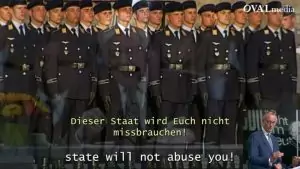
Ehi, chi qui è pronto per la guerra? La Terza guerra mondiale non è solo inevitabile, ma è già in corso in forme nuove. I compromessi dolorosi diventeranno insostenibili. La guerra in Ucraina sta accelerando il declino dell'Occidente. Abbiamo abbastanza megatoni nucleari da riportare la vita umana al Medioevo. Sono James Patrick, regista di questa serie di documentari e interviste sullo scoppio della Terza guerra mondiale. Per questo film, qualche settimana fa, ho intervistato il deputato Thomas Massie, del Kentucky. È un duro critico della NATO. Si è battuto per una legge per farci uscire dalla NATO. Ha detto che non avremmo mai dovuto farci coinvolgere nella guerra in Ucraina. È stato il principale legislatore che ha ottenuto la pubblicazione degli Epstein files. Ed è un critico feroce dell'influenza di Israele sulla politica estera americana.
Purtroppo quest'ultima posizione gli è costata il seggio il 19 maggio, quando ha perso le primarie repubblicane. Ma questo non deve scoraggiarci, perché ci servono centinaia di Massie. Le persone per bene dovrebbero entrare in politica. Ma che ci serva da avvertimento sull'eccessiva influenza di Israele sulla spinta dell'America verso la guerra. Thomas Massie, M-A-S-S-I-E, quarto distretto congressuale del Kentucky. Sono in carica dal 2012. E lei ha presentato questa proposta di legge per uscire dalla NATO. Che cosa prevede e perché dovremmo uscire dalla NATO? Beh, penso che la NATO sia un relitto della Guerra fredda. Non credo che ne abbiamo bisogno. Non credo che l'Europa ne abbia bisogno. È un rapporto asimmetrico che non ci aiuta. E mi chiedo ogni giorno perché sovvenzioniamo il socialismo pagando la loro difesa nazionale. Gli Stati Uniti dovrebbero essere una potenza militare in Europa? No, sono grandi. Sono cresciuti. Non hanno bisogno di noi. Il fatto che la Russia sia impantanata in Ucraina dimostra che non travolgerebbe l'Europa nemmeno se volesse.
Non può succedere. Gli Stati Uniti non dovrebbero essere coinvolti militarmente in Europa. Ora hanno un'unione. È praticamente tutta la NATO meno gli Stati Uniti. E poiché lavorano insieme e condividono una moneta, possono badare a se stessi. La NATO non è solo uno spreco di soldi. Il suo allargamento ci ha trascinati in più conflitti. Il fatto che continuiamo a incoraggiare ad aderire paesi sempre più vicini alla Russia, persino confinanti, offende il loro sentimento nazionale. Quindi la NATO è un relitto della Guerra fredda. Ma Putin è il relitto della Guerra fredda che si contrappone alla NATO. I russi sono orgogliosi e sostengono Putin perché si sentono minacciati dalla NATO. Quindi penso che non sia solo uno spreco di soldi. È un'organizzazione ostile alla Russia che ci trascina in conflitti come quello in Ucraina, dove non dobbiamo stare. Penso che a noi interessi la difesa dell'Europa più che all'Europa stessa.
Non sono così sicuro che loro avrebbero alimentato il conflitto tra Ucraina e Russia quanto noi. Guardi, siamo coinvolti lì almeno dal 2014. E prima ancora, favorendo il colpo di Stato. Le cose non andavano così male finché non abbiamo preso quella strada. E voto contro questo tintinnare di sciabole al Congresso dal 2014. Quando approviamo queste risoluzioni non vincolanti, e all'estero ci fanno caso, loro possono indicarle, demonizzare gli Stati Uniti e dire: vedete, vogliono iniziare una guerra con noi. Il Congresso ha appena approvato un testo che dice che siamo i cattivi e che ci sanzioneranno. Quindi dobbiamo rispondere, altrimenti sembriamo deboli. Non amano chiamarle guerre, ma credo che quando elimini il capo di Stato, quando entri in un paese con il tuo esercito contro la volontà di quel paese sovrano, sono abbastanza sicuro che sei in guerra.
Quindi, sa, siamo stati in guerra con il Venezuela e in guerra con l'Iran. Non ci sono dubbi. Pensa che l'opinione pubblica americana si stia stancando di tutte queste guerre? Il Congresso non si sta stancando delle guerre. È l'opinione pubblica americana che se ne sta stancando. Ma, per esempio, nella mia rielezione: se guarda a come si viene eletti al Congresso, prima bisogna vincere le primarie. E a quanto pare i repubblicani non sono ancora stanchi della guerra. Pensavo lo fossero quando Trump ha vinto promettendo niente più guerre, meno guerre o la fine di tutte le guerre. E infatti abbiamo iniziato due guerre nei primi dodici mesi della sua amministrazione. Chiaramente c'è un certo appetito. Lo trasmettono su Fox News. I miei sondaggi mostrano che il 70 % dei repubblicani del Kentucky sostiene la guerra con l'Iran. E persino se chiedi: sosterrebbe l'invio di truppe di terra? Più persone sosterrebbero una guerra con l'Iran con truppe di terra che nessuna guerra con l'Iran.
Parlo dell'elettore delle primarie repubblicane. Quindi risulta che erano stanchi della guerra. E poi, quando Trump ha detto: no, non abbiamo ancora finito, hanno deciso di non esserlo, suppongo. Quando si fa la domanda in un sondaggio bisogna stare attenti. Credo che quando le persone rispondono alla domanda «sostiene una guerra con l'Iran?», la intendono come «sostiene il presidente?», perché è il comandante in capo. E molti non vogliono dire di essere contro la guerra. Anche i giovani sono più contrari alla guerra degli anziani, giusto? L'ha visto nei sondaggi? Senza dubbio la differenza più grande qui non è nemmeno tra il sostegno repubblicano e quello democratico alla guerra. Perché, tra l'altro, se fosse Joe Biden e fossimo in guerra, forse vedreste l'opposto in questi sondaggi. Vedreste una maggioranza di democratici. Non sono particolarmente coerenti se è il loro uomo a essere comandante in capo. Quindi la divisione che non cambia è quella per età.
Sempre più giovani sono contrari a entrare in guerra. Guardi, in nome dell'efficienza hanno appena cambiato la registrazione per la leva, che prima andava fatta a mano, di persona, firmando un modulo, in un processo automatico: a 18 anni sei già registrato per la leva. Credo che i giovani lo vedano e dicano: non ne sono molto entusiasta. Pensa che reintrodurrebbero la leva? Possono farlo in qualsiasi momento. Il motivo per cui abbiamo ancora la registrazione – tra l'altro voterei per abolirla – è poter reintrodurre la leva da un giorno all'altro. Quindi Trump si è candidato con un programma contro la guerra e ora si infila sempre di più in ogni genere di conflitto. Nel gennaio 2020 ho avuto una conversazione con il presidente Trump su una guerra con l'Iran. Per contestualizzare: avevano ucciso Soleimani, non su suolo iraniano, ma in Iraq. Ed era un generale iraniano.
Poi avevamo un drone che volava laggiù e l'hanno abbattuto. Se fosse sopra l'Iran o sopra il mare non lo so, forse non lo sapremo mai. Ma a quel punto il presidente minacciò di agire contro l'Iran per questo. E alcuni membri del suo gabinetto lo incoraggiavano. Così abbiamo avuto un voto qui al Congresso nel gennaio 2020. E il presidente venne a sapere che avrei votato contro la guerra. In pratica il voto ribadiva la Costituzione: il potere di fare la guerra spetta al Congresso. Si trattava di dire che il presidente Trump non può fare la guerra all'Iran senza una legge del Congresso. Solo tre repubblicani hanno votato a favore. Ma il presidente venne a sapere che avrei votato a favore. Così mi chiamò per farmi rientrare nei ranghi su quel voto. E mi disse: sono più contro la guerra di lei. E io risposi: beh, in effetti lo è. Lei non ha iniziato nessuna guerra. È il primo presidente che non ha iniziato una guerra.
Ricordate, era il suo quarto anno di mandato, il 2020. È il primo presidente che non ha iniziato una guerra da quando posso votare, a 18 anni. E lui disse: credo che abbia ragione. Grazie per averlo detto. E il suo argomento era che se non limitavamo la sua capacità di far tintinnare le sciabole e minacciare la guerra, avrebbe potuto bluffare con l'Iran per ottenere ciò che voleva e quindi evitare la guerra. E io dissi: funzionerebbe benissimo, a meno che non scoprano il suo bluff. E allora le avremmo dato il potere di dichiarare guerra senza il Congresso. E lei sarebbe obbligato alla guerra. Se la sua intenzione era bluffare, ora è obbligato alla guerra. E quel giorno non mi convinse. Ho votato a favore della risoluzione che ribadiva la Costituzione, secondo cui bisogna passare dal Congresso se si vuole una guerra con l'Iran. Per fortuna quella guerra non c'è stata. Ma eccoci al suo secondo mandato.
E penso che il suo primo errore forse sia stato nominare Marco Rubio segretario di Stato. Il secondo errore sarebbe lasciare che Lindsey Graham salisse così tante volte su quell'aereo, a sussurrargli all'orecchio. E infine l'errore più grande forse è lasciare che Israele controlli troppo la sua politica. Forse è stato un errore accettare 200 milioni di dollari da Miriam Adelson, cosa che credo lo abbia in gran parte predisposto ad ascoltare gli interessi di Israele più di quelli dell'America riguardo alla guerra con l'Iran. Qual è dunque la sua posizione sulla guerra con l'Iran? Questa guerra serve a qualche interesse strategico degli Stati Uniti? La guerra con l'Iran serve a uno scopo strategico, ma non per gli Stati Uniti. Serve a Israele. L'estate scorsa, durante gli attacchi, che sono durati pochissimo, l'argomento pubblico era che stavamo eliminando la loro capacità nucleare.
Poi abbiamo dichiarato di averla annientata e di averli fatti tornare indietro di anni. Ma quasi sei mesi dopo è stato di nuovo necessario annientare la loro capacità nucleare. O almeno così ci hanno detto. Questo argomento comincia a stancare. Il vero motivo per cui abbiamo condotto quegli attacchi contro l'Iran è che stavano accumulando abbastanza missili convenzionali, non missili nucleari, ma convenzionali. Israele aveva calcolato, e forse anche la nostra intelligence, che avrebbero potuto sopraffare la difesa missilistica di Israele semplicemente lanciandoli, con la sola produzione, la produzione di massa di questi missili. Credo che fosse un tentativo di ridurre le scorte di missili convenzionali a medio raggio in Iran, in modo che non potessero sopraffare Israele. È stato un calcolo di Israele e poi la decisione di aiutarlo a ridurre quelle scorte.
E penso che qualche mese dopo ci siano state nuove informazioni di intelligence, e Israele e gli Stati Uniti si sono resi conto che non avevano davvero – capacità nucleare a parte, magari è ancora sepolta in qualche montagna e devono solo dissotterrarla dopo il primo bombardamento –, ma a parte questo, credo che abbiano concluso: oh, in realtà non abbiamo esaurito abbastanza missili convenzionali con testate convenzionali a medio raggio da eliminare completamente la minaccia dell'Iran per Israele. Sì, e come pensa che stia andando la guerra adesso? Sono contento che abbia rallentato, ma ha dato a Israele un pretesto per devastare il Libano meridionale. E c'è una specie di cessate il fuoco. In questi giorni non si vede succedere molto. Ma lo stretto è ancora limitato.
I flussi non passano nelle quantità abituali. E credo che Israele l'abbia usato come pretesto per far sembrare il Libano meridionale come Gaza. Sì, perché il modo in cui Fox presenta la guerra è completamente scollegato dalla situazione militare sul terreno e dalle capacità dell'Iran. Dicono: oh, ora dicono che ha eliminato metà dei missili. E dicono che l'abbiamo annientato. O il capo, il presidente del Parlamento Ghalibaf, dice: secondo voi siamo stati annientati sei volte. È completamente folle. Si può riaprire militarmente lo stretto se lo vogliamo? Anche se si arrivasse a un punto in cui il 95 % delle navi attraversa lo stretto, con la scorta militare, e si perdesse solo una nave su 20, i costi assicurativi per far passare una nave da quello stretto sarebbero probabilmente ancora proibitivi.
Perdi l'intero carico, anche se succede solo il 5 % delle volte, è comunque un rischio troppo grande. Quindi credo che sarà difficile farlo senza la cooperazione dell'Iran. Non vedo come farlo senza il permesso dell'Iran o senza la cooperazione dell'Iran. Non credo che si possa forzarne l'apertura, a meno di bombardare letteralmente l'Iran fino all'età della pietra. Si potrebbe arrivare al 95 %, forse persino al 98 % delle navi che passano. Ma se una su 20 o una su 50 salta in aria, non l'hai davvero aperto in sicurezza. E l'unico modo per farlo è un accordo con l'Iran, credo, oppure annientare completamente il paese. Le guerre sono più facili da iniziare che da finire, soprattutto per un paese come l'America, dove, per evitare la prossima guerra, devi dimostrare di aver dominato in questa situazione.
Devi uscirne con la tua credibilità intatta e convincere almeno una parte del mondo o la maggior parte del mondo che è stato un esercizio utile, cosa difficile. Ed è per questo che è difficile uscire da una guerra. Che aspetto avrebbe una vittoria? Vincere significherebbe non aver mai iniziato. La seconda cosa migliore sarebbe finirla in fretta. Forse non sarebbe il meglio per i contractor militari, ma sarebbe il meglio per noi. E non credo che si arriverà alla pace senza avere allo stesso tavolo, nello stesso momento, le tre parti in guerra. Vedo tutti questi incontri bilaterali, ma non funzioneranno quando c'è una guerra trilaterale. Non puoi mandare il vicepresidente a incontrare l'Iran e qualche altro paese senza che ci sia Israele. Tutte le parti devono essere d'accordo per una tregua.
Credo che sarà difficile convincere Israele ad accettare la fine di questa guerra, perché ora la frequenza dei missili dall'Iran è diminuita. Credo che Israele abbia probabilmente calcolato che gli conviene andare avanti. Hanno carta bianca per attaccare il Libano. La gente ora non ci fa caso. La gente ha dimenticato quello che stanno facendo a Gaza. E con grande danno per il contribuente americano, ora siamo noi a sostenere il grosso dei costi della guerra con l'Iran. Quindi stiamo logorando le capacità dell'Iran, ma usando il nostro equipaggiamento ed esaurendo le nostre scorte. Quindi è un accordo molto asimmetrico. E temo che Israele non voglia che la guerra finisca, non del tutto. Teme le loro visioni messianiche di questa guerra mondiale o che tutto questo vada avanti all'infinito?
Beh, non credo che Netanyahu sia particolarmente religioso. Quindi non credo che abbia una sorta di... Sono sicuro che per lui Israele venga prima di tutto. Sono sicuro che per lui ciò significhi il dominio ebraico su Israele e su tutta la terra al suo interno e accanto. Ma non credo che sia un fanatico religioso. Pensa che gli Epstein files siano stati un motivo per gli Stati Uniti per iniziare la guerra con l'Iran? È difficile. Posso dirle questo. Non credo che si siano seduti nella Situation Room della Casa Bianca dicendo: dobbiamo iniziare una guerra per insabbiare questi Epstein files. Non credo che sia andata così. Ora, è nella testa di qualcuno quando prende decisioni per il resto ben ponderate? C'è un elemento umano in tutto ciò che coinvolge esseri umani.
E ha avuto questo effetto. Non dico che l'abbiano fatto per questo motivo. Forse sono stati influenzati. Non credo che l'abbiano calcolato. Ma ha avuto l'effetto di distogliere l'attenzione dagli Epstein files. Può descrivere i suoi sforzi per far pubblicare gli Epstein files? Hanno avuto successo? Lo sforzo per pubblicare gli Epstein files ha avuto un enorme successo. Sinceramente ha superato le mie aspettative almeno sotto un aspetto. La quantità di informazioni che abbiamo ricevuto e le cose che abbiamo scoperto sono più di quanto avrei potuto immaginare. Ma non avrei sperato di arrivare a questo punto senza alcuna incriminazione o indagine. Quindi è stato un successo nel senso che sono state pubblicate molte informazioni. Abbiamo imparato molte cose. Ma non è ancora un successo nel senso che qualcuno in questo paese sia stato chiamato a risponderne. Vediamo una certa assunzione di responsabilità in altri paesi.
L'ex primo ministro della Norvegia, l'ambasciatore britannico negli Stati Uniti, il principe Andrea, un ministro francese della Cultura: tutte queste persone non hanno solo perso il loro posto o i loro titoli. Sono state arrestate, incriminate o perquisite. Quindi là c'è responsabilità. Qui non ce n'è stata. Credo che per il passo successivo servirà un altro direttore dell'FBI e un altro procuratore generale. Succederà durante questa amministrazione? Lo spero, ma non ne sono sicuro. Vede, Kash Patel ha già detto alla commissione Giustizia del Senato, e l'ha detto a me personalmente, come membro della commissione Giustizia, in un'audizione in cui aveva giurato di dire la verità, che non c'è assolutamente alcuna prova in questi file di altri complici oltre a Jeffrey Epstein e Ghislaine Maxwell. Quindi o dovrà dichiararsi all'oscuro quando cominceremo a indagare e a incriminare le persone coinvolte in questi file, oppure ha commesso spergiuro davanti al Congresso.
Quindi non credo che lo porterete a dire una di queste due cose. Probabilmente servirà un altro direttore dell'FBI per il passo successivo e probabilmente un altro procuratore generale perché sì, Pam Bondi se n'è andata, ma era comunque sempre Todd Blanche a dirigere la produzione dei documenti degli Epstein files. Quindi lì non avrete una risposta, ma ecco la buona notizia. Il modo in cui è stata ottenuta la divulgazione degli Epstein files è senza precedenti. È avvenuta per legge. Tutto il resto che è stato scoperto, che si tratti delle scappatelle di Bill Clinton o dell'Irangate o del Watergate, non è avvenuto per legge. È avvenuto con una citazione o con un'indagine del Congresso in carica. E sa una cosa? Quando questo Congresso scadrà, gli Epstein files non scadranno. Quando questa commissione di controllo avrà un altro presidente, non avrà importanza.
Gli Epstein files esistono ancora. L'Epstein Files Transparency Act esiste ancora. Perché? Perché è stato approvato da entrambe le camere, presentato al presidente e promulgato. Quindi l'Epstein Files Transparency Act vincola il procuratore generale anche tra anni, tra un decennio. Non posso dirle chi sarà procuratore generale tra dieci anni, ma posso dirle questo: a meno che l'Epstein Files Transparency Act non venga abrogato, quel procuratore generale potrebbe essere penalmente responsabile se non pubblica qualcosa in quel dipartimento in cui si imbatta e che abbia a che fare con Epstein. Quindi credo che alla fine si otterrà tutto. Sì, lo spero. Ha ricevuto minacce per il suo lavoro sugli Epstein files? Non ho ricevuto minacce, a meno di contare i 15 milioni di dollari spesi contro di me negli ultimi mesi per cacciarmi dal Congresso.
Politicamente, finora è stata minacciata solo la mia esistenza politica per aver svelato questi file. Ok. E come descriverebbe la battaglia che sta combattendo per il suo seggio? È tesa? Sono nelle primarie per il Congresso più costose degli Stati Uniti in questo momento, su 435 seggi. E nessun deputato uscente è sfidato come lo sono io adesso. Alla fine, credo che avranno speso 15 milioni di dollari contro di me. Io stesso raccoglierò e spenderò molti soldi per difendere il mio seggio. Ma ecco la cosa interessante. Il presidente vorrebbe farvi credere che sono sfidato alle primarie perché ho votato contro le sue principali leggi di spesa. Ma la realtà è che oltre il 95 % di quei 15 milioni spesi contro di me è arrivato tramite l'AIPAC, la Republican Jewish Coalition o Christians United for Israel, che è praticamente un'ala dello stesso uccello, o da Miriam Adelson, cittadina israeliana che ha acquisito la cittadinanza americana.
Paul Singer, che tra l'altro non è solo un grande sostenitore di Israele. Ora possiede Citgo, comprata per un tozzo di pane. Era l'ex compagnia petrolifera nazionalizzata, di benzina, di dove? Del Venezuela. L'ha comprata per un tozzo di pane e non era nemmeno il miglior offerente, poche settimane, un paio di settimane prima che invadessimo il Venezuela. Quindi tutti i soldi, il 95 % secondo la mia stima, praticamente tutti i soldi spesi contro di me, sono motivati dalla lobby israeliana e/o dalla parte rappresentata da Paul Singer, cioè interessi israeliani e venezuelani. Come definirebbe il rapporto tra Stati Uniti e Israele? Credo che Israele ci stia usando. È un rapporto molto asimmetrico. Ho notato che Israele ha moltissimi lobbisti qui a Washington.
Se è il nostro migliore alleato, perché ha bisogno di così tanti lobbisti? Non ho mai incontrato qui un lobbista della Gran Bretagna. Non ho mai incontrato qui un lobbista del Canada. Non ho mai incontrato qui un lobbista dell'Australia. Perché uno dei vostri alleati più stretti e forti dovrebbe fare pressione su ogni membro del Congresso e intromettersi nelle nostre elezioni alla Camera e al Senato se il rapporto fosse reciproco e vantaggioso per entrambi? Credo che dal nostro coinvolgimento in Medio Oriente ricaviamo più danni che benefici, e che quella politica sia dettata da Israele più che da qualsiasi altro paese. Il nostro rapporto con Israele è come una NATO con soli due paesi, uno dei quali ha meno di 10 milioni di abitanti e l'altro oltre 350 milioni.
Loro non sono obbligati a difendere noi, ma noi siamo obbligati a difendere loro. È la peggiore forma di NATO. La peggiore forma di trattato in assoluto. Per tutto il tempo in cui sono stato al Congresso abbiamo dato loro una base di 3,8 miliardi di dollari l'anno. Quando l'AIPAC faceva pressione su di me per questo, dicevano: non si preoccupi, spendiamo tutto da Lockheed Martin e Raytheon e nel vostro complesso militare-industriale, quindi riavete tutti i soldi. Il problema è che forse alcuni azionisti di quelle aziende ne riavranno molto, ma il popolo americano non li riavrà. Sono le tasse che vanno a Israele. Magari passano per strada da un'azienda del complesso militare-industriale qui negli Stati Uniti, e alla fine finiscono per saltare in aria. Credo che Israele sia in grado di difendersi senza il sostegno americano, ma è molto più costoso e pericoloso diventare l'aggressore e iniziare guerre.
È chiaro, credo, a qualsiasi osservatore che non potrebbero mantenere il loro atteggiamento aggressivo verso un vicino o quasi vicino come l'Iran senza il sostegno degli Stati Uniti. Ok, ottimo. Grazie. Mentre il conflitto tra Ucraina e Russia e il conflitto israeliano continuano a inasprirsi, gli Stati Uniti rischiano sempre di più di entrare in conflitto con Russia e Cina? Ogni conflitto in cui siamo coinvolti comporta il rischio di un'escalation. Che sia in Ucraina – ci siamo, guerra per procura, siamo cobelligeranti. Lo stesso vale per la guerra in Iran: ha visto, quasi subito, nel giro di minuti, la guerra ha coinvolto tre, quattro o cinque altri paesi vicini all'Iran dove avevamo le nostre basi.
È degenerata molto in fretta. Sarebbe forse degenerata di più se non fossimo entrati in questa pausa. Non la chiamerò un cessate il fuoco completo, ma se non fossimo a questo punto e stessimo ancora martellando l'Iran, credo che continuerebbero a colpire le nostre strutture nella regione e forse anche quelle dei nostri alleati. Mi corregga se sbaglio, ma lei è stato il primo deputato a opporsi alla guerra in Ucraina, giusto? Mi sono opposto alla guerra in Ucraina prima che iniziasse. Può verificarlo. Nel 2014 c'erano risoluzioni del Congresso che condannavano la Russia, prendevano posizione sull'Ucraina, sanzioni contro la Russia per il suo comportamento verso l'Ucraina. Tutto questo accadeva e io votavo contro, perché sostenevo che avrebbe portato alla guerra. Far tintinnare le sciabole li avrebbe solo spinti a fare altrettanto.
Devono mantenere il loro orgoglio nazionale. Le notizie sono globali. Non si possono ignorare. I loro leader devono restare popolari per restare al potere. Non possono subire senza reagire. Da quando osservo il Congresso esprimersi sull'Ucraina, mi sono opposto all'escalation, che alla fine ha davvero portato alla guerra. Qual è il rischio che degeneri in una vera guerra mondiale, coinvolgendo Cina e Russia? Se il rischio, in ogni anno di conflitto tra Ucraina e Russia, che degeneri in una guerra termonucleare anche in altri paesi è del 5 %, diciamo 1 su 20, è un rischio stupido da correre, una probabilità su 20 ogni anno. E se la guerra si trascina per 20 anni, la probabilità è piuttosto alta. È un po' come le alluvioni. Qual è la probabilità di un'alluvione quest'anno?
Beh, 1 su 500 sembra una probabilità rassicurante. Non avrai un'alluvione, tranne l'anno in cui ce l'hai, e allora sei spazzato via. Ecco cosa ho osservato da quando sono al Congresso. Ogni volta che il potere esecutivo la fa franca in materia di guerra senza che il legislativo lo richiami, accumula quel potere e non lo restituisce mai. Se ripensate alla guerra in Afghanistan e alle due guerre in Iraq, il Congresso si è riunito – non avevamo dichiarazioni di guerra formali –, ma il Congresso si è riunito, ha votato e ha autorizzato quelle attività militari. Siamo arrivati al punto che il presidente può iniziare una guerra totale con un paese sovrano di 90 milioni di persone e il Congresso non batte ciglio. Ho redatto e presentato una risoluzione sui poteri di guerra che abbiamo votato qui al Congresso.
E anche se molti repubblicani avevano votato per non iniziare un'altra guerra o per rispettare i poteri di guerra del Congresso rispetto all'esecutivo, ho avuto un solo collega repubblicano che ha votato con me quella risoluzione. Il Congresso non vuole assumersi la responsabilità di niente. E se avessimo un voto chiaro, sì o no, sull'attaccare l'Iran o sull'entrare in una guerra prolungata con l'Iran, allora il Congresso ne sarebbe responsabile. Ma non ne consegue che il Congresso abbia le mani pulite, perché anche se abbiamo evitato la responsabilità non avendo un voto trasparente sulla questione, continuiamo a finanziare queste guerre. Ed è vero che la guerra continua perché il Congresso lo vuole. Certo, è un po' più difficile fermare una guerra già iniziata negando i fondi, perché poi vieni accusato di non sostenere lo sforzo e di essere antipatriottico. Quindi dovremmo davvero avere voti separati da quelli sulla spesa, in cui discutiamo degli obiettivi e non solo dei costi.
Gli Stati Uniti rischiano di gettare i semi della propria rovina impegnandosi in così tanti conflitti? Credo che l'America corra due rischi impegnandosi in altre guerre. Il primo rischio è il collasso finanziario. Sa, porto una spilla sul debito al bavero per ricordare ai miei colleghi quanto stiamo andando male con il bilancio. E la guerra, la guerra in Iran, hanno già ammesso che è costata 25 miliardi di dollari. In realtà è probabilmente il triplo. Forse 75 miliardi di dollari. Se si contano le basi e l'equipaggiamento distrutti, non le operazioni in corso. E se contiamo anche i missili che rimpiazzeremo. Sappiamo che alla fine li rimpiazzeremo tutti per Israele senza costi per loro. Quindi le guerre, le guerre continue, le guerre infinite, sono economicamente insostenibili.
Anche se qui trovi ancora chi sostiene che la guerra fa bene all'economia perché bisogna costruire più equipaggiamento. C'è un altro pericolo: stiamo facendo arrabbiare una parte sempre più grande del mondo. Stiamo perdendo l'autorità morale per essere, in sostanza, la superpotenza del pianeta. Per detenere moralmente quell'autorità bisogna essere benevoli, bisogna essere giusti, bisogna essere morali. E alcune delle cose che abbiamo fatto o minacciato di fare sembrano oltrepassare quel limite. Sa, quando si bombardano infrastrutture civili o si minaccia di farlo. O quando si fornisce a Israele l'equipaggiamento militare per radere completamente al suolo Gaza. E si vedono i nostri leader scrivere messaggi sulle bombe come se fosse carino o da cartone animato.
Credo che così si perda la propria autorità morale. E chi giudica: si potrebbe dire che ci sarà una Corte mondiale o le Nazioni Unite o chissà cosa. No, sinceramente è la coscienza del resto del mondo, che sta osservando. E credo che faremmo bene a ispirare così la nostra politica estera. Dovrebbe essere, dico io, ciò che ho imparato al catechismo: fai agli altri ciò che vorresti fosse fatto a te. E in questo momento non lo stiamo facendo.
Hey, who here is ready for war? The Third World War is not only inevitable, but is already taking place in new forms. Painful trade-offs will be unaffordable. The Ukraine war is accelerating the decline of the West. We have enough nuclear megatonnage to set human life back to the Dark Ages. I'm James Patrick, the director of this documentary and interview series on the outbreak of World War III. For this film, a few weeks ago, I interviewed Representative Thomas Massie from Kentucky. He's been a harsh critic of NATO. He's fought a bill for us to exit NATO. He said we should have never gotten involved with the Ukraine war. He was the primary legislator to get the Epstein files released. And he's been a fierce critic of Israel's influence over U.S. foreign policy.
Unfortunately, this last position cost him his seat on May 19th when he lost the Republican primary. But let this not discourage us because we need hundreds of Massies. Good people should go into politics. But let this serve as a warning to us of Israel's undue influence on America's drive to war. Thomas Massie, M-A-S-S-I-E, Kentucky's fourth congressional district. I've been in office since 2012. And you introduced this bill to get out of NATO. Can you tell me what the bill does and why we should get out of NATO? Well, I think NATO is a Cold War relic. I don't think we need to have it. I don't think Europe needs to have it. I think it's an asymmetric relationship that doesn't help us. And I wonder every day why we are subsidizing socialism by providing for their national defense. Should U.S. be a military power in Europe? No, they're big boys. They've grown up. They don't need us. I mean, the fact that Russia's bogged down in Ukraine shows you that they wouldn't just run roughshod over Europe even if they wanted to.
It can't happen. The U.S. shouldn't be military involved in Europe. I mean, they have a union now. It's basically all of NATO minus the United States. And because they're working together, they share a currency, they can take care of themselves. NATO isn't just a waste of money. The expansion of NATO has drawn us into more conflict. The fact that we keep encouraging countries closer and closer, in fact, bordering Russia to join, offends their nationalist sensibilities. And so NATO is a Cold War relic. But Putin is the Cold War relic that's posting up against NATO. The people in Russia, they're proud, and so they support Putin because they feel threatened by NATO. And so I think it's not just a waste of money. It's an antagonistic organization toward Russia that draws us into conflicts like in Ukraine that we don't need to be in. I think we're more interested in Europe's defense than Europe is.
I'm not so sure that they would have encouraged the conflict between Ukraine and Russia to the degree that we did. Look, we've been involved there at least since 2014. And before that, facilitating the coup, things weren't going that badly until we started on that path. And I've been voting against the saber- rattling since 2014 in Congress. When we pass these non-binding resolutions, but they pay attention to these things overseas, and they're able to look at that and demonize the United States and say, see, they're trying to start a war with us. Congress just passed that thing that said we're bad and they're going to sanction us. So now we've got to respond or else we look weak. They don't like to call them wars, but I think when you take out the head of state, when you enter a country with your military against the sovereign country's will, I'm pretty sure you're at war.
So, you know, we've been at war with Venezuela and we've been at war with Iran. There's no doubt. Do you think the American public is growing tired of all these wars? Congress isn't growing tired of the wars. The American public is growing tired of the wars. But, you know, like, for instance, in my reelection, if you look at how you get elected to Congress, you have to win a primary first. And as it turns out, Republicans aren't tired of war yet. I thought they were when Trump won and he promised no more wars or fewer wars or to end all the wars. And in fact, we started two wars in the first, you know, 12 months of his administration. Clearly, there's some appetite for it. It's broadcast on Fox News. My polling shows that Republicans in Kentucky support the war with Iran by 70 percent. And they would even, if you ask them, if you say, would you support boots on the ground? More people would support a war with Iran with boots on the ground than would support no war with Iran.
I'm talking about the Republican primary voter. And so it turns out they were tired of war. And then when Trump said, no, we're not done yet, they decided they weren't tired of war, I suppose. When you ask the question in polling, you got to be careful. I think when people answer the question, when you ask them, do you support a war with Iran, they see that as do you support the president because he's the commander in chief. And a lot of people don't want to say they're against the war. Younger people are more anti-war than older people, too, right? Have you seen that in the polling? Without a doubt, the biggest crosstab here isn't even Republican versus Democrat support for war. Because, by the way, if this were Joe Biden and we were at war, you might see the inverse of these polls. You would see a majority of Democrats. They're not particularly principled. If it's their man who's the commander in chief. So the split that doesn't change is the age split.
More and more young people are against getting into wars. I mean, look, they just, in the interest of efficiency, change selective service from something you had to register manually, physically do, sign a card to an automatic process so that when you turn 18, you're already registered for the draft. I think young people look at that and say, you know, I'm not so keen on this. Do you think they would bring back a draft? I mean, they can at any time. The reason we still have selective service, by the way, I would vote to disband it. But the reason we have it is so you can bring back the draft on a day's notice. So Trump ran on an anti-war platform and now he's increasingly just getting into all kinds of conflicts. In January of 2020, I had a conversation with President Trump about war with Iran. Now, to put this in context, they killed Soleimani, not on Iranian soil, but in Iraq. And he was an Iranian general.
And then we had a drone flying over there and they shot it down. Now, whether it was over Iran or over the water, I don't know, maybe we'll never know. But at that point, the president threatened to take action against Iran for that. And he was being encouraged to do so by members of his cabinet. So we had a vote here in Congress in January of 2020. And the president heard that I was going to vote for no war. Basically, the vote was a restatement of the Constitution and that war powers resided in Congress. It was to say that President Trump cannot go to war with Iran without an act of Congress. There were only three Republicans who voted for that. But the president heard that I was going to vote for it. So he called me up to whip me on this vote. And he said, I'm more anti-war than you are. And I said, well, in fact, you are. You've not started a war. You're the first president that hasn't started a war.
Now, remember this was his fourth year in office, 2020. You're the first president that hasn't started a war that I could have voted for since I was 18. And he said, I guess you're right. Thank you for saying that. And his argument to me was that if we didn't constrict his ability to rattle the sabers and threaten war, that he could bluff Iran into doing what he wanted and therefore avoid war. And I said, well, that would work just fine unless they call your bluff. And then now we've given you the power to declare war without Congress's involvement. And you're obligated to war. If your intention was to bluff, now you're obligated to war. And that day he didn't convince me. I did vote for the resolution that restated the Constitution that says you've got to come to Congress if you want to have a war with Iran. Now, fortunately, that war did not happen. But here we are in his second term.
And I think his first mistake may have been making Marco Rubio Secretary of State. And then his second mistake would be letting Lindsey Graham on that airplane so many times, whispering in his ear. And then finally, it may be the biggest mistake is letting Israel control too much of his policy. Perhaps it was taking $200 million from Miriam Adelson that was a mistake that I think led largely to him being predisposed to listening to Israel's interest over America's interest with regard to war with Iran. So what's your position on the war with Iran? I mean, does this war serve any strategic interest for the United States? The war with Iran serves a strategic purpose, but not for the United States. It's for Israel. Last summer, when there was the strikes that lasted very briefly, the public argument was that we were taking out their nuclear capability.
And then we declared that we had obliterated it and set them back years. But nearly six months later, it was necessary again to obliterate their nuclear capability. Or so we were told. That argument's getting old. The real reason that we conducted those strikes on Iran is because they were building up enough conventional missiles, not nuclear missiles, but conventional missiles. Israel had calculated, and perhaps our own intelligence, that they could overwhelm Israel's missile defense by just shooting them, by mere production, mass production of these missiles. I believe it was an effort to reduce the stockpiles of conventional, medium-range missiles in Iran so that they couldn't overwhelm Israel. It was a calculation made by Israel and then a decision to assist them in the task of reducing those inventories.
And I think what happened is a few months later, there was more intelligence, and Israel and the United States realized they hadn't really, the nuclear capability notwithstanding, maybe it's still buried in a mountain somewhere, and they just have to dig it out from the first bombing. But that notwithstanding, I think what they decided was, oh, we didn't actually deplete enough conventional missiles with conventional warheads in medium-range to eliminate the threat of Iran completely from Israel. Yeah, I mean, how do you think the war is going now? I mean, I'm glad that it slowed down, but it's given Israel an excuse to decimate southern Lebanon. And so there is somewhat of a ceasefire. You don't see as much happening these days. But the strait is still constricted.
The flows are not going through there at the regular amounts. And I think Israel has used it as an excuse to make southern Lebanon look like Gaza. Yeah, because the way Fox presents the war is just totally unhinged from a lot of the military situation on the ground with Iran's capability. I mean, they say, oh, now they're saying, oh, he took out half the missiles. And they're saying we decimated it. Or the chief, the parliament speaker Ghalibaf, he says, oh, we've been decimated six times according to you. It's just completely unhinged. I mean, can you militarily reopen the straits if we want to? I mean, even if you got to a point where you could get 95% of the ships through the straits, with military assistance, and you were only going to lose every 20th ship, the insurance costs to get a ship through those straits would still probably be cost prohibitive.
You're losing your entire cargo, even if it's only 5% of the time, it's still too big of a risk. So I think it's going to be hard to do it without cooperation from Iran. I don't see how you do it without permission from Iran or without cooperation from Iran. I don't think you can force it to be opened, unless you literally bomb Iran back to the Stone Ages. You could get to 95%, maybe even 98% of the ships get through. But if one in 20 or one in 50 get blown up, you haven't really opened it safely. And the only way to do that is with an agreement with Iran, I think, or just completely obliterating the country. Wars are easier to start than they are to end, especially for a country like America, where to prevent the next war, you have to show that you dominated in this situation.
You have to come away with your integrity and at least convince some part of the world or most of the world that it was productive exercise for you, which is hard to do. And so that's why it's hard to get out of a war. What would winning look like? Winning would look like never having started. The second best thing would be to end it quickly. That might not be the best thing for the military contractors, but that would be the best thing for us. And I don't think you're going to get to peace without having the three people at war at the table at the same time. I see all of these bilateral meetings, but that's not going to work when you have a trilateral war. You can't have the vice president go meet with Iran and some other country and not have Israel there. So all the parties have to be in agreement to have a truce.
I think it's going to be hard to get Israel to agree to end this war because now the frequency of missiles from Iran has slowed down. I think Israel probably has calculated it's in their interest to keep this going. They've got carte blanche to attack Lebanon. People aren't paying attention to that now. The people have forgotten about what they're doing in Gaza. And much to the detriment of the American taxpayer, we are now taking the brunt of the cost of the war with Iran. And so we're grinding down the capability of Iran, but using our own equipment and depleting our own stockpiles to do it. And so it's a very asymmetric arrangement. And I'm concerned that Israel doesn't want the war to end, not completely. You're concerned about their messianic views of this world war or that this just keep going on and on with this?
Well, I don't think Netanyahu is particularly religious. So I don't think he's got any sort of... I'm sure he's Israel first. I'm sure for him that's Jewish domination of Israel and all of the land in and next to it. But I don't think he's particularly a religious fanatic. Do you think the Epstein files were a motivation for the US to start the Iran war? It's hard. I can tell you this. I don't think they sat over in the situation room at the White House and said that we're going to have to start a war to cover up these Epstein files. I don't think that's what's happened. Now, is it in the back of somebody's mind when they're making other wise calculated decisions? There's a human element to everything that's got a human involved.
And it has had the effect. I'm not saying they did it for this reason. They may have been influenced. I don't think they calculated it. But it has had the effect of taking attention away from the Epstein files. Can you describe your efforts to release the Epstein files? Has it been successful? The effort to release the Epstein files has been extremely successful. Honestly, it exceeded my expectations in at least one dimension. The volume of information that we've received and the things we've found out about are more than I could have imagined. But I wouldn't have hoped that we'd get to this point and not had any indictments or investigations. So it's been successful in the sense that it's released a lot of information. We've learned a lot of things. But it's not been successful yet in the sense that anybody in this country has been held accountable. We see some accountability in other countries.
I mean, the former prime minister of Norway, the British ambassador to the United States, Prince Andrew, French minister of culture, all of these folks haven't just lost their jobs or titles. They've been arrested or indicted or raided. And so there is accountability over there. There's not been accountability here. I think to get to the next step, you're going to need another FBI director and another attorney general. Will that happen during this administration? I hope so, but I'm not sure that it will. You see, Kash Patel has already told the Judiciary Committee in the Senate, and he's told me personally as a member of the Judiciary Committee in a hearing that he was sworn to tell the truth that there's no evidence whatsoever in these files of any co-conspirators beside Jeffrey Epstein and Ghislaine Maxwell. And so he's either got to claim ignorance when we start investigating and indicting the people who are implicated in these files, or he's committed perjury to Congress.
So I don't think you're going to get him to say either of those two outcomes. You'll probably need another FBI director to get to the next step and probably another attorney general because, yes, Pam Bondi is gone, but it was always Todd Blanche who was running the document production of the Epstein files anyway. So you're not going to get an answer there, but here's the good news. The way that the disclosure under the Epstein files was accomplished is unprecedented. It was done through law. Everything else that's been discovered, whether it's Bill Clinton's peccadillos or whether it's Iran Contra or whether it's Watergate, it wasn't done with a law. It was done with a subpoena or an investigation of a current Congress. Guess what? When this Congress expires, the Epstein files does not expire. When this oversight committee has another chairman, it doesn't matter.
The Epstein files still exist. The Epstein Files Transparency Act still exists. Why is that? Because it passed both chambers and was presented to the president and signed into law. So the Epstein Files Transparency Act is incumbent on attorney general years from now, a decade from now. I can't tell you who's going to be the attorney general 10 years from now, but I can tell you this. Unless the Epstein files Transparency Act is repealed, that attorney general could be criminally liable for not releasing anything in that department that he or she comes across that has anything to do with Epstein. So I do think you'll eventually get the full production. Yeah, I hope so. And have you received any threats over your work on the Epstein files? I haven't received any threats unless you count $15 million spent against me in the last few months to get me out of Congress.
Politically, only my political existence so far has been threatened for exposing these files. Okay. And yeah, how can you describe the battle you're in now for your seat? Or how is it tense? So I'm in the most expensive congressional primary in the United States right now, of the 435 seats. And no incumbent is being challenged like I am being challenged now. I've had, when it's all said and done, I think they will have spent $15 million against me. Now I'll raise and spend a lot of money myself trying to defend my seat. But here's what's interesting. The president would have you think that I'm being primaried because I voted against his signature spending bills. But the reality is over 95% of the money of that $15 million that's being spent against me has come through AIPAC, the Republican Jewish Coalition, or Christians United for Israel, which is basically a wing of the same bird of those organizations, or Miriam Adelson, who's a citizen of Israel who acquired American citizenship.
Paul Singer, who incidentally is not just a big fan of Israel. He owns Citgo now, bought it for pennies on the dollar. That was the formerly nationalized oil company, gasoline company of where? Venezuela. He bought it for pennies on the dollar and he wasn't even the highest bidder just weeks, a few couple weeks before we invaded Venezuela. So all of the money, 95% of it I estimate, which is practically all of the money being spent against me, is motivated by the Israeli lobby and or the portion that Paul Singer represents, which is Israeli and Venezuelan interests. So how would you characterize the U.S.-Israel relationship? I think Israel is using us. I think it's a very asymmetric relationship. I noticed that Israel has a lot of lobbyists here in Washington, D.C.
If they're our best ally, why do they need so many lobbyists? I've never met a lobbyist here from Great Britain. I've never met a lobbyist here from Canada. I've never met a lobbyist here from Australia. Why would one of your closest and strongest allies need to lobby every member of Congress and get involved in our congressional and Senate races if the relationship with them was bilateral and good for both? I think we get more harm than good from our involvement in the Middle East and that policy is driven more by Israel than any other country. Our relationship with Israel is kind of like a NATO with only two countries and one of the countries has less than 10 million people and the other country has over 350 million people.
They're not obligated to our defense, but we're obligated to their defense. It's like the worst form of NATO. It's the worst form of any kind of treaty. We have been giving them for the entire time I've been in Congress a baseline of $3.8 billion a year. When AIPAC used to lobby me about this, they would say, well, don't be concerned. We're spending it all on Lockheed Martin and Raytheon and your military-industrial complex, so you're getting all the money back. The problem is maybe some stockholders in those companies are getting a lot of it back, but the American people aren't getting it back. It's the tax dollars that are going to Israel. They may go through a military-industrial complex company here in the United States on the way and then it eventually ends up getting blown up. I think Israel is capable of defending itself without American backing, but it's a lot more expensive and dangerous to become the protagonist and to start wars.
It's clear, I think, to any observer that they couldn't have their aggressive posture toward a neighbor or near neighbor like Iran without the backing of the United States. Okay, great. Thank you. As the Ukraine-Russia conflict and the Israel conflict continue to fester, is the U.S. increasingly at risk of getting into a conflict with Russia and China? Every conflict we are in carries the risk of escalation. Whether it's in Ukraine, we're there, war by proxy, we're an co-belligerent partner in that. The same goes with the war in Iran, which you noticed initially almost immediately within minutes. The war engulfed three or four or five other countries there near Iran that had our bases there.
It escalated very quickly. It may have escalated more if we hadn't got into this lull. I'm not going to call it a complete ceasefire, but if we weren't at this point and if we were still pounding Iran, I think they would still be striking out and hitting our assets in the region and possibly even our allies, like even the allies' assets. Correct me if I'm wrong, but you were the first congressman to oppose the Ukraine War, weren't you? I opposed the Ukraine War before it started. You can go back and look. In 2014, there were resolutions from Congress condemning Russia, taking positions into Ukraine, sanctions against Russia for their behavior toward Ukraine. All of these things were happening and I was voting against it because I argued that it would lead to war. To rattle the sabers would only encourage them to reciprocate.
They have to keep their national pride. News is global. You can't ignore it. Their leaders, to stay popular, and be in power. You can't just take that sitting down. Since I've been observing Congress opining on Ukraine, I've been against the escalation, which eventually did lead to war. What's the risk this will escalate into a full-blown world war, drawing in China and Russia? If the risk in any given year during a conflict between Ukraine and Russia of having it escalate to thermonuclear war in other countries as well as those countries is 5%, let's say 1 in 20, that's a stupid risk to take, a 1 in 20 chance every year. And then if the war drags on for 20 years, it's a pretty good odd. It's sort of like floods. What's the probability we're going to have a flood this year?
Well, 1 in 500 sounds like pretty good odds. You're not going to have a flood unless it's that year you have the flood and then you're obliterated. Here's what I've observed since I've been in Congress. The executive branch, every time it gets away with something without being called out by the legislative branch in matters of war, it basically accumulates that power and never lets it go. So if you think back to the war in Afghanistan and both of the Iraq wars, Congress met, now we didn't have full-blown declarations of war, but Congress did meet and vote and authorized those military activities. We've drifted to the point now where the president can start a full-blown war with a sovereign country of 90 million people and Congress doesn't even blink an eye. I've drafted and introduced a war powers resolution that we voted on here in Congress.
And even though many Republicans voted on not starting another war or respecting the war powers of Congress over the executive branch, I only had one Republican colleague who voted with me on that resolution. Congress doesn't want to take accountability for anything. And if we had an up-or-down vote on whether to attack Iran or whether to be involved in a sustained war with Iran, then Congress would be accountable. But it's not true from that that Congress has clean hands because even if we've avoided accountability by having a transparent vote on the matter at hand, we're still funding these wars. And it is true that the war is going on because Congress wants it to. Now, it's a little bit harder to stop a war once it starts by withholding funding because then you get blamed for not supporting an effort and being unpatriotic. So we really should have the votes that are separate from the spending votes where we debate the objectives and not just the cost.
Does the U.S. risk sowing the seeds of its own downfall engaging in this many conflicts? I think America runs two risks by engaging in more wars. The first risk we run is financial collapse. You know, I wear a debt badge on my lapel here to remind my colleagues about how poorly we're doing with the budget. And the war, the war in Iran, they've already admitted it's cost $25 billion. Now, the reality is it's probably three times that. Maybe $75 billion has been the cost. If you count the bases and the equipment that's been destroyed, not the ongoing operations of it. And we also account for the missiles that we're going to replenish. We know we're eventually going to replenish all those for Israel at no cost. So the wars, constant wars, forever wars are unsustainable economically.
Even though you'll still find people who make arguments here, that war is good for the economy because we got to build more equipment. There's another hazard that we run and that is we're pissing off more and more of the world. We're losing the moral authority to basically be the superpower of the globe. In order to morally hold that authority, you have to be benevolent, you have to be fair, you have to be moral. And some of the things that we've done or threatened to do seem to cross that line. You know, when you go in and you bomb civilian infrastructure or threaten to do it. Or when you provide the military equipment to Israel to just completely flatten Gaza. And you see our leaders over there writing epitaphs on the bombs as if it's cute or cartoony.
I think you lose your moral authority. And the judge of that, you could say, well, there's going to be some World Court or some United Nations or whatever. No, honestly, it's the conscience of the rest of the world that's observing that. And I think we do well to follow our foreign policy. I say should be what I learned in Sunday school, which is do unto others as you would have them do unto you. And we're not doing that right now.
Ehi, chi qui è pronto per la guerra? La Terza guerra mondiale non è solo inevitabile, ma è già in corso in forme nuove. I compromessi dolorosi diventeranno insostenibili. La guerra in Ucraina sta accelerando il declino dell'Occidente. Abbiamo abbastanza megatoni nucleari da riportare la vita umana al Medioevo. Sono James Patrick, regista di questa serie di documentari e interviste sullo scoppio della Terza guerra mondiale. Per questo film, qualche settimana fa, ho intervistato il deputato Thomas Massie, del Kentucky. È un duro critico della NATO. Si è battuto per una legge per farci uscire dalla NATO. Ha detto che non avremmo mai dovuto farci coinvolgere nella guerra in Ucraina. È stato il principale legislatore che ha ottenuto la pubblicazione degli Epstein files. Ed è un critico feroce dell'influenza di Israele sulla politica estera americana.
Hey, who here is ready for war? The Third World War is not only inevitable, but is already taking place in new forms. Painful trade-offs will be unaffordable. The Ukraine war is accelerating the decline of the West. We have enough nuclear megatonnage to set human life back to the Dark Ages. I'm James Patrick, the director of this documentary and interview series on the outbreak of World War III. For this film, a few weeks ago, I interviewed Representative Thomas Massie from Kentucky. He's been a harsh critic of NATO. He's fought a bill for us to exit NATO. He said we should have never gotten involved with the Ukraine war. He was the primary legislator to get the Epstein files released. And he's been a fierce critic of Israel's influence over U.S. foreign policy.
Purtroppo quest'ultima posizione gli è costata il seggio il 19 maggio, quando ha perso le primarie repubblicane. Ma questo non deve scoraggiarci, perché ci servono centinaia di Massie. Le persone per bene dovrebbero entrare in politica. Ma che ci serva da avvertimento sull'eccessiva influenza di Israele sulla spinta dell'America verso la guerra. Thomas Massie, M-A-S-S-I-E, quarto distretto congressuale del Kentucky. Sono in carica dal 2012. E lei ha presentato questa proposta di legge per uscire dalla NATO. Che cosa prevede e perché dovremmo uscire dalla NATO? Beh, penso che la NATO sia un relitto della Guerra fredda. Non credo che ne abbiamo bisogno. Non credo che l'Europa ne abbia bisogno. È un rapporto asimmetrico che non ci aiuta. E mi chiedo ogni giorno perché sovvenzioniamo il socialismo pagando la loro difesa nazionale. Gli Stati Uniti dovrebbero essere una potenza militare in Europa? No, sono grandi. Sono cresciuti. Non hanno bisogno di noi. Il fatto che la Russia sia impantanata in Ucraina dimostra che non travolgerebbe l'Europa nemmeno se volesse.
Unfortunately, this last position cost him his seat on May 19th when he lost the Republican primary. But let this not discourage us because we need hundreds of Massies. Good people should go into politics. But let this serve as a warning to us of Israel's undue influence on America's drive to war. Thomas Massie, M-A-S-S-I-E, Kentucky's fourth congressional district. I've been in office since 2012. And you introduced this bill to get out of NATO. Can you tell me what the bill does and why we should get out of NATO? Well, I think NATO is a Cold War relic. I don't think we need to have it. I don't think Europe needs to have it. I think it's an asymmetric relationship that doesn't help us. And I wonder every day why we are subsidizing socialism by providing for their national defense. Should U.S. be a military power in Europe? No, they're big boys. They've grown up. They don't need us. I mean, the fact that Russia's bogged down in Ukraine shows you that they wouldn't just run roughshod over Europe even if they wanted to.
Non può succedere. Gli Stati Uniti non dovrebbero essere coinvolti militarmente in Europa. Ora hanno un'unione. È praticamente tutta la NATO meno gli Stati Uniti. E poiché lavorano insieme e condividono una moneta, possono badare a se stessi. La NATO non è solo uno spreco di soldi. Il suo allargamento ci ha trascinati in più conflitti. Il fatto che continuiamo a incoraggiare ad aderire paesi sempre più vicini alla Russia, persino confinanti, offende il loro sentimento nazionale. Quindi la NATO è un relitto della Guerra fredda. Ma Putin è il relitto della Guerra fredda che si contrappone alla NATO. I russi sono orgogliosi e sostengono Putin perché si sentono minacciati dalla NATO. Quindi penso che non sia solo uno spreco di soldi. È un'organizzazione ostile alla Russia che ci trascina in conflitti come quello in Ucraina, dove non dobbiamo stare. Penso che a noi interessi la difesa dell'Europa più che all'Europa stessa.
It can't happen. The U.S. shouldn't be military involved in Europe. I mean, they have a union now. It's basically all of NATO minus the United States. And because they're working together, they share a currency, they can take care of themselves. NATO isn't just a waste of money. The expansion of NATO has drawn us into more conflict. The fact that we keep encouraging countries closer and closer, in fact, bordering Russia to join, offends their nationalist sensibilities. And so NATO is a Cold War relic. But Putin is the Cold War relic that's posting up against NATO. The people in Russia, they're proud, and so they support Putin because they feel threatened by NATO. And so I think it's not just a waste of money. It's an antagonistic organization toward Russia that draws us into conflicts like in Ukraine that we don't need to be in. I think we're more interested in Europe's defense than Europe is.
Non sono così sicuro che loro avrebbero alimentato il conflitto tra Ucraina e Russia quanto noi. Guardi, siamo coinvolti lì almeno dal 2014. E prima ancora, favorendo il colpo di Stato. Le cose non andavano così male finché non abbiamo preso quella strada. E voto contro questo tintinnare di sciabole al Congresso dal 2014. Quando approviamo queste risoluzioni non vincolanti, e all'estero ci fanno caso, loro possono indicarle, demonizzare gli Stati Uniti e dire: vedete, vogliono iniziare una guerra con noi. Il Congresso ha appena approvato un testo che dice che siamo i cattivi e che ci sanzioneranno. Quindi dobbiamo rispondere, altrimenti sembriamo deboli. Non amano chiamarle guerre, ma credo che quando elimini il capo di Stato, quando entri in un paese con il tuo esercito contro la volontà di quel paese sovrano, sono abbastanza sicuro che sei in guerra.
I'm not so sure that they would have encouraged the conflict between Ukraine and Russia to the degree that we did. Look, we've been involved there at least since 2014. And before that, facilitating the coup, things weren't going that badly until we started on that path. And I've been voting against the saber- rattling since 2014 in Congress. When we pass these non-binding resolutions, but they pay attention to these things overseas, and they're able to look at that and demonize the United States and say, see, they're trying to start a war with us. Congress just passed that thing that said we're bad and they're going to sanction us. So now we've got to respond or else we look weak. They don't like to call them wars, but I think when you take out the head of state, when you enter a country with your military against the sovereign country's will, I'm pretty sure you're at war.
Quindi, sa, siamo stati in guerra con il Venezuela e in guerra con l'Iran. Non ci sono dubbi. Pensa che l'opinione pubblica americana si stia stancando di tutte queste guerre? Il Congresso non si sta stancando delle guerre. È l'opinione pubblica americana che se ne sta stancando. Ma, per esempio, nella mia rielezione: se guarda a come si viene eletti al Congresso, prima bisogna vincere le primarie. E a quanto pare i repubblicani non sono ancora stanchi della guerra. Pensavo lo fossero quando Trump ha vinto promettendo niente più guerre, meno guerre o la fine di tutte le guerre. E infatti abbiamo iniziato due guerre nei primi dodici mesi della sua amministrazione. Chiaramente c'è un certo appetito. Lo trasmettono su Fox News. I miei sondaggi mostrano che il 70 % dei repubblicani del Kentucky sostiene la guerra con l'Iran. E persino se chiedi: sosterrebbe l'invio di truppe di terra? Più persone sosterrebbero una guerra con l'Iran con truppe di terra che nessuna guerra con l'Iran.
So, you know, we've been at war with Venezuela and we've been at war with Iran. There's no doubt. Do you think the American public is growing tired of all these wars? Congress isn't growing tired of the wars. The American public is growing tired of the wars. But, you know, like, for instance, in my reelection, if you look at how you get elected to Congress, you have to win a primary first. And as it turns out, Republicans aren't tired of war yet. I thought they were when Trump won and he promised no more wars or fewer wars or to end all the wars. And in fact, we started two wars in the first, you know, 12 months of his administration. Clearly, there's some appetite for it. It's broadcast on Fox News. My polling shows that Republicans in Kentucky support the war with Iran by 70 percent. And they would even, if you ask them, if you say, would you support boots on the ground? More people would support a war with Iran with boots on the ground than would support no war with Iran.
Parlo dell'elettore delle primarie repubblicane. Quindi risulta che erano stanchi della guerra. E poi, quando Trump ha detto: no, non abbiamo ancora finito, hanno deciso di non esserlo, suppongo. Quando si fa la domanda in un sondaggio bisogna stare attenti. Credo che quando le persone rispondono alla domanda «sostiene una guerra con l'Iran?», la intendono come «sostiene il presidente?», perché è il comandante in capo. E molti non vogliono dire di essere contro la guerra. Anche i giovani sono più contrari alla guerra degli anziani, giusto? L'ha visto nei sondaggi? Senza dubbio la differenza più grande qui non è nemmeno tra il sostegno repubblicano e quello democratico alla guerra. Perché, tra l'altro, se fosse Joe Biden e fossimo in guerra, forse vedreste l'opposto in questi sondaggi. Vedreste una maggioranza di democratici. Non sono particolarmente coerenti se è il loro uomo a essere comandante in capo. Quindi la divisione che non cambia è quella per età.
I'm talking about the Republican primary voter. And so it turns out they were tired of war. And then when Trump said, no, we're not done yet, they decided they weren't tired of war, I suppose. When you ask the question in polling, you got to be careful. I think when people answer the question, when you ask them, do you support a war with Iran, they see that as do you support the president because he's the commander in chief. And a lot of people don't want to say they're against the war. Younger people are more anti-war than older people, too, right? Have you seen that in the polling? Without a doubt, the biggest crosstab here isn't even Republican versus Democrat support for war. Because, by the way, if this were Joe Biden and we were at war, you might see the inverse of these polls. You would see a majority of Democrats. They're not particularly principled. If it's their man who's the commander in chief. So the split that doesn't change is the age split.
Sempre più giovani sono contrari a entrare in guerra. Guardi, in nome dell'efficienza hanno appena cambiato la registrazione per la leva, che prima andava fatta a mano, di persona, firmando un modulo, in un processo automatico: a 18 anni sei già registrato per la leva. Credo che i giovani lo vedano e dicano: non ne sono molto entusiasta. Pensa che reintrodurrebbero la leva? Possono farlo in qualsiasi momento. Il motivo per cui abbiamo ancora la registrazione – tra l'altro voterei per abolirla – è poter reintrodurre la leva da un giorno all'altro. Quindi Trump si è candidato con un programma contro la guerra e ora si infila sempre di più in ogni genere di conflitto. Nel gennaio 2020 ho avuto una conversazione con il presidente Trump su una guerra con l'Iran. Per contestualizzare: avevano ucciso Soleimani, non su suolo iraniano, ma in Iraq. Ed era un generale iraniano.
More and more young people are against getting into wars. I mean, look, they just, in the interest of efficiency, change selective service from something you had to register manually, physically do, sign a card to an automatic process so that when you turn 18, you're already registered for the draft. I think young people look at that and say, you know, I'm not so keen on this. Do you think they would bring back a draft? I mean, they can at any time. The reason we still have selective service, by the way, I would vote to disband it. But the reason we have it is so you can bring back the draft on a day's notice. So Trump ran on an anti-war platform and now he's increasingly just getting into all kinds of conflicts. In January of 2020, I had a conversation with President Trump about war with Iran. Now, to put this in context, they killed Soleimani, not on Iranian soil, but in Iraq. And he was an Iranian general.
Poi avevamo un drone che volava laggiù e l'hanno abbattuto. Se fosse sopra l'Iran o sopra il mare non lo so, forse non lo sapremo mai. Ma a quel punto il presidente minacciò di agire contro l'Iran per questo. E alcuni membri del suo gabinetto lo incoraggiavano. Così abbiamo avuto un voto qui al Congresso nel gennaio 2020. E il presidente venne a sapere che avrei votato contro la guerra. In pratica il voto ribadiva la Costituzione: il potere di fare la guerra spetta al Congresso. Si trattava di dire che il presidente Trump non può fare la guerra all'Iran senza una legge del Congresso. Solo tre repubblicani hanno votato a favore. Ma il presidente venne a sapere che avrei votato a favore. Così mi chiamò per farmi rientrare nei ranghi su quel voto. E mi disse: sono più contro la guerra di lei. E io risposi: beh, in effetti lo è. Lei non ha iniziato nessuna guerra. È il primo presidente che non ha iniziato una guerra.
And then we had a drone flying over there and they shot it down. Now, whether it was over Iran or over the water, I don't know, maybe we'll never know. But at that point, the president threatened to take action against Iran for that. And he was being encouraged to do so by members of his cabinet. So we had a vote here in Congress in January of 2020. And the president heard that I was going to vote for no war. Basically, the vote was a restatement of the Constitution and that war powers resided in Congress. It was to say that President Trump cannot go to war with Iran without an act of Congress. There were only three Republicans who voted for that. But the president heard that I was going to vote for it. So he called me up to whip me on this vote. And he said, I'm more anti-war than you are. And I said, well, in fact, you are. You've not started a war. You're the first president that hasn't started a war.
Ricordate, era il suo quarto anno di mandato, il 2020. È il primo presidente che non ha iniziato una guerra da quando posso votare, a 18 anni. E lui disse: credo che abbia ragione. Grazie per averlo detto. E il suo argomento era che se non limitavamo la sua capacità di far tintinnare le sciabole e minacciare la guerra, avrebbe potuto bluffare con l'Iran per ottenere ciò che voleva e quindi evitare la guerra. E io dissi: funzionerebbe benissimo, a meno che non scoprano il suo bluff. E allora le avremmo dato il potere di dichiarare guerra senza il Congresso. E lei sarebbe obbligato alla guerra. Se la sua intenzione era bluffare, ora è obbligato alla guerra. E quel giorno non mi convinse. Ho votato a favore della risoluzione che ribadiva la Costituzione, secondo cui bisogna passare dal Congresso se si vuole una guerra con l'Iran. Per fortuna quella guerra non c'è stata. Ma eccoci al suo secondo mandato.
Now, remember this was his fourth year in office, 2020. You're the first president that hasn't started a war that I could have voted for since I was 18. And he said, I guess you're right. Thank you for saying that. And his argument to me was that if we didn't constrict his ability to rattle the sabers and threaten war, that he could bluff Iran into doing what he wanted and therefore avoid war. And I said, well, that would work just fine unless they call your bluff. And then now we've given you the power to declare war without Congress's involvement. And you're obligated to war. If your intention was to bluff, now you're obligated to war. And that day he didn't convince me. I did vote for the resolution that restated the Constitution that says you've got to come to Congress if you want to have a war with Iran. Now, fortunately, that war did not happen. But here we are in his second term.
E penso che il suo primo errore forse sia stato nominare Marco Rubio segretario di Stato. Il secondo errore sarebbe lasciare che Lindsey Graham salisse così tante volte su quell'aereo, a sussurrargli all'orecchio. E infine l'errore più grande forse è lasciare che Israele controlli troppo la sua politica. Forse è stato un errore accettare 200 milioni di dollari da Miriam Adelson, cosa che credo lo abbia in gran parte predisposto ad ascoltare gli interessi di Israele più di quelli dell'America riguardo alla guerra con l'Iran. Qual è dunque la sua posizione sulla guerra con l'Iran? Questa guerra serve a qualche interesse strategico degli Stati Uniti? La guerra con l'Iran serve a uno scopo strategico, ma non per gli Stati Uniti. Serve a Israele. L'estate scorsa, durante gli attacchi, che sono durati pochissimo, l'argomento pubblico era che stavamo eliminando la loro capacità nucleare.
And I think his first mistake may have been making Marco Rubio Secretary of State. And then his second mistake would be letting Lindsey Graham on that airplane so many times, whispering in his ear. And then finally, it may be the biggest mistake is letting Israel control too much of his policy. Perhaps it was taking $200 million from Miriam Adelson that was a mistake that I think led largely to him being predisposed to listening to Israel's interest over America's interest with regard to war with Iran. So what's your position on the war with Iran? I mean, does this war serve any strategic interest for the United States? The war with Iran serves a strategic purpose, but not for the United States. It's for Israel. Last summer, when there was the strikes that lasted very briefly, the public argument was that we were taking out their nuclear capability.
Poi abbiamo dichiarato di averla annientata e di averli fatti tornare indietro di anni. Ma quasi sei mesi dopo è stato di nuovo necessario annientare la loro capacità nucleare. O almeno così ci hanno detto. Questo argomento comincia a stancare. Il vero motivo per cui abbiamo condotto quegli attacchi contro l'Iran è che stavano accumulando abbastanza missili convenzionali, non missili nucleari, ma convenzionali. Israele aveva calcolato, e forse anche la nostra intelligence, che avrebbero potuto sopraffare la difesa missilistica di Israele semplicemente lanciandoli, con la sola produzione, la produzione di massa di questi missili. Credo che fosse un tentativo di ridurre le scorte di missili convenzionali a medio raggio in Iran, in modo che non potessero sopraffare Israele. È stato un calcolo di Israele e poi la decisione di aiutarlo a ridurre quelle scorte.
And then we declared that we had obliterated it and set them back years. But nearly six months later, it was necessary again to obliterate their nuclear capability. Or so we were told. That argument's getting old. The real reason that we conducted those strikes on Iran is because they were building up enough conventional missiles, not nuclear missiles, but conventional missiles. Israel had calculated, and perhaps our own intelligence, that they could overwhelm Israel's missile defense by just shooting them, by mere production, mass production of these missiles. I believe it was an effort to reduce the stockpiles of conventional, medium-range missiles in Iran so that they couldn't overwhelm Israel. It was a calculation made by Israel and then a decision to assist them in the task of reducing those inventories.
E penso che qualche mese dopo ci siano state nuove informazioni di intelligence, e Israele e gli Stati Uniti si sono resi conto che non avevano davvero – capacità nucleare a parte, magari è ancora sepolta in qualche montagna e devono solo dissotterrarla dopo il primo bombardamento –, ma a parte questo, credo che abbiano concluso: oh, in realtà non abbiamo esaurito abbastanza missili convenzionali con testate convenzionali a medio raggio da eliminare completamente la minaccia dell'Iran per Israele. Sì, e come pensa che stia andando la guerra adesso? Sono contento che abbia rallentato, ma ha dato a Israele un pretesto per devastare il Libano meridionale. E c'è una specie di cessate il fuoco. In questi giorni non si vede succedere molto. Ma lo stretto è ancora limitato.
And I think what happened is a few months later, there was more intelligence, and Israel and the United States realized they hadn't really, the nuclear capability notwithstanding, maybe it's still buried in a mountain somewhere, and they just have to dig it out from the first bombing. But that notwithstanding, I think what they decided was, oh, we didn't actually deplete enough conventional missiles with conventional warheads in medium-range to eliminate the threat of Iran completely from Israel. Yeah, I mean, how do you think the war is going now? I mean, I'm glad that it slowed down, but it's given Israel an excuse to decimate southern Lebanon. And so there is somewhat of a ceasefire. You don't see as much happening these days. But the strait is still constricted.
I flussi non passano nelle quantità abituali. E credo che Israele l'abbia usato come pretesto per far sembrare il Libano meridionale come Gaza. Sì, perché il modo in cui Fox presenta la guerra è completamente scollegato dalla situazione militare sul terreno e dalle capacità dell'Iran. Dicono: oh, ora dicono che ha eliminato metà dei missili. E dicono che l'abbiamo annientato. O il capo, il presidente del Parlamento Ghalibaf, dice: secondo voi siamo stati annientati sei volte. È completamente folle. Si può riaprire militarmente lo stretto se lo vogliamo? Anche se si arrivasse a un punto in cui il 95 % delle navi attraversa lo stretto, con la scorta militare, e si perdesse solo una nave su 20, i costi assicurativi per far passare una nave da quello stretto sarebbero probabilmente ancora proibitivi.
The flows are not going through there at the regular amounts. And I think Israel has used it as an excuse to make southern Lebanon look like Gaza. Yeah, because the way Fox presents the war is just totally unhinged from a lot of the military situation on the ground with Iran's capability. I mean, they say, oh, now they're saying, oh, he took out half the missiles. And they're saying we decimated it. Or the chief, the parliament speaker Ghalibaf, he says, oh, we've been decimated six times according to you. It's just completely unhinged. I mean, can you militarily reopen the straits if we want to? I mean, even if you got to a point where you could get 95% of the ships through the straits, with military assistance, and you were only going to lose every 20th ship, the insurance costs to get a ship through those straits would still probably be cost prohibitive.
Perdi l'intero carico, anche se succede solo il 5 % delle volte, è comunque un rischio troppo grande. Quindi credo che sarà difficile farlo senza la cooperazione dell'Iran. Non vedo come farlo senza il permesso dell'Iran o senza la cooperazione dell'Iran. Non credo che si possa forzarne l'apertura, a meno di bombardare letteralmente l'Iran fino all'età della pietra. Si potrebbe arrivare al 95 %, forse persino al 98 % delle navi che passano. Ma se una su 20 o una su 50 salta in aria, non l'hai davvero aperto in sicurezza. E l'unico modo per farlo è un accordo con l'Iran, credo, oppure annientare completamente il paese. Le guerre sono più facili da iniziare che da finire, soprattutto per un paese come l'America, dove, per evitare la prossima guerra, devi dimostrare di aver dominato in questa situazione.
You're losing your entire cargo, even if it's only 5% of the time, it's still too big of a risk. So I think it's going to be hard to do it without cooperation from Iran. I don't see how you do it without permission from Iran or without cooperation from Iran. I don't think you can force it to be opened, unless you literally bomb Iran back to the Stone Ages. You could get to 95%, maybe even 98% of the ships get through. But if one in 20 or one in 50 get blown up, you haven't really opened it safely. And the only way to do that is with an agreement with Iran, I think, or just completely obliterating the country. Wars are easier to start than they are to end, especially for a country like America, where to prevent the next war, you have to show that you dominated in this situation.
Devi uscirne con la tua credibilità intatta e convincere almeno una parte del mondo o la maggior parte del mondo che è stato un esercizio utile, cosa difficile. Ed è per questo che è difficile uscire da una guerra. Che aspetto avrebbe una vittoria? Vincere significherebbe non aver mai iniziato. La seconda cosa migliore sarebbe finirla in fretta. Forse non sarebbe il meglio per i contractor militari, ma sarebbe il meglio per noi. E non credo che si arriverà alla pace senza avere allo stesso tavolo, nello stesso momento, le tre parti in guerra. Vedo tutti questi incontri bilaterali, ma non funzioneranno quando c'è una guerra trilaterale. Non puoi mandare il vicepresidente a incontrare l'Iran e qualche altro paese senza che ci sia Israele. Tutte le parti devono essere d'accordo per una tregua.
You have to come away with your integrity and at least convince some part of the world or most of the world that it was productive exercise for you, which is hard to do. And so that's why it's hard to get out of a war. What would winning look like? Winning would look like never having started. The second best thing would be to end it quickly. That might not be the best thing for the military contractors, but that would be the best thing for us. And I don't think you're going to get to peace without having the three people at war at the table at the same time. I see all of these bilateral meetings, but that's not going to work when you have a trilateral war. You can't have the vice president go meet with Iran and some other country and not have Israel there. So all the parties have to be in agreement to have a truce.
Credo che sarà difficile convincere Israele ad accettare la fine di questa guerra, perché ora la frequenza dei missili dall'Iran è diminuita. Credo che Israele abbia probabilmente calcolato che gli conviene andare avanti. Hanno carta bianca per attaccare il Libano. La gente ora non ci fa caso. La gente ha dimenticato quello che stanno facendo a Gaza. E con grande danno per il contribuente americano, ora siamo noi a sostenere il grosso dei costi della guerra con l'Iran. Quindi stiamo logorando le capacità dell'Iran, ma usando il nostro equipaggiamento ed esaurendo le nostre scorte. Quindi è un accordo molto asimmetrico. E temo che Israele non voglia che la guerra finisca, non del tutto. Teme le loro visioni messianiche di questa guerra mondiale o che tutto questo vada avanti all'infinito?
I think it's going to be hard to get Israel to agree to end this war because now the frequency of missiles from Iran has slowed down. I think Israel probably has calculated it's in their interest to keep this going. They've got carte blanche to attack Lebanon. People aren't paying attention to that now. The people have forgotten about what they're doing in Gaza. And much to the detriment of the American taxpayer, we are now taking the brunt of the cost of the war with Iran. And so we're grinding down the capability of Iran, but using our own equipment and depleting our own stockpiles to do it. And so it's a very asymmetric arrangement. And I'm concerned that Israel doesn't want the war to end, not completely. You're concerned about their messianic views of this world war or that this just keep going on and on with this?
Beh, non credo che Netanyahu sia particolarmente religioso. Quindi non credo che abbia una sorta di... Sono sicuro che per lui Israele venga prima di tutto. Sono sicuro che per lui ciò significhi il dominio ebraico su Israele e su tutta la terra al suo interno e accanto. Ma non credo che sia un fanatico religioso. Pensa che gli Epstein files siano stati un motivo per gli Stati Uniti per iniziare la guerra con l'Iran? È difficile. Posso dirle questo. Non credo che si siano seduti nella Situation Room della Casa Bianca dicendo: dobbiamo iniziare una guerra per insabbiare questi Epstein files. Non credo che sia andata così. Ora, è nella testa di qualcuno quando prende decisioni per il resto ben ponderate? C'è un elemento umano in tutto ciò che coinvolge esseri umani.
Well, I don't think Netanyahu is particularly religious. So I don't think he's got any sort of... I'm sure he's Israel first. I'm sure for him that's Jewish domination of Israel and all of the land in and next to it. But I don't think he's particularly a religious fanatic. Do you think the Epstein files were a motivation for the US to start the Iran war? It's hard. I can tell you this. I don't think they sat over in the situation room at the White House and said that we're going to have to start a war to cover up these Epstein files. I don't think that's what's happened. Now, is it in the back of somebody's mind when they're making other wise calculated decisions? There's a human element to everything that's got a human involved.
E ha avuto questo effetto. Non dico che l'abbiano fatto per questo motivo. Forse sono stati influenzati. Non credo che l'abbiano calcolato. Ma ha avuto l'effetto di distogliere l'attenzione dagli Epstein files. Può descrivere i suoi sforzi per far pubblicare gli Epstein files? Hanno avuto successo? Lo sforzo per pubblicare gli Epstein files ha avuto un enorme successo. Sinceramente ha superato le mie aspettative almeno sotto un aspetto. La quantità di informazioni che abbiamo ricevuto e le cose che abbiamo scoperto sono più di quanto avrei potuto immaginare. Ma non avrei sperato di arrivare a questo punto senza alcuna incriminazione o indagine. Quindi è stato un successo nel senso che sono state pubblicate molte informazioni. Abbiamo imparato molte cose. Ma non è ancora un successo nel senso che qualcuno in questo paese sia stato chiamato a risponderne. Vediamo una certa assunzione di responsabilità in altri paesi.
And it has had the effect. I'm not saying they did it for this reason. They may have been influenced. I don't think they calculated it. But it has had the effect of taking attention away from the Epstein files. Can you describe your efforts to release the Epstein files? Has it been successful? The effort to release the Epstein files has been extremely successful. Honestly, it exceeded my expectations in at least one dimension. The volume of information that we've received and the things we've found out about are more than I could have imagined. But I wouldn't have hoped that we'd get to this point and not had any indictments or investigations. So it's been successful in the sense that it's released a lot of information. We've learned a lot of things. But it's not been successful yet in the sense that anybody in this country has been held accountable. We see some accountability in other countries.
L'ex primo ministro della Norvegia, l'ambasciatore britannico negli Stati Uniti, il principe Andrea, un ministro francese della Cultura: tutte queste persone non hanno solo perso il loro posto o i loro titoli. Sono state arrestate, incriminate o perquisite. Quindi là c'è responsabilità. Qui non ce n'è stata. Credo che per il passo successivo servirà un altro direttore dell'FBI e un altro procuratore generale. Succederà durante questa amministrazione? Lo spero, ma non ne sono sicuro. Vede, Kash Patel ha già detto alla commissione Giustizia del Senato, e l'ha detto a me personalmente, come membro della commissione Giustizia, in un'audizione in cui aveva giurato di dire la verità, che non c'è assolutamente alcuna prova in questi file di altri complici oltre a Jeffrey Epstein e Ghislaine Maxwell. Quindi o dovrà dichiararsi all'oscuro quando cominceremo a indagare e a incriminare le persone coinvolte in questi file, oppure ha commesso spergiuro davanti al Congresso.
I mean, the former prime minister of Norway, the British ambassador to the United States, Prince Andrew, French minister of culture, all of these folks haven't just lost their jobs or titles. They've been arrested or indicted or raided. And so there is accountability over there. There's not been accountability here. I think to get to the next step, you're going to need another FBI director and another attorney general. Will that happen during this administration? I hope so, but I'm not sure that it will. You see, Kash Patel has already told the Judiciary Committee in the Senate, and he's told me personally as a member of the Judiciary Committee in a hearing that he was sworn to tell the truth that there's no evidence whatsoever in these files of any co-conspirators beside Jeffrey Epstein and Ghislaine Maxwell. And so he's either got to claim ignorance when we start investigating and indicting the people who are implicated in these files, or he's committed perjury to Congress.
Quindi non credo che lo porterete a dire una di queste due cose. Probabilmente servirà un altro direttore dell'FBI per il passo successivo e probabilmente un altro procuratore generale perché sì, Pam Bondi se n'è andata, ma era comunque sempre Todd Blanche a dirigere la produzione dei documenti degli Epstein files. Quindi lì non avrete una risposta, ma ecco la buona notizia. Il modo in cui è stata ottenuta la divulgazione degli Epstein files è senza precedenti. È avvenuta per legge. Tutto il resto che è stato scoperto, che si tratti delle scappatelle di Bill Clinton o dell'Irangate o del Watergate, non è avvenuto per legge. È avvenuto con una citazione o con un'indagine del Congresso in carica. E sa una cosa? Quando questo Congresso scadrà, gli Epstein files non scadranno. Quando questa commissione di controllo avrà un altro presidente, non avrà importanza.
So I don't think you're going to get him to say either of those two outcomes. You'll probably need another FBI director to get to the next step and probably another attorney general because, yes, Pam Bondi is gone, but it was always Todd Blanche who was running the document production of the Epstein files anyway. So you're not going to get an answer there, but here's the good news. The way that the disclosure under the Epstein files was accomplished is unprecedented. It was done through law. Everything else that's been discovered, whether it's Bill Clinton's peccadillos or whether it's Iran Contra or whether it's Watergate, it wasn't done with a law. It was done with a subpoena or an investigation of a current Congress. Guess what? When this Congress expires, the Epstein files does not expire. When this oversight committee has another chairman, it doesn't matter.
Gli Epstein files esistono ancora. L'Epstein Files Transparency Act esiste ancora. Perché? Perché è stato approvato da entrambe le camere, presentato al presidente e promulgato. Quindi l'Epstein Files Transparency Act vincola il procuratore generale anche tra anni, tra un decennio. Non posso dirle chi sarà procuratore generale tra dieci anni, ma posso dirle questo: a meno che l'Epstein Files Transparency Act non venga abrogato, quel procuratore generale potrebbe essere penalmente responsabile se non pubblica qualcosa in quel dipartimento in cui si imbatta e che abbia a che fare con Epstein. Quindi credo che alla fine si otterrà tutto. Sì, lo spero. Ha ricevuto minacce per il suo lavoro sugli Epstein files? Non ho ricevuto minacce, a meno di contare i 15 milioni di dollari spesi contro di me negli ultimi mesi per cacciarmi dal Congresso.
The Epstein files still exist. The Epstein Files Transparency Act still exists. Why is that? Because it passed both chambers and was presented to the president and signed into law. So the Epstein Files Transparency Act is incumbent on attorney general years from now, a decade from now. I can't tell you who's going to be the attorney general 10 years from now, but I can tell you this. Unless the Epstein files Transparency Act is repealed, that attorney general could be criminally liable for not releasing anything in that department that he or she comes across that has anything to do with Epstein. So I do think you'll eventually get the full production. Yeah, I hope so. And have you received any threats over your work on the Epstein files? I haven't received any threats unless you count $15 million spent against me in the last few months to get me out of Congress.
Politicamente, finora è stata minacciata solo la mia esistenza politica per aver svelato questi file. Ok. E come descriverebbe la battaglia che sta combattendo per il suo seggio? È tesa? Sono nelle primarie per il Congresso più costose degli Stati Uniti in questo momento, su 435 seggi. E nessun deputato uscente è sfidato come lo sono io adesso. Alla fine, credo che avranno speso 15 milioni di dollari contro di me. Io stesso raccoglierò e spenderò molti soldi per difendere il mio seggio. Ma ecco la cosa interessante. Il presidente vorrebbe farvi credere che sono sfidato alle primarie perché ho votato contro le sue principali leggi di spesa. Ma la realtà è che oltre il 95 % di quei 15 milioni spesi contro di me è arrivato tramite l'AIPAC, la Republican Jewish Coalition o Christians United for Israel, che è praticamente un'ala dello stesso uccello, o da Miriam Adelson, cittadina israeliana che ha acquisito la cittadinanza americana.
Politically, only my political existence so far has been threatened for exposing these files. Okay. And yeah, how can you describe the battle you're in now for your seat? Or how is it tense? So I'm in the most expensive congressional primary in the United States right now, of the 435 seats. And no incumbent is being challenged like I am being challenged now. I've had, when it's all said and done, I think they will have spent $15 million against me. Now I'll raise and spend a lot of money myself trying to defend my seat. But here's what's interesting. The president would have you think that I'm being primaried because I voted against his signature spending bills. But the reality is over 95% of the money of that $15 million that's being spent against me has come through AIPAC, the Republican Jewish Coalition, or Christians United for Israel, which is basically a wing of the same bird of those organizations, or Miriam Adelson, who's a citizen of Israel who acquired American citizenship.
Paul Singer, che tra l'altro non è solo un grande sostenitore di Israele. Ora possiede Citgo, comprata per un tozzo di pane. Era l'ex compagnia petrolifera nazionalizzata, di benzina, di dove? Del Venezuela. L'ha comprata per un tozzo di pane e non era nemmeno il miglior offerente, poche settimane, un paio di settimane prima che invadessimo il Venezuela. Quindi tutti i soldi, il 95 % secondo la mia stima, praticamente tutti i soldi spesi contro di me, sono motivati dalla lobby israeliana e/o dalla parte rappresentata da Paul Singer, cioè interessi israeliani e venezuelani. Come definirebbe il rapporto tra Stati Uniti e Israele? Credo che Israele ci stia usando. È un rapporto molto asimmetrico. Ho notato che Israele ha moltissimi lobbisti qui a Washington.
Paul Singer, who incidentally is not just a big fan of Israel. He owns Citgo now, bought it for pennies on the dollar. That was the formerly nationalized oil company, gasoline company of where? Venezuela. He bought it for pennies on the dollar and he wasn't even the highest bidder just weeks, a few couple weeks before we invaded Venezuela. So all of the money, 95% of it I estimate, which is practically all of the money being spent against me, is motivated by the Israeli lobby and or the portion that Paul Singer represents, which is Israeli and Venezuelan interests. So how would you characterize the U.S.-Israel relationship? I think Israel is using us. I think it's a very asymmetric relationship. I noticed that Israel has a lot of lobbyists here in Washington, D.C.
Se è il nostro migliore alleato, perché ha bisogno di così tanti lobbisti? Non ho mai incontrato qui un lobbista della Gran Bretagna. Non ho mai incontrato qui un lobbista del Canada. Non ho mai incontrato qui un lobbista dell'Australia. Perché uno dei vostri alleati più stretti e forti dovrebbe fare pressione su ogni membro del Congresso e intromettersi nelle nostre elezioni alla Camera e al Senato se il rapporto fosse reciproco e vantaggioso per entrambi? Credo che dal nostro coinvolgimento in Medio Oriente ricaviamo più danni che benefici, e che quella politica sia dettata da Israele più che da qualsiasi altro paese. Il nostro rapporto con Israele è come una NATO con soli due paesi, uno dei quali ha meno di 10 milioni di abitanti e l'altro oltre 350 milioni.
If they're our best ally, why do they need so many lobbyists? I've never met a lobbyist here from Great Britain. I've never met a lobbyist here from Canada. I've never met a lobbyist here from Australia. Why would one of your closest and strongest allies need to lobby every member of Congress and get involved in our congressional and Senate races if the relationship with them was bilateral and good for both? I think we get more harm than good from our involvement in the Middle East and that policy is driven more by Israel than any other country. Our relationship with Israel is kind of like a NATO with only two countries and one of the countries has less than 10 million people and the other country has over 350 million people.
Loro non sono obbligati a difendere noi, ma noi siamo obbligati a difendere loro. È la peggiore forma di NATO. La peggiore forma di trattato in assoluto. Per tutto il tempo in cui sono stato al Congresso abbiamo dato loro una base di 3,8 miliardi di dollari l'anno. Quando l'AIPAC faceva pressione su di me per questo, dicevano: non si preoccupi, spendiamo tutto da Lockheed Martin e Raytheon e nel vostro complesso militare-industriale, quindi riavete tutti i soldi. Il problema è che forse alcuni azionisti di quelle aziende ne riavranno molto, ma il popolo americano non li riavrà. Sono le tasse che vanno a Israele. Magari passano per strada da un'azienda del complesso militare-industriale qui negli Stati Uniti, e alla fine finiscono per saltare in aria. Credo che Israele sia in grado di difendersi senza il sostegno americano, ma è molto più costoso e pericoloso diventare l'aggressore e iniziare guerre.
They're not obligated to our defense, but we're obligated to their defense. It's like the worst form of NATO. It's the worst form of any kind of treaty. We have been giving them for the entire time I've been in Congress a baseline of $3.8 billion a year. When AIPAC used to lobby me about this, they would say, well, don't be concerned. We're spending it all on Lockheed Martin and Raytheon and your military-industrial complex, so you're getting all the money back. The problem is maybe some stockholders in those companies are getting a lot of it back, but the American people aren't getting it back. It's the tax dollars that are going to Israel. They may go through a military-industrial complex company here in the United States on the way and then it eventually ends up getting blown up. I think Israel is capable of defending itself without American backing, but it's a lot more expensive and dangerous to become the protagonist and to start wars.
È chiaro, credo, a qualsiasi osservatore che non potrebbero mantenere il loro atteggiamento aggressivo verso un vicino o quasi vicino come l'Iran senza il sostegno degli Stati Uniti. Ok, ottimo. Grazie. Mentre il conflitto tra Ucraina e Russia e il conflitto israeliano continuano a inasprirsi, gli Stati Uniti rischiano sempre di più di entrare in conflitto con Russia e Cina? Ogni conflitto in cui siamo coinvolti comporta il rischio di un'escalation. Che sia in Ucraina – ci siamo, guerra per procura, siamo cobelligeranti. Lo stesso vale per la guerra in Iran: ha visto, quasi subito, nel giro di minuti, la guerra ha coinvolto tre, quattro o cinque altri paesi vicini all'Iran dove avevamo le nostre basi.
It's clear, I think, to any observer that they couldn't have their aggressive posture toward a neighbor or near neighbor like Iran without the backing of the United States. Okay, great. Thank you. As the Ukraine-Russia conflict and the Israel conflict continue to fester, is the U.S. increasingly at risk of getting into a conflict with Russia and China? Every conflict we are in carries the risk of escalation. Whether it's in Ukraine, we're there, war by proxy, we're an co-belligerent partner in that. The same goes with the war in Iran, which you noticed initially almost immediately within minutes. The war engulfed three or four or five other countries there near Iran that had our bases there.
È degenerata molto in fretta. Sarebbe forse degenerata di più se non fossimo entrati in questa pausa. Non la chiamerò un cessate il fuoco completo, ma se non fossimo a questo punto e stessimo ancora martellando l'Iran, credo che continuerebbero a colpire le nostre strutture nella regione e forse anche quelle dei nostri alleati. Mi corregga se sbaglio, ma lei è stato il primo deputato a opporsi alla guerra in Ucraina, giusto? Mi sono opposto alla guerra in Ucraina prima che iniziasse. Può verificarlo. Nel 2014 c'erano risoluzioni del Congresso che condannavano la Russia, prendevano posizione sull'Ucraina, sanzioni contro la Russia per il suo comportamento verso l'Ucraina. Tutto questo accadeva e io votavo contro, perché sostenevo che avrebbe portato alla guerra. Far tintinnare le sciabole li avrebbe solo spinti a fare altrettanto.
It escalated very quickly. It may have escalated more if we hadn't got into this lull. I'm not going to call it a complete ceasefire, but if we weren't at this point and if we were still pounding Iran, I think they would still be striking out and hitting our assets in the region and possibly even our allies, like even the allies' assets. Correct me if I'm wrong, but you were the first congressman to oppose the Ukraine War, weren't you? I opposed the Ukraine War before it started. You can go back and look. In 2014, there were resolutions from Congress condemning Russia, taking positions into Ukraine, sanctions against Russia for their behavior toward Ukraine. All of these things were happening and I was voting against it because I argued that it would lead to war. To rattle the sabers would only encourage them to reciprocate.
Devono mantenere il loro orgoglio nazionale. Le notizie sono globali. Non si possono ignorare. I loro leader devono restare popolari per restare al potere. Non possono subire senza reagire. Da quando osservo il Congresso esprimersi sull'Ucraina, mi sono opposto all'escalation, che alla fine ha davvero portato alla guerra. Qual è il rischio che degeneri in una vera guerra mondiale, coinvolgendo Cina e Russia? Se il rischio, in ogni anno di conflitto tra Ucraina e Russia, che degeneri in una guerra termonucleare anche in altri paesi è del 5 %, diciamo 1 su 20, è un rischio stupido da correre, una probabilità su 20 ogni anno. E se la guerra si trascina per 20 anni, la probabilità è piuttosto alta. È un po' come le alluvioni. Qual è la probabilità di un'alluvione quest'anno?
They have to keep their national pride. News is global. You can't ignore it. Their leaders, to stay popular, and be in power. You can't just take that sitting down. Since I've been observing Congress opining on Ukraine, I've been against the escalation, which eventually did lead to war. What's the risk this will escalate into a full-blown world war, drawing in China and Russia? If the risk in any given year during a conflict between Ukraine and Russia of having it escalate to thermonuclear war in other countries as well as those countries is 5%, let's say 1 in 20, that's a stupid risk to take, a 1 in 20 chance every year. And then if the war drags on for 20 years, it's a pretty good odd. It's sort of like floods. What's the probability we're going to have a flood this year?
Beh, 1 su 500 sembra una probabilità rassicurante. Non avrai un'alluvione, tranne l'anno in cui ce l'hai, e allora sei spazzato via. Ecco cosa ho osservato da quando sono al Congresso. Ogni volta che il potere esecutivo la fa franca in materia di guerra senza che il legislativo lo richiami, accumula quel potere e non lo restituisce mai. Se ripensate alla guerra in Afghanistan e alle due guerre in Iraq, il Congresso si è riunito – non avevamo dichiarazioni di guerra formali –, ma il Congresso si è riunito, ha votato e ha autorizzato quelle attività militari. Siamo arrivati al punto che il presidente può iniziare una guerra totale con un paese sovrano di 90 milioni di persone e il Congresso non batte ciglio. Ho redatto e presentato una risoluzione sui poteri di guerra che abbiamo votato qui al Congresso.
Well, 1 in 500 sounds like pretty good odds. You're not going to have a flood unless it's that year you have the flood and then you're obliterated. Here's what I've observed since I've been in Congress. The executive branch, every time it gets away with something without being called out by the legislative branch in matters of war, it basically accumulates that power and never lets it go. So if you think back to the war in Afghanistan and both of the Iraq wars, Congress met, now we didn't have full-blown declarations of war, but Congress did meet and vote and authorized those military activities. We've drifted to the point now where the president can start a full-blown war with a sovereign country of 90 million people and Congress doesn't even blink an eye. I've drafted and introduced a war powers resolution that we voted on here in Congress.
E anche se molti repubblicani avevano votato per non iniziare un'altra guerra o per rispettare i poteri di guerra del Congresso rispetto all'esecutivo, ho avuto un solo collega repubblicano che ha votato con me quella risoluzione. Il Congresso non vuole assumersi la responsabilità di niente. E se avessimo un voto chiaro, sì o no, sull'attaccare l'Iran o sull'entrare in una guerra prolungata con l'Iran, allora il Congresso ne sarebbe responsabile. Ma non ne consegue che il Congresso abbia le mani pulite, perché anche se abbiamo evitato la responsabilità non avendo un voto trasparente sulla questione, continuiamo a finanziare queste guerre. Ed è vero che la guerra continua perché il Congresso lo vuole. Certo, è un po' più difficile fermare una guerra già iniziata negando i fondi, perché poi vieni accusato di non sostenere lo sforzo e di essere antipatriottico. Quindi dovremmo davvero avere voti separati da quelli sulla spesa, in cui discutiamo degli obiettivi e non solo dei costi.
And even though many Republicans voted on not starting another war or respecting the war powers of Congress over the executive branch, I only had one Republican colleague who voted with me on that resolution. Congress doesn't want to take accountability for anything. And if we had an up-or-down vote on whether to attack Iran or whether to be involved in a sustained war with Iran, then Congress would be accountable. But it's not true from that that Congress has clean hands because even if we've avoided accountability by having a transparent vote on the matter at hand, we're still funding these wars. And it is true that the war is going on because Congress wants it to. Now, it's a little bit harder to stop a war once it starts by withholding funding because then you get blamed for not supporting an effort and being unpatriotic. So we really should have the votes that are separate from the spending votes where we debate the objectives and not just the cost.
Gli Stati Uniti rischiano di gettare i semi della propria rovina impegnandosi in così tanti conflitti? Credo che l'America corra due rischi impegnandosi in altre guerre. Il primo rischio è il collasso finanziario. Sa, porto una spilla sul debito al bavero per ricordare ai miei colleghi quanto stiamo andando male con il bilancio. E la guerra, la guerra in Iran, hanno già ammesso che è costata 25 miliardi di dollari. In realtà è probabilmente il triplo. Forse 75 miliardi di dollari. Se si contano le basi e l'equipaggiamento distrutti, non le operazioni in corso. E se contiamo anche i missili che rimpiazzeremo. Sappiamo che alla fine li rimpiazzeremo tutti per Israele senza costi per loro. Quindi le guerre, le guerre continue, le guerre infinite, sono economicamente insostenibili.
Does the U.S. risk sowing the seeds of its own downfall engaging in this many conflicts? I think America runs two risks by engaging in more wars. The first risk we run is financial collapse. You know, I wear a debt badge on my lapel here to remind my colleagues about how poorly we're doing with the budget. And the war, the war in Iran, they've already admitted it's cost $25 billion. Now, the reality is it's probably three times that. Maybe $75 billion has been the cost. If you count the bases and the equipment that's been destroyed, not the ongoing operations of it. And we also account for the missiles that we're going to replenish. We know we're eventually going to replenish all those for Israel at no cost. So the wars, constant wars, forever wars are unsustainable economically.
Anche se qui trovi ancora chi sostiene che la guerra fa bene all'economia perché bisogna costruire più equipaggiamento. C'è un altro pericolo: stiamo facendo arrabbiare una parte sempre più grande del mondo. Stiamo perdendo l'autorità morale per essere, in sostanza, la superpotenza del pianeta. Per detenere moralmente quell'autorità bisogna essere benevoli, bisogna essere giusti, bisogna essere morali. E alcune delle cose che abbiamo fatto o minacciato di fare sembrano oltrepassare quel limite. Sa, quando si bombardano infrastrutture civili o si minaccia di farlo. O quando si fornisce a Israele l'equipaggiamento militare per radere completamente al suolo Gaza. E si vedono i nostri leader scrivere messaggi sulle bombe come se fosse carino o da cartone animato.
Even though you'll still find people who make arguments here, that war is good for the economy because we got to build more equipment. There's another hazard that we run and that is we're pissing off more and more of the world. We're losing the moral authority to basically be the superpower of the globe. In order to morally hold that authority, you have to be benevolent, you have to be fair, you have to be moral. And some of the things that we've done or threatened to do seem to cross that line. You know, when you go in and you bomb civilian infrastructure or threaten to do it. Or when you provide the military equipment to Israel to just completely flatten Gaza. And you see our leaders over there writing epitaphs on the bombs as if it's cute or cartoony.
Credo che così si perda la propria autorità morale. E chi giudica: si potrebbe dire che ci sarà una Corte mondiale o le Nazioni Unite o chissà cosa. No, sinceramente è la coscienza del resto del mondo, che sta osservando. E credo che faremmo bene a ispirare così la nostra politica estera. Dovrebbe essere, dico io, ciò che ho imparato al catechismo: fai agli altri ciò che vorresti fosse fatto a te. E in questo momento non lo stiamo facendo.
I think you lose your moral authority. And the judge of that, you could say, well, there's going to be some World Court or some United Nations or whatever. No, honestly, it's the conscience of the rest of the world that's observing that. And I think we do well to follow our foreign policy. I say should be what I learned in Sunday school, which is do unto others as you would have them do unto you. And we're not doing that right now.
Non perdere nessun programma
Nuovi film, programmi e articoli via e-mail – gratis, disdici quando vuoi.