The Indoctrinated Brain – Dr. Michael Nehls
At a time of worldwide political radicalisation under the pretext of various crises, physician and molecular geneticist Michael Nehls confronts us in THE INDOCTRINATED BRAIN with his alarming findings about a silent war against the human brain. As he shows, this war is already in full swing and is the basic precondition for the Great Reset pursued by the World Economic Forum (WEF) and many political leaders and technocrats.
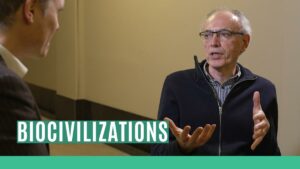
Robert CibisThe conversation with Michael Nehls that I had the privilege of conducting probably provided me with the most important insights of my life. Through this analysis, I was able to build a conceptual bridge between, for example, Matthias Desmet’s description of mass formation on on the one hand, and the pathological examinations by Professor Arne Burkhardt on the other, who was able to detect spike proteins, for example, in human brain tissue in humans. And we see here that psychological, biological, social, economic, and military come together. And the initiative and the design of this so-called drug must be military and must be directed against the the population. These are hypotheses that have already been very well supported by the legal legal contexts, for example by Sasha Latypova, who had proven that, in fact, the manufacturers weren’t actually these large pharmaceutical companies that subsequently distributed the products, and that even the regular regulatory agencies did not have oversight over these substances, which were in the syringes.
But even if you already know that, even if, based on this information, you’ve already developed hypotheses and suspected power dynamics it’s still something else entirely when you see that these injections not only cause harm to one’s health, but also affect one’s character, psyche, and thinking, and people’s life stories, I was going to say “turns upside down,” but perhaps “destroys” is even more accurate. So please take a look at this conversation, and above all, listen to it until the end—and at the end, we also have some positive things you can do, and read the book and I believe nothing is more important than spreading this message now and of course, nothing would make me happier than for anyone who is watching or listening to this program manages to refute the claims that have been made.
So I’d appreciate any mail and letters, if possible. And if there’s any additional evidence, that’s always welcome, of course. I hope you have a good day, despite the shocking news about Michael Nehls. In 2008, WikiLeaks leaked a document titled *The Handbook of Unconventional Warfare. And it basically describes hybrid warfare, specifically how the military is supposed to involve all sectors of society, in order to keep other regions under control, restrain them, subjugate them, or destroy them. According to Julian Assange, this is his most important leak, and it is surprisingly little discussed. And you’re now introducing an analytical element here, which, in my view, is absolutely revolutionary, with the book *The Indoctrinated Brain*, and this revolutionary analysis offers a fresh perspective on what we actually already know, that our consciousness, our brain, and how it works, is also a battlefield. And this battlefield, has already been described by Matthias Desmet, so to speak, in terms of psychological and psychiatric in his book on mass formation, but now we’re taking it a step further.
Your book picks up where Desmet’s leaves off, namely, psychological manipulation naturally also has biological consequences. How are you able to understand all of this? So what makes you so knowledgeable?
Dr. Michael NehlsYes, just a few days ago, my wife and I were talking over coffee in the morning about what it might be like why I wrote the book. We just got our hands on it from the printer. How is it actually possible that I’m the one who wrote this book and not one of the other 8 billion people living on our planet? The facts are obvious, after all. They’re all right there. It’s just a matter of how to combine the dots into a single image, that is, combining all those pixels into a single image and then saying, “Okay, this is what it looks like.” And if then all the puzzle pieces, so to speak, fit together perfectly fit together perfectly and the image is perfect, then it’s very unlikely that another picture could still be put together using the same puzzle pieces. So then it may be that we’re very, very close to the truth. And I was just wondering about that, and then I said, well, first of all, I have, to understand all of this, you have to understand a little bit of medicine, of course. I studied that. Then you have to understand a little molecular biology, because, after all, it’s also about genetic engineering of viruses and active ingredients—in this case, that genetic material— which is supposed to be regularly injected into people, which has also been genetically modified. And so you probably need to understand a little bit about PCR. This PCR test was highly touted, which was introduced in 2020, as if it were something truly special. Just as an example, I’ve certainly developed 4,000 to 5,000 PCR tests developed myself. So it was simply necessary for my research.
Of course, they weren’t sold; they were simply used, but they were always developed to identify specific target genes or to clone them. So that’s nothing special. But that’s just how it turned out—to a layperson, that’s how it looks. Then you have to understand a bit of neurobiology and, above all, a specific process that involves the autobiographical memory center, so to speak. And that is precisely a very specific mechanism, which we’ll talk about later. And I’ve already written four *Spiegel* bestsellers. And most importantly, over the past three, four years, I’ve made a discovery that has now even led to after a lecture at the University of Munich, that the professor there, who invited me, who is also an editor at Frontiers in Psychology, one of the most important psychology journals in the world, I’ve even been invited to write a scientific article on this very discovery. I have to say, I’m actually a private citizen these days, but this is the kind of discovery you just make, you don’t need a lab for it—you just have to think about things, and then you can connect the dots and suddenly have a new creative idea. That means, in my scientific career, I’ve done a lot of different things—I’ve studied genes with Nobel laureates, so a great deal of basic research in the field of genetics.
And all of these things are now coming together in the context of COVID-19. So the attack—as we’ll discuss later— on autobiographical memory, the methodology, which involves not only genetic but also psychological measures, and the realization that here one is not only attacking the software, in the brain, so to speak, but also the hardware. Perhaps one more thought on this—I was asked recently, Yes, Desmet is basically describing the software, so to speak, the effects or the, yes, and I describe it sort of like a hardware attack, but if you really take this analogy with computers that far, then it’s actually wrong, because in a brain like that, there’s no distinction between hardware and software. If, for example, I say, well, I now have a certain, lower level of psychological resilience, and that could be a software problem, then you can clearly say, there’s also hardware, that’s being destroyed and that is responsible for it. And conversely, if I have lower resilience, then this hardware destruction process is actually accelerated even further. What you then see, for example, as post-traumatic stress disorder, and then you also see that in fact, in this case, the memory center actually shrinks—and at an accelerated rate.
Robert CibisMany people are familiar with the idea that memory is essentially a connection between brain cells, and each one— because they’re connected that way— you then have this image in your memory, for example.
Dr. Michael NehlsThat’s right. Yes, in principle, it’s the functions of the synapses, so not a real connection at all— they don’t actually connect. So there’s still a gap between them. This gap is called the synaptic cleft. But physically, it is a connection because signals are transmitted across it. And the strength of these signals then creates, in some unknown way, and in our case lasts so long—images in our minds, memories, thoughts, and also new thoughts. Yes, that’s exactly it.
Robert CibisWhat does this injection do? What does it do when you’re “spiked”?
Dr. Michael NehlsYes, you mentioned earlier that “warfare” originates, so to speak, from the military, so from defense ministries— that’s what they’re called, after all. Not “ministries of attack,” but “ministries of defense.”
Robert CibisI’ve heard that these names are also relatively new in history of humanity. They used to be called war ministries.
Dr. Michael NehlsYes, yes, exactly. But today, everything is downplayed a bit. So terminology, of course, also shapes our understanding. And it all sounds much more harmless. And that’s a good thing, too—that we don’t see any danger, so to speak, even though it’s actually there. If you go back to the virus or the vaccine, well, before the vaccine, there was the virus to begin with. And the virus itself was, after all, already somewhat dangerous. And that’s actually almost impossible to distinguish from the vaccine. Except that there’s the problem that the probability of catching the virus is low. That it usually only infects the respiratory tract, so to speak. Whereas the part you get vaccinated against is actually the most dangerous part of the virus. It does so regularly and with a much higher probability. So in Germany right now, only 10 to 20 percent of people have ever been exposed to the virus. But 80 percent have already seen the vaccine multiple times. So that’s what actually makes it so dangerous. Plus the fact that it reaches all the body’s cells, because it’s administered systemically and not, as with the virus, just to the respiratory tract. Still. Nevertheless, both are genetically engineered, that is, first the virus and then subsequently the vaccine as well.
They’ve been genetically engineered, after all. Everyone is now clear on that. And there are also very clear signatures explaining why this isn’t a random mutation or a random virus, that could have originated somewhere in the animal kingdom. And above all, a specific site in the virus—and specifically in the so-called spike protein of the virus—so we’re talking about coronaviruses here, which have a crown, and the crown has spikes, and in English, the spikes are called "spike." And that’s why it’s called the spike protein, which defines the spike. And genetically, it’s the spike gene. To produce the protein—that is, for the virus to be able to produce the protein— it injects its genetic material into our cells. And that’s where the gene for the spike protein is. And this gene for the spike protein has been genetically modified. And it was actively modified. That didn’t happen by chance. Among my genetic changes, there are also random ones. We call the ones that happen by chance “mutations.” But this mutation is so improbable that it can be ruled out by any standard of common sense, that it could have arisen by chance somewhere in nature, especially since there is nothing similar. And they really did look. Over 100,000 species were examined. So, specimens. So they took samples from the animal kingdom, around Wuhan, from over 100,000 animals.
No coronavirus was found anywhere, that looks even remotely like this. So back then, it hadn’t spread yet and couldn’t be found. Now, of course, it also exists in the animal kingdom. But this mutation, which is so strongly indicative of engineering, is what’s known as a furin cleavage site. And I’ll make the connection right here to the U.S. Department of Defense, because there’s a direct connection there. And to understand all of this, I now have to go back quite a bit further. Coronaviruses, so to speak, attach themselves to human cells using this spike protein. That’s the outermost part on the surface, so to speak. It has spikes. And then it attaches to our body’s cells. And then the genetic material is injected into the cells, so that the virus can replicate again. And to make the virus more efficient, so to speak, this spike protein is cleaved as it penetrates the cell. And this cleavage is a slow process. To make the virus, so to speak, as a biological weapon more efficient in terms of its infectivity, a think tank—that is, a research center affiliated with DARPA, that is, the Defense Advanced Research Projects Agency (DARPA), and so on. They conduct, so to speak, research on biological weapons, nuclear weapons, whatever.
So they research everything that qualifies as a weapon. And one of their think tanks suggested to improve the coronavirus as a biological weapon, one should start by identifying one of these two cleavage sites, which are necessary for the virus to penetrate the cell, we should anticipate one of them in advance. Ideally, we’d build a furin cleavage site into the spike protein. That was the proposal. Such a furin—and it’s important to note that furin is an enzyme found in our body’s cells. That means it snaps, and the spike protein is split into two parts. And that makes the virus more infectious and more effective as a bioweapon. Officially, back in 2018, DARPA officially said, “We don’t do that.” The reality, however, is a furin cleavage site then appeared in the coronavirus. And right in the middle of the spike protein. And this spike protein sequence—that is, the spike protein gene for this furin cleavage site—that is, for this cleavage site— was already patented in 2016 by Moderna. And it consists of 19 letters. And the probability that 19 letters in the exact order and sequence to occur randomly somewhere, is like, I don’t know, I haven’t actually calculated it, but I’d win ten lottery jackpots in a row with six correct numbers, is more likely. So it’s practically impossible, so to speak.
Robert CibisFunnily enough, I read about this recently, about one in a trillion.
Dr. Michael NehlsYeah, it’s incredibly small. And that’s why we have to assume that this Moderna sequence was inserted there in Wuhan with the intention of creating a bioweapon. Okay. Now here’s the thing—I’ve been asking myself, well, is it just about infectivity? Maybe. But what’s also been known since SARS-CoV-1 is that the spike protein is neurotoxic. And that’s where my knowledge of autobiographical memory comes in— a certain mechanism is necessary for us to be able to think efficiently. That’s why I’m going to briefly digress into this topic, and then we’ll bring bring these two lines of thought together, as I would in my proposal. So, autobiographical memory has a certain characteristic. It allows us to immediately remember everything whatever we’ve heard once. So if we’re having a conversation here right now and someone is listening, or if the two of us are, of course, trying to remember what we’ve said, then it’s only possible, because we have this autobiographical memory center, which has the ability to store a thought after hearing it just once, or a thought that we’ve only had once, to remember it immediately and permanently. This is a unique capability, if you imagine, when I ride a bike, I have to go through it ten times first until I can do it.
If I want to learn a piano piece, I have to repeat it countless times until I’ve got it more or less down. If I want to learn a word— a foreign word— I don’t know how much repetition I need, until I finally get it. But a thought we have, especially if it inspires us, that’s important—we’ll remember it forever. I even know exactly when and where I had that thought. And that when and where is also crucial, because the hippocampus—which is our lies the hippocampus—our autobiographical memory center—and located here in the temporal lobes, about the size of a thumb, the hippocampus determines the when and where, what we thought, so to speak, how it felt, and it also stores this information somewhere. That’s why I call these the “when” and “where” neurons. As for the “where” neurons, they were awarded at least one Nobel Prize, when they were discovered. "When" neurons exist as well—the time neurons— but no Nobel Prize has been awarded for them yet, but it’s certainly worth one. And together, they define what we thought, when, and where, and where we can find it in the brain. That means we also need these “when” and “where” neurons for memory, which is why I also call them index neurons. That’s the term. And we’ll just work with that for now, the index neurons. And the hippocampus has these index neurons, and now, when we learn something during the day, have thoughts, or carry on conversations, then at some point we get tired— everyone feels it. This tiredness that builds up, is called ego depletion. That’s a scientific term.
And when we’re tired, we don’t feel like engaging our minds anymore. Then let's just have some peace and quiet. And it’s better to postpone important thoughts until the next day, that’s better. And this ego depletion— this not engaging the mind— that is, not engaging our minds, Daniel Kahneman even won a Nobel Prize for that. He won a Nobel Prize for discovering that there are two systems of thought. A fast way of thinking, which, so to speak, encompasses our routine actions, and a deep thinking. And he discovered that under certain conditions, we no longer want to think. So he realized that with this ego depletion, some mental energy is lost. But when the 2002 Nobel Prize was awarded, back then, no one knew what this mental energy was. And people didn’t know that until recently, either. And I wrote a book called, *The Exhausted Brain*, in which I identified this energy. Secretly, I hope there might be a Nobel Prize for the discovery of this energy. That would be pretty cool, especially because it has incredible implications. Energy—I’ll keep this brief—which is, so to speak, necessary for us to be able to form new thoughts again and again, lies in the production of new index neurons.
It’s actually quite easy to imagine. When the index neurons are depleted from thinking too much, and there are no free synapses, then we don’t want to strain our brain anymore. Because when we have new thoughts, even though all the slots are already taken, then it only works by overwriting old index neurons. I think that makes sense. So it’s like turning a page in a diary. I have a diary and I scribble all over the page. And if I don’t turn the page and keep writing now, then everything will end up illegible. And “turning the page” involves us producing new index neurons. This is a second special property of the hippocampus, which is located up here—that is, our memory center. It can do this throughout our entire lives, every day— or rather, every night— and this happens only at night, when we’re asleep, produce thousands of new index neurons. And without these index neurons, we are chronically ego-depleted. We’re either unable to, or we simply don’t want to take in new ideas. That’s the problem. That means that if I now, so to speak, want to influence someone, so that, for example, they stop thinking, so that they just accept everything, so to speak, and don’t want to think outside the box, then all I really have to do is make sure that he doesn’t produce any new index neurons. Then he’s chronically exhausted and puts up with everything.
And that means index neurons as a target are a very exciting topic. On top of that, index neurons— which are newly generated, have many other properties as well. For example, they’re responsible for our psychological resilience. The fewer index neurons we produce, the less psychologically resilient we are. Conversely, this means that people who produce few index neurons are prone to depression. In extreme cases, it becomes chronic. And when it becomes chronic, the production— that is, the lack of production of index neurons, the main cause of Alzheimer’s. That’s why I said, when I looked at all the COVID-19 measures in 2020 —everything that was happening there— is, in principle, already an attack on the production of index neurons. Because the production of index neurons depends on us living in a way appropriate to our species. If we don’t live in a way that’s appropriate for our species, then it comes to a standstill. And I’ve already been able to show, in earlier books, that we can keep our memory center forever young, including through this mechanism known as adult hippocampal neurogenesis. That is, the formation of new brain cells in the hippocampus, even in adults—is unique. And this adult hippocampal neurogenesis produces precisely these index neurons.
And these index neurons, this constant production, is the correlate of our natural curiosity, because they want to collect new memories. If we don’t do that, they die off again, because then the synapses aren’t being used. And synapses that aren’t used are a death signal for cells—it’s called apoptosis. That means only if I actually use my index neurons, the new ones—in other words, if I’m curious and really want to learn something new, then they’ll be preserved. And that’s why I then looked into it—okay, what are the mechanisms that cause index neurons to grow, that stimulate their production, and what are the mechanisms that block them? Because in our society, even though we have the potential to increase the size of the hippocampus by one, one, two, or three percent each year, the potential for growth the hippocampus actually shrinks. In our society, the hippocampus shrinks by an average of 1 to 1.5 percent per year in adults. That means we’re already living in a way so out of tune with our nature that our hippocampus—our memory center—is shrinking, and that’s why depression is the number one leading cause of illness, as early as 2019, and the third most common—that is, on the list of diseases, so to speak, that cause death— Alzheimer’s ranks third. And I already knew, back in 2020 when all those measures were introduced, knowing what is necessary to produce index neurons, I said, “We’re essentially shutting this down right now.”
And I predicted that depression rates would have to rise, and that Alzheimer’s rates are bound to rise. And that’s just the tip of the iceberg in a society whose autobiographical memory no longer functions, and agrees to everything. And indeed, within the first year of the pandemic, thanks to the measures that were already in place at the time, depression rates worldwide tripled from the peak that the WHO had declared as the global peak in 2019, depression rates have tripled. Alzheimer’s alone has increased between 2018 and 2021, cases in Germany have increased by 30 percent. And due to the acceleration of the Alzheimer’s process, there are now even more people—around 100,000 people under 65— are currently developing Alzheimer’s. And that will accelerate even further. Then I said, “Great, that’s a direct attack on autobiographical memory— everything that’s happening there. But the biggest shocker was actually the spike protein. So the insertion of this furin cleavage site is the ultimate and most lasting intervention in autobiographical memory, in the production of these index neurons, which are vital to us. And that is precisely what I am now demonstrating in this book, that this is another factor. And this call to action, which just three, four days ago in the Ärztezeitung, I get it regularly—it says we should start thinking about getting vaccinated again, this fall—for COVID-19—and ideally at the same time as the flu shot, a dual vaccination, including mRNA, brand-new on the market, regular vaccinations, and ideally vaccinating teenagers off-label as well.
And I’ve also been wondering, why are people being vaccinated who are so young—yes, children, yes, babies— yes, pregnant women—who aren’t even in high-risk groups. What’s the point? Is it really just about making money off the vaccine? Or, from my perspective, isn’t it this attack on autobiographical memory that leads to making people compliant. And that starts from a very young age. And what reminds me a bit of *Brave New World*, yes, the destruction of the brain starting at birth, yes, that they produce, so to speak, Alpha, Beta, Gamma, Delta people, so to speak. And that’s a bit of a stretch, maybe far-fetched, but it’s kind of obvious, right? And now, let’s go all the way back, maybe, to that furin cleavage site. Why is it so crucial for our hippocampus—and especially for the formation of new brain cells—so dramatically and problematic? And why is this an attack? That’s actually the crux of the matter. What puzzled me right from the start was is the inclusion of this furin cleavage site—from the perspective of what effect did it have, aside from the fact that the virus thereby becomes somewhat more infectious. and because I was already aware, based on my research, what all of this causes, so to speak, namely neurogenesis in the hippocampus, that is, the production of index neurons, which are responsible for our self-esteem, our self-confidence, our ability to think—all these factors, which are such important faculties that we use to navigate through life, because what hinders that? And it became clear to me relatively quickly through studies that, above all, a major inhibitor—besides stress—is high cortisol levels, is that they block neurogenesis, at the same time, it’s neurotoxic, which is why people who suffer from chronic stress or post-traumatic stress disorder, tend to have a shrunken hippocampus, Constant stress ultimately leads to depression and, in the long term, to Alzheimer’s, it all made sense. But what’s also extremely efficient is is to support the hippocampus in producing these nerve cells, which are important to us— precisely these index neurons— is inflammation— chronic inflammation, or acute inflammation that becomes chronic.
The logic is quite simple: during acute inflammation, the body must mobilize all energy to combat the acute inflammation. It therefore also makes sense that, in that state, regenerative measures —after all, they also consume energy. So wound healing is disrupted as long as we’re fighting an infection. This means that all stem cells do not multiply at that moment, when we’re under stress—or rather, stress also plays a role— cortisol levels rise, which suppresses stem cell production—in other words, we don’t have neurogenesis. That makes sense, but it’s the same with infections, too, because—and this is the case— I looked it up, yes, in fact, all the relevant infectious signaling molecules, including interleukins, for example, interleukin 1, interleukin 6, interleukin 10, or even tumor necrosis factor alpha, TNF-alpha—these are potent, that is, truly extremely potent inhibitors of neurogenesis in the hippocampus. And I discovered this back in 2007, when a paper on SARS-CoV-1 was published, stating that the spike protein specifically upregulates these cytokines. That means it was already clear to me back then that the spike protein can block neurogenesis.
And here’s the kicker: due to the introduction of this furin cleavage site two parts of the Spike protein are now formed after the cleavage by furin, it cuts the Spike protein into two parts, so we end up with two subunits, called S1 and S2, S stands for spike, S1 and S2, subunit. And the outer one is the S1 subunit, and that’s the one interacts with our body’s cells. And it’s the one that, for example, ensures that white blood cells produce interleukin and TNF-alpha, which block the hippocampus, are produced. That means, via the furin cleavage site, I’m now producing a lot of S1 subunit in the body. And this S1 subunit has yet another, very critical property. It can very easily cross the blood-brain barrier. Whereas the virus—a respiratory virus— cannot really cross the blood-brain barrier at all, the spike protein can. And above all, the S1 subunit is extremely neurotropic. That means it’s not only neuroactive, it’s also neurotoxic. That means that by introducing the furin cleavage site, I have created a biological weapon against autobiographical memory. And that explains several things. First, why, just for the sake of the virus—for this vaccine— —that is, this genetic material that contains this spike protein, including the spike interface in the genetic code, why did they use these lipid nanoparticles as the vehicle—that is, these LNPs.
After all, they were developed for brain penetration. So here’s a second clue: they want this stuff in the brain, possibly. So I can only speculate right now, but why would you take something for a respiratory illness that can cross into the brain? On that note, I’d like to mention, for example, Anthony Fauci, the leading figure in the U.S. for the entire vaccination program during the early years and and possibly also one of the key figures behind the production, that’s what people are speculating—it’s speculation, of course, at this point, but there is speculation that he was involved in the production in Wuhan. But regardless of that, he strongly promoted the idea that everyone should be vaccinated with this spike vaccine. He published a paper in the spring of 2023, and I’ve read it very carefully; it’s about new vaccines, and then he writes or rather, his group— he’s the last author, so actually the lead author, the head of the group, is always the last author in scientific journals, since the group is the one writing the paper and thus he is as well, it’s not surprising that against respiratory diseases, diseases—that is, respiratory viruses— a systemically administered vaccine cannot work. That’s what he says. Or rather, he and his group, and then they have to, so to speak, and with that, he’s actually explaining why the COVID vaccine didn’t work, and we just have to start thinking about new ones now, about new possibilities, new strategies.
But a decision was made in favor of that, and a decision was also made against it, against a vaccine that, for example, wouldn’t just simply injects—which would have been the simplest thing to do— something that doesn’t replicate. One could also have taken a completely different part of the virus, the so-called nucleocapsid. So that’s—if you look at the crown— basically the ring, that is, the virus’s shell. This is what’s known as the nucleocapsid. So “capsid” basically means “capsule,” and “nucleon” is the genetic material, which encloses the genetic material—the nucleocapsid. And these proteins, which make up the nucleocapsid, when antibodies are produced against them, which, for example, people who have just gone through the infection have, the more antibodies you have against the nucleocapsid, the more resistant you are to reinfection. That’s actually the better vaccine. But that’s not what they did; instead, they used the toxic spike protein, or rather the genetic material, which is even worse, because it permanently produces the spike protein in the body’s cells. Then they incorporated the furin cleavage site, and boom, it goes into the brain. Aside from the fact that a certain percentage ends up in the brain anyway through systemic administration, the LNPs—that is, the lipid nanoparticles— the delivery system, also allow transfer into the brain, because that’s what they were designed for— to transport toxins—that is, chemotherapeutic agents— into the brain.
So there was an interest in getting that stuff into the brain, you can hardly deny that. And then the question naturally arises: why, if you really want to target the brain, yes, why—then it actually follows almost logically that if you want to transform society, you have to start with the children. Yes, so the earlier, the better—yes—if you want a compliant society and restrict their ability to think, then you don’t just do that to adults, then you want to influence not only the entire society, including the next generation, from the very start. And that also explains why people, that is, young people who posed absolutely no risk, for whom the virus posed no threat, why they were pressured to get vaccinated. To me, the only thing that makes sense is you could also say, okay, it’s about money, but that’s not really the case for me, it’s less likely that it was just about the money, because there was definitely more pressure behind it, to the point of crossing ethical guidelines. So, a vaccine that’s being tested on people, that hadn’t even been tested in clinical trials. Pregnant women were excluded. Suddenly, they’re saying, pregnant women must be vaccinated. Why? Why was this promoted worldwide, so to speak?
There’s a lot to suggest that the intention was ultimately to put a strain on the unborn child —that the autobiographical memory center is disrupted even during its development. This affects the entire brain, because in children, neurogenesis doesn’t just occur in the hippocampus, it takes place throughout the entire brain, yes, that’s where it occurs. That means the damage will be much greater there. And then there’s also the frequency of vaccination—that’s a major issue. I mean, why every year? The latest study I’ve seen, was on infected individuals; it was published and peer-reviewed, showing that even 15 months after infection, the spike protein— that is, the S1 subunit, can still be detected in the brain. 15 months after infection—that is, it will be no different at all it won’t be any different at all. So even if I were to break down that stuff, say, after a few years, because of the annual booster shots, you basically have a chronic presence of spikes in the brain and thus a chronic impairment of neurogenesis in the hippocampus—and thus a chronic impairment of people’s cognitive abilities in humans, quite simply.
Robert CibisSimple, yet stunning. They act like a
Dr. Michael Nehlsforensic investigator in the human mind, where, as already mentioned, software and hardware are one and the same, and fortunately, this allows us, so to speak, to draw conclusions about the course of events and even about the perpetrator and even the perpetrators’ intent, because we’re talking about an engineering feat where there is planning involved, and not an impulsive, emotional outburst. It is not a crime of passion or a passionate assault. On the contrary, it seems meticulously planned, because you’d have to come up with that idea in the first place. It’s brilliant and perfidious at the same time. That’s how I’m writing it, too, because if it really were like that, it would truly be brilliant and insidious. I mean, I can’t say that’s really how it was, but the pieces of the puzzle—that is, all the phenomena that we observe—fit together, because it goes goes one step further. I’d like to explain again what the secondary consequence. It means we’re less capable of using System 2 thinking, as Kahneman describes it. That means we won’t think outside the box. The second step is—it’s it’s not as if we don’t still have memories or recall events without index neurons being produced. So our brain does have emergency mechanisms so that, even if we don’t have fresh index neurons—even if we’re tired in the evening, we can still take in some information if we have to, yes. So that’s not really how it works—we may not want to do it anymore, we’re ego-depleted, but that doesn’t mean we aren’t forced to do it anyway.
My go-to example is always: I’m tired, sprawled out in front of the TV, watching Netflix or whatever, just chilling out, and suddenly I hear a noise down in the basement and think: Okay, a burglar—it could be, maybe it’s just the cat making some noise—whatever it is, but I’m going to go check it out, and it’s an emotional experience—meaning I’ll remember it the the next day that maybe it’s not just a cat after all, but actually someone who has broken in. All these things trigger emotions, but they are—and these emotions now force the hippocampus—it’s still something to take note of, and you can, is simple logic: if there are no index neurons present—fresh ones, because production has just shut down there, then it will automatically use ones that have already been used, and since index neurons can, of course, only store memories, earlier this new event—which is now being learned or recalled out of necessity, will practically overwrite the old ones. We don’t notice this; it isn’t painful. So if I forget now, when I see a picture later and say: Ah, there was something there, but I won’t be able to exactly, it just fades away because of that. That’s actually a normal process, and that’s okay. But if we now have a chronic inhibition of index neuron production, but at the same time are living in a climate of constant panic and fear —whether it’s COVID-19 deaths or all the reports we’re constantly bombarded with at time in the evening when we’re already tired anyway, on the news, in the special broadcasts, then there’s the war, which is just as pointless as the COVID-19 measures, and all the climate panic. This is all information that’s constantly constantly bombarded with, and always with a great deal of emotional content. That means we are constantly forced to absorb this content, and inevitably, with every piece of content we absorb, we erase a part of our personality, a part of our individuality.
This erasure, as I said, takes place continuously, and in the end we have people who, in principle, only remember these events, and at some point, of course, these events will become almost unbearable due to a lack of psychological resilience, hardly bearable anymore, and people will say: We need someone to stop this.” So, in essence, the path is already being paved for the idea that: “We need a strong government, a strong, possibly global government to address global problems, and the path for that is also being paved right now. So the WHO is currently being empowered to take the reins in all crisis situations that are relevant right now are relevant—that is, potential pandemics, even climate issues—to take the reins, and in principle, that could very well be the path—that is one of the overarching motives behind this phenomenon, which I describe as something that simply makes people compliant and actually leaves them with the hope that someone will come along to tell us which way to go, and that an AI doesn’t just monitors the neighbor to make sure he isn’t harming the climate, and if he monitors that, then of course it can also monitor me, and just like that we have a social points system. And that’s not even a conspiracy theory—the entire concept can be found in documents that the federal government has on its servers, and the fateful year is always 2030 in all these documents. But back to this brain: How do you get out of there? Yeah, that’s a good point. I’ve been wondered whether I should write the book solely as a dystopia— as a dystopian nonfiction book. So I’ve I talking about “zombie mode.” Yes, exactly—that’s “zombie mode.” It was another Nobel laureate, Francis Crick, so Christof Koch, a consciousness researcher, he after winning his Nobel Prize for the discovery of the structure of DNA—that is, the structure of genetic material—he said that in that field there would be no further Nobel Prize for him he would like or believe in, and he wanted that specifically for consciousness, and then he had already, back then—a year after the 2003 Nobel Prize—published a paper in *Nature* together with Christof Koch, and in it they talk about how great that we have a System 2, which allows us to think outside the box, but it’s also not a bad thing, from an evolutionary perspective, that we have System 1, a so-called “zombie mode” that operates without consciousness. So that’s also an important criterion. System 1 operates, in principle, without consciousness. That means, if we’re trapped in zombie mode, then we’ll act more and more and more unconsciously, because only when we do something consciously do we switch on System 2, and that Exactly, because we're trapped in this "zombie mode" of System 1, because we're being robbed of our System 2 capacity by blocking the production of index neurons.
But it goes much further than that— it’s about the overwriting of individuality by the narrative content we’re fed every day, and this overwriting of individuality, which ultimately serves as the basis for creativity as well. This is even more profound than just the “zombie mode.” It’s actually much more profound when we individuality—then we lose, in principle, our ability to mentally react to things, and that to reproduce. That’s the goal, the imperative: Be fruitful and multiply. Darwin could just as easily have written what’s in the Bible. That is so to speak, the modus operandi of evolution, so to speak. We’re measured by how many offspring we have. That is, so to speak, the currency by which evolution measures its success; and to be successful and to reproduce, you first have to survive, and to survive, we have to defend ourselves, we have to feed ourselves, but we also have to control against enemies, and among them are microorganisms and macroorganisms, and for the microorganisms, we have our classical immune system, physical immune system, and for the macroorganisms we have something I call a mental immune system. And the weapons of the mental immune system are the memories we have in the hippocampus.
So, for example, if a dog runs toward me, I have several ways to react to it. If I’ve never seen a dog before, I’ll probably react incorrectly. If I’ve seen a dog before, I have a memory of it, and possibly also an assessment: Is it a small dog, a big dog, does it have big teeth, is it more of a friendly sort? These are all things that are stored autobiographically in my mind and define my reaction, so to speak. That means, my reaction to macroorganisms—in one case, a dog; in another, perhaps Bill Gates— these are things that we need to experience need. And the same applies now, when we block index neuron production through the measures we’ve experienced with COVID-19 and, above all, through the chronic injections of Spike, then, and the overwriting caused by this constant war we’re waging externally waging against everything, against our brain—and as a result, we lose more and more autobiographical memory content. In other words, our mental immune system is collapsing. And that’s actually—as you mentioned at the beginning—when it comes to waging war—that’s exactly what you have to do: break down the mental immune system of society, in order to take it over. That’s the easiest thing to do and that’s one aspect. The other aspect is that, with people in their 20s and 30s, —as you can read in the federal government’s plans—that there’s an increasing invest more in AI surveillance of society, and the AI must of course not only observe people’s behavior— it must also predict it. Yes, there’s even an article from the BMI that discusses how we might even—because AI knows better than than we do ourselves, AI will ultimately decide for us how the future should look like. That means we’re entering a post-voting society; we can abolish democracy, because AI knows, after all, what’s best for us. Why shouldn’t we go to the polls anymore—why should we?
Well, and AI can only predict our behavior perfectly if we have as little of our own creativity as possible—creativity that is chaotic and may trigger behaviors that are unpredictable. To requires a reduction in individuality, and that is a side effect, whether it is a primary motive is open to debate, but it is certainly a very disturbing side effect of this process. Wow. As I tried to write in Chapter 7—the last chapter—in a hopeful tone, trying to convey, there are several things. So, on the one hand, there are perhaps three things that I see: one is, of course, quite clear—if the battle takes place in the brain, so to speak, then we must also forge our weapons. So we have to take up the fight there. The weapons we have are precisely those that the enemy, so to speak, wants to take away from us—namely, the ability to think creatively to think, to look beyond the obvious, to grasp connections, to develop a psychological resilience so that, despite all these adversities, we don’t break down, mentally, but rather find a way to fight back. That means we have to simply reignite neurogenesis in the hippocampus. I’ve also described as a formula against indoctrination— which areas of life we need to examine and identify where there may be deficits that could potentially block the natural growth of the hippocampus and the production of these index neurons. Example: vitamin D deficiency. Vitamin D isn’t just an immune hormone that plays an important role is important for that, and it’s things—we probably have a cytokine storm, which leads to the COVID-19 measures can be enforced. That’s why it’s being promoted everywhere: We don’t need vitamin D anymore. That’s a really fascinating topic, yes. We don’t need vitamin D anymore; humans have taken an evolutionary step. Did you noticed that?
I just read—a few months ago, so almost a year ago again ago, that, for example, the New England Journal of Medicine—the most prestigious scientific journal in the clinical field you can imagine—so anyone wants a Nobel Prize publishes there, and there was a study in it that is absolutely outrageous. I made a video about it, focusing especially on the interpretation of this study, and then, as a result, an editorial—that is, the editors themselves, so to speak, didn’t hesitate to pass judgment on vitamin D, and the bottom line is that people should stop taking vitamin D, even if they have a deficiency, just to prolong their lives or stay healthy. That’s what it says, and that means we no longer need vitamin D, nor do we need the vitamin D hormone anymore. But conversely, we do need the regular spiking—that’s what I call it—this spike administration, in order to survive. So we’ve taken an evolutionary step —no more vitamin D, but spiking ensures our survival. So, If, for example, you view Alzheimer's as, so to speak, a biological correlate of permanently disrupted neurogenesis—I’ve written a paper on this: “Unified Theory of Alzheimer’s Disease,” in a scientific article. In it, I described this in detail, and that’s what the prevention strategy for Alzheimer’s is based on that. And if I now view this as a correlate—and as we’ve just seen, the impaired neurogenesis is now leading to an increase in Alzheimer’s rates worldwide dramatically—when you look at it—then it’s the case that vitamin D is also critical, as far as neurogenesis is concerned. And the logic is: If I have a deficiency, I have an increased likelihood of developing Alzheimer’s.
I’ll summarized that they published, in the title: At 125 nanomoles, the probability of dying from COVID-19 is zero. So, all they really would have had to do is raise vitamin D levels, and there would have been been no COVID-19 deaths. Okay, that’s also what the German Cancer Research Center said: 9 out of 10 COVID-19 deaths could have been prevented. It’s simple: if you increase your step by 10 millimoles, that step, reduces the likelihood of developing Alzheimer’s by 7%. That means this increase from 30 to 130 would reduce Alzheimer’s by 70% worldwide. The annual dose costs 6 euros. So, to reduce Alzheimer’s by 70%, we’d need 6 euros a year, and we wouldn’t have any COVID-19 deaths. It would be that simple, and yet only Internet Journal says we don’t need any vitamin D at all. I mean, you can’t imagine anything more absurd. But a vitamin D deficiency is essentially a two-pronged attack on our immune system’s defense against microorganisms and on our immune system against macroorganisms, and this is explained in the book, for example, as a in my formula, for example, is the meaning of life. Every person needs a sense in life. If we have no purpose in life— and there are psychological studies showing this—then the rate of Alzheimer’s rises dramatically. Why? Because we have no reason to get up in the morning; we have nothing to do; our brain isn’t being stimulated that’s interesting, because we’re not doing anything interesting, and the hippocampus shrinks and Alzheimer’s looms. That means we need a purpose in life, and a purpose in life could be to tackle what’s happening right now. So, I’m try to give people a purpose in life through the task of finding others who you can convince. That’s an important task we face right now. And there’s the famous conformity experiment by Solomon Asch, which shows that 23 percent of the people tested back then— in the 1960s—23 percent—did not followed the crowd but relied on their common sense, and the rate of those who the rate of those who refused to get vaccinated.
And when a certain percentage refuses to get vaccinated and then the side effects become apparent—for everyone, of course— then suddenly there are those who say: Well, you’re right after all. And then, if just one person—so to speak, out of that 23 percent—could convince just one other person, we’d already have 46 percent. So, if everyone took this life’s mission seriously, we’d have a a majority, one that brings about change not only politically, but also on the streets, so that people actually go out and say: “Hey, they can’t do that to us,” that’s not acceptable. So, we have to build majorities. And the third point—I mentioned mentioned in the third point—that aside from our own minds and the influences on influences, the question is, of course: What is our view of humanity? We’ve been decades—or since the dawn of time, actually since original sin—going back that far as far back as the Book, we’re told that human beings are evil, we must defend ourselves against everything, and humans are so bad that only a social credit system, monitored by AI, so to speak, can save us from self-destruction. And this view of humanity, needs to be questioned. There’s a famous historian who just wrote a written a book called “Fundamentally Good,” which I thoroughly enjoyed reading, and that we must work together to reinforce the idea that people are good, that no one intends to do us harm a priori and that we must work together. That is the basis for cooperation between people, which is taken away from us by the view of humanity that we is wrongly indoctrinated into believing that human beings are bad and incapable of capable of social action. So, we have to make some adjustments, and that is but it’s possible if the hippocampus is functioning again again.
Robert CibisYes, and then we have the problem that people who lack empathy tend to be the
Dr. Michael Nehlspeople who exercise power over others than those who have empathy. Yes, it’s actually a bit more complicated. I talk about “acquired sociopathy” in the book; there are studies showing that people who have power—and the more power they have, the more the mirror neurons are shut down. So, that alone is interesting. I also write an entire chapter about it. There’s a scientist named Bloom the scientist, who wrote a book called “The Case Against Empathy.” Empathy is ultimately System 1. Empathy, so to speak, taps into our innate and acquired reflexes to act quickly to act. We see someone suffering, and we react to it. That’s a good thing, but if we remain solely in System 1 and practice empathy in a “System 1” way, so to speak, we’ve been lured into empathy, into getting vaccinated. Yes, feel empathy for the elderly man who’s now gasping for breath in the ICU, gasping for breath—yes, because you refuse to get vaccinated. That’s how, with that image, empathy has been created, so to speak, and behavior has been influenced. And what I write about in the book is, so to speak, that there is an alternative to empathy that we shouldn’t lose sight of, and that is what I call: rational compassion.
Here’s an example: When my family doctor told me, “You should get vaccinated,” yes, so get vaccinated, and I, as a doctor, as a role model, and in general, the gasping people over there—and that’s exactly the image she painted for me, just briefly, if we’re really talking about outside help here—so there were already good studies on this, even one from the CDC, which then to wear masks again—that was already known at the time known at the time. But what was less well known was that all those lockdown measures had to be funded, and one consequence of that funding was that the World Hunger Relief program was discontinued, and UNICEF said: Because of this, millions of children will now starve. When I told my family doctor about this, he just said: Yeah, well, but in those countries, children die every day anyway. So, no empathy for these numbers, and these numbers aren’t, of course, a mental image at least not at first, and that’s why you can only approach this through rational thought: Wait a minute, people are dying there, too. If I save one person here with these strange measures, ten will die over there. Here, an 85-year-old might survive a year longer, if it really worked, but children are dying over there, and that wasn’t not put into perspective. That means we how an emotion-driven society moves from one drama to the next and yet, seemingly as if moved by a ghostly hand, does what—unfortunately, unfortunately far too often, goes against the interests of those very same people.
Robert CibisA lot of can be explained more easily this way, but there’s still so much we need to describe, still so much we need to communicate, so that we citizens can learn to better protect ourselves, better stand up for ourselves and shape the society we want to create. Become an Ovalplus member, and you’ll also have access to all OVALmedia publications. We need your support to keep going, because we want to work for you and for no third party. We want to remain independent—that’s now more important than ever, because the dreaded agenda, which Michael Nehls mentioned, is is moving forward. But we can take action; we can take action. Please, let’s stick together. is advancing, is screaming about HIV, or is screaming, is screaming, is screaming
Robert CibisDas Gespräch mit Michael Nehls, was ich führen durfte, hat mir wahrscheinlich die wichtigsten Erkenntnisse meines Lebens gebracht. Ich habe durch diese Analyse die gedankliche Brücke schlagen können zwischen zum Beispiel der Beschreibung der Massenformation von Matthias Desmet auf der einen Seite und den pathologischen Untersuchungen von Professor Arne Burkhardt auf der anderen Seite, der Spike-Proteine zum Beispiel im Hirngewebe von Menschen nachweisen konnte. Und wir sehen hier, dass Psychologisches, Biologisches, Gesellschaftliches, Wirtschaftliches und Militärisches zusammenkommt. Und die Initiative und das Design dieses sogenannten Medikamentes militärisch sein muss und gerichtet sein muss gegen die Bevölkerung. Das sind Hypothesen, die schon sehr gut argumentiert waren durch die vertraglichen juristischen Zusammenhänge, zum Beispiel von Sasha Latypova, die belegt hatte, dass tatsächlich die Hersteller gar nicht diese großen Pharmaunternehmen waren, die sie die Produkte dann vertrieben haben und dass auch die normalen Behörden gar nicht die Aufsicht hatten über diese Stoffe, die in den Spritzen waren.
Aber selbst wenn man das schon weiß, selbst wenn man aufgrund dieser Informationen schon Hypothesen entwickelt und Machtzusammenhänge vermutet, ist es doch was anderes, wenn man sieht, dass diese Spritzen nicht nur gesundheitlichen Schaden zufügen, sondern den Charakter, die Psyche, das Denken, die Autobiografie von Menschen, ich wollte erst sagen umkrempelt, aber noch treffender ist vielleicht zerstört. Also bitte schauen Sie sich dieses Gespräch an, hören Sie vor allen Dingen zu bis zu Ende und am Ende haben wir auch Positives, was man machen kann und lesen Sie das Buch und ich glaube nichts ist wichtiger, als dass diese Nachricht jetzt verbreitet wird und natürlich ist mir nichts lieber, als dass irgendjemand, der diese Sendung sieht oder hört es schafft, die geäußerten Thesen zu widerlegen.
Ich bitte also um Post und Briefe, falls das möglich ist. Und wenn zusätzliche Belege da sind, ist das natürlich auch immer gut. Ich wünsche einen guten Tag, trotz der erschütternden Nachrichten von Michael Nehls. 2008 wurde von Wikileaks ein Dokument mit dem Titel The Handbook of Unconventional Warfare geleakt. Und da wird im Grunde die hybride Kriegsführung beschrieben, wie sozusagen das Militär alle Bereiche der Gesellschaft mit einbeziehen soll, muss, um andere Regionen im Griff im Zaum zu halten oder zu unterwerfen oder zu zerstören. Das ist laut Julian Assange sein wichtigster Leak und es ist erstaunlich wenig besprochen. Und Sie bringen jetzt hier ein Analyse-Element hin, was in meinen Augen absolut revolutionär ist, mit dem Buch Das indoktrinierte Gehirn und diese revolutionäre Analyse gibt nochmal einen neuen Blick auf das, was wir eigentlich schon wissen, dass unser Bewusstsein, unser Gehirn, wie es arbeitet, auch Schlachtfeld ist. Und dieses Schlachtfeld, das hat Matthias Desmet schon quasi unter psychologischen und psychiatrischen Aspekten beschrieben, in seinem Buch über die Massenformation, aber jetzt kommen wir eine Stufe weiter.
Ihr Buch fängt da an, wo das von Desmet aufhört, nämlich die psychologischen Manipulationen haben natürlich auch biologische Auswirkungen. Wieso können Sie das alles verstehen? Also was macht Sie so kompetent?
Dr. Michael NehlsJa, ich habe mich erst vor ein paar Tagen mit meiner Frau morgens beim Kaffee unterhalten darüber, wie es sein kann, warum ich das Buch geschrieben habe. Wir haben es ja gerade in die Hand bekommen aus der Druckerei. Wie kann es eigentlich sein, dass ich das Buch geschrieben habe und nicht einer von den anderen 8 Milliarden Mitbewohnern auf unserem Planeten? Die Fakten liegen ja auf der Hand. Die sind ja alle da. Es ist ja nur die Frage, wie man die Punkte zu einem Bild vereinigt, also die vielen Pixel, die da sind, zu einem Bild vereinigt und dann sagt, okay, so sieht es aus. Und wenn dann sozusagen die Puzzlesteine alle perfekt passen und das Bild perfekt ist, dann ist es sehr unwahrscheinlich, dass es ein anderes Bild noch zu konstruieren wäre mit den gleichen Puzzlesteinchen. Also dann kann es sein, dass wir uns sehr, sehr nah an der Wahrheit bewegen. Und ich habe mich halt eben auch gefragt und dann habe ich gesagt, ja, also es ist schon mal so, ich habe, um das alles zu verstehen, muss man natürlich ein bisschen Medizin verstehen. Habe ich studiert. Dann muss man ein bisschen Molekularbiologie verstehen, weil es geht ja schließlich auch um ein genetisches Engineering von Viren und von Wirkstoffen, also in dem Fall dieses genetische Material, was den Leuten regelmäßig gespritzt werden soll, was auch genetisch verändert wurde. Und da muss man also etwas über PCR verstehen vielleicht. Wurde ja groß gepriesen, dieser PCR-Test, der da eingeführt worden ist 2020, als etwas ganz Besonderes wäre. Nur als Beispiel, ich habe in meinem Leben mit Sicherheit 4.000 bis 5.000 PCR-Tests selbst entwickelt. Also einfach für meine Forschung musste das sein.
Die wurden natürlich nicht verkauft, sondern die wurden einfach benutzt, aber die wurden stets entwickelt, um bestimmte Target-Gene zu identifizieren oder zu klonieren. Also das ist nichts Besonderes. Aber es wurde halt das, für einen Laien sieht es so aus. Dann muss man etwas Neurobiologie verstehen und vor allem einen besonderen Prozess, der um das autobiografische Gedächtniszentrale sozusagen involviert. Und das ist eben ein ganz spezieller Mechanismus, über den wir nachher noch sprechen werden. Und dieser Mechanismus, über den habe ich jetzt schon vier Spiegel-Bestseller geschrieben. Und vor allem habe ich im letzten drei, vier Jahre eine Entdeckung gemacht, die jetzt sogar dazu geführt hat, nach einem Vortrag in München an der Universität, dass dort die Professorin, die mich eingeladen hat, die ist auch gleichzeitig Editorin bei Frontiers in Psychology, eines der wichtigsten Psychologie-Journale der Welt, habe ich eingeladen, jetzt genau zu dieser Entdeckung sogar einen wissenschaftlichen Artikel zu schreiben. Ich muss dazu sagen, ich bin eigentlich Privatperson in der Zwischenzeit, aber diese Entdeckung, die macht man eben, da braucht man kein Labor dazu, da muss man einfach nur über Sachen nachdenken und dann kann man die Pixel verbinden und hat plötzlich eine neue kreative Idee. Das heißt, in meinem Wissenschaftsleben habe ich eben ganz viele verschiedene Dinge gemacht, Gene aufgeklärt mit Nobelpreisträgern, also sehr viel Grundlagenforschung im Genetikbereich.
Und all diese Dinge kommen jetzt praktisch bei Corona zusammen. Also der Angriff, wie wir da noch besprechen werden, auf das autobiografische Gedächtnis, die Methodologie, die genetische, aber auch psychologische Maßnahmen beinhaltet und die Erkenntnis eben, dass man hier nicht nur die Software angreift, sozusagen im Gehirn, sondern auch die Hardware. Vielleicht dazu noch ein Gedanke, ich bin vor kurzem mal gefragt worden, ja, Desmet beschreibt im Prinzip jetzt die Software, also sozusagen die Auswirkungen oder die, ja, und ich beschreibe es irgendwie wie die Hardware-Angriff, aber wenn man diese Analogie zu Computern wirklich so weit treibt, dann ist es schon falsch, weil in so einem Gehirn gibt es keine Unterscheidung zwischen Hardware und Software. Wenn ich mal zum Beispiel sage, naja, ich habe jetzt eine gewisse, geringere psychologische Resilienz und das könnte jetzt ein Softwareproblem sein, dann kann man ganz klar sagen, da gibt es auch eine Hardware, die zerstört wird und die dafür verantwortlich ist. Und umgekehrt, wenn ich die geringere Resilienz habe, dann wird dieser Hardware-Zerstörungsprozess sogar noch viel schneller vorangetrieben. Was man dann zum Beispiel als posttraumatisches Stresssyndrom sieht und dann sieht man auch, dass tatsächlich in diesem Fall die Gedächtniszentrale sogar schrumpft und zwar ganz beschleunigt.
Robert CibisViele kennen ja diese Idee, dass Gedächtnis im Grunde Verbindung zwischen Gehirnzellen ist und jede, weil die so verbunden sind, hat man dann dieses Bild im Gedächtnis zum Beispiel.
Dr. Michael NehlsDas ist richtig. Ja, im Prinzip sind es die Funktionalitäten der Synapsen, also gar keine richtige Verbindung, die verbinden sich nicht wirklich. Also da ist noch eine Lücke dazwischen. Diese Lücke nennt man dann den synaptischen Spalt. Aber physisch ist es eine Verbindung, weil dort drüber Signale vermittelt werden. Und die Stärke dieser Signale erzeugt dann auf eine unbekannte Weise und bei uns dann so lange Bilder im Kopf und Erinnerungsinhalte und Gedanken und auch neue Gedanken. Ja, genau das ist es.
Robert CibisWas macht jetzt diese Spritze? Was macht es jetzt, wenn man gespiked ist?
Dr. Michael NehlsJa, Sie haben ja vorhin erwähnt, dass der Warfare sozusagen von Militär ausgeht, also von Verteidigungsministerien letztendlich nennt man die ja. Nicht Angriffsministerien, sondern Verteidigungsministerien.
Robert CibisIch habe gehört, dass diese Namen auch relativ neu sind in der Menschheitsgeschichte. Früher hießen die Kriegsministerien.
Dr. Michael NehlsJa, ja, genau. Aber heute ist ja alles etwas verharmlost. Also Begriffe prägen natürlich auch unser Verständnis. Und es klingt alles viel harmloser. Und das ist ja auch gut so, dass wir sozusagen gar keine Gefahr drohen sehen, wenn sie eigentlich da ist. Wenn Sie jetzt auf das Virus zurückgehen oder die Impfung, also vor der Impfung war ja erst mal das Virus. Und das Virus selbst hatte ja auch schon eine gewisse Gefährlichkeit. Und die ist eigentlich kaum zu unterscheiden von der Impfung. Außer, dass man das Problem hat, dass die Wahrscheinlichkeit, das Virus einzufangen, gering ist. Dass es meist nur den respiratorischen Trakt hier sozusagen infiziert. Während halt das, was man geimpft bekommt, halt der gefährlichste Teil des Virus ist. Das regelmäßig und mit einer viel höheren Wahrscheinlichkeit. Also in Deutschland sind ja momentan erst 10 bis 20 Prozent der Menschen haben jemals ein Virus, das Virus gesehen. Aber 80 Prozent haben die Impfung schon mehrfach gesehen. Also das macht es eigentlich so gefährlich. Plus der Umstand, dass es eben alle Körperzellen erreicht, weil es eben systemisch verabreicht wird und nicht wie beim Virus eben nur den respiratorischen Trakt. Trotzdem. Trotzdem haben beide, sind so genetisch engineiert, also erst das Virus und dann daraufhin auch der Impfstoff.
Die sind ja genetisch engineiert worden. Da sind sich inzwischen alle klar drüber. Und da gibt es auch ganz klare Signaturen, warum das nicht eine Zufallsmutation oder ein Zufallsvirus ist, der im Tierreich irgendwo entstanden sein konnte. Und vor allem eine Stelle im Virus und vor allem im sogenannten Spike-Protein des Virus, also wir reden hier von Coronaviren, die haben eine Krone und die Krone hat Zacken und die Zacken heißen im Englischen Spike. Und deswegen nennt man das Spike-Protein, was die Zacke ausmacht. Und genetisch ist es das Spike-Gen. Das Protein zu produzieren, also dass der Virus das Protein produzieren kann, injiziert er ja bei uns in die Zellen sein genetisches Material. Und da ist eben das Gen für das Spike-Protein. Und dieses Gen für das Spike-Protein ist eben genetisch modifiziert worden. Und zwar also wirklich aktiv. Das ist nicht zufällig passiert. In meinen genetischen Veränderungen gibt es auch zufällig. Mutation nennt man die, die zufällig passieren. Aber diese Mutation ist so unwahrscheinlich, dass sie als ausgeschlossen werden kann mit allem gesunden Menschenverstand, dass es irgendwo in der Natur zufällig entstanden sei, zumal es nichts Ähnliches gibt. Und man hat wirklich gesucht. Über 100.000 Spezies wurden untersucht. Also Spezimens, Aspecimens. Also man hat Proben genommen beim Tierreich, bei Wuhan herum, bei über 100.000 Tieren.
Man hat nirgends ein Coronavirus gefunden, der nur annähernd so aussieht wie das hier. Also es hat sich damals noch nicht verbreitet gehabt und konnte nicht gefunden werden. Inzwischen gibt es es natürlich auch im Tierreich. Aber diese Mutation, die da eben so signifikant für das Engineering spricht, ist so eine sogenannte Furin-Spaltstelle. Und ich mache gleich den Bogen hier zum Verteidigungsministerium der USA, weil da gibt es eine direkte Verbindung. Und um das alles zu verstehen, muss ich jetzt gleich ein ganzes Stück weiter ausholen. Die Coronaviren docken sozusagen an Körperzellen mit diesem Spike-Protein an. Das ist an der Oberfläche sozusagen das Äußerste. Mit Zacken. Und dann dockt es an bei uns in Körperzellen. Und dann wird das genetische Material in die Zellen injiziert, damit das Virus sich wieder vervielfältigen kann. Und damit der Virus sozusagen effizient wird, wird beim Eindringen dieses Spike-Protein gespalten. Und diese Spaltung ist ein langsamer Prozess. Um das Virus sozusagen als Biowaffe effizienter zu machen in seiner Infektiosität, hat ein Think Tank, also eine Denkzentrale der sogenannten DARPA, also Defense Agency for Research und so weiter. Die machen sozusagen die Forschung an Biowaffen, an Atomwaffen, was auch immer.
Also alles, was Waffen sind, erforschen die. Und da hat ein Think Tank von denen vorgeschlagen, um das Coronaviren als Biowaffe besser zu machen, sollte man schon mal eine dieser zwei Spaltungen, die notwendig sind, damit das Virus in die Zelle eindringen kann, eine schon mal vorwegnehmen. Idealerweise, wir bauen eine Furin-Spaltstelle in das Spike-Protein ein. Das war der Vorschlag. Eine solche Furin, Furin muss man sagen, ist ein Enzym, das unsere Körperzellen haben. Das heißt, es macht Schnipp und das Spike-Protein wird in zwei Teile geteilt. Und damit wird das Virus infektiöser und als Biowaffe besser zu verwenden. Offiziell, das war 2018, offiziell hat die DARPA gesagt, das machen wir nicht. Realität ist allerdings, dass eine Furin-Spaltstelle dann im Coronavirus auftauchte. Und zwar genau mitten im Spike-Protein. Und diese Spike-Protein-Sequenz, also die eben Gen von Spike-Protein für diese Furin-Spaltstelle, also für diese Schnittstelle, kodiert, die wurde 2016 schon patentiert von Moderna. Und die besteht aus 19 Buchstaben. Und die Wahrscheinlichkeit, dass jetzt 19 Buchstaben in der perfekten Reihenfolge und Sequenz irgendwo zufällig auftreten, ist so, wie wenn man, keine Ahnung, ich habe es nicht ausgerechnet, aber ich habe zehn Lotto-Jackpots hintereinander mit sechs richtigen, ist wahrscheinlicher. Also es ist sozusagen ausgeschlossen.
Robert CibisIch hatte das witzigerweise neulich gelesen, eins zu einer Billion circa.
Dr. Michael NehlsJa, es ist unfassbar gering. Und deswegen muss man davon ausgehen, diese Moderna-Sequenz wurde dort eingebaut in Wuhan und mit der Idee der Biowaffe. Okay. Jetzt ist es so, jetzt habe ich mir die Frage gestellt, na, geht es nur um Infektiosität? Kann sein. Aber was auch bekannt war seit SARS-CoV-1, dass das Spike-Protein neurotoxisch ist. Und zwar, und da kommt eben mein Wissen um das autobiografische Gedächtnis her, da ist ein bestimmter Mechanismus notwendig, dass wir effizient denken können. Deswegen hole ich jetzt mal ganz kurz in dieser Ecke aus und dann bringen wir die beiden Gedankenstränge zusammen, würde ich bei meinem Vorschlag. Also das autobiografische Gedächtnis hat eine gewisse Eigenschaft. Es erlaubt uns, alles sofort zu merken, was wir einmal gehört haben. Also wenn wir jetzt hier ein Gespräch führen und jemand hört zu oder wir beide versuchen natürlich uns auch zu merken, was wir gesagt haben, dann ist es nur möglich, weil wir über diese autobiografische Gedächtniszentrale, die die Fähigkeit hat, einen Gedanken nach einmaligem Hören oder einen Gedanken, den wir nur einmal hatten, ihn sofort zu merken und zwar dauerhaft. Das ist eine einzigartige Funktionalität, wenn man sich vorstellt, wenn ich Fahrrad fahre, fahre ich erst mal zehnmal runter, bis ich es kann.
Wenn ich ein Klavierstück lernen möchte, muss ich es zigmal wiederholen, bis es einigermaßen sitzt. Wenn ich ein Vokabel lernen will, ein Fremdwort, ich weiß nicht, wie viel Wiederholung ich brauche, bis es endlich kann. Aber ein Gedanke, den wir haben, vor allem wenn er uns begeistert, das ist wichtig, den merken wir uns für immer. Ich weiß sogar genau, wann und wo ich diesen Gedanken hatte. Und dieses Wann und Wo ist auch entscheidend, weil über das Wann und Wo liegt der Hippocampus, das ist unsere autobiografische Gedächtniszentrale und daumengroß hier in den Schläfenlappen gelegen, das Wann und Wo legt der Hippocampus fest, was wir sozusagen gedacht haben, wie es sich angefühlt hat und speichert auch diesen Inhalt irgendwo. Deswegen nenne ich diese Wann- und Wo-Nervenzellen. Für die Wo-Nervenzellen gab es zumindest einen Nobelpreis, als die entdeckt worden sind. Die Wann-Neurone gibt es auch, die Zeit-Neurone, dafür hat man noch keinen Nobelpreis vergeben, das ist aber auch wert. Und in Kombination definieren die, was wir wann wo gedacht haben und wo wir es im Gehirn wiederfinden. Das heißt, wir brauchen auch zur Erinnerung diese Wann- und Wo-Neurone, deswegen nenne ich die auch Index-Neurone. Das ist der Begriff. Und mit dem arbeiten wir jetzt einfach mal, die Index-Neurone. Und der Hippocampus hat diese Index-Neurone und jetzt, wenn wir uns tagsüber etwas lernen, Gedanken haben oder Gespräche führen, dann sind wir irgendwann mal müde, spürt jeder. Diese Müdigkeit, die sich entwickelt, nennt man Ego-Depletion. Das ist ein wissenschaftlicher Begriff.
Und wenn wir müde sind, dann schalten wir unser Denken nicht mehr gerne ein. Dann wollen wir unsere Ruhe haben. Und wichtige Gedanken lieber auf den nächsten Tag wieder verlegen, besser. Und diese Ego-Depletion, dieses Nicht-Einschalten des Denkens, also dieses Nicht-Einschalten des Denkens, dafür hat Daniel Kahneman sogar einen Nobelpreis bekommen. Er hat einen Nobelpreis bekommen, indem er herausgefunden hat, dass es zwei Denksysteme gibt. Ein schnelles Denken, was sozusagen unsere Routine-Handlungen umfasst und ein wirkliches Nachdenken. Und er hat herausgefunden, unter bestimmten Bedingungen wollen wir nicht mehr nachdenken. Er hat also begriffen, dass bei dieser Ego-Depletion irgendeine mentale Energie verloren geht. Aber der Nobelpreis 2002 vergeben, damals, man wusste nicht, was diese mentale Energie ist. Und das wusste man auch bis vor kurzem nicht. Und ich habe ein Buch geschrieben, das heißt, Das erschöpfte Gehirn, dort habe ich diese Energie identifiziert. Insgeheim hoffe ich, vielleicht gibt es einen Nobelpreis auch für die Entdeckung der Energie. Wäre eine coole Sache, vor allem, weil es unglaubliche Implikationen hat. Die Energie, ich mache es jetzt kurz, die sozusagen notwendig ist, dass wir immer wieder neue Gedanken fassen können, liegt in der Produktion neuer Indexneuronen.
Das kann man sich ganz einfach vorstellen. Wenn die Indexneuronen durch viel Nachdenken verbraucht sind, es gibt keine freien Synapsen, dann wollen wir unser Gehirn nicht mehr belasten. Weil wenn wir neue Gedanken haben, obwohl alle schon besetzt sind, dann funktioniert es ja nur, indem wir alte Indexneuronen überschreiben. Ich glaube, das ist verständlich. Also es ist wie so ein Umblättern im Tagebuch. Ich habe ein Tagebuch und kritzele die Seite voll. Und wenn ich jetzt nicht umblättere und weiterschreibe, dann ist nachher alles unleserlich. Und das Umblättern besteht darin, dass wir neue Indexneuronen produzieren. Das ist eine zweite besondere Eigenschaft des Hippocampus, der hier oben liegt, also unserer Gedächtniszentrale. Er kann lebenslang, täglich, beziehungsweise jede Nacht, das ist nur nachts, wenn dann wir schlafen, tausende neue Indexneuronen produzieren. Und ohne diese Indexneuronen sind wir chronisch ego-depletiert. Wir sind nicht fähig, oder wir wollen nicht neue Gedanken aufnehmen. Das ist das Problem. Das heißt, wenn ich jetzt sozusagen jemanden beeinflussen will, dass er zum Beispiel nicht mehr nachdenkt, dass er sozusagen alles hinnimmt, dass er nicht über den Tellerrand schauen will, dann muss ich eigentlich nur dafür sorgen, dass er keine neuen Indexneuronen produziert. Dann ist er chronisch erschöpft und nimmt alles hin.
Und das heißt, die Indexneuronen als Angriffsziel ist ein sehr spannendes Thema. Dazu kommt noch, Indexneuronen, die produziert werden neu, haben noch ganz viele weitere Eigenschaften. Zum Beispiel sind sie verantwortlich für unsere psychologische Resilienz. Je weniger Indexneuronen wir produzieren, umso weniger sind wir psychisch resilient. Im Umkehrschluss bedeutet das, Menschen, die wenig Indexneuronen produzieren, neigen zur Depression. Im Extremfall wird es chronisch. Und wenn es chronisch wird, ist die Produktion, also die Nichtproduktion von Indexneuronen, die Hauptursache für Alzheimer. Deswegen habe ich gesagt, als ich die ganzen Corona-Maßnahmen 2020 mir angeschaut habe, alles, was da passiert, ist im Prinzip schon ein Angriff auf die Produktion der Indexneuronen. Weil die Indexneuronenproduktion hängt davon ab, dass wir artgerecht leben. Wenn wir nicht artgerecht leben, dann steht die still. Und ich konnte schon zeigen, in früheren Büchern, dass wir unsere Gedächtniszentrale ewig jung halten können, auch über diesen Mechanismus, der adulten hippocampalen Neurogenese. Also die Bildung neuer Hirnzellen im Hippocampus, auch beim Erwachsenen, einzigartig. Und diese adulte hippocampale Neurogenese produziert eben diese Indexneuronen.
Und diese Indexneuronen, diese ständige Produktion, ist das Korrelat für unsere natürliche Neugier, weil die wollen ja neue Erinnerungen sammeln. Wenn wir es nicht tun, sterben die wieder ab, weil dann werden die Synapsen ja nicht gebraucht. Und Synapsen, die nicht gebraucht werden, sind ein Todessignal für Zellen, nennt man Apoptose. Das heißt, nur wenn ich meine Indexneuronen wirklich nutze, die neuen, das heißt neugierig bin und wirklich Neues lernen will, dann bleiben die erhalten. Und deswegen habe ich dann geschaut, okay, was sind die Mechanismen, die Indexneuronen wachsen lassen, die die Produktion anregen, und was sind die Mechanismen, die sie blockieren. Denn in unserer Gesellschaft findet, obwohl wir das Potenzial haben, den Hippocampus jedes Jahr ein, zwei, drei Prozent wachsen zu lassen, so ist das Potenzial des Wachstums, schrumpft der Hippocampus. In unserer Gesellschaft schrumpft der Hippocampus im Jahr im Schnitt von 1 bis 1,5 Prozent beim Erwachsenen. Das heißt, wir leben jetzt schon so artfremd, dass unser Hippocampus, unsere Gedächtniszentrale schrumpft, und deswegen ist Depression, die führende Krankheit Nummer 1, war schon 2019, und die dritte häufigste, also an der Liste der sozusagen Krankheiten, die Tod verursachen, an Stelle 3 liegt Alzheimer. Und ich habe schon, als sich 2020 die ganzen Maßnahmen eingeführt worden sind, mit dem Wissen, was notwendig ist, um die Indexneuronen zu produzieren, habe ich gesagt, wir legen das praktisch jetzt lahm.
Und ich habe prognostiziert, dass die Depressionsraten hochgehen müssen, und dass die Alzheimer-Raten hochgehen müssen. Und das ist ja nur die Spitze des Eisbergs einer Gesellschaft, deren autobiografisches Gedächtnis nicht mehr funktioniert, und zu allem Ja und Amen sagt. Und tatsächlich, innerhalb des ersten Jahres von Corona, durch die Maßnahmen, die damals schon waren, hat sich weltweit von Höchststand, den die WHO als Höchststand weltweit deklariert hatte 2019, die Depressionsraten verdreifacht. Alzheimer hat sich allein von 2021 und 2018 ausgesehen, die Fälle in Deutschland haben sich um 30 Prozent erhöht. Und durch die Beschleunigung des Alzheimer-Prozesses sind sogar jetzt viel mehr Junge, um die 100.000 Menschen unter 65, kriegen wir momentan Alzheimer. Und das wird sich noch weiter beschleunigen. Dann habe ich gesagt, ja super, das ist ein direkter Angriff auf das autobiografische Gedächtnis, alles was da passiert. Aber der größte Hammer war eigentlich dann das Spike-Protein. Also der Einbau dieser Furin-Spaltstelle ist der ultimative und dauerhafteste Eingriff in das autobiografische Gedächtnis, in die Produktion dieser für uns lebenswichtigen Index-Neurone. Und das zeige ich jetzt in diesem Buch eben auf, dass das noch dazu kommt. Und dieser Aufruf, der gerade vor drei, vier Tagen wieder war in der Ärztezeitung, ich kriege die ja regelmäßig, wir sollen jetzt wieder an die Impfung denken, im Herbst, Corona, am besten noch gleichzeitig mit Influenza, Doppelimpfung, auch mRNA, ganz neu auf dem Markt, regelmäßige Impfung und am besten Jugendliche auch impfen off Label.
Und ich habe mich auch schon gefragt, wieso impft man Menschen, die so jung sind, ja Kinder, ja Babys, ja Schwangere, die gar nicht Risikogruppen sind. Was ist der Sinn? Geht es wirklich nur um Geld verdienen an der Impfung? Oder aus meiner Sicht eben ist es nicht dieser Angriff auf das autobiografische Gedächtnis, der dazu führt, Menschen gefügig zu machen. und zwar schon von klein an. Und was ein bisschen an Brave New World erinnert, ja, die Zerstörung des Gehirns schon von Geburt an, ja, dass man sozusagen Alpha, Beta, Gamma, Delta Menschen produziert. Und das ist ein bisschen weit, vielleicht weit hergeholt, aber es liegt irgendwie auf der Hand, ne. Und jetzt ganz zurück vielleicht zu dieser Furin-Spaltstelle. Warum ist die für unseren Hippocampus und vor allem für die Bildung neuer Hirnzellen so dramatisch und problematisch? Und warum ist das ein Angriff? Das ist eigentlich der Kern. Was mich eben ganz früh dann gewundert hat, ist das Einbau dieser Furin-Spaltstelle unter dem Aspekt, was hat es bewirkt, es noch außer dem Umstand, dass das Virus dadurch etwas infektiöser wird. und weil mir eben bekannt war aufgrund meiner Forschung, was alles sozusagen bewirkt, dass die Neurogenese im Hippocampus, also die Produktion der Indexneuronen, die für unser Selbstwertgefühl, unser Selbstbewusstsein, unsere Denkfähigkeit, all diese Faktoren, die so wichtige Fakultäten sind, mit denen wir durchs Leben schreiten, denn was behindert das? Und mir ist relativ schnell klar geworden durch Studien, dass vor allem ein großer Hemmer neben Stress, hohe Cortisol-Spiegel, blockieren die Neurogenese, gleichzeitig ist es neurotoxisch, deswegen Leute, die chronischen Stress haben, posttraumatisches Stresssyndrom, neigen dazu, einen geschrumpften Hippocampus zu haben, Dauerstress führt letztendlich dann zur Depression und langfristig zu Alzheimer, hat alles Sinn gemacht. Aber was auch extrem effizient ist, um den Hippocampus in der Produktion dieser Nervenzellen, die wichtig sind für uns, eben diese Indexneurone, zu blockieren, ist Entzündung, chronische Entzündung, also oder akute Entzündung, die chronisch wird.
Die Logik ist ganz einfach, in einer akuten Entzündung muss der Körper alle Energie mobilisieren, um die akute Entzündung zu bekämpfen. Logisch ist deswegen auch, dass man in dem Zustand ja regenerative Maßnahmen blockiert, die kosten ja auch Energie. Also die Wundheilung wird gestört, solange wir eine Infektion bekämpfen. Das heißt, alle Stammzellen vermehren sich nicht in dem Moment, wo wir unter Stress sind, beziehungsweise, Stress macht es eben auch, Cortisol geht hoch, unterdrückt die Stammzellproduktion, sprich, wir haben keine Neurogenese. Das ist logisch, aber auch bei Infektionen ist es eben so, weil, und dann ist es, habe ich nachgeguckt, ja, tatsächlich alle relevanten Infektionsbotenstoffe, Interleukine dazu, zum Beispiel Interleukin 1, Interleukin 6, Interleukin 10 oder auch der Tumor-Nekrose-Faktor Alpha, TNF-Alpha, die sind potente, also wirklich extrem potente Inhibitoren der Neurogenese im Hippocampus. Und das habe ich herausgefunden, 2007 schon, da gab es eine Publikation zu SARS-CoV-1, dass das Spike-Protein genau diese Zytokine hochreguliert. Das heißt, mir war damals schon klar, mit Spike kann man die Neurogenese blockieren.
Und jetzt kommt der Hammer, durch die Einführung dieser Furin-Spaltstelle entstehen jetzt nach dem Schnitt durch das Furin, schneidet es in zwei Teile des Spike-Protein, dann haben wir zwei Untereinheiten, man nennt die S1 und S2, S steht für Spike, S1 und S2, Untereinheit oder Subunit. Und die äußere ist die S1-Subunit und das ist die, die mit unseren Körperzellen interagiert. Und es ist die, die zum Beispiel dafür sorgt, über die weißen Blutkörperchen, dass diese Interleukin und TNF-Alpha, die den Hippocampus blockieren, produziert werden. Das heißt, über die Furin-Spaltstelle produziere ich jetzt ganz viel S1-Subunit im Körper. Und diese S1-Subunit hat noch eine weitere, ganz kritische Eigenschaft. Sie kann sehr leicht die Blut-Hirn-Schranke überwinden. Während das Virus, ein respiratorisches Virus, gar nicht über die Blut-Hirn-Schranke vernünftig kommen kann, das Spike-Protein kann es. Und vor allem die S1-Subunit ist extrem gehirngängig. Das heißt, sie ist nicht nur gehirngängig, sie ist auch gehirntoxisch. Das heißt, mit dem Einführen der Furin-Spaltstelle habe ich eine Biowaffe gegen das autobiografische Gedächtnis gebaut. Und das erklärt dann auch mehrere Dinge. Erstens, warum hat man allein um das Virus, um diesen Impfstoff, also dieses genetische Material, das dieses Spike-Protein hat, inklusive eben der Spike-Schnittstelle im genetischen Code, wieso hat man als Vehikel diese Lipid-Nanopartikel genommen, also diese LNPs.
Die sind ja entwickelt worden für Gehirngängigkeit. Also hier ein zweiter Hinweis, man will das Zeug im Gehirn haben, möglicherweise. Also ich kann jetzt nur spekulieren, aber warum nimmt man für eine respiratorische Krankheit etwas, was ins Gehirn kann? Dazu möchte ich mal beispielsweise Anthony Fauci, den Protagonisten in den USA für das ganze Impfprogramm die ersten Jahre und möglicherweise auch einer der Drahtzieher bei der Produktion, das wird ja spekuliert, das ist auch eine Spekulation natürlich jetzt, aber es wird spekuliert, dass er da mit involviert war bei der Produktion in Wuhan. Aber unabhängig davon, er hat das ja stark propagiert, dass eben alle geimpft werden mit diesem Spike-Impfstoff. Der hat jetzt im Frühjahr 2023 einen Paper publiziert und ich habe das sehr sorgfältig gelesen, es geht um neue Impfstoffe und dann schreibt er beziehungsweise seine Gruppe, er ist der Last Author, also der Head-Autor eigentlich, der Chef der Gruppe, ist immer der Last Author in den wissenschaftlichen Journalen, da schreibt diese Gruppe und damit auch er, es sei nicht verwunderlich, dass gegen respiratorische Krankheiten, Erkrankungen, also respiratorische Viren, ein systemisch verabreichter Impfstoff nicht funktionieren kann. Sagt er. oder beziehungsweise er und seine Gruppe und dann müssen sie sich sozusagen, und damit erklärt er eigentlich, warum der Covid-Impfstoff nicht funktioniert hat und man muss eben jetzt über neue nachdenken, über neue Möglichkeiten, neue Strategien.
Aber man hat eben sich dafür entschieden und man hat sich auch gegen entschieden, gegen einen Impfstoff, der zum Beispiel nicht nur das Spike-Protein einfach injiziert, was das einfachste gewesen wäre, etwas, was sich nicht vermehrt. Man hätte auch einen ganz anderen Teil des Virus nehmen können, das sogenannte Nucleokapsid. Also das ist die, wenn man die Krone anschaut, im Prinzip der Ring, also die Hülle des Virus. Das ist das sogenannte Nucleokapsid. Also Kapsel steht im Prinzip für Kapsel und Nukleon ist das Genmaterial, das umschließt das Genmaterial, das Nucleokapsid. Und diese Proteine, aus denen das Nucleokapsid aufgemacht ist, wenn man da Antikörper dagegen entwickelt, das haben zum Beispiel Leute, die eben die Infektion durchgemacht haben, je mehr Antikörper man hat gegen das Nucleokapsid, umso resistenter ist, man gegen eine erneute Infektion. Das ist jetzt eigentlich der bessere Impfstoff. Hat man aber nicht gemacht, man hat das toxische Spike-Protein genommen, beziehungsweise das Genmaterial, was noch viel schlimmer ist, weil es dauerhaft in den Körperzellen Spike-Protein produziert. Dann hat man die Furin-Spaltstelle eingebaut und zack, geht es ins Gehirn. Abgesehen davon, dass sowieso ein gewisser Prozentsatz ins Gehirn geht durch die systemische Verabreichung, gehen die LNP, also die Lipid-Nanopartikel, die Verpackung, erlaubt eben auch den Transfer ins Gehirn, denn dafür sind sie entwickelt worden, Giftstoffe, sprich Chemotherapeutika ins Gehirn zu transportieren.
Also es war ein Interesse, das Zeug ins Gehirn zu bekommen, kann man fast nicht leugnen. Und dann stellt sich dann eben auch die Frage, warum, wenn man wirklich das Gehirn angreifen will, ja, warum, dann ergibt sich eigentlich schon fast logisch, dass man, wenn man die Gesellschaft transformieren will, bei den Kindern anfängt. Ja, also je früher, je besser, ja, wenn man ein gefügiger Gesellschaft haben will und die Denkfähigkeit einschränken will, dann macht man das nicht nur bei Erwachsenen, dann will man die gesamte Gesellschaft, auch die nächste Generation schon beeinflussen. Und dann erklärt sich daraus auch, wieso man Menschen, also junge Menschen, die absolut keine Gefahr waren, für die das Virus keine Gefahr war, warum man die zur Impfung gedrängt hat. Macht für mich eigentlich nur den Sinn, man kann auch sagen, okay, es geht ums Geld, aber das ist für mich eigentlich nicht, es ist unwahrscheinlicher, dass es nur ums Geld ging, weil da war schon mehr Druck dahinter, dass man so ethische Richtlinien überschreitet. Also ein Impfstoff, der an Menschen getestet wird, der in Studien gar nicht getestet wurde. Schwangere wurden ausgeschlossen. Plötzlich heißt, Schwangere muss man impfen. Warum? Warum wurde das sozusagen weltweit propagiert?
Da spricht eben viel dafür, dass man letztendlich das ungeborene Kind belasten wollte, dass die autobiografische Gedächtniszentrale schon in ihrer Entwicklung stört. Damit ist das ganze Gehirn, weil beim Kind ist ja die Neurogenese nicht nur im Hippocampus, der ist im ganzen Gehirn ja, findet die ja statt. Das heißt, die Schäden werden dort noch viel größer sein. Und jetzt kommt auch dann die Regelmäßigkeit der Impfung ist dann ein großes Thema. Ich meine, warum jedes Jahr? Die letzte Studie, die ich gesehen habe, war von Infizierten, es publiziert, peer-reviewed, dass noch 15 Monate nach Infektion man das Spike-Protein, also die S1-Subunit jetzt, im Gehirn nachweisen kann. 15 Monate nach Infektion, das heißt, es wird nach der Injektion des Genmaterials kein bisschen anders sein. Also selbst wenn ich das Zeug abbauen sollte, mal nach ein paar Jahren, durch das jährliche Nachimpfen hat man praktisch eine chronische Spike-Präsenz im Gehirn und damit ein chronisches Lahmlegen der Neurogenese im Hippocampus und damit ein chronisches Lahmlegen der Denkfähigkeit der Menschen ganz einfach.
Robert CibisEinfach aber umwerfend. Sie wirken wie ein
Dr. Michael NehlsSpurensicherer im menschlichen Geist, wo, wie schon erwähnt, Software und Hardware dasselbe sind, und zum Glück kann man sozusagen so Rückschlüsse ziehen auf den Tathergang und auch auf den Täter und sogar auf die Absicht der Täter, weil wir hier von einer Ingenieursarbeit reden, wo es Planung gibt und nicht von einer impulsiven, emotionalen Ausschreitung. Es ist kein leidenschaftlicher Mord oder keine leidenschaftliche Verletzung. Es wirkt eben ganz im Gegenteil minutiös geplant, weil da muss man erst mal drauf kommen. Das ist genial und perfide gleichzeitig. So schreibe ich das auch, weil wenn es wirklich so wäre, ist es wirklich genial und perfide. Ich meine, ich kann nicht sagen, dass es wirklich so war, aber die Puzzlesteine, also alle Phänomene, die wir so sehen, passen zusammen, weil es geht noch einen Schritt weiter. Ich würde es gerade nochmal ausführen, was es als sekundäre Konsequenz hat. Es wir sind weniger fähig, System-2-Denken einzusetzen, wie Kahneman es beschreibt. Das heißt, wir werden nicht über den Tellerrand schauen. Der zweite Schritt ist, es ist ja nicht so, dass wir nicht trotzdem Erinnerungen haben oder Ereignisse auch ohne dass Indexneuronen produziert werden. Also unser Gehirn hat ja Notfall- Mechanismen, dass, wenn wir keine Indexneuronen haben, frische, wenn wir abends müde sind, trotzdem noch etwas aufnehmen können, wenn es sein muss, ja. Also das ist ja nicht so, wir wollen dann zwar nicht mehr, wir sind ego-depletiert, aber das heißt nicht, dass wir nicht gezwungen werden dazu, es trotzdem tun.
Mein praktisches Beispiel ist immer: Ich bin müde, fletze mich auf dem Fernseher, schau Netflix oder was auch immer, bin einfach nur noch am Relaxen und plötzlich höre ich ein Geräusch unten im Keller und denke: Okay, Einbrecher, könnte sein, vielleicht hat auch nur die Katze was gemacht, was auch immer, aber ich werde nachschauen, und es ist ein emotionales Ereignis, das heißt, ich werde mich am nächsten Tag erinnern, dass dass es vielleicht doch nicht nur eine Katze ist, sondern eben jemand, der eingebrochen ist. All diese Dinge sorgen für Emotionen, aber sie sind, und diese Emotionen zwingen jetzt den Hippocampus, es ist trotzdem zu merken, und man kann das, ist einfache Logik jetzt, wenn keine Indexneuronen da sind, frische, weil die Produktion eben da niederliegt, dann wird er automatisch welche benutzen, die schon benutzt wurden, und da Indexneuronen natürlich nur einmalig sozusagen Erinnerungen sich merken können, früher wird praktisch dieses neue Ereignis, was jetzt gezwungenermaßen gelernt wird oder erinnert wird, alte überschreiben. Das merken wir nicht, das ist nicht schmerzhaft. Also wenn ich jetzt vergesse, wann ich später mal ein Bild sehe und sage: Ah, da war was, aber ich werde mich nicht mehr genau daran erinnern, verblassen eben dadurch auch. Das ist eigentlich normaler Vorgang, und das ist okay. Nur wenn jetzt wir eine chronische Inhibition, Hemmung der Indexneuronen- Produktion haben, gleichzeitig aber in einem Klima der konstanten Panik und Angst leben, sei es nun Corona-Tote, die ganzen Meldungen, die wir kriegen, ständig zu einer Zeit abends, wo wir sowieso schon müde sind, in den Nachrichten, in den Sondersendungen, dann kommt der Krieg, der genauso sinnlos ist wie die Corona-Maßnahmen, und die ganze Klimapanik. Das sind alles Informationen, die ständig auf uns einprasseln, und zwar immer mit sehr viel emotionalem Content. Das heißt, wir werden ständig gezwungen, diese Inhalte aufzunehmen, und notgedrungen mit jedem Inhalt, den wir aufnehmen, löschen wir einen Teil unserer Persönlichkeit, einen Teil unserer Individualität.
Dieses Löschen, wie gesagt, läuft kontinuierlich, und am Schluss haben wir Menschen, die im Prinzip nur noch sich erinnern an diese Ereignisse, und irgendwann werden die Ereignisse natürlich unter mangelnder psychischer Resilienz kaum noch auszuhalten sein, und die Menschen werden sagen: Wir brauchen irgendjemand, der das stoppt. Also im Prinzip wird auch schon der Weg gebahnt für: Wir brauchen eine starke Regierung, eine starke, möglicherweise Weltregierung für Weltprobleme, und dafür wird der Weg auch momentan geebnet. Also die WHO wird ja momentan auch ermächtigt dazu, in allen Krisensituationen, die jetzt gerade relevant sind, also potenzielle Pandemien, selbst Klimafragen, die Zügel zu übernehmen, und das ist im Prinzip, könnte das schon der Weg sein, das ist eines der übergeordneten Motive hinter diesem Phänomen, das ich so beschreibe, dass man einfach die Menschen gefügig macht und ihnen eigentlich noch die Hoffnung lässt, dass irgendjemand kommt, der uns sagt, wo es langgeht, und eine KI nicht nur den Nachbar überwacht, dass er eben nicht klimaschädlich ist, und wenn er den überwacht, dann darf er mich natürlich auch überwachen, und schon haben wir ein Sozial- Punktesystem akzeptiert. Und das ist noch nicht mal eine Verschwörungstheorie, die ganzen Gedanken findet man in Dokumenten, die die Bundesregierung auf ihren Servern hat, und das Schicksalsjahr ist in all diesen Dokumenten immer 2030. Aber zurück zu diesem Gehirn: Wie kommt man da raus? Ja, ist ein guter Punkt. Ich habe lange überlegt, ob ich das Buch nur als Dystopie schreibe, als dystopisches Sachbuch. So habe ich Zombie-Modus gesprochen. Ja, eben, das ist der Zombie-Modus. Es war ein anderer Nobelpreisträger, Francis Crick, damit Christof Koch, Bewusstseinsforscher, hat er nach seinem Nobelpreis über die Entdeckung der DNA-Struktur, also die Identatur des Erbguts, hat er gesagt, in dem Bereich gibt es keinen weiteren Nobelpreis für ihn möchte oder Glaube zu haben, und er wollte das eben fürs Bewusstsein haben, und dann hat er damals schon, ein Jahr nach dem Nobelpreis 2003, ein Paper in Nature publiziert mit Christof Koch zusammen, und da sprechen sie eben davon, dass es toll ist, dass wir ein System 2 haben, was uns erlaubt, über Tellerrand zu blicken, aber es ist auch nicht schlecht, evolutionär gesehen, dass wir System 1 haben, einen sogenannten Zombie-Modus, der ohne Bewusstsein agiert. Also das ist auch ein wichtiges Kriterium. System 1 läuft im Prinzip ohne Bewusstsein ab. Das heißt, alles, wenn wir nur im Zombie-Modus gefangen sind, dann werden wir immer mehr und mehr unbewusst handeln, weil erst wenn wir bewusst etwas tun, schalten wir System 2 ein, und das genau, weil wir in diesem Zombie-Modus System 1 gefangen sind, weil man uns die System-2-Fähigkeit raubt, indem man die Indexneurone blockiert in der Produktion.
Aber es geht eben noch viel weiter, es geht eben um die Überschreibung der Individualität durch die narrativen Inhalte, die wir täglich geliefert bekommen, und dieses Überschreiben der Individualität, und die letztendlich die Basis ist auch für Kreativität. Das ist noch viel tiefer greifender als nur der Zombie-Modus. Das ist ja noch viel eindringlicher, wenn wir unsere Individualität verlieren, dann verlieren wir im Prinzip unsere Fähigkeit, der mental auf Dinge zu reagieren und da sich zu vermehren. Das ist das Ziel, der Imperativ: Seid fruchtbar und mehret euch. Könnte auch Darwin geschrieben haben, was da in der Bibel steht. Das ist sozusagen der Modus Operandi sozusagen der Evolution. Daran werden wir gemessen, wie viel Nachkommen wir haben. Das ist sozusagen die Münze, mit der Evolution ihren Erfolg misst, und erfolgreich zu sein und sich zu vermehren, muss man erst mal überleben, und um zu überleben, müssen wir uns wehren, müssen uns ernähren, aber uns auch behehren gegen Feinde, und da gibt es eben die Mikroorganismen und die Makroorganismen, und für die Mikroorganismen haben wir unser klassisches Immunsystem, körperliches Immunsystem, und für die Makroorganismen haben wir etwas, was ich ein mentales Immunsystem nenne. Und die Waffen des mentalen Immunsystems sind die Erinnerung, die wir im Hippocampus haben.
Also wenn ich zum Beispiel einen Hund auf mich zurennt, habe ich mehrere Möglichkeiten, darauf zu reagieren. Habe ich noch nie einen Hund gesehen, werde ich wahrscheinlich falsch reagieren. Habe ich schon mal einen Hund gesehen, habe ich eine Erinnerung daran, möglicherweise auch eine Einschätzung darauf: Ist es ein kleiner Hund, großer Hund, hat er dicke Zähne, ist es eher ein freundlicher Charakter? Das sind alles Dinge, die autobiografisch gespeichert sind bei mir und meine Reaktion sozusagen definieren. Das heißt, meine Reaktion auf Makroorganismen, in dem Fall Hund, im anderen vielleicht Bill Gates, das sind Dinge, die wir, die Erfahrung benötigen. Und jetzt ebenso, wenn wir jetzt die Indexneuronproduktion blockieren durch die Maßnahmen, die wir bei Corona erlebt haben, und vor allem durch die chronischen Injektionen von Spike, dann, und das Überschreiben dann durch diesen permanenten Krieg, den wir außen führen gegen alles, gegen unser Gehirn, ist dann verlieren wir immer mehr autobiografische Gedächtnis- Inhalte. Das heißt, unser mentales Immunsystem bricht zusammen. Und das ist ja eigentlich, Sie hatten es ja eingangs erwähnt, wenn es um die Kriegsführung geht, das ist ja das, was man machen muss: das mentale Immunsystem der Gesellschaft brechen, um sie zu übernehmen. Das ist das Einfachste, was man machen und das ist der eine Aspekt. Der andere Aspekt ist, dass man ja mit 20-30er eben plant, das kann man ja auch in der Bundesregierung nachlesen, dass man immer mehr in die KI-Überwachung der Gesellschaft geht, und die KI muss natürlich dann das Verhalten der Menschen nicht nur beobachten, es muss es auch vorhersagen können. Ja, beim BMI gibt sogar einen Artikel, wo es dann darum geht, dass wir sogar, weil die KI besser weiß, was wie wir selbst, dass die KI letztendlich für uns entscheidet, wie die Zukunft zu gestalten ist. Das heißt, wir kommen in eine Post-Voting-Gesellschaft, wir können Demokratie abschaffen, weil die KI weiß ja, was das Beste für uns ist. Warum man nicht mehr an die Wahlurne gehen, warum auch?
Naja, und KI kann es nur dann unser Verhalten ideal vorhersagen, wenn wir über möglichst wenig eigene Kreativität verfügen, die chaotisch ist und möglicherweise Verhaltensweisen hervorruft, die nicht vorherbestellbar sind. Das zu reduzieren, muss Individualität reduziert werden, und das ist eine Begleiterscheinung, ob es ein Hauptmotiv ist, kann man diskutieren, aber es ist mit Sicherheit ein sehr beunruhigendes Begleitphänomen dieses Prozesses. Wow. Wie ich in Kapitel 7, im letzten Kapitel, hoffnungsmachend versuche zu schreiben, es sind mehrere Sachen. Also einerseits sind vielleicht drei Dinge, wo ich so sehe, das eine ist natürlich ganz klar, wenn der Kampf sozusagen im Gehirn stattfindet, dann müssen wir auch dort unsere Waffen schmieden. Also wir müssen dort den Kampf annehmen. Die Waffen, die wir haben, sind eben genau die, die uns der Feind sozusagen wegnehmen will, also die Fähigkeit, kreativ zu denken, über Tellerrand zu schauen, Zusammenhänge zu begreifen, eine psychische Resilienz zu entwickeln, dass wir trotz aller dieser Widrigkeiten nicht einbrechen, psychisch, sondern eben einen Weg finden, uns zu wehren. Das heißt, wir müssen die Neurogenese im Hippocampus schlichtweg wieder ankurbeln. Das habe ich auch beschrieben als Formel gegen Indoktrination, welche Lebensbereiche wir anschauen müssen und gucken müssen, wo sind da Defizite, möglicherweise, die eben das natürliche Wachstum des Hippocampus, die Produktion dieser Indexneurone blockieren. Beispiel: Vitamin-D-Mangel. Vitamin D ist ja nicht nur ein Immunhormon, was im Immunsystem dafür wichtig ist, und es ist Dinge, wir haben wahrscheinlich einen Zytokinsturm, was dazu führt, dass die Corona-Maßnahmen durchgesetzt werden können. Deswegen wird überall propagiert: Vitamin D brauchen wir nicht mehr. Das ist ganz spannendes Thema, ja. Wir brauchen kein Vitamin D mehr, der Mensch hat einen evolutionären Schritt gemacht. Haben Sie mitbekommen?
Ich habe gerade gelesen, vor wenigen Monaten, also fast ein Jahr schon wieder her, hat zum Beispiel das New England Journal of Medicine, das hochrangigste Wissenschaftsjournal im klinischen Bereich, das man sich vorstellen kann, also wer Nobelpreis will, publiziert dort, und dort gab es eine Studie, die absolut hanebüchen ist. Ich habe ein Video drüber gemacht, vor allem die Interpretation dieser Studie, und dort wird dann als Resultat ein Editorial, also die Herausgeber haben dann selbst sozusagen über diese Studie sich nicht nehmen lassen, ein Urteil über Vitamin D zu fällen, und in der Quintessenz steht, dass Menschen aufhören sollen, Vitamin D zu nehmen, selbst wenn sie einen Mangel haben, nur um ihr Leben zu verlängern oder gesund zu bleiben. steht da drin, und das heißt, wir brauchen kein Vitamin D mehr, auch kein Vitamin-D-Hormon mehr. Aber im Umkehrschluss brauchen wir die regelmäßige Spiking, nenne ich das, diese Spike-Verabreichung, um überleben zu können. Also wir haben einen evolutionären Schritt gemacht, kein Vitamin D mehr, aber Spiking sichert unser Überleben. Also, wenn man zum Beispiel jetzt Alzheimer als sozusagen biologisches Korrelat einer dauerhaft gestörten Neurogenese sieht, da habe ich ein Paper darüber geschrieben: „Unified Theory of Alzheimer's Disease“, in einem wissenschaftlichen Artikel. Da habe ich das genau beschrieben, und da basiert auch die Präventionsstrategie für Alzheimer drauf. Und wenn ich jetzt das als Korrelat sehe, und wir sehen ja eben, die gestörte Neurogenese führt jetzt zu einer Erhöhung der Alzheimer-Raten weltweit dramatisch, wenn man das sieht, anschaut, da ist es so, dass Vitamin D auch kritisch ist, was das Neurogenese angeht. Und die Logik ist: Wenn ich einen Mangel habe, habe ich eine erhöhte Wahrscheinlichkeit, Alzheimer zu entwickeln.
Ich zusammengefasst, die haben publiziert, im Titel: Bei 125 Nanomol ist die Wahrscheinlichkeit, der Corona zu sterben, gleich null. Also, man hätte eigentlich nur den Vitamin-D-Spiegel anheben müssen, und es hätte keine Corona-Toten gegeben. Ok, hat auch das Deutsche Krebsforschungszentrum gesagt: 9 von 10 Corona-Toten wären verhinderbar gewesen. Einfach, wenn man um 10 Millimol anhebt, den Schritt, reduziert die Wahrscheinlichkeit, Alzheimer zu entwickeln, um 7%. Das heißt, allein diese Anhebung von 30 auf 130 würde Alzheimer weltweit um 70% reduzieren. Die Jahresdosis kostet 6 Euro. Also, um Alzheimer um 70% zu reduzieren, bräuchten wir 6 Euro im Jahr, und wir hätten keine Corona-Toten. So einfach wäre es, und das nur Internet Journal sagt, wir brauchen gar keine Vitamin D. Also, den Irrsinn kann man sich gar nicht größer vorstellen. Aber der Mangel an Vitamin D ist im Prinzip ein doppelter Angriff auf unser Immunsystem gegen Mikroorganismen und auf unser Immunsystem gegen Makroorganismen, und das erläutert jetzt zum Beispiel im Buch als ein in meiner Formel ist zum Beispiel der Lebenssinn. Jeder Mensch braucht einen Sinn im Leben. Wenn wir keinen Sinn im Leben haben, gibt es psychologische Studien, dann steigt die Alzheimer-Rate dramatisch. Warum? Weil wir keinen Grund haben, morgens aufzustehen, wir haben nichts zu tun, unser Gehirn wird mit neuen Informationen geführt, die interessant sind, weil nichts Interessantes tun, und der Hippokampus schrumpft und Alzheimer droht. Das heißt, wir brauchen einen Lebenssinn, und ein Lebenssinn könnte sein, gegen dieses, was jetzt gerade passiert, anzugehen. Also, ich versuche, den Menschen einen Lebenssinn zu geben in der Aufgabe, andere zu finden, die man überzeugt. Das ist eine wichtige Aufgabe, die wir jetzt haben. Und es gibt das berühmte Konformitätsexperiment von Solomon Asch, der zeigt ja, dass 23 Prozent der Menschen, die damals getestet haben, in den 60er Jahren war das, 23 Prozent, der nicht der Masse folgen, sondern ihrem gesunden Menschenverstand, und ähnlich hoch war auch die Rate derer, die sich nicht injizieren ließen.
Und wenn ein gewisser Prozentsatz sich nicht injizieren lässt und dann auch die Nebenwirkungen zu sehen sind, natürlich für alle, dann gibt es plötzlich die, die sagen: Naja, da habt ihr doch recht. Und dann, wenn nur einer sozusagen, diese 23 Prozent, einen anderen überzeugen könnte, haben wir schon 46 Prozent. Also, diese Lebensaufgabe, wenn die jeder ernst nehmen würde, hätten wir relativ schnell eine Mehrheit, die nicht nur politisch, sondern auch auf der Straße irgendwas verändert, dass Menschen wirklich rausgehen und sagen: Hey, das können die mit uns nicht machen, das geht nicht. Also, wir müssen Mehrheiten bilden. Und der dritte Punkt, ich habe noch im dritten gesagt, das abgesehen vom eigenen Gehirn und dann das Gehirn zum Einflüssen, ist natürlich die Frage: Was ist unser Menschenbild? Wir werden seit Jahrzehnten oder Anbeginn aller Zeiten, eigentlich seit der Erbsünde, so weit gehe ich zurück, im Buch, wird uns gesagt, der Mensch ist schlecht, wir müssen uns gegen alles wehren, und der Mensch ist so schlecht, dass nur ein Sozialpunktesystem, KI-überwacht sozusagen, uns retten kann von Selbstzerstörern. Und dieses Menschenbild, das gehört hinterfragt. Da gibt es einen berühmten Historiker, der hat gerade ein Buch geschrieben, das heißt „Im Grunde gut“, habe ich mit Genuss gelesen, und dass wir zusammen trainieren müssen, dass Menschen gut sind, dass keiner uns a priori Böses will und dass wir zusammenarbeiten müssen. Das ist die Basis für eine Kooperation zwischen Menschen, die uns genommen wird durch das Menschenbild, das uns fälschlicherweise aufindoktriniert wird, dass der Mensch schlecht sei und nicht zum sozialen Handeln fähig. Also, wir müssen auch an der Schraube drehen, und das ist aber möglich, wenn der Hippocampus wieder funktionsfähig ist.
Robert CibisJa, und wir haben dann das Problem, dass die Menschen, die empathielos sind, eher die
Dr. Michael NehlsMenschen sind, die Macht über andere Menschen ausüben, als die Empathie haben. Ja, es ist noch etwas komplizierter. Ich rede von Acquired Sociopathy im Buch, da gibt es auch Studien dazu, dass Menschen, die Macht haben, und je mehr Macht, umso mehr werden die Spiegelneurone abgeschaltet. Also, alleine gut. Auch darüber schreibe ich ein ganzes Kapitel. Da gibt es, von Bloom heißt der Wissenschaftler, hat „The Case Against Empathy“ geschrieben, ein Buch. Empathie ist letztendlich System 1. Empathie greift sozusagen unsere angeborenen und erworbenen Reflexe, schnell zu handeln. Wir sehen, jemand leidet, und reagieren darauf. Ist eine gute Sache, aber wenn wir nur in System 1 verharren und Empathie sozusagen System-1-mäßig ausüben, über Empathie sind wir geködert worden, dass wir uns impfen lassen. Ja, hab Empathie für den älteren Mann, der jetzt röchelnd auf der Intensivstation liegt, ja, weil du dich nicht impfen lässt. Das ist, mit dem Bild wurde sozusagen Empathie geschaffen und ein Verhalten beeinflusst. Und was ich im Buch schreibe, ist sozusagen, es gibt eine Alternative zur Empathie, die wir nicht aus Augen lassen sollten, und das ist, was ich nenne: rationales Mitgefühl oder Compassion.
Ein Beispiel: Als meine Hausärztin mir gesagt hat, du sollst dich impfen lassen, ja, also lass dich impfen, und ich als Arzt, als Vorbild, und überhaupt, die röchelnden Menschen da, und genau dieses Bild hat sie mir ganz kurz nur, wenn wir hier wirklich über Fremdhilfe reden, also da gab es gute Studien schon dazu, sogar eine von der CDC, die dann dem Geimpften wieder empfohlen hat, sie soll sich wieder Masken tragen, das war zum Zeitpunkt schon bekannt. Aber was weniger bekannt war, dass die ganzen Lockdown-Maßnahmen ja finanziert werden mussten, und eine Konsequenz der Finanzierung war, dass man die Welthungerhilfe eingestellt hat und UNICEF hat gesagt: Aufgrund dessen werden jetzt Millionen Kinder verhungern. Als ich dann dem Hausarzt gesagt habe, hieß es nur: Ja gut, aber in diesen Ländern sterben sowieso jeden Tag Kinder. Also, keine Empathie für diese Zahlen, und diese Zahlen sind natürlich jetzt kein Bild vom Kopf, erst mal im Kopf, und deswegen kann man das nur durch rationales Nachdenken: Moment mal, da sterben ja auch Menschen. Wenn ich hier einen rette mit diesen merkwürdigen Maßnahmen, sterben dort zehn. Hier überlebt ein 85-Jähriger vielleicht ein Jahr länger, wenn es wirklich funktionieren würde, aber dort sterben Kinder, und das wurde aber nicht in Beziehung gesetzt. Das heißt, wir wie sich eine affektgetriebene Gesellschaft von einem Drama in das nächste leiten lässt und da aber scheinbar wie von Geisterhand bewegt das tut, was manchmal, leider viel zu oft, gegen die Interessen dieser selben Menschen ist.
Robert CibisVieles kann man sich so etwas leichter erklären, aber noch viel müssen wir beschreiben, noch viel müssen wir kommunizieren, damit wir Bürger lernen, uns besser zu schützen, uns besser zu behaupten und die Gesellschaft, die wir haben wollen, gestalten. Werden Sie Ovalplus-Mitglied, dann haben Sie auch Zugang zu allen Veröffentlichungen von OVALmedia. Wir brauchen Ihre Unterstützung, um weiterzumachen, denn wir wollen für Sie arbeiten und für niemanden Dritten. Wir wollen unabhängig bleiben, das ist jetzt wichtiger denn je, denn die gefürchtete Agenda, die Michael Nehls angesprochen hat, die schreitet voran. Aber wir können handeln, wir können handeln. Bitte lassen Sie uns zusammenhalten. schreitet schreit zu HIV oder schreit an schreit schreit
Robert CibisThe conversation with Michael Nehls that I had the privilege of conducting probably provided me with the most important insights of my life. Through this analysis, I was able to build a conceptual bridge between, for example, Matthias Desmet’s description of mass formation on on the one hand, and the pathological examinations by Professor Arne Burkhardt on the other, who was able to detect spike proteins, for example, in human brain tissue in humans. And we see here that psychological, biological, social, economic, and military come together. And the initiative and the design of this so-called drug must be military and must be directed against the the population. These are hypotheses that have already been very well supported by the legal legal contexts, for example by Sasha Latypova, who had proven that, in fact, the manufacturers weren’t actually these large pharmaceutical companies that subsequently distributed the products, and that even the regular regulatory agencies did not have oversight over these substances, which were in the syringes.
Das Gespräch mit Michael Nehls, was ich führen durfte, hat mir wahrscheinlich die wichtigsten Erkenntnisse meines Lebens gebracht. Ich habe durch diese Analyse die gedankliche Brücke schlagen können zwischen zum Beispiel der Beschreibung der Massenformation von Matthias Desmet auf der einen Seite und den pathologischen Untersuchungen von Professor Arne Burkhardt auf der anderen Seite, der Spike-Proteine zum Beispiel im Hirngewebe von Menschen nachweisen konnte. Und wir sehen hier, dass Psychologisches, Biologisches, Gesellschaftliches, Wirtschaftliches und Militärisches zusammenkommt. Und die Initiative und das Design dieses sogenannten Medikamentes militärisch sein muss und gerichtet sein muss gegen die Bevölkerung. Das sind Hypothesen, die schon sehr gut argumentiert waren durch die vertraglichen juristischen Zusammenhänge, zum Beispiel von Sasha Latypova, die belegt hatte, dass tatsächlich die Hersteller gar nicht diese großen Pharmaunternehmen waren, die sie die Produkte dann vertrieben haben und dass auch die normalen Behörden gar nicht die Aufsicht hatten über diese Stoffe, die in den Spritzen waren.
But even if you already know that, even if, based on this information, you’ve already developed hypotheses and suspected power dynamics it’s still something else entirely when you see that these injections not only cause harm to one’s health, but also affect one’s character, psyche, and thinking, and people’s life stories, I was going to say “turns upside down,” but perhaps “destroys” is even more accurate. So please take a look at this conversation, and above all, listen to it until the end—and at the end, we also have some positive things you can do, and read the book and I believe nothing is more important than spreading this message now and of course, nothing would make me happier than for anyone who is watching or listening to this program manages to refute the claims that have been made.
Aber selbst wenn man das schon weiß, selbst wenn man aufgrund dieser Informationen schon Hypothesen entwickelt und Machtzusammenhänge vermutet, ist es doch was anderes, wenn man sieht, dass diese Spritzen nicht nur gesundheitlichen Schaden zufügen, sondern den Charakter, die Psyche, das Denken, die Autobiografie von Menschen, ich wollte erst sagen umkrempelt, aber noch treffender ist vielleicht zerstört. Also bitte schauen Sie sich dieses Gespräch an, hören Sie vor allen Dingen zu bis zu Ende und am Ende haben wir auch Positives, was man machen kann und lesen Sie das Buch und ich glaube nichts ist wichtiger, als dass diese Nachricht jetzt verbreitet wird und natürlich ist mir nichts lieber, als dass irgendjemand, der diese Sendung sieht oder hört es schafft, die geäußerten Thesen zu widerlegen.
So I’d appreciate any mail and letters, if possible. And if there’s any additional evidence, that’s always welcome, of course. I hope you have a good day, despite the shocking news about Michael Nehls. In 2008, WikiLeaks leaked a document titled *The Handbook of Unconventional Warfare. And it basically describes hybrid warfare, specifically how the military is supposed to involve all sectors of society, in order to keep other regions under control, restrain them, subjugate them, or destroy them. According to Julian Assange, this is his most important leak, and it is surprisingly little discussed. And you’re now introducing an analytical element here, which, in my view, is absolutely revolutionary, with the book *The Indoctrinated Brain*, and this revolutionary analysis offers a fresh perspective on what we actually already know, that our consciousness, our brain, and how it works, is also a battlefield. And this battlefield, has already been described by Matthias Desmet, so to speak, in terms of psychological and psychiatric in his book on mass formation, but now we’re taking it a step further.
Ich bitte also um Post und Briefe, falls das möglich ist. Und wenn zusätzliche Belege da sind, ist das natürlich auch immer gut. Ich wünsche einen guten Tag, trotz der erschütternden Nachrichten von Michael Nehls. 2008 wurde von Wikileaks ein Dokument mit dem Titel The Handbook of Unconventional Warfare geleakt. Und da wird im Grunde die hybride Kriegsführung beschrieben, wie sozusagen das Militär alle Bereiche der Gesellschaft mit einbeziehen soll, muss, um andere Regionen im Griff im Zaum zu halten oder zu unterwerfen oder zu zerstören. Das ist laut Julian Assange sein wichtigster Leak und es ist erstaunlich wenig besprochen. Und Sie bringen jetzt hier ein Analyse-Element hin, was in meinen Augen absolut revolutionär ist, mit dem Buch Das indoktrinierte Gehirn und diese revolutionäre Analyse gibt nochmal einen neuen Blick auf das, was wir eigentlich schon wissen, dass unser Bewusstsein, unser Gehirn, wie es arbeitet, auch Schlachtfeld ist. Und dieses Schlachtfeld, das hat Matthias Desmet schon quasi unter psychologischen und psychiatrischen Aspekten beschrieben, in seinem Buch über die Massenformation, aber jetzt kommen wir eine Stufe weiter.
Your book picks up where Desmet’s leaves off, namely, psychological manipulation naturally also has biological consequences. How are you able to understand all of this? So what makes you so knowledgeable?
Ihr Buch fängt da an, wo das von Desmet aufhört, nämlich die psychologischen Manipulationen haben natürlich auch biologische Auswirkungen. Wieso können Sie das alles verstehen? Also was macht Sie so kompetent?
Dr. Michael NehlsYes, just a few days ago, my wife and I were talking over coffee in the morning about what it might be like why I wrote the book. We just got our hands on it from the printer. How is it actually possible that I’m the one who wrote this book and not one of the other 8 billion people living on our planet? The facts are obvious, after all. They’re all right there. It’s just a matter of how to combine the dots into a single image, that is, combining all those pixels into a single image and then saying, “Okay, this is what it looks like.” And if then all the puzzle pieces, so to speak, fit together perfectly fit together perfectly and the image is perfect, then it’s very unlikely that another picture could still be put together using the same puzzle pieces. So then it may be that we’re very, very close to the truth. And I was just wondering about that, and then I said, well, first of all, I have, to understand all of this, you have to understand a little bit of medicine, of course. I studied that. Then you have to understand a little molecular biology, because, after all, it’s also about genetic engineering of viruses and active ingredients—in this case, that genetic material— which is supposed to be regularly injected into people, which has also been genetically modified. And so you probably need to understand a little bit about PCR. This PCR test was highly touted, which was introduced in 2020, as if it were something truly special. Just as an example, I’ve certainly developed 4,000 to 5,000 PCR tests developed myself. So it was simply necessary for my research.
Ja, ich habe mich erst vor ein paar Tagen mit meiner Frau morgens beim Kaffee unterhalten darüber, wie es sein kann, warum ich das Buch geschrieben habe. Wir haben es ja gerade in die Hand bekommen aus der Druckerei. Wie kann es eigentlich sein, dass ich das Buch geschrieben habe und nicht einer von den anderen 8 Milliarden Mitbewohnern auf unserem Planeten? Die Fakten liegen ja auf der Hand. Die sind ja alle da. Es ist ja nur die Frage, wie man die Punkte zu einem Bild vereinigt, also die vielen Pixel, die da sind, zu einem Bild vereinigt und dann sagt, okay, so sieht es aus. Und wenn dann sozusagen die Puzzlesteine alle perfekt passen und das Bild perfekt ist, dann ist es sehr unwahrscheinlich, dass es ein anderes Bild noch zu konstruieren wäre mit den gleichen Puzzlesteinchen. Also dann kann es sein, dass wir uns sehr, sehr nah an der Wahrheit bewegen. Und ich habe mich halt eben auch gefragt und dann habe ich gesagt, ja, also es ist schon mal so, ich habe, um das alles zu verstehen, muss man natürlich ein bisschen Medizin verstehen. Habe ich studiert. Dann muss man ein bisschen Molekularbiologie verstehen, weil es geht ja schließlich auch um ein genetisches Engineering von Viren und von Wirkstoffen, also in dem Fall dieses genetische Material, was den Leuten regelmäßig gespritzt werden soll, was auch genetisch verändert wurde. Und da muss man also etwas über PCR verstehen vielleicht. Wurde ja groß gepriesen, dieser PCR-Test, der da eingeführt worden ist 2020, als etwas ganz Besonderes wäre. Nur als Beispiel, ich habe in meinem Leben mit Sicherheit 4.000 bis 5.000 PCR-Tests selbst entwickelt. Also einfach für meine Forschung musste das sein.
Of course, they weren’t sold; they were simply used, but they were always developed to identify specific target genes or to clone them. So that’s nothing special. But that’s just how it turned out—to a layperson, that’s how it looks. Then you have to understand a bit of neurobiology and, above all, a specific process that involves the autobiographical memory center, so to speak. And that is precisely a very specific mechanism, which we’ll talk about later. And I’ve already written four *Spiegel* bestsellers. And most importantly, over the past three, four years, I’ve made a discovery that has now even led to after a lecture at the University of Munich, that the professor there, who invited me, who is also an editor at Frontiers in Psychology, one of the most important psychology journals in the world, I’ve even been invited to write a scientific article on this very discovery. I have to say, I’m actually a private citizen these days, but this is the kind of discovery you just make, you don’t need a lab for it—you just have to think about things, and then you can connect the dots and suddenly have a new creative idea. That means, in my scientific career, I’ve done a lot of different things—I’ve studied genes with Nobel laureates, so a great deal of basic research in the field of genetics.
Die wurden natürlich nicht verkauft, sondern die wurden einfach benutzt, aber die wurden stets entwickelt, um bestimmte Target-Gene zu identifizieren oder zu klonieren. Also das ist nichts Besonderes. Aber es wurde halt das, für einen Laien sieht es so aus. Dann muss man etwas Neurobiologie verstehen und vor allem einen besonderen Prozess, der um das autobiografische Gedächtniszentrale sozusagen involviert. Und das ist eben ein ganz spezieller Mechanismus, über den wir nachher noch sprechen werden. Und dieser Mechanismus, über den habe ich jetzt schon vier Spiegel-Bestseller geschrieben. Und vor allem habe ich im letzten drei, vier Jahre eine Entdeckung gemacht, die jetzt sogar dazu geführt hat, nach einem Vortrag in München an der Universität, dass dort die Professorin, die mich eingeladen hat, die ist auch gleichzeitig Editorin bei Frontiers in Psychology, eines der wichtigsten Psychologie-Journale der Welt, habe ich eingeladen, jetzt genau zu dieser Entdeckung sogar einen wissenschaftlichen Artikel zu schreiben. Ich muss dazu sagen, ich bin eigentlich Privatperson in der Zwischenzeit, aber diese Entdeckung, die macht man eben, da braucht man kein Labor dazu, da muss man einfach nur über Sachen nachdenken und dann kann man die Pixel verbinden und hat plötzlich eine neue kreative Idee. Das heißt, in meinem Wissenschaftsleben habe ich eben ganz viele verschiedene Dinge gemacht, Gene aufgeklärt mit Nobelpreisträgern, also sehr viel Grundlagenforschung im Genetikbereich.
And all of these things are now coming together in the context of COVID-19. So the attack—as we’ll discuss later— on autobiographical memory, the methodology, which involves not only genetic but also psychological measures, and the realization that here one is not only attacking the software, in the brain, so to speak, but also the hardware. Perhaps one more thought on this—I was asked recently, Yes, Desmet is basically describing the software, so to speak, the effects or the, yes, and I describe it sort of like a hardware attack, but if you really take this analogy with computers that far, then it’s actually wrong, because in a brain like that, there’s no distinction between hardware and software. If, for example, I say, well, I now have a certain, lower level of psychological resilience, and that could be a software problem, then you can clearly say, there’s also hardware, that’s being destroyed and that is responsible for it. And conversely, if I have lower resilience, then this hardware destruction process is actually accelerated even further. What you then see, for example, as post-traumatic stress disorder, and then you also see that in fact, in this case, the memory center actually shrinks—and at an accelerated rate.
Und all diese Dinge kommen jetzt praktisch bei Corona zusammen. Also der Angriff, wie wir da noch besprechen werden, auf das autobiografische Gedächtnis, die Methodologie, die genetische, aber auch psychologische Maßnahmen beinhaltet und die Erkenntnis eben, dass man hier nicht nur die Software angreift, sozusagen im Gehirn, sondern auch die Hardware. Vielleicht dazu noch ein Gedanke, ich bin vor kurzem mal gefragt worden, ja, Desmet beschreibt im Prinzip jetzt die Software, also sozusagen die Auswirkungen oder die, ja, und ich beschreibe es irgendwie wie die Hardware-Angriff, aber wenn man diese Analogie zu Computern wirklich so weit treibt, dann ist es schon falsch, weil in so einem Gehirn gibt es keine Unterscheidung zwischen Hardware und Software. Wenn ich mal zum Beispiel sage, naja, ich habe jetzt eine gewisse, geringere psychologische Resilienz und das könnte jetzt ein Softwareproblem sein, dann kann man ganz klar sagen, da gibt es auch eine Hardware, die zerstört wird und die dafür verantwortlich ist. Und umgekehrt, wenn ich die geringere Resilienz habe, dann wird dieser Hardware-Zerstörungsprozess sogar noch viel schneller vorangetrieben. Was man dann zum Beispiel als posttraumatisches Stresssyndrom sieht und dann sieht man auch, dass tatsächlich in diesem Fall die Gedächtniszentrale sogar schrumpft und zwar ganz beschleunigt.
Robert CibisMany people are familiar with the idea that memory is essentially a connection between brain cells, and each one— because they’re connected that way— you then have this image in your memory, for example.
Viele kennen ja diese Idee, dass Gedächtnis im Grunde Verbindung zwischen Gehirnzellen ist und jede, weil die so verbunden sind, hat man dann dieses Bild im Gedächtnis zum Beispiel.
Dr. Michael NehlsThat’s right. Yes, in principle, it’s the functions of the synapses, so not a real connection at all— they don’t actually connect. So there’s still a gap between them. This gap is called the synaptic cleft. But physically, it is a connection because signals are transmitted across it. And the strength of these signals then creates, in some unknown way, and in our case lasts so long—images in our minds, memories, thoughts, and also new thoughts. Yes, that’s exactly it.
Das ist richtig. Ja, im Prinzip sind es die Funktionalitäten der Synapsen, also gar keine richtige Verbindung, die verbinden sich nicht wirklich. Also da ist noch eine Lücke dazwischen. Diese Lücke nennt man dann den synaptischen Spalt. Aber physisch ist es eine Verbindung, weil dort drüber Signale vermittelt werden. Und die Stärke dieser Signale erzeugt dann auf eine unbekannte Weise und bei uns dann so lange Bilder im Kopf und Erinnerungsinhalte und Gedanken und auch neue Gedanken. Ja, genau das ist es.
Robert CibisWhat does this injection do? What does it do when you’re “spiked”?
Was macht jetzt diese Spritze? Was macht es jetzt, wenn man gespiked ist?
Dr. Michael NehlsYes, you mentioned earlier that “warfare” originates, so to speak, from the military, so from defense ministries— that’s what they’re called, after all. Not “ministries of attack,” but “ministries of defense.”
Ja, Sie haben ja vorhin erwähnt, dass der Warfare sozusagen von Militär ausgeht, also von Verteidigungsministerien letztendlich nennt man die ja. Nicht Angriffsministerien, sondern Verteidigungsministerien.
Robert CibisI’ve heard that these names are also relatively new in history of humanity. They used to be called war ministries.
Ich habe gehört, dass diese Namen auch relativ neu sind in der Menschheitsgeschichte. Früher hießen die Kriegsministerien.
Dr. Michael NehlsYes, yes, exactly. But today, everything is downplayed a bit. So terminology, of course, also shapes our understanding. And it all sounds much more harmless. And that’s a good thing, too—that we don’t see any danger, so to speak, even though it’s actually there. If you go back to the virus or the vaccine, well, before the vaccine, there was the virus to begin with. And the virus itself was, after all, already somewhat dangerous. And that’s actually almost impossible to distinguish from the vaccine. Except that there’s the problem that the probability of catching the virus is low. That it usually only infects the respiratory tract, so to speak. Whereas the part you get vaccinated against is actually the most dangerous part of the virus. It does so regularly and with a much higher probability. So in Germany right now, only 10 to 20 percent of people have ever been exposed to the virus. But 80 percent have already seen the vaccine multiple times. So that’s what actually makes it so dangerous. Plus the fact that it reaches all the body’s cells, because it’s administered systemically and not, as with the virus, just to the respiratory tract. Still. Nevertheless, both are genetically engineered, that is, first the virus and then subsequently the vaccine as well.
Ja, ja, genau. Aber heute ist ja alles etwas verharmlost. Also Begriffe prägen natürlich auch unser Verständnis. Und es klingt alles viel harmloser. Und das ist ja auch gut so, dass wir sozusagen gar keine Gefahr drohen sehen, wenn sie eigentlich da ist. Wenn Sie jetzt auf das Virus zurückgehen oder die Impfung, also vor der Impfung war ja erst mal das Virus. Und das Virus selbst hatte ja auch schon eine gewisse Gefährlichkeit. Und die ist eigentlich kaum zu unterscheiden von der Impfung. Außer, dass man das Problem hat, dass die Wahrscheinlichkeit, das Virus einzufangen, gering ist. Dass es meist nur den respiratorischen Trakt hier sozusagen infiziert. Während halt das, was man geimpft bekommt, halt der gefährlichste Teil des Virus ist. Das regelmäßig und mit einer viel höheren Wahrscheinlichkeit. Also in Deutschland sind ja momentan erst 10 bis 20 Prozent der Menschen haben jemals ein Virus, das Virus gesehen. Aber 80 Prozent haben die Impfung schon mehrfach gesehen. Also das macht es eigentlich so gefährlich. Plus der Umstand, dass es eben alle Körperzellen erreicht, weil es eben systemisch verabreicht wird und nicht wie beim Virus eben nur den respiratorischen Trakt. Trotzdem. Trotzdem haben beide, sind so genetisch engineiert, also erst das Virus und dann daraufhin auch der Impfstoff.
They’ve been genetically engineered, after all. Everyone is now clear on that. And there are also very clear signatures explaining why this isn’t a random mutation or a random virus, that could have originated somewhere in the animal kingdom. And above all, a specific site in the virus—and specifically in the so-called spike protein of the virus—so we’re talking about coronaviruses here, which have a crown, and the crown has spikes, and in English, the spikes are called "spike." And that’s why it’s called the spike protein, which defines the spike. And genetically, it’s the spike gene. To produce the protein—that is, for the virus to be able to produce the protein— it injects its genetic material into our cells. And that’s where the gene for the spike protein is. And this gene for the spike protein has been genetically modified. And it was actively modified. That didn’t happen by chance. Among my genetic changes, there are also random ones. We call the ones that happen by chance “mutations.” But this mutation is so improbable that it can be ruled out by any standard of common sense, that it could have arisen by chance somewhere in nature, especially since there is nothing similar. And they really did look. Over 100,000 species were examined. So, specimens. So they took samples from the animal kingdom, around Wuhan, from over 100,000 animals.
Die sind ja genetisch engineiert worden. Da sind sich inzwischen alle klar drüber. Und da gibt es auch ganz klare Signaturen, warum das nicht eine Zufallsmutation oder ein Zufallsvirus ist, der im Tierreich irgendwo entstanden sein konnte. Und vor allem eine Stelle im Virus und vor allem im sogenannten Spike-Protein des Virus, also wir reden hier von Coronaviren, die haben eine Krone und die Krone hat Zacken und die Zacken heißen im Englischen Spike. Und deswegen nennt man das Spike-Protein, was die Zacke ausmacht. Und genetisch ist es das Spike-Gen. Das Protein zu produzieren, also dass der Virus das Protein produzieren kann, injiziert er ja bei uns in die Zellen sein genetisches Material. Und da ist eben das Gen für das Spike-Protein. Und dieses Gen für das Spike-Protein ist eben genetisch modifiziert worden. Und zwar also wirklich aktiv. Das ist nicht zufällig passiert. In meinen genetischen Veränderungen gibt es auch zufällig. Mutation nennt man die, die zufällig passieren. Aber diese Mutation ist so unwahrscheinlich, dass sie als ausgeschlossen werden kann mit allem gesunden Menschenverstand, dass es irgendwo in der Natur zufällig entstanden sei, zumal es nichts Ähnliches gibt. Und man hat wirklich gesucht. Über 100.000 Spezies wurden untersucht. Also Spezimens, Aspecimens. Also man hat Proben genommen beim Tierreich, bei Wuhan herum, bei über 100.000 Tieren.
No coronavirus was found anywhere, that looks even remotely like this. So back then, it hadn’t spread yet and couldn’t be found. Now, of course, it also exists in the animal kingdom. But this mutation, which is so strongly indicative of engineering, is what’s known as a furin cleavage site. And I’ll make the connection right here to the U.S. Department of Defense, because there’s a direct connection there. And to understand all of this, I now have to go back quite a bit further. Coronaviruses, so to speak, attach themselves to human cells using this spike protein. That’s the outermost part on the surface, so to speak. It has spikes. And then it attaches to our body’s cells. And then the genetic material is injected into the cells, so that the virus can replicate again. And to make the virus more efficient, so to speak, this spike protein is cleaved as it penetrates the cell. And this cleavage is a slow process. To make the virus, so to speak, as a biological weapon more efficient in terms of its infectivity, a think tank—that is, a research center affiliated with DARPA, that is, the Defense Advanced Research Projects Agency (DARPA), and so on. They conduct, so to speak, research on biological weapons, nuclear weapons, whatever.
Man hat nirgends ein Coronavirus gefunden, der nur annähernd so aussieht wie das hier. Also es hat sich damals noch nicht verbreitet gehabt und konnte nicht gefunden werden. Inzwischen gibt es es natürlich auch im Tierreich. Aber diese Mutation, die da eben so signifikant für das Engineering spricht, ist so eine sogenannte Furin-Spaltstelle. Und ich mache gleich den Bogen hier zum Verteidigungsministerium der USA, weil da gibt es eine direkte Verbindung. Und um das alles zu verstehen, muss ich jetzt gleich ein ganzes Stück weiter ausholen. Die Coronaviren docken sozusagen an Körperzellen mit diesem Spike-Protein an. Das ist an der Oberfläche sozusagen das Äußerste. Mit Zacken. Und dann dockt es an bei uns in Körperzellen. Und dann wird das genetische Material in die Zellen injiziert, damit das Virus sich wieder vervielfältigen kann. Und damit der Virus sozusagen effizient wird, wird beim Eindringen dieses Spike-Protein gespalten. Und diese Spaltung ist ein langsamer Prozess. Um das Virus sozusagen als Biowaffe effizienter zu machen in seiner Infektiosität, hat ein Think Tank, also eine Denkzentrale der sogenannten DARPA, also Defense Agency for Research und so weiter. Die machen sozusagen die Forschung an Biowaffen, an Atomwaffen, was auch immer.
So they research everything that qualifies as a weapon. And one of their think tanks suggested to improve the coronavirus as a biological weapon, one should start by identifying one of these two cleavage sites, which are necessary for the virus to penetrate the cell, we should anticipate one of them in advance. Ideally, we’d build a furin cleavage site into the spike protein. That was the proposal. Such a furin—and it’s important to note that furin is an enzyme found in our body’s cells. That means it snaps, and the spike protein is split into two parts. And that makes the virus more infectious and more effective as a bioweapon. Officially, back in 2018, DARPA officially said, “We don’t do that.” The reality, however, is a furin cleavage site then appeared in the coronavirus. And right in the middle of the spike protein. And this spike protein sequence—that is, the spike protein gene for this furin cleavage site—that is, for this cleavage site— was already patented in 2016 by Moderna. And it consists of 19 letters. And the probability that 19 letters in the exact order and sequence to occur randomly somewhere, is like, I don’t know, I haven’t actually calculated it, but I’d win ten lottery jackpots in a row with six correct numbers, is more likely. So it’s practically impossible, so to speak.
Also alles, was Waffen sind, erforschen die. Und da hat ein Think Tank von denen vorgeschlagen, um das Coronaviren als Biowaffe besser zu machen, sollte man schon mal eine dieser zwei Spaltungen, die notwendig sind, damit das Virus in die Zelle eindringen kann, eine schon mal vorwegnehmen. Idealerweise, wir bauen eine Furin-Spaltstelle in das Spike-Protein ein. Das war der Vorschlag. Eine solche Furin, Furin muss man sagen, ist ein Enzym, das unsere Körperzellen haben. Das heißt, es macht Schnipp und das Spike-Protein wird in zwei Teile geteilt. Und damit wird das Virus infektiöser und als Biowaffe besser zu verwenden. Offiziell, das war 2018, offiziell hat die DARPA gesagt, das machen wir nicht. Realität ist allerdings, dass eine Furin-Spaltstelle dann im Coronavirus auftauchte. Und zwar genau mitten im Spike-Protein. Und diese Spike-Protein-Sequenz, also die eben Gen von Spike-Protein für diese Furin-Spaltstelle, also für diese Schnittstelle, kodiert, die wurde 2016 schon patentiert von Moderna. Und die besteht aus 19 Buchstaben. Und die Wahrscheinlichkeit, dass jetzt 19 Buchstaben in der perfekten Reihenfolge und Sequenz irgendwo zufällig auftreten, ist so, wie wenn man, keine Ahnung, ich habe es nicht ausgerechnet, aber ich habe zehn Lotto-Jackpots hintereinander mit sechs richtigen, ist wahrscheinlicher. Also es ist sozusagen ausgeschlossen.
Robert CibisFunnily enough, I read about this recently, about one in a trillion.
Ich hatte das witzigerweise neulich gelesen, eins zu einer Billion circa.
Dr. Michael NehlsYeah, it’s incredibly small. And that’s why we have to assume that this Moderna sequence was inserted there in Wuhan with the intention of creating a bioweapon. Okay. Now here’s the thing—I’ve been asking myself, well, is it just about infectivity? Maybe. But what’s also been known since SARS-CoV-1 is that the spike protein is neurotoxic. And that’s where my knowledge of autobiographical memory comes in— a certain mechanism is necessary for us to be able to think efficiently. That’s why I’m going to briefly digress into this topic, and then we’ll bring bring these two lines of thought together, as I would in my proposal. So, autobiographical memory has a certain characteristic. It allows us to immediately remember everything whatever we’ve heard once. So if we’re having a conversation here right now and someone is listening, or if the two of us are, of course, trying to remember what we’ve said, then it’s only possible, because we have this autobiographical memory center, which has the ability to store a thought after hearing it just once, or a thought that we’ve only had once, to remember it immediately and permanently. This is a unique capability, if you imagine, when I ride a bike, I have to go through it ten times first until I can do it.
Ja, es ist unfassbar gering. Und deswegen muss man davon ausgehen, diese Moderna-Sequenz wurde dort eingebaut in Wuhan und mit der Idee der Biowaffe. Okay. Jetzt ist es so, jetzt habe ich mir die Frage gestellt, na, geht es nur um Infektiosität? Kann sein. Aber was auch bekannt war seit SARS-CoV-1, dass das Spike-Protein neurotoxisch ist. Und zwar, und da kommt eben mein Wissen um das autobiografische Gedächtnis her, da ist ein bestimmter Mechanismus notwendig, dass wir effizient denken können. Deswegen hole ich jetzt mal ganz kurz in dieser Ecke aus und dann bringen wir die beiden Gedankenstränge zusammen, würde ich bei meinem Vorschlag. Also das autobiografische Gedächtnis hat eine gewisse Eigenschaft. Es erlaubt uns, alles sofort zu merken, was wir einmal gehört haben. Also wenn wir jetzt hier ein Gespräch führen und jemand hört zu oder wir beide versuchen natürlich uns auch zu merken, was wir gesagt haben, dann ist es nur möglich, weil wir über diese autobiografische Gedächtniszentrale, die die Fähigkeit hat, einen Gedanken nach einmaligem Hören oder einen Gedanken, den wir nur einmal hatten, ihn sofort zu merken und zwar dauerhaft. Das ist eine einzigartige Funktionalität, wenn man sich vorstellt, wenn ich Fahrrad fahre, fahre ich erst mal zehnmal runter, bis ich es kann.
If I want to learn a piano piece, I have to repeat it countless times until I’ve got it more or less down. If I want to learn a word— a foreign word— I don’t know how much repetition I need, until I finally get it. But a thought we have, especially if it inspires us, that’s important—we’ll remember it forever. I even know exactly when and where I had that thought. And that when and where is also crucial, because the hippocampus—which is our lies the hippocampus—our autobiographical memory center—and located here in the temporal lobes, about the size of a thumb, the hippocampus determines the when and where, what we thought, so to speak, how it felt, and it also stores this information somewhere. That’s why I call these the “when” and “where” neurons. As for the “where” neurons, they were awarded at least one Nobel Prize, when they were discovered. "When" neurons exist as well—the time neurons— but no Nobel Prize has been awarded for them yet, but it’s certainly worth one. And together, they define what we thought, when, and where, and where we can find it in the brain. That means we also need these “when” and “where” neurons for memory, which is why I also call them index neurons. That’s the term. And we’ll just work with that for now, the index neurons. And the hippocampus has these index neurons, and now, when we learn something during the day, have thoughts, or carry on conversations, then at some point we get tired— everyone feels it. This tiredness that builds up, is called ego depletion. That’s a scientific term.
Wenn ich ein Klavierstück lernen möchte, muss ich es zigmal wiederholen, bis es einigermaßen sitzt. Wenn ich ein Vokabel lernen will, ein Fremdwort, ich weiß nicht, wie viel Wiederholung ich brauche, bis es endlich kann. Aber ein Gedanke, den wir haben, vor allem wenn er uns begeistert, das ist wichtig, den merken wir uns für immer. Ich weiß sogar genau, wann und wo ich diesen Gedanken hatte. Und dieses Wann und Wo ist auch entscheidend, weil über das Wann und Wo liegt der Hippocampus, das ist unsere autobiografische Gedächtniszentrale und daumengroß hier in den Schläfenlappen gelegen, das Wann und Wo legt der Hippocampus fest, was wir sozusagen gedacht haben, wie es sich angefühlt hat und speichert auch diesen Inhalt irgendwo. Deswegen nenne ich diese Wann- und Wo-Nervenzellen. Für die Wo-Nervenzellen gab es zumindest einen Nobelpreis, als die entdeckt worden sind. Die Wann-Neurone gibt es auch, die Zeit-Neurone, dafür hat man noch keinen Nobelpreis vergeben, das ist aber auch wert. Und in Kombination definieren die, was wir wann wo gedacht haben und wo wir es im Gehirn wiederfinden. Das heißt, wir brauchen auch zur Erinnerung diese Wann- und Wo-Neurone, deswegen nenne ich die auch Index-Neurone. Das ist der Begriff. Und mit dem arbeiten wir jetzt einfach mal, die Index-Neurone. Und der Hippocampus hat diese Index-Neurone und jetzt, wenn wir uns tagsüber etwas lernen, Gedanken haben oder Gespräche führen, dann sind wir irgendwann mal müde, spürt jeder. Diese Müdigkeit, die sich entwickelt, nennt man Ego-Depletion. Das ist ein wissenschaftlicher Begriff.
And when we’re tired, we don’t feel like engaging our minds anymore. Then let's just have some peace and quiet. And it’s better to postpone important thoughts until the next day, that’s better. And this ego depletion— this not engaging the mind— that is, not engaging our minds, Daniel Kahneman even won a Nobel Prize for that. He won a Nobel Prize for discovering that there are two systems of thought. A fast way of thinking, which, so to speak, encompasses our routine actions, and a deep thinking. And he discovered that under certain conditions, we no longer want to think. So he realized that with this ego depletion, some mental energy is lost. But when the 2002 Nobel Prize was awarded, back then, no one knew what this mental energy was. And people didn’t know that until recently, either. And I wrote a book called, *The Exhausted Brain*, in which I identified this energy. Secretly, I hope there might be a Nobel Prize for the discovery of this energy. That would be pretty cool, especially because it has incredible implications. Energy—I’ll keep this brief—which is, so to speak, necessary for us to be able to form new thoughts again and again, lies in the production of new index neurons.
Und wenn wir müde sind, dann schalten wir unser Denken nicht mehr gerne ein. Dann wollen wir unsere Ruhe haben. Und wichtige Gedanken lieber auf den nächsten Tag wieder verlegen, besser. Und diese Ego-Depletion, dieses Nicht-Einschalten des Denkens, also dieses Nicht-Einschalten des Denkens, dafür hat Daniel Kahneman sogar einen Nobelpreis bekommen. Er hat einen Nobelpreis bekommen, indem er herausgefunden hat, dass es zwei Denksysteme gibt. Ein schnelles Denken, was sozusagen unsere Routine-Handlungen umfasst und ein wirkliches Nachdenken. Und er hat herausgefunden, unter bestimmten Bedingungen wollen wir nicht mehr nachdenken. Er hat also begriffen, dass bei dieser Ego-Depletion irgendeine mentale Energie verloren geht. Aber der Nobelpreis 2002 vergeben, damals, man wusste nicht, was diese mentale Energie ist. Und das wusste man auch bis vor kurzem nicht. Und ich habe ein Buch geschrieben, das heißt, Das erschöpfte Gehirn, dort habe ich diese Energie identifiziert. Insgeheim hoffe ich, vielleicht gibt es einen Nobelpreis auch für die Entdeckung der Energie. Wäre eine coole Sache, vor allem, weil es unglaubliche Implikationen hat. Die Energie, ich mache es jetzt kurz, die sozusagen notwendig ist, dass wir immer wieder neue Gedanken fassen können, liegt in der Produktion neuer Indexneuronen.
It’s actually quite easy to imagine. When the index neurons are depleted from thinking too much, and there are no free synapses, then we don’t want to strain our brain anymore. Because when we have new thoughts, even though all the slots are already taken, then it only works by overwriting old index neurons. I think that makes sense. So it’s like turning a page in a diary. I have a diary and I scribble all over the page. And if I don’t turn the page and keep writing now, then everything will end up illegible. And “turning the page” involves us producing new index neurons. This is a second special property of the hippocampus, which is located up here—that is, our memory center. It can do this throughout our entire lives, every day— or rather, every night— and this happens only at night, when we’re asleep, produce thousands of new index neurons. And without these index neurons, we are chronically ego-depleted. We’re either unable to, or we simply don’t want to take in new ideas. That’s the problem. That means that if I now, so to speak, want to influence someone, so that, for example, they stop thinking, so that they just accept everything, so to speak, and don’t want to think outside the box, then all I really have to do is make sure that he doesn’t produce any new index neurons. Then he’s chronically exhausted and puts up with everything.
Das kann man sich ganz einfach vorstellen. Wenn die Indexneuronen durch viel Nachdenken verbraucht sind, es gibt keine freien Synapsen, dann wollen wir unser Gehirn nicht mehr belasten. Weil wenn wir neue Gedanken haben, obwohl alle schon besetzt sind, dann funktioniert es ja nur, indem wir alte Indexneuronen überschreiben. Ich glaube, das ist verständlich. Also es ist wie so ein Umblättern im Tagebuch. Ich habe ein Tagebuch und kritzele die Seite voll. Und wenn ich jetzt nicht umblättere und weiterschreibe, dann ist nachher alles unleserlich. Und das Umblättern besteht darin, dass wir neue Indexneuronen produzieren. Das ist eine zweite besondere Eigenschaft des Hippocampus, der hier oben liegt, also unserer Gedächtniszentrale. Er kann lebenslang, täglich, beziehungsweise jede Nacht, das ist nur nachts, wenn dann wir schlafen, tausende neue Indexneuronen produzieren. Und ohne diese Indexneuronen sind wir chronisch ego-depletiert. Wir sind nicht fähig, oder wir wollen nicht neue Gedanken aufnehmen. Das ist das Problem. Das heißt, wenn ich jetzt sozusagen jemanden beeinflussen will, dass er zum Beispiel nicht mehr nachdenkt, dass er sozusagen alles hinnimmt, dass er nicht über den Tellerrand schauen will, dann muss ich eigentlich nur dafür sorgen, dass er keine neuen Indexneuronen produziert. Dann ist er chronisch erschöpft und nimmt alles hin.
And that means index neurons as a target are a very exciting topic. On top of that, index neurons— which are newly generated, have many other properties as well. For example, they’re responsible for our psychological resilience. The fewer index neurons we produce, the less psychologically resilient we are. Conversely, this means that people who produce few index neurons are prone to depression. In extreme cases, it becomes chronic. And when it becomes chronic, the production— that is, the lack of production of index neurons, the main cause of Alzheimer’s. That’s why I said, when I looked at all the COVID-19 measures in 2020 —everything that was happening there— is, in principle, already an attack on the production of index neurons. Because the production of index neurons depends on us living in a way appropriate to our species. If we don’t live in a way that’s appropriate for our species, then it comes to a standstill. And I’ve already been able to show, in earlier books, that we can keep our memory center forever young, including through this mechanism known as adult hippocampal neurogenesis. That is, the formation of new brain cells in the hippocampus, even in adults—is unique. And this adult hippocampal neurogenesis produces precisely these index neurons.
Und das heißt, die Indexneuronen als Angriffsziel ist ein sehr spannendes Thema. Dazu kommt noch, Indexneuronen, die produziert werden neu, haben noch ganz viele weitere Eigenschaften. Zum Beispiel sind sie verantwortlich für unsere psychologische Resilienz. Je weniger Indexneuronen wir produzieren, umso weniger sind wir psychisch resilient. Im Umkehrschluss bedeutet das, Menschen, die wenig Indexneuronen produzieren, neigen zur Depression. Im Extremfall wird es chronisch. Und wenn es chronisch wird, ist die Produktion, also die Nichtproduktion von Indexneuronen, die Hauptursache für Alzheimer. Deswegen habe ich gesagt, als ich die ganzen Corona-Maßnahmen 2020 mir angeschaut habe, alles, was da passiert, ist im Prinzip schon ein Angriff auf die Produktion der Indexneuronen. Weil die Indexneuronenproduktion hängt davon ab, dass wir artgerecht leben. Wenn wir nicht artgerecht leben, dann steht die still. Und ich konnte schon zeigen, in früheren Büchern, dass wir unsere Gedächtniszentrale ewig jung halten können, auch über diesen Mechanismus, der adulten hippocampalen Neurogenese. Also die Bildung neuer Hirnzellen im Hippocampus, auch beim Erwachsenen, einzigartig. Und diese adulte hippocampale Neurogenese produziert eben diese Indexneuronen.
And these index neurons, this constant production, is the correlate of our natural curiosity, because they want to collect new memories. If we don’t do that, they die off again, because then the synapses aren’t being used. And synapses that aren’t used are a death signal for cells—it’s called apoptosis. That means only if I actually use my index neurons, the new ones—in other words, if I’m curious and really want to learn something new, then they’ll be preserved. And that’s why I then looked into it—okay, what are the mechanisms that cause index neurons to grow, that stimulate their production, and what are the mechanisms that block them? Because in our society, even though we have the potential to increase the size of the hippocampus by one, one, two, or three percent each year, the potential for growth the hippocampus actually shrinks. In our society, the hippocampus shrinks by an average of 1 to 1.5 percent per year in adults. That means we’re already living in a way so out of tune with our nature that our hippocampus—our memory center—is shrinking, and that’s why depression is the number one leading cause of illness, as early as 2019, and the third most common—that is, on the list of diseases, so to speak, that cause death— Alzheimer’s ranks third. And I already knew, back in 2020 when all those measures were introduced, knowing what is necessary to produce index neurons, I said, “We’re essentially shutting this down right now.”
Und diese Indexneuronen, diese ständige Produktion, ist das Korrelat für unsere natürliche Neugier, weil die wollen ja neue Erinnerungen sammeln. Wenn wir es nicht tun, sterben die wieder ab, weil dann werden die Synapsen ja nicht gebraucht. Und Synapsen, die nicht gebraucht werden, sind ein Todessignal für Zellen, nennt man Apoptose. Das heißt, nur wenn ich meine Indexneuronen wirklich nutze, die neuen, das heißt neugierig bin und wirklich Neues lernen will, dann bleiben die erhalten. Und deswegen habe ich dann geschaut, okay, was sind die Mechanismen, die Indexneuronen wachsen lassen, die die Produktion anregen, und was sind die Mechanismen, die sie blockieren. Denn in unserer Gesellschaft findet, obwohl wir das Potenzial haben, den Hippocampus jedes Jahr ein, zwei, drei Prozent wachsen zu lassen, so ist das Potenzial des Wachstums, schrumpft der Hippocampus. In unserer Gesellschaft schrumpft der Hippocampus im Jahr im Schnitt von 1 bis 1,5 Prozent beim Erwachsenen. Das heißt, wir leben jetzt schon so artfremd, dass unser Hippocampus, unsere Gedächtniszentrale schrumpft, und deswegen ist Depression, die führende Krankheit Nummer 1, war schon 2019, und die dritte häufigste, also an der Liste der sozusagen Krankheiten, die Tod verursachen, an Stelle 3 liegt Alzheimer. Und ich habe schon, als sich 2020 die ganzen Maßnahmen eingeführt worden sind, mit dem Wissen, was notwendig ist, um die Indexneuronen zu produzieren, habe ich gesagt, wir legen das praktisch jetzt lahm.
And I predicted that depression rates would have to rise, and that Alzheimer’s rates are bound to rise. And that’s just the tip of the iceberg in a society whose autobiographical memory no longer functions, and agrees to everything. And indeed, within the first year of the pandemic, thanks to the measures that were already in place at the time, depression rates worldwide tripled from the peak that the WHO had declared as the global peak in 2019, depression rates have tripled. Alzheimer’s alone has increased between 2018 and 2021, cases in Germany have increased by 30 percent. And due to the acceleration of the Alzheimer’s process, there are now even more people—around 100,000 people under 65— are currently developing Alzheimer’s. And that will accelerate even further. Then I said, “Great, that’s a direct attack on autobiographical memory— everything that’s happening there. But the biggest shocker was actually the spike protein. So the insertion of this furin cleavage site is the ultimate and most lasting intervention in autobiographical memory, in the production of these index neurons, which are vital to us. And that is precisely what I am now demonstrating in this book, that this is another factor. And this call to action, which just three, four days ago in the Ärztezeitung, I get it regularly—it says we should start thinking about getting vaccinated again, this fall—for COVID-19—and ideally at the same time as the flu shot, a dual vaccination, including mRNA, brand-new on the market, regular vaccinations, and ideally vaccinating teenagers off-label as well.
Und ich habe prognostiziert, dass die Depressionsraten hochgehen müssen, und dass die Alzheimer-Raten hochgehen müssen. Und das ist ja nur die Spitze des Eisbergs einer Gesellschaft, deren autobiografisches Gedächtnis nicht mehr funktioniert, und zu allem Ja und Amen sagt. Und tatsächlich, innerhalb des ersten Jahres von Corona, durch die Maßnahmen, die damals schon waren, hat sich weltweit von Höchststand, den die WHO als Höchststand weltweit deklariert hatte 2019, die Depressionsraten verdreifacht. Alzheimer hat sich allein von 2021 und 2018 ausgesehen, die Fälle in Deutschland haben sich um 30 Prozent erhöht. Und durch die Beschleunigung des Alzheimer-Prozesses sind sogar jetzt viel mehr Junge, um die 100.000 Menschen unter 65, kriegen wir momentan Alzheimer. Und das wird sich noch weiter beschleunigen. Dann habe ich gesagt, ja super, das ist ein direkter Angriff auf das autobiografische Gedächtnis, alles was da passiert. Aber der größte Hammer war eigentlich dann das Spike-Protein. Also der Einbau dieser Furin-Spaltstelle ist der ultimative und dauerhafteste Eingriff in das autobiografische Gedächtnis, in die Produktion dieser für uns lebenswichtigen Index-Neurone. Und das zeige ich jetzt in diesem Buch eben auf, dass das noch dazu kommt. Und dieser Aufruf, der gerade vor drei, vier Tagen wieder war in der Ärztezeitung, ich kriege die ja regelmäßig, wir sollen jetzt wieder an die Impfung denken, im Herbst, Corona, am besten noch gleichzeitig mit Influenza, Doppelimpfung, auch mRNA, ganz neu auf dem Markt, regelmäßige Impfung und am besten Jugendliche auch impfen off Label.
And I’ve also been wondering, why are people being vaccinated who are so young—yes, children, yes, babies— yes, pregnant women—who aren’t even in high-risk groups. What’s the point? Is it really just about making money off the vaccine? Or, from my perspective, isn’t it this attack on autobiographical memory that leads to making people compliant. And that starts from a very young age. And what reminds me a bit of *Brave New World*, yes, the destruction of the brain starting at birth, yes, that they produce, so to speak, Alpha, Beta, Gamma, Delta people, so to speak. And that’s a bit of a stretch, maybe far-fetched, but it’s kind of obvious, right? And now, let’s go all the way back, maybe, to that furin cleavage site. Why is it so crucial for our hippocampus—and especially for the formation of new brain cells—so dramatically and problematic? And why is this an attack? That’s actually the crux of the matter. What puzzled me right from the start was is the inclusion of this furin cleavage site—from the perspective of what effect did it have, aside from the fact that the virus thereby becomes somewhat more infectious. and because I was already aware, based on my research, what all of this causes, so to speak, namely neurogenesis in the hippocampus, that is, the production of index neurons, which are responsible for our self-esteem, our self-confidence, our ability to think—all these factors, which are such important faculties that we use to navigate through life, because what hinders that? And it became clear to me relatively quickly through studies that, above all, a major inhibitor—besides stress—is high cortisol levels, is that they block neurogenesis, at the same time, it’s neurotoxic, which is why people who suffer from chronic stress or post-traumatic stress disorder, tend to have a shrunken hippocampus, Constant stress ultimately leads to depression and, in the long term, to Alzheimer’s, it all made sense. But what’s also extremely efficient is is to support the hippocampus in producing these nerve cells, which are important to us— precisely these index neurons— is inflammation— chronic inflammation, or acute inflammation that becomes chronic.
Und ich habe mich auch schon gefragt, wieso impft man Menschen, die so jung sind, ja Kinder, ja Babys, ja Schwangere, die gar nicht Risikogruppen sind. Was ist der Sinn? Geht es wirklich nur um Geld verdienen an der Impfung? Oder aus meiner Sicht eben ist es nicht dieser Angriff auf das autobiografische Gedächtnis, der dazu führt, Menschen gefügig zu machen. und zwar schon von klein an. Und was ein bisschen an Brave New World erinnert, ja, die Zerstörung des Gehirns schon von Geburt an, ja, dass man sozusagen Alpha, Beta, Gamma, Delta Menschen produziert. Und das ist ein bisschen weit, vielleicht weit hergeholt, aber es liegt irgendwie auf der Hand, ne. Und jetzt ganz zurück vielleicht zu dieser Furin-Spaltstelle. Warum ist die für unseren Hippocampus und vor allem für die Bildung neuer Hirnzellen so dramatisch und problematisch? Und warum ist das ein Angriff? Das ist eigentlich der Kern. Was mich eben ganz früh dann gewundert hat, ist das Einbau dieser Furin-Spaltstelle unter dem Aspekt, was hat es bewirkt, es noch außer dem Umstand, dass das Virus dadurch etwas infektiöser wird. und weil mir eben bekannt war aufgrund meiner Forschung, was alles sozusagen bewirkt, dass die Neurogenese im Hippocampus, also die Produktion der Indexneuronen, die für unser Selbstwertgefühl, unser Selbstbewusstsein, unsere Denkfähigkeit, all diese Faktoren, die so wichtige Fakultäten sind, mit denen wir durchs Leben schreiten, denn was behindert das? Und mir ist relativ schnell klar geworden durch Studien, dass vor allem ein großer Hemmer neben Stress, hohe Cortisol-Spiegel, blockieren die Neurogenese, gleichzeitig ist es neurotoxisch, deswegen Leute, die chronischen Stress haben, posttraumatisches Stresssyndrom, neigen dazu, einen geschrumpften Hippocampus zu haben, Dauerstress führt letztendlich dann zur Depression und langfristig zu Alzheimer, hat alles Sinn gemacht. Aber was auch extrem effizient ist, um den Hippocampus in der Produktion dieser Nervenzellen, die wichtig sind für uns, eben diese Indexneurone, zu blockieren, ist Entzündung, chronische Entzündung, also oder akute Entzündung, die chronisch wird.
The logic is quite simple: during acute inflammation, the body must mobilize all energy to combat the acute inflammation. It therefore also makes sense that, in that state, regenerative measures —after all, they also consume energy. So wound healing is disrupted as long as we’re fighting an infection. This means that all stem cells do not multiply at that moment, when we’re under stress—or rather, stress also plays a role— cortisol levels rise, which suppresses stem cell production—in other words, we don’t have neurogenesis. That makes sense, but it’s the same with infections, too, because—and this is the case— I looked it up, yes, in fact, all the relevant infectious signaling molecules, including interleukins, for example, interleukin 1, interleukin 6, interleukin 10, or even tumor necrosis factor alpha, TNF-alpha—these are potent, that is, truly extremely potent inhibitors of neurogenesis in the hippocampus. And I discovered this back in 2007, when a paper on SARS-CoV-1 was published, stating that the spike protein specifically upregulates these cytokines. That means it was already clear to me back then that the spike protein can block neurogenesis.
Die Logik ist ganz einfach, in einer akuten Entzündung muss der Körper alle Energie mobilisieren, um die akute Entzündung zu bekämpfen. Logisch ist deswegen auch, dass man in dem Zustand ja regenerative Maßnahmen blockiert, die kosten ja auch Energie. Also die Wundheilung wird gestört, solange wir eine Infektion bekämpfen. Das heißt, alle Stammzellen vermehren sich nicht in dem Moment, wo wir unter Stress sind, beziehungsweise, Stress macht es eben auch, Cortisol geht hoch, unterdrückt die Stammzellproduktion, sprich, wir haben keine Neurogenese. Das ist logisch, aber auch bei Infektionen ist es eben so, weil, und dann ist es, habe ich nachgeguckt, ja, tatsächlich alle relevanten Infektionsbotenstoffe, Interleukine dazu, zum Beispiel Interleukin 1, Interleukin 6, Interleukin 10 oder auch der Tumor-Nekrose-Faktor Alpha, TNF-Alpha, die sind potente, also wirklich extrem potente Inhibitoren der Neurogenese im Hippocampus. Und das habe ich herausgefunden, 2007 schon, da gab es eine Publikation zu SARS-CoV-1, dass das Spike-Protein genau diese Zytokine hochreguliert. Das heißt, mir war damals schon klar, mit Spike kann man die Neurogenese blockieren.
And here’s the kicker: due to the introduction of this furin cleavage site two parts of the Spike protein are now formed after the cleavage by furin, it cuts the Spike protein into two parts, so we end up with two subunits, called S1 and S2, S stands for spike, S1 and S2, subunit. And the outer one is the S1 subunit, and that’s the one interacts with our body’s cells. And it’s the one that, for example, ensures that white blood cells produce interleukin and TNF-alpha, which block the hippocampus, are produced. That means, via the furin cleavage site, I’m now producing a lot of S1 subunit in the body. And this S1 subunit has yet another, very critical property. It can very easily cross the blood-brain barrier. Whereas the virus—a respiratory virus— cannot really cross the blood-brain barrier at all, the spike protein can. And above all, the S1 subunit is extremely neurotropic. That means it’s not only neuroactive, it’s also neurotoxic. That means that by introducing the furin cleavage site, I have created a biological weapon against autobiographical memory. And that explains several things. First, why, just for the sake of the virus—for this vaccine— —that is, this genetic material that contains this spike protein, including the spike interface in the genetic code, why did they use these lipid nanoparticles as the vehicle—that is, these LNPs.
Und jetzt kommt der Hammer, durch die Einführung dieser Furin-Spaltstelle entstehen jetzt nach dem Schnitt durch das Furin, schneidet es in zwei Teile des Spike-Protein, dann haben wir zwei Untereinheiten, man nennt die S1 und S2, S steht für Spike, S1 und S2, Untereinheit oder Subunit. Und die äußere ist die S1-Subunit und das ist die, die mit unseren Körperzellen interagiert. Und es ist die, die zum Beispiel dafür sorgt, über die weißen Blutkörperchen, dass diese Interleukin und TNF-Alpha, die den Hippocampus blockieren, produziert werden. Das heißt, über die Furin-Spaltstelle produziere ich jetzt ganz viel S1-Subunit im Körper. Und diese S1-Subunit hat noch eine weitere, ganz kritische Eigenschaft. Sie kann sehr leicht die Blut-Hirn-Schranke überwinden. Während das Virus, ein respiratorisches Virus, gar nicht über die Blut-Hirn-Schranke vernünftig kommen kann, das Spike-Protein kann es. Und vor allem die S1-Subunit ist extrem gehirngängig. Das heißt, sie ist nicht nur gehirngängig, sie ist auch gehirntoxisch. Das heißt, mit dem Einführen der Furin-Spaltstelle habe ich eine Biowaffe gegen das autobiografische Gedächtnis gebaut. Und das erklärt dann auch mehrere Dinge. Erstens, warum hat man allein um das Virus, um diesen Impfstoff, also dieses genetische Material, das dieses Spike-Protein hat, inklusive eben der Spike-Schnittstelle im genetischen Code, wieso hat man als Vehikel diese Lipid-Nanopartikel genommen, also diese LNPs.
After all, they were developed for brain penetration. So here’s a second clue: they want this stuff in the brain, possibly. So I can only speculate right now, but why would you take something for a respiratory illness that can cross into the brain? On that note, I’d like to mention, for example, Anthony Fauci, the leading figure in the U.S. for the entire vaccination program during the early years and and possibly also one of the key figures behind the production, that’s what people are speculating—it’s speculation, of course, at this point, but there is speculation that he was involved in the production in Wuhan. But regardless of that, he strongly promoted the idea that everyone should be vaccinated with this spike vaccine. He published a paper in the spring of 2023, and I’ve read it very carefully; it’s about new vaccines, and then he writes or rather, his group— he’s the last author, so actually the lead author, the head of the group, is always the last author in scientific journals, since the group is the one writing the paper and thus he is as well, it’s not surprising that against respiratory diseases, diseases—that is, respiratory viruses— a systemically administered vaccine cannot work. That’s what he says. Or rather, he and his group, and then they have to, so to speak, and with that, he’s actually explaining why the COVID vaccine didn’t work, and we just have to start thinking about new ones now, about new possibilities, new strategies.
Die sind ja entwickelt worden für Gehirngängigkeit. Also hier ein zweiter Hinweis, man will das Zeug im Gehirn haben, möglicherweise. Also ich kann jetzt nur spekulieren, aber warum nimmt man für eine respiratorische Krankheit etwas, was ins Gehirn kann? Dazu möchte ich mal beispielsweise Anthony Fauci, den Protagonisten in den USA für das ganze Impfprogramm die ersten Jahre und möglicherweise auch einer der Drahtzieher bei der Produktion, das wird ja spekuliert, das ist auch eine Spekulation natürlich jetzt, aber es wird spekuliert, dass er da mit involviert war bei der Produktion in Wuhan. Aber unabhängig davon, er hat das ja stark propagiert, dass eben alle geimpft werden mit diesem Spike-Impfstoff. Der hat jetzt im Frühjahr 2023 einen Paper publiziert und ich habe das sehr sorgfältig gelesen, es geht um neue Impfstoffe und dann schreibt er beziehungsweise seine Gruppe, er ist der Last Author, also der Head-Autor eigentlich, der Chef der Gruppe, ist immer der Last Author in den wissenschaftlichen Journalen, da schreibt diese Gruppe und damit auch er, es sei nicht verwunderlich, dass gegen respiratorische Krankheiten, Erkrankungen, also respiratorische Viren, ein systemisch verabreichter Impfstoff nicht funktionieren kann. Sagt er. oder beziehungsweise er und seine Gruppe und dann müssen sie sich sozusagen, und damit erklärt er eigentlich, warum der Covid-Impfstoff nicht funktioniert hat und man muss eben jetzt über neue nachdenken, über neue Möglichkeiten, neue Strategien.
But a decision was made in favor of that, and a decision was also made against it, against a vaccine that, for example, wouldn’t just simply injects—which would have been the simplest thing to do— something that doesn’t replicate. One could also have taken a completely different part of the virus, the so-called nucleocapsid. So that’s—if you look at the crown— basically the ring, that is, the virus’s shell. This is what’s known as the nucleocapsid. So “capsid” basically means “capsule,” and “nucleon” is the genetic material, which encloses the genetic material—the nucleocapsid. And these proteins, which make up the nucleocapsid, when antibodies are produced against them, which, for example, people who have just gone through the infection have, the more antibodies you have against the nucleocapsid, the more resistant you are to reinfection. That’s actually the better vaccine. But that’s not what they did; instead, they used the toxic spike protein, or rather the genetic material, which is even worse, because it permanently produces the spike protein in the body’s cells. Then they incorporated the furin cleavage site, and boom, it goes into the brain. Aside from the fact that a certain percentage ends up in the brain anyway through systemic administration, the LNPs—that is, the lipid nanoparticles— the delivery system, also allow transfer into the brain, because that’s what they were designed for— to transport toxins—that is, chemotherapeutic agents— into the brain.
Aber man hat eben sich dafür entschieden und man hat sich auch gegen entschieden, gegen einen Impfstoff, der zum Beispiel nicht nur das Spike-Protein einfach injiziert, was das einfachste gewesen wäre, etwas, was sich nicht vermehrt. Man hätte auch einen ganz anderen Teil des Virus nehmen können, das sogenannte Nucleokapsid. Also das ist die, wenn man die Krone anschaut, im Prinzip der Ring, also die Hülle des Virus. Das ist das sogenannte Nucleokapsid. Also Kapsel steht im Prinzip für Kapsel und Nukleon ist das Genmaterial, das umschließt das Genmaterial, das Nucleokapsid. Und diese Proteine, aus denen das Nucleokapsid aufgemacht ist, wenn man da Antikörper dagegen entwickelt, das haben zum Beispiel Leute, die eben die Infektion durchgemacht haben, je mehr Antikörper man hat gegen das Nucleokapsid, umso resistenter ist, man gegen eine erneute Infektion. Das ist jetzt eigentlich der bessere Impfstoff. Hat man aber nicht gemacht, man hat das toxische Spike-Protein genommen, beziehungsweise das Genmaterial, was noch viel schlimmer ist, weil es dauerhaft in den Körperzellen Spike-Protein produziert. Dann hat man die Furin-Spaltstelle eingebaut und zack, geht es ins Gehirn. Abgesehen davon, dass sowieso ein gewisser Prozentsatz ins Gehirn geht durch die systemische Verabreichung, gehen die LNP, also die Lipid-Nanopartikel, die Verpackung, erlaubt eben auch den Transfer ins Gehirn, denn dafür sind sie entwickelt worden, Giftstoffe, sprich Chemotherapeutika ins Gehirn zu transportieren.
So there was an interest in getting that stuff into the brain, you can hardly deny that. And then the question naturally arises: why, if you really want to target the brain, yes, why—then it actually follows almost logically that if you want to transform society, you have to start with the children. Yes, so the earlier, the better—yes—if you want a compliant society and restrict their ability to think, then you don’t just do that to adults, then you want to influence not only the entire society, including the next generation, from the very start. And that also explains why people, that is, young people who posed absolutely no risk, for whom the virus posed no threat, why they were pressured to get vaccinated. To me, the only thing that makes sense is you could also say, okay, it’s about money, but that’s not really the case for me, it’s less likely that it was just about the money, because there was definitely more pressure behind it, to the point of crossing ethical guidelines. So, a vaccine that’s being tested on people, that hadn’t even been tested in clinical trials. Pregnant women were excluded. Suddenly, they’re saying, pregnant women must be vaccinated. Why? Why was this promoted worldwide, so to speak?
Also es war ein Interesse, das Zeug ins Gehirn zu bekommen, kann man fast nicht leugnen. Und dann stellt sich dann eben auch die Frage, warum, wenn man wirklich das Gehirn angreifen will, ja, warum, dann ergibt sich eigentlich schon fast logisch, dass man, wenn man die Gesellschaft transformieren will, bei den Kindern anfängt. Ja, also je früher, je besser, ja, wenn man ein gefügiger Gesellschaft haben will und die Denkfähigkeit einschränken will, dann macht man das nicht nur bei Erwachsenen, dann will man die gesamte Gesellschaft, auch die nächste Generation schon beeinflussen. Und dann erklärt sich daraus auch, wieso man Menschen, also junge Menschen, die absolut keine Gefahr waren, für die das Virus keine Gefahr war, warum man die zur Impfung gedrängt hat. Macht für mich eigentlich nur den Sinn, man kann auch sagen, okay, es geht ums Geld, aber das ist für mich eigentlich nicht, es ist unwahrscheinlicher, dass es nur ums Geld ging, weil da war schon mehr Druck dahinter, dass man so ethische Richtlinien überschreitet. Also ein Impfstoff, der an Menschen getestet wird, der in Studien gar nicht getestet wurde. Schwangere wurden ausgeschlossen. Plötzlich heißt, Schwangere muss man impfen. Warum? Warum wurde das sozusagen weltweit propagiert?
There’s a lot to suggest that the intention was ultimately to put a strain on the unborn child —that the autobiographical memory center is disrupted even during its development. This affects the entire brain, because in children, neurogenesis doesn’t just occur in the hippocampus, it takes place throughout the entire brain, yes, that’s where it occurs. That means the damage will be much greater there. And then there’s also the frequency of vaccination—that’s a major issue. I mean, why every year? The latest study I’ve seen, was on infected individuals; it was published and peer-reviewed, showing that even 15 months after infection, the spike protein— that is, the S1 subunit, can still be detected in the brain. 15 months after infection—that is, it will be no different at all it won’t be any different at all. So even if I were to break down that stuff, say, after a few years, because of the annual booster shots, you basically have a chronic presence of spikes in the brain and thus a chronic impairment of neurogenesis in the hippocampus—and thus a chronic impairment of people’s cognitive abilities in humans, quite simply.
Da spricht eben viel dafür, dass man letztendlich das ungeborene Kind belasten wollte, dass die autobiografische Gedächtniszentrale schon in ihrer Entwicklung stört. Damit ist das ganze Gehirn, weil beim Kind ist ja die Neurogenese nicht nur im Hippocampus, der ist im ganzen Gehirn ja, findet die ja statt. Das heißt, die Schäden werden dort noch viel größer sein. Und jetzt kommt auch dann die Regelmäßigkeit der Impfung ist dann ein großes Thema. Ich meine, warum jedes Jahr? Die letzte Studie, die ich gesehen habe, war von Infizierten, es publiziert, peer-reviewed, dass noch 15 Monate nach Infektion man das Spike-Protein, also die S1-Subunit jetzt, im Gehirn nachweisen kann. 15 Monate nach Infektion, das heißt, es wird nach der Injektion des Genmaterials kein bisschen anders sein. Also selbst wenn ich das Zeug abbauen sollte, mal nach ein paar Jahren, durch das jährliche Nachimpfen hat man praktisch eine chronische Spike-Präsenz im Gehirn und damit ein chronisches Lahmlegen der Neurogenese im Hippocampus und damit ein chronisches Lahmlegen der Denkfähigkeit der Menschen ganz einfach.
Robert CibisSimple, yet stunning. They act like a
Einfach aber umwerfend. Sie wirken wie ein
Dr. Michael Nehlsforensic investigator in the human mind, where, as already mentioned, software and hardware are one and the same, and fortunately, this allows us, so to speak, to draw conclusions about the course of events and even about the perpetrator and even the perpetrators’ intent, because we’re talking about an engineering feat where there is planning involved, and not an impulsive, emotional outburst. It is not a crime of passion or a passionate assault. On the contrary, it seems meticulously planned, because you’d have to come up with that idea in the first place. It’s brilliant and perfidious at the same time. That’s how I’m writing it, too, because if it really were like that, it would truly be brilliant and insidious. I mean, I can’t say that’s really how it was, but the pieces of the puzzle—that is, all the phenomena that we observe—fit together, because it goes goes one step further. I’d like to explain again what the secondary consequence. It means we’re less capable of using System 2 thinking, as Kahneman describes it. That means we won’t think outside the box. The second step is—it’s it’s not as if we don’t still have memories or recall events without index neurons being produced. So our brain does have emergency mechanisms so that, even if we don’t have fresh index neurons—even if we’re tired in the evening, we can still take in some information if we have to, yes. So that’s not really how it works—we may not want to do it anymore, we’re ego-depleted, but that doesn’t mean we aren’t forced to do it anyway.
Spurensicherer im menschlichen Geist, wo, wie schon erwähnt, Software und Hardware dasselbe sind, und zum Glück kann man sozusagen so Rückschlüsse ziehen auf den Tathergang und auch auf den Täter und sogar auf die Absicht der Täter, weil wir hier von einer Ingenieursarbeit reden, wo es Planung gibt und nicht von einer impulsiven, emotionalen Ausschreitung. Es ist kein leidenschaftlicher Mord oder keine leidenschaftliche Verletzung. Es wirkt eben ganz im Gegenteil minutiös geplant, weil da muss man erst mal drauf kommen. Das ist genial und perfide gleichzeitig. So schreibe ich das auch, weil wenn es wirklich so wäre, ist es wirklich genial und perfide. Ich meine, ich kann nicht sagen, dass es wirklich so war, aber die Puzzlesteine, also alle Phänomene, die wir so sehen, passen zusammen, weil es geht noch einen Schritt weiter. Ich würde es gerade nochmal ausführen, was es als sekundäre Konsequenz hat. Es wir sind weniger fähig, System-2-Denken einzusetzen, wie Kahneman es beschreibt. Das heißt, wir werden nicht über den Tellerrand schauen. Der zweite Schritt ist, es ist ja nicht so, dass wir nicht trotzdem Erinnerungen haben oder Ereignisse auch ohne dass Indexneuronen produziert werden. Also unser Gehirn hat ja Notfall- Mechanismen, dass, wenn wir keine Indexneuronen haben, frische, wenn wir abends müde sind, trotzdem noch etwas aufnehmen können, wenn es sein muss, ja. Also das ist ja nicht so, wir wollen dann zwar nicht mehr, wir sind ego-depletiert, aber das heißt nicht, dass wir nicht gezwungen werden dazu, es trotzdem tun.
My go-to example is always: I’m tired, sprawled out in front of the TV, watching Netflix or whatever, just chilling out, and suddenly I hear a noise down in the basement and think: Okay, a burglar—it could be, maybe it’s just the cat making some noise—whatever it is, but I’m going to go check it out, and it’s an emotional experience—meaning I’ll remember it the the next day that maybe it’s not just a cat after all, but actually someone who has broken in. All these things trigger emotions, but they are—and these emotions now force the hippocampus—it’s still something to take note of, and you can, is simple logic: if there are no index neurons present—fresh ones, because production has just shut down there, then it will automatically use ones that have already been used, and since index neurons can, of course, only store memories, earlier this new event—which is now being learned or recalled out of necessity, will practically overwrite the old ones. We don’t notice this; it isn’t painful. So if I forget now, when I see a picture later and say: Ah, there was something there, but I won’t be able to exactly, it just fades away because of that. That’s actually a normal process, and that’s okay. But if we now have a chronic inhibition of index neuron production, but at the same time are living in a climate of constant panic and fear —whether it’s COVID-19 deaths or all the reports we’re constantly bombarded with at time in the evening when we’re already tired anyway, on the news, in the special broadcasts, then there’s the war, which is just as pointless as the COVID-19 measures, and all the climate panic. This is all information that’s constantly constantly bombarded with, and always with a great deal of emotional content. That means we are constantly forced to absorb this content, and inevitably, with every piece of content we absorb, we erase a part of our personality, a part of our individuality.
Mein praktisches Beispiel ist immer: Ich bin müde, fletze mich auf dem Fernseher, schau Netflix oder was auch immer, bin einfach nur noch am Relaxen und plötzlich höre ich ein Geräusch unten im Keller und denke: Okay, Einbrecher, könnte sein, vielleicht hat auch nur die Katze was gemacht, was auch immer, aber ich werde nachschauen, und es ist ein emotionales Ereignis, das heißt, ich werde mich am nächsten Tag erinnern, dass dass es vielleicht doch nicht nur eine Katze ist, sondern eben jemand, der eingebrochen ist. All diese Dinge sorgen für Emotionen, aber sie sind, und diese Emotionen zwingen jetzt den Hippocampus, es ist trotzdem zu merken, und man kann das, ist einfache Logik jetzt, wenn keine Indexneuronen da sind, frische, weil die Produktion eben da niederliegt, dann wird er automatisch welche benutzen, die schon benutzt wurden, und da Indexneuronen natürlich nur einmalig sozusagen Erinnerungen sich merken können, früher wird praktisch dieses neue Ereignis, was jetzt gezwungenermaßen gelernt wird oder erinnert wird, alte überschreiben. Das merken wir nicht, das ist nicht schmerzhaft. Also wenn ich jetzt vergesse, wann ich später mal ein Bild sehe und sage: Ah, da war was, aber ich werde mich nicht mehr genau daran erinnern, verblassen eben dadurch auch. Das ist eigentlich normaler Vorgang, und das ist okay. Nur wenn jetzt wir eine chronische Inhibition, Hemmung der Indexneuronen- Produktion haben, gleichzeitig aber in einem Klima der konstanten Panik und Angst leben, sei es nun Corona-Tote, die ganzen Meldungen, die wir kriegen, ständig zu einer Zeit abends, wo wir sowieso schon müde sind, in den Nachrichten, in den Sondersendungen, dann kommt der Krieg, der genauso sinnlos ist wie die Corona-Maßnahmen, und die ganze Klimapanik. Das sind alles Informationen, die ständig auf uns einprasseln, und zwar immer mit sehr viel emotionalem Content. Das heißt, wir werden ständig gezwungen, diese Inhalte aufzunehmen, und notgedrungen mit jedem Inhalt, den wir aufnehmen, löschen wir einen Teil unserer Persönlichkeit, einen Teil unserer Individualität.
This erasure, as I said, takes place continuously, and in the end we have people who, in principle, only remember these events, and at some point, of course, these events will become almost unbearable due to a lack of psychological resilience, hardly bearable anymore, and people will say: We need someone to stop this.” So, in essence, the path is already being paved for the idea that: “We need a strong government, a strong, possibly global government to address global problems, and the path for that is also being paved right now. So the WHO is currently being empowered to take the reins in all crisis situations that are relevant right now are relevant—that is, potential pandemics, even climate issues—to take the reins, and in principle, that could very well be the path—that is one of the overarching motives behind this phenomenon, which I describe as something that simply makes people compliant and actually leaves them with the hope that someone will come along to tell us which way to go, and that an AI doesn’t just monitors the neighbor to make sure he isn’t harming the climate, and if he monitors that, then of course it can also monitor me, and just like that we have a social points system. And that’s not even a conspiracy theory—the entire concept can be found in documents that the federal government has on its servers, and the fateful year is always 2030 in all these documents. But back to this brain: How do you get out of there? Yeah, that’s a good point. I’ve been wondered whether I should write the book solely as a dystopia— as a dystopian nonfiction book. So I’ve I talking about “zombie mode.” Yes, exactly—that’s “zombie mode.” It was another Nobel laureate, Francis Crick, so Christof Koch, a consciousness researcher, he after winning his Nobel Prize for the discovery of the structure of DNA—that is, the structure of genetic material—he said that in that field there would be no further Nobel Prize for him he would like or believe in, and he wanted that specifically for consciousness, and then he had already, back then—a year after the 2003 Nobel Prize—published a paper in *Nature* together with Christof Koch, and in it they talk about how great that we have a System 2, which allows us to think outside the box, but it’s also not a bad thing, from an evolutionary perspective, that we have System 1, a so-called “zombie mode” that operates without consciousness. So that’s also an important criterion. System 1 operates, in principle, without consciousness. That means, if we’re trapped in zombie mode, then we’ll act more and more and more unconsciously, because only when we do something consciously do we switch on System 2, and that Exactly, because we're trapped in this "zombie mode" of System 1, because we're being robbed of our System 2 capacity by blocking the production of index neurons.
Dieses Löschen, wie gesagt, läuft kontinuierlich, und am Schluss haben wir Menschen, die im Prinzip nur noch sich erinnern an diese Ereignisse, und irgendwann werden die Ereignisse natürlich unter mangelnder psychischer Resilienz kaum noch auszuhalten sein, und die Menschen werden sagen: Wir brauchen irgendjemand, der das stoppt. Also im Prinzip wird auch schon der Weg gebahnt für: Wir brauchen eine starke Regierung, eine starke, möglicherweise Weltregierung für Weltprobleme, und dafür wird der Weg auch momentan geebnet. Also die WHO wird ja momentan auch ermächtigt dazu, in allen Krisensituationen, die jetzt gerade relevant sind, also potenzielle Pandemien, selbst Klimafragen, die Zügel zu übernehmen, und das ist im Prinzip, könnte das schon der Weg sein, das ist eines der übergeordneten Motive hinter diesem Phänomen, das ich so beschreibe, dass man einfach die Menschen gefügig macht und ihnen eigentlich noch die Hoffnung lässt, dass irgendjemand kommt, der uns sagt, wo es langgeht, und eine KI nicht nur den Nachbar überwacht, dass er eben nicht klimaschädlich ist, und wenn er den überwacht, dann darf er mich natürlich auch überwachen, und schon haben wir ein Sozial- Punktesystem akzeptiert. Und das ist noch nicht mal eine Verschwörungstheorie, die ganzen Gedanken findet man in Dokumenten, die die Bundesregierung auf ihren Servern hat, und das Schicksalsjahr ist in all diesen Dokumenten immer 2030. Aber zurück zu diesem Gehirn: Wie kommt man da raus? Ja, ist ein guter Punkt. Ich habe lange überlegt, ob ich das Buch nur als Dystopie schreibe, als dystopisches Sachbuch. So habe ich Zombie-Modus gesprochen. Ja, eben, das ist der Zombie-Modus. Es war ein anderer Nobelpreisträger, Francis Crick, damit Christof Koch, Bewusstseinsforscher, hat er nach seinem Nobelpreis über die Entdeckung der DNA-Struktur, also die Identatur des Erbguts, hat er gesagt, in dem Bereich gibt es keinen weiteren Nobelpreis für ihn möchte oder Glaube zu haben, und er wollte das eben fürs Bewusstsein haben, und dann hat er damals schon, ein Jahr nach dem Nobelpreis 2003, ein Paper in Nature publiziert mit Christof Koch zusammen, und da sprechen sie eben davon, dass es toll ist, dass wir ein System 2 haben, was uns erlaubt, über Tellerrand zu blicken, aber es ist auch nicht schlecht, evolutionär gesehen, dass wir System 1 haben, einen sogenannten Zombie-Modus, der ohne Bewusstsein agiert. Also das ist auch ein wichtiges Kriterium. System 1 läuft im Prinzip ohne Bewusstsein ab. Das heißt, alles, wenn wir nur im Zombie-Modus gefangen sind, dann werden wir immer mehr und mehr unbewusst handeln, weil erst wenn wir bewusst etwas tun, schalten wir System 2 ein, und das genau, weil wir in diesem Zombie-Modus System 1 gefangen sind, weil man uns die System-2-Fähigkeit raubt, indem man die Indexneurone blockiert in der Produktion.
But it goes much further than that— it’s about the overwriting of individuality by the narrative content we’re fed every day, and this overwriting of individuality, which ultimately serves as the basis for creativity as well. This is even more profound than just the “zombie mode.” It’s actually much more profound when we individuality—then we lose, in principle, our ability to mentally react to things, and that to reproduce. That’s the goal, the imperative: Be fruitful and multiply. Darwin could just as easily have written what’s in the Bible. That is so to speak, the modus operandi of evolution, so to speak. We’re measured by how many offspring we have. That is, so to speak, the currency by which evolution measures its success; and to be successful and to reproduce, you first have to survive, and to survive, we have to defend ourselves, we have to feed ourselves, but we also have to control against enemies, and among them are microorganisms and macroorganisms, and for the microorganisms, we have our classical immune system, physical immune system, and for the macroorganisms we have something I call a mental immune system. And the weapons of the mental immune system are the memories we have in the hippocampus.
Aber es geht eben noch viel weiter, es geht eben um die Überschreibung der Individualität durch die narrativen Inhalte, die wir täglich geliefert bekommen, und dieses Überschreiben der Individualität, und die letztendlich die Basis ist auch für Kreativität. Das ist noch viel tiefer greifender als nur der Zombie-Modus. Das ist ja noch viel eindringlicher, wenn wir unsere Individualität verlieren, dann verlieren wir im Prinzip unsere Fähigkeit, der mental auf Dinge zu reagieren und da sich zu vermehren. Das ist das Ziel, der Imperativ: Seid fruchtbar und mehret euch. Könnte auch Darwin geschrieben haben, was da in der Bibel steht. Das ist sozusagen der Modus Operandi sozusagen der Evolution. Daran werden wir gemessen, wie viel Nachkommen wir haben. Das ist sozusagen die Münze, mit der Evolution ihren Erfolg misst, und erfolgreich zu sein und sich zu vermehren, muss man erst mal überleben, und um zu überleben, müssen wir uns wehren, müssen uns ernähren, aber uns auch behehren gegen Feinde, und da gibt es eben die Mikroorganismen und die Makroorganismen, und für die Mikroorganismen haben wir unser klassisches Immunsystem, körperliches Immunsystem, und für die Makroorganismen haben wir etwas, was ich ein mentales Immunsystem nenne. Und die Waffen des mentalen Immunsystems sind die Erinnerung, die wir im Hippocampus haben.
So, for example, if a dog runs toward me, I have several ways to react to it. If I’ve never seen a dog before, I’ll probably react incorrectly. If I’ve seen a dog before, I have a memory of it, and possibly also an assessment: Is it a small dog, a big dog, does it have big teeth, is it more of a friendly sort? These are all things that are stored autobiographically in my mind and define my reaction, so to speak. That means, my reaction to macroorganisms—in one case, a dog; in another, perhaps Bill Gates— these are things that we need to experience need. And the same applies now, when we block index neuron production through the measures we’ve experienced with COVID-19 and, above all, through the chronic injections of Spike, then, and the overwriting caused by this constant war we’re waging externally waging against everything, against our brain—and as a result, we lose more and more autobiographical memory content. In other words, our mental immune system is collapsing. And that’s actually—as you mentioned at the beginning—when it comes to waging war—that’s exactly what you have to do: break down the mental immune system of society, in order to take it over. That’s the easiest thing to do and that’s one aspect. The other aspect is that, with people in their 20s and 30s, —as you can read in the federal government’s plans—that there’s an increasing invest more in AI surveillance of society, and the AI must of course not only observe people’s behavior— it must also predict it. Yes, there’s even an article from the BMI that discusses how we might even—because AI knows better than than we do ourselves, AI will ultimately decide for us how the future should look like. That means we’re entering a post-voting society; we can abolish democracy, because AI knows, after all, what’s best for us. Why shouldn’t we go to the polls anymore—why should we?
Also wenn ich zum Beispiel einen Hund auf mich zurennt, habe ich mehrere Möglichkeiten, darauf zu reagieren. Habe ich noch nie einen Hund gesehen, werde ich wahrscheinlich falsch reagieren. Habe ich schon mal einen Hund gesehen, habe ich eine Erinnerung daran, möglicherweise auch eine Einschätzung darauf: Ist es ein kleiner Hund, großer Hund, hat er dicke Zähne, ist es eher ein freundlicher Charakter? Das sind alles Dinge, die autobiografisch gespeichert sind bei mir und meine Reaktion sozusagen definieren. Das heißt, meine Reaktion auf Makroorganismen, in dem Fall Hund, im anderen vielleicht Bill Gates, das sind Dinge, die wir, die Erfahrung benötigen. Und jetzt ebenso, wenn wir jetzt die Indexneuronproduktion blockieren durch die Maßnahmen, die wir bei Corona erlebt haben, und vor allem durch die chronischen Injektionen von Spike, dann, und das Überschreiben dann durch diesen permanenten Krieg, den wir außen führen gegen alles, gegen unser Gehirn, ist dann verlieren wir immer mehr autobiografische Gedächtnis- Inhalte. Das heißt, unser mentales Immunsystem bricht zusammen. Und das ist ja eigentlich, Sie hatten es ja eingangs erwähnt, wenn es um die Kriegsführung geht, das ist ja das, was man machen muss: das mentale Immunsystem der Gesellschaft brechen, um sie zu übernehmen. Das ist das Einfachste, was man machen und das ist der eine Aspekt. Der andere Aspekt ist, dass man ja mit 20-30er eben plant, das kann man ja auch in der Bundesregierung nachlesen, dass man immer mehr in die KI-Überwachung der Gesellschaft geht, und die KI muss natürlich dann das Verhalten der Menschen nicht nur beobachten, es muss es auch vorhersagen können. Ja, beim BMI gibt sogar einen Artikel, wo es dann darum geht, dass wir sogar, weil die KI besser weiß, was wie wir selbst, dass die KI letztendlich für uns entscheidet, wie die Zukunft zu gestalten ist. Das heißt, wir kommen in eine Post-Voting-Gesellschaft, wir können Demokratie abschaffen, weil die KI weiß ja, was das Beste für uns ist. Warum man nicht mehr an die Wahlurne gehen, warum auch?
Well, and AI can only predict our behavior perfectly if we have as little of our own creativity as possible—creativity that is chaotic and may trigger behaviors that are unpredictable. To requires a reduction in individuality, and that is a side effect, whether it is a primary motive is open to debate, but it is certainly a very disturbing side effect of this process. Wow. As I tried to write in Chapter 7—the last chapter—in a hopeful tone, trying to convey, there are several things. So, on the one hand, there are perhaps three things that I see: one is, of course, quite clear—if the battle takes place in the brain, so to speak, then we must also forge our weapons. So we have to take up the fight there. The weapons we have are precisely those that the enemy, so to speak, wants to take away from us—namely, the ability to think creatively to think, to look beyond the obvious, to grasp connections, to develop a psychological resilience so that, despite all these adversities, we don’t break down, mentally, but rather find a way to fight back. That means we have to simply reignite neurogenesis in the hippocampus. I’ve also described as a formula against indoctrination— which areas of life we need to examine and identify where there may be deficits that could potentially block the natural growth of the hippocampus and the production of these index neurons. Example: vitamin D deficiency. Vitamin D isn’t just an immune hormone that plays an important role is important for that, and it’s things—we probably have a cytokine storm, which leads to the COVID-19 measures can be enforced. That’s why it’s being promoted everywhere: We don’t need vitamin D anymore. That’s a really fascinating topic, yes. We don’t need vitamin D anymore; humans have taken an evolutionary step. Did you noticed that?
Naja, und KI kann es nur dann unser Verhalten ideal vorhersagen, wenn wir über möglichst wenig eigene Kreativität verfügen, die chaotisch ist und möglicherweise Verhaltensweisen hervorruft, die nicht vorherbestellbar sind. Das zu reduzieren, muss Individualität reduziert werden, und das ist eine Begleiterscheinung, ob es ein Hauptmotiv ist, kann man diskutieren, aber es ist mit Sicherheit ein sehr beunruhigendes Begleitphänomen dieses Prozesses. Wow. Wie ich in Kapitel 7, im letzten Kapitel, hoffnungsmachend versuche zu schreiben, es sind mehrere Sachen. Also einerseits sind vielleicht drei Dinge, wo ich so sehe, das eine ist natürlich ganz klar, wenn der Kampf sozusagen im Gehirn stattfindet, dann müssen wir auch dort unsere Waffen schmieden. Also wir müssen dort den Kampf annehmen. Die Waffen, die wir haben, sind eben genau die, die uns der Feind sozusagen wegnehmen will, also die Fähigkeit, kreativ zu denken, über Tellerrand zu schauen, Zusammenhänge zu begreifen, eine psychische Resilienz zu entwickeln, dass wir trotz aller dieser Widrigkeiten nicht einbrechen, psychisch, sondern eben einen Weg finden, uns zu wehren. Das heißt, wir müssen die Neurogenese im Hippocampus schlichtweg wieder ankurbeln. Das habe ich auch beschrieben als Formel gegen Indoktrination, welche Lebensbereiche wir anschauen müssen und gucken müssen, wo sind da Defizite, möglicherweise, die eben das natürliche Wachstum des Hippocampus, die Produktion dieser Indexneurone blockieren. Beispiel: Vitamin-D-Mangel. Vitamin D ist ja nicht nur ein Immunhormon, was im Immunsystem dafür wichtig ist, und es ist Dinge, wir haben wahrscheinlich einen Zytokinsturm, was dazu führt, dass die Corona-Maßnahmen durchgesetzt werden können. Deswegen wird überall propagiert: Vitamin D brauchen wir nicht mehr. Das ist ganz spannendes Thema, ja. Wir brauchen kein Vitamin D mehr, der Mensch hat einen evolutionären Schritt gemacht. Haben Sie mitbekommen?
I just read—a few months ago, so almost a year ago again ago, that, for example, the New England Journal of Medicine—the most prestigious scientific journal in the clinical field you can imagine—so anyone wants a Nobel Prize publishes there, and there was a study in it that is absolutely outrageous. I made a video about it, focusing especially on the interpretation of this study, and then, as a result, an editorial—that is, the editors themselves, so to speak, didn’t hesitate to pass judgment on vitamin D, and the bottom line is that people should stop taking vitamin D, even if they have a deficiency, just to prolong their lives or stay healthy. That’s what it says, and that means we no longer need vitamin D, nor do we need the vitamin D hormone anymore. But conversely, we do need the regular spiking—that’s what I call it—this spike administration, in order to survive. So we’ve taken an evolutionary step —no more vitamin D, but spiking ensures our survival. So, If, for example, you view Alzheimer's as, so to speak, a biological correlate of permanently disrupted neurogenesis—I’ve written a paper on this: “Unified Theory of Alzheimer’s Disease,” in a scientific article. In it, I described this in detail, and that’s what the prevention strategy for Alzheimer’s is based on that. And if I now view this as a correlate—and as we’ve just seen, the impaired neurogenesis is now leading to an increase in Alzheimer’s rates worldwide dramatically—when you look at it—then it’s the case that vitamin D is also critical, as far as neurogenesis is concerned. And the logic is: If I have a deficiency, I have an increased likelihood of developing Alzheimer’s.
Ich habe gerade gelesen, vor wenigen Monaten, also fast ein Jahr schon wieder her, hat zum Beispiel das New England Journal of Medicine, das hochrangigste Wissenschaftsjournal im klinischen Bereich, das man sich vorstellen kann, also wer Nobelpreis will, publiziert dort, und dort gab es eine Studie, die absolut hanebüchen ist. Ich habe ein Video drüber gemacht, vor allem die Interpretation dieser Studie, und dort wird dann als Resultat ein Editorial, also die Herausgeber haben dann selbst sozusagen über diese Studie sich nicht nehmen lassen, ein Urteil über Vitamin D zu fällen, und in der Quintessenz steht, dass Menschen aufhören sollen, Vitamin D zu nehmen, selbst wenn sie einen Mangel haben, nur um ihr Leben zu verlängern oder gesund zu bleiben. steht da drin, und das heißt, wir brauchen kein Vitamin D mehr, auch kein Vitamin-D-Hormon mehr. Aber im Umkehrschluss brauchen wir die regelmäßige Spiking, nenne ich das, diese Spike-Verabreichung, um überleben zu können. Also wir haben einen evolutionären Schritt gemacht, kein Vitamin D mehr, aber Spiking sichert unser Überleben. Also, wenn man zum Beispiel jetzt Alzheimer als sozusagen biologisches Korrelat einer dauerhaft gestörten Neurogenese sieht, da habe ich ein Paper darüber geschrieben: „Unified Theory of Alzheimer's Disease“, in einem wissenschaftlichen Artikel. Da habe ich das genau beschrieben, und da basiert auch die Präventionsstrategie für Alzheimer drauf. Und wenn ich jetzt das als Korrelat sehe, und wir sehen ja eben, die gestörte Neurogenese führt jetzt zu einer Erhöhung der Alzheimer-Raten weltweit dramatisch, wenn man das sieht, anschaut, da ist es so, dass Vitamin D auch kritisch ist, was das Neurogenese angeht. Und die Logik ist: Wenn ich einen Mangel habe, habe ich eine erhöhte Wahrscheinlichkeit, Alzheimer zu entwickeln.
I’ll summarized that they published, in the title: At 125 nanomoles, the probability of dying from COVID-19 is zero. So, all they really would have had to do is raise vitamin D levels, and there would have been been no COVID-19 deaths. Okay, that’s also what the German Cancer Research Center said: 9 out of 10 COVID-19 deaths could have been prevented. It’s simple: if you increase your step by 10 millimoles, that step, reduces the likelihood of developing Alzheimer’s by 7%. That means this increase from 30 to 130 would reduce Alzheimer’s by 70% worldwide. The annual dose costs 6 euros. So, to reduce Alzheimer’s by 70%, we’d need 6 euros a year, and we wouldn’t have any COVID-19 deaths. It would be that simple, and yet only Internet Journal says we don’t need any vitamin D at all. I mean, you can’t imagine anything more absurd. But a vitamin D deficiency is essentially a two-pronged attack on our immune system’s defense against microorganisms and on our immune system against macroorganisms, and this is explained in the book, for example, as a in my formula, for example, is the meaning of life. Every person needs a sense in life. If we have no purpose in life— and there are psychological studies showing this—then the rate of Alzheimer’s rises dramatically. Why? Because we have no reason to get up in the morning; we have nothing to do; our brain isn’t being stimulated that’s interesting, because we’re not doing anything interesting, and the hippocampus shrinks and Alzheimer’s looms. That means we need a purpose in life, and a purpose in life could be to tackle what’s happening right now. So, I’m try to give people a purpose in life through the task of finding others who you can convince. That’s an important task we face right now. And there’s the famous conformity experiment by Solomon Asch, which shows that 23 percent of the people tested back then— in the 1960s—23 percent—did not followed the crowd but relied on their common sense, and the rate of those who the rate of those who refused to get vaccinated.
Ich zusammengefasst, die haben publiziert, im Titel: Bei 125 Nanomol ist die Wahrscheinlichkeit, der Corona zu sterben, gleich null. Also, man hätte eigentlich nur den Vitamin-D-Spiegel anheben müssen, und es hätte keine Corona-Toten gegeben. Ok, hat auch das Deutsche Krebsforschungszentrum gesagt: 9 von 10 Corona-Toten wären verhinderbar gewesen. Einfach, wenn man um 10 Millimol anhebt, den Schritt, reduziert die Wahrscheinlichkeit, Alzheimer zu entwickeln, um 7%. Das heißt, allein diese Anhebung von 30 auf 130 würde Alzheimer weltweit um 70% reduzieren. Die Jahresdosis kostet 6 Euro. Also, um Alzheimer um 70% zu reduzieren, bräuchten wir 6 Euro im Jahr, und wir hätten keine Corona-Toten. So einfach wäre es, und das nur Internet Journal sagt, wir brauchen gar keine Vitamin D. Also, den Irrsinn kann man sich gar nicht größer vorstellen. Aber der Mangel an Vitamin D ist im Prinzip ein doppelter Angriff auf unser Immunsystem gegen Mikroorganismen und auf unser Immunsystem gegen Makroorganismen, und das erläutert jetzt zum Beispiel im Buch als ein in meiner Formel ist zum Beispiel der Lebenssinn. Jeder Mensch braucht einen Sinn im Leben. Wenn wir keinen Sinn im Leben haben, gibt es psychologische Studien, dann steigt die Alzheimer-Rate dramatisch. Warum? Weil wir keinen Grund haben, morgens aufzustehen, wir haben nichts zu tun, unser Gehirn wird mit neuen Informationen geführt, die interessant sind, weil nichts Interessantes tun, und der Hippokampus schrumpft und Alzheimer droht. Das heißt, wir brauchen einen Lebenssinn, und ein Lebenssinn könnte sein, gegen dieses, was jetzt gerade passiert, anzugehen. Also, ich versuche, den Menschen einen Lebenssinn zu geben in der Aufgabe, andere zu finden, die man überzeugt. Das ist eine wichtige Aufgabe, die wir jetzt haben. Und es gibt das berühmte Konformitätsexperiment von Solomon Asch, der zeigt ja, dass 23 Prozent der Menschen, die damals getestet haben, in den 60er Jahren war das, 23 Prozent, der nicht der Masse folgen, sondern ihrem gesunden Menschenverstand, und ähnlich hoch war auch die Rate derer, die sich nicht injizieren ließen.
And when a certain percentage refuses to get vaccinated and then the side effects become apparent—for everyone, of course— then suddenly there are those who say: Well, you’re right after all. And then, if just one person—so to speak, out of that 23 percent—could convince just one other person, we’d already have 46 percent. So, if everyone took this life’s mission seriously, we’d have a a majority, one that brings about change not only politically, but also on the streets, so that people actually go out and say: “Hey, they can’t do that to us,” that’s not acceptable. So, we have to build majorities. And the third point—I mentioned mentioned in the third point—that aside from our own minds and the influences on influences, the question is, of course: What is our view of humanity? We’ve been decades—or since the dawn of time, actually since original sin—going back that far as far back as the Book, we’re told that human beings are evil, we must defend ourselves against everything, and humans are so bad that only a social credit system, monitored by AI, so to speak, can save us from self-destruction. And this view of humanity, needs to be questioned. There’s a famous historian who just wrote a written a book called “Fundamentally Good,” which I thoroughly enjoyed reading, and that we must work together to reinforce the idea that people are good, that no one intends to do us harm a priori and that we must work together. That is the basis for cooperation between people, which is taken away from us by the view of humanity that we is wrongly indoctrinated into believing that human beings are bad and incapable of capable of social action. So, we have to make some adjustments, and that is but it’s possible if the hippocampus is functioning again again.
Und wenn ein gewisser Prozentsatz sich nicht injizieren lässt und dann auch die Nebenwirkungen zu sehen sind, natürlich für alle, dann gibt es plötzlich die, die sagen: Naja, da habt ihr doch recht. Und dann, wenn nur einer sozusagen, diese 23 Prozent, einen anderen überzeugen könnte, haben wir schon 46 Prozent. Also, diese Lebensaufgabe, wenn die jeder ernst nehmen würde, hätten wir relativ schnell eine Mehrheit, die nicht nur politisch, sondern auch auf der Straße irgendwas verändert, dass Menschen wirklich rausgehen und sagen: Hey, das können die mit uns nicht machen, das geht nicht. Also, wir müssen Mehrheiten bilden. Und der dritte Punkt, ich habe noch im dritten gesagt, das abgesehen vom eigenen Gehirn und dann das Gehirn zum Einflüssen, ist natürlich die Frage: Was ist unser Menschenbild? Wir werden seit Jahrzehnten oder Anbeginn aller Zeiten, eigentlich seit der Erbsünde, so weit gehe ich zurück, im Buch, wird uns gesagt, der Mensch ist schlecht, wir müssen uns gegen alles wehren, und der Mensch ist so schlecht, dass nur ein Sozialpunktesystem, KI-überwacht sozusagen, uns retten kann von Selbstzerstörern. Und dieses Menschenbild, das gehört hinterfragt. Da gibt es einen berühmten Historiker, der hat gerade ein Buch geschrieben, das heißt „Im Grunde gut“, habe ich mit Genuss gelesen, und dass wir zusammen trainieren müssen, dass Menschen gut sind, dass keiner uns a priori Böses will und dass wir zusammenarbeiten müssen. Das ist die Basis für eine Kooperation zwischen Menschen, die uns genommen wird durch das Menschenbild, das uns fälschlicherweise aufindoktriniert wird, dass der Mensch schlecht sei und nicht zum sozialen Handeln fähig. Also, wir müssen auch an der Schraube drehen, und das ist aber möglich, wenn der Hippocampus wieder funktionsfähig ist.
Robert CibisYes, and then we have the problem that people who lack empathy tend to be the
Ja, und wir haben dann das Problem, dass die Menschen, die empathielos sind, eher die
Dr. Michael Nehlspeople who exercise power over others than those who have empathy. Yes, it’s actually a bit more complicated. I talk about “acquired sociopathy” in the book; there are studies showing that people who have power—and the more power they have, the more the mirror neurons are shut down. So, that alone is interesting. I also write an entire chapter about it. There’s a scientist named Bloom the scientist, who wrote a book called “The Case Against Empathy.” Empathy is ultimately System 1. Empathy, so to speak, taps into our innate and acquired reflexes to act quickly to act. We see someone suffering, and we react to it. That’s a good thing, but if we remain solely in System 1 and practice empathy in a “System 1” way, so to speak, we’ve been lured into empathy, into getting vaccinated. Yes, feel empathy for the elderly man who’s now gasping for breath in the ICU, gasping for breath—yes, because you refuse to get vaccinated. That’s how, with that image, empathy has been created, so to speak, and behavior has been influenced. And what I write about in the book is, so to speak, that there is an alternative to empathy that we shouldn’t lose sight of, and that is what I call: rational compassion.
Menschen sind, die Macht über andere Menschen ausüben, als die Empathie haben. Ja, es ist noch etwas komplizierter. Ich rede von Acquired Sociopathy im Buch, da gibt es auch Studien dazu, dass Menschen, die Macht haben, und je mehr Macht, umso mehr werden die Spiegelneurone abgeschaltet. Also, alleine gut. Auch darüber schreibe ich ein ganzes Kapitel. Da gibt es, von Bloom heißt der Wissenschaftler, hat „The Case Against Empathy“ geschrieben, ein Buch. Empathie ist letztendlich System 1. Empathie greift sozusagen unsere angeborenen und erworbenen Reflexe, schnell zu handeln. Wir sehen, jemand leidet, und reagieren darauf. Ist eine gute Sache, aber wenn wir nur in System 1 verharren und Empathie sozusagen System-1-mäßig ausüben, über Empathie sind wir geködert worden, dass wir uns impfen lassen. Ja, hab Empathie für den älteren Mann, der jetzt röchelnd auf der Intensivstation liegt, ja, weil du dich nicht impfen lässt. Das ist, mit dem Bild wurde sozusagen Empathie geschaffen und ein Verhalten beeinflusst. Und was ich im Buch schreibe, ist sozusagen, es gibt eine Alternative zur Empathie, die wir nicht aus Augen lassen sollten, und das ist, was ich nenne: rationales Mitgefühl oder Compassion.
Here’s an example: When my family doctor told me, “You should get vaccinated,” yes, so get vaccinated, and I, as a doctor, as a role model, and in general, the gasping people over there—and that’s exactly the image she painted for me, just briefly, if we’re really talking about outside help here—so there were already good studies on this, even one from the CDC, which then to wear masks again—that was already known at the time known at the time. But what was less well known was that all those lockdown measures had to be funded, and one consequence of that funding was that the World Hunger Relief program was discontinued, and UNICEF said: Because of this, millions of children will now starve. When I told my family doctor about this, he just said: Yeah, well, but in those countries, children die every day anyway. So, no empathy for these numbers, and these numbers aren’t, of course, a mental image at least not at first, and that’s why you can only approach this through rational thought: Wait a minute, people are dying there, too. If I save one person here with these strange measures, ten will die over there. Here, an 85-year-old might survive a year longer, if it really worked, but children are dying over there, and that wasn’t not put into perspective. That means we how an emotion-driven society moves from one drama to the next and yet, seemingly as if moved by a ghostly hand, does what—unfortunately, unfortunately far too often, goes against the interests of those very same people.
Ein Beispiel: Als meine Hausärztin mir gesagt hat, du sollst dich impfen lassen, ja, also lass dich impfen, und ich als Arzt, als Vorbild, und überhaupt, die röchelnden Menschen da, und genau dieses Bild hat sie mir ganz kurz nur, wenn wir hier wirklich über Fremdhilfe reden, also da gab es gute Studien schon dazu, sogar eine von der CDC, die dann dem Geimpften wieder empfohlen hat, sie soll sich wieder Masken tragen, das war zum Zeitpunkt schon bekannt. Aber was weniger bekannt war, dass die ganzen Lockdown-Maßnahmen ja finanziert werden mussten, und eine Konsequenz der Finanzierung war, dass man die Welthungerhilfe eingestellt hat und UNICEF hat gesagt: Aufgrund dessen werden jetzt Millionen Kinder verhungern. Als ich dann dem Hausarzt gesagt habe, hieß es nur: Ja gut, aber in diesen Ländern sterben sowieso jeden Tag Kinder. Also, keine Empathie für diese Zahlen, und diese Zahlen sind natürlich jetzt kein Bild vom Kopf, erst mal im Kopf, und deswegen kann man das nur durch rationales Nachdenken: Moment mal, da sterben ja auch Menschen. Wenn ich hier einen rette mit diesen merkwürdigen Maßnahmen, sterben dort zehn. Hier überlebt ein 85-Jähriger vielleicht ein Jahr länger, wenn es wirklich funktionieren würde, aber dort sterben Kinder, und das wurde aber nicht in Beziehung gesetzt. Das heißt, wir wie sich eine affektgetriebene Gesellschaft von einem Drama in das nächste leiten lässt und da aber scheinbar wie von Geisterhand bewegt das tut, was manchmal, leider viel zu oft, gegen die Interessen dieser selben Menschen ist.
Robert CibisA lot of can be explained more easily this way, but there’s still so much we need to describe, still so much we need to communicate, so that we citizens can learn to better protect ourselves, better stand up for ourselves and shape the society we want to create. Become an Ovalplus member, and you’ll also have access to all OVALmedia publications. We need your support to keep going, because we want to work for you and for no third party. We want to remain independent—that’s now more important than ever, because the dreaded agenda, which Michael Nehls mentioned, is is moving forward. But we can take action; we can take action. Please, let’s stick together. is advancing, is screaming about HIV, or is screaming, is screaming, is screaming
Vieles kann man sich so etwas leichter erklären, aber noch viel müssen wir beschreiben, noch viel müssen wir kommunizieren, damit wir Bürger lernen, uns besser zu schützen, uns besser zu behaupten und die Gesellschaft, die wir haben wollen, gestalten. Werden Sie Ovalplus-Mitglied, dann haben Sie auch Zugang zu allen Veröffentlichungen von OVALmedia. Wir brauchen Ihre Unterstützung, um weiterzumachen, denn wir wollen für Sie arbeiten und für niemanden Dritten. Wir wollen unabhängig bleiben, das ist jetzt wichtiger denn je, denn die gefürchtete Agenda, die Michael Nehls angesprochen hat, die schreitet voran. Aber wir können handeln, wir können handeln. Bitte lassen Sie uns zusammenhalten. schreitet schreit zu HIV oder schreit an schreit schreit
Source: OVALmedia, “The Indoctrinated Brain – Dr. Michael Nehls”. Transcript and translations: OVALmedia.
Never miss a show
New films, shows and articles by email – free, unsubscribe anytime.