WarWeekly #2
April 10, 2026 – with James Patrick and Robert Cibis
The Middle East at a Boiling Point: Failed U.S. Operations, Israeli Military Problems, and a Fragile Negotiation Offer
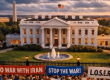
In a roughly half-hour analysis, the panelists discuss the escalating situation in the Middle East—from a puzzling US military operation in Iran to Israel’s growing military overextension and fragile diplomatic efforts surrounding the Strait of Hormuz.
A US military operation near Isfahan is being portrayed by Western media as a kind of modern-day “Saving Private Ryan.” Several aircraft, including helicopters designed for special operations, were destroyed or blown up to prevent them from falling into Iranian hands. The proximity to the site—about 40 kilometers from an Iranian uranium enrichment facility—fuels speculation that the actual mission was aimed at seizing nuclear material. The Iranians claim to have set a trap.
The timing of the operation is seen as striking: shortly before, the Trump administration is said to have considered attacking Iranian nuclear facilities. On April 3, Defense Secretary Pete Hegseth dismissed several high-ranking generals who had been critical of such operations—a move that Cibis views as a symptom of a politicized military leadership that systematically silences critical voices.
A central issue is Iran’s strategic control over the Strait of Hormuz. A former White House advisor is quoted as saying that there are no effective political or military countermeasures to a sustained closure of this strait. Trump’s public ultimatums to force Iran to open the strait are classified by Patrick as unworkable and a foreign policy embarrassment. Iran has even threatened to damage all power plants in the Gulf region in the event of a conflict.
Israel’s military situation is discussed in detail. Israeli Chief of Staff Zamir has admitted internally that the army is on the verge of collapse—too many fronts, too few personnel ready for deployment. In southern Lebanon, Israel is fighting Hezbollah for the third time, having lost over 40 tanks in the process and suffering massive desertions among the mobilized reservists. Israel has issued evacuation orders for the entire southern region of Lebanon and is shelling up to 100 targets in the country daily, forcing some 1.2 million people to flee.
Lebanon’s political leadership under Prime Minister Nawaf Salam—a Harvard graduate with ties to Western financial circles—is attempting to keep the military out of the conflict but is facing internal resistance. The social divide between Christian and Muslim communities in Lebanon is complicating a unified response to the Israeli attacks.
Pakistan is said to have acted as a mediator between Washington and Tehran. Iran agreed to sit down for negotiations on Friday but set ten conditions, including recognition of its right to enrich uranium, the lifting of all sanctions, the withdrawal of all U.S. combat troops from the region, and compensation payments totaling around one trillion dollars. The parties involved are skeptical that these negotiations will lead to a resolution—Israel continues to bomb Lebanon despite the announced ceasefire.
In the long term, the panelists foresee a structural decline in U.S. power. China already purchases 80 percent of Iran’s oil, has established rail links and pipelines, and provides Iran with satellite and intelligence data. As early as 2018, following the reimposition of U.S. sanctions, Iran’s natural gas trade shifted entirely to China—and today, oil trade is also conducted in Chinese yuan rather than U.S. dollars. The conclusion is that this development is undermining the dollar’s global dominance faster than any other geopolitical measure.