Death Figures 2022: An Alarming Signal
An Alarming Signal
Why death figures exploded in 2022
A new study uncovers puzzling patterns in German excess mortality – and raises explosive questions about the vaccination campaign.
Based on the analysis by Prof. Dr. Christof Kuhbandner and Prof. Dr. Matthias Reitzner (Royal Society Open Science, Nov. 2025).
Was there a deadly “pandemic”? A study by two German scientists published in November 2025 paints a different picture. Prof. Christof Kuhbandner and Prof. Matthias Reitzner examined the mortality data for the years 2020 to 2023. Their finding: it was not the first year of measures that was the deadliest, but the third – and that raises questions.
The “break” in 2022
The researchers came across a striking phenomenon. In the first two years of the pandemic (April 2020 to March 2022), so-called “excess mortality” remained within an expected range. (Explanation: excess mortality refers to the number of deaths above what would have been normal on statistical average.) With around 22,000 to 27,000 additional deaths per year, these periods were comparable to past flu seasons.
But from April 2022 everything changed. In the third year the number of additional deaths suddenly shot up to over 78,000. Whereas in previous years only certain regions had been affected, deaths now rose across the board in all federal states at the same time. The researchers conclude that a new, nationwide factor must have come into play.
The puzzle of the official figures
The study also reveals a massive imbalance in official reporting. Far more “COVID-19 deaths” were reported than there were actual additional deaths. In the first year, the number of reported coronavirus deaths was almost 3.5 times as high as the actual excess mortality.
This points to strong displacement effects. In other words, many people did not die additionally because of coronavirus; rather, the virus struck people who, because of their age or pre-existing conditions, would statistically have died soon anyway (possibly of flu). Since flu almost disappeared at the same time, many deaths that would otherwise have been recorded as influenza or other causes were counted as COVID deaths.
Vaccination rate: from model pupil to problem child?
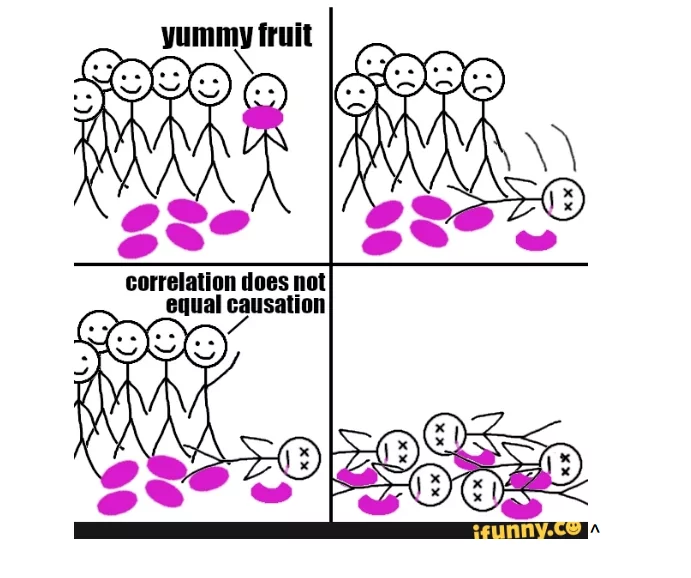
Probably the most explosive part of the analysis concerns the relationship between vaccination rate and mortality. Here the scientists distinguish between mere correlation (two things occur at the same time) and causation (one causes the other).
Phase 1: The deception (2020–2022) In the first two years, the rule was: the higher the vaccination rate in a federal state, the lower the excess mortality. Proof of the jab’s success? No, say the authors. Because this statistical relationship already existed in the first year – that is, before there were any vaccines at all. This is a case of spurious causation: federal states that had fewer deaths anyway (for example because of their age structure) simply vaccinated more diligently later on.
Phase 2: The nasty surprise (from 2022) In the third year the wind turned completely. Suddenly mortality rose most sharply where vaccination rates were highest. The statistical relationship is extremely strong: looking at the increase in deaths, the correlation coefficient is 0.93 – on a scale where 1.0 means perfect lockstep. In the chart, the federal states line up almost like pearls on a string: more vaccination went hand in hand with a more drastic increase in deaths.
Other suspects are ruled out
Could late effects such as “long COVID” or a delayed flu season be to blame? The data say no. The number of infections in previous years and the flu figures are negatively related to the rise in deaths. That means: where there had been a lot of COVID or flu, mortality did not rise more sharply in 2022.
Nor does the so-called mortality displacement effect (catch-up effect) fully explain the figures. (Explanation: this effect describes the phenomenon that a year with many deaths is often followed by a year with few, because the most frail people have already died.) This effect did exist, but even when it is factored out, the vaccination rate remains the strongest statistical driver of the rise in deaths.
Conclusion: a warning signal that must not be ignored
If vaccination were as highly effective (over 90% protection against death) as was often promised, death figures in the “model vaccination states” should have fallen in 2022. Instead, they rose most sharply there.
The authors stress that statistics do not yet prove cause. But the data are a massive warning signal. They are calling urgently for further medical investigations to clarify why it was precisely the “well-protected” regions that suffered the highest losses in the third year.
Never miss a show
New films, shows and articles by email – free, unsubscribe anytime.